Made ByDistillery Tasting Room
Rosenberger Distillery
- 01CityMarkt Allhau, Austria
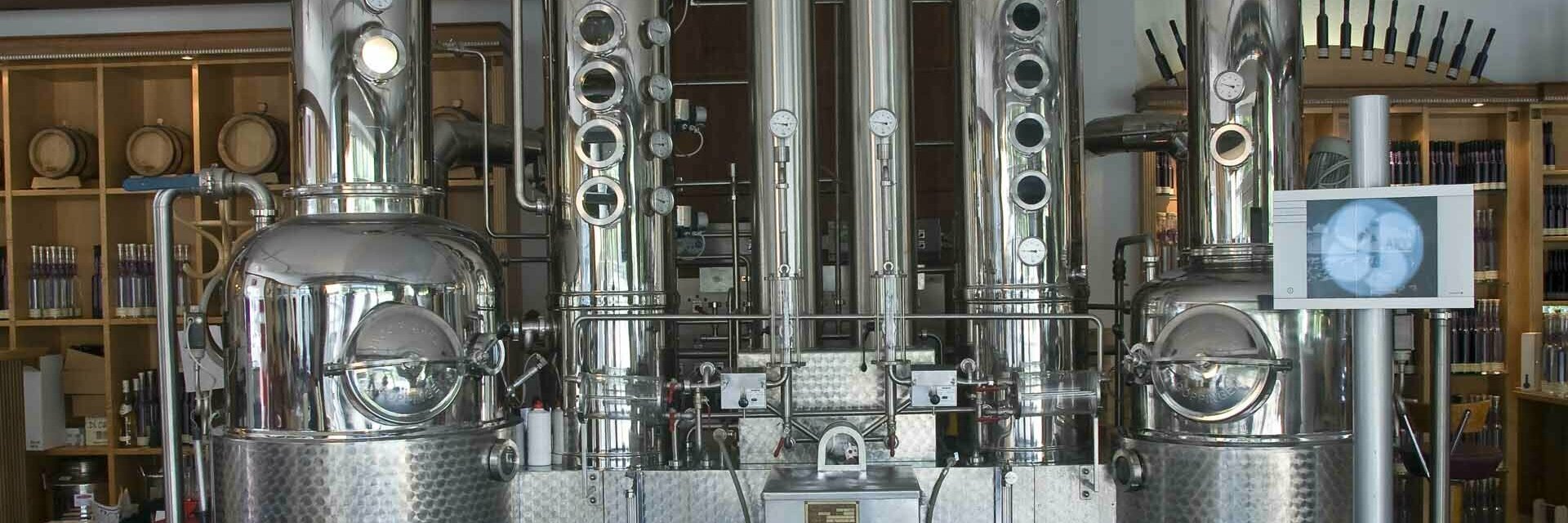
Rosenberger Distillery earned a Pearl 1 Star Prestige in 2025, placing it among Austria's recognised craft spirits producers. Based in Markt Allhau in the Burgenland region, the distillery operates in a part of Austria where agricultural tradition and small-scale production run deep. For visitors tracking Austria's premium distilling scene, it represents a credentialled stop in an area better known for wine than spirits.
Where Burgenland's Agricultural Grain Meets Craft Distilling
Markt Allhau sits in southern Burgenland, a stretch of Austria that most international travellers pass through on the way to better-mapped destinations. The landscape here is agricultural in character: flat to gently rolling, defined by the same fertile basin that made this corridor one of Austria's historically productive farming zones. That agricultural identity matters when you're reading a distillery. The raw materials available to a producer in Burgenland, grain varieties, fruit orchards, the particular mineral character of local water sources, are different from what a distillery in the alpine north would work with, and those differences show up in the glass.
Rosenberger Distillery occupies that specific geographic context. It received a Pearl 1 Star Prestige award in 2025, giving it formal recognition among Austrian craft spirits producers. For a producer based in a smaller settlement like Markt Allhau, rather than in Vienna or along the well-toured Wachau, that kind of external validation signals a level of production discipline that extends beyond local reputation.
Austria's Craft Distilling Scene in Context
Austria has a longer and more serious relationship with distilling than most of its neighbours acknowledge. The tradition of Obstbrand, fruit brandy production, particularly from apricots, pears, and plums, predates the craft spirits wave by centuries in some rural communities. What changed in the last two decades was formalisation: small producers began pursuing technical precision, investing in copper pot stills, and submitting to external evaluation rather than selling purely to local markets.
That shift created two distinct tiers in Austrian craft distilling. One tier is the estate-adjacent model, where wineries with established reputations in regions like Burgenland, the Wachau, or Styria extended into spirits as a secondary production stream. Weingut Scheiblhofer Distillery in Andau, also in Burgenland, represents that crossover approach. The other tier is the standalone distillery, focused exclusively on spirits production without a winery identity as an anchor. Rosenberger operates within this broader Austrian context, earning its 2025 prestige rating as a dedicated producer rather than as an appendage to a wine estate.
For comparison, producers like A. Batch Distillery in Bergheim and 1310 Spirit of the Country Distillery in Sierning reflect the spread of credentialled craft distilling across Austria's different geographic zones. Each operates from a distinct regional base with different raw material access, which makes Austria's distilling scene more heterogeneous than its wine identity might suggest. The 1404 Manufacturing Distillery in Sankt Peter-Freienstein and 1516 Brewing Company Distillery in Vienna further illustrate how urban and rural production philosophies diverge within the same national category.
Burgenland as Terroir for Spirits
The editorial angle on wine terroir, the way soil composition, microclimate, and altitude express themselves in what ends up in the bottle, applies with genuine relevance to distilling, though the conversation happens less often. In Burgenland, the influence of the Pannonian plain produces a warm, dry continental climate that distinguishes it sharply from the cool-climate logic of the Wachau or the Styrian hills. That warmth accelerates the maturation dynamic in aged spirits and affects the sugar content and flavour concentration in fruit used for Obstbrand.
The winery estates that established Burgenland's reputation internationally, producers like Weingut Kracher in Illmitz, working with the specific humidity conditions near Lake Neusiedl that enable botrytis development, or Weingut Pittnauer in Gols, built their identities around site-specific conditions. A distillery in the same region inherits a similar argument: the place shapes the product. Southern Burgenland, where Markt Allhau sits, has its own microclimate sub-character within the broader Pannonian zone, cooler than the lake-adjacent north, with sufficient diurnal temperature variation to add complexity to slowly fermented fruit mashes.
Contrast that with producers rooted in entirely different Austrian terroirs: Weingut Bründlmayer in Langenlois and Weingut Emmerich Knoll in Dürnstein both operate in the loess and primary rock soils of the Wachau and Kamptal, while Weingut Wohlmuth in Kitzeck works in Styria's cooler, steeper slopes. These geographic differences aren't footnotes; they're the central variable in understanding why Austrian producers, whether in wine or spirits, diverge so markedly in style across relatively short distances.
The Prestige Tier in Austrian Spirits Evaluation
The Pearl 1 Star Prestige designation that Rosenberger received in 2025 recognises its work as a premium spirits producer. Within Austria's growing craft spirits recognition infrastructure, prestige-tier ratings are awarded to producers demonstrating consistent technical quality and a defined production character. Receiving that designation in 2025 positions Rosenberger within a peer group that has earned external verification of its standard rather than simply participating in regional markets.
Across Austria, a 2025 prestige rating in spirits sits alongside producers operating in recognised distilling communities outside Austria, including established names like Aberlour in Aberlour, a Speyside benchmark for a different but related conversation about geographic identity in distilled spirits. The comparison isn't direct, but the underlying principle, that place, process discipline, and raw material sourcing produce a recognisable and evaluable character, holds here as well. For Austrian craft distillers, the prestige framework provides a language for communicating that standard to an international audience that may approach the category without existing reference points.
Planning a Visit to Markt Allhau
Markt Allhau is a small settlement in southern Burgenland, accessible from Graz to the south or from Vienna to the north, with road access being the practical approach for most visitors to this part of Austria. The area does not carry the immediate name recognition of the Wachau or the Neusiedlersee wine country, which means visitor infrastructure is modest and planning ahead is more relevant here than in better-mapped destinations. Specific visiting hours, tasting formats, and booking procedures for Rosenberger Distillery are not currently listed, so direct contact with the distillery before making the trip is the correct approach. Also worth noting for regional context: Abfindungsbrennerei Franz in Leithaprodersdorf and Weingut Heinrich Hartl in Oberwaltersdorf represent other credentialled Austrian producers worth including on a Burgenland and Lower Austria circuit, particularly for visitors building an itinerary around regional production rather than a single destination.
Frequently asked
What's the general vibe of Rosenberger Distillery?
Rosenberger operates as a serious craft producer in Markt Allhau, a small agricultural settlement in southern Burgenland where distilling has deep regional roots. The focus is on the spirit itself rather than on hospitality theatre — this is a production-led operation in a part of Austria that international travellers rarely reach. That remoteness is part of the point: the distillery reflects its place, not a polished urban tasting-room format.
Is Rosenberger Distillery recognized by any major rating lists?
Rosenberger Distillery has received recognition including: Pearl 1 Star Prestige (2025).
What do visitors recommend trying at Rosenberger Distillery?
The distillery earned a Pearl 1 Star Prestige designation in 2025, which places its output within Austria's evaluated premium spirits tier. Burgenland's grain agriculture gives local distillers access to raw materials that express the region's flat, continental growing conditions.
What should I know about Rosenberger Distillery before I go?
Rosenberger is based in Markt Allhau, southern Burgenland, accessible by road from Graz to the south or Vienna to the north. The distillery received a Pearl 1 Star Prestige award in 2025, signalling recognition within the structured evaluation frameworks applied to premium Austrian spirits.
Should I book Rosenberger Distillery in advance?
Given Markt Allhau's size and Rosenberger's status as a craft producer rather than a large commercial operation, advance contact is sensible before making the trip. Austrian craft distilleries at this tier often operate on appointment or have limited visitor hours outside of scheduled events. The Pearl 1 Star Prestige recognition (2025) suggests demand from spirits enthusiasts, which makes spontaneous visits a risk.
What Austrian spirits award has Rosenberger Distillery won, and what does it mean?
Rosenberger Distillery received the Pearl 1 Star Prestige designation in 2025, placing it within a structured evaluation framework for premium spirits production in Austria. This tier of recognition sits above general craft certification and reflects assessed quality in the finished spirit rather than brand scale or marketing reach. For spirits travellers planning a route through southern Burgenland, Markt Allhau now has a formally recognised producer on the map.
What should I know before visiting Rosenberger Distillery?
Markt Allhau is a small village; do not expect the infrastructure of a wine-tourism hub. Road transport is the practical option, with Graz and Vienna both within driving range. Rosenberger's Pearl 1 Star Prestige (2025) means its spirits have been formally evaluated, but the distillery itself is not a large-format tourist venue, and visiting should be treated as a purposeful trip to a working producer.
How it compares
Rosenberger Distillery
- Cuisine
- Winery
- Price
- —
- Awards
- 1 recognition
- Notes
- Markt Allhau
Destillerie Weisz
- Cuisine
- Winery
- Price
- —
- Awards
- 1 recognition
- Notes
- Neckenmarkt
Wohlfarter Distillery
- Cuisine
- Winery
- Price
- —
- Awards
- 1 recognition
- Notes
- Bregenz
Haider Whisky Distillery (Roggenhof)
- Cuisine
- rye, barley
- Price
- $$
- Awards
- 1 recognition
- Notes
- Waldviertel
Weingut Kerschbaum
- Cuisine
- Blaufränkisch, Zweigelt
- Price
- $$
- Awards
- 1 recognition
- Notes
- Horitschon
Weingut Arndorfer
- Cuisine
- Grüner Veltliner, Riesling
- Price
- $$
- Awards
- 1 recognition
- Notes
- Straß im Straßertale