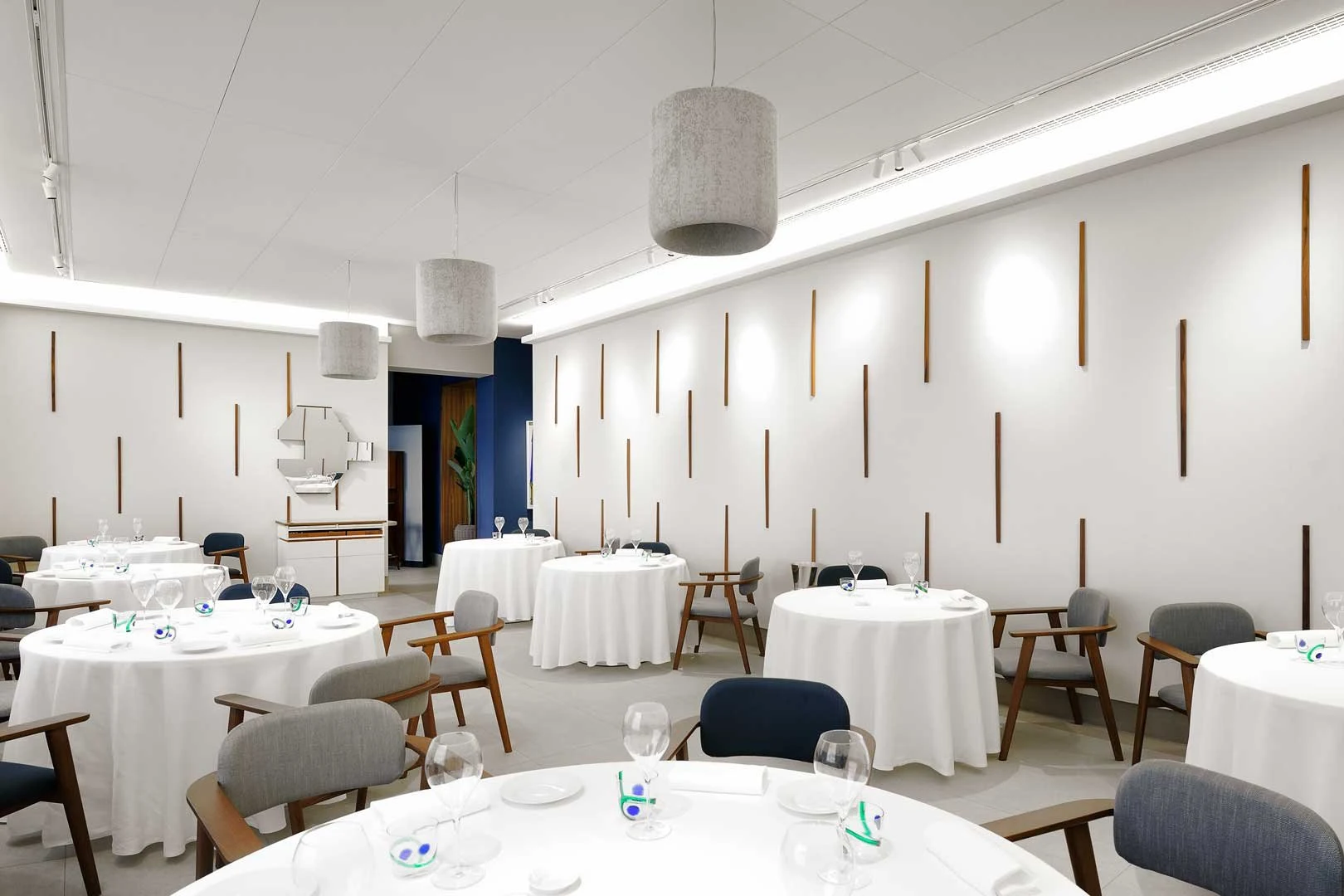
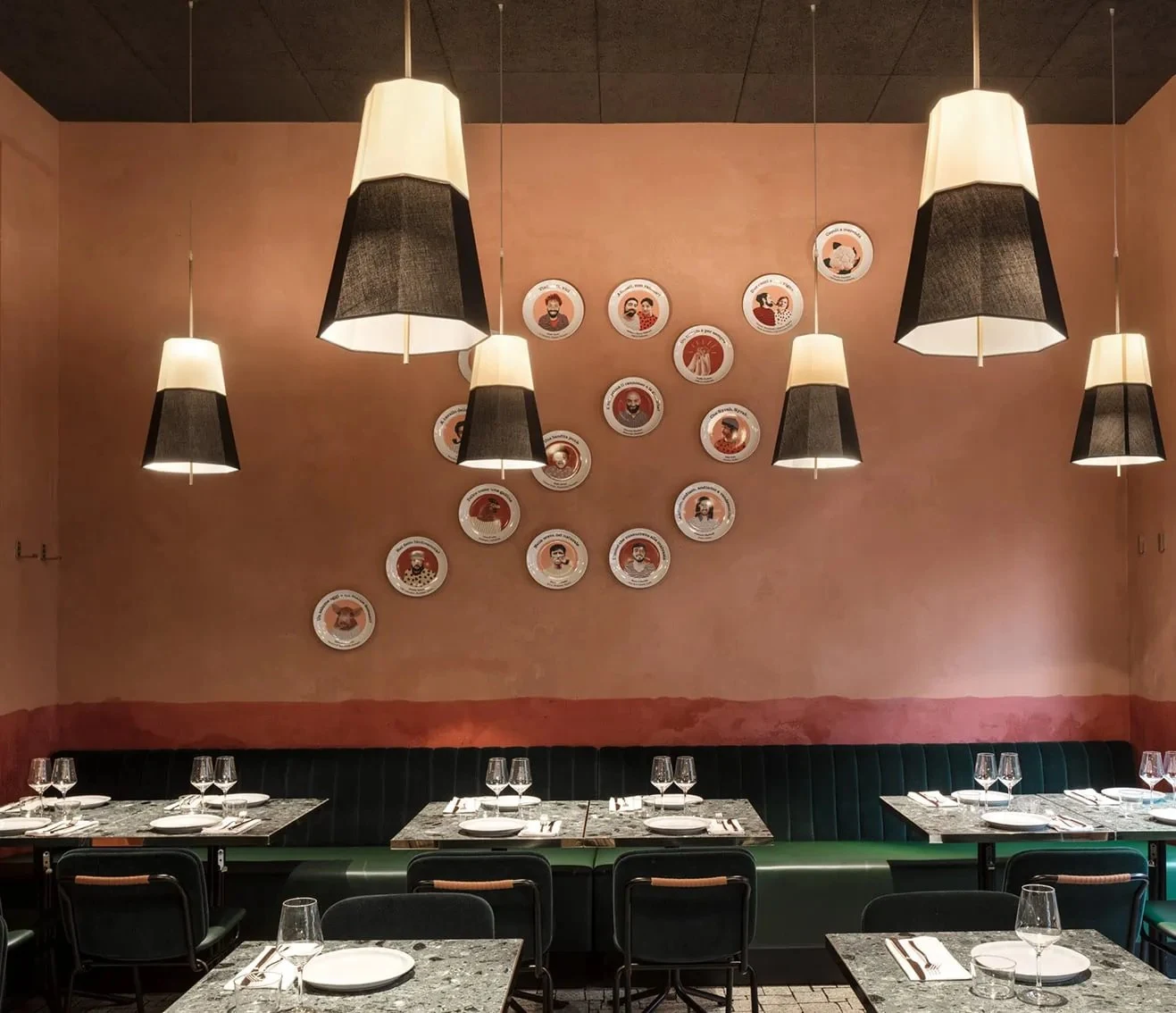
Røst
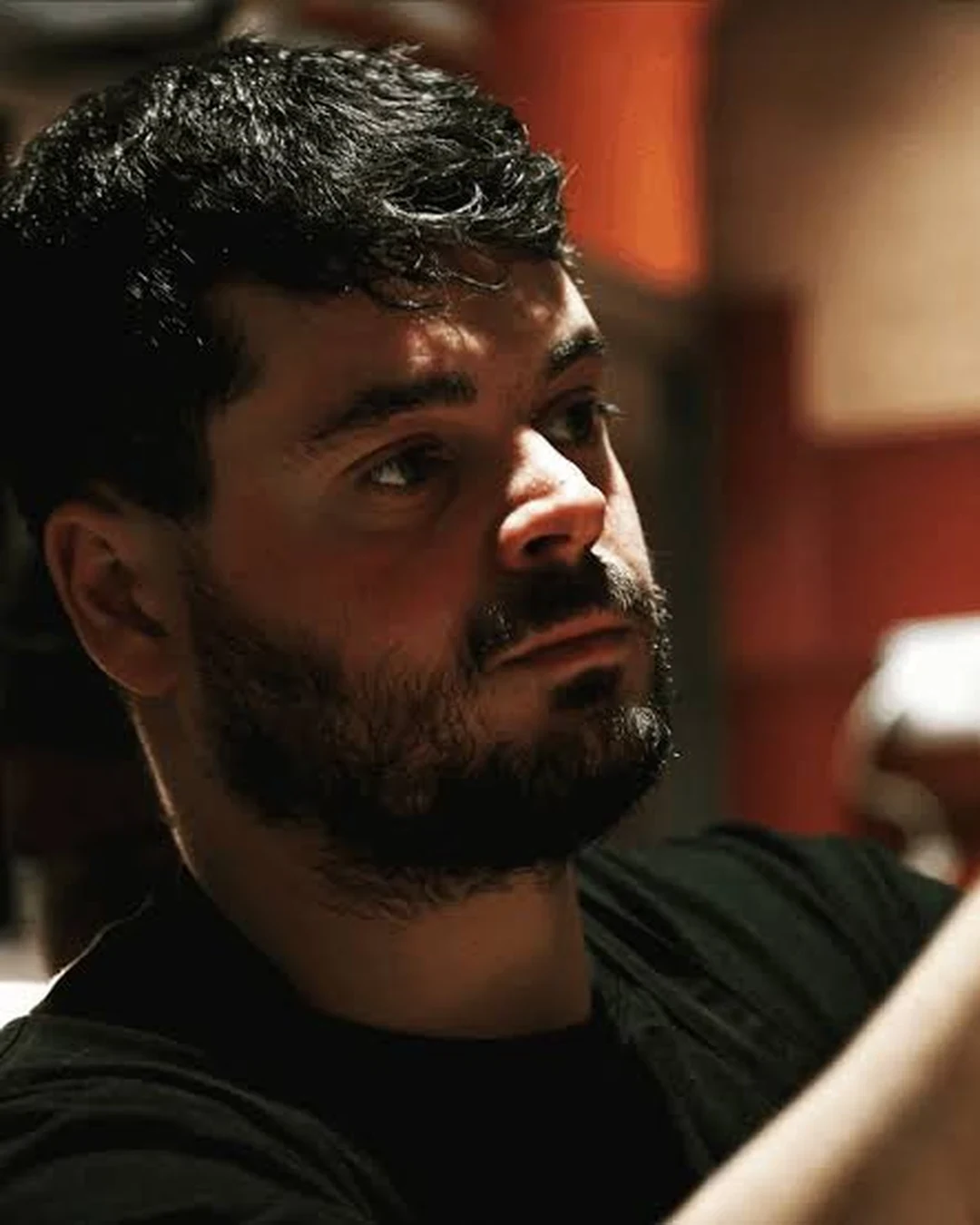
In Residence
Piermaria Trischitta
Chef
- 01CuisineModern Italian Bistro with Nordic Influences
- 02CityMilan, Italy
- Opinionated About Dining Casual in Europe Recommended · 2026
Via Melzo and the Porta Venezia Dining Shift
Milan's dining map has reorganised itself over the past decade. The centre of gravity once sat firmly in the Navigli and Brera quadrants, but Porta Venezia has drawn a different kind of attention: quieter, more residential, with a food culture that grew from neighbourhood ritual rather than tourist pressure. Via Melzo, 3 is an address inside that shift. The street itself carries the character of the surrounding district: tree-lined, pedestrian-paced, and significantly more local in its composition than the blocks closer to Piazza della Repubblica.
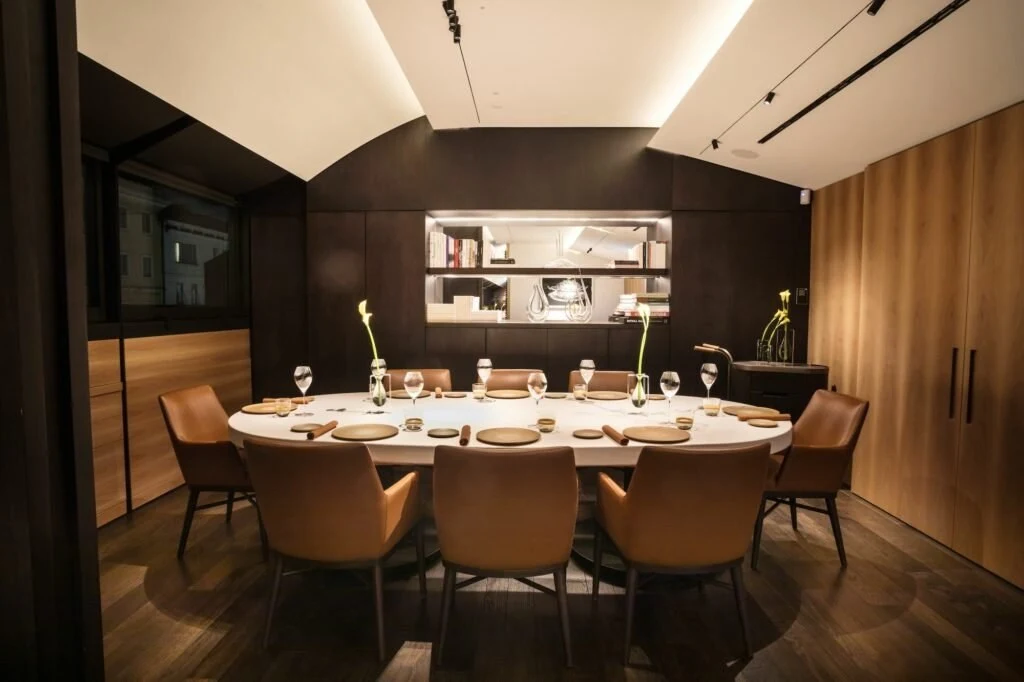
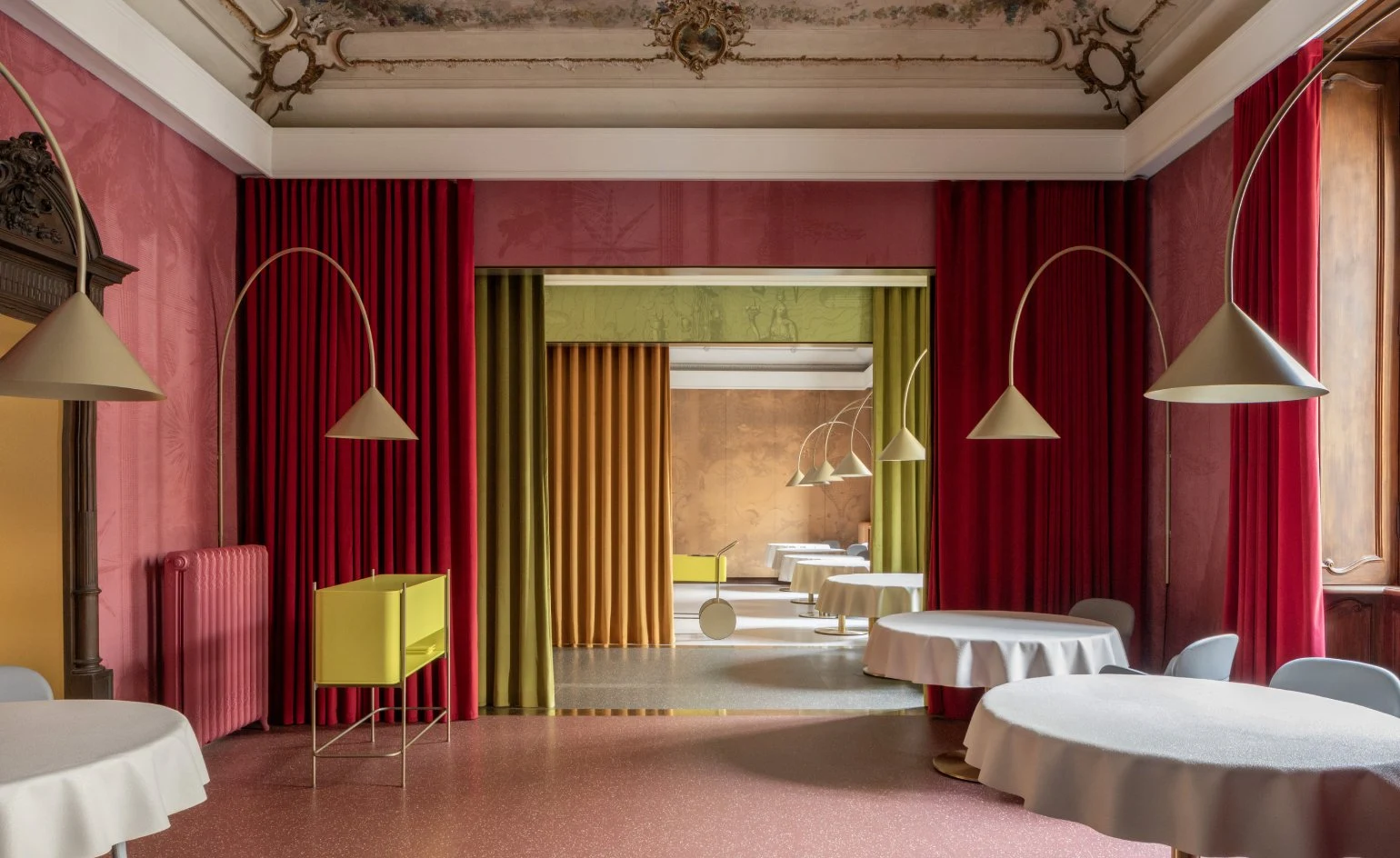
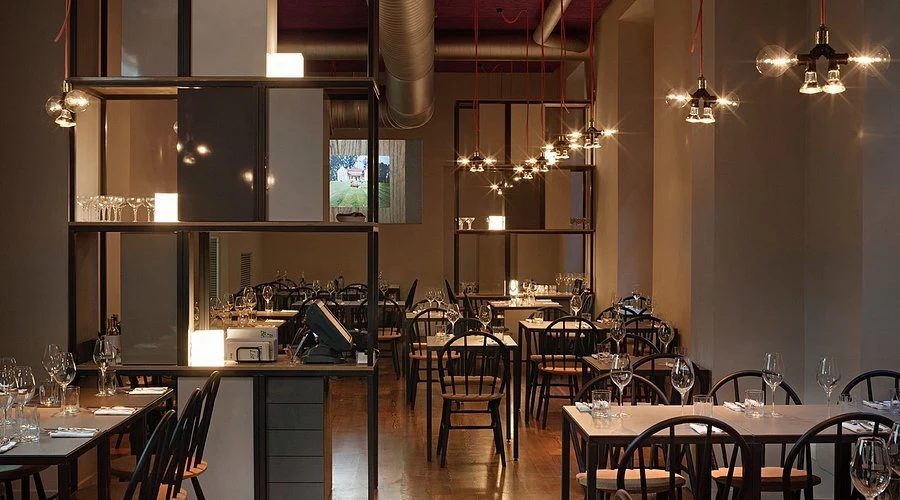
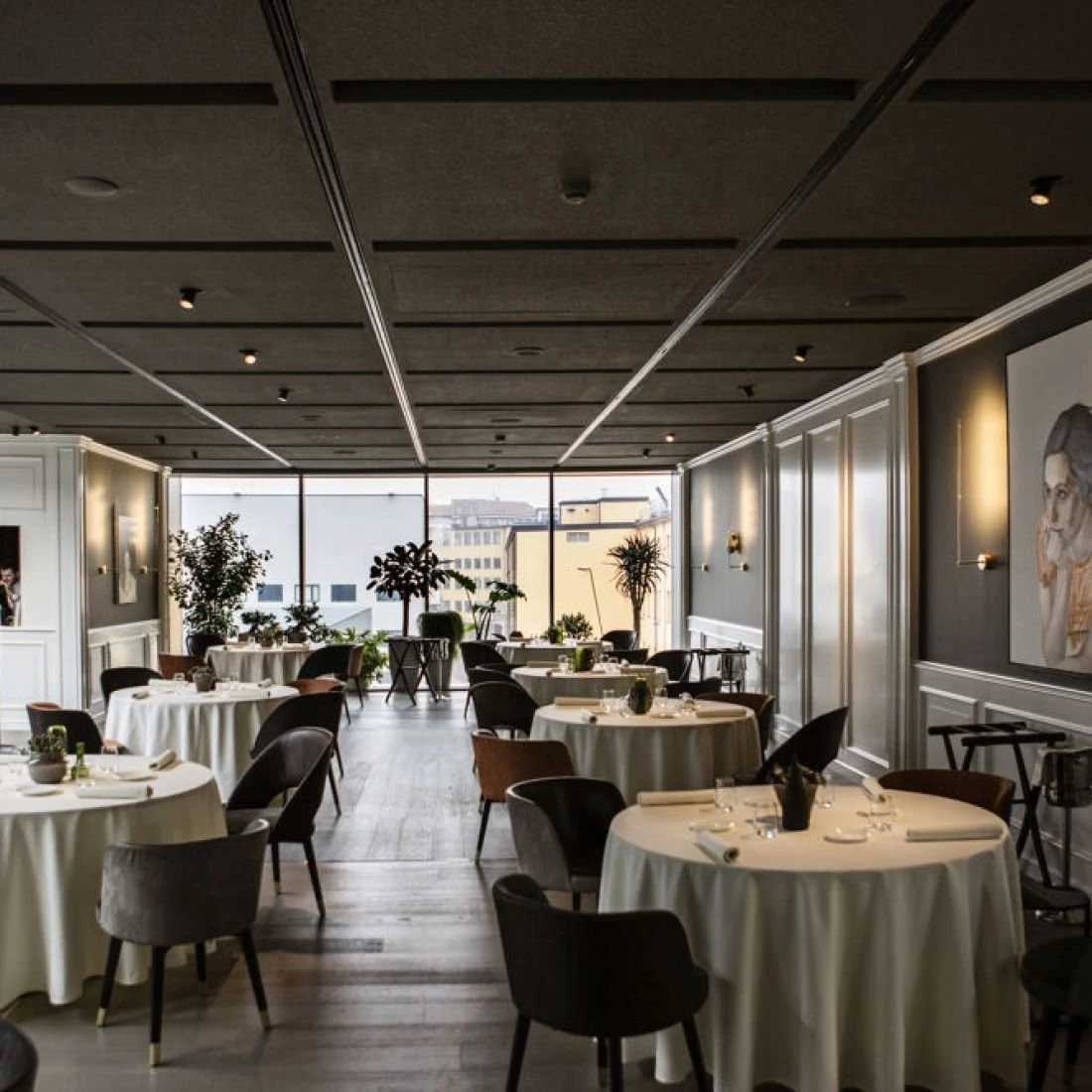
Røst sits within this setting, and the name itself signals a certain editorial intention. Scandinavian in origin, the word refers to a roasting or grilling process, though its application here implies a studied interest in technique and fire rather than any literal Nordic transplant. Milan has become receptive to kitchens that borrow from northern European precision while remaining grounded in Italian ingredient logic, a combination that defines a growing subset of the city's mid-to-upper dining tier.
How Lunch and Dinner Read Differently Here
The lunch versus dinner divide in Milan's better restaurants is not simply a question of menu length. Daytime service in this part of the city functions as a working meal for the neighbourhood's professional class: shorter, more focused, priced to accommodate repetition rather than occasion. Evening service shifts the calculus toward something more deliberate. The room's atmosphere recalibrates, covers tend to slow, and the kitchen has room to push more considered preparations through the pass.
At Røst, this divide is worth factoring into how you approach a visit. Lunch on Via Melzo draws from the surrounding residential and office population, meaning the room has a different energy than it does at dinner, when the clientele more closely resembles the destination-driven diner who has made a specific choice rather than a geographic convenience. Both modes have their case. A midday visit allows you to read the kitchen at a more natural pace and often at a lower entry cost; the evening format lets the meal breathe. This pattern is consistent across Milan's restaurant tier that operates below the full tasting-menu price bracket occupied by addresses like Enrico Bartolini, Seta, and Andrea Aprea.
Internationally, the lunch-dinner value gap is a well-documented feature of serious kitchens. Le Bernardin in New York City has long maintained a lunch menu that functions as a lower-barrier access point to the same kitchen producing its evening service, and Lazy Bear in San Francisco runs a format where the time-of-day distinction is baked into the ticketing structure itself. Milan's version of this logic is less formalised, but the principle holds.
Where Røst Sits in the Milan Conversation
Milan's upper dining tier is clustered around a recognisable group: Cracco in Galleria for name-led modern cuisine, Verso Capitaneo on the creative side, and the broader cohort of Michelin-recognised addresses that position the city among Italy's serious dining destinations. Below that bracket, the competition is dense and the differentiation harder to sustain. A restaurant on a residential street in Porta Venezia, without the staging of a hotel dining room or the profile of a Michelin listing, is working within a more demanding commercial reality.
Italy's full range of serious restaurants extends well beyond Milan. Osteria Francescana in Modena, Piazza Duomo in Alba, and Enoteca Pinchiorri in Florence represent the national benchmark at the top of the market. Regional institutions like Dal Pescatore in Runate, Uliassi in Senigallia, Reale in Castel di Sangro, Quattro Passi in Marina del Cantone, Le Calandre in Rubano, Atelier Moessmer Norbert Niederkofler in Brunico, and Casa Perbellini 12 Apostoli in Verona each define what serious Italian cooking looks like outside a major city. Røst operates in a different register: urban, neighbourhood-anchored, and without the critical apparatus that defines destination dining in the conventional sense.
Planning a Visit
Via Melzo, 3 is direct to reach by public transport from central Milan; the Porta Venezia metro station on Line 1 puts you within a short walk of the address. The neighbourhood rewards arriving slightly early for an evening booking: the aperitivo bars on the surrounding streets are worth factoring into the rhythm of the evening, and the atmosphere on Via Melzo itself changes meaningfully between 6pm and 8pm as the after-work crowd moves through.
Questions
Frequently asked
Who works at Røst?
Made By profiles Piermaria Trischitta (Chef) at Røst.
How expensive is Røst?
Røst is listed at a price level of $$$.
Where is Røst and what does it serve?
Røst is in Buenos Aires - Porta Venezia - Porta Monforte, Milan, serving Modern Italian Bistro with Nordic Influences.
The field
How it compares
| Place | Cuisine | Notes | Awards |
|---|---|---|---|
| Røst | Modern Italian Bistro with Nordic Influences | Buenos Aires - Porta Venezia - Porta Monforte, $$$ | · |
| Andrea Aprea | Modern Italian Fine Dining | Milan | Michelin 2 Stars |
| Contraste | Modern Italian Fine Dining | Milan | Michelin 1 Star |
| Dry Milano | Neapolitan Pizza & Cocktails | Milan | · |
| Enrico Bartolini | Modern Italian Fine Dining | Milan | Michelin 3 Stars, World's 50 Best |
| Il Luogo di Aimo e Nadia | Modern Italian Regional | Milan | · |
| Seta | Modern Italian Fine Dining | Milan | Michelin 2 Stars |
In residence
Similar places
Modern Italian Fine Dining
Andrea Aprea
Milan, Italy
★★
Modern Italian Fine Dining
Contraste
Milan, Italy
★
Neapolitan Pizza & Cocktails
Dry Milano
Milan, Italy
Modern Italian Fine Dining
Enrico Bartolini
Milan, Italy
★★★ · 50 Best
Modern Italian Regional
Il Luogo di Aimo e Nadia
Milan, Italy
Modern Italian Fine Dining
Seta
Milan, Italy
★★