Rotweine Lang
- 01CityNeckenmarkt, Austria
- Falstaff Winery - 3 Stars · 2026
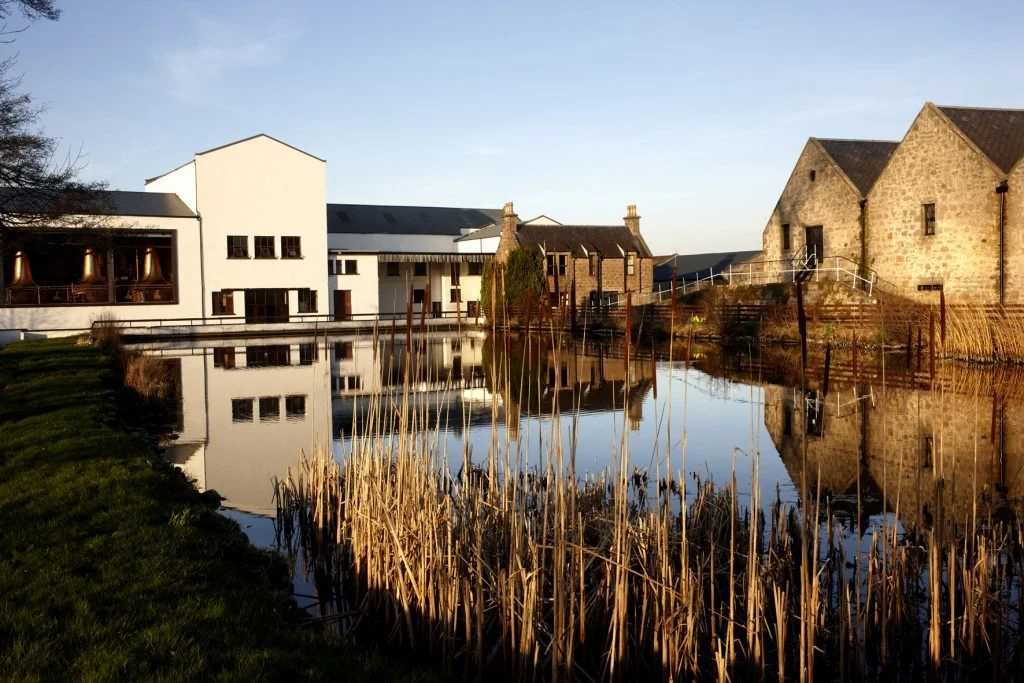
Approach the old Streckhof and the first cue is scale: this is not a polished visitor complex, but a working Burgenland wine address where the courtyard, cellar and family name do much of the talking. In Mittelburgenland, Blaufränkisch is not a fashionable aside; it is the region’s red-wine argument. Rotweine Lang places that grape at the center of the house, then stretches it across a portfolio that runs from direct, everyday bottles to long-aged cuvées with collector intent.
Neckenmarkt matters here because the village sits inside the Blaufränkischland conversation, where Austrian red wine is judged less by power alone than by how fruit, structure and patience hold together. The estate’s setting in a 300-year-old Streckhof adds a second kind of place identity: agricultural continuity rather than architectural theatre. For travelers mapping the area beyond a single cellar door, the broader local circuit is worth reading through Our full Neckenmarkt wineries guide, with nearby editorial context also available in Our full Neckenmarkt restaurants guide, Our full Neckenmarkt hotels guide, Our full Neckenmarkt bars guide and Our full Neckenmarkt experiences guide.
Blaufränkisch with a long clock, not a quick cellar-door script
The most useful way to read the range is as a ladder of time. Blaufränkisch Echt Lang 2024 sits at the direct estate-expression end, priced at €8.90, while Vitikult 2023 moves into a more serious register at €11.90 and carries 95 A la Carte plus 4 Vinaria stars. Cuvée Fusion One 2023, at €14.80, has 92 Falstaff and 3 Vinaria stars. V-MAX Grandé Réserve 2021 rises to €38.00 and has a 97 Falstaff score. Those figures matter because they show a producer working across tiers rather than relying on a single prestige bottle to define the address.
The cellar signature is Raue Liebe 2020. Its protocol is unusually explicit: 3.5 years in barrique, followed by one year buried two meters underground at the Platz der Rauen Liebe, then released in strictly limited quantities at €149.00. In a region where Blaufränkisch can be treated as either a fresh regional red or a long-haul structural wine, that aging sequence places the bottle firmly in the latter camp. The point is not eccentricity for display; the point is patience turned into a production method.
Broader portfolio keeps the house from becoming too narrow. Wahre Liebe 2020, Der Rosé Lang 2024 and Prickelnde Liebe - Frizzante 2025 add emotional branding and lighter drinking occasions, while Zweigelt, St. Laurent, Cabernet Sauvignon and Merlot broaden the red-wine base. The mixed-case structure also reveals how the estate teaches its own range: the 12-bottle Verkostungspaket covers the full portfolio, the six-bottle Starterpaket functions as an introduction, and Stefans Lieblingsweine gives the selection a family-curated frame.
A Streckhof tasting model rooted in family labor
Small Austrian wine estates often blur the line between production, sales and hospitality, and that is the format here. Stefan Lang is associated with the cellar and vineyard, while Andrea Lang handles sales, giving the visitor experience a direct-from-estate character rather than a scripted brand showroom feel. Tastings are estate tastings and guided tastings, conducted in German, with a listed duration of 60 minutes. The atmosphere is described as rustic, cozy, intimate and classic, which fits the Streckhof setting better than any luxury-hospitality vocabulary would.
The practical profile reinforces that intimacy. The visit type is appointment only, the capacity tier is small, the noise level is conversational, and the dress code is casual. There is street parking, payment by credit card and debit card, shipping is available, and the allocation status is open. The estate is marked as good for groups, with occasion tags that include wine education, solo exploration, group outing and special occasion; it is not marked as dog-friendly, child-friendly or food-pairing focused. That makes the address better suited to visitors who want a focused cellar conversation than to travelers looking for a long lunch format.
From an editorial standpoint, the appeal is the combination of regional specificity and measurable recognition. Falstaff, A la Carte and Vinaria signals attach to named wines, not to a vague reputation, and the pricing ladder gives buyers a clear way to calibrate curiosity against commitment. Within Neckenmarkt, readers building a wider wine day may also look at Destillerie Weisz, Heribert Bayer Kellerei In Signo Leonis, Kolfok, Neckenmarkt die Winzer and Weingut Draxler.
Where this fits in a wider Austrian wine itinerary
Rotweine Lang is strongest for travelers who want Blaufränkisch treated as a serious regional language, with enough bottle-level evidence to compare styles across price points. It is less about spectacle than about observing how a family estate turns place, time and cellar ritual into a coherent red-wine identity. The 300-year-old farmstead gives the visit texture; the long aging of Raue Liebe gives the portfolio a clear focal point; the Falstaff, A la Carte and Vinaria scores give the wines external weight.
For broader planning across wine-focused travel, the Austrian and international map can widen quickly: »der Steiner« Hans Steiner in Podersdorf am See, ®walzer in Gneixendorf Bei Krems and 1516 Brewing Company Distillery in Vienna show how varied Austrian beverage addresses can be, while & Handwein in Mannheim and 00 Wines in Carlton widen the frame beyond Burgenland. The reason to prioritize this Neckenmarkt stop is narrower and more useful: a small, appointment-led Streckhof estate where Blaufränkisch is handled with a long clock and a clear sense of place.
Questions
Frequently asked
How expensive is Rotweine Lang?
Rotweine Lang is listed at a price level of $$.
The field
How it compares
| Place | Notes |
|---|---|
| Rotweine Lang | Neckenmarkt, $$ |
| Destillerie Weisz | Neckenmarkt |
| Heribert Bayer Kellerei In Signo Leonis | Neckenmarkt |
| Weingut Draxler | Neckenmarkt |
| Weingut Kerstinger | Neckenmarkt |
| Weingut Weinhäusel | Neckenmarkt |
| Wellanschitz | Neckenmarkt |