Rovero
- 01CityAsti, Italy

- Falstaff Winery - Listed · 2026
Approach the Asti countryside here and the first impression is not a tasting bar but an agricultural compound: a courtyard, an 1880 chapel, farmhouse rooms, cellars, a working distillery and vineyards held together by family continuity. In Piedmont, that matters. The region can sometimes divide into trophy-label cellars on one side and casual agriturismi on the other; Rovero sits in the older estate tradition, where wine, grappa, lodging and the table remain connected parts of the same rural economy.
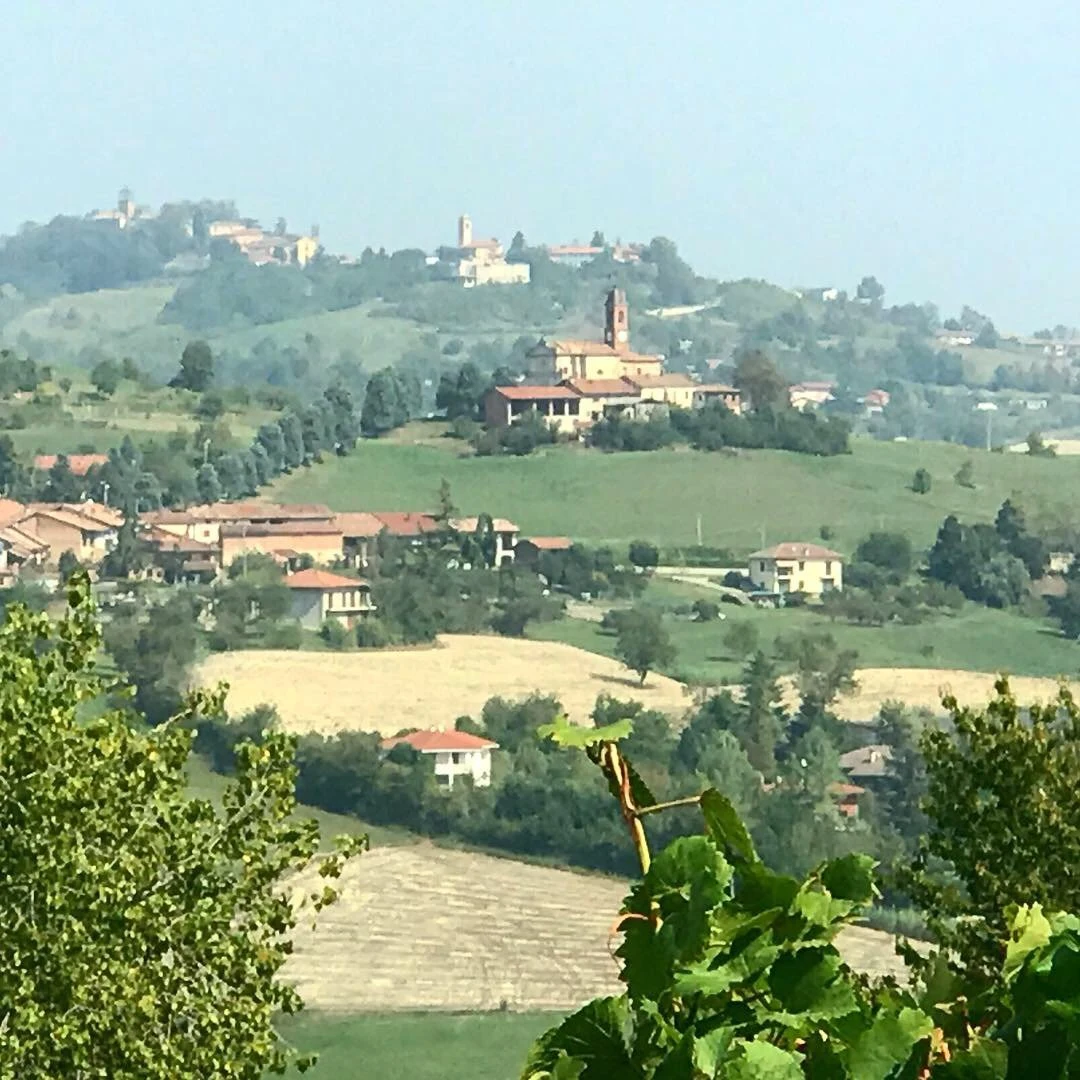
The land reads through the grape list before any bottle is named. Barbera and Nebbiolo anchor the Piedmont identity, Grignolino adds a more local, lighter-framed register, while Sauvignon Bianco, Merlot and Cabernet Sauvignon show the estate’s broader cellar range. The formal appellation signal is Barbera d’Asti DOCG, but the more instructive story is mixed Monferrato agriculture: vineyards sit alongside garden and farm elements, and the estate’s hospitality model makes that setting part of the experience rather than a backdrop.
Monferrato farming expressed through wine and grappa
Asti wine country is often discussed through labels and sweetness categories, yet the more grounded way to read this estate is through material flow. Grapes are farmed organically, harvested by hand, made into wine, and the remaining skins and seeds move into distillation rather than being treated as waste. That loop is central to grappa culture: freshness of marc is not a romantic detail but a production variable, especially when the spirit is built around varietal identity.
Rovero has produced ICEA-certified organic wines since 1987, a useful date because it predates the current hospitality-driven fashion for green language. The estate also works with biodynamic methods and a small production scale, which places the emphasis on stewardship and estate rhythm rather than volume. The cellar covers still red, still white, sparkling and fortified styles, but the more distinctive structural point is the dual production of DOC/DOCG wines and varietal grappas on the same property.
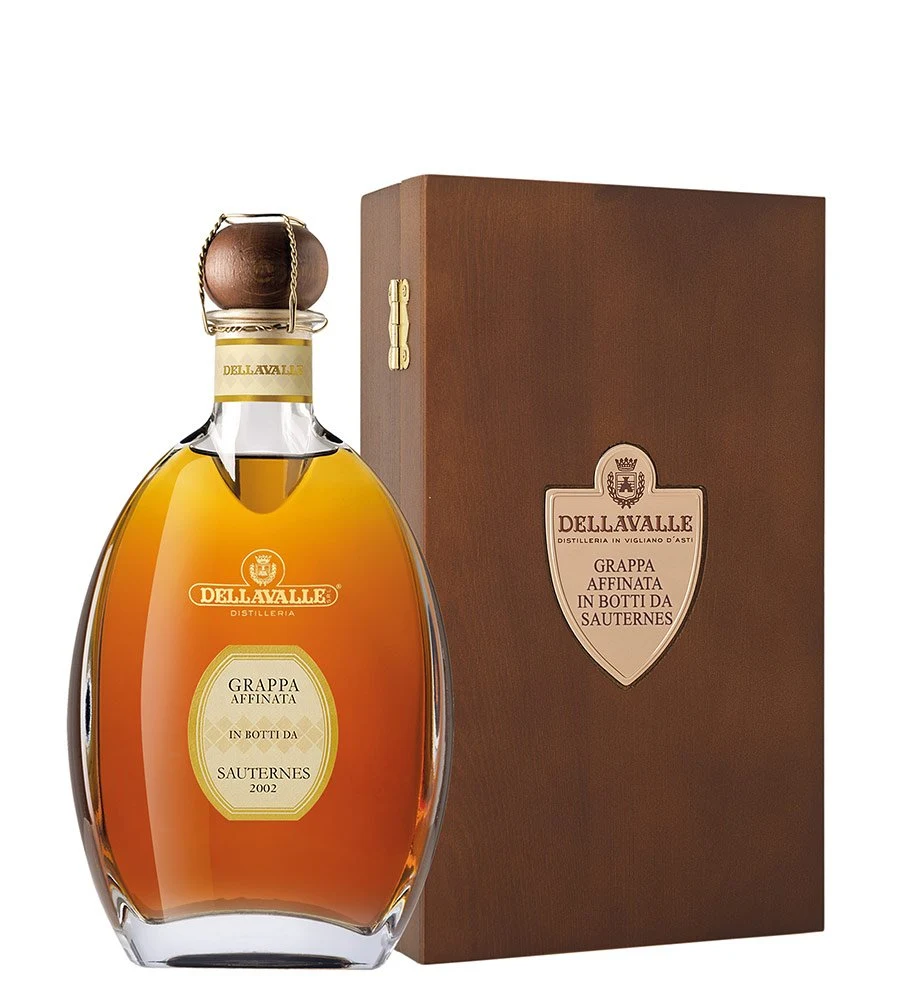
That gives the tasting format a wider arc than a standard cellar visit. A wine-only estate can explain soil, grape and vintage; a wine-and-distillery estate can extend the conversation into pomace, pot stills and ageing cellars. In a region where after-dinner spirits are part of the table culture, this is not an add-on. It is a different reading of the same harvest.
A courtyard estate rather than a showroom cellar
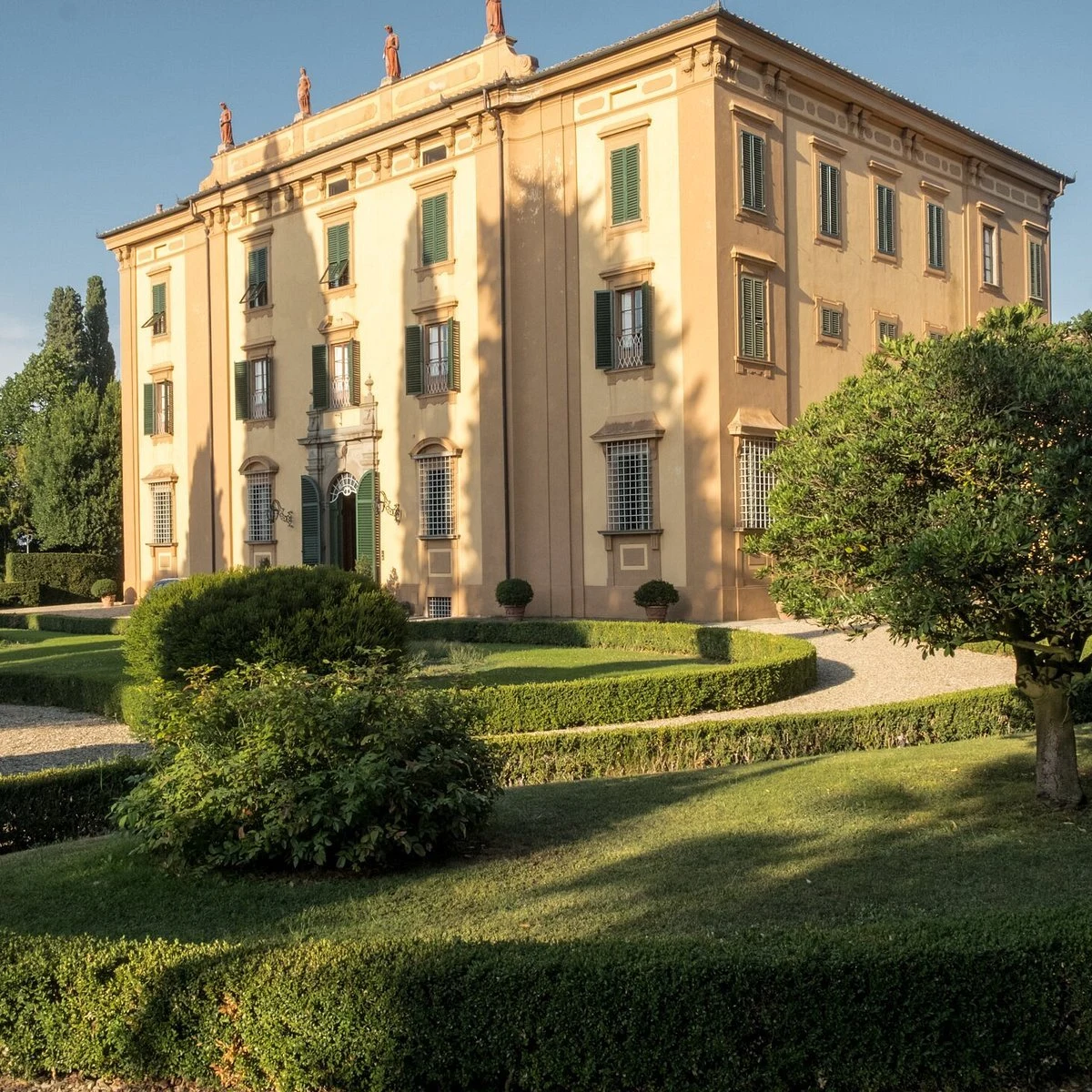
The visitor format is agriturismo-led. The old farmhouse guest quarters, on-site restaurant, cellar spaces and distillery sit within the same estate story, so the experience is less about a polished retail counter than about seeing how production and rural hospitality overlap. The courtyard and chapel give the property a built-history anchor; the vineyard and garden views supply the agricultural one.
For travellers building an Asti itinerary, that integrated format has a clear use case. It suits visitors who want wine education with a spirits component, families or groups who benefit from a larger rural property, and anyone interested in Piedmont beyond restaurant reservations alone. Accessibility, bus parking, pet-friendly policy and child-friendly positioning also point to a more flexible estate visit than many compact cellar doors can manage.
The critical distinction is expectation. This is not the place to look for a heavily documented trophy-cuvée narrative or a long list of public awards. Its credibility comes from continuity: a family estate dating back to the late 19th century, organic certification with a stated 1987 benchmark, manual harvest, small-scale production and an on-site grappa program tied directly to fresh marc. Those are quieter signals, but in wine travel they are often more useful than decoration.
How to place it within an Asti wine trip
Asti rewards itinerary planning by category. Vermouth and sparkling traditions, grappa distillation, Barbera-focused estates and rural agriturismi all sit close enough in cultural terms to make a layered day possible. Rovero’s role in that mix is the estate-as-system: wine, distillery, food and lodging in one place, with terroir expressed through farming practice as much as through a single flagship bottle.
For a broader regional map, use Our full Asti wineries guide alongside producers such as Castello del Poggio, Cocchi, Distilleria Dellavalle, La Maranzana and Perlino. Build the rest of the city around Our full Asti restaurants guide, Our full Asti hotels guide, Our full Asti bars guide and Our full Asti experiences guide.
Travellers extending the wine route beyond Piedmont can compare the broader Italian and European estate spectrum through 3GP SRL in Treviso, 47 Anno Domini in Trebaseleghe, A Mano Wine in Noci, »der Steiner« Hans Steiner in Podersdorf am See and & Handwein in Mannheim. Rovero’s place in that wider field is clear: a Piedmont estate where Monferrato farming, organic viticulture and grappa production remain physically linked rather than split into separate visitor products.
Questions
Frequently asked
How expensive is Rovero?
Rovero is listed at a price level of $$.
The field
How it compares
| Place | Notes |
|---|---|
| Rovero | San Marzanotto, $$ |
| Castello del Poggio | Asti |
| Chateau Leoville Las Cases | Saint-Julien-Beychevelle |
| Cocchi | Asti |
| Distilleria Dellavalle | Asti |
| La Maranzana | Asti |
| Perlino | Asti |