Made ByRestaurant
Rubén Miralles
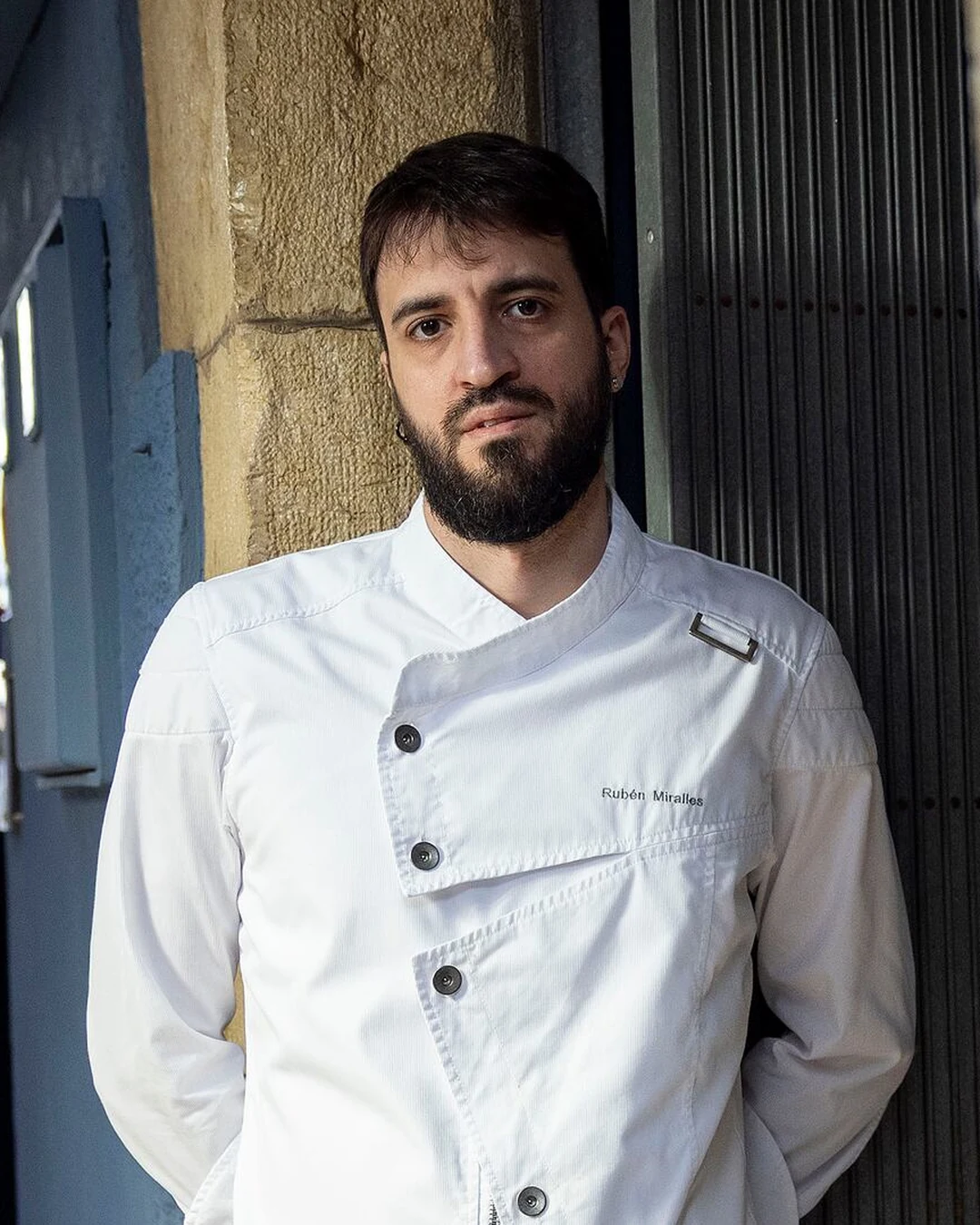
Chef in Residence
Rubén Miralles
Chef
- 01CuisineModern Spanish Contemporary
- 02CityVinaròs, Spain
- 03RecognitionOne Michelin Star
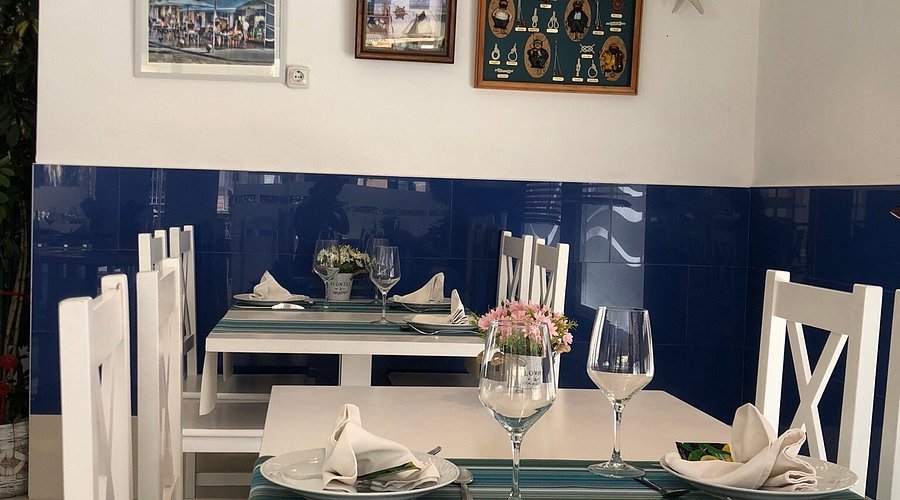
A Michelin Bib Gourmand recipient for 2024 and 2025, Rubén Miralles operates from a narrow side street near Vinaròs's Plaza Parroquial, delivering modern Spanish cooking that draws on the Valencian coast, the local market garden, and global references from Arabia to Peru. Four distinct menus span weekday lunch to a full vegan tasting format, all at a price point that makes this one of northern Castellón's most purposeful dining addresses.
- 1 Michelin Star
- Michelin Bib Gourmand
At a glance
- Cuisine
- Modern Spanish Contemporary
- Price
- $$$
- Per person
- $50
- Hours
- Mon: Closed; Tue: Closed; Wed: 11 AM–5 PM; Thu: 11 AM–5 PM; Fri: 11 AM–5 PM, 8:45 PM–12 AM; Sat: 11 AM–5 PM, 8:45 PM–12 AM; Sun: 11 AM–5 PM
- Neighborhood
- Vinaròs
- Rating
- 4.8 (873)
<h2>A Side Street Worth Finding</h2><p>Travessia de Sant Vicent is the kind of street that rewards the traveller who moves on foot rather than by map pin. A few metres from Vinaròs's Plaza Parroquial, it runs narrow enough that the restaurant's entrance reads as a local address rather than a dining destination, which is the right register. The physical modesty of the setting is part of the point: Rubén Miralles the restaurant makes its case through the plate rather than the room.</p><p>Vinaròs sits at the northern tip of the Valencian Community, where the Costa del Azahar meets the border with Catalonia. The city's culinary identity has long been shaped by the sea, its fish market is among the most active on this stretch of Mediterranean coastline, and by the productive market gardens of the interior Maestrat region. A kitchen that takes both seriously has raw material most urban restaurants would struggle to source with the same immediacy. That geographical advantage is not incidental to what Rubén Miralles does; it is the structural foundation of the menu.</p><h2>Where Castellón Cooking Meets Wider Reference</h2><p>Contemporary Spanish cooking has, over the past two decades, sorted itself into a clear hierarchy. At the apex sit the multi-Michelin-starred houses: <a href="https://www.enprimeurclub.com/restaurants/el-celler-de-can-roca-girona-restaurant">El Celler de Can Roca in Girona</a>, <a href="https://www.enprimeurclub.com/restaurants/arzak-san-sebastian-restaurant">Arzak in San Sebastián</a>, <a href="https://www.enprimeurclub.com/restaurants/disfrutar-barcelona-restaurant">Disfrutar in Barcelona</a>, <a href="https://www.enprimeurclub.com/restaurants/mugaritz-errenteria-restaurant">Mugaritz in Errenteria</a>, <a href="https://www.enprimeurclub.com/restaurants/diverxo-madrid-restaurant">DiverXO in Madrid</a>, and the Mediterranean creative tradition represented by <a href="https://www.enprimeurclub.com/restaurants/quique-dacosta-denia-restaurant">Quique Dacosta in Dénia</a> and <a href="https://www.enprimeurclub.com/restaurants/aponiente-el-puerto-de-santa-maria-restaurant">Aponiente in El Puerto de Santa María</a>. Below that tier, and not in a diminishing sense, sits a category of serious, technically confident kitchens operating at mid-range prices, recognised by Michelin's Bib Gourmand rather than starred distinctions. These are restaurants where the cooking makes the case for a region without the accompanying price architecture of the top tier.</p><p>Rubén Miralles occupies that position in Vinaròs. The Castellón-born chef at the kitchen's helm approaches modern cooking without doctrinal rigidity, combining contemporary technique with dishes rooted in local tradition. The approach has earned Michelin recognition in 2024 and 2025, a signal that the quality and value proposition are consistent. For comparison, nearby coastal kitchens in the Valencian tradition, such as <a href="https://www.enprimeurclub.com/restaurants/ricard-camarena-valencia-restaurant">Ricard Camarena in València</a>, operate at significantly higher price points to deliver a similar philosophy of produce-led contemporary cooking. The Bib Gourmand bracket at €€ pricing is, in other words, where a kitchen proves itself without the insulation of a high-spend clientele.</p><h2>Four Menus, One Kitchen Logic</h2><p>The menu structure at Rubén Miralles is one of the more thoughtful formats in the province. Four distinct options address different occasions, budgets, and dietary contexts. The Debé menu is the weekday lunchtime offer, the format that keeps a serious kitchen accessible to the working week. The Producte menu is seasonal, built around the local market garden and sea: what the Maestrat delivers in a given week, translated through contemporary technique. The Amarant menu is a dedicated vegan tasting format, notable not as a dietary accommodation but as a full creative statement, the chef has been explicit that no kitchen in this region can reasonably ignore a plant-centred programme.</p><p>The fourth menu, simply named Rubén Miralles, represents the fullest gastronomic expression the kitchen offers. Both the Amarant and the Rubén Miralles menus require advance booking, which is worth noting when planning a visit to a city that most travellers treat as a coastal stopover rather than a dining destination in its own right. The Debé and Producte formats are more accessible without the same lead time, though this being a small restaurant, calling ahead is advisable regardless.</p><p>The kitchen's range of reference is wide. Alongside the reinvented traditional Valencian dishes, vine tomatoes with natural and fermented salmorejo, or espardeña (sea cucumber) with boletus foam, majado, and egg yolk, the menu extends toward the flavours of Arabia, Peru, and Asia. This is not fusion for its own sake but reflects the global literacy that has become a baseline expectation of modern Spanish kitchens since the late-nineties revolution centred on the Basque Country and Catalunya. Chefs from <a href="https://www.enprimeurclub.com/restaurants/martin-berasategui-lasarte-oria-restaurant">Martin Berasategui in Lasarte-Oria</a> to <a href="https://www.enprimeurclub.com/restaurants/azurmendi-larrabetzu-restaurant">Azurmendi in Larrabetzu</a> to <a href="https://www.enprimeurclub.com/restaurants/atrio-caceres-restaurant">Atrio in Cáceres</a> have long established that Spanish identity in the kitchen is compatible with wide global reference, what matters is whether the local ingredient remains the anchor.</p><h2>The Vegan Programme as Genuine Commitment</h2><p>Amarant menu deserves specific mention because it represents a shift in how smaller Spanish restaurants are thinking about plant-based cooking. In the broader European context, dedicated vegan tasting menus at non-vegan restaurants have historically been afterthoughts: a redacted version of the standard menu with proteins removed. The Castellón coast's vegetable culture, fed by some of the most productive irrigated farmland in Spain, gives a kitchen like this the raw material to do something substantively different. A tasting menu built from the huerta, the market garden, in this part of the country has access to produce depth that kitchens in less agriculturally rich regions simply do not. Bookings for the Amarant menu are required in advance, suggesting demand is consistent enough that walk-in availability is not reliable.</p><h2>Planning a Visit</h2><p>Vinaròs is accessible by road on the AP-7 motorway between Valencia and Barcelona, and the town has a train station on the Madrid-Barcelona high-speed corridor, placing it within manageable travel distance for visitors combining a visit with time in either city. The restaurant is on Travessia de Sant Vicent, 9, a short walk from the central Plaza Parroquial. The €€ price bracket makes this a practical proposition for an extended lunch rather than a special-occasion dinner, though the full Rubén Miralles tasting menu will stretch the experience into the evening register. Advance booking is required for both the Amarant and the eponymous tasting menu; for the Debé and Producte formats, flexibility is greater, but confirming a table before arriving in a city of this size remains sensible.</p>
Know before you go
- Dress code
- smart_casual
- Reservations
- essential
- Parking
- street
- Outdoor seating
- Yes
Frequently asked
Is Rubén Miralles okay with children?
The restaurant offers four menus at different price points, including the midweek Debé lunch menu at the €€ range, which gives families a more accessible entry point. The format is a sit-down tasting experience on a narrow side street near Vinaròs's Plaza Parroquial, so the environment is relaxed rather than formal. Families with older children who eat adventurously should find it manageable; very young children may find the tasting menu pace less suited to their rhythm.
What's the overall feel of Rubén Miralles?
Small, chef-led, and without theatre for its own sake. The restaurant sits on a quiet street steps from the Plaza Parroquial in Vinaròs, and the cooking reflects that setting: Castellón-rooted ingredients handled with precision, priced at the €€ level, and structured around four menus that each serve a different occasion. Two consecutive Michelin Bib Gourmand awards (2024 and 2025) confirm the value-to-craft ratio that the format promises.
What's Rubén Miralles known for in terms of accolades?
Rubén Miralles has received recognition including: This small restaurant, located along a narrow street just a few metres from the Plaza Parroquial, provides the perfect opportunity to enjoy a true gastronomic experience. Rubén Miralles, the Castellón-born chef at the helm in the kitchen, s….
What's the best thing to order at Rubén Miralles?
Michelin's own notes single out the vine tomatoes with natural and fermented salmorejo, and the espardeña (sea cucumber) with boletus foam, majado, and egg yolk as dishes that demonstrate the kitchen's balance of delicacy and flavour. For a broader read on the chef's range, the Rubén Miralles tasting menu is the most gastronomic of the four options and requires advance booking. Those focused on plant-based cooking should look specifically at the Amarant vegan tasting menu, which also needs to be reserved ahead of time.
What does dinner at Rubén Miralles typically cost?
Pricing at Rubén Miralles is listed as €€.
Where exactly is Rubén Miralles?
Rubén Miralles is located at Travessia de Sant Vicent, 9, 12500 Vinaròs, Castellón, Spain, Vinaròs.
Address
Travessia de Sant Vicent, 9, 12500 Vinaròs, Castellón, Spain
Vinaròs
How it compares
Rubén Miralles
- Cuisine
- Modern Spanish Contemporary
- Price
- $$$
- Awards
- Michelin 1 Star
- Notes
- Vinaròs
- Cuisine
- Modern Spanish Fine Dining
- Price
- $$$$
- Awards
- Michelin 1 Star
- Notes
- Russafa
- Cuisine
- Modern Catalan Fine Dining
- Price
- $$$$
- Awards
- Michelin 1 Star
- Notes
- Sant Antoni
- Cuisine
- Modern Catalan Fine Dining
- Price
- $$$
- Awards
- Michelin 1 Star
- Notes
- La Vall de Bianya
- Cuisine
- Modern Spanish Fine Dining
- Price
- $$$
- Awards
- Michelin 1 Star
- Notes
- old town
- Cuisine
- Modern Navarran Cuisine
- Price
- $$$
- Awards
- Michelin 1 Star
- Notes
- near bullring
In residence
Similar places
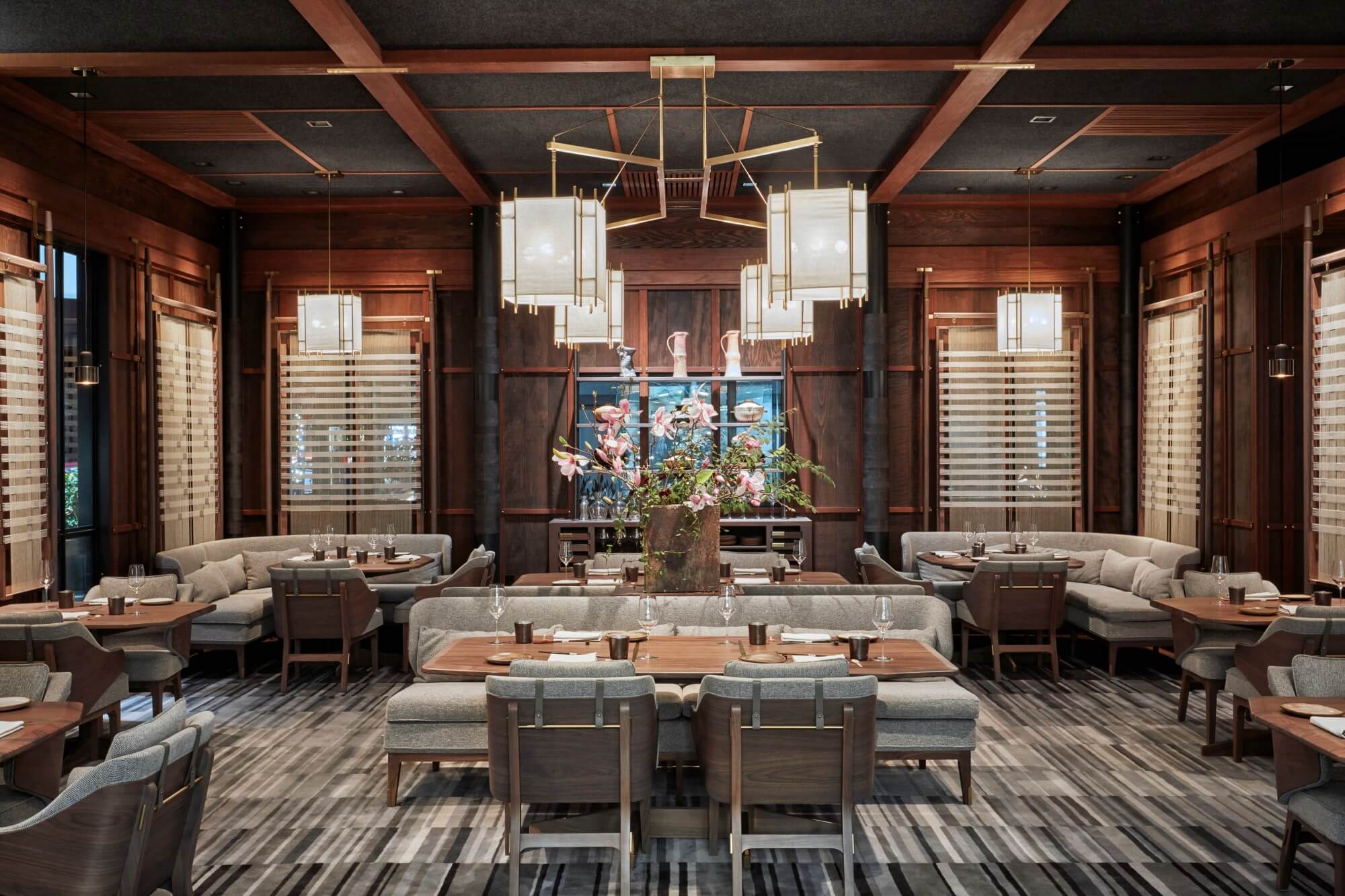
Japanese-influenced Californian Kaiseki
Single Thread Farm
Healdsburg, United States
★★★ · 50 Best
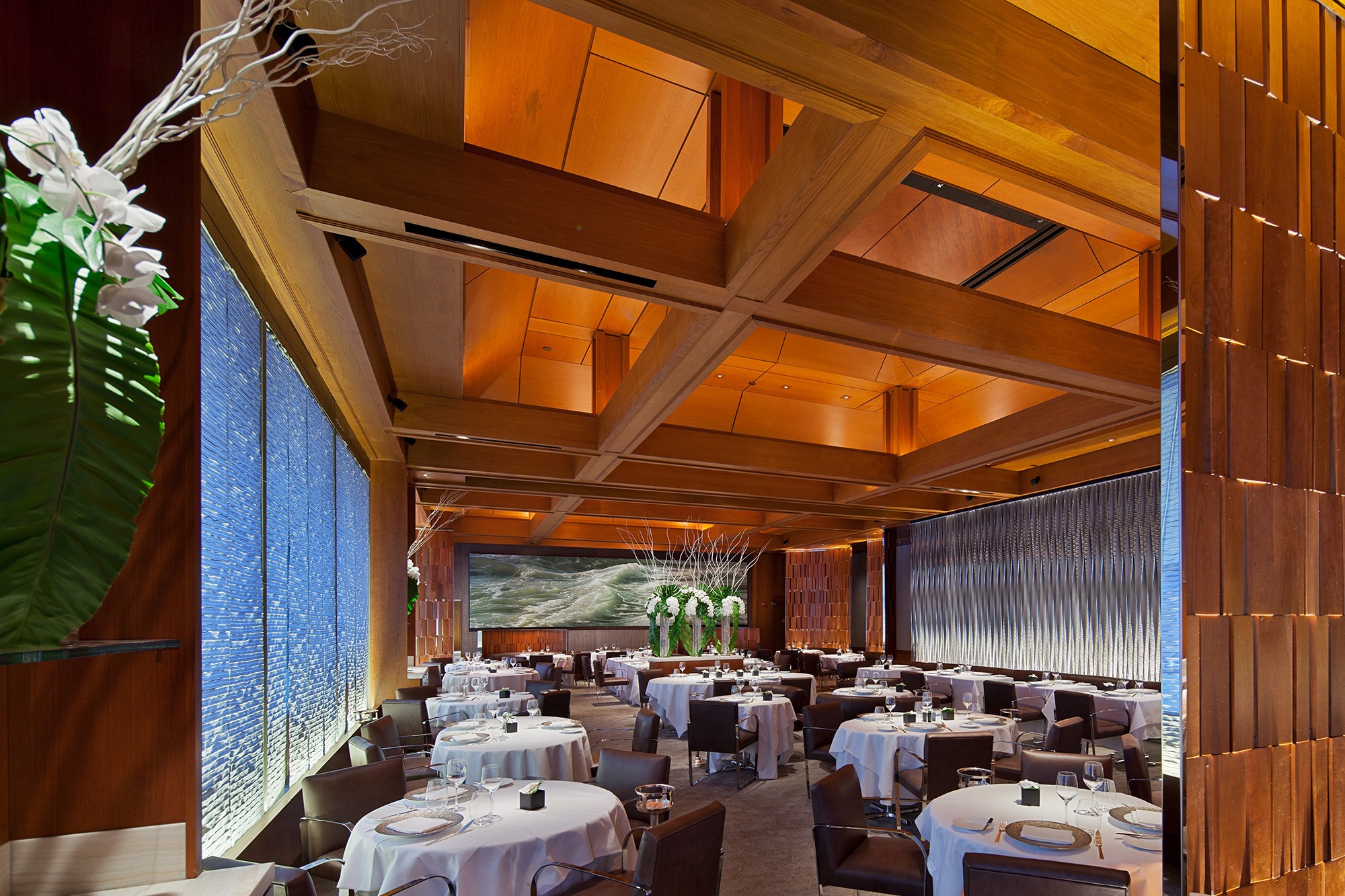
French Seafood Fine Dining
Le Bernardin
New York City, United States
★★★ · 50 Best
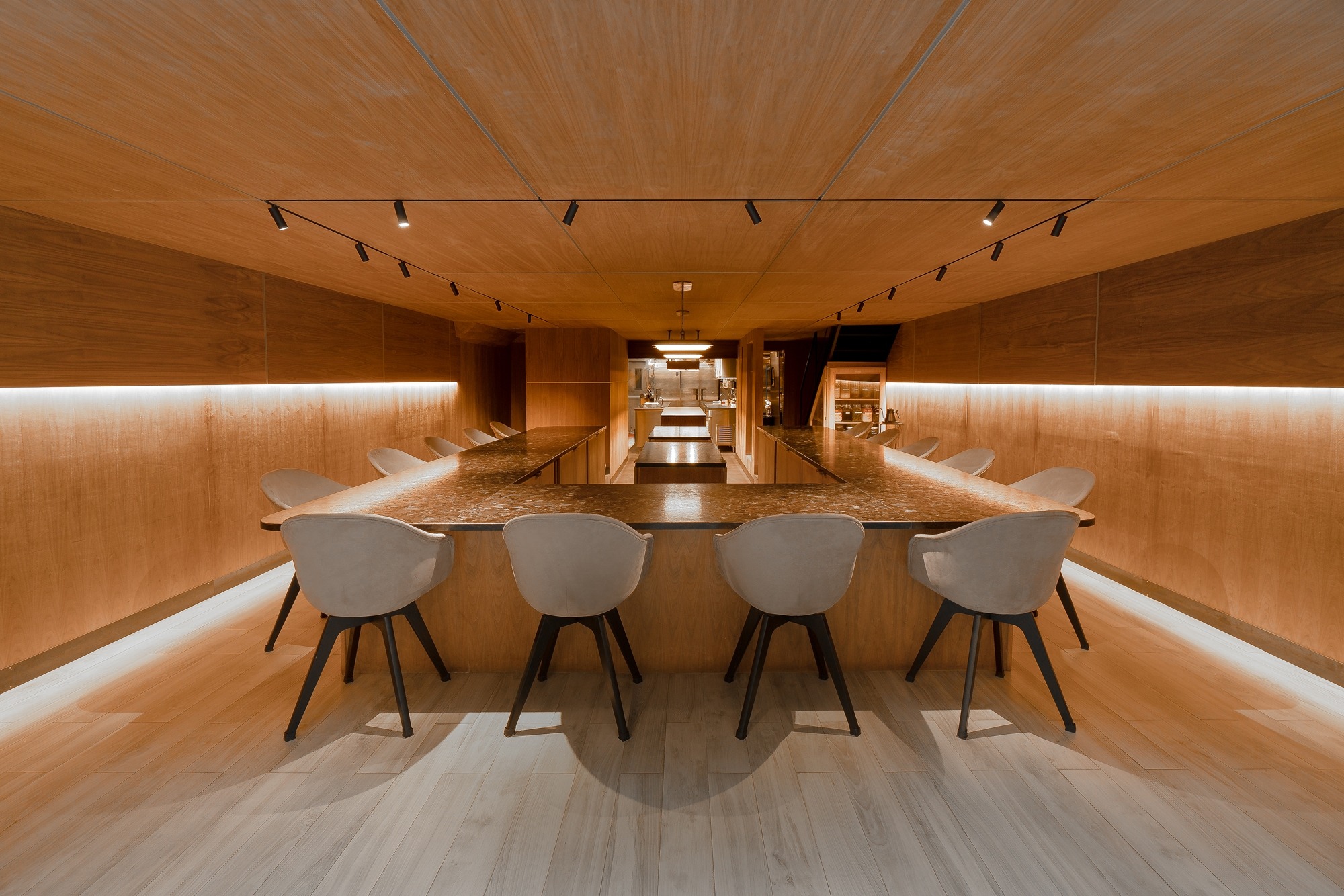
Modern Korean Tasting Menu
Atomix
New York City, United States
★★ · 50 Best
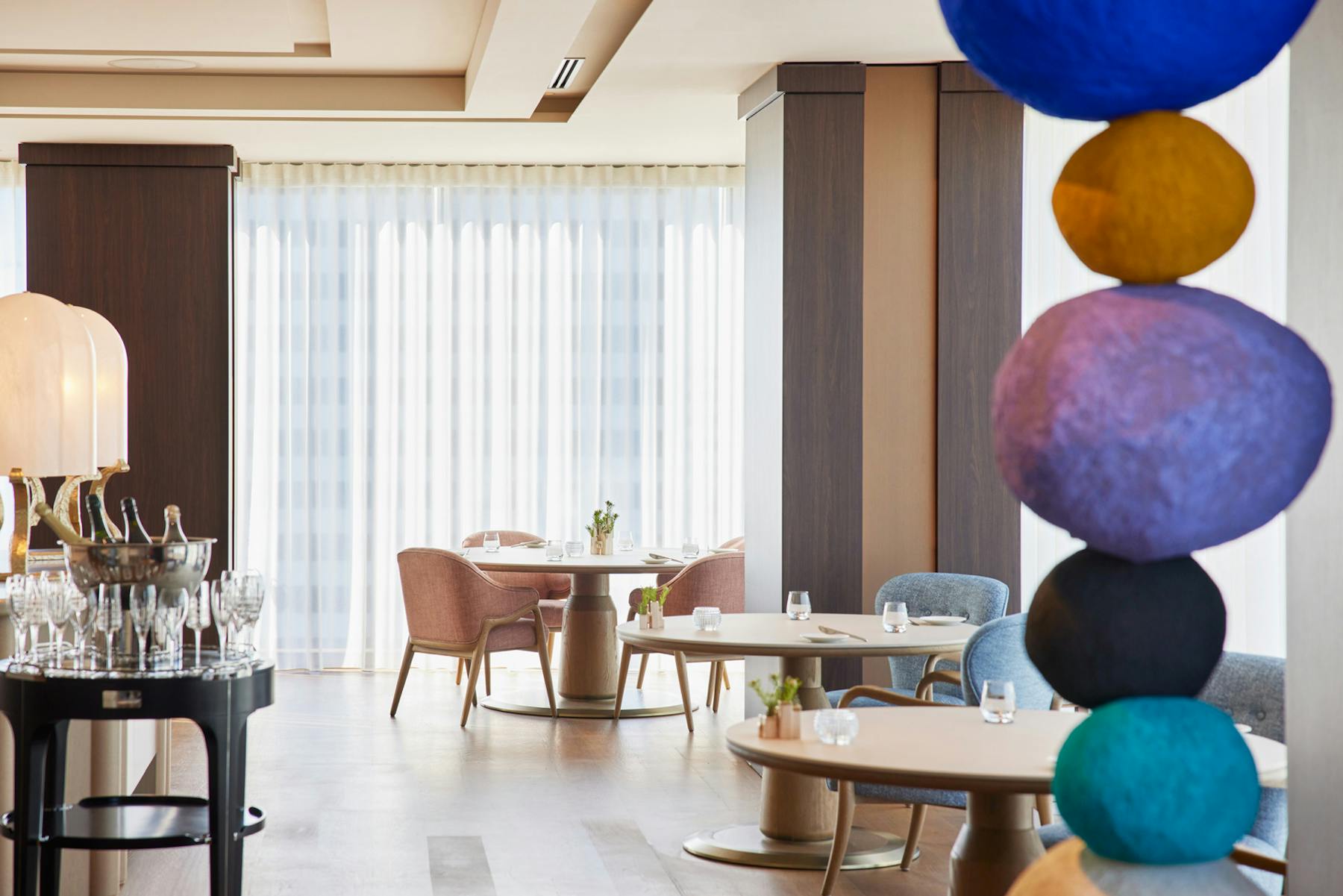
French
Sézanne
Tokyo, Japan
★★★ · 50 Best
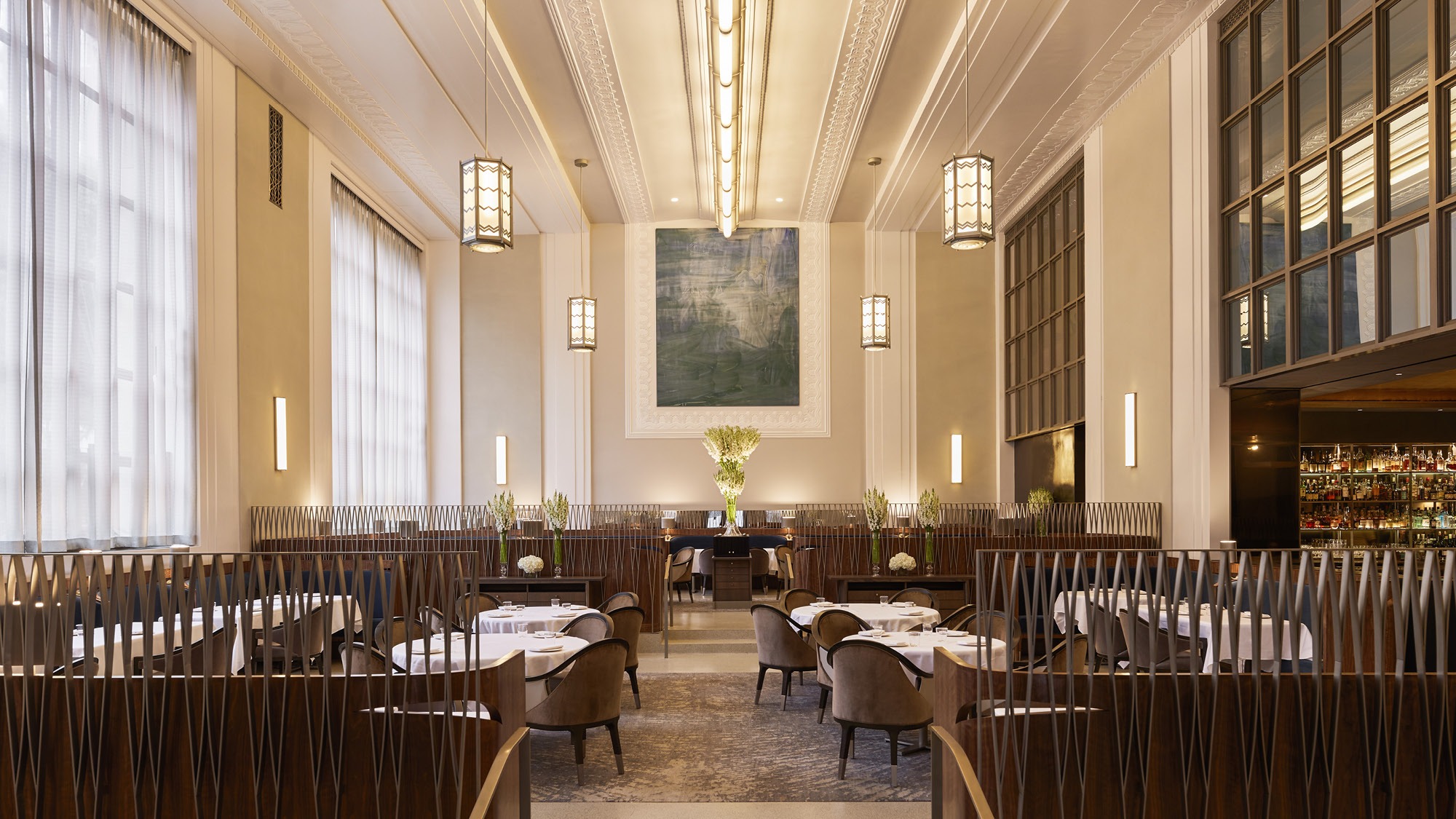
Contemporary Plant-Based Fine Dining
Eleven Madison Park
New York City, United States
★★★ · 50 Best
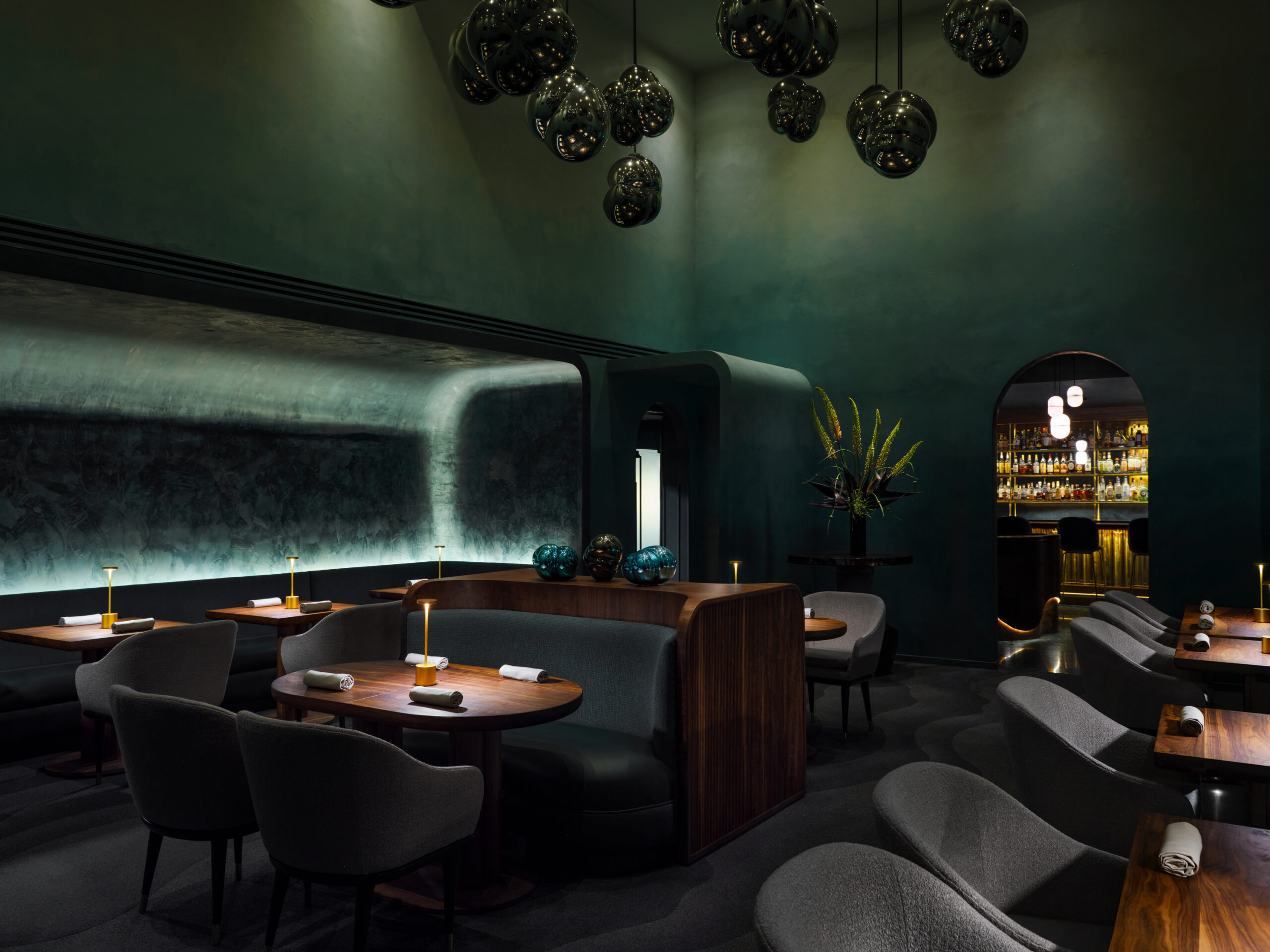
Modern Seafood Fine Dining
Providence
Los Angeles, United States
★★★ · 50 Best