Rutishauser-DiVino SA
- 01CityWinterthur, Switzerland
- Falstaff Winery - Listed · 2026
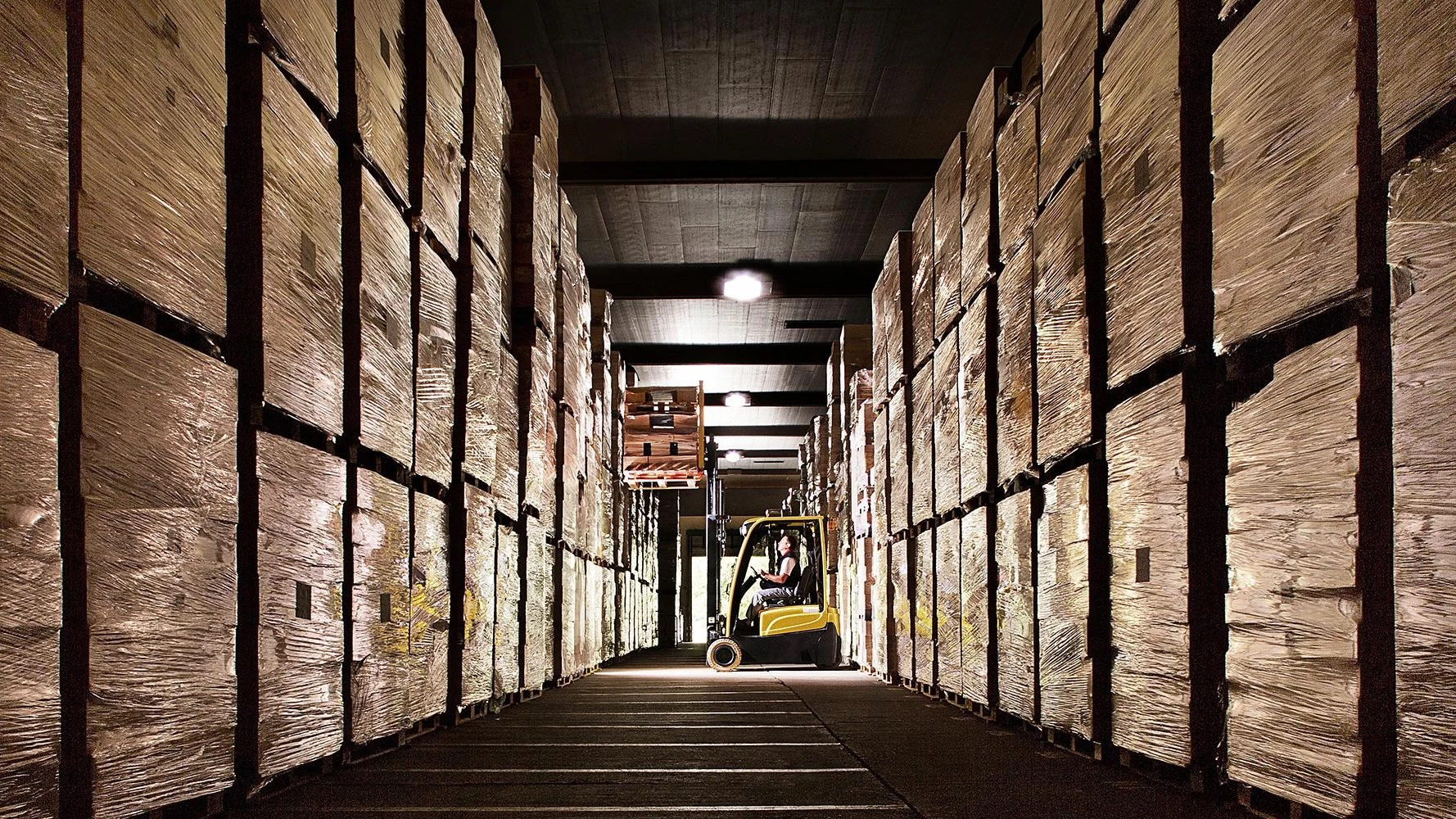
The first impression is not pastoral romance but a modern, production-focused winery atmosphere in Winterthur. Rutishauser-DiVino SA is best approached as a contemporary Swiss wine setting where cellar operations, visitor areas, and tasting spaces are part of the overall identity. The emphasis is on Swiss wine craftsmanship rather than on a rustic vineyard fantasy, so the venue reads less like a countryside postcard and more like a working place where wine is handled, presented, and understood in a present-day Swiss context.
Winterthur gives the venue a practical, urban frame. Instead of leaning on postcard scenery, the page can be understood through its strengths: contemporary cellar operations, a sophisticated industrial mood, and a focus on how Swiss wine is presented to visitors. That urban setting matters because it shifts the expectation away from vineyard views and toward the experience of being close to production, storage, tasting, and the language of a modern wine portfolio. The interest lies in the contrast between a city setting and a wine environment that still feels directly connected to craft.
Winterthur wine through a cellar-and-portfolio lens
Rutishauser-DiVino SA is presented here as a modern winery environment in Winterthur. The picture is production-focused and visitor-facing, with tasting and visitor areas connected to a contemporary cellar setting. That makes the venue relevant for people interested in Swiss wine craftsmanship in a working, modern context, especially those who prefer to understand wine through its handling, presentation, and cellar-side atmosphere rather than only through a scenic landscape.
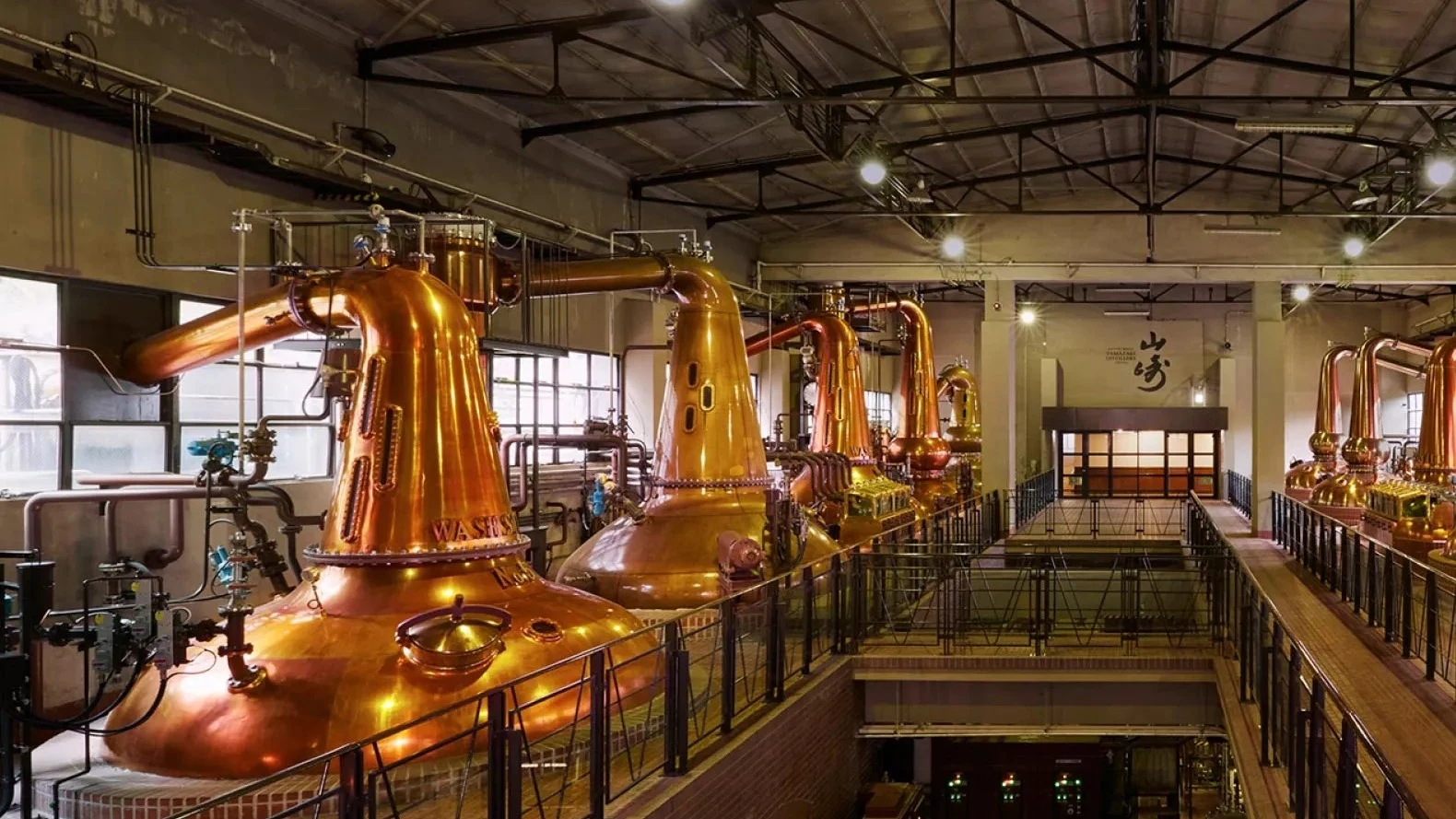
The atmosphere is modern, industrial, and sophisticated. Rather than describing an old-world cellar or a purely decorative wine stop, the more accurate framing is a venue shaped by production, cellar activity, and a polished visitor experience. The word “industrial” should not be read as cold or impersonal; here it helps describe the practical architecture of a wine operation, the sense of function, and the visible connection between the visitor-facing side and the working side. The sophistication comes from that clarity: a contemporary environment where the wine setting does not need to imitate rustic tradition in order to feel serious.
The reliable takeaway is the venue’s contemporary Winterthur setting and its emphasis on Swiss wine craftsmanship. It is a place to consider for the character of the setting itself: a modern cellar-and-portfolio environment where the experience is framed by production and presentation rather than by ornate restaurant cues or rural romance.
Guided tasting, group energy, and a louder cellar mood
Safest expectation is a production-focused winery atmosphere rather than a quiet, traditional dining room. Visitors should therefore picture a wine venue with movement, practical space, and cellar context, not a hushed room designed primarily for long, formal meals. The mood can feel more active and more operational than a classic seated hospitality setting.
Mood is contemporary, industrial, and sophisticated, with cellar operations forming part of the setting. For visitors planning around Winterthur, it can be considered a wine-focused stop with a working-winery character. That working character is the useful planning detail: the venue is best understood as part of the city’s wine and visitor landscape, with the cellar environment helping define the experience. The energy may suit people who enjoy seeing a more functional side of wine culture and who appreciate a setting where tasting areas are not separated from the broader identity of production.
What should not be assumed from the information is a particular tasting structure, food pairing offer, event format, or group package. Confirm current visitor arrangements directly before planning around a specific experience. This is especially important because the appeal described here is atmospheric and contextual, not a promise of any one fixed format. The safe way to use the venue in planning is to treat it as a modern Swiss winery setting in Winterthur and then verify the practical details before building a schedule around a tasting, group visit, or timed stop.
How to place it in a Swiss wine itinerary
Rutishauser-DiVino SA makes sense for travelers who want a modern Swiss winery atmosphere in Winterthur. The price band is listed as $$, and the venue’s strongest identity is its production-focused, contemporary cellar setting with visitor and tasting areas. In an itinerary, it works well as a wine-centered point of interest rather than as a venue defined by countryside scenery or elaborate dining claims. Its usefulness comes from giving Swiss wine a clear, urban, cellar-based frame.
The broader editorial value is the contrast between Winterthur’s urban context and a winery environment centered on Swiss wine craftsmanship. It is not necessary to invent awards, named bottles, or detailed programming to make the venue useful: the draw is the setting itself. For readers comparing Swiss wine experiences, that distinction is important. Rutishauser-DiVino SA offers a way to think about wine through production, presentation, and a polished industrial mood, which can be just as meaningful as a more traditional vineyard-led stop.
For wider planning, use other Winterthur dining, hotel, bar, and experience coverage generically alongside Rutishauser-DiVino SA when building a city itinerary. The venue can sit naturally within a broader Winterthur day because its identity is tied to the city rather than removed from it. It adds a Swiss wine dimension to an urban plan without requiring the page to overstate what is known.
For comparisons, keep the focus on Rutishauser-DiVino SA itself or on other dining and wine options in Winterthur in general terms. The most accurate comparison point is not a list of invented features, but the venue’s own profile: contemporary, production-focused, visitor-facing, and rooted in Swiss wine craftsmanship within an urban Winterthur setting.
Questions
Frequently asked
How expensive is Rutishauser-DiVino SA?
Rutishauser-DiVino SA is listed at a price level of $$.
The field
How it compares
| Place | Notes |
|---|---|
| Rutishauser-DiVino SA | Winterthur, $$ |
| Chateau Petrus | Pomerol |
| Château Rieussec | Fargues |
| Eigenbau Wein | Winterthur |
| Strickhof Wülflinger Trotte | Winterthur |
| Weinwerkstatt 4 | Winterthur |
| Yamazaki (Suntory) | Shimamoto |