S.A.Santa Brigida Sas
- 01CityBarberino Tavarnelle, Italy
- Falstaff Winery - 2 Stars · 2026
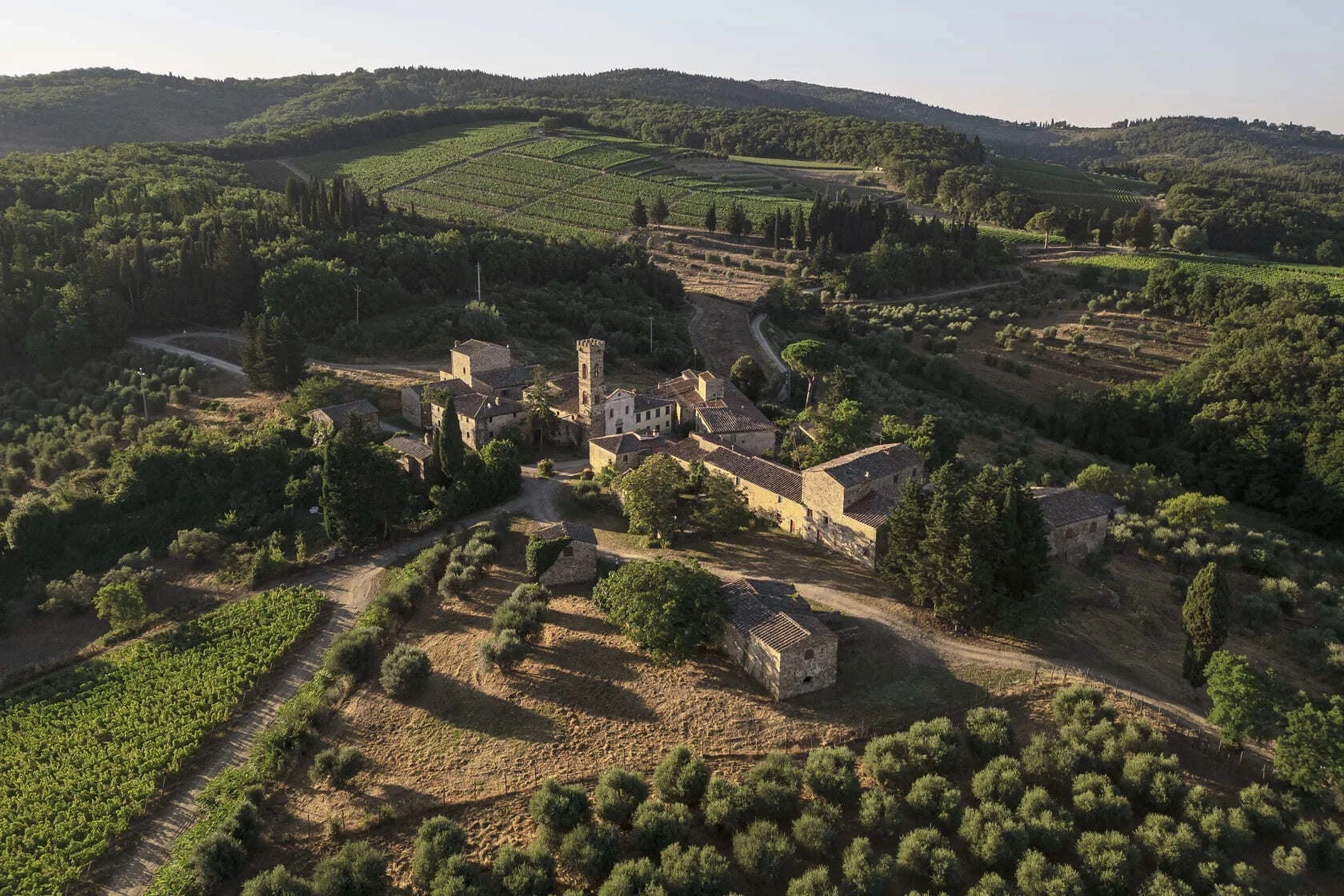
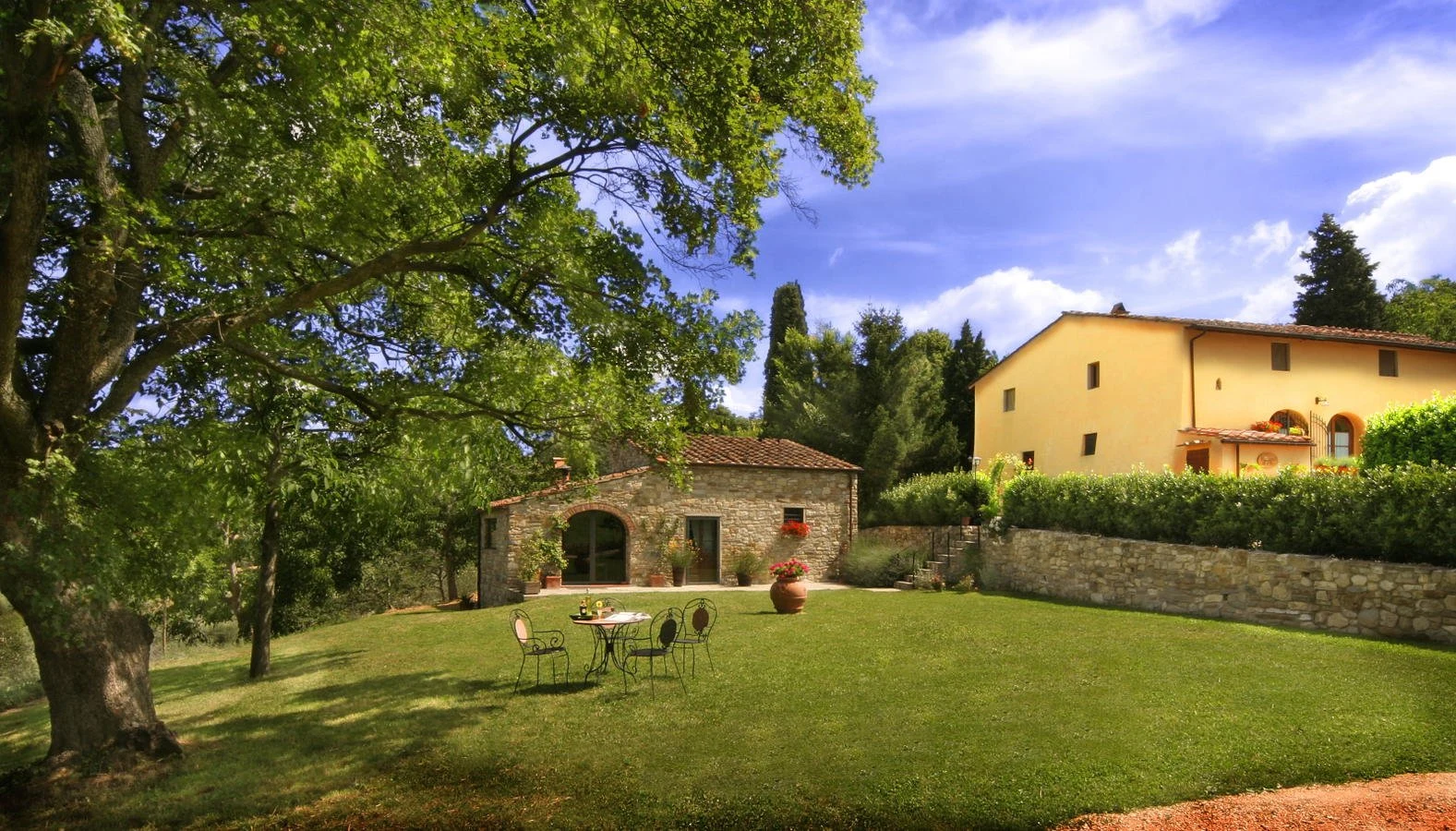
Approaching a Chianti estate of this kind, the first cue is agricultural rather than theatrical: vines, olive groves, grain fields, woodland, and the old Tuscan logic of mixed farming. In Barberino Tavarnelle, S.A.Santa Brigida Sas is tied to Fattoria La Ripa, a property whose modern ownership dates to 1940 and whose land history reaches back to the 15th century. That matters because Chianti Classico is often sold through postcard shorthand, while estates with working-farm structure give the region its more serious reading: wine as an outcome of altitude, rock, exposure, and continuity.
The estate sits in the High Chianti Classico zone, on the Florence-Siena border, with vineyard blocks around 400 metres above sea level. The soils are described as stony, rich in alberese and galestro, alkaline, and more than 40 percent carbonates. Those are not decorative details. In Sangiovese country, poor, rocky ground and elevation shape the conversation: lower vigour, firmer structure, acidity, and a red-fruited frame that can be lost when Chianti is treated as a generic Tuscan label.
High Chianti Classico, read through Sangiovese and stone
The production profile is compact and legible. The estate spans 140 hectares, with 16 hectares under vine and 12 hectares registered as Chianti Classico DOCG. Planting density is roughly 5,000 vines per hectare. Certified organic farming runs through the wine range and extends to the estate’s olive oil, grappa, and balsamic vinegar, making the property closer to an old Tuscan farm model than a cellar-door brand built around a single bottling.
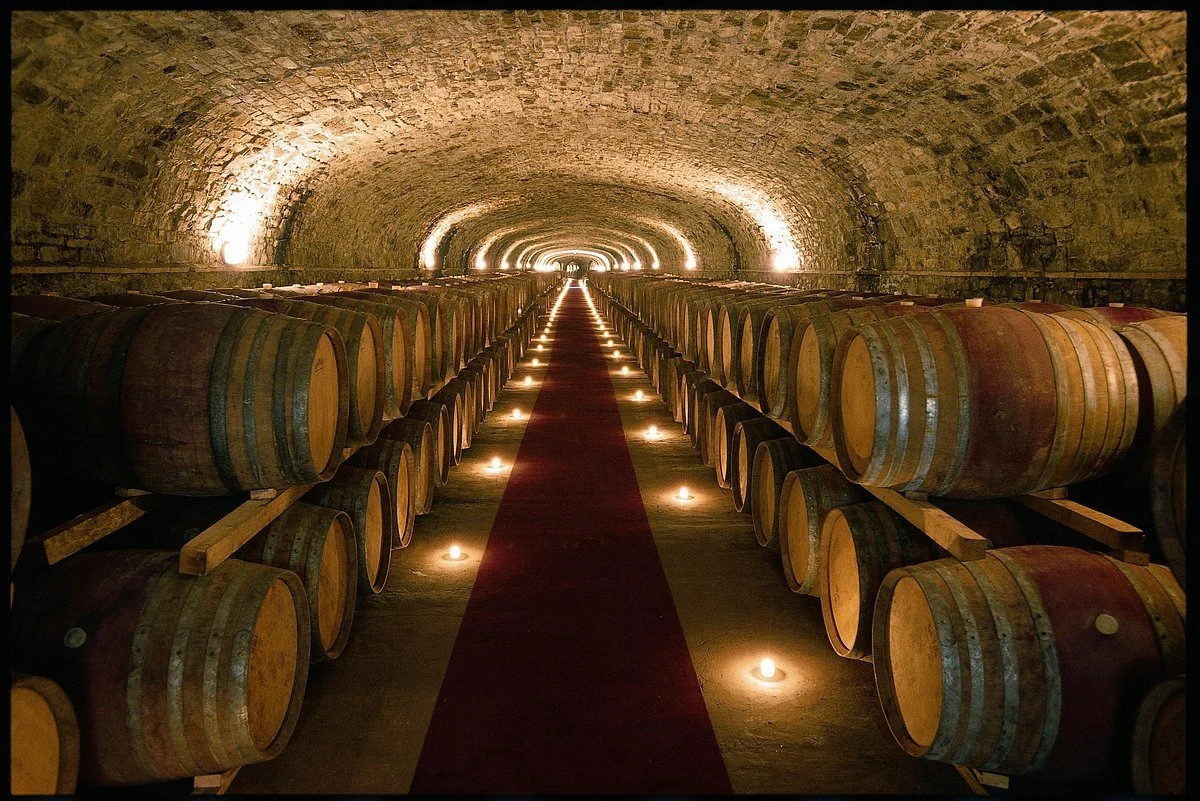
Core red grammar is traditional. Chianti Classico DOCG is built from 90 percent Sangiovese and 10 percent Canaiolo, vinified in stainless steel with délestage, then moved through malolactic fermentation in concrete before ageing in French oak tonneaux and bottle. The Riserva uses older vines, described at 35 to 45 years, with around 12 months in French oak casks and a further six months in bottle. Gran Selezione narrows the lens to 100 percent Sangiovese, fermented in small stainless-steel tanks at 25 to 30°C, with gentle maceration and spontaneous malolactic fermentation.
That hierarchy places the estate inside a serious but not flashy Chianti Classico lane. The point is not maximal extraction or international polish; it is the calibration between Sangiovese, carbonate-rich soil, and restrained wood. The Santa Brigida IGT Colli Toscana Centrale changes register, blending 50 percent Sangiovese with 30 percent Cabernet Sauvignon and 20 percent Merlot from estate vineyards planted in 1990 and 1995, with separate vinification and 12 months in French oak. It gives visitors a useful comparison inside one cellar: appellation discipline on one side, Bordeaux-influenced Tuscan red on the other.
A historic farm visit, not a trophy-room tasting
The hospitality format suits the scale. Tastings are guided, vineyard-focused, and small in capacity, with the listed experience running 1 hour 30 minutes for groups of 1 to 9 guests. Food pairing is part of the offer, and the atmosphere is described as rustic, quiet, intimate, and family-run. This is the kind of Chianti visit where the educational value comes from seeing how estate land, organic production, and cellar choices connect, rather than from a parade of medals or critic scores.
The heritage narrative is unusually strong for a wine estate of this size. The property has been connected in its recorded story to Antonio Maria di Noldo Gherardini, identified as the father of Monna Lisa, and later to a dowry linked to her marriage to Francesco di Bartolomeo di Zanobi del Giocondo. Tuscany has many estates with Renaissance-era claims; here, the useful editorial point is how cultural memory and agricultural continuity overlap. The old route context also matters: the estate is described along a Via di Cresta connecting Val di Pesa and Florence with Val d’Elsa and the Via Francigena, placing the property in a corridor of movement as much as in a wine zone.
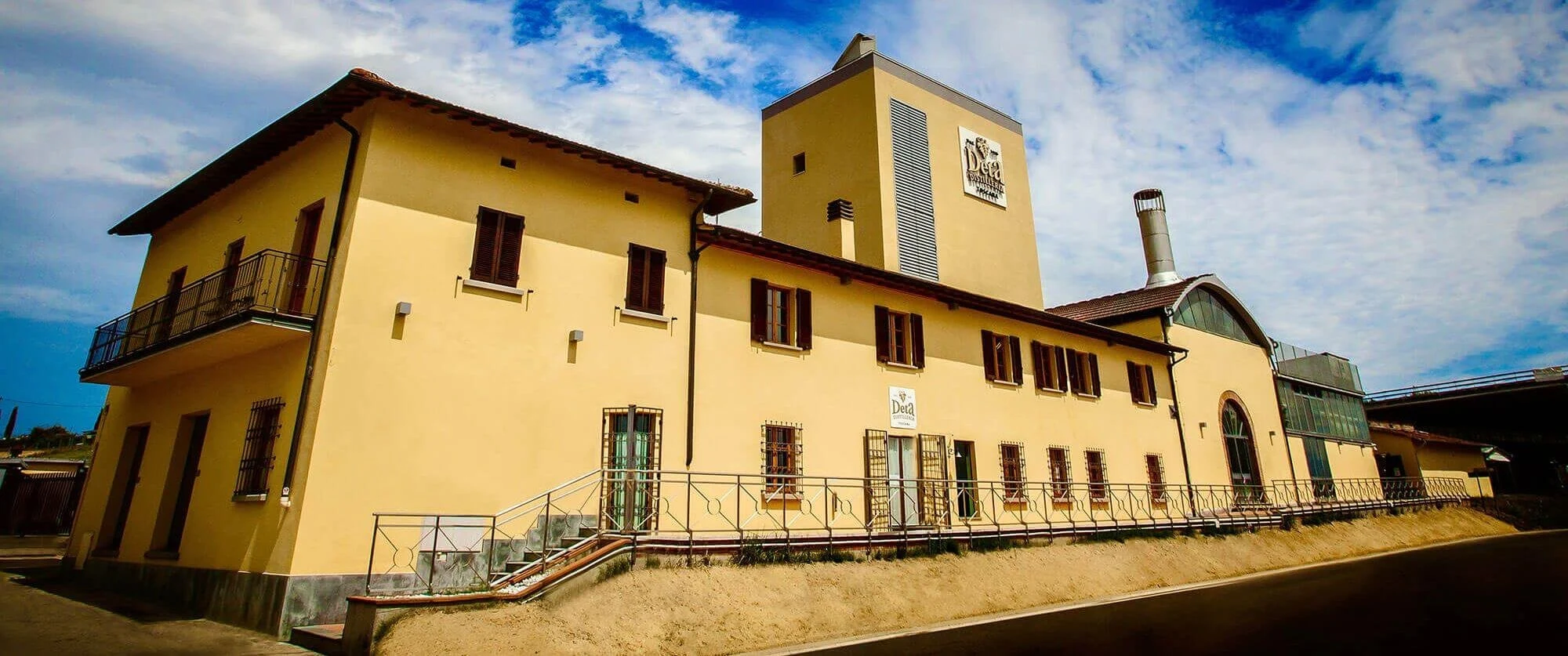
For travellers mapping Barberino Tavarnelle through wine rather than a single lunch stop, this estate works as part of a broader local circuit. Nearby winery research can start with Cantina Ripoli, Casa Emma, Castello della Paneretta, Castello di Monsanto, and Distilleria Deta. For planning around the town rather than the bottle alone, use our full Barberino Tavarnelle wineries guide, plus the local guides to restaurants, hotels, bars, and experiences.
Where it fits in an Italy wine itinerary
S.A.Santa Brigida Sas is strongest for travellers who want Chianti Classico explained through land use and farming, not just poured by category. The estate-grown mix of Sangiovese, Canaiolo, Cabernet Sauvignon, and Merlot gives the tasting a clear internal arc, while organic olive oil, grappa, and balsamic vinegar place wine within a wider Tuscan table economy. The absence of major published award hardware also clarifies the decision: come for place, farming, and a small-group format, not for a trophy-led cellar visit.
For a wider Italian and European wine map, compare the planning style with 3GP SRL in Treviso, 47 Anno Domini in Trebaseleghe, A Mano Wine in Noci, »der Steiner« Hans Steiner in Podersdorf am See, and & Handwein in Mannheim. The comparison is less about ranking than intent: some visits centre on design, some on scale, some on regional breadth. This one is about the way a High Chianti Classico estate turns rocky soil, organic farming, and Sangiovese into a concise, grounded tasting.
Questions
Frequently asked
How expensive is S.A.Santa Brigida Sas?
S.A.Santa Brigida Sas is listed at a price level of $$.
The field
How it compares
| Place | Notes |
|---|---|
| S.A.Santa Brigida Sas | Barberino Tavarnelle, $$ |
| Castello di Monsanto | Barberino Tavarnelle |
| Distilleria Deta | Barberino Tavarnelle |
| Isole e Olena | Barberino Tavarnelle |
| Poggio al Chiuso | Barberino Tavarnelle |
| Poggio al Sole | Barberino Tavarnelle |
| Quercia al Poggio | Barberino Tavarnelle |