Samuel Tinon Winery in Olaszliszka holds a Pearl 2 Star Prestige rating for 2025, placing it among the more considered addresses in the Tokaj wine region. The winery operates from a village address on Bánom út, a locality that shapes its wines as much as any cellar decision. For visitors looking beyond the region's larger commercial houses, Tinon represents a producer-led perspective on what Tokaj terroir can express.
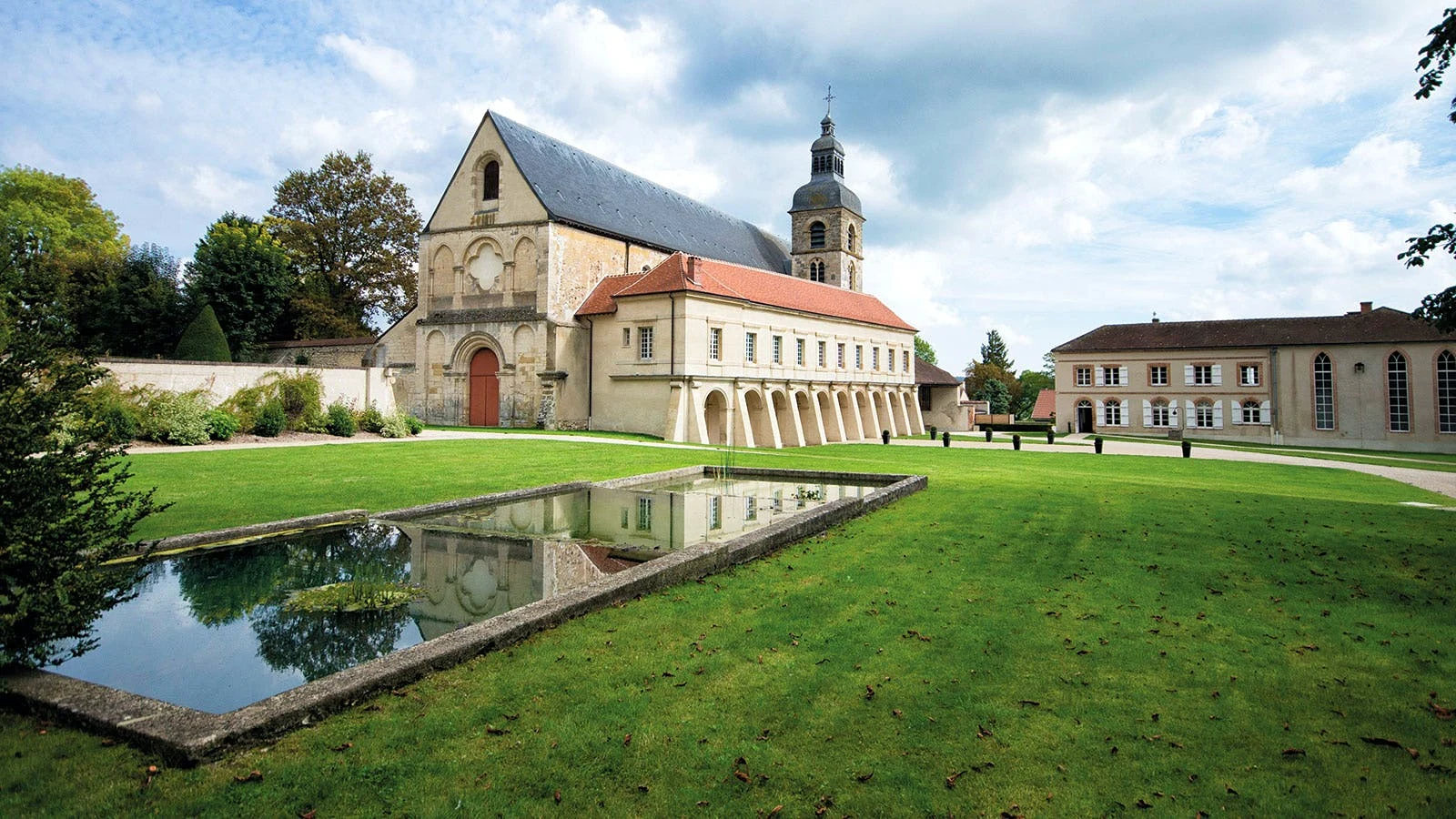
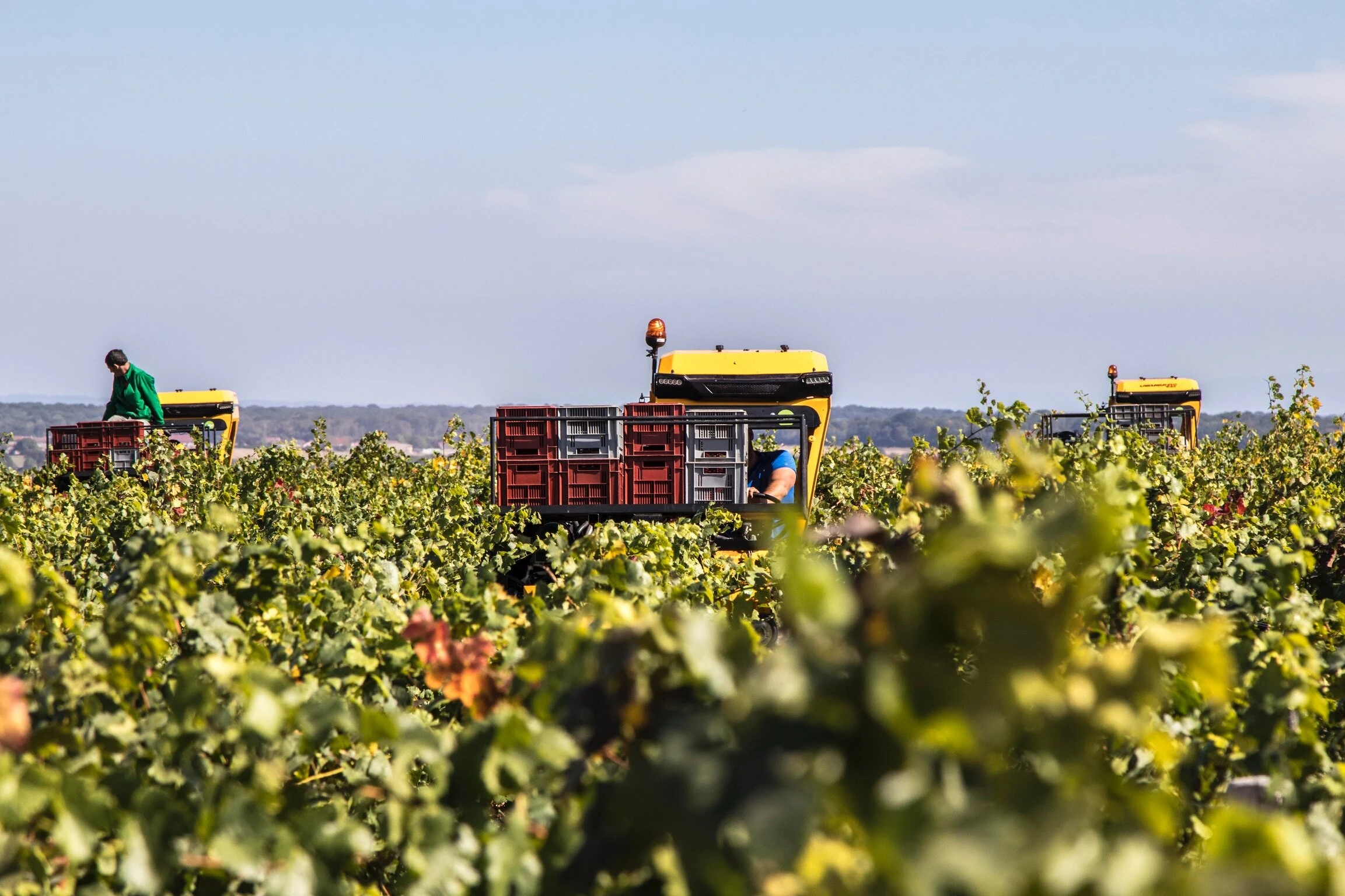
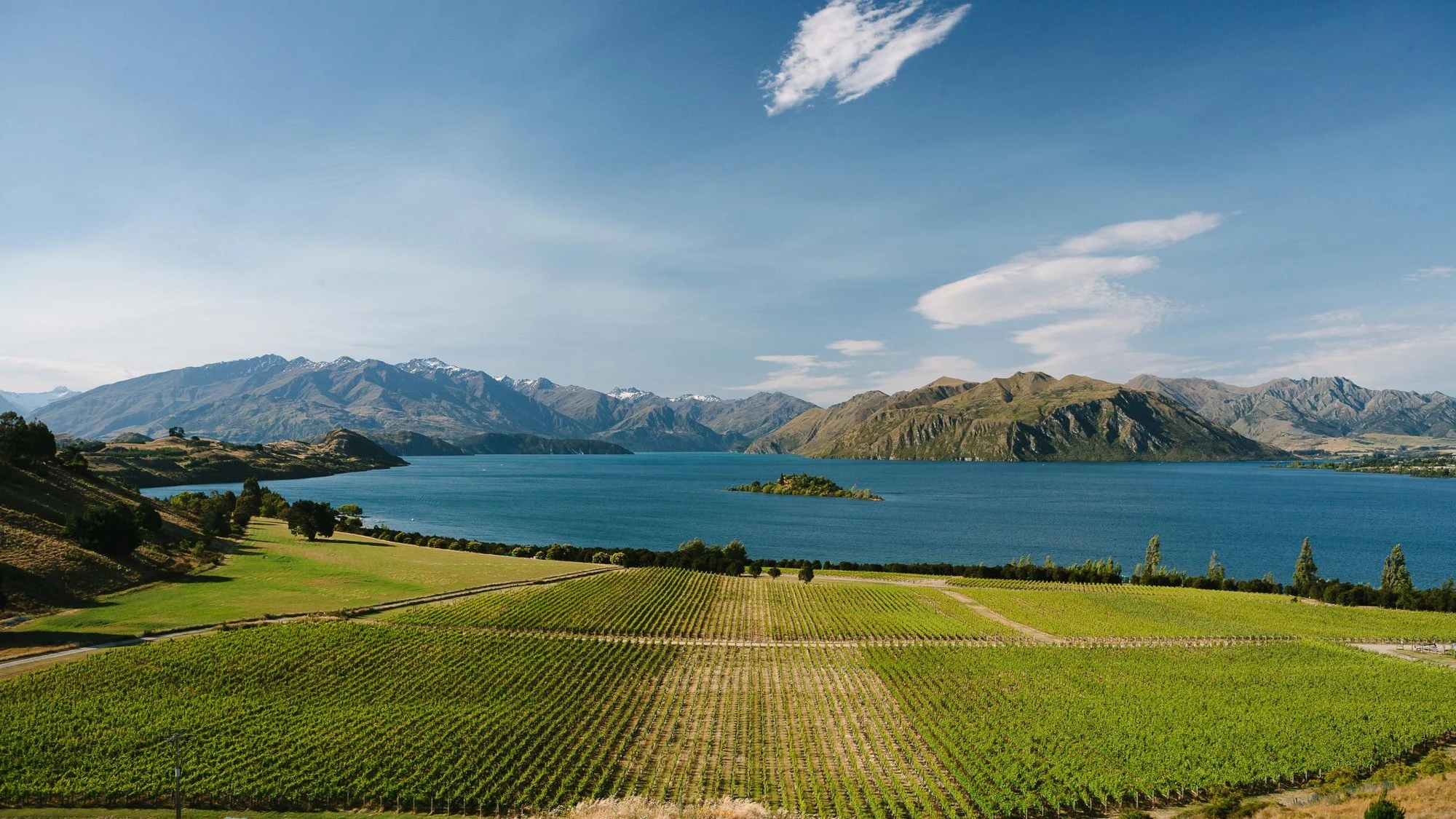
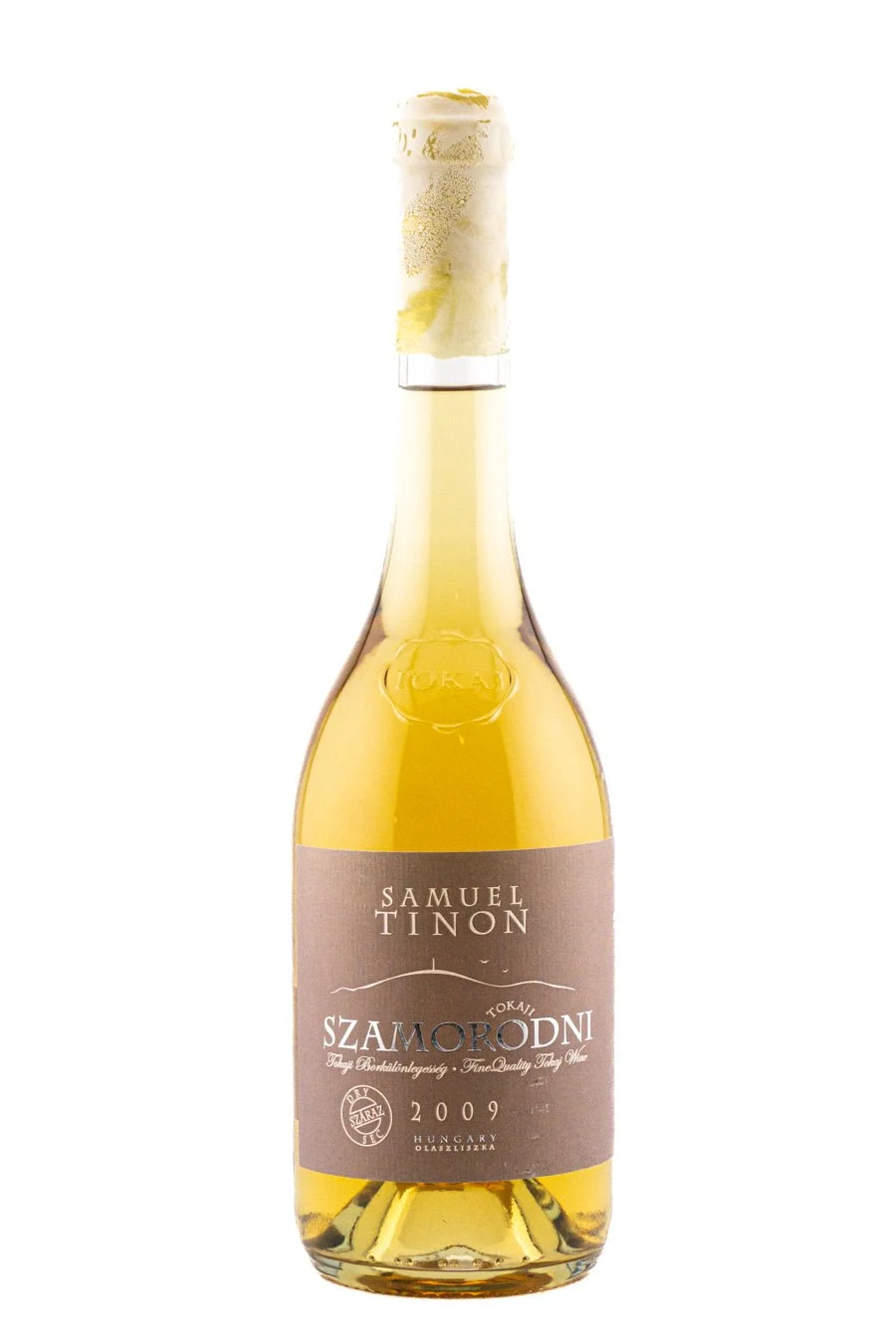
<h2>A Village Address in the Heart of Tokaj</h2><p>Olaszliszka sits in the southern reach of the Tokaj wine region, a stretch of the Bodrog valley where the loess and rhyolite tuff hillsides produce fruit with a different register than the more famous slopes around Tokaj town or Mád. The village itself is quiet in the way that serious wine country tends to be: a main road, the river close by, and the vineyards climbing the hillsides behind. Arriving at Bánom út 8, the address of Samuel Tinon Winery, there is no large gatehouse or visitor centre signalling the operation. The approach is understated in the manner common to smaller producer wineries across Tokaj, where the cellar work happens on a scale that does not require theatrical hospitality infrastructure.</p><p>That quietness is part of the context. The Tokaj region has been producing wine since at least the 16th century, and the architecture of its wine culture, small family cellars cut into volcanic hillsides, predates the international investment that brought larger commercial estates into the region in the 1990s. Samuel Tinon Winery sits within the older, producer-led tradition of that story rather than the corporate chapter.</p><h2>Terroir as the Starting Point</h2><p>Understanding what makes any Tokaj producer distinct requires starting with the geology. The region sits on a complex of ancient volcanic formations, principally rhyolite tuff and andesite, overlaid in places with loess and clay. The specific combination beneath a given vineyard determines how water is retained in dry years, how heat accumulates during ripening, and ultimately how much botrytis, the noble rot responsible for Aszú production, will take hold in the autumn. Olaszliszka's position in the Bodrog valley contributes its own microclimate logic: morning mists from the river create the humidity that botrytis requires, while the afternoon sun burns them off quickly enough to prevent unwanted rot spreading.</p><p>This is the same fundamental dynamic at work across the great Tokaj appellations, from the first-growth sites around Mád, where <a href="https://www.enprimeurclub.com/wineries/royal-tokaji-mad-winery">Royal Tokaji in Mád</a> draws on historically classified vineyards, to the volcanic-rich plots that <a href="https://www.enprimeurclub.com/wineries/disznoko-mezozombor-winery">Disznókő in Mezőzombor</a> works in the hills above Mezőzombor. What varies between producers is not so much the underlying geology, which belongs to no one, but the specific sites they hold, the age of the vines, the intervention choices in cellar, and the intended style of the finished wine. For Samuel Tinon Winery, the Olaszliszka terroir shapes the wines.</p><h2>Pearl 2 Star Prestige: What the Recognition Signals</h2><p>In the context of how Hungarian wineries are assessed, a Pearl 2 Star Prestige rating for 2025 places Samuel Tinon Winery in a tier that implies consistent quality across the range rather than a single spectacular bottling. Prestige-level recognition in the Hungarian fine wine world, as with comparable award structures in other regional contexts, tends to reward producers who maintain a standard across multiple categories and vintages rather than those who score a single high-profile result. For a smaller winery in a village location rather than a tourist-facing town, that kind of award carries real weight as a signal of the underlying programme.</p><p>Within the Tokaj comparable set, there is a spectrum from large internationally known estates with significant marketing presence to smaller growers whose reputation depends almost entirely on what ends up in the bottle. Samuel Tinon sits closer to the latter end of that spectrum. For comparison, the region's most visible names, including <a href="https://www.enprimeurclub.com/wineries/tokaj-hetszolo-tokaj-winery">Tokaj Hétszőlő in Tokaj</a> and <a href="https://www.enprimeurclub.com/wineries/tokaj-oremus-tolcsva-winery">Tokaj Oremus in Tolcsva</a>, operate with larger production volumes and wider international distribution. The award signal for Tinon points to a different kind of ambition: depth of craft within a concentrated geographic focus.</p><h2>The Wines Worth Seeking</h2><p>Tokaj's classification system is among the most historically specific in Europe. At the leading sits Eszencia and Aszú, the botrytised wines measured in puttonyos that defined the region's reputation for centuries. Below those, Szamorodni (both dry and sweet), late-harvest whites, and dry Furmint now occupy serious critical attention as the region's contemporary identity expands beyond its dessert wine heritage. Furmint in particular has emerged over the past two decades as one of Central Europe's most compelling dry white varieties, capable of significant mineral tension and ageing structure when handled with restraint.</p><p>For a winery based in Olaszliszka, the range reflects the full spectrum that Tokaj permits, from dry Furmint through to the traditional sweet styles. What a Pearl 2 Star Prestige rating implies is that the programme holds across at least several of those categories. Visitors interested in Tokaj's volcanic terroir should treat this as a primary consideration. Other producers operating at similar scale and quality ambition in the region include <a href="https://www.enprimeurclub.com/wineries/arvay-winery-ratka-winery">Árvay Winery in Rátka</a> and <a href="https://www.enprimeurclub.com/wineries/carpinus-winery-bodrogkisfalud-winery">Carpinus Winery in Bodrogkisfalud</a>.</p><h2>Planning a Visit</h2><p>Olaszliszka is a working village, not a wine tourism hub. The practical reality of visiting Samuel Tinon Winery at Bánom út 8 is that advance contact is advisable rather than optional. Smaller producer wineries across Hungary's regions, from <a href="https://www.enprimeurclub.com/wineries/beres-winery-erdobenye-winery">Béres Winery in Erdőbénye</a> to <a href="https://www.enprimeurclub.com/wineries/bolyki-winery-eger-winery">Bolyki Winery in Eger</a>, typically operate on appointment-based schedules rather than walk-in hours, and the same applies here. Advance contact is advisable before travelling.</p><p>The best window for visiting is autumn, specifically late September through October, when harvest activity in the region is at its peak. The mists that rise off the Bodrog in those weeks are not incidental atmosphere; they are the specific climatic mechanism behind the wines. Coming in late spring or early summer offers a quieter experience with the vineyards in active growth.</p><p> Olaszliszka is one of several villages along the southern Bodrog valley that rewards a full day or overnight stay rather than a quick day trip from the regional hub. For those building a broader itinerary across Hungarian fine wine, the contrast between Tokaj's volcanic mineral profile and the warm red wine character of regions like <a href="https://www.enprimeurclub.com/wineries/bock-winery-villany-winery">Bock Winery in Villány</a>, <a href="https://www.enprimeurclub.com/wineries/bodri-winery-szekszard-winery">Bodri Winery in Szekszárd</a>, or <a href="https://www.enprimeurclub.com/wineries/babarczi-winery-gyor-winery">Babarczi Winery in Gyor</a> makes for a compelling multi-region circuit. Further afield, producers such as <a href="https://www.enprimeurclub.com/wineries/bussay-pince-csornyefold-winery">Bussay Pince in Csörnyeföld</a> illustrate how Hungary's wine geography extends well beyond the Tokaj narrative that dominates international coverage.</p>
Olaszliszka is a working agricultural village, not a polished wine tourism destination, and the winery at Bánom út 8 reflects that context. Visits are practical and producer-focused rather than staged for hospitality theatre. The draw is direct access to a Pearl 2 Star Prestige-rated estate in one of Europe's most historically specific wine regions.
Samuel Tinon Winery is located at Olaszliszka, Bánom út 8, 3933, Olaszliszka.
Samuel Tinon Winery has received recognition including: Pearl 2 Star Prestige (2025).
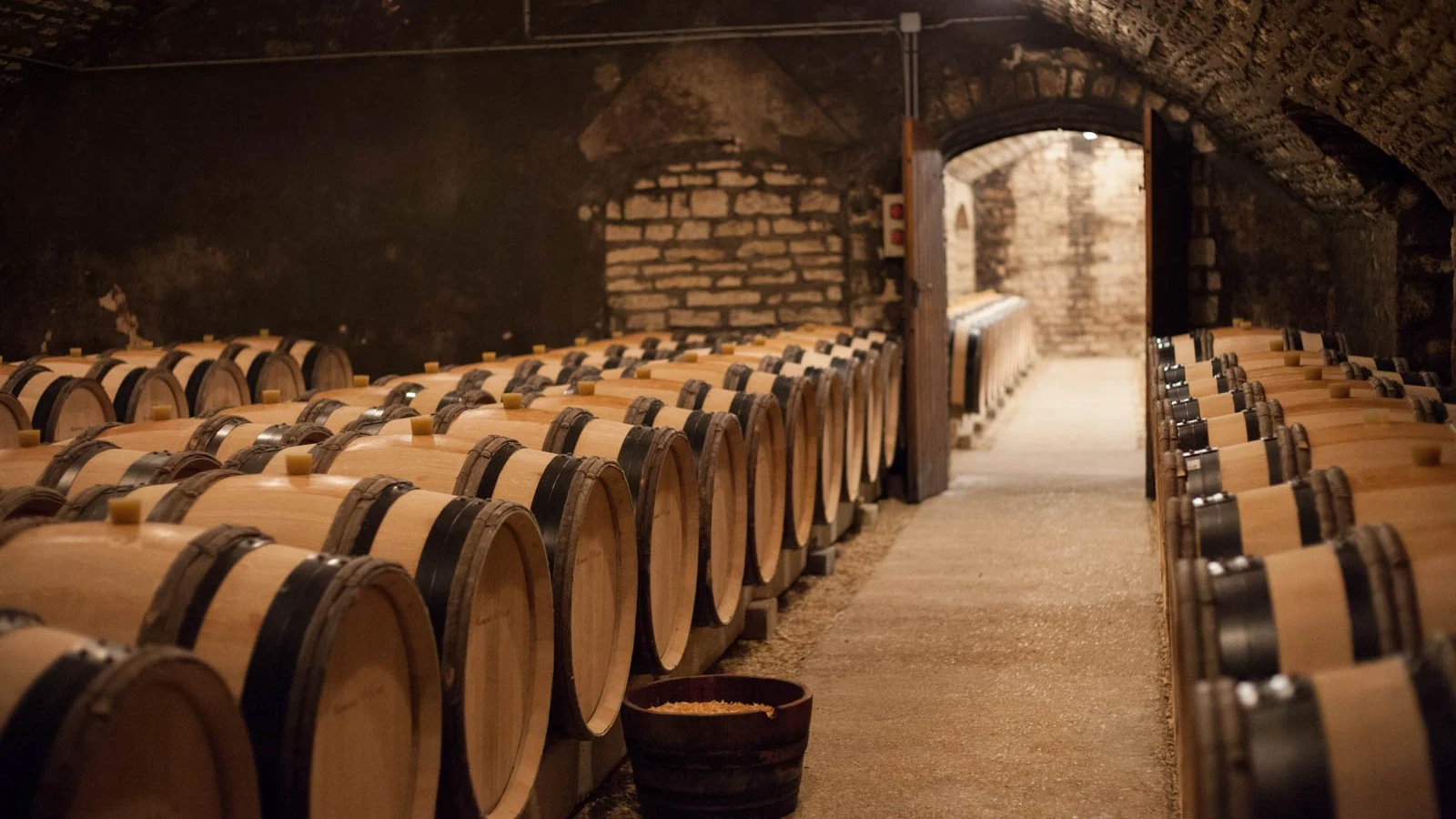
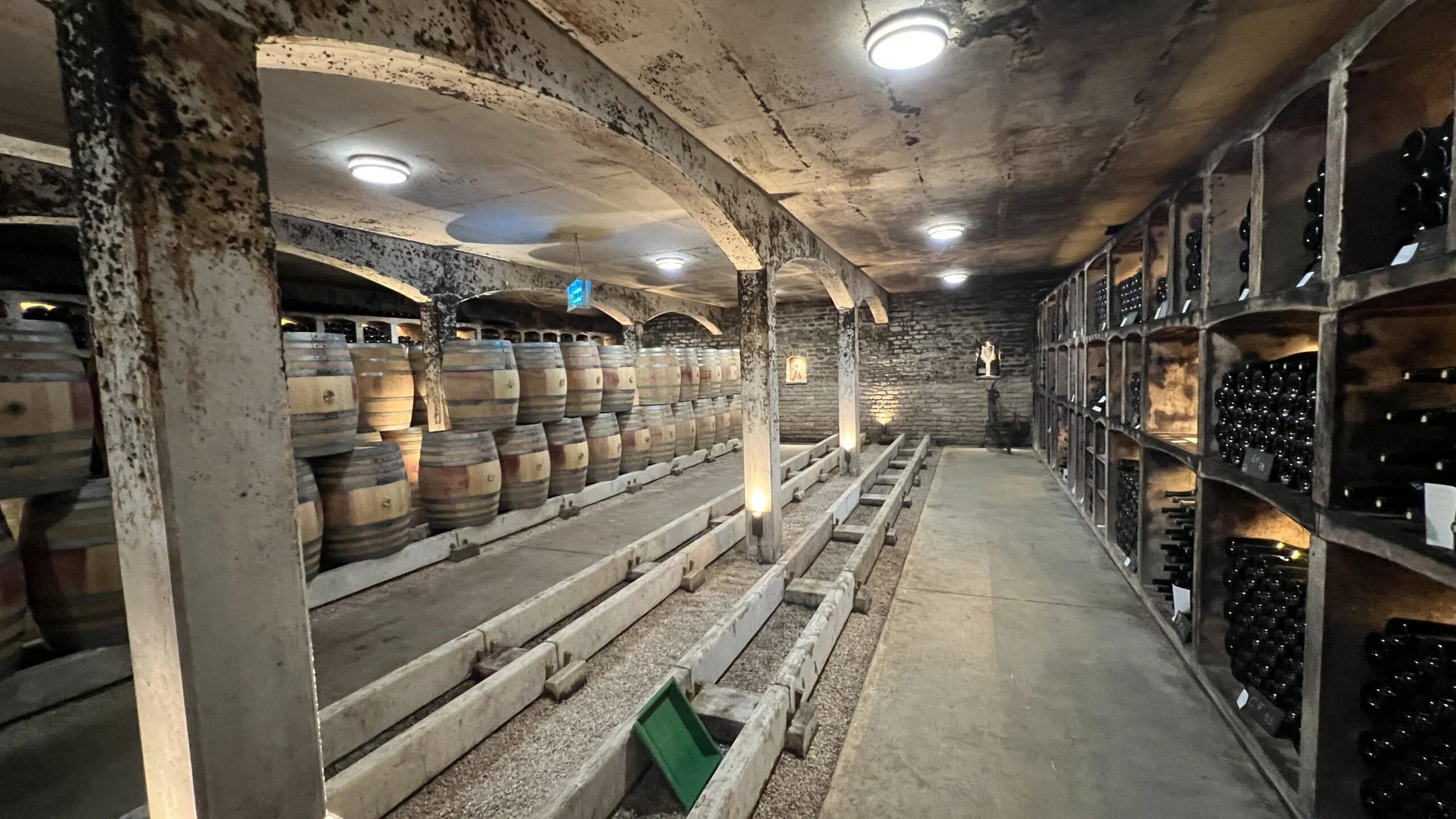
Tokaj's hierarchy places Aszú and Eszencia at the top, with Aszú measured in puttonyos and prized for its botrytis-driven complexity on loess and rhyolite tuff soils. A winery holding Pearl 2 Star Prestige recognition for 2025 suggests the Aszú and late-harvest expressions are the benchmark bottles to seek out here.
The 2025 Pearl 2 Star Prestige award positions Samuel Tinon among the more serious producers in the Tokaj region, which draws wine buyers and informed travellers who want to taste at source rather than through retail. Olaszliszka's location in the southern Bodrog valley also offers a less trafficked angle into Tokaj compared to the well-worn route through Tokaj town itself.
Olaszliszka is not set up for drop-in wine tourism, and producers at this tier typically receive visitors by appointment.
Olaszliszka, Bánom út 8, 3933
Olaszliszka