San Polino
- 01CityMontalcino, Italy
- Falstaff Winery - 4 Stars · 2026
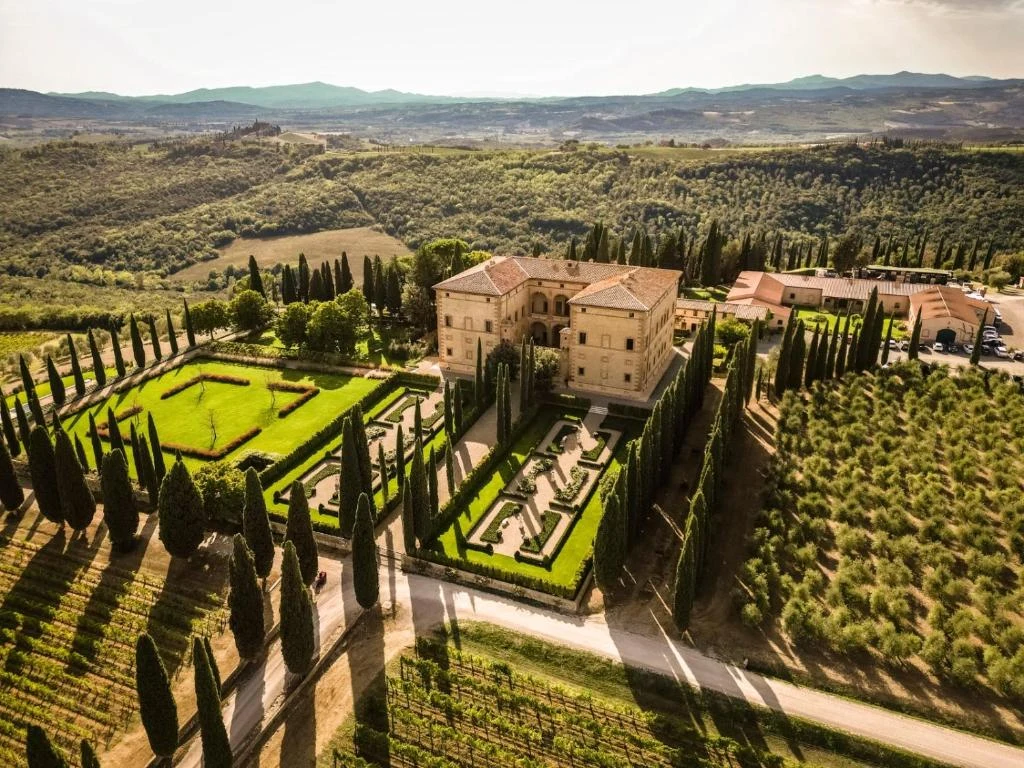
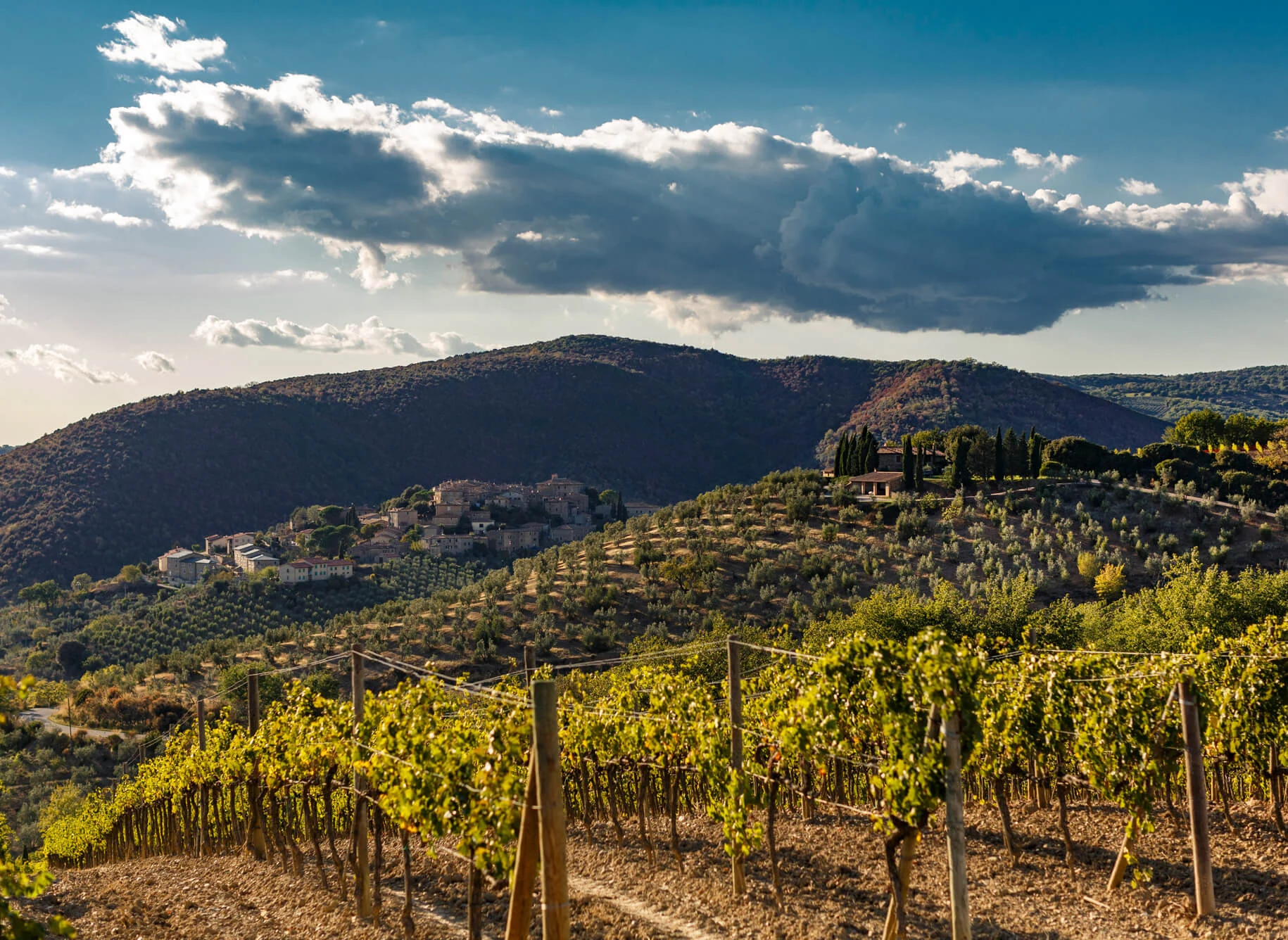
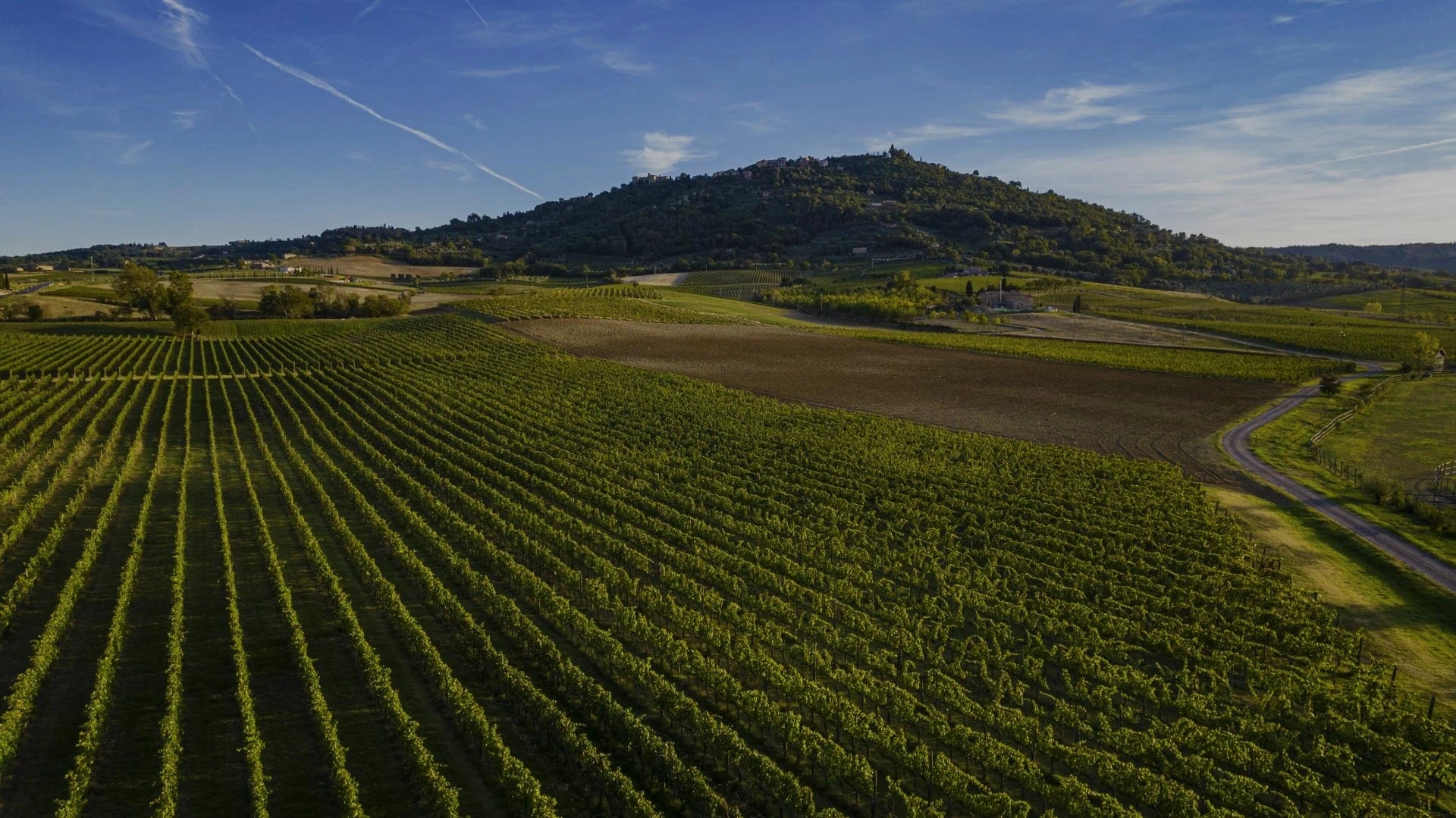
San Polino in Montalcino is best approached as a small, family-run winery experience rather than a large, highly staged venue. The picture is quiet, scenic, rustic, and intimate: hand-worked vines, protected forests, wild grasses and herbs between rows, and a cellar-focused encounter led by the winemakers. Its appeal sits in that combination of landscape and proximity. Instead of presenting the winery as a broad hospitality production, the available description points toward a visit where the surrounding nature, the scale of the place, and the direct presence of the people behind the cellar shape the experience.
A nature-first winery experience in Montalcino
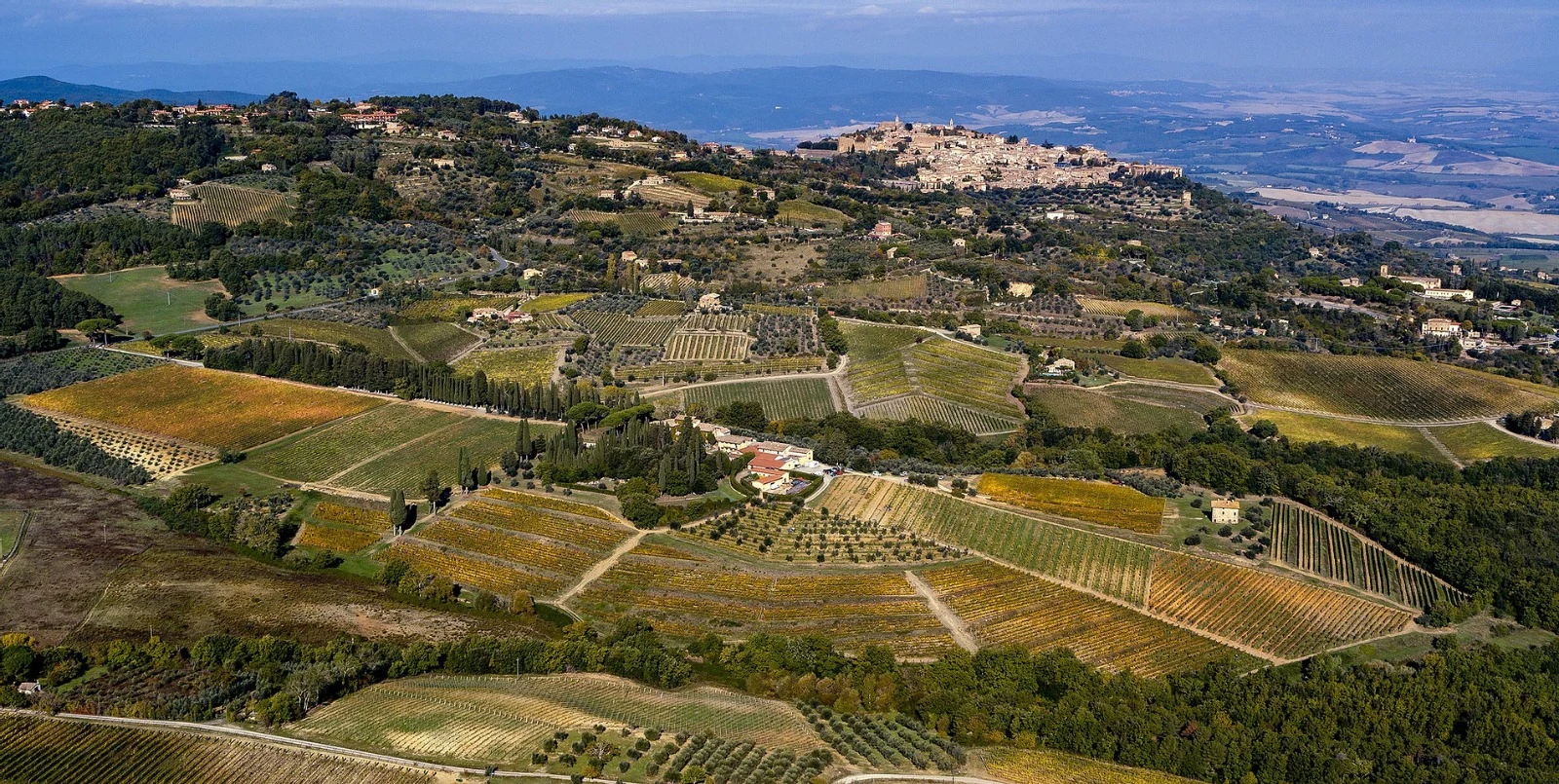
The strongest grounded reason to consider San Polino is its nature-first atmosphere. The setting is described through regenerative farming cues: hand-worked vines, protected forest, and the presence of wild grasses and herbs between vineyard rows. Those details matter because they give the visit a specific texture. The emphasis is not on polished spectacle or expansive infrastructure, but on a landscape that feels worked by hand and allowed to remain visibly alive around the vines. Rather than relying on broad claims about awards, production figures, or a formal tasting format, the venue is most clearly defined by its small scale and its close connection to the land around Montalcino.
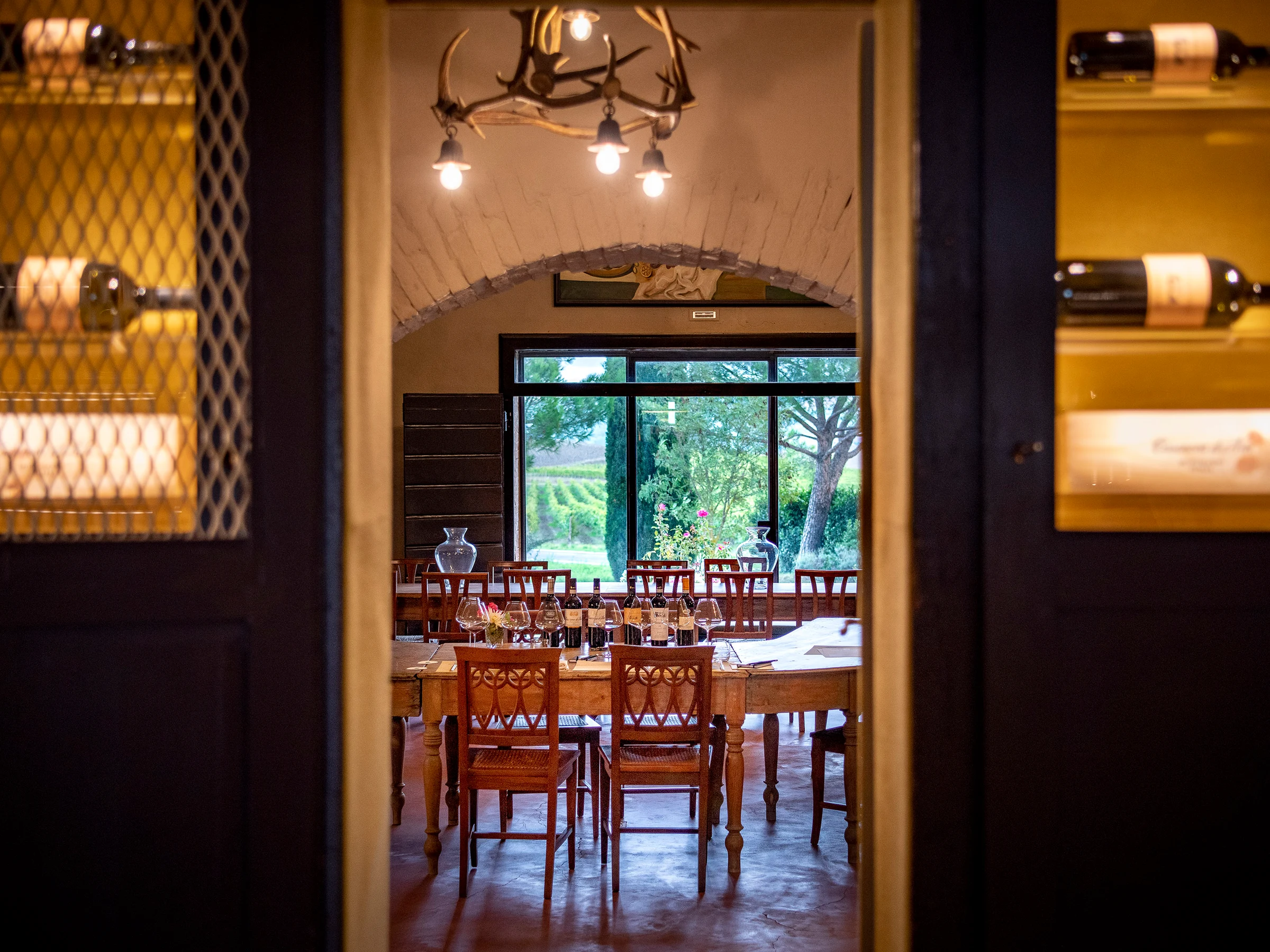
That makes the experience feel more personal than institutional. The details point to a family-run winery where the cellar is central to the visit and the winemakers lead the experience. In practical terms, that suggests a visit anchored less in a scripted, high-volume format and more in the sense of being close to the source: the vines, the cellar, and the people explaining their work. For travelers comparing other dining or wine options in Montalcino, San Polino stands out as a quieter, more rustic stop rather than a polished hospitality complex.
Because the available data is intentionally limited, it is better not to overstate specifics about grape varieties, bottle production, cellar techniques, service timing, or accolades. The strength of the listing is not in a long checklist of technical claims. It is in the atmosphere it reliably communicates: a small place, a natural setting, and a visit that favor direct contact over elaborate staging. What can be said with confidence is that San Polino presents a regenerative, intimate winery atmosphere in Montalcino.
A focused visit rather than a spectacle
San Polino is suited to visitors who want a slower, cellar-oriented encounter. The description emphasizes protected forests, hand-worked vines, and a rustic natural setting, so the appeal is less about showpiece luxury and more about proximity to the people and landscape behind the winery. That distinction is important for setting expectations. A traveler choosing San Polino should be looking for the quiet rhythm of a small winery visit, not the feeling of a grand destination built around scale, display, or extensive amenities.
The listed price is $44 per person.
For an editorial read, San Polino works well as a Montalcino winery stop for travelers drawn to quiet scenery, regenerative atmosphere, and a family-run cellar experience. It fits especially well when the goal is to understand a place through its setting and its makers, rather than to chase a more formal or theatrical wine itinerary. The rustic quality described here should be read as part of the value: vines worked by hand, forest nearby, herbs and grasses between rows, and a cellar context that keeps the visit close to the wine itself. Other options in Montalcino can be considered generically depending on the rest of the day’s plans, but San Polino’s identity is already clear: small, rustic, nature-first, and intimate.
Who this cellar experience is for
San Polino is a strong fit for travelers who value calm settings, landscape, and direct connection to winemakers. The mood is described as quiet and scenic, with a rustic character shaped by vines, forest, grasses, herbs, and the cellar. It is likely to resonate most with guests who prefer texture over polish: people who enjoy the feeling of a working winery, the visual presence of nature around the rows, and the idea of hearing about the place from those directly involved in it.
It is also a sensible choice for travelers who want their Montalcino visit to feel grounded rather than crowded with claims. The available description does not ask the reader to focus on numbers, trophies, or a complicated menu of options. Instead, it points back to a simpler promise: a small family-run winery, a regenerative sensibility, a natural setting, and an intimate cellar-led experience. That clarity is useful when planning, because it keeps expectations aligned with what the venue do best.
The reliable planning takeaway is simpler: expect a small, family-run winery in Montalcino with a regenerative, nature-first atmosphere and a price listed at $44 per person.
Questions
Frequently asked
How expensive is San Polino?
San Polino is listed at a price level of $$$.
The field
How it compares
| Place | Notes | Awards |
|---|---|---|
| San Polino | Montalcino, $$$ | · |
| Argiano | Montalcino | · |
| Azienda Agricola Casanova di Neri di Giacomo Neri | Montalcino | World's 50 Best |
| Biondi-Santi Tenuta Greppo | Montalcino | · |
| Castello Banfi | Montalcino | World's 50 Best |
| Poggio di Sotto | Montalcino | · |
| Valdicava | Montalcino | · |