Sanchokuya Taka
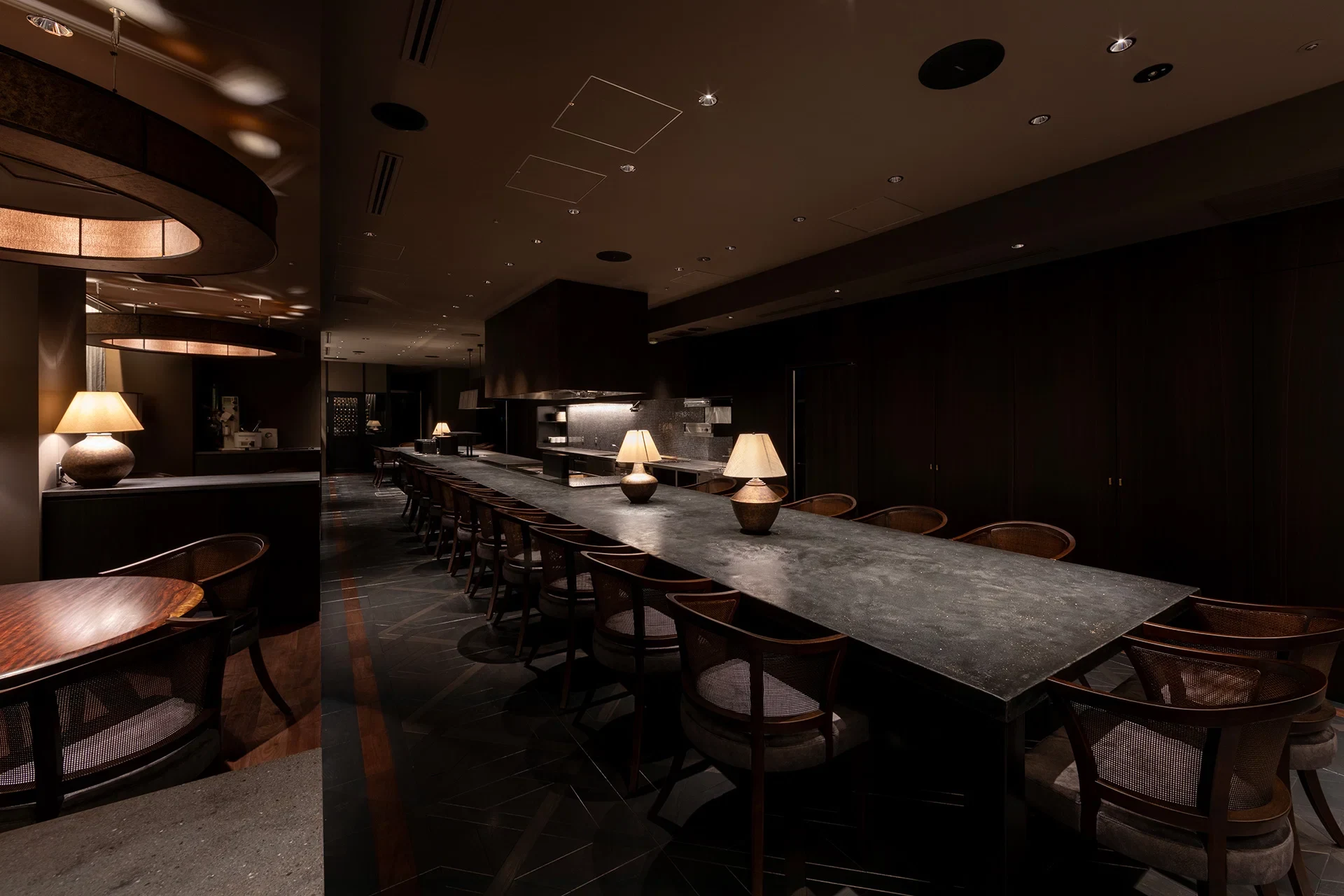
In Residence
Takashi Kosuge
Chef
- 01CuisineSeafood Izakaya with Sake Pairing
- 02CityTokyo, Japan
- Opinionated About Dining Casual in Japan Highly Recommended · 2026
- Tabelog 100 #33: 3.7pts · 2025
- Opinionated About Dining Casual in Japan Ranked #103 · 2025
- Opinionated About Dining Casual in Japan Ranked #85 · 2024
- Opinionated About Dining Casual in Japan Ranked #59 · 2023
The Izakaya Format, Reconsidered
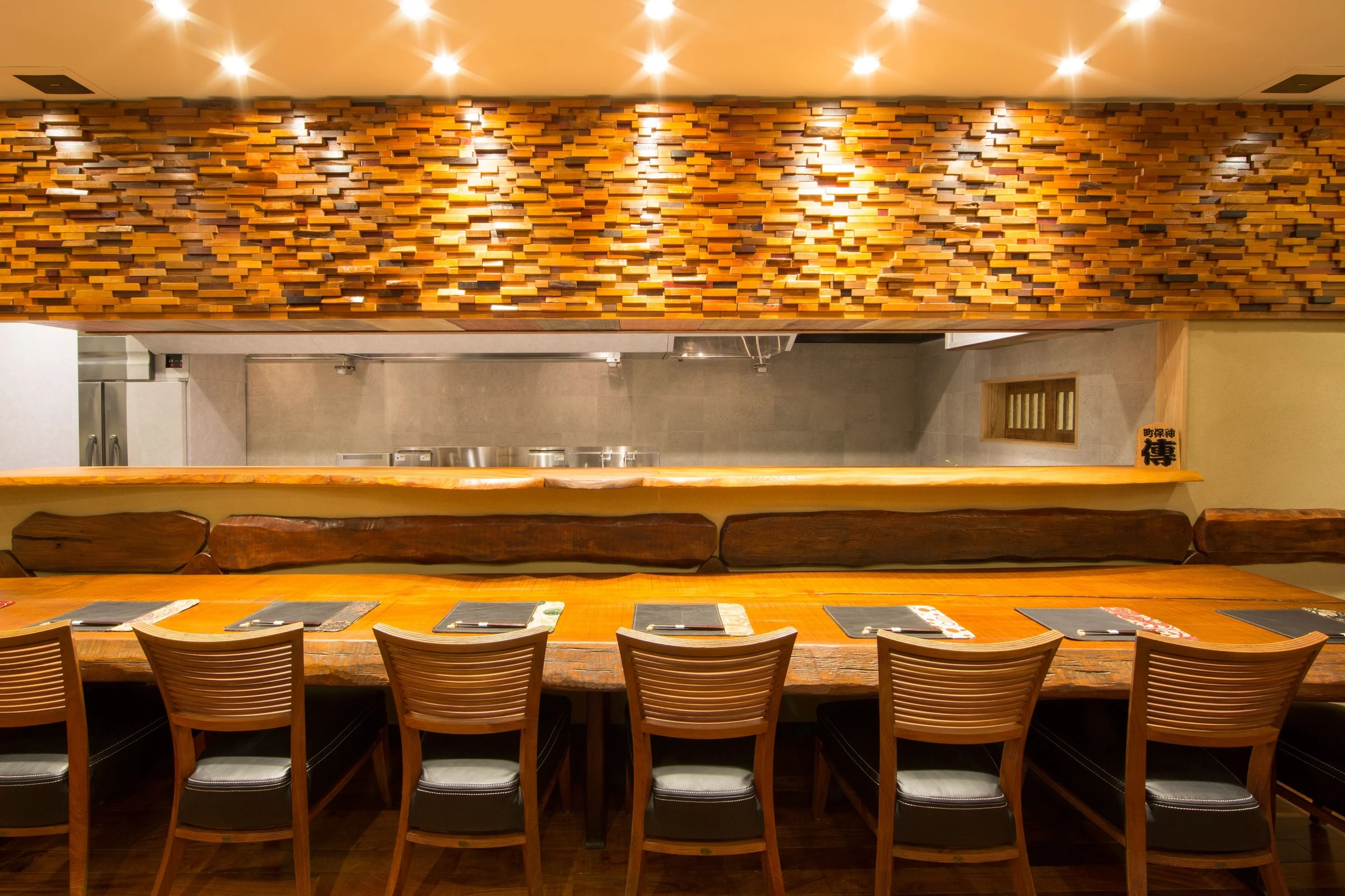
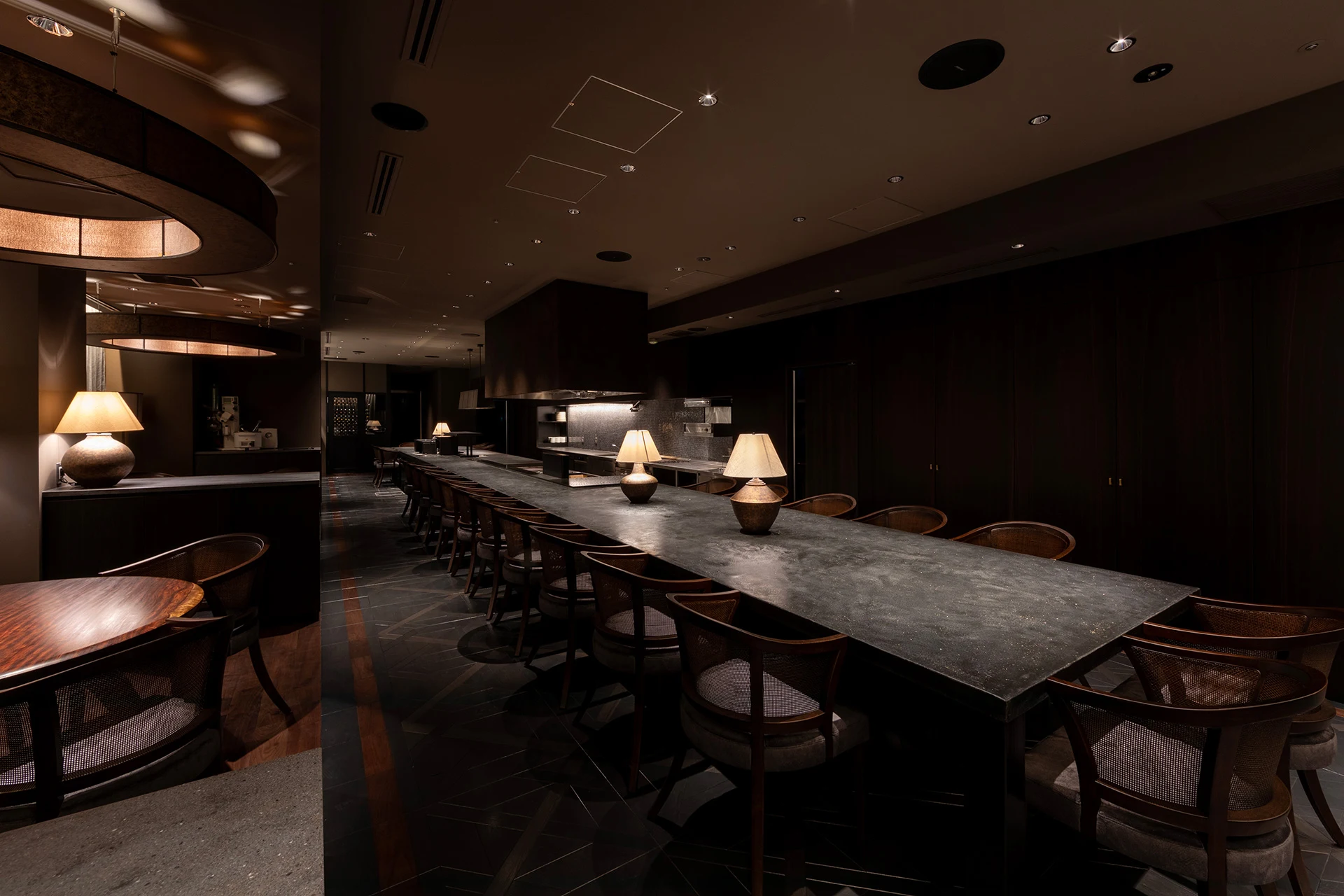
Tokyo's izakaya category covers an enormous range. At one end: the chain-operated, fluorescent-lit rooms that dominate train station exits across the city. At the other: a smaller subset of operator-driven rooms where the izakaya format serves as a vehicle for ingredient-led cooking, where the informal structure of shared plates and poured drinks is used to deliver produce that would sit without embarrassment in a kaiseki context. Sanchokuya Taka is a seafood izakaya with sake pairing in Shibuya, Tokyo, by chef Takashi Kosuge, with a price point around $85 per person.
The word sanchoku signals intent from the outset. It refers to direct-from-producer supply chains, goods delivered from farm, fishing cooperative, or agricultural region without passing through the intermediary wholesale markets that homogenise quality across the city. In a dining culture where provenance language has become common marketing shorthand, sanchoku supply relationships represent a structural, logistical commitment. They require relationships, consistency of volume, and the kitchen discipline to cook around what arrives rather than ordering to a fixed menu. This is the frame through which Sanchokuya Taka makes its case.
Where Shibuya's Basement Rooms Sit in the City's Izakaya Tier
Shibuya as a dining address carries mixed signals. The neighbourhood's commercial density pushes toward high-turnover formats: ramen counters, conveyor sushi, casual standing bars. Maruyamacho, however, occupies a slightly separate register, the narrow streets that run behind the main Shibuya commercial strip toward Dogenzaka have long carried a different kind of operator, smaller rooms with more considered food programs, some of which have held positions on serious dining lists for years.
Sanchokuya Taka fits that pattern. Since at least 2023, it has appeared annually in the Opinionated About Dining Casual in Japan ranking, moving from #59 in 2023 to #85 in 2024, then to #103 in 2025. The OAD Casual Japan list draws on votes from a network of engaged diners rather than inspector-led criteria, which means sustained placement reflects return visits and genuine recommendation across a broad base of informed opinion, not a single reviewer's assessment. The downward movement in rank between 2023 and 2025 is worth noting as context: the list has grown more competitive as more operators have entered the serious-izakaya tier, not an indication of quality decline at any individual address. A Google rating of 4.5 across 183 reviews adds a separate, broader signal of consistency.
For comparison with other Tokyo izakaya and informal Japanese formats that share sourcing-led positioning, venues like Daikanyama Issai Kassai and Hakata Hotaru occupy adjacent territory, each working within informal Japanese frameworks but with evident ingredient rigour. The izakaya format across Japan has proven more elastic than many outside the country assume; see also Benikurage in Osaka and Berangkat in Kyoto for regional counterparts working similar territory.
Sourcing as the Kitchen's Organising Principle
The sanchoku model matters most in the context of Japanese seasonal produce cycles. Japan's agricultural and fishing calendars are granular in ways that outsiders rarely appreciate, specific fish species by region and month, mountain vegetables from named prefectures at precise windows, aged and fresh proteins that require different handling and timing. A kitchen built around direct-producer supply is, in practice, a kitchen that must respond to what those producers deliver rather than pre-printing a menu and sourcing to match it.
This creates a dining dynamic that differs from more fixed tasting-menu formats. At a kaiseki counter, say, Ginza Shimada or Ginza Nominokoji Yamagishi, the chef constructs a seasonal narrative across ten or more courses, with each element placed to build a coherent progression. The izakaya format disperses that structure: dishes arrive as they're ready, ordered from a list that shifts with availability. What the sanchoku model adds is the quality floor, the assurance that the ingredients underpinning those dishes have been selected at source, not bought at Tsukiji on the morning of service.
Chef Takashi Kosuge operates within this framework. The kitchen's discipline shows less in a formal tasting architecture than in the quality of what appears on the plate, and the regularity with which informed diners continue to return across multiple OAD voting cycles is evidence of that discipline holding over time.
Planning a Visit
Sanchokuya Taka operates Tuesday through Saturday, with service from 7:15 to 9:45 pm each evening. Monday and Sunday are closed. The compressed schedule, five evenings, a single two-and-a-half-hour window, reflects the supply model: cooking to a sanchoku sourcing program generates limited volume.
The Maruyamacho address places the restaurant within walking distance of Shibuya Station. The basement location (B1F, Lions Mansion Shibuya building) is characteristic of Tokyo's smaller independent restaurants, which frequently occupy sub-street-level spaces that keep rent viable without compromising on the quality of ingredients or kitchen equipment.
| Venue | Format | Service Hours | Days Open | OAD Recognition |
|---|---|---|---|---|
| Sanchokuya Taka | Izakaya (sourcing-led) | 7:15 to 9:45 pm | Tue–Sat | Casual Japan #103 (2025) |
| Daikanyama Issai Kassai | Izakaya / Japanese | Varies | Varies | OAD recognised |
| Hakata Hotaru | Hakata-style Japanese | Varies | Varies | OAD recognised |
| Hakata Issou | Ramen | Varies | Varies | See full profile |
Tokyo Beyond Shibuya: Contextualising the Visit
Sanchokuya Taka sits within a broader Tokyo dining ecosystem that runs from counter sushi at the Michelin level to ramen shops that have occupied the same format for decades. Positioning it correctly means understanding that serious izakaya cooking occupies a distinct niche: less ceremonial than kaiseki, less technically singular than high omakase, but often closer to the actual seasonal ingredient cycle than either. For readers building a Tokyo itinerary around eating, our full Tokyo restaurants guide covers the range in full, alongside hotels, bars, wineries, and experiences.
For readers extending across Japan, the sourcing-rigour conversation continues in other cities: HAJIME in Osaka and Gion Sasaki in Kyoto represent different registers of the same underlying concern with what comes into the kitchen. Regional formats worth noting alongside Tokyo izakaya include Goh in Fukuoka, akordu in Nara, 1000 in Yokohama, and 6 in Okinawa, each working within Japan's ingredient calendar from a different geographic and cultural vantage point.
What to Eat at Sanchokuya Taka
Specific dishes change with the supply cycle. What the sanchoku model guarantees structurally is seasonal produce sourced directly from producers, which in practice means the menu reads differently from week to week depending on what has arrived. The izakaya format encourages ordering across multiple small plates rather than following a set sequence, so the practical approach is to ask what came in that day and build from there. The OAD recognition across three consecutive years in the Casual Japan ranking reflects consistent quality of execution across that variable input. Chef Takashi Kosuge has maintained that consistency across a schedule that limits service to five evenings per week.
The Sunday letter
Get new places like Sanchokuya Taka every Sunday.
One email a week with the restaurants, bars and hotels we have just written up, and the people who run them.
One email a week. Unsubscribe from any issue.
Questions
Frequently asked
Who works at Sanchokuya Taka?
Made By profiles Takashi Kosuge (Chef) at Sanchokuya Taka.
How expensive is Sanchokuya Taka?
Sanchokuya Taka is listed at a price level of $$$.
Where is Sanchokuya Taka and what does it serve?
Sanchokuya Taka is in Shibuya, Tokyo, serving Seafood Izakaya with Sake Pairing.
The field
How it compares
| Place | Cuisine | Notes | Awards |
|---|---|---|---|
| Sanchokuya Taka | Seafood Izakaya with Sake Pairing | Shibuya, $$$ | · |
| Den | Modern Japanese Kaiseki | Tokyo | Michelin 2 Stars, World's 50 Best |
| Florilège | Modern French-Japanese Plant-Based Fine Dining | Tokyo | Michelin 2 Stars, World's 50 Best |
| Narisawa | Modern Japanese Satoyama Fine Dining | Tokyo | Michelin 2 Stars, World's 50 Best |
| Quintessence | Modern French Fine Dining | Tokyo | Michelin 3 Stars |
| Sazenka | Modern Chinese Fine Dining | Tokyo | Michelin 3 Stars, World's 50 Best |
| Sézanne | Modern French Fine Dining | Tokyo | Michelin 3 Stars, World's 50 Best |
In residence
Similar places
Modern Japanese Kaiseki
Den
Tokyo, Japan
★★ · 50 Best
Modern French-Japanese Plant-Based Fine Dining
Florilège
Tokyo, Japan
★★ · 50 Best
Modern Japanese Satoyama Fine Dining
Narisawa
Tokyo, Japan
★★ · 50 Best
Modern French Fine Dining
Quintessence
Tokyo, Japan
★★★
Modern Chinese Fine Dining
Sazenka
Tokyo, Japan
★★★ · 50 Best
Modern French Fine Dining
Sézanne
Tokyo, Japan
★★★ · 50 Best
The Sunday letter
Get the next Made By story in your inbox.
We send one email every Sunday morning with the places and people we covered that week.
One email a week. Unsubscribe from any issue.