Sato i Tanaka
- 01CuisineAuthentic Japanese Sushi
- 02CityBarcelona, Spain
- Macarfi 7.9 Food Rating · 2026
- Opinionated About Dining Top Restaurants in Europe Recommended · 2026
- Opinionated About Dining Top Restaurants in Europe Ranked #629 · 2025
Where the Mediterranean Meets the Sea of Japan
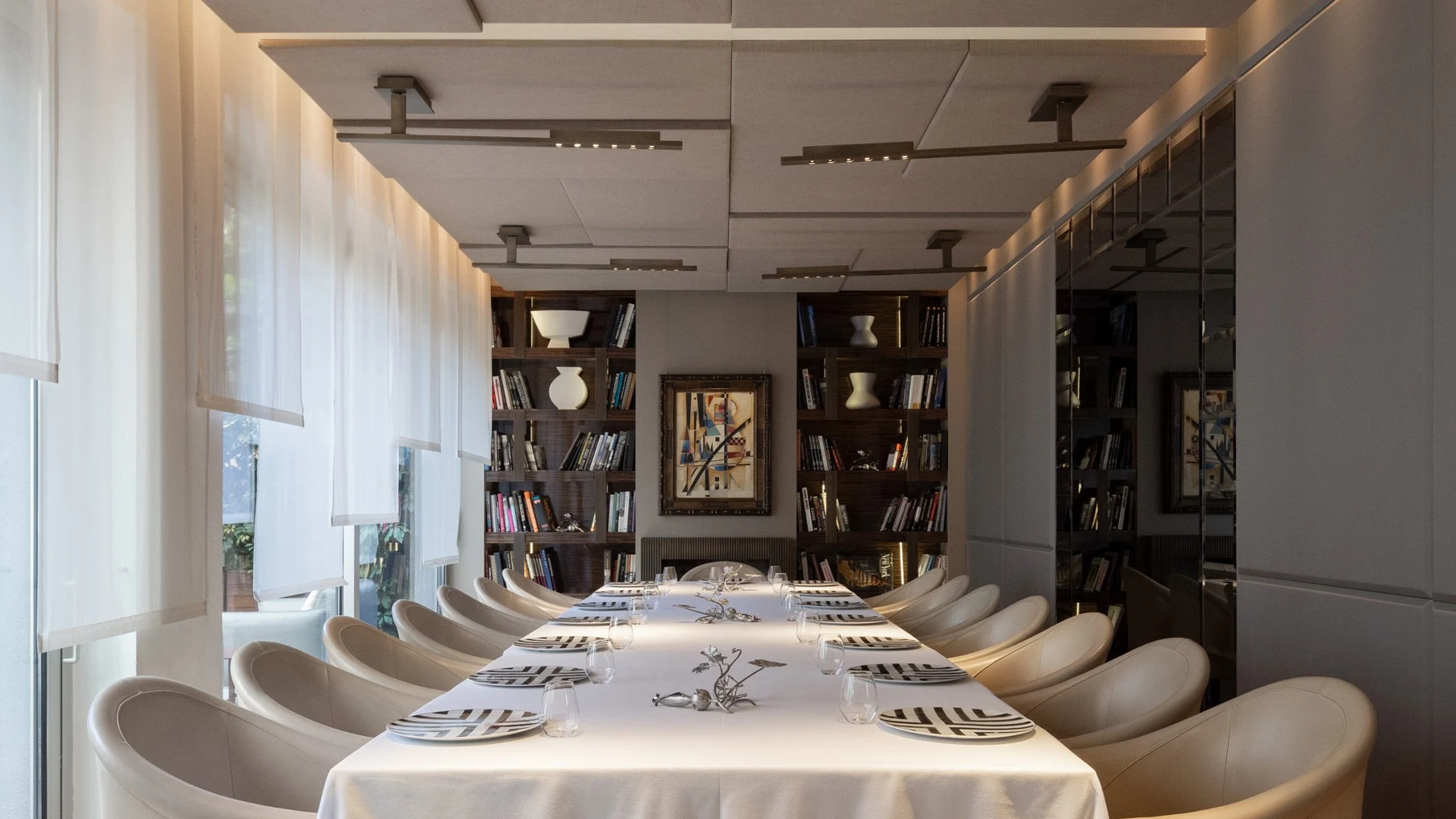
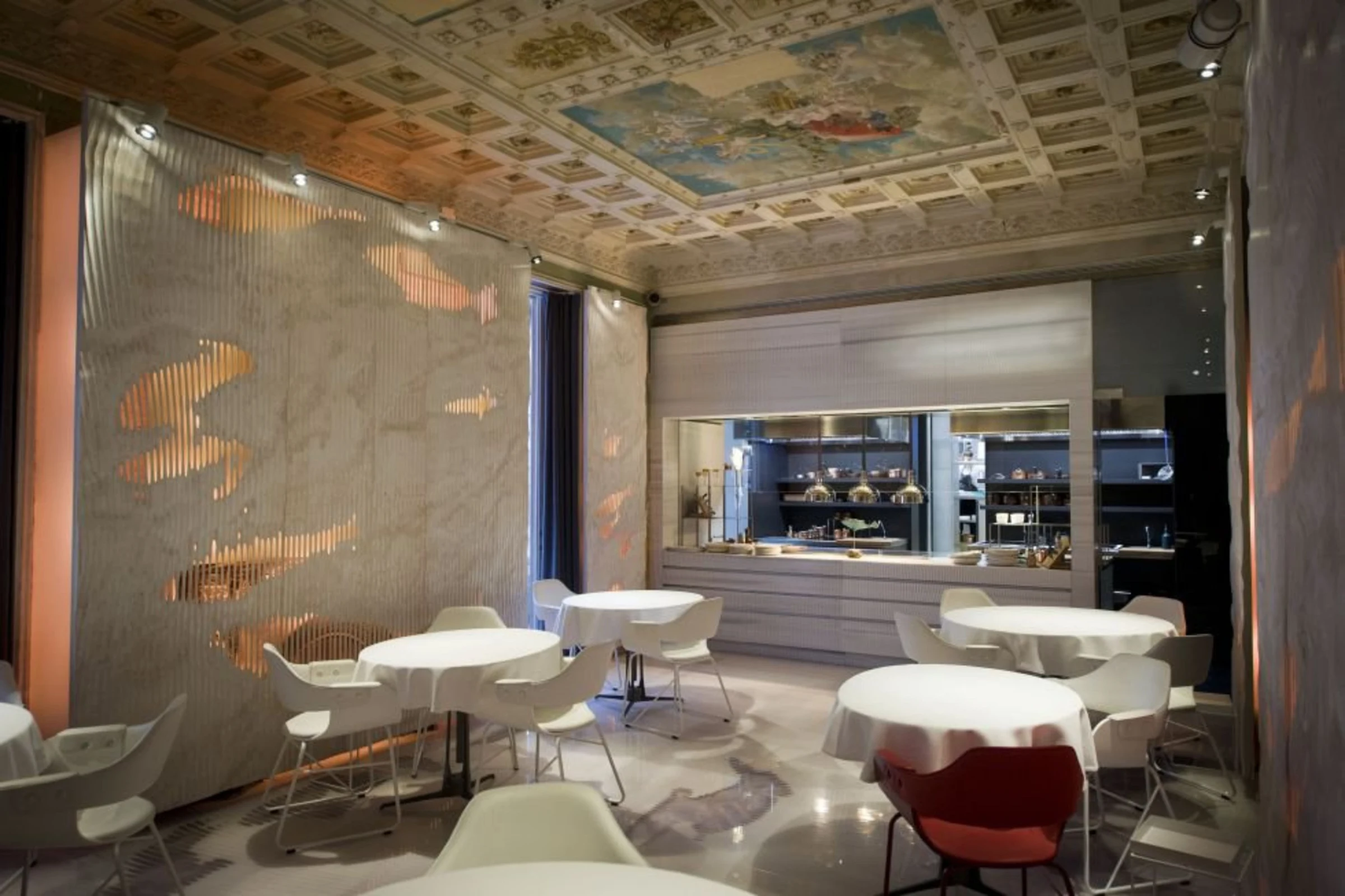
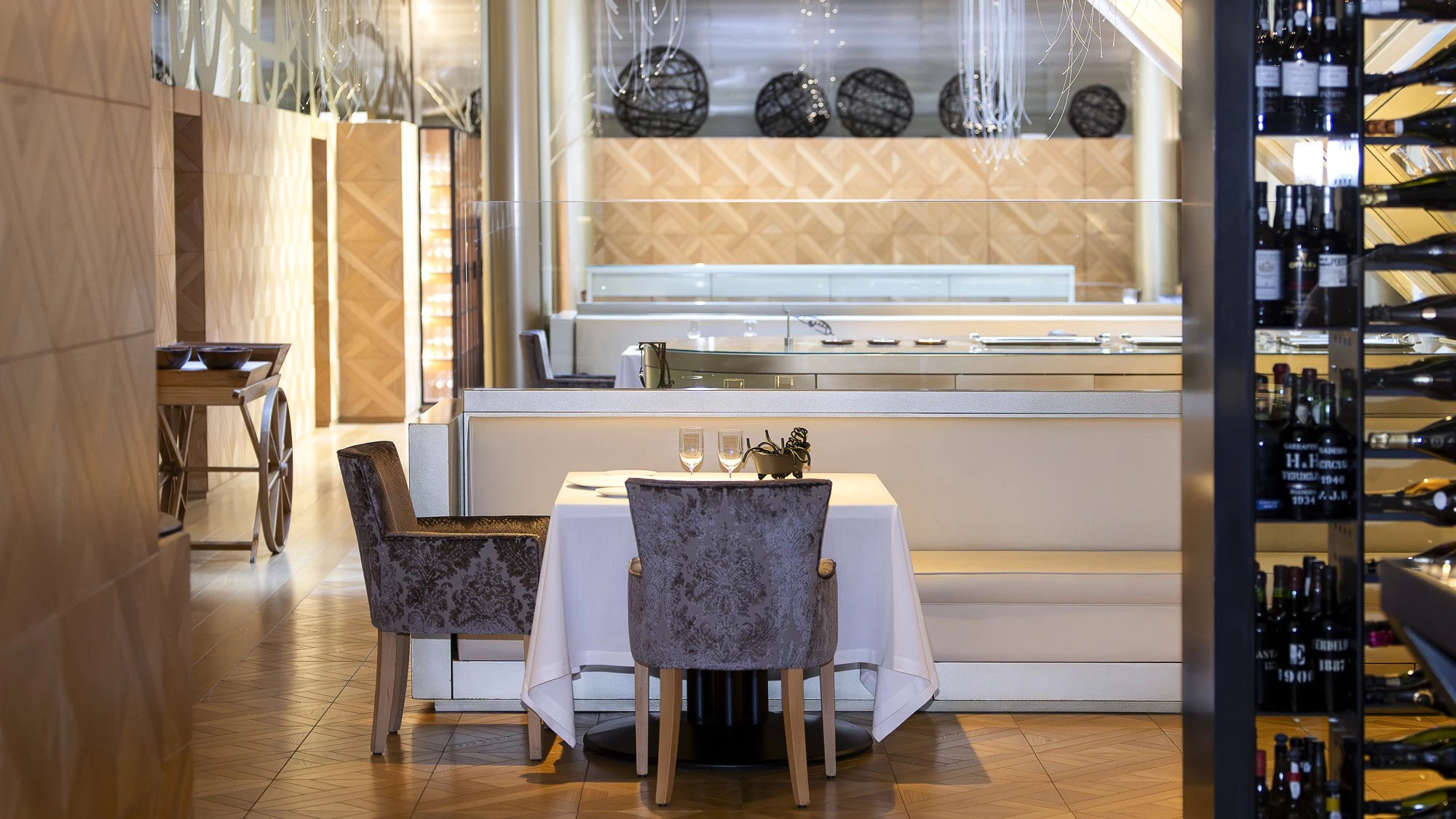
Carrer del Bruc runs through the grid of the Eixample with the quiet efficiency of a street that knows its purpose. The neighbourhood has long housed Barcelona's mid-tier professional crowd alongside pockets of genuinely serious eating, and the two coexist without much friction. Walking the block toward number 79, there is nothing theatrical about the approach, no queue theatre, no doorman with a clipboard. What you find instead is a room that signals its intentions through restraint: a dining space that borrows the spare visual grammar of Japanese interiors and applies it to a Catalan address.
That combination of Japanese discipline and Mediterranean material is precisely the tension that defines Sato i Tanaka's position in Barcelona's current dining conversation. The city already has a strong cohort of creative tasting-menu restaurants, Disfrutar, Cocina Hermanos Torres, Lasarte, ABaC, and Enigma among them, but all operate primarily within a European creative tradition. Sato i Tanaka occupies a narrower lane: Japanese-Mediterranean fusion at a level of intent serious enough to draw Opinionated About Dining recognition, placing it on the OAD Top Restaurants in Europe 2025 list.
Two Fish Cultures, One Kitchen
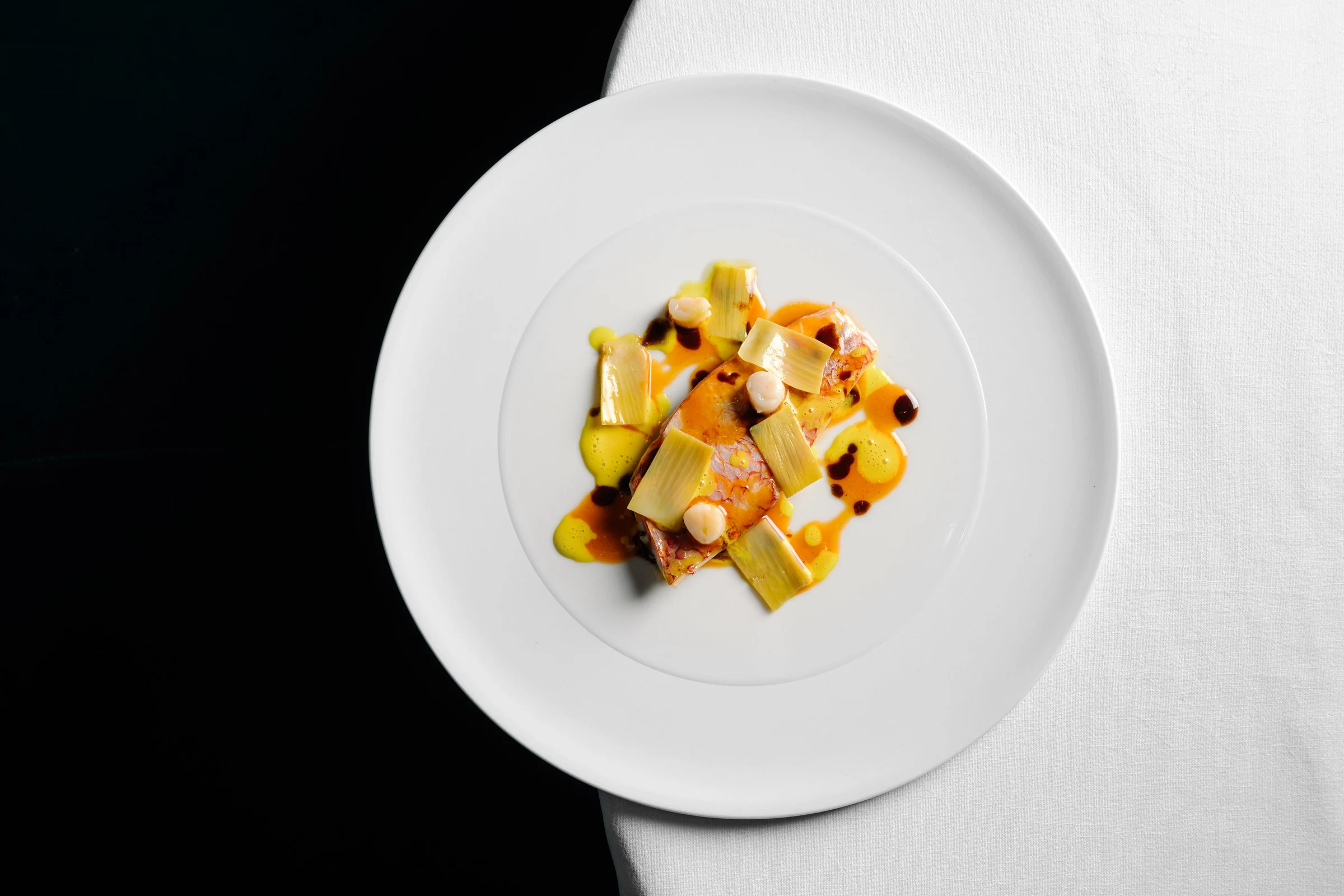
The Mediterranean's relationship with seafood is ancient and unapologetic. Catalan cooks have always treated fish as a subject rather than a supporting player, the suquet, the romesco-draped grilled fish, the salt-cured anchovies of the Costa Brava are dishes built around the conviction that proximity to the sea is itself an argument. Japanese cuisine arrives at the same conclusion by a different route: the precision of ikejime, the temperature control of aging, the long vocabulary of fermentation and salt that runs from katsuobushi to nukazuke. When a kitchen holds both traditions fluently, the results tend to be more layered than either tradition alone can produce.
That is the premise at Sato i Tanaka. Ryuta Sato and Aki Tanaka work within a framework where Mediterranean fish, the kind pulled from waters that have supplied Barcelona's Boqueria for centuries, meets Japanese handling methodology. The relevance of this approach extends well beyond novelty. Consider what Aponiente in El Puerto de Santa María has done with Andalusian sea produce through an avant-garde lens, or what Quique Dacosta in Dénia extracts from the prawns of the Valencian coast. The Spanish restaurant scene has demonstrated repeatedly that treating local seafood with technical rigour, rather than assuming tradition alone is enough, produces kitchens of genuine consequence.
Internationally, the conversation has been moving in the same direction for over a decade. Le Bernardin in New York City built its entire identity on treating fish with the seriousness more commonly reserved for meat. Atomix in New York City demonstrated what Korean culinary intelligence looks like when applied at a fine-dining register. The broader pattern is clear: cuisines that bring non-European technical frameworks to local produce tend to generate something that neither tradition would arrive at independently.
Where Sato i Tanaka Sits in Barcelona's Dining Tier
Barcelona's serious restaurant scene stratifies fairly clearly. At the upper end sit the Michelin-starred flagships that draw international travellers as much as locals. Below that, a more interesting and less predictable tier has developed, restaurants earning recognition from tastemaker critics and OAD evaluators. Sato i Tanaka's 2025 OAD ranking places it in this second cohort: recognized, followed closely by people who eat across Europe with purpose, but not yet embedded in the tourist infrastructure that surrounds the leading Michelin addresses.
A 4.8 rating across 1,090 Google reviews is notable context here. That volume at that score suggests the restaurant draws beyond a specialist audience, regulars who return, not just occasion diners checking a box. It also implies consistency, which in a small creative kitchen working at the intersection of two demanding culinary traditions is harder to sustain than the score might suggest.
For comparison within Spain's broader creative dining field, kitchens like Arzak in San Sebastián, El Celler de Can Roca in Girona, Azurmendi in Larrabetzu, and DiverXO in Madrid have each staked out distinct creative identities. What separates them from one another, and what makes the OAD list a useful instrument, is that the ranking reflects the opinions of frequent, well-travelled eaters rather than institutional criteria alone. A #629 OAD ranking in Europe in 2025 means that a specific and demanding audience has taken notice.
Planning a Visit
Sato i Tanaka sits at Carrer del Bruc, 79 in the Eixample at postcode 08009. Reservations are recommended, particularly for dinner sittings and weekends.
Know Before You Go
- Address: Carrer del Bruc, 79, Eixample, 08009 Barcelona, Spain
- Cuisine: Japanese-Mediterranean Fusion
- Chefs: Ryuta Sato and Aki Tanaka
- Recognition: Opinionated About Dining Leading Restaurants in Europe #629 (2025)
- Google Rating: 4.8 from 1,090 reviews
- Booking: Reservations are recommended
Questions
Frequently asked
How expensive is Sato i Tanaka?
Sato i Tanaka is listed at a price level of $$$.
Where is Sato i Tanaka and what does it serve?
Sato i Tanaka is in la Dreta de l'Eixample, Barcelona, serving Authentic Japanese Sushi.
The field
How it compares
| Place | Cuisine | Notes | Awards |
|---|---|---|---|
| Sato i Tanaka | Authentic Japanese Sushi | la Dreta de l'Eixample, $$$ | · |
| ABaC | Modern Catalan Fine Dining | Barcelona | Michelin 3 Stars |
| Alkimia | Modern Catalan Fine Dining | Barcelona | Michelin 1 Star |
| Cocina Hermanos Torres | Modern Spanish Fine Dining | Barcelona | Michelin 3 Stars, World's 50 Best |
| Disfrutar | Avant-Garde Catalan Fine Dining | Barcelona | Michelin 3 Stars, World's 50 Best |
| Lasarte | Modern Basque-Mediterranean Fine Dining | Barcelona | Michelin 3 Stars |
| Moments | Modern Catalan Fine Dining | Barcelona | Michelin 1 Star |
Similar places
Modern Catalan Fine Dining
ABaC
Barcelona, Spain
★★★
Modern Catalan Fine Dining
Alkimia
Barcelona, Spain
★
Modern Spanish Fine Dining
Cocina Hermanos Torres
Barcelona, Spain
★★★ · 50 Best
Avant-Garde Catalan Fine Dining
Disfrutar
Barcelona, Spain
★★★ · 50 Best
Modern Basque-Mediterranean Fine Dining
Lasarte
Barcelona, Spain
★★★
Modern Catalan Fine Dining
Moments
Barcelona, Spain
★