Schloss Vollrads
In Residence
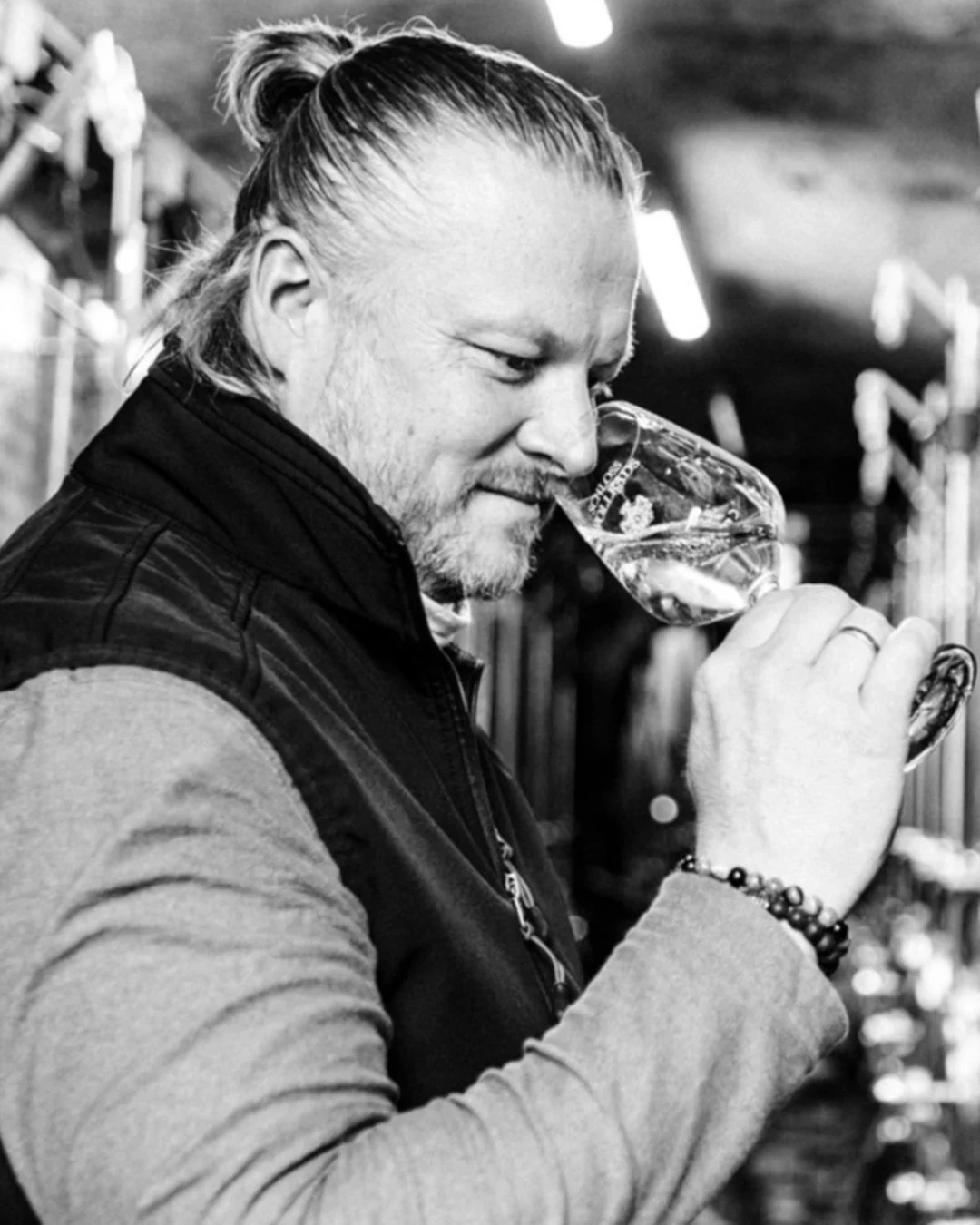
Jochen Bug
Winemaker
- 01CityOestrich-Winkel, Germany
- 02RecognitionWorld's 50 Best — No. 33
Riesling across 70-81 hectares
- World's 50 Best · #33 · World's 50 Best Restaurants
- Falstaff Winery - 3 Stars · 2026
- Pearl 3 Star Prestige · 2025
- World's 50 Best Best Vineyards #33 · 2019
Riesling as the house language
Riesling is the material Jochen Bug works as winemaker at Schloss Vollrads in Oestrich-Winkel, where the cellar sits inside a Rheingau estate with a long memory. The role asks for continuity before display. Schloss Vollrads is tied to more than 800 years of Riesling production, and the house is credited with originating the Kabinett classification in 1716. Those facts do not make the wine by themselves, but they set the discipline around it: a single variety, a regional grammar, and a castle estate where each decision in the cellar has to sit beside what came before.
Bug’s own path is rooted in cellar work. He served as kellermeister at Erbacher Winzergenossenschaft from 2007, a post defined by the daily handling that gives a vintage its final shape. At Schloss Vollrads, his work belongs to the same practical register: tasting, adjusting, holding line, reading the fruit rather than imposing a performance on it. The house does not present Riesling as a theme. It is the method, the inheritance, and the constraint.
The Sunday letter
Find new places through the people who run them.
Our Sunday email brings you the chefs, winemakers and hoteliers behind our newest stories. See a sample before you subscribe.
See a sample of the Sunday emailOne email a week. Unsubscribe from any issue.
A medium estate built around one grape
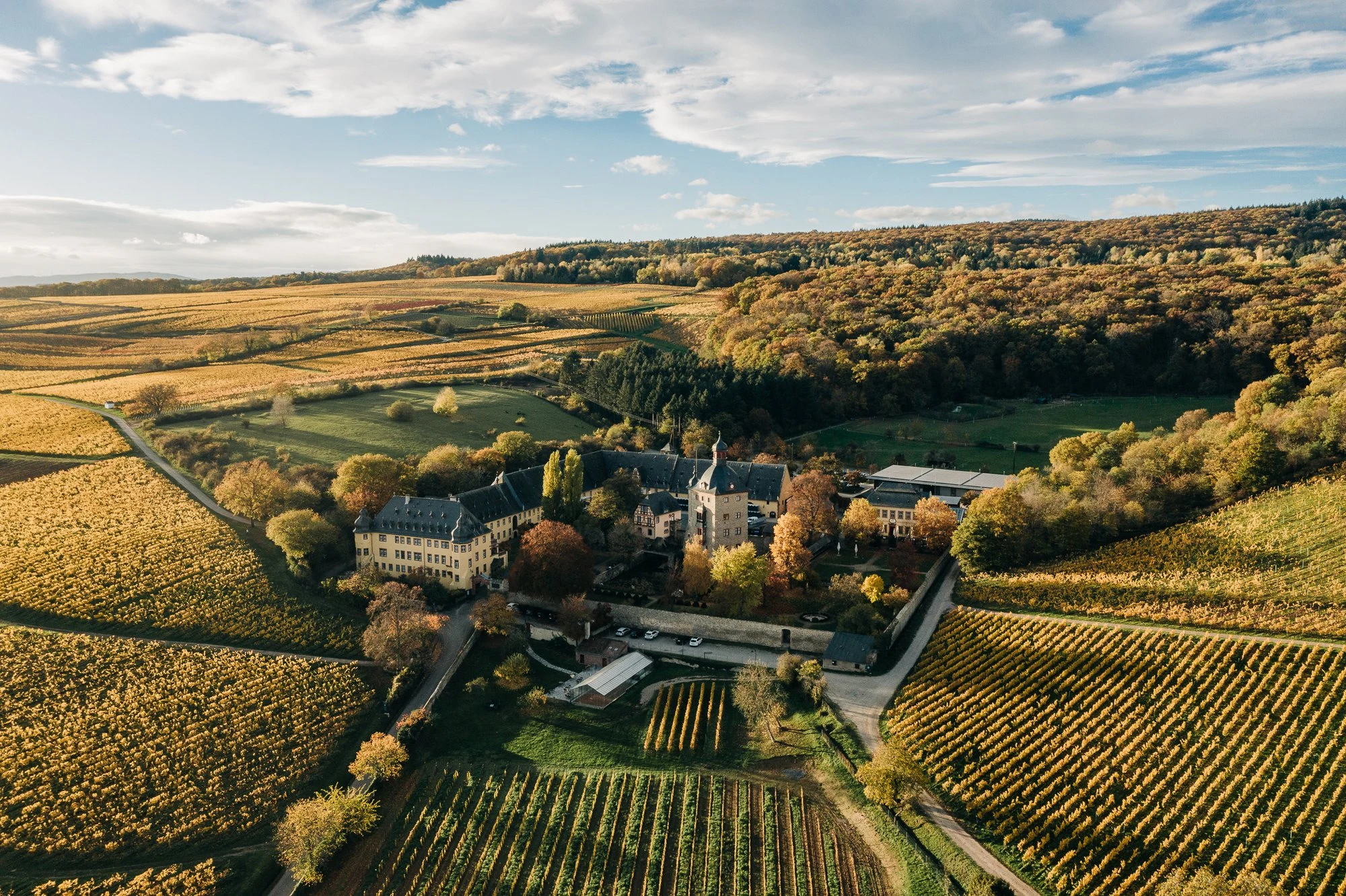
The estate works at a medium scale, with 70-81 hectares, and its production philosophy is sustainable. Within that frame, the focus remains narrow by design: Riesling from the Rheingau, made as still white wine and sparkling wine. The interest here is not breadth. It is repetition with consequence, the same variety asked to carry site, season, pressure, and patience in different forms.
For a winemaker, that kind of program leaves little room for disguise. Acidity, ripeness, residual texture, and the handling of base wine for sparkling production all have to be read against the house identity. Schloss Vollrads does not publish the cellar protocol behind those choices, and the silence is useful in its own way. What can be said is firmer: this is a Riesling estate before it is anything else, and Bug’s station is measured by how clearly that variety holds its line across the program.
The castle above the vines
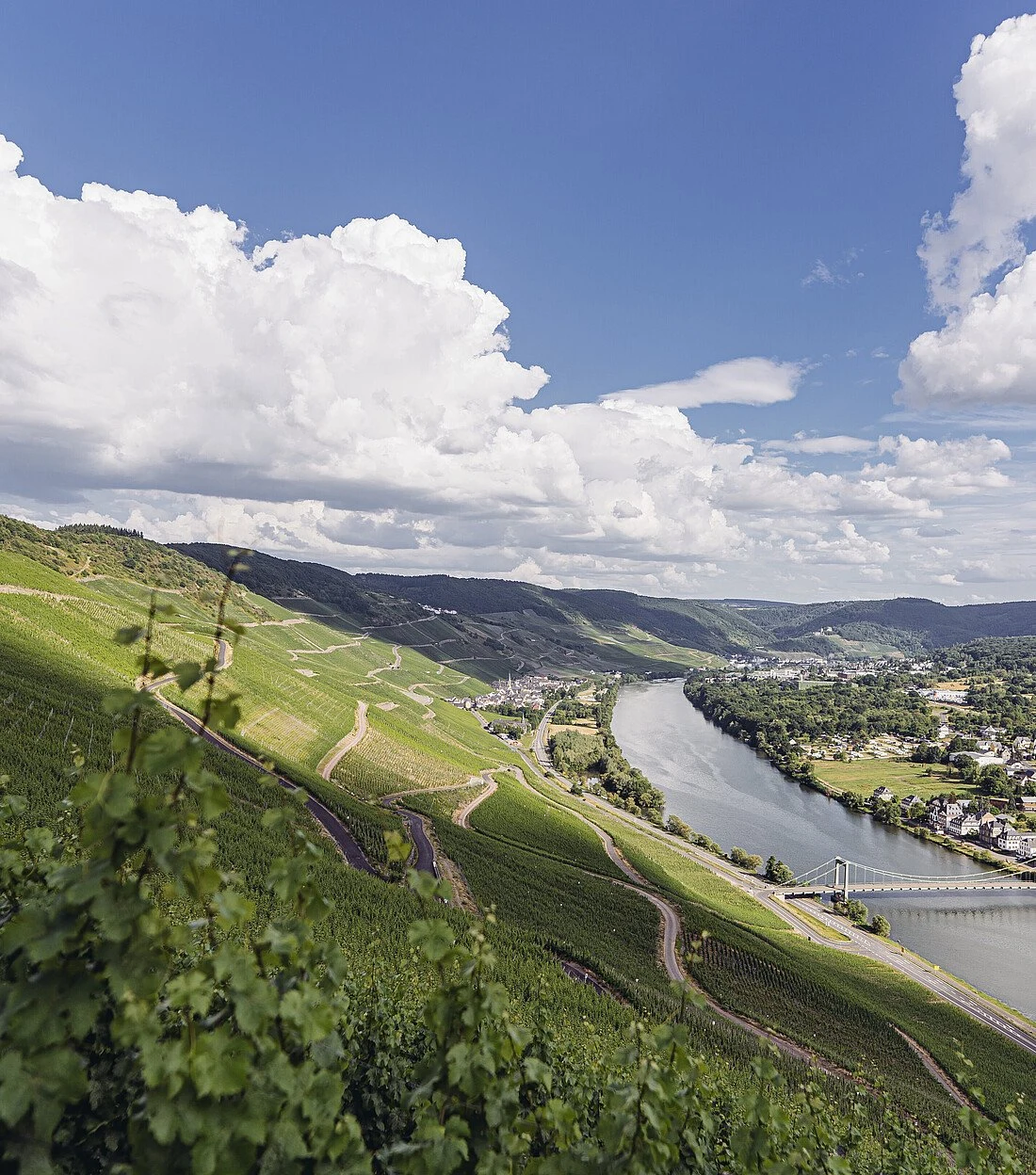
The place itself is not neutral. Schloss Vollrads stands as a historic moated castle on a hill, surrounded by south-facing Riesling vineyards and nature trails along the Rhine. The setting gives the work a formal frame, but the cellar keeps it from becoming scenery. Visitors encounter a palatial orangery and an elegant 17th-century squire’s house; the quiet in the room belongs to stone, proportion, and the slow pressure of an estate that has outlived many fashions.
The tasting formats include cave tastings and private tastings, but the more important texture is the proximity between architecture and vineyard. The cellar, the tasting room, and the slopes around the house all point back to the same material. Riesling is not introduced here as a house preference. At Schloss Vollrads, Riesling is the object on the bench, the inheritance in the glass, and the measure by which Jochen Bug’s work is read.
Questions
Frequently asked
Who is the winemaker at Schloss Vollrads?
Jochen Bug is the winemaker at Schloss Vollrads in Oestrich-Winkel. His work there is rooted in cellar handling and in keeping the estate’s Riesling line clear across the programme.
What is Schloss Vollrads known for?
Schloss Vollrads is tied to more than 800 years of Riesling production, and it is credited with originating the Kabinett classification in 1716. The estate focuses on Riesling from the Rheingau, made as still white wine and sparkling wine.
What kind of place is Schloss Vollrads?
It is a historic moated castle on a hill in Oestrich-Winkel, surrounded by south-facing Riesling vineyards and nature trails along the Rhine. The estate includes a palatial orangery and an elegant 17th-century squire’s house.
Should visits be booked in advance?
Reservations are recommended at Schloss Vollrads. The estate also has on-site parking.
The field
How it compares
| Place | Awards | Notes |
|---|---|---|
| Schloss Vollrads | World's 50 Best #33 | Oestrich-Winkel, $$$ |
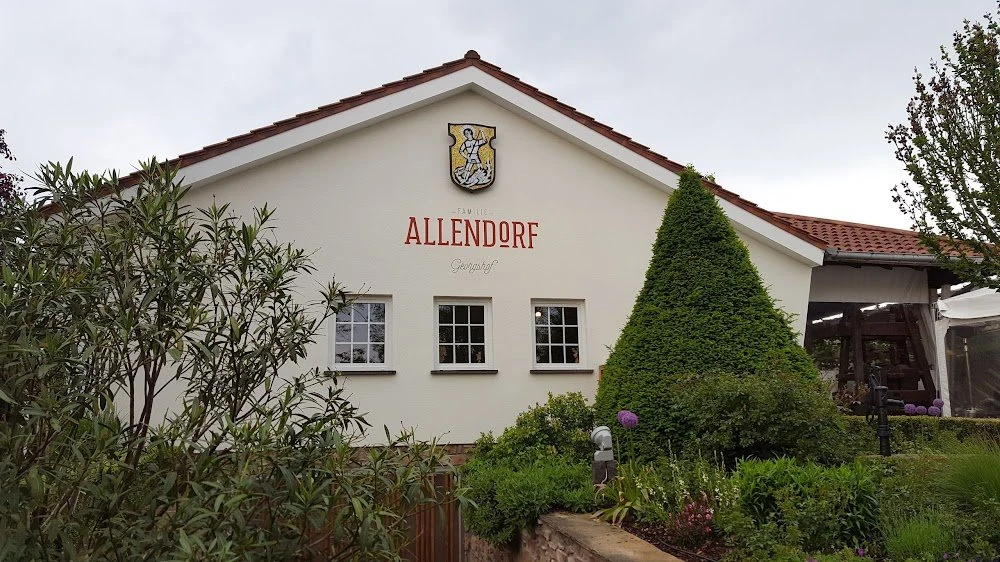
| Weingut Allendorf | · | Oestrich-Winkel |
| Weingut Alois Dahn | · | Oestrich-Winkel |
| Weingut Josef Spreitzer | · | Oestrich-Winkel |
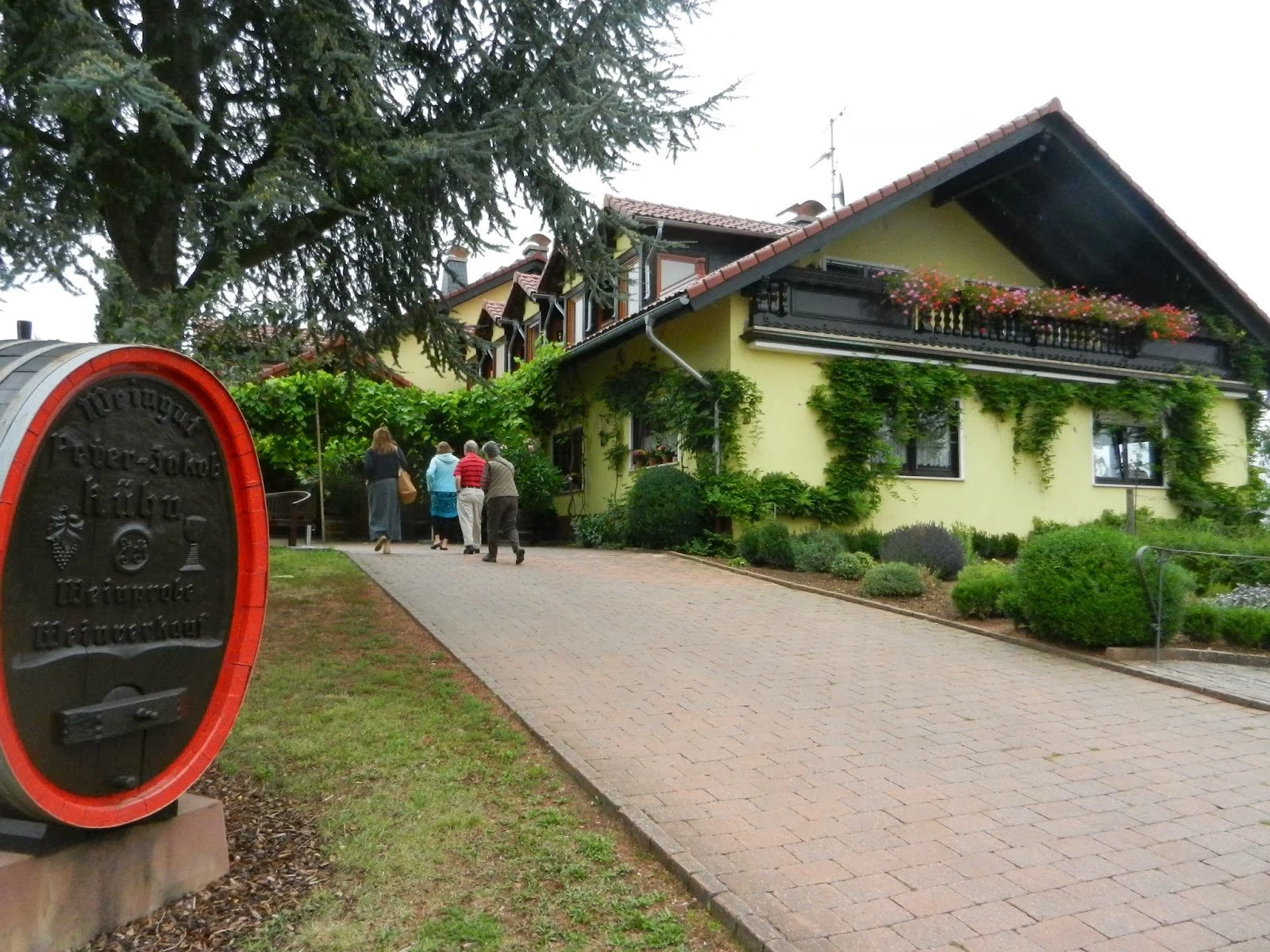
| Weingut Peter Jakob Kühn | · | Oestrich-Winkel |
| Weingut Villa Gutenberg - Familie Nägler | · | Oestrich-Winkel |
| Weingüter Wegeler | · | Oestrich-Winkel |
In residence
Similar places

The Sunday letter
Get the next Made By story in your inbox.
We send one email every Sunday morning with the places and people we covered that week.
See a sample of the Sunday emailOne email a week. Unsubscribe from any issue.