- 1 Michelin Key · Michelin Guide
- Michelin 1 Key · 2025
Where the Tyrolean Alps Meet Considered Interior Design
Approach Schlosshotel Fiss from the village road and the building reads less as a ski-season convenience than as a deliberate architectural statement within the Tyrolean vernacular. Natural wood paneling runs through the interiors with a consistency that signals intention rather than decoration: this is a property that uses materiality as a design language, aligning itself with the longer tradition of Alpine lodge architecture while operating at a scale, 135 rooms, that few properties in the surrounding villages match. The framed prints and balanced, warm lighting throughout the rooms reinforce that register. Nothing here is accidental, and nothing is trying too hard.
In the broader context of Austrian mountain hospitality, properties in this tier tend to split between two approaches. One group leans into heritage detailing at the expense of family flexibility; the other chases activity programming and lets the interiors become an afterthought. Schlosshotel Fiss attempts something harder: holding both concerns simultaneously. The result is a property where the physical environment carries real aesthetic weight, yet the amenity set is wide enough to accommodate guests who may never set foot on a piste. For comparison, Rosewood Schloss Fuschl in Hof bei Salzburg achieves a similar balance between heritage architecture and contemporary luxury programming, though at a considerably different price point and scale. Schlosshotel Fiss occupies a more accessible position in that competitive set, which is part of its appeal to families planning multi-night ski stays.
Fiss and Its Position in the Tyrolean Ski Hierarchy
Fiss sits as the middle municipality in a trio of villages, alongside Serfaus and Ladis, that together access one of the larger conjoined ski areas in the Tyrolean Alps. That geography matters for understanding why properties here attract a specific kind of repeat guest: the terrain above these villages is serious, the infrastructure is well-developed, and the village character remains distinct from the more internationally trafficked resort towns further along the valley. Fiss itself has a quieter profile than, say, Kitzbühel (where Grand Tirolia Kitzbühel operates in a conspicuously different social register) or Lech (where Hotel Almhof Schneider anchors a more exclusive end of the Austrian winter market).
The practical consequence for guests is that Schlosshotel Fiss, positioned on the west side of the village, is well-placed relative to the slopes without sitting inside the higher-volume resort infrastructure. Austrian mountain towns of this type reward guests who arrive oriented toward the skiing first and the social scene second, and the hotel's positioning reflects that order of priorities. Those planning to combine a ski stay with a city night before or after might look at Hotel Schwarzer Adler Innsbruck as a logical pairing.
The Spa and the Case for an Off-Slope Day
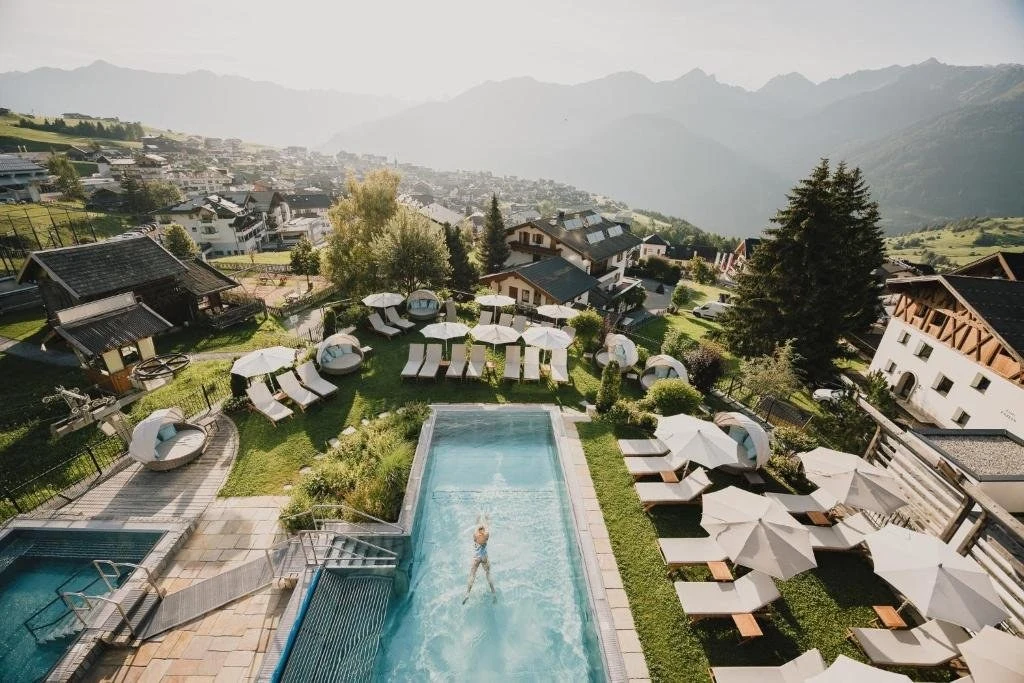
Across Austria's mountain hotel sector, the spa offering has evolved from a supplementary amenity into a genuine differentiator. Properties like Alpen-Wellness Resort Hochfirst in Obergurgl and Aktiv & Wellnesshotel Bergfried in Tux have built their market positioning largely around their wellness programs, with skiing functioning almost as a secondary draw. Schlosshotel Fiss sits at a different point on that spectrum: the spa is spacious and includes a water park component that makes it credible for families with children, not only for guests seeking post-ski recovery treatments. That distinction matters when choosing between properties in a competitive area. A water park within a hotel spa is not common in this tier, and it shifts the calculus for parents travelling with younger children who may have limited appetite for full days on the slopes.
The inclusion of broader family activity programming alongside the spa reflects a considered commercial decision about who the hotel is for. In Alpine hotel design, the properties that try to serve every possible guest profile often satisfy none of them fully. Schlosshotel Fiss's approach, anchoring around family utility and mountain-hotel aesthetics without chasing ultra-luxury spa credentials, represents a clear market position rather than an attempt to be all things at once. Other Austrian properties that have navigated similar decisions include Alpenresort Schwarz in Obermieming and Alpine Resort Sacher Seefeld, both of which also balance wellness programming with family-facing amenities in Tyrolean settings.
Room Design: Wood, Light, and the Private Balcony Question
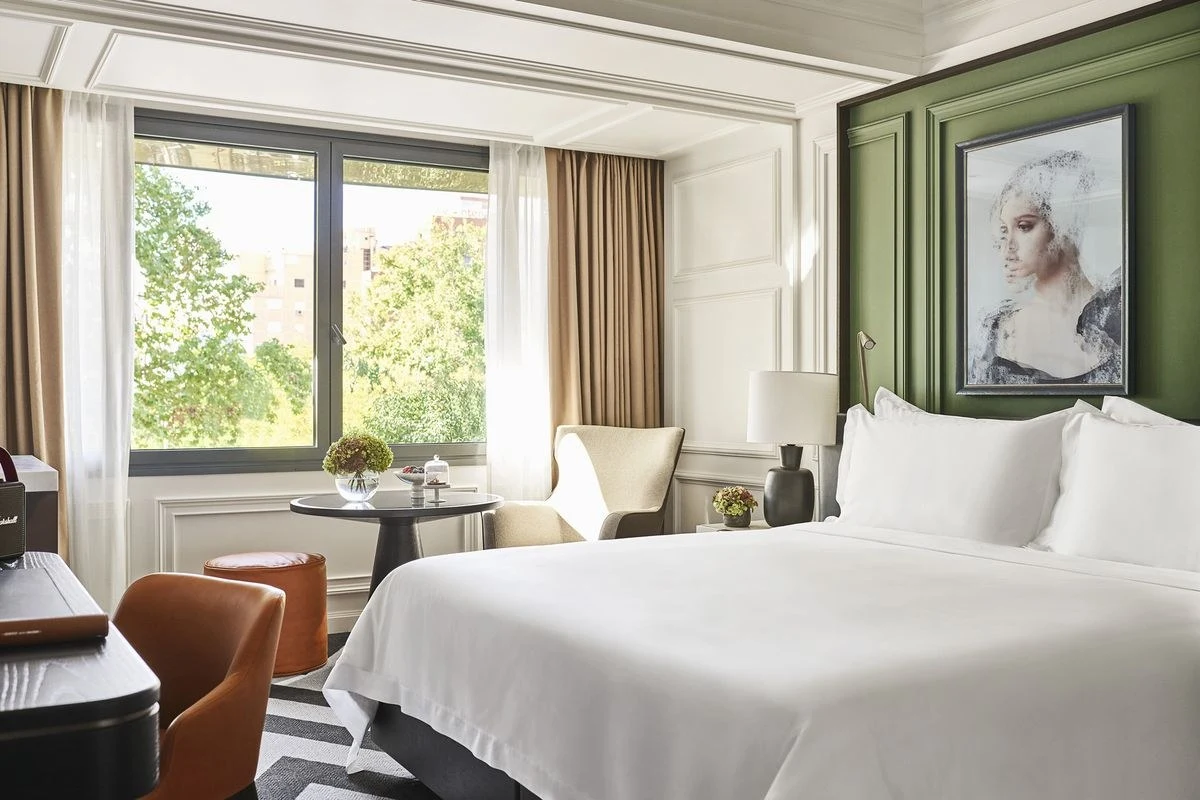
The room design at Schlosshotel Fiss follows a logic common to well-executed Alpine hotel interiors: natural materials dominant, lighting calibrated to avoid the clinical feel that undermines so many mountain properties that overinvest in brightness, and a connection to the exterior environment made available through private balconies in many rooms. In this category, the balcony is not a luxury flourish but a functional necessity. Mountain views from an enclosed room are an abstraction; mountain views from a private outdoor platform, even in cold months, are an experience. Guests selecting rooms should prioritize balcony access if available, particularly for rooms oriented toward the slopes or the broader valley.
At 135 rooms, the property operates at a scale where room consistency across a full stay matters, a larger inventory than a boutique alpine property but smaller than the major resort hotels that can feel anonymous. The wood paneling and framed prints create visual coherence across the property, which at this scale is an achievement worth noting. Properties that have handled similar design challenges at comparable scale in Austria include DAS EDELWEISS in Grossarl and Naturhotel Waldklause in Längenfeld, where material-led design logic has been applied with similar discipline.
Planning a Stay
Schlosshotel Fiss is located at Laurschweg 28 in Fiss, on the western side of the village. The Serfaus-Fiss-Ladis ski area is accessed via gondola and lift infrastructure from the village, and the hotel's position gives guests reasonable proximity to these access points. Bergland Sölden Design- und Wellnesshotel in the neighboring Ötztal resort area. Those arriving from further afield who want a pre-trip city anchor might also consider Hotel Sacher Wien in Vienna before heading west into the Tyrolean Alps.
Questions
Frequently asked
What recognition does Schlosshotel Fiss hold?
Schlosshotel Fiss holds 1 Michelin key.
Who works at Schlosshotel Fiss?
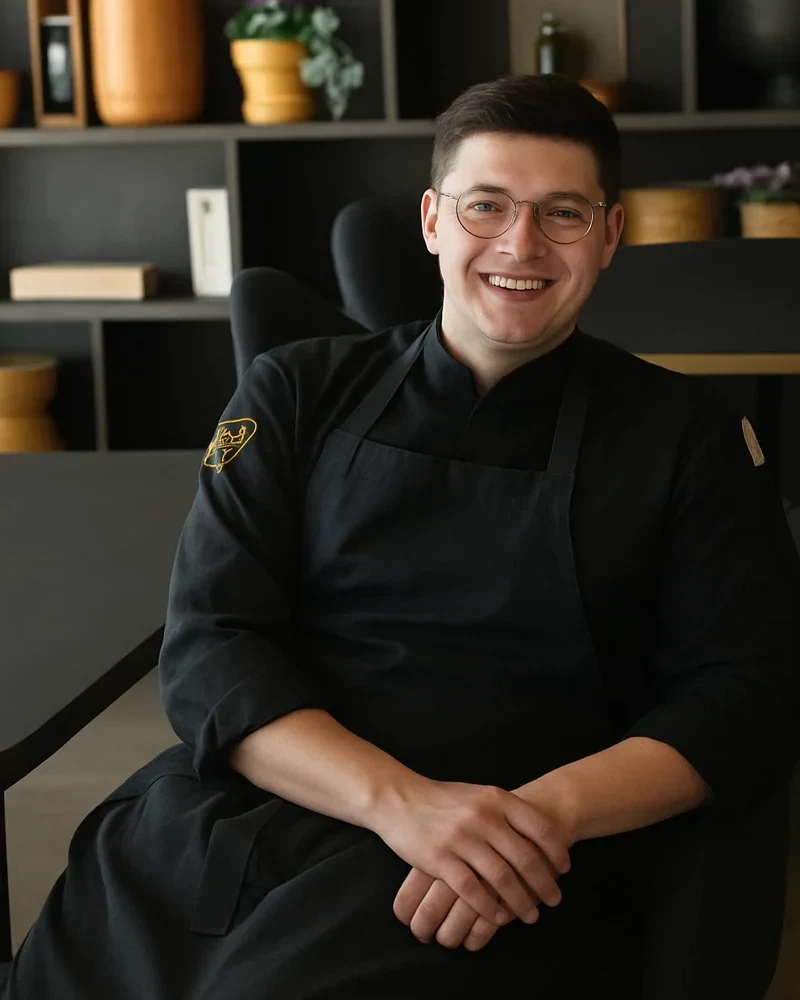
Made By profiles Klaus Kneringer (Chef) at Schlosshotel Fiss.
How expensive is Schlosshotel Fiss?
Schlosshotel Fiss is listed at a price level of $$$$.
The field
How it compares
| Place | Awards | Notes |
|---|---|---|
| Schlosshotel Fiss | Michelin 1 Key | Fiss, $$$$ |
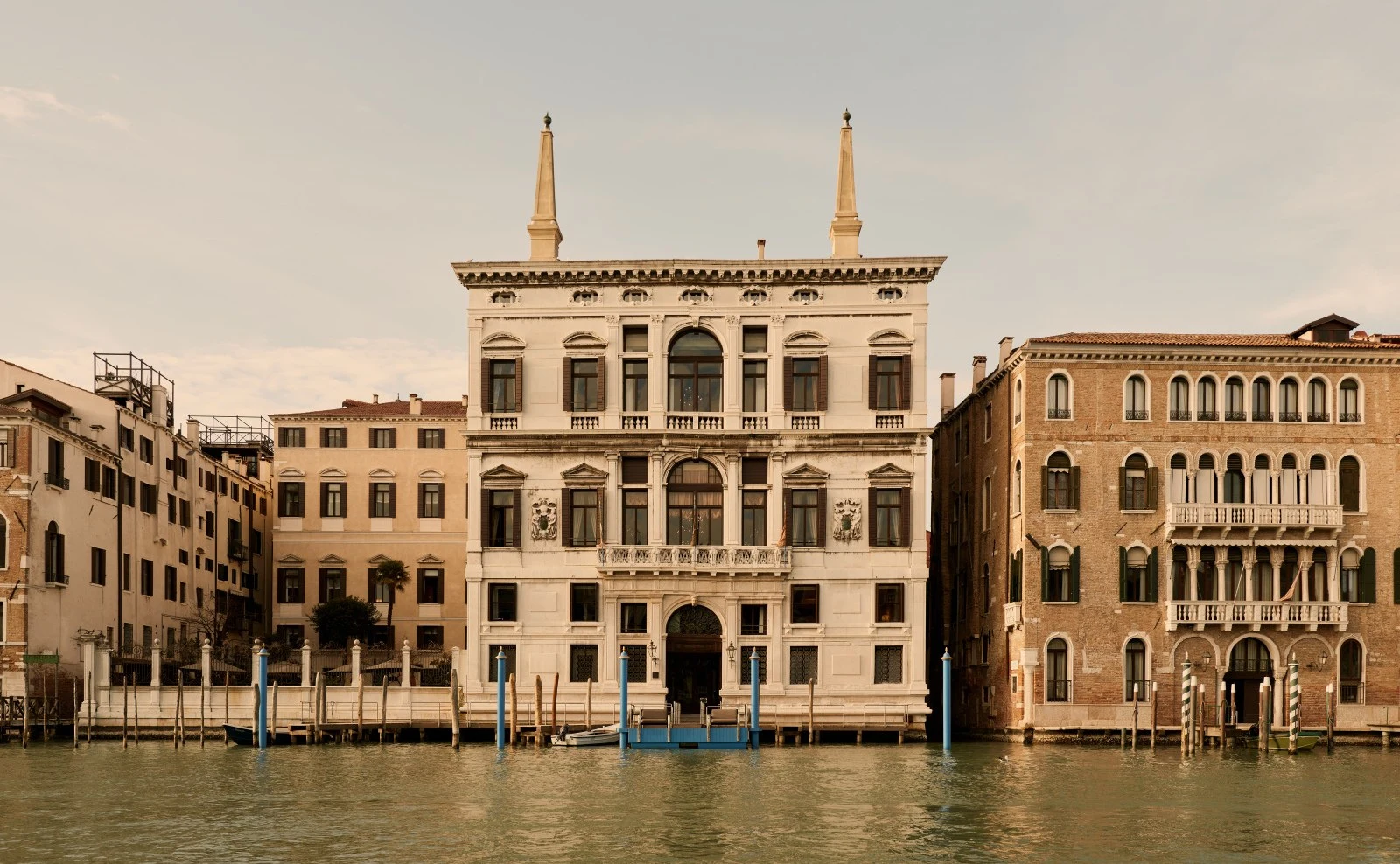
| Aman Venice | Michelin 3 Keys, World's 50 Best | Venice |
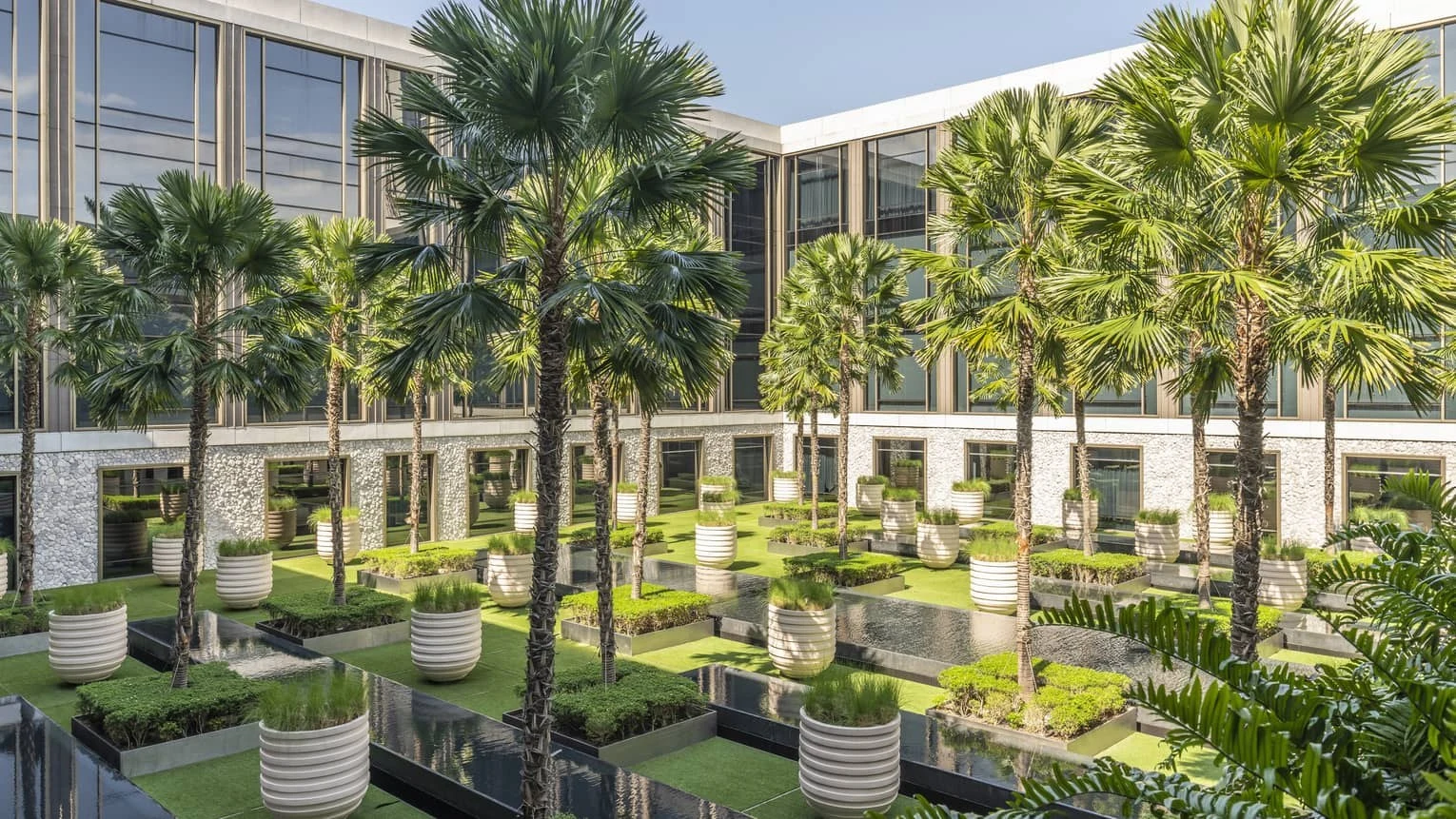
| Four Seasons Bangkok at Chao Phraya River | Michelin 2 Keys, World's 50 Best | Bangkok |
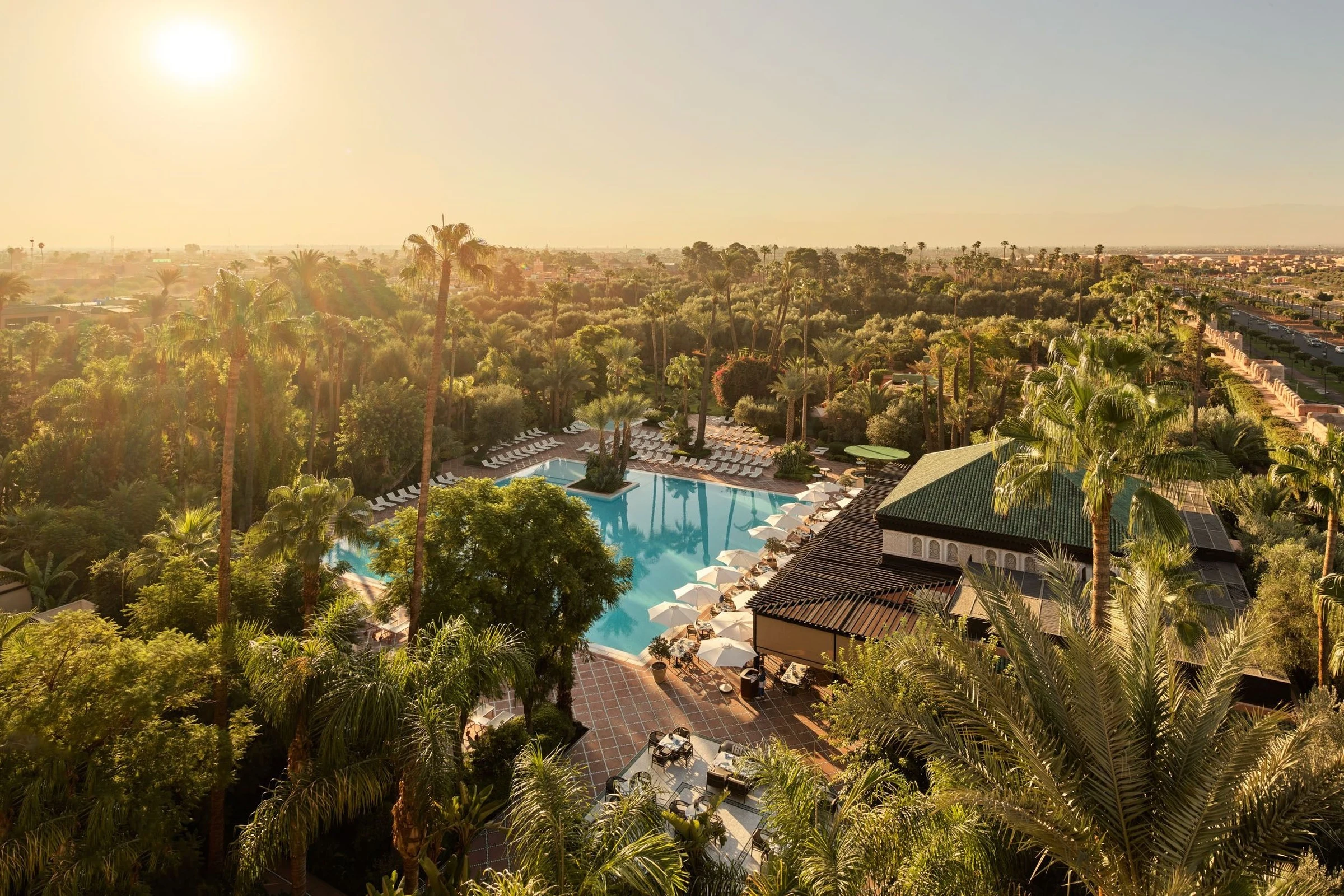
| La Mamounia | Michelin 3 Keys, World's 50 Best | Marrakech |
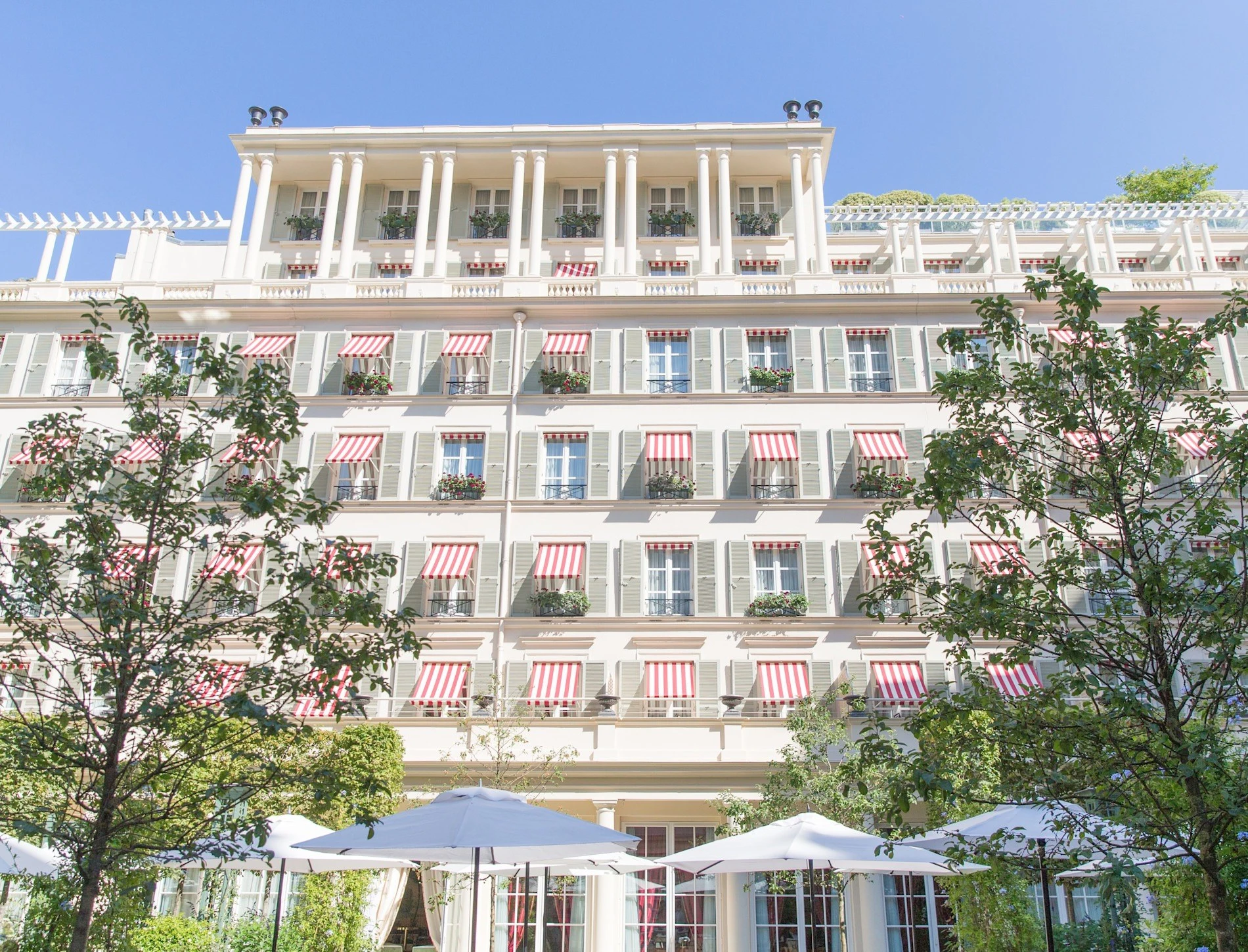
| Le Bristol Paris | Michelin 3 Keys, World's 50 Best | Paris |
| Rosewood Phuket | Michelin 2 Keys | Phuket |
| Rosewood Villa Magna | Michelin 2 Keys | Madrid |