Schumacher
- 01CityHerxheim Am Berg, Germany

- Falstaff Winery - 2 Stars · 2026
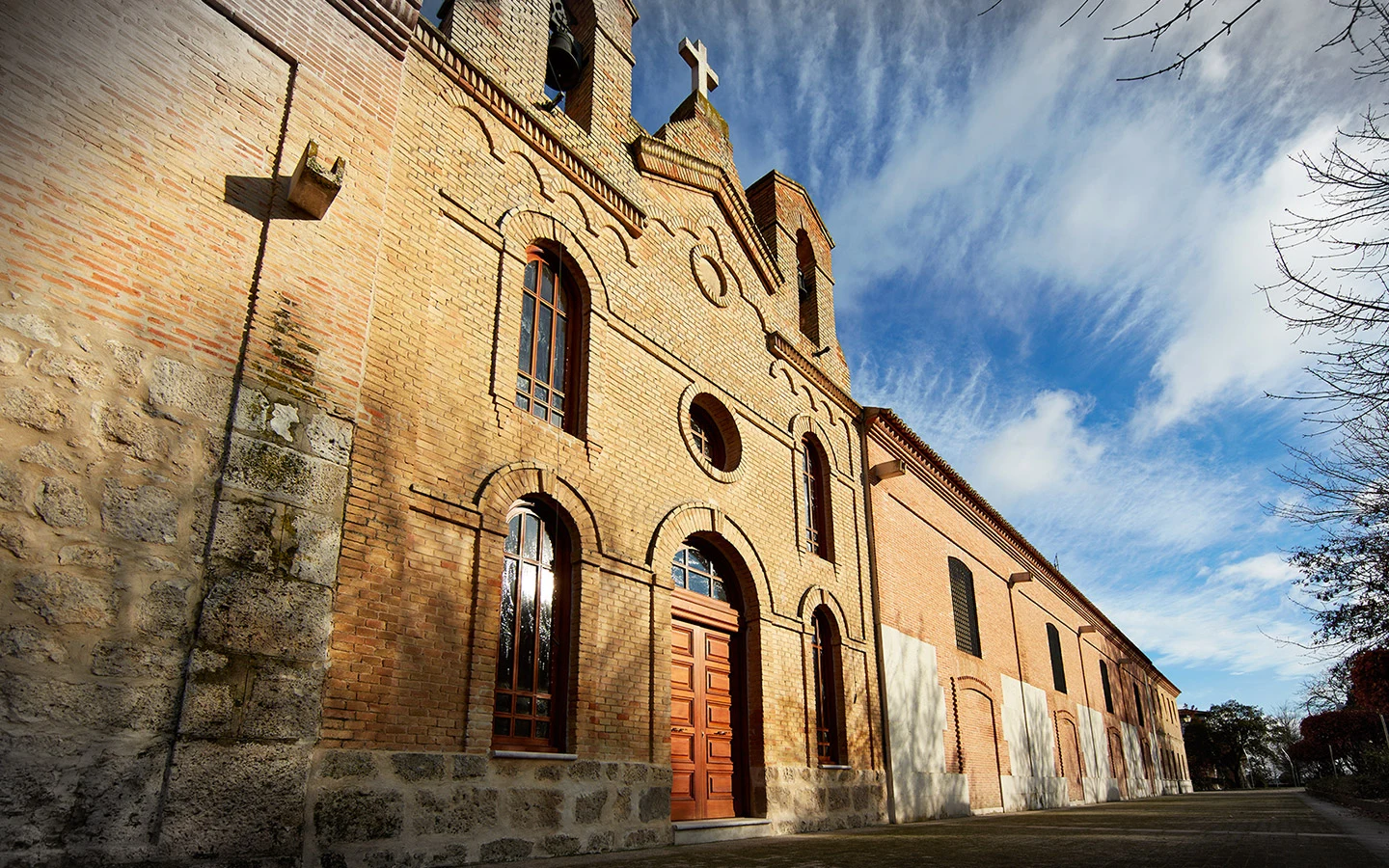
Herxheim Am Berg offers a village-scaled setting rather than an urban one, and that distinction matters for how Schumacher should be understood. This is not a venue that needs to be framed through city-style momentum, nightlife energy, or an overbuilt concept. Schumacher belongs to a quieter register: a traditional winery setting with a cellar-door, estate grounds, and a former monastery property in the village center. The useful way to approach it is as a classic, rustic Herxheim Am Berg stop where the setting itself is a central part of the appeal. Its character comes less from a long list of public-facing claims and more from the simple combination of village location, estate context, and a grounded sense of place.
Former monastery setting, village scale, and a sense of place
Schumacher’s profile is strongest on place and atmosphere. The former monastery property, estate grounds, and village-center context give the venue a grounded, traditional feel without needing extra claims about a specific program, menu, or accolade. For travelers looking at Herxheim Am Berg, that means Schumacher reads as a quiet rather than a high-energy destination. It is best approached with attention to its setting: a winery environment that sits within the scale of the village and draws much of its appeal from that relationship.
That village-center context is important because it gives the address a different rhythm from a more isolated or urban venue. Schumacher is not presented here as a destination defined by spectacle, novelty, or a heavily described experience. Instead, the available information points toward something more modest and traditional: a cellar-door winery setting, estate grounds, and a property history that adds texture to the visit. The former monastery element gives the place a sense of rootedness, while the rustic framing keeps expectations appropriately grounded.
Because only limited public details are here, it is better not to overstate the experience. The reliable facts point to a cellar-door winery setting, a classic rustic mood, and a $$ price level. Anything beyond that should be confirmed directly before planning around it. That restraint is useful for visitors as well as for the listing: Schumacher can be appreciated for what is actually clear, without turning it into a more defined restaurant, tasting room, or event-style venue than the available information supports.
For readers mapping the village, Schumacher can be considered alongside other dining or winery options in Herxheim Am Berg generically. The key distinction is its traditional estate setting in the village center, not a confirmed award, menu format, or specific tasting lineup. In that sense, it functions as a place-led stop: the setting, grounds, and cellar-door character are the main anchors, while the finer practical details should be treated as points to verify rather than assume.
A quiet setting, not an overdefined format
Its cellar-door and estate-ground context support a place-led visit, while the former monastery property gives the venue a strong sense of setting. The atmosphere implied by the available details is quiet, rustic, and traditional rather than polished into a highly specific format. That makes Schumacher easier to understand as part of Herxheim Am Berg’s village fabric: a winery address whose appeal begins with the property and the surrounding context.
No specific service format, grape list, winemaker name, seating count, food program, dietary policy, or appointment requirement is in the available data. Visitors who need those details should check directly with Schumacher before making plans. This is especially important for anyone trying to build a tightly timed itinerary or looking for a particular kind of visit, since the listing should not be read as confirming a structured tasting, a meal, a tour, or any other specific arrangement.
The price level is listed as $$, keeping the practical framing direct. Beyond that, the safest planning note is simple: expect a rustic winery environment in Herxheim Am Berg and verify current availability, hours, and visit conditions directly. The value of this kind of listing is clarity rather than embellishment. Schumacher appears most legible as a traditional estate-based stop, with the former monastery property and village-center location providing the main context for why it stands out.
How to place it in a wider itinerary
Herxheim Am Berg rewards travelers who think in small, place-specific clusters. Schumacher fits that approach as a traditional winery setting with a cellar-door, estate grounds, and a former monastery property in the village center. Rather than treating it as a heavily programmed destination, it makes more sense to place it within a slower, village-oriented route where the appeal lies in atmosphere, setting, and the feel of the estate.
For a wider itinerary, use Schumacher as a quiet Herxheim Am Berg reference point rather than as a venue defined by claims. Its value is the grounded setting: classic, rustic, and village-centered, with a $$ price level and a hidden-gem feel. The most accurate expectation is a modest, place-led winery environment whose confirmed strengths are its cellar-door context, estate grounds, former monastery property, and position within the village. For anything more specific, direct confirmation remains the right planning step.
Questions
Frequently asked
How expensive is Schumacher?
Schumacher is listed at a price level of $$.
The field
How it compares
| Place | Notes |
|---|---|
| Schumacher | Herxheim am Berg, $$ |
| Ornellaia | Castagneto Carducci |
| Vega Sicilia | Valbuena de Duero |
| Weingut Arnold und Lang | Herxheim Am Berg |
| Weingut Bohnenstiel | Herxheim Am Berg |
| Weingut Fredrik Janus | Herxheim Am Berg |
| Weingut Petri | Herxheim Am Berg |