Made ByRestaurant
Schwarz Gourmet

Chef in Residence
Andrew Chadwick
Chef
- 01CuisineFrench-inspired German Fine Dining
- 02CityKirchheim an der Weinstraße, Germany
- 03RecognitionOne Michelin Star
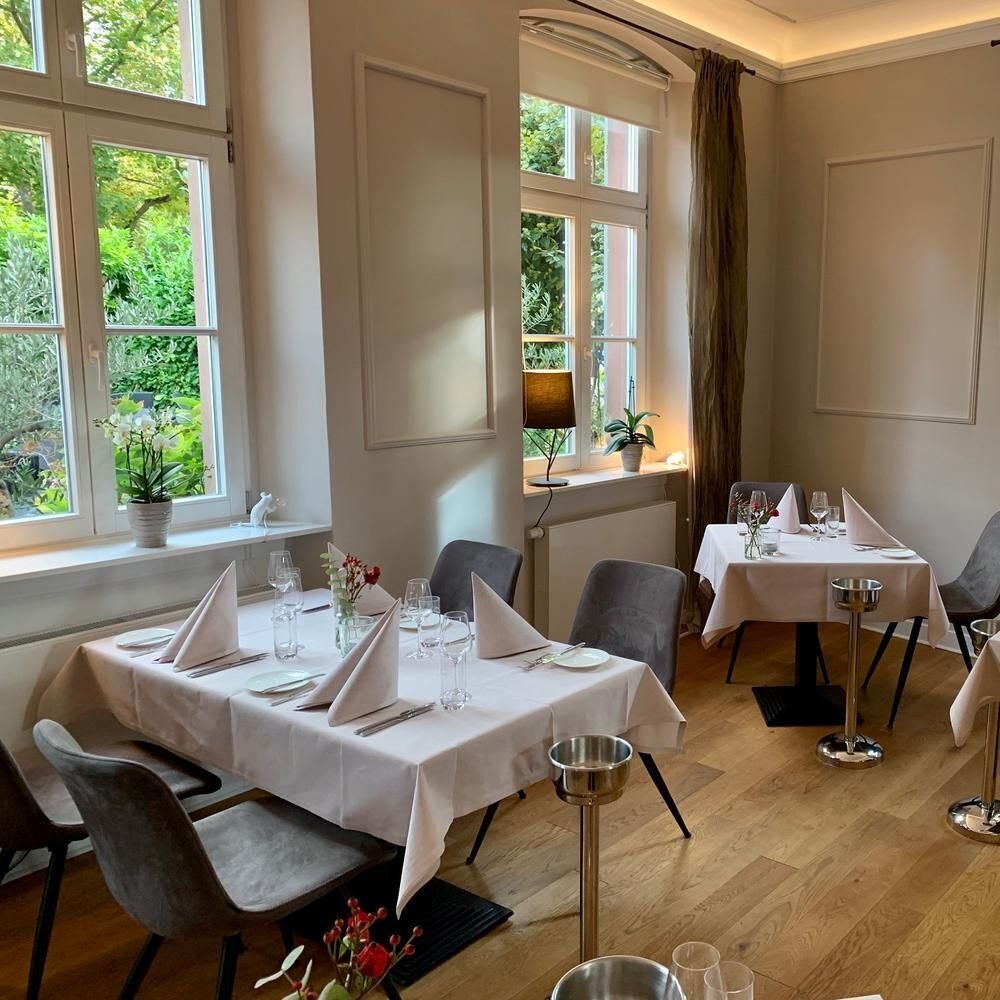
A Michelin-starred address on the Weinstraße, Schwarz Gourmet operates inside a red sandstone building that the Schwarz family has run since 2017. Chef Andrew Chadwick proposes a set menu of up to six courses, pairing international technique with produce drawn from the surrounding Palatinate wine country. At the €€€€ price point, it is one of the Rhineland-Palatinate's more serious fine dining commitments outside a major city.
- 1 Michelin Star
At a glance
- Cuisine
- French-inspired German Fine Dining
- Price
- $$$$
- Per person
- $160
- Hours
- Mon: 6–9:30 PM; Tue: Closed; Wed: Closed; Thu: Closed; Fri: 6–9:30 PM; Sat: 6–9:30 PM; Sun: 12–2 PM, 6–9:30 PM
- Neighborhood
- Kirchheim an der Weinstraße
- Rating
- 4.5 (273)
<h2>Where the Weinstraße Meets the Kitchen</h2><p>The German Wine Route, the Weinstraße, runs through one of the country's most productive agricultural corridors: Riesling vineyards, chestnut forests, and market gardens that supply both local tables and restaurants far beyond the region. In this context, Kirchheim an der Weinstraße sits modestly, a small village whose red sandstone architecture reads as quintessentially Palatinate rather than gastronomically ambitious. That tension between the understated setting and the cooking that takes place inside is precisely what makes Schwarz Gourmet worth the attention of anyone moving through southwestern Germany's wine country.</p><p>The building itself does a great deal of the work before a single dish arrives. Red sandstone, the local building material of the Palatinate, gives the structure an immediate sense of rootedness, this is not a transplanted concept in a renovated warehouse, but a place that has grown from the terrain around it. The Schwarz family has operated two restaurants within this single structure since 2017, with Schwarz Gourmet occupying the formal register of the two. The approach from the street already signals that the formality here is earned rather than imposed.</p><h2>French Technique, Palatinate Produce</h2><p>French fine dining model, set menus, produce-led cooking, a classically trained brigade, has found a second home across the German wine regions for reasons that are partly geographical and partly cultural. The Rhineland-Palatinate borders France, shares some of its viticultural vocabulary, and has long imported both wines and culinary ideas across that border. Several of Germany's most decorated restaurants, from <a href="https://www.enprimeurclub.com/restaurants/schwarzwaldstube-baiersbronn-restaurant">Schwarzwaldstube in Baiersbronn</a> to <a href="https://www.enprimeurclub.com/restaurants/vendome-bergisch-gladbach-restaurant">Vendôme in Bergisch Gladbach</a>, operate within French or French-inflected frameworks without feeling derivative, because the produce and the wine context are irreducibly local. Schwarz Gourmet belongs to this tradition.</p><p>Chef Andrew Chadwick, described in Michelin's own citation as no stranger to the fine dining scene, runs a set menu of up to six courses. The menu's architecture follows French logic, sequential, composed, restrained in volume, but its sourcing anchors it to the Palatinate. International ingredients sit alongside regional ones, which is less a compromise than an accurate reflection of how serious kitchens in this part of Germany actually work: the local larder is excellent, but not exhaustive, and the leading cooking here has always been willing to reach beyond it without losing a sense of place. The Michelin inspectors' emphasis on the produce being of exceptional quality is the most informative line in the award citation, because it tells you where the kitchen's priorities lie. This is not a menu built around theatrical technique or elaborate sauce work; it is a menu that trusts the ingredient to carry the plate.</p><p>That philosophy positions Schwarz Gourmet differently from restaurants at the same price tier that lead with creative concept rather than provenance. Compare it to something like <a href="https://www.enprimeurclub.com/restaurants/coda-dessert-dining-berlin-restaurant">CODA Dessert Dining in Berlin</a> or <a href="https://www.enprimeurclub.com/restaurants/aqua-wolfsburg-restaurant">Aqua in Wolfsburg</a>, where the structural conceit of the menu is itself a large part of the proposition. At Schwarz Gourmet, the conceit is the produce, and the French format is simply the most effective vehicle for showing it clearly. Diners who have eaten at <a href="https://www.enprimeurclub.com/restaurants/schanz-piesport-restaurant">Schanz in Piesport</a> or <a href="https://www.enprimeurclub.com/restaurants/waldhotel-sonnora-dreis-restaurant">Waldhotel Sonnora in Dreis</a> will recognise the regional sensibility, even as each kitchen expresses it differently.</p><h2>The Michelin Star and What It Signals</h2><p>The 2025 Michelin star is the clearest external benchmark for Schwarz Gourmet. A single Michelin star in Germany's more rural wine regions is not the same as a single star in Frankfurt or Munich: the inspector pool is smaller, the dining public more local, and the restaurants that hold stars in this category tend to do so through sustained consistency rather than through the kind of media attention that accelerates city-centre reputations. The fact that Schwarz Gourmet earns its star in Kirchheim an der Weinstraße, not in a destination hotel, not in a major city, not attached to a spa resort, says something about how self-sufficient the kitchen is.</p><p>For context on the wider German fine dining landscape: starred restaurants in Germany's wine country, from the Mosel through the Nahe and down to the Palatinate, have developed a recognisable identity over the past two decades. They are often family-run, frequently occupying historic buildings, and almost always closely tied to regional wine lists. The <a href="https://www.enprimeurclub.com/restaurants/bagatelle-trier-restaurant">Bagatelle in Trier</a> and Victor's Fine Dining by Christian Bau in Perl both operate within this broader regional pattern, as does Schwarz Gourmet, though each has its own distinct orientation. The star awarded to Schwarz Gourmet in 2025 places it within an established peer group rather than as an outlier, and that context is useful when deciding whether the drive out of Mannheim or Neustadt an der Weinstraße is warranted.</p><h2>The Room and the Welcome</h2><p>Service in German starred restaurants often operates on a more domestic scale than equivalent rooms in Paris or London, and Schwarz Gourmet is a clear example of this. The family-run structure is not incidental to the experience: Angelika Schwarz's presence in the dining room as host brings a warmth to the service that more formal, brigade-oriented rooms can struggle to replicate. The room itself, described consistently as chic, reads as considered rather than ostentatious, appropriate to a kitchen whose identity is grounded in produce rather than spectacle.</p><p>The display of celebrity photographs that lines the walls deserves a brief note. In a country where fine dining rooms often skew toward the severe and minimal, this kind of accumulated personal history is relatively uncommon, and it gives Schwarz Gourmet a social character that separates it from rooms that aim for a more austere register. Manfred Schwarz's history of hosting notable guests is a form of social proof, but it also reflects something genuine about the restaurant's place in its community: this is a room where people want to be, repeatedly, and that translates into something palpable during service.</p><p>The broader context of France's influence on this style of hospitality is also worth noting. At restaurants like <a href="https://www.enprimeurclub.com/restaurants/hotel-de-ville-crissier-crissier-restaurant">Hotel de Ville Crissier in Crissier</a> and, across a wider geography, at <a href="https://www.enprimeurclub.com/restaurants/sezanne-tokyo-restaurant">Sézanne in Tokyo</a>, the French classical tradition has proven remarkably transferable when the kitchen is honest about its local context. Schwarz Gourmet belongs to this lineage, even if it would not describe itself in those terms.</p><h2>Planning Your Visit</h2><p>Schwarz Gourmet sits at the €€€€ price point, and a meal averages about $160 per person. The restaurant is one of two concepts in the same building, which means the scheduling and booking logistics are potentially more flexible than at a single-concept destination, though advance reservations are essential.</p><p>Kirchheim an der Weinstraße is accessible by car from Mannheim in under half an hour, making it a practical destination for a standalone dinner rather than an overnight. For a comparable starred experience along Germany's wine corridors, <a href="https://www.enprimeurclub.com/restaurants/jan-munich-restaurant">JAN in Munich</a>, <a href="https://www.enprimeurclub.com/restaurants/restaurant-haerlin-hamburg-restaurant">Restaurant Haerlin in Hamburg</a>, and <a href="https://www.enprimeurclub.com/restaurants/essenz-grassau-restaurant">ES:SENZ in Grassau</a> provide useful points of comparison, each operating at the same price tier but within very different urban and landscape contexts.</p>
Know before you go
- Dress code
- smart_casual
- Reservations
- essential
- Parking
- on_site_lot
- Payment
- credit_card, contactless
- Outdoor seating
- Yes
- Groups
- Welcomed
Frequently asked
Is Schwarz Gourmet a family-friendly restaurant?
Schwarz Gourmet is a Michelin-starred fine dining room built around a structured set menu of up to six courses, which orients it firmly toward adult dining rather than casual family meals. That said, Angelika Schwarz's hands-on, warm approach to front-of-house service gives the room a personal, non-intimidating feel that distinguishes it from more formal city restaurants. Families with older children who are comfortable at a full tasting-menu pace would find the atmosphere welcoming rather than austere.
What's the vibe at Schwarz Gourmet?
The setting is a red sandstone building in Kirchheim an der Weinstraße that has housed the Schwarz family's two restaurants since 2017, giving the room a grounded, provincial character that sits at an angle to the polished anonymity of urban starred dining. Angelika Schwarz manages the floor personally, and the guest-facing warmth is well-documented: the walls display photographs from Manfred Schwarz's years hosting celebrities, which adds an informal, lived-in quality to what is otherwise a chic, €€€€-priced room.
Does Schwarz Gourmet have a Michelin star or similar recognition?
Schwarz Gourmet has received recognition including: Michelin 1 Star (2025); The Schwarz family has been running its two restaurants in this pretty red sandstone building since 2017. One is the chic Schwarz Gourmet, where the chef – who is no stranger to the fine dining scene – proposes a set….
What do regulars order at Schwarz Gourmet?
The menu is a set format of up to six courses, so there is no à la carte selection to single out. Chef Andrew Chadwick's kitchen constructs each menu around high-quality produce from the Palatinate region combined with international ingredients, meaning the progression of dishes shifts with what is seasonally strong rather than anchoring to fixed signatures. The 2025 Michelin star citation specifically flags the quality of the produce as the kitchen's defining asset, which is as close to a house philosophy as the format allows.
Address
Weinstraße S 1, 67281 Kirchheim an der Weinstraße, Germany
Kirchheim an der Weinstraße
How it compares
Schwarz Gourmet
- Cuisine
- French-inspired German Fine Dining
- Price
- $$$$
- Awards
- Michelin 1 Star
- Notes
- Kirchheim an der Weinstraße
- Cuisine
- Modern German Creative
- Price
- $$$$
- Awards
- Michelin 1 Star
- Notes
- Hamberg
- Cuisine
- Modern New German Cuisine
- Price
- $$$$
- Awards
- Michelin 1 Star
- Notes
- Naurath (Wald)
St. Laurentiushof - Schockes Küche
- Cuisine
- Modern German Fine Dining
- Price
- $$$
- Awards
- Michelin 1 Star
- Notes
- Birkweiler
- Cuisine
- Modern German/Palatine Fine Dining
- Price
- $$$$
- Awards
- Michelin 1 Star
- Notes
- Deidesheim
- Cuisine
- Classic Swabian Fine Dining
- Price
- $$$
- Awards
- Michelin 1 Star
- Notes
- Asperg
In residence
Similar places
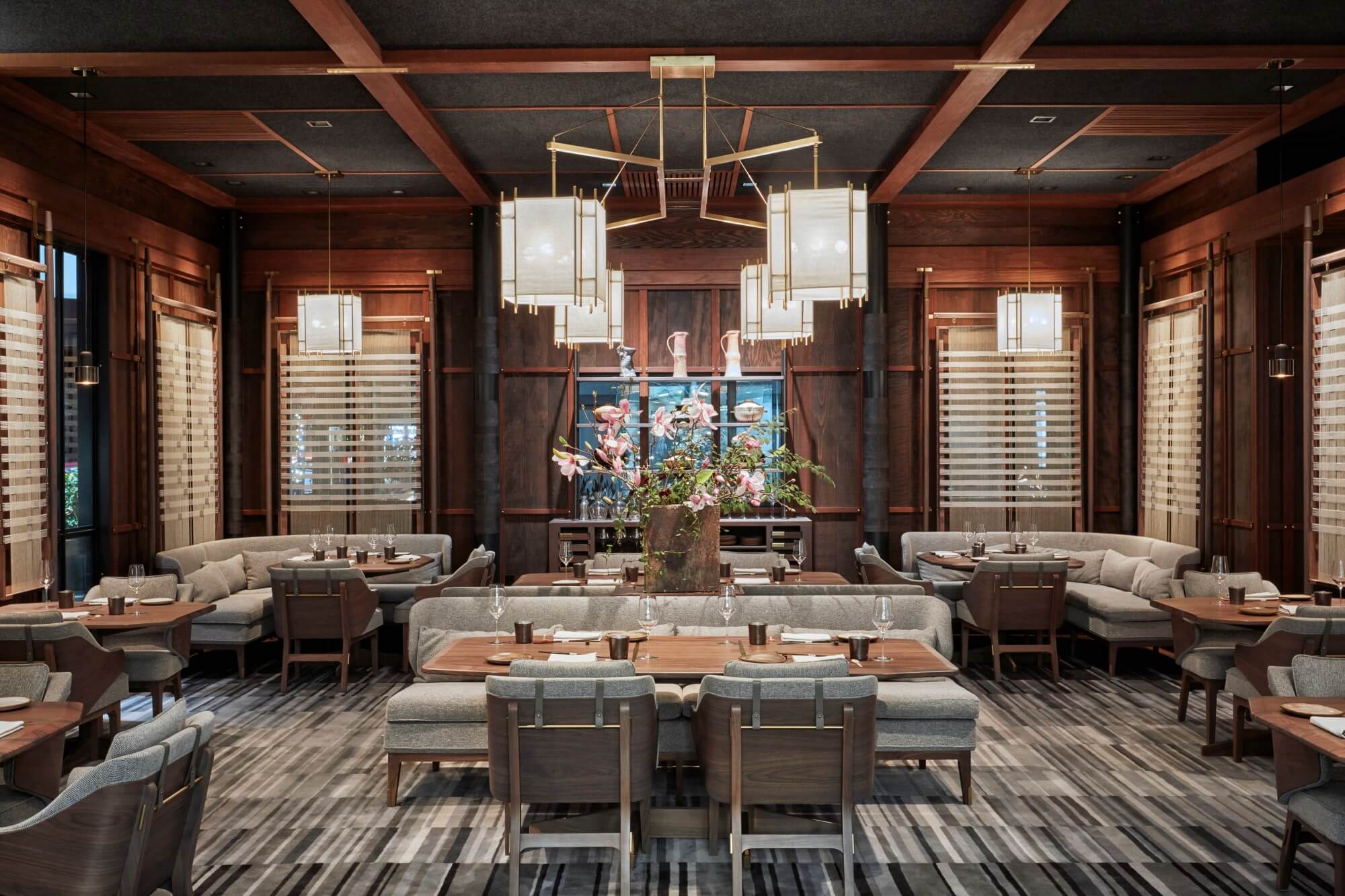
Japanese-influenced Californian Kaiseki
Single Thread Farm
Healdsburg, United States
★★★ · 50 Best
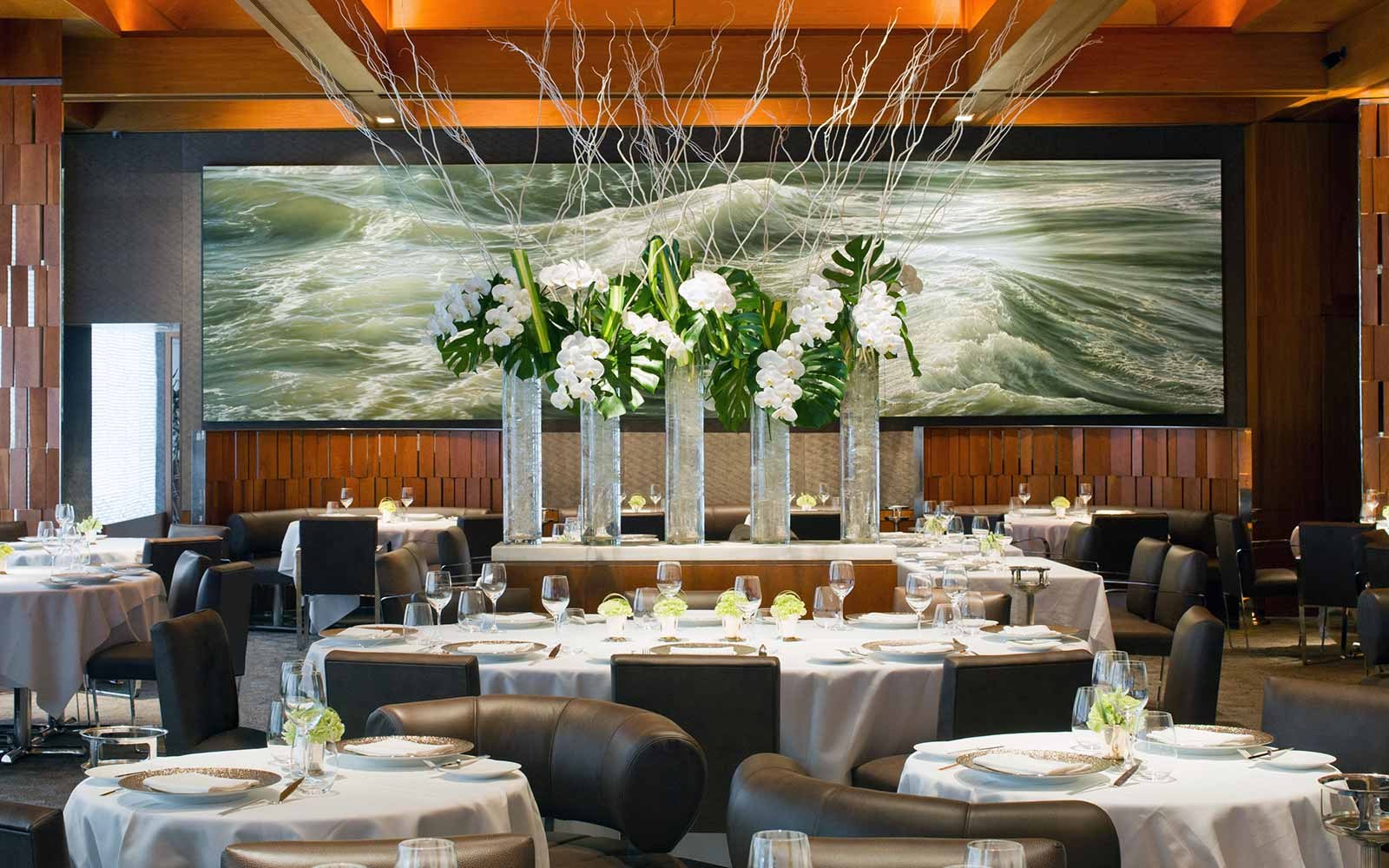
French Seafood Fine Dining
Le Bernardin
New York City, United States
★★★ · 50 Best
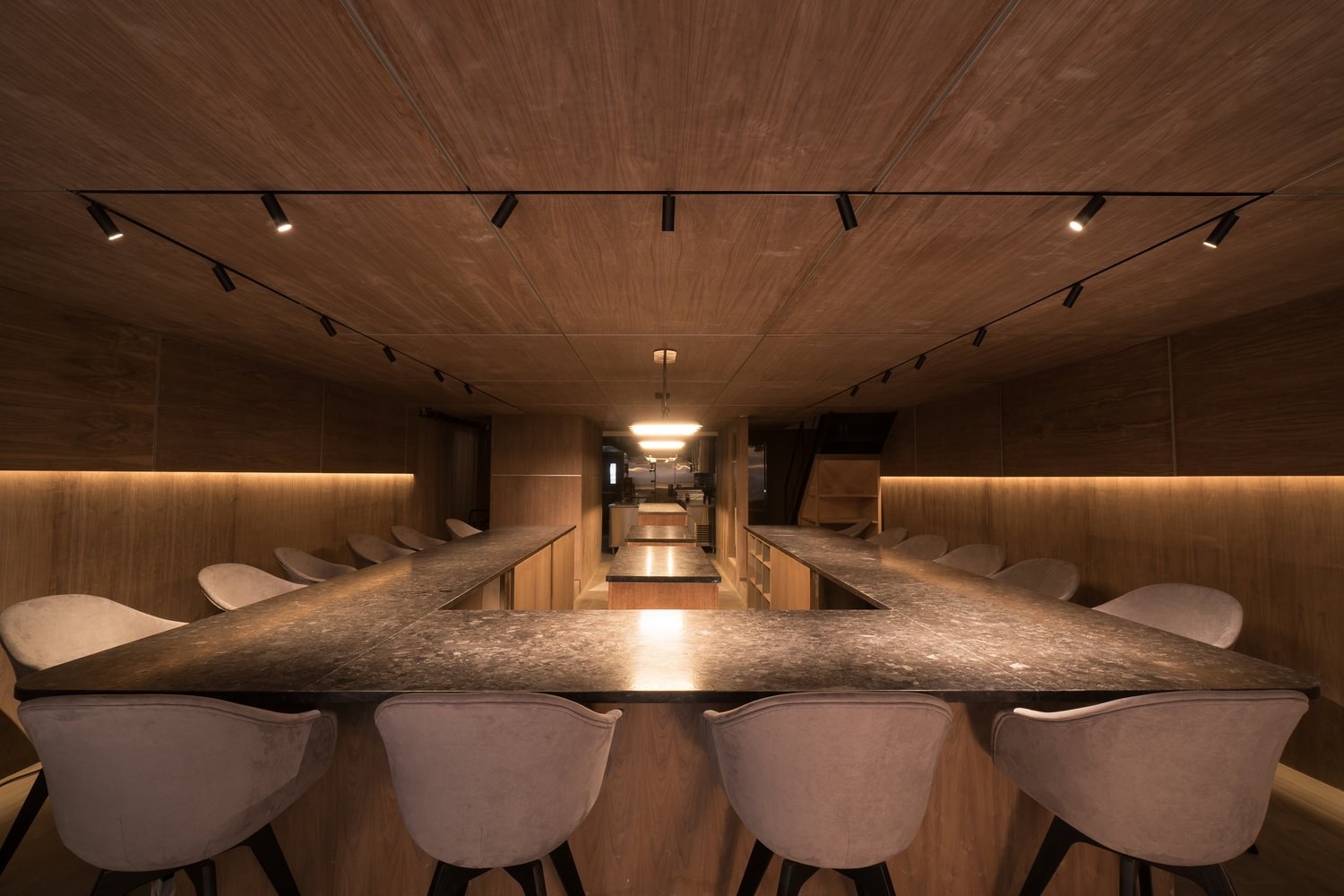
Modern Korean Tasting Menu
Atomix
New York City, United States
★★ · 50 Best
French
Sézanne
Tokyo, Japan
★★★ · 50 Best
Contemporary Plant-Based Fine Dining
Eleven Madison Park
New York City, United States
★★★ · 50 Best
Modern Seafood Fine Dining
Providence
Los Angeles, United States
★★★ · 50 Best