Schwarzreiter
- 01CuisineModern Bavarian Fine Dining
- 02CityMunich, Germany
- Michelin Plate · 2026
- Opinionated About Dining Classical in Europe Ranked #267 · 2025
- Michelin Plate · 2025
- Opinionated About Dining Classical in Europe Ranked #287 · 2024
- Opinionated About Dining Classical in Europe Recommended · 2023
Maximilianstraße and the Weight of a Formal Dining Room
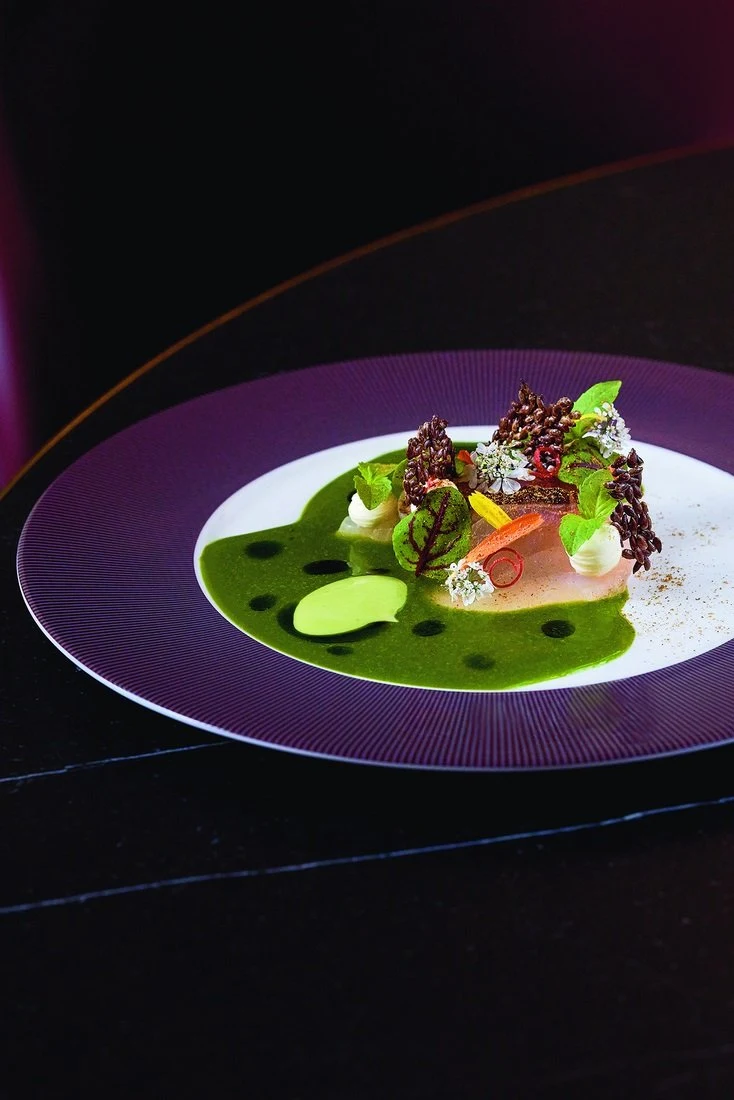
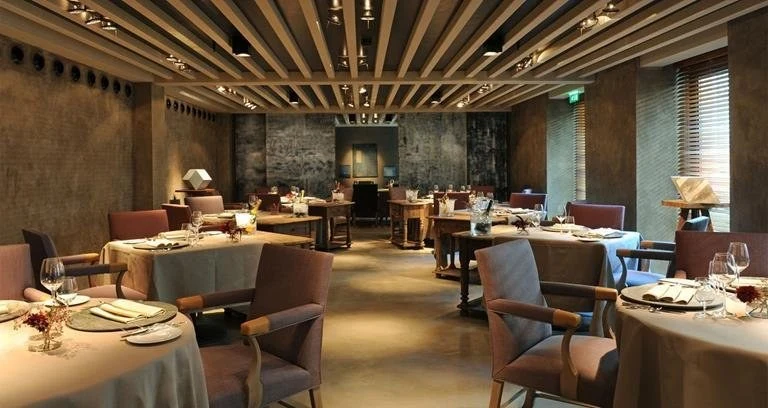
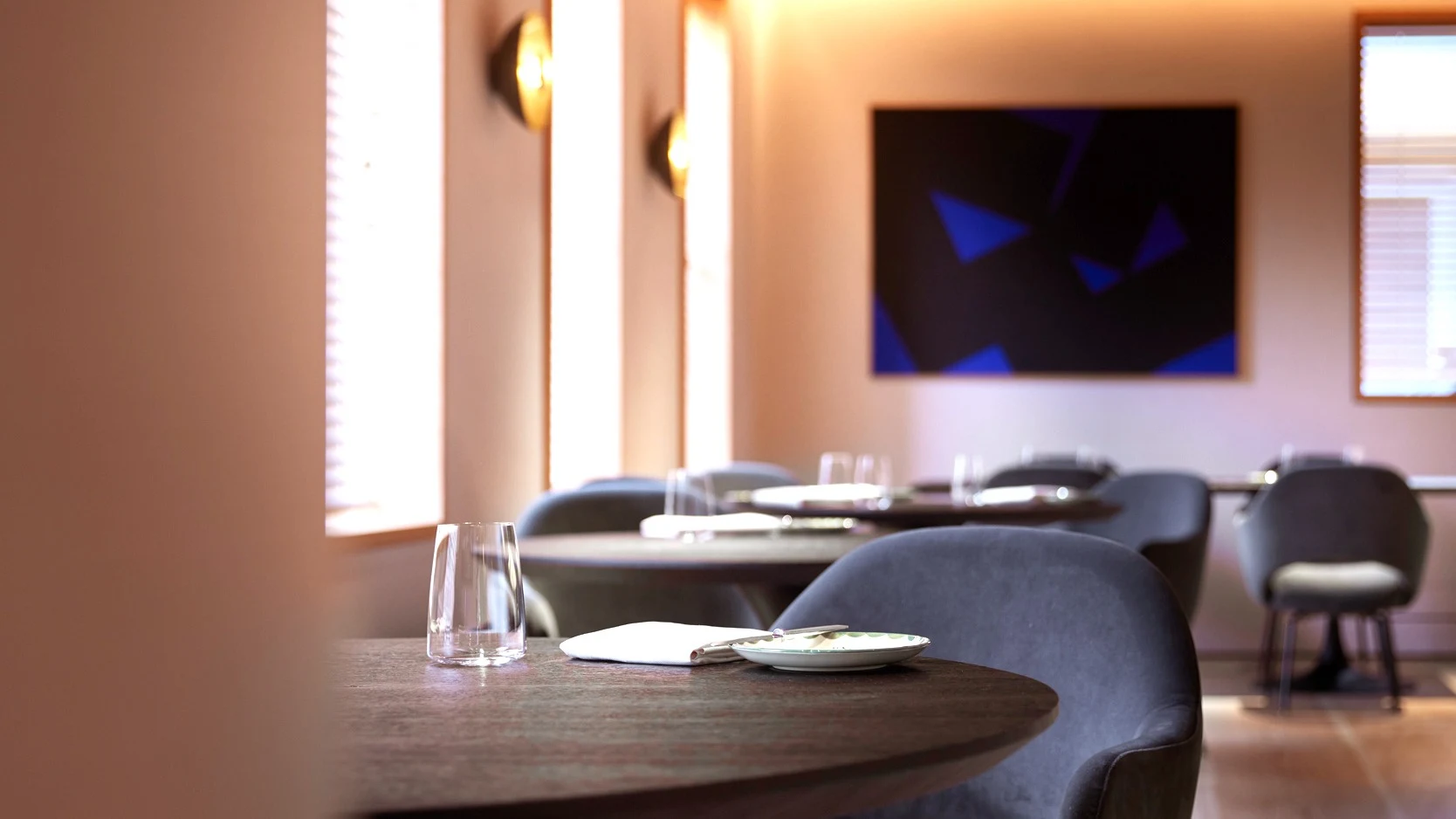
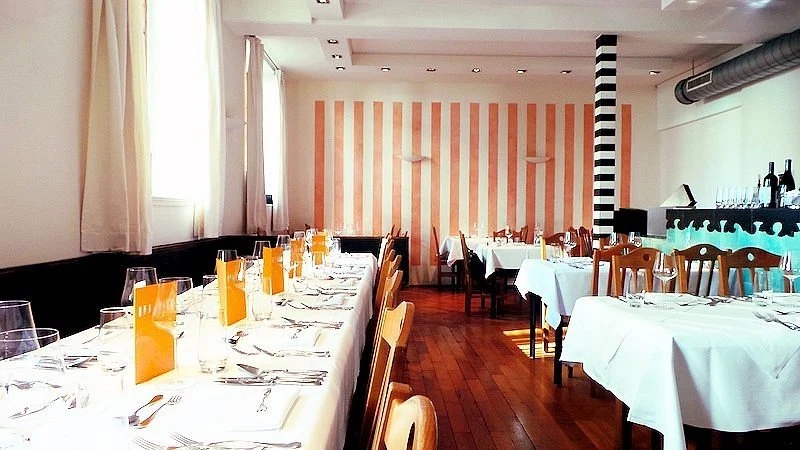
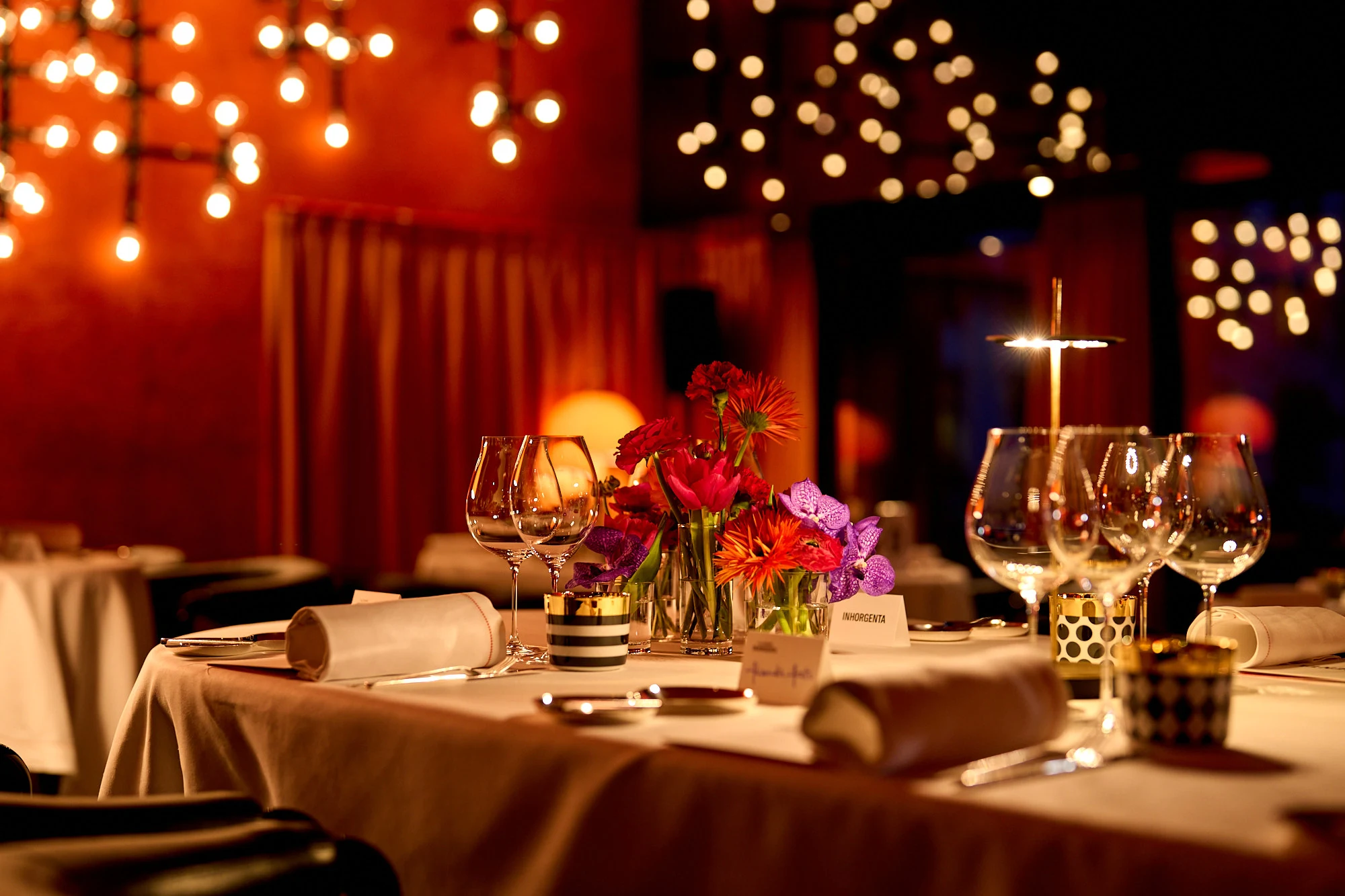
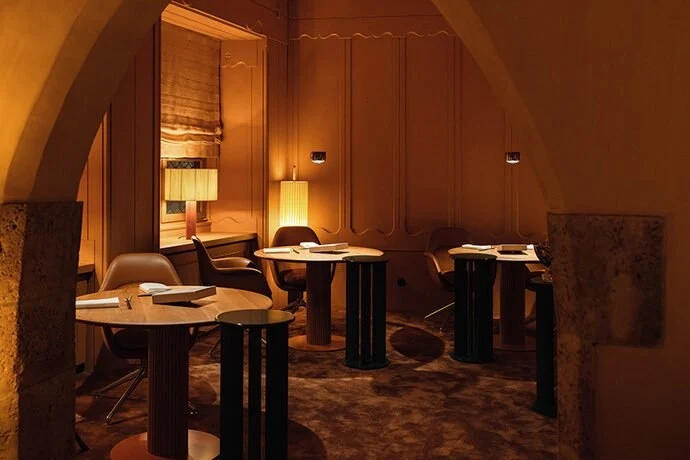
Munich's most expensive retail address sets a particular register before you have ordered anything. Maximilianstraße 17 carries the kind of physical authority that lighter, loft-conversion dining rooms in Schwabing or the Glockenbachviertel deliberately resist. The proportions are generous, the service geometry is deliberate, and the pace of a meal here is something closer to a protocol than a preference. That formality is not incidental, it is the point. In a city where the €€€€ tier has largely fractured into two camps, the studied Nordic-minimalist and the globally referential, Schwarzreiter occupies a third position: the classical Bavarian dining room taken seriously on its own terms.
That positioning carries real competitive weight. Compare the room's orientation against peers like Tohru in der Schreiberei, where the menu explicitly fuses Modern German and Japanese frameworks, or Atelier, which applies a Creative French lens to its tasting formats. Schwarzreiter does neither. The kitchen under Chef Hannes Reckziegel stays inside the Bavarian register.
The Awards Trajectory and What It Signals
Recognition at this level tends to be cumulative. Schwarzreiter received an Opinionated About Dining Classical in Europe recommendation in 2023, moved to a ranking of #287 in 2024, and climbed to #267 in 2025. That three-year arc, from recommendation to two consecutive ranked positions, is not the pattern of a restaurant coasting on location. It is the pattern of a kitchen refining its output with enough consistency that two independent critical bodies are tracking it in parallel.
OAD's Classical category is worth noting because it draws a deliberate distinction. This is not a list that rewards novelty or technique. It rewards execution within a defined tradition. For a Modern Bavarian address, landing inside that category at a ranked position places Schwarzreiter in a peer group that includes houses like Schwarzwaldstube in Baiersbronn and Vendôme in Bergisch Gladbach, restaurants where the argument for German classical cooking is made at a very high level. Schwarzreiter's ranking sits below those flagships, but the direction of travel over three years is consistent upward movement.
Across the broader German scene, comparable technical ambition in different cities shows up at addresses like Aqua in Wolfsburg, Restaurant Haerlin in Hamburg, and the format-breaking CODA Dessert Dining in Berlin. The range of that list underlines how fragmented German fine dining has become. Schwarzreiter's commitment to a regional identity, rather than a pan-European or globally inflected one, is increasingly a minority position at the top end of the market.
The Structure of a Meal: Pacing, Sequence, and Expectation
The dining ritual at a room like this has its own internal logic. Classical European service at the €€€€ level operates on a longer clock than most contemporary formats. There is no omakase counter ticking through twenty courses at pace, and no tasting menu designed to feel hurried. The expectation here is that a meal occupies the better part of an evening, that the service team manages tempo as a deliberate craft, and that the sequence of dishes follows a structure readable to anyone familiar with Central European fine dining grammar: from cold to warm, from delicate to substantial, with cheeses arriving before dessert and coffee extending things further if you allow it.
That ritual framing matters because it separates this room from the faster-moving formats competing for the same wallet in Munich. JAN operates with a creative energy that prioritises surprise over sequence. Alois - Dallmayr Fine Dining layers its creative instincts over a retail institution's identity. Schwarzreiter's proposition is more austere: the meal as a fixed, unhurried form, the kitchen's interpretation of Bavarian produce as the primary argument.
For diners arriving from international reference points, the closest structural parallel might be a long-form classical room in a northern European capital, less the improvisational energy of somewhere like Le Bernardin in New York City, more the deliberate cadence of a room where the ritual itself signals the seriousness of the kitchen. Atomix in New York City demonstrates how that kind of formal structure can be reinterpreted through a different cultural lens; Schwarzreiter does the inverse, taking a specifically Bavarian one and applying formal European service to it.
Bavarian Cooking at the top of Its Own Register
Modern Bavarian as a category sits in a particular tension. The regional identity is strong enough that any kitchen working within it is immediately measured against a well-understood set of expectations around seasonality, game, freshwater fish, dairy, and root vegetables. The challenge is not sourcing, Bavaria's larder is deep, but interpretation. How much distance from the vernacular tradition is appropriate before the claim to regional identity becomes cosmetic?
That question defines the critical reputation of this kind of restaurant. The OAD Classical ranking suggests the answer at Schwarzreiter is: not much. Classical here is being taken at face value. The kitchen's upward trajectory implies the execution of that classical commitment is what is generating the recognition, not a departure from it. In a Munich market where Tantris represents the city's long-standing Modern French tradition and addresses like ES:SENZ in Grassau push at the limits of regional Alpine cooking, Schwarzreiter's case is more conservative and no less considered for it.
A Google rating of 4.5 across 833 reviews adds a practical data point to the awards picture. That volume of feedback at that level of consistency, on a street where the competition for lunch and dinner covers ranges from mid-market to three-star, reflects an audience that spans business dining, hotel guests, and deliberate destination visitors.
Know Before You Go
- Address: Maximilianstraße 17, 80539 München, Germany
- Cuisine: Modern Bavarian
- Price range: €€€€
- Hours: Monday to Thursday and Sunday 12:00 to 23:00; Friday and Saturday 12:00 to 00:00
- Awards: Michelin Plate (2025); Opinionated About Dining Classical in Europe #267 (2025)
- Google rating: 4.5 from 775 reviews
- Chef: Hannes Reckziegel
- Booking: Advance reservation recommended given the address and award recognition
Questions
Frequently asked
How expensive is Schwarzreiter?
Schwarzreiter is listed at a price level of $$$$.
Where is Schwarzreiter and what does it serve?
Schwarzreiter is in Lehel, Munich, serving Modern Bavarian Fine Dining.
The field
How it compares
| Place | Cuisine | Notes | Awards |
|---|---|---|---|
| Schwarzreiter | Modern Bavarian Fine Dining | Lehel, $$$$ | · |
| Alois - Dallmayr Fine Dining | Modern Bavarian Fine Dining with French and Nordic Influences | Munich | Michelin 2 Stars |
| Atelier | Modern German with Asian Influence | Munich | Michelin 2 Stars |
| JAN | Modern European Fine Dining | Munich | Michelin 3 Stars, World's 50 Best |
| KOMU | Modern French-Asian Fusion Fine Dining | Munich | Michelin 2 Stars |
| Tantris | Modern French Fine Dining | Munich | Michelin 2 Stars, World's 50 Best |
| Tohru in der Schreiberei | Modern Japanese-European Fusion Fine Dining | Munich | Michelin 3 Stars |
Similar places
Modern Bavarian Fine Dining with French and Nordic Influences
Alois - Dallmayr Fine Dining
Munich, Germany
★★
Modern German with Asian Influence
Atelier
Munich, Germany
★★
Modern European Fine Dining
JAN
Munich, Germany
★★★ · 50 Best
Modern French-Asian Fusion Fine Dining
KOMU
Munich, Germany
★★
Modern French Fine Dining
Tantris
Munich, Germany
★★ · 50 Best
Modern Japanese-European Fusion Fine Dining
Tohru in der Schreiberei
Munich, Germany
★★★