Skip to Content
    Made ByWinery

    Secondo Marco

    1. 01CityFumane, Italy
    Secondo Marco

    Secondo Marco is a Fumane winery shaped by Valpolicella Classica rather than by broad-label ambition. Its interest lies in the tension between traditional Amarone, Ripasso and Recioto production and Marco Speri’s Y-shaped training system, a vineyard choice aimed at light, airflow and fruit health in a region where drying suitability matters.

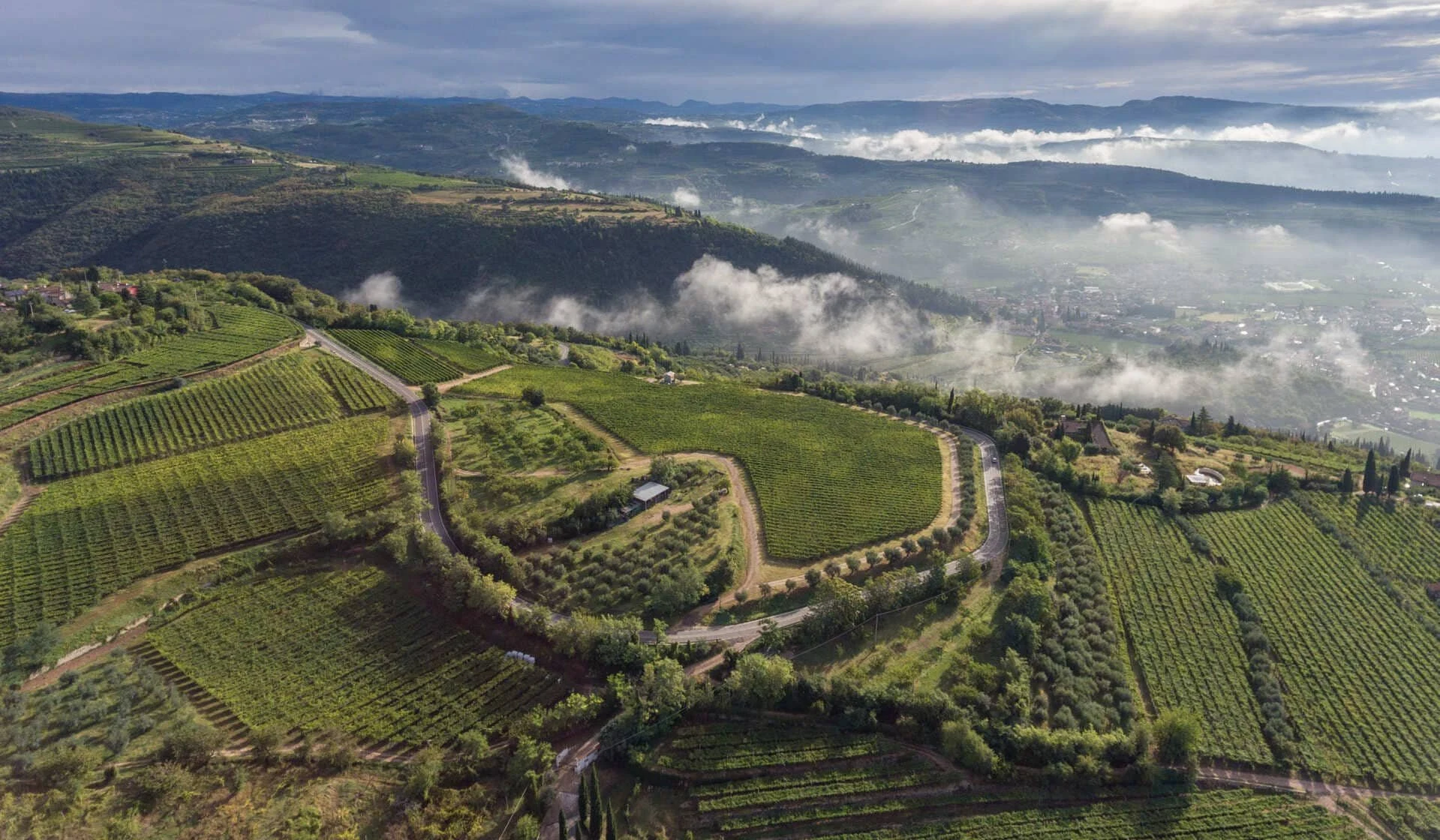
    Fumane’s wine country reads in layers: valley floor, limestone-clay soils, the cooling pull of the Lessini mountains, and the moderating influence of Lake Garda. In that setting, Secondo Marco belongs to the quieter side of Valpolicella Classica, where the argument is not made through spectacle but through vineyard decisions, native grapes and the slow grammar of dried-fruit reds.

    The estate’s identity is tied to Marco Speri’s independent project, founded in 2008, but the more useful way to read it is through Valpolicella itself. This is a denomination built on Corvina-family grapes, appassimento and a spectrum of red wines that runs from fresh Valpolicella to Ripasso, Amarone and Recioto. Secondo Marco works inside that canon, then alters the vineyard architecture rather than abandoning the tradition.

    Valpolicella Classica expressed through Fumane soils and wind

    The serious question in Valpolicella is how much concentration a wine can carry before it loses the place that produced it. Fumane gives Secondo Marco a useful answer. The vineyards sit on calcareous clay-limestone soils, with air movement shaped by the Lessini mountains and Lake Garda. In a region where grapes may be destined for drying, ventilation and ripening balance are not technical footnotes; they are central to the quality of the finished wine.

    Estate’s most distinctive production signal is its Y-shaped training system, a modernized response to Veronese pergola culture. The point is practical: more light, better airflow and a larger leaf surface above the bunches. For visitors trying to understand why Valpolicella Classica can feel both traditional and experimental, this is the key. Innovation here does not mean chasing international varieties or cosmetic cellar fashion. It means changing how native grapes meet sun, wind and disease pressure before they ever reach the drying room or fermenter.

    Grape base remains local: Corvina, Corvinone, Rondinella, Oseleta and Molinara are listed among the estate’s varieties. That matters because the wines are not framed as generic Veneto reds. They sit inside a regional language with clear roles: Valpolicella for freshness, Ripasso for additional structure, Amarone for dried-grape power, and Recioto for the sweet red tradition that predates much of Amarone’s modern prestige.

    A compact range built around Amarone, Ripasso and Recioto

    Secondo Marco’s portfolio is narrow in the right way. The range centers on Valpolicella, Valpolicella Classico Superiore Ripasso, Amarone della Valpolicella and Recioto, which gives the tasting a clean educational arc across the denomination. Rather than scattering attention across unrelated styles, the estate keeps the focus on how the same regional logic changes with grape selection, drying, fermentation and weight.

    Amarone is the gravitational center. The listed Amarone della Valpolicella DOCG Classico uses Corvina 45%, Corvinone 45%, Rondinella 5% and other native grapes 5%, with alcohol recorded at 16%. Long spontaneous fermentation without added yeasts is part of the Amarone approach, alongside appassimento and prolonged fermentations. Those details place the wine in the serious, structured register of the appellation, where the aim is concentration without severing the connection to vineyard and variety.

    Ripasso plays a different role. It is the bridge style, giving visitors a way to understand Valpolicella’s middle register before moving into Amarone’s dried-grape intensity. Recioto, meanwhile, keeps the sweeter historic thread visible. For travellers who know Amarone but have not spent time with the denomination’s full range, this is where the visit becomes more than a tasting of labels. It becomes a lesson in how Valpolicella organizes sweetness, dryness, body and tradition.

    Recognition adds a useful trust signal without turning the estate into an awards story. Secondo Marco has been associated with Italian wine-guide and critic recognition including Guida Vini, Tre Bicchieri, Foglia d’Oro, AIS 4 Viti and Top Wine mentions. The stronger editorial point is that those signals sit behind a coherent production idea: a small-scale, Fumane-rooted estate using local grapes, classic styles and vineyard design as its main argument.

    Where it fits in a Fumane wine itinerary

    Fumane rewards travellers who want to understand Valpolicella through producers rather than through a single marquee label. The town is a dense wine stop inside the Classica zone, and Secondo Marco’s appeal is strongest for drinkers interested in terroir, training systems and the relationship between Amarone power and vineyard restraint. It is a better fit for focused wine education than for casual sightseeing.

    For broader planning around the area, start with Our full Fumane wineries guide, then use the city guides for the rest of the trip: Our full Fumane restaurants guide, Our full Fumane hotels guide, Our full Fumane bars guide and Our full Fumane experiences guide. Other Fumane winery pages in the EP Club index include Allegrini, Ca' dei Maghi, Corteforte, Cottini Marco and Crosarola.

    Travellers building a wider Italian or European wine route can also cross-reference 3GP SRL in Treviso, 47 Anno Domini in Trebaseleghe, A Mano Wine in Noci, »der Steiner« Hans Steiner in Podersdorf am See and & Handwein in Mannheim. The value of Secondo Marco, though, is specific to Fumane: it explains Valpolicella Classica through soil, airflow, appassimento and a carefully defined red-wine range.

    Questions

    Frequently asked

    What should I expect atmosphere-wise at Secondo Marco?

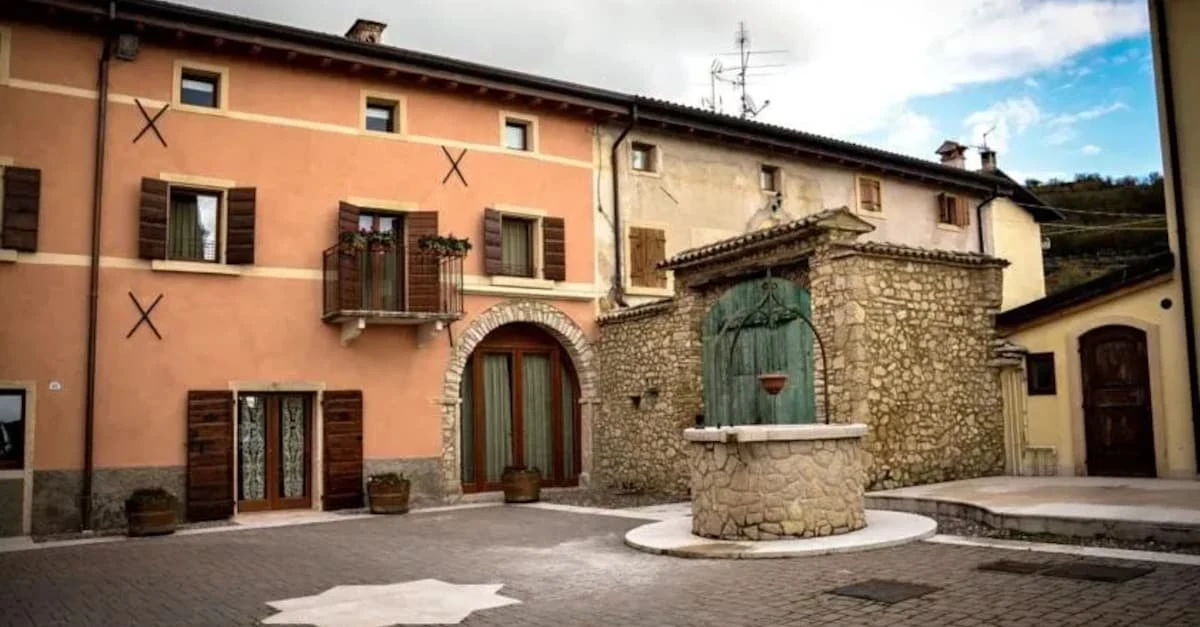
    Expect a quiet, rustic winery setting in Fumane, with guided tastings and an estate-ground focus rather than a formal hospitality room. The atmosphere reflects Valpolicella Classica, and the visit format is appointment only.

    How much does Secondo Marco cost?

    Pricing at Secondo Marco is listed as $$.

    Where is Secondo Marco in Fumane?

    Secondo Marco is located at Fumane, Veneto, Italien, Fumane.

    Why do people go to Secondo Marco?

    Visitors come for Marco Speri’s independent project, launched in 2008, and for a direct look at Valpolicella production in Fumane. The winery works with Corvina, Corvinone, Rondinella, Oseleta, and Molinara, which makes it useful for anyone comparing regional styles.

    Do they take walk-ins at Secondo Marco?

    No, the visit type is appointment only. That format suits its small production scale and guided tasting setup at the Fumane estate.

    Is Secondo Marco better for first-timers or repeat visitors?

    It works well for first-timers who want a clear introduction to Valpolicella Classica, especially through guided tastings in Fumane. Repeat visitors will get more from the details around the 2008 independent project, the organic production philosophy, and the Y-shaped training system.

    The field

    How it compares

    PlaceNotesAwards
    Secondo MarcoFumane, $$·
    AllegriniFumane·
    CorteforteFumane·
    ScrianiFumane·
    Château La Mission Haut-BrionBommes·
    Chateau PetrusPomerol·
    Mission Hill Family EstateWest KelownaWorld's 50 Best

    Similar places

    ← Browse all places