Shalos Marani
- 01CityBolnisi, Georgia
- Falstaff Winery - Listed · 2026
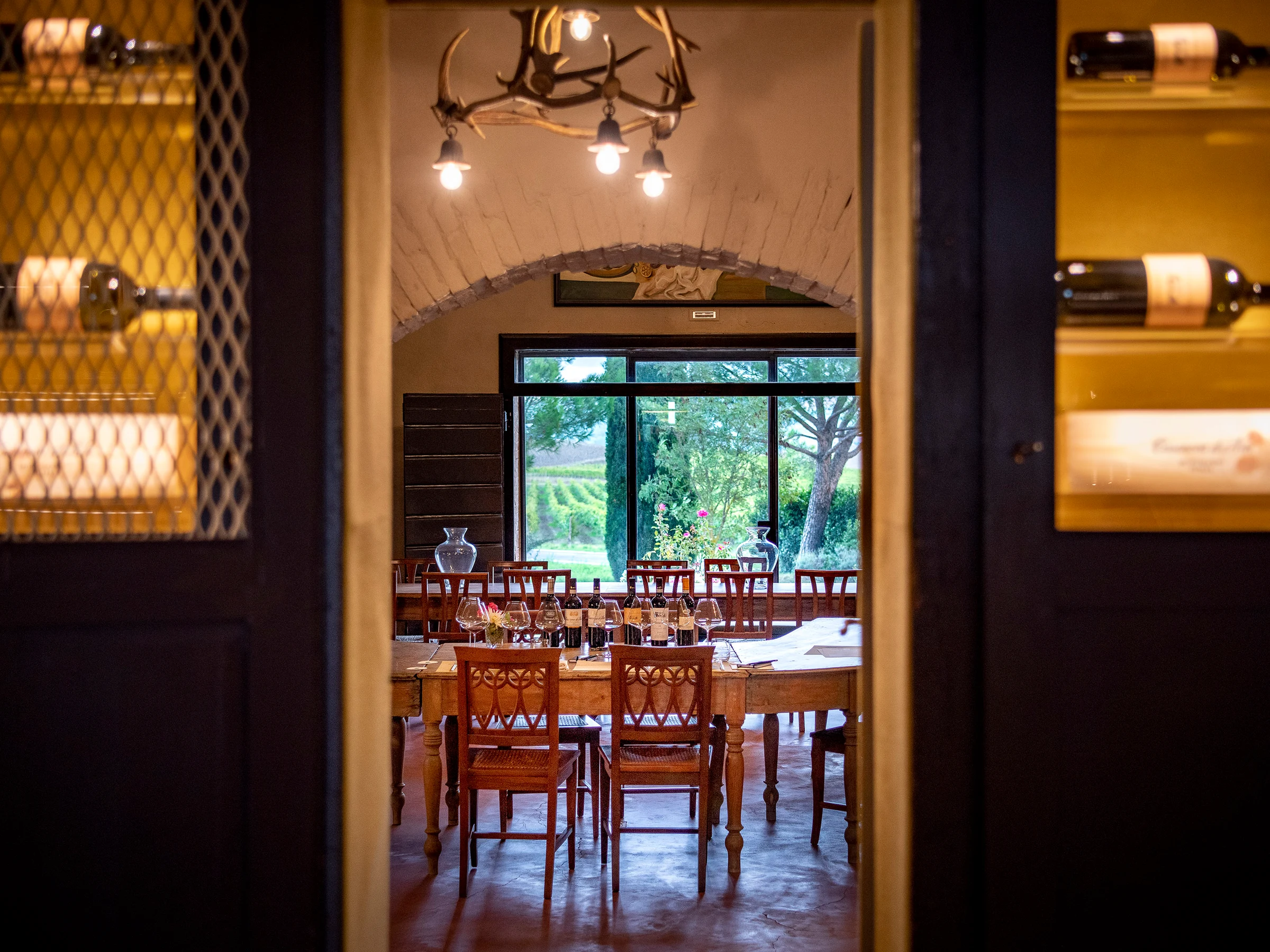
Bolnisi’s wine culture is read through cellars as much as through vineyards, and Shalos Marani’s first signal is architectural: a 19th-century German-built cellar with a historic, rustic atmosphere. That detail matters because it immediately places the venue in a more tactile register, where stone, age, cellar coolness and a sense of inherited craft are part of the experience, not just background decoration. The venue is best understood as a quiet, cellar-led Bolnisi experience shaped by handmade and natural winemaking, vineyard-focused visits, and a strong sense of Georgian hospitality. Rather than presenting itself as a broad hospitality complex, it comes across most clearly as a place where the cellar, the wine and the local setting do the main work.
Bolnisi wine culture through a historic cellar
Shalos Marani is tied to Bolnisi rather than to a generic winery template. Its profile centres on a 19th-century German-built cellar, natural and handmade winemaking, and a setting that feels historic, cozy, rustic and somewhat hidden away. That combination gives the venue its appeal: it is less about polished spectacle and more about being close to the cellar, the vineyard context and the people behind the wine. In this sense, the building is not simply a container for the visit; it is one of the main ways the visit communicates its character. The atmosphere suggests a slower kind of wine tourism, where the value lies in the feeling of place as much as in any formal description of the wines.
Because the confirmed information is focused on atmosphere and experience rather than a detailed public menu or production sheet, it is best not to overstate the specifics. What can be said with confidence is that Shalos Marani belongs to the handmade/natural side of Georgian wine culture in Bolnisi, with vineyard-focused experiences forming part of the draw. That positioning is useful for travellers because it sets expectations in the right direction: the emphasis is on craft, locality and a direct relationship with the cellar environment. Visitors looking for a highly standardized tasting-room format may find the description understated; visitors who enjoy smaller, more personal-feeling wine stops are more likely to understand why the venue stands out.
The most reliable way to approach the venue is as a historic cellar experience rather than as a conventional restaurant listing. The price level is $$, and the setting is defined by rustic charm, a hidden-gem feel and Georgian hospitality. Those words should be taken seriously when planning: the appeal is not based on a long list of publicly itemized features, but on the compact identity already visible in the venue’s description. Shalos Marani is strongest when considered as a place to encounter Bolnisi wine culture through atmosphere, handmade production and a cellar setting that gives the visit a clear sense of locality.
A historic cellar format, not a high-volume hospitality complex
Shalos Marani’s strongest identity is its cellar atmosphere. The venue combines a 19th-century German-built structure with natural winemaking and vineyard-focused experiences, so the appeal is grounded in place and process rather than in a broad amenity list. This distinction helps keep expectations accurate. It is not being presented here as a venue defined by scale, spectacle or an extensive public offering; it is better read as a compact, characterful wine stop where the historic setting and handmade approach carry the experience.
That makes it a good fit for travellers who want a quieter Bolnisi wine stop with a historic and rustic feel. The sense of being somewhat hidden away adds to that appeal, because it supports the impression of a venue discovered through local wine culture rather than encountered as a polished, interchangeable stop. For visitors moving through Bolnisi, that quieter profile can be a strength: it allows the cellar, the hospitality and the vineyard context to remain central.
What remains is still distinctive: a cozy, historic cellar in Bolnisi with handmade wine at the centre and hospitality as part of the experience. For visitors who value setting and cellar character, that is the main reason to keep Shalos Marani on the itinerary. The experience does not need to be inflated with unsupported claims to make sense; its appeal is already clear in the combination of old cellar architecture, rustic atmosphere, natural winemaking and the more intimate feel associated with Georgian hospitality. In a region where wine culture can be understood through both land and cellar, Shalos Marani leans strongly into the cellar side of that story.
How to place it in a Bolnisi wine itinerary
Within Bolnisi, Shalos Marani gives context to the region’s smaller, cellar-focused wine culture. Travellers building a local itinerary can use it as a historic and rustic wine stop, then compare it with other dining and wine experiences in Bolnisi in a general way rather than assuming the same format everywhere. That is the safest and most accurate way to place it: not as a universal model for the whole area, but as one particular expression of Bolnisi’s wine identity, rooted in a historic cellar and handmade practice.
For a wider Georgian wine frame, treat Shalos Marani as a Bolnisi venue with a specific identity: a 19th-century German-built cellar, handmade/natural winemaking, vineyard-focused experiences and a hospitable, rustic atmosphere. Those are the grounded details to plan around. They suggest a visit best appreciated by people who want texture and context from a wine stop: the feeling of an old cellar, the intimacy of a smaller setting, and the hospitality that helps connect the wine to its place. Seen that way, Shalos Marani offers a concise but memorable Bolnisi experience, one that is modest in public detail yet clear in character.
Questions
Frequently asked
How expensive is Shalos Marani?
Shalos Marani is listed at a price level of $$.
The field
How it compares
| Place | Notes | Awards |
|---|---|---|
| Shalos Marani | Bolnisi, $$ | · |
| Azienda Agricola Casanova di Neri di Giacomo Neri | Montalcino | World's 50 Best |
| Domaine Comte Georges de Vogüé | Chambolle-Musigny | · |
| Domaine François Raveneau | Chablis | · |
| Jacques Selosse | Avize | · |
| Marbano Winery | Bolnisi | · |
| Quinta do Noval | Pinhão | World's 50 Best |