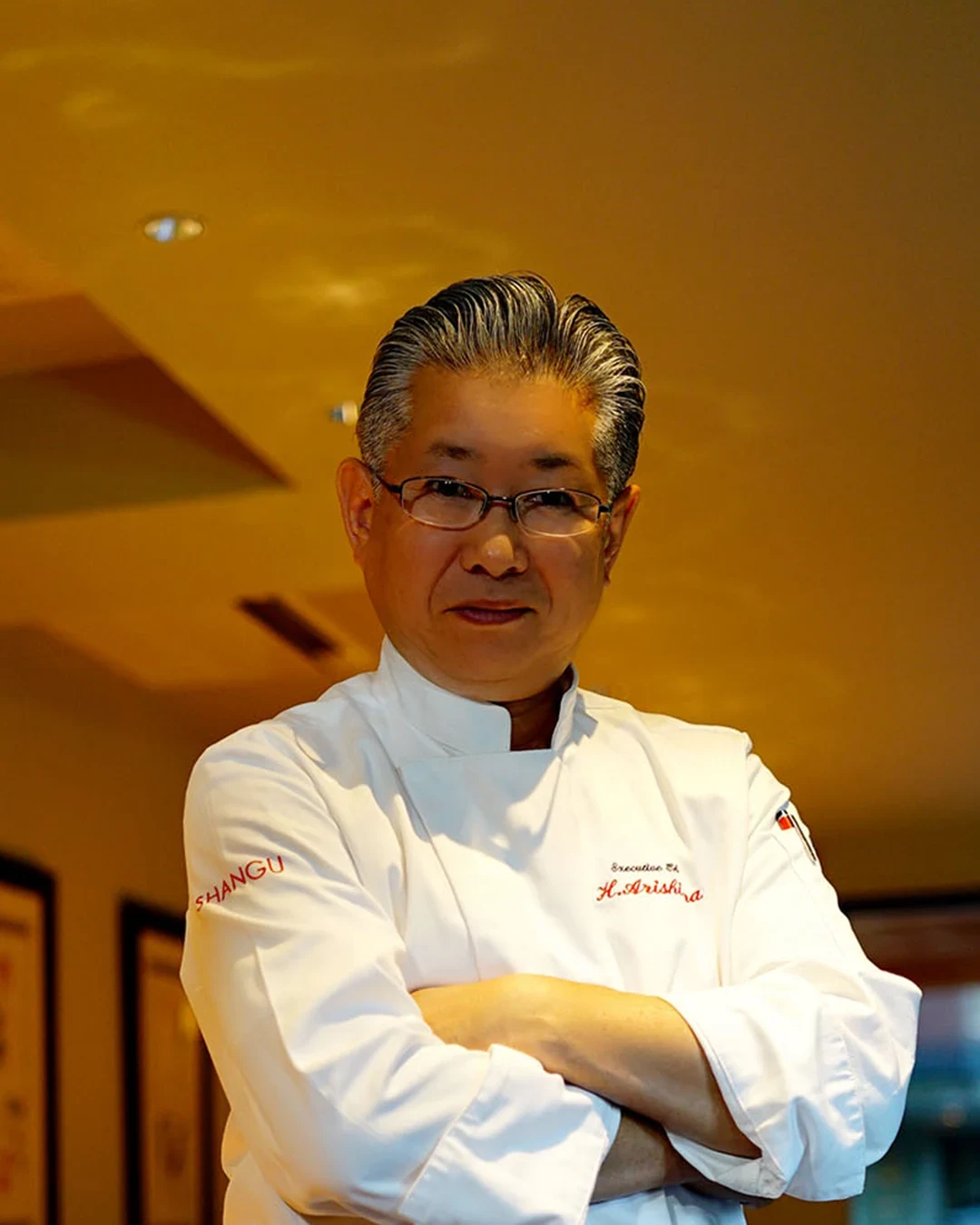
Hiroaki Arishima cooks as Chef at Shangu, Tokyo, shaping Cantonese restraint around broth, texture, and the open kitchen.
- Opinionated About Dining Top Restaurants in Japan Recommended · 2026
Broth before the pass
Broth sets the pace before the plate leaves the pass; Hiroaki Arishima, Chef at Shangu in Tokyo, works from that center. His cooking here is built around concentration rather than display, a discipline shaped by an Executive Chef post at Tong Yen in Paris and tightened in the Tokyo kitchen he now leads. Paris gave him a dining culture where cadence, polish, and service structure sit beside flavor, not behind it. At Shangu, that training narrows into a working idea stated with unusual economy: one dish, one soul. It is not a slogan in the room. It is a demand placed on the plate. Arishima treats each course as a complete proposition, with broth, texture, heat, timing, and finish asked to resolve around a single line. The luxury is quiet because the kitchen does not scatter attention. It holds it. His role is less about adding weight than deciding what can be removed without weakening the dish, and that decision belongs to the hands at the pass as much as to the finished plate.
One dish held to one center
Rare Blue Shark Fin in a special broth carries the clearest expression of the method. The dish asks for depth without heaviness and texture without noise, with the broth doing the work that a louder kitchen might hand to garnish. Heat matters because the center has to arrive intact. Timing matters because the finish cannot feel separate from the cooking. Arishima’s Cantonese register at Shangu rests on clarity, balance, and control, the old discipline treated as living practice rather than inheritance on display. Fried Lobster in Sakura Shrimp Coating with Sakura Shrimp Powder Salt moves differently, through contrast, fragrance, and the dry precision of powder against shellfish. In both dishes, presentation is not decoration added after the fact. It is part of the method, the last station in the same line of decisions. The kitchen’s open setting raises the pressure. Sight, sound, aroma, taste, and atmosphere all enter the construction, and a gesture that might disappear behind a wall has to hold its shape in the room.
The room listens to the kitchen
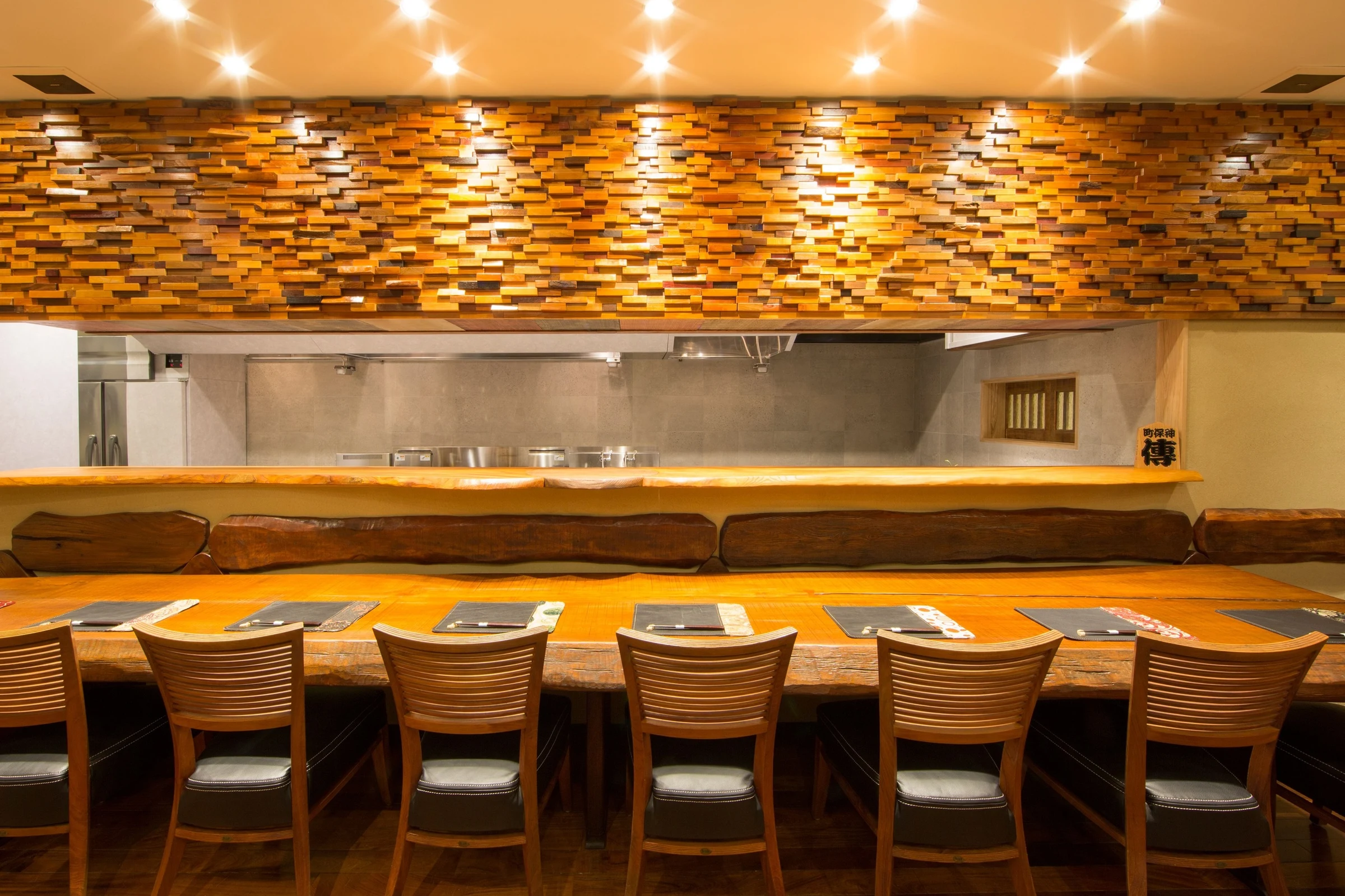
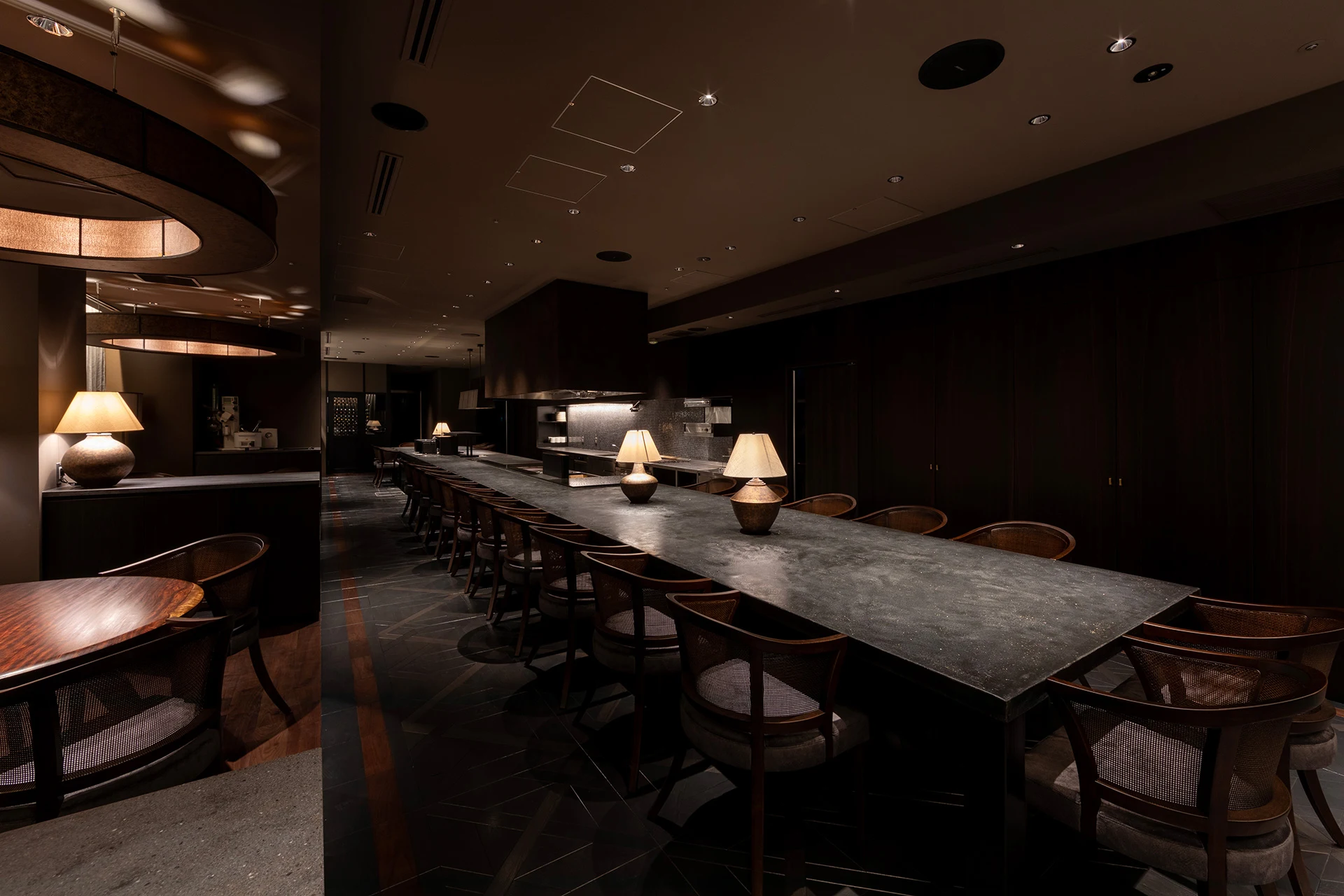
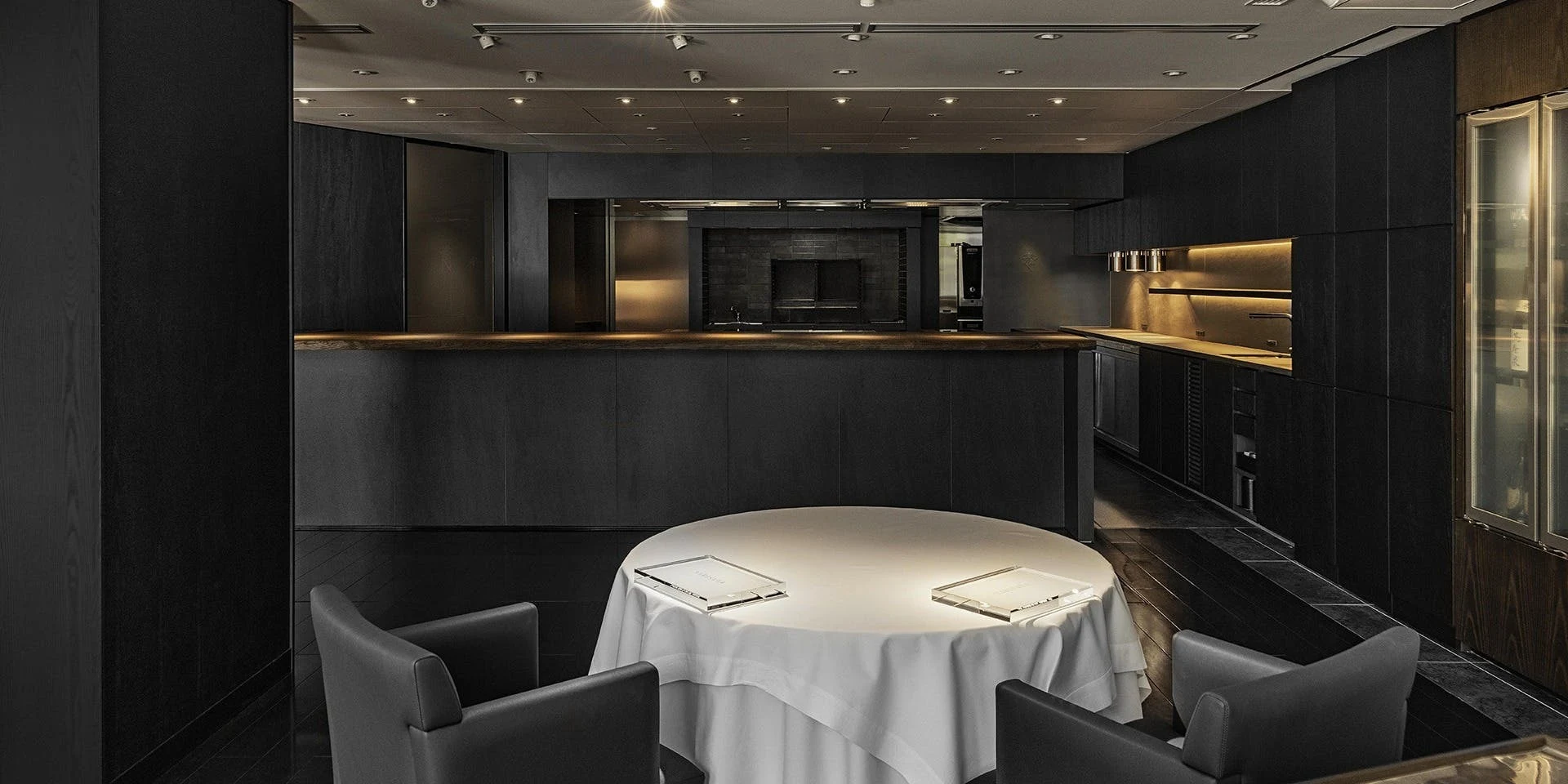
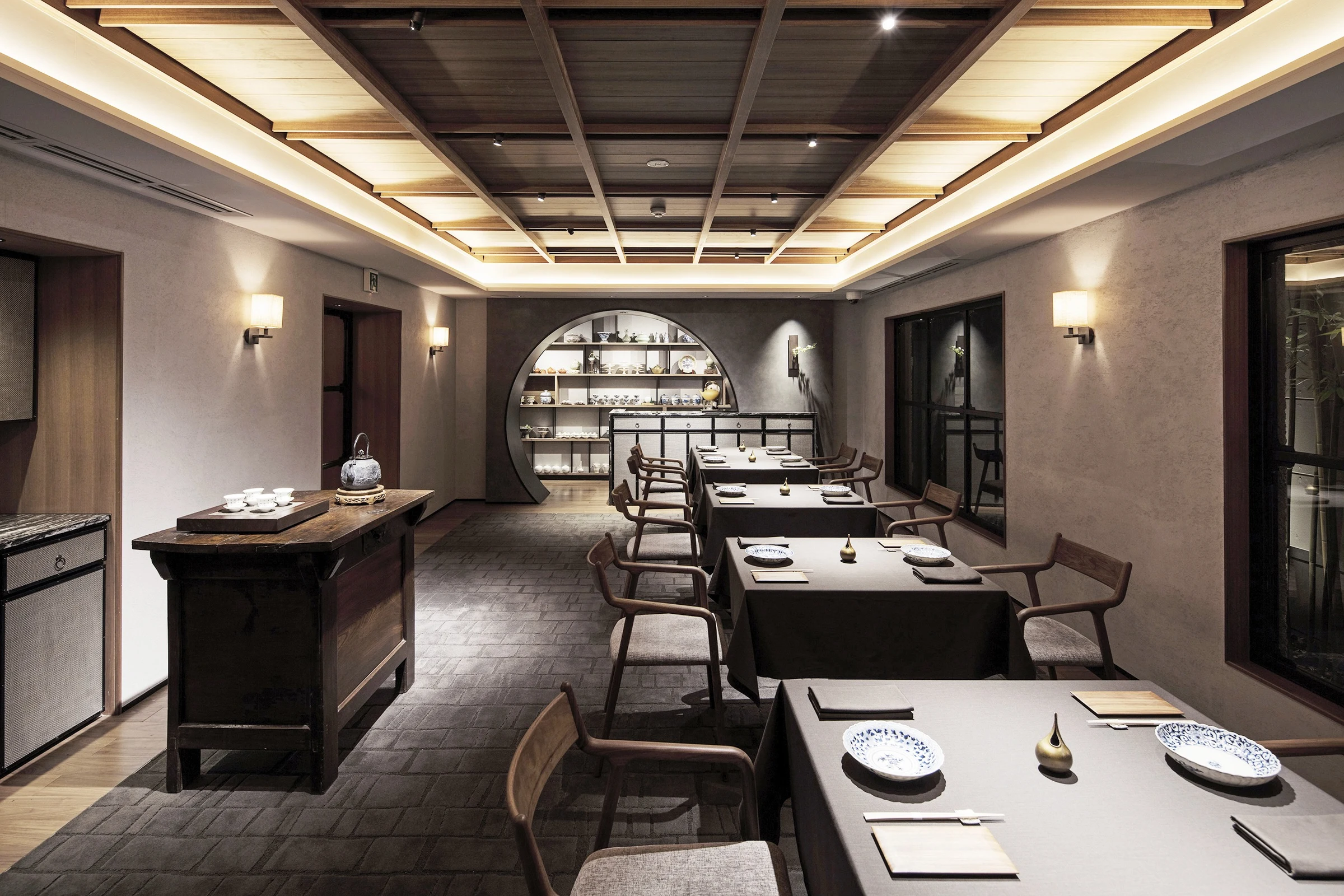
The room at Shangu is arranged so the cooking remains present, not hidden as machinery behind service. The pass carries sound as well as plates: movement, heat, the small changes in tempo that tell a diner when a course is close. That visibility suits Arishima’s restraint. A theatrical kitchen can invite excess, but here the useful drama is in watching a line stay clean under observation. The counter and the room make atmosphere part of the craft without turning it into performance for its own sake. Cantonese cuisine, handled this way, depends on proportion. The diner sees the hand enter and leave at the right moment, then tastes the decision after the plate arrives.
A star carried by the chef
Arishima has received one Michelin star, recognition attached to the chef rather than used as the room’s argument. The better close is at the bench, where the idea remains narrow enough to test every service: one plate, one center, one soul. At Shangu, that discipline returns to broth, lobster, sakura shrimp powder salt, and Hiroaki Arishima.
Questions
Frequently asked
Who cooks at Shangu?
Hiroaki Arishima is the Chef at Shangu in Tokyo. His cooking there is shaped by a background as Executive Chef at Tong Yen in Paris and by a focus on concentration rather than display.
What kind of cooking is Shangu known for?
Shangu serves Chinese cuisine, with Arishima working in a Cantonese register built around clarity, balance, and control. Broth, texture, heat, timing, and finish are central to the way the dishes are composed.
What dishes are most closely associated with the kitchen?
Rare Blue Shark Fin in a special broth is described as the clearest expression of the method. Fried Lobster in Sakura Shrimp Coating with Sakura Shrimp Powder Salt is another dish that shows the kitchen’s interest in contrast, fragrance, and precise finish.
Does the dining room shape the way the food is served?
The kitchen is open, so sight, sound, aroma, taste, and atmosphere all become part of the experience. That setting keeps the cooking visible and places pressure on each plate to hold its shape in the room.
Has Shangu received any recognition?
Hiroaki Arishima has received one Michelin star. The recognition is attached to the chef rather than presented as the room’s main argument.
The field
How it compares
| Place | Cuisine | Awards | Notes |
|---|---|---|---|
| Shangu | Chinese | · | · |
| Den | Modern Japanese Kaiseki | Michelin 2 Stars, World's 50 Best | Tokyo |
| Florilège | Modern French-Japanese Plant-Based Fine Dining | Michelin 2 Stars, World's 50 Best | Tokyo |
| Narisawa | Modern Japanese Satoyama Fine Dining | Michelin 2 Stars, World's 50 Best | Tokyo |
| Quintessence | Modern French Fine Dining | Michelin 3 Stars | Tokyo |
| Sazenka | Modern Chinese Fine Dining | Michelin 3 Stars, World's 50 Best | Tokyo |
| Sézanne | French | Michelin 3 Stars, World's 50 Best | Tokyo |
In residence
Similar places
Modern Japanese Kaiseki
Den
Tokyo, Japan
★★ · 50 Best
Modern French-Japanese Plant-Based Fine Dining
Florilège
Tokyo, Japan
★★ · 50 Best
Modern Japanese Satoyama Fine Dining
Narisawa
Tokyo, Japan
★★ · 50 Best
Modern French Fine Dining
Quintessence
Tokyo, Japan
★★★
Modern Chinese Fine Dining
Sazenka
Tokyo, Japan
★★★ · 50 Best
French
Sézanne
Tokyo, Japan
★★★ · 50 Best