Made ByRestaurant
SHÓKUDŌ YArn
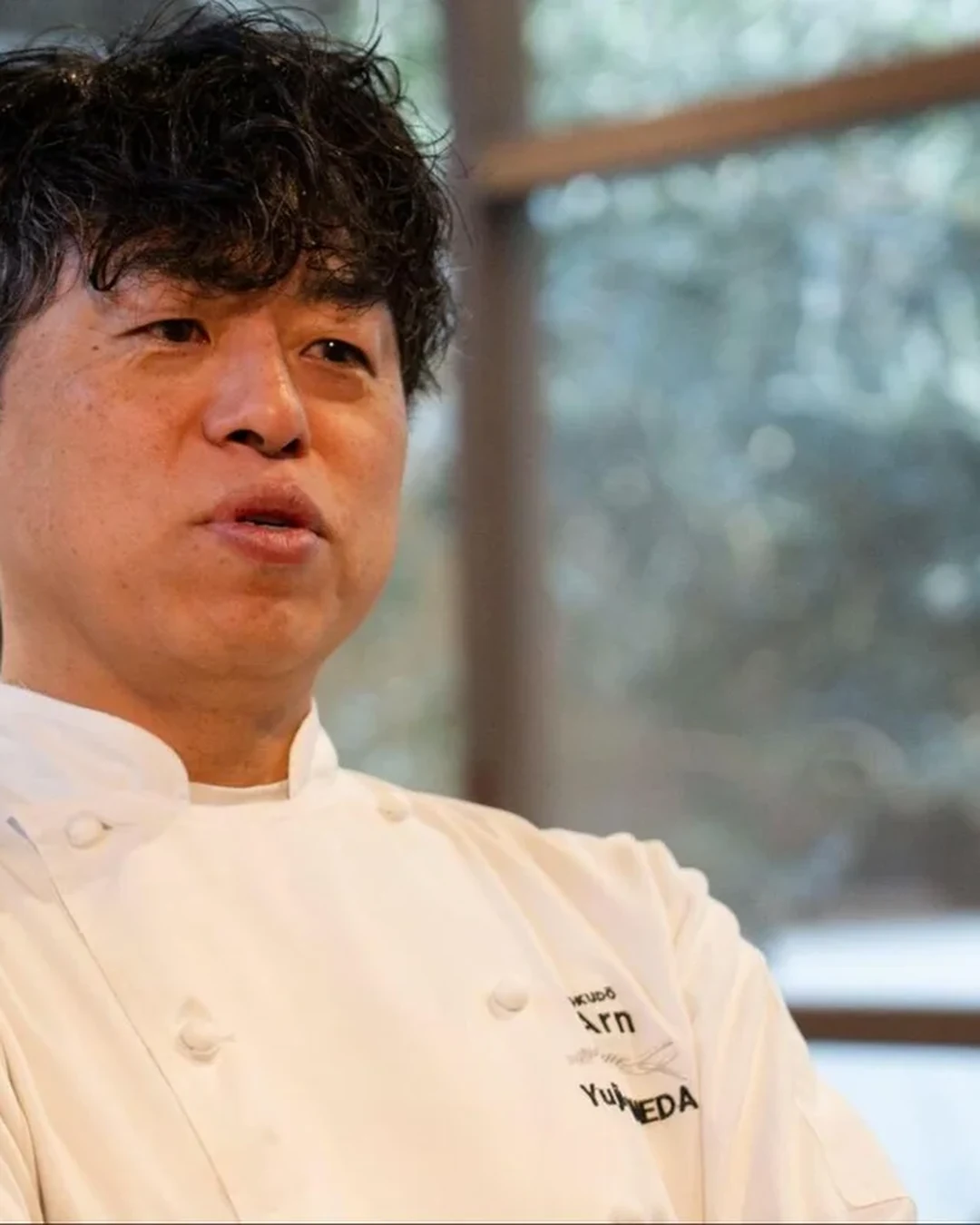
Chef in Residence
Yuji Yoneda
Chef
- 01CuisineModern Japanese Fusion Fine Dining
- 02CityKomatsu, Japan
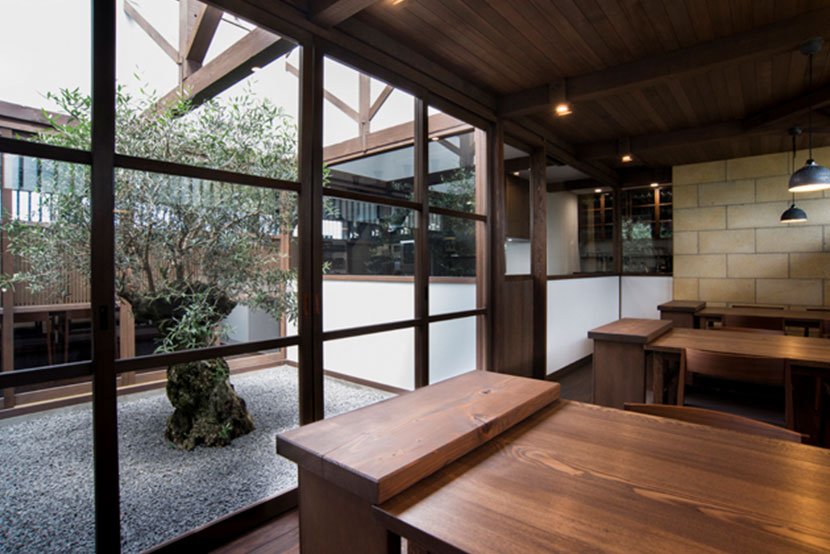
Komatsu’s serious dining scene is small enough that an ambitious counter can define the conversation around the city. SHÓKUDŌ YArn brings an innovative format to Ishikawa with chef Yuji Yoneda attached, Tabelog Award recognition across multiple years, and a compact 14-seat scale that puts it in Japan’s destination-restaurant bracket rather than the casual local category.
At a glance
- Cuisine
- Modern Japanese Fusion Fine Dining
- Price
- $$$$
- Per person
- $120
- Hours
- Mon: Closed; Tue: 6–11 PM; Wed: 6–11 PM; Thu: 6–11 PM; Fri: 12–2:30 PM, 6–11 PM; Sat: 12–2:30 PM, 6–11 PM; Sun: Closed
- Neighborhood
- Yoshitakemachi
- Rating
- 4.5 (122)
<p>Approaching Yoshitakemachi, Komatsu feels different from the station-front shorthand many travellers use. The restaurant occupies a house rather than a hotel tower or commercial dining floor, and that matters: in regional Japan, ambitious cooking often gains force from domestic scale. A small room, limited seats, and no restaurant-theatre excess change the meal’s reading. The point is not urban spectacle. It is concentration.</p><p>That makes SHÓKUDŌ YArn a useful lens on Hokuriku dining in 2026. Ishikawa’s culinary identity is often framed through Kanazawa, seafood, kaiseki grammar, craft traditions, and winter intensity. Komatsu has less international shorthand, so an innovative restaurant here carries a different burden from one in Tokyo or Kyoto: it must persuade diners to travel beyond the obvious circuit, then justify the detour through precision, pacing, and a point of view rooted in place rather than novelty.</p><h2>Hokuriku innovation at house-restaurant scale</h2><p>Japan’s innovative category has matured into distinct lanes: urban tasting counters built around technique, rural auberges built around landscape, and hybrids that borrow from kappo, French structure, Nordic restraint, and local product networks without belonging to one school. SHÓKUDŌ YArn sits in that hybrid lane. Its classification as innovative is not decorative; it places the restaurant among Japanese rooms judged less by canonical cuisine than by coherence across sequence, service rhythm, and ingredient logic.</p><p>The trust signals are unusually strong outside the largest dining cities. The 2026 Tabelog Award Bronze, a Tabelog score of 4.25, selection for Tabelog 100 Innovative / Creative Cuisine 2025, and Opinionated About Dining’s 2026 Japan Highly Recommended listing point to sustained attention rather than a single-year spike. Earlier Tabelog Award history, including Silver and Bronze mentions across several years, reinforces the pattern. Awards do not improve dinner by themselves, but they clarify the competitive set: this is measured against serious Japanese destination restaurants, not merely Komatsu neighbourhood dining.</p><p>That distinction helps when comparing the region. Komatsu has other reasons to stop, and a broader reader may also be looking at <a href="https://www.enprimeurclub.com/restaurants/auberge-eaufeu-komatsu-restaurant">Auberge eaufeu (French)</a>, <a href="https://www.enprimeurclub.com/restaurants/matsubaya-17005047">Matsubaya</a>, <a href="https://www.enprimeurclub.com/restaurants/tsuzura-komatsu-restaurant">Tsuzura</a>, or <a href="https://www.enprimeurclub.com/restaurants/e3fe5732-komatsu-restaurant">オーベルジュ オーフ</a>. Together they outline the city’s range: French-inflected destination cooking, long-form regional dining, and smaller-format restaurants requiring more planning than casual tourism allows. For a wider scan, Our full Komatsu restaurants guide shows how the local dining map fits together.</p><h2>Chef Yuji Yoneda and the case for controlled evolution</h2><p>Chef Yuji Yoneda’s name matters as a credential, but the wider story is Japanese creative cuisine evolving outside the capital. The category rewards chefs who absorb multiple influences without turning dinner into a catalogue of references. At this tier, technique is expected; restraint is harder. The meal must show enough invention to justify the label while avoiding fatigue from constant surprise.</p><p>Komatsu sharpens that requirement. In Tokyo, a restaurant can live inside a dense ecosystem of specialists, collectors, and repeat diners. In a smaller city, it must create its own gravity. SHÓKUDŌ YArn’s 14-seat format helps because scarcity changes the social contract: diners arrive expecting a composed experience, and the room cannot hide behind volume. The scale also explains why it belongs in the same conversation as out-of-metro Japanese innovative addresses such as L’évo, Tsukihi, SOWER, KOKE, and ORTO, where location is not a limitation but part of the argument.</p><p>The pricing bracket confirms the format’s seriousness. Lunch is listed at JPY 15,000–19,999 and dinner at JPY 20,000–29,999, before practical extras common to many high-end Japanese restaurants. That places the experience above casual regional dining while below the highest-priced major-city counters. For Hokuriku itineraries, the value question is allocation, not bargain-hunting: one long meal in Komatsu can carry more weight than several unfocused stops.</p><p>Japan’s innovative cooking also has an international echo. Diners comparing the category across cities might read this alongside [àbitat], Innovative in San Fermo della Battaglia or Å by T.U.N.G, Innovative in Ho Chi Minh City, not because the rooms are interchangeable, but because each shows how creative cooking changes outside the obvious capital-city frame. Within Japan, the contrast can run from destination addresses to everyday specialist formats such as [ki:] in Kyoto,.know in Kumamoto,.cafe in Osaka,. 鮪と炭火焼き うお炭 秋葉原店 in Tokyo, [Curry Senmon Ten] Maruyama Kyoju. in Sapporo, (Shoku) Vietnam in Kawasaki, and -Grilled beef Sukiyaki- KAMAKURA TANUKIAN 鎌倉 たぬき庵 in Kamakura. The comparison is not rank; it is category intelligence.</p><h2>How to place it in a Komatsu itinerary</h2><p>Think of this meal as an anchor, not an add-on. Komatsu is compact, and its appeal often sits where transit convenience, craft culture, and access to wider Ishikawa overlap. A restaurant with this recognition changes a stay’s rhythm: it fixes the evening’s centre, then lets the rest of the itinerary work around it. That matters for travellers deciding whether to sleep in Komatsu, push through to Kanazawa, or use the area as a quieter base.</p><p>The policies shape the audience. Reservation-only format, small seat count, private-room availability, non-smoking setup, sake and wine service, and a request to refrain from interior photography all point to diners comfortable with a composed, low-distraction meal. The age guidance, asking guests be 10 years old or older, clarifies the tone further. This is not a casual family stop between sightseeing blocks; it is a planned dinner or lunch for guests who want the meal to be the main event.</p><p>For the surrounding trip, food is only one layer. Our full Komatsu hotels guide helps with the stay decision, while Our full Komatsu bars guide, Our full Komatsu wineries guide, and Our full Komatsu experiences guide map what else can fill the day without making the meal an isolated reservation. The strongest case for SHÓKUDŌ YArn is not that every traveller needs it. It is for travellers who understand that regional Japan’s serious dining is often found in smaller rooms, outside the cities dominating international lists, and that chef-led evolution can be more persuasive with fewer distractions around it.</p>
Know before you go
- Dress code
- smart_casual
- Reservations
- essential
- Payment
- credit_card, cash
Frequently asked
Is SHÓKUDŌ YArn good for families?
Yes, with limits: the restaurant accepts guests aged 10 and older, and it has private rooms for 2, 4, or 6 people. The 14-seat format and reservation-only policy make it a better fit for families who plan ahead than for casual walk-ins.
What's the overall feel of SHÓKUDŌ YArn?
It reads as a compact house restaurant in Komatsu, with 14 seats, a stylish space, and a 10% service charge. The setting is more controlled and intimate than sprawling, and the Tabelog Bronze award for 2026 reinforces its place in Japan’s innovative dining scene.
What style of cooking does SHÓKUDŌ YArn do?
SHÓKUDŌ YArn serves Innovative cuisine.
What is SHÓKUDŌ YArn known for?
SHÓKUDŌ YArn is primarily known for Innovative in Komatsu.
Address
1 Chome-37-1 Yoshitakemachi, Komatsu, Ishikawa 923-0835, Japan
Yoshitakemachi
How it compares
SHÓKUDŌ YArn
- Cuisine
- Modern Japanese Fusion Fine Dining
- Price
- $$$$
- Awards
- 5 recognitions
- Notes
- Yoshitakemachi
- Cuisine
- Modern French with Japanese influences
- Price
- $$$$
- Awards
- 4 recognitions
- Notes
- Kanagaso
- Cuisine
- Traditional Kaga Kaiseki
- Price
- $$$
- Awards
- —
- Notes
- Chikinocho
- Cuisine
- Traditional Japanese wagashi sweets shop
- Price
- $
- Awards
- —
- Notes
- /
- Cuisine
- Modern French with Local Japanese Influences
- Price
- $$$$
- Awards
- —
- Notes
- Kanagaso
- Cuisine
- Legendary Kanazawa Sushi Omakase
- Price
- $$$$
- Awards
- 5 recognitions
- Notes
- Hommachi
In residence
Similar places
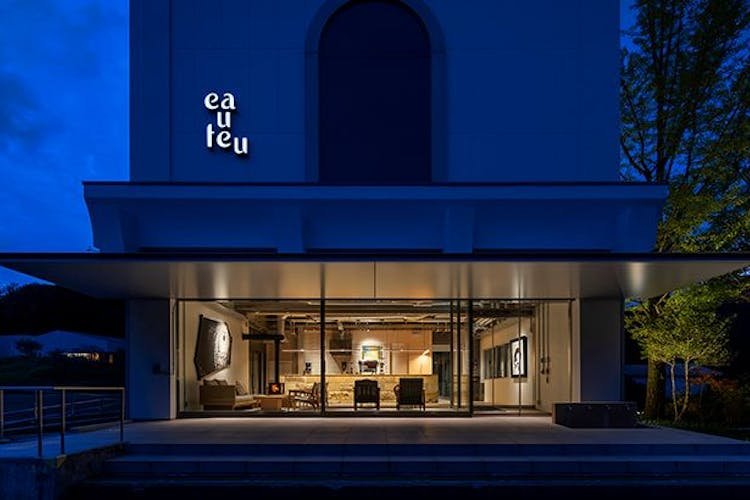
Modern French with Japanese influences
Auberge eaufeu
Komatsu, Japan
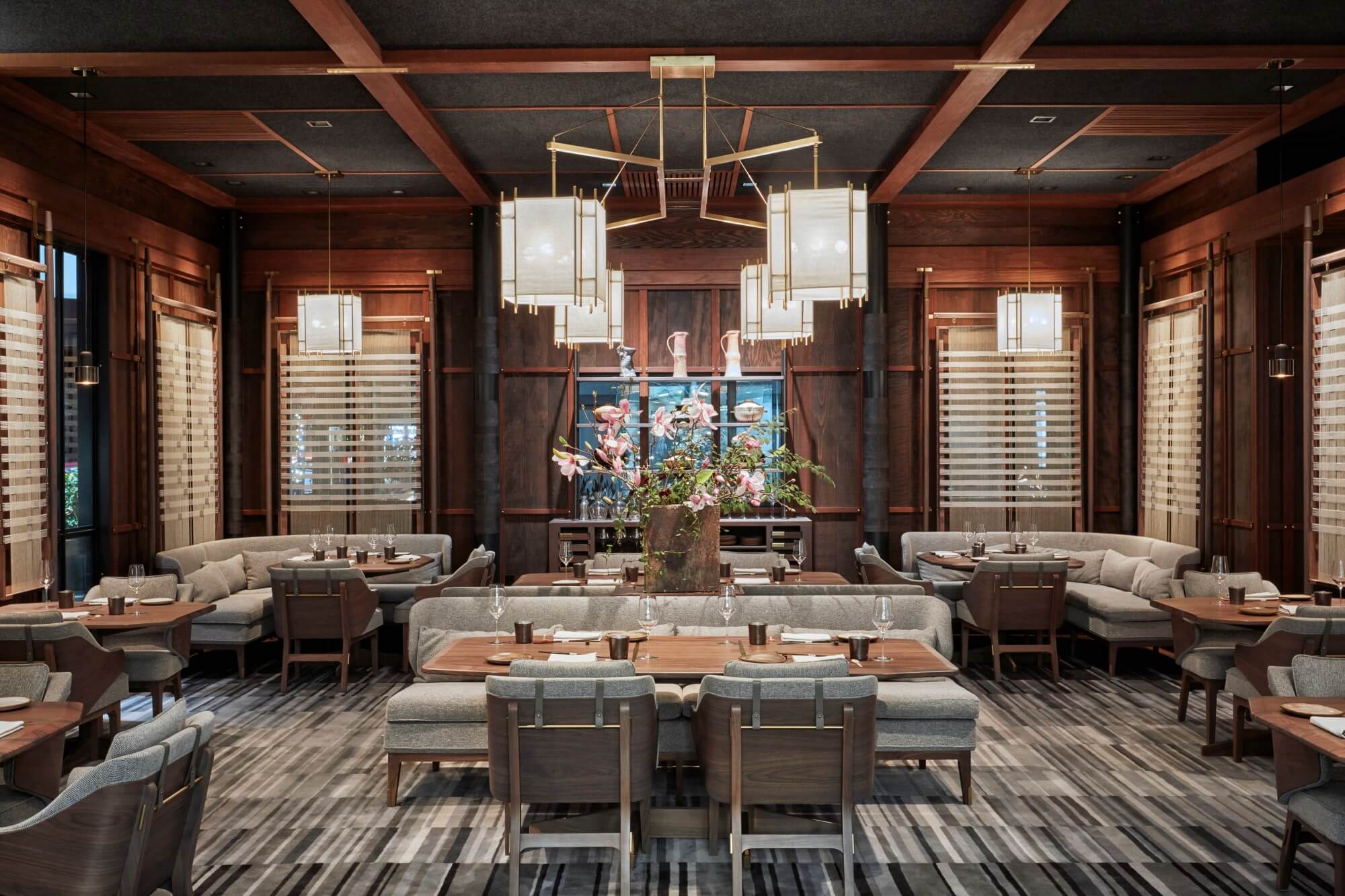
Japanese-influenced Californian Kaiseki
Single Thread Farm
Healdsburg, United States
★★★ · 50 Best
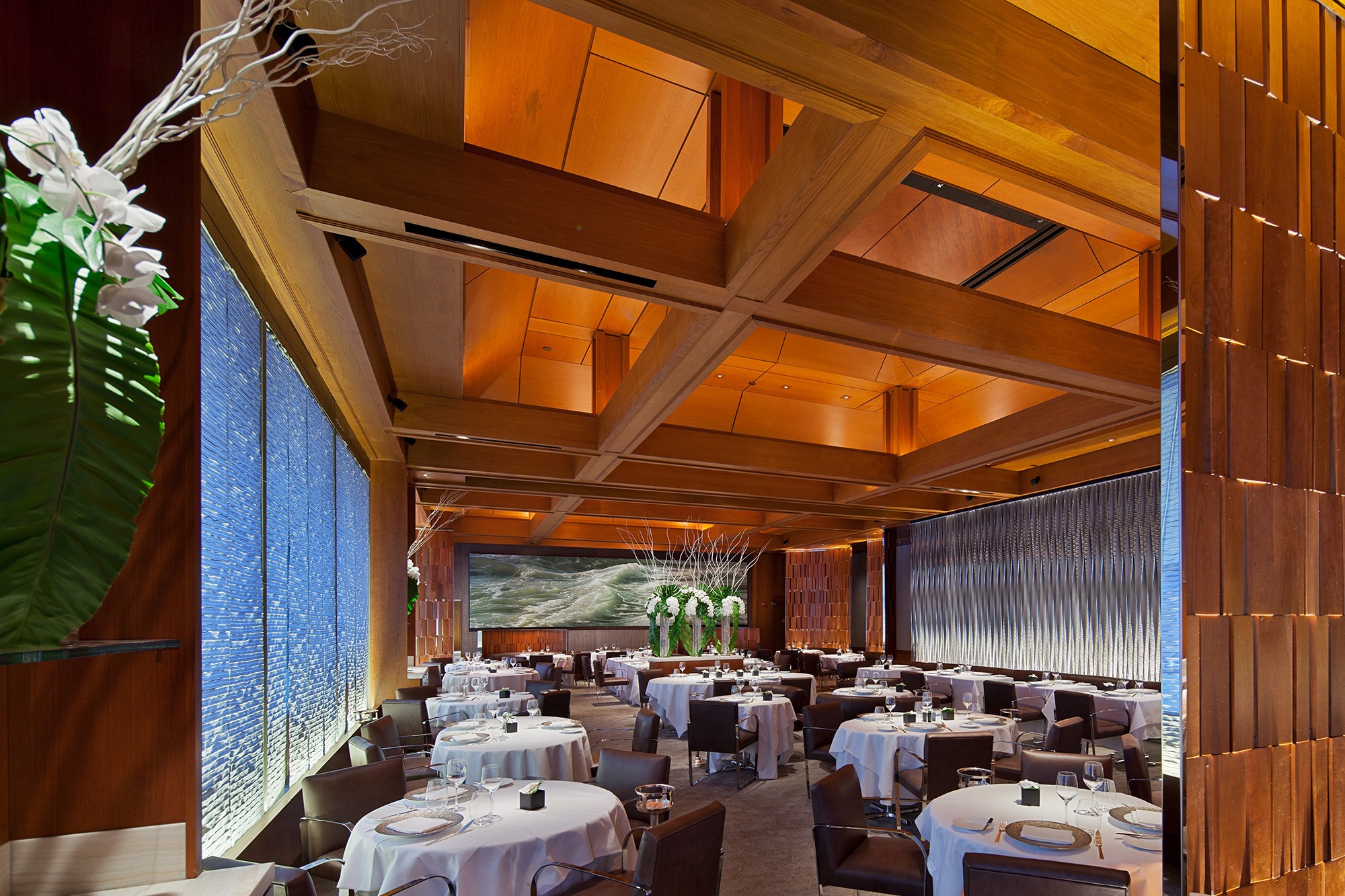
French Seafood Fine Dining
Le Bernardin
New York City, United States
★★★ · 50 Best
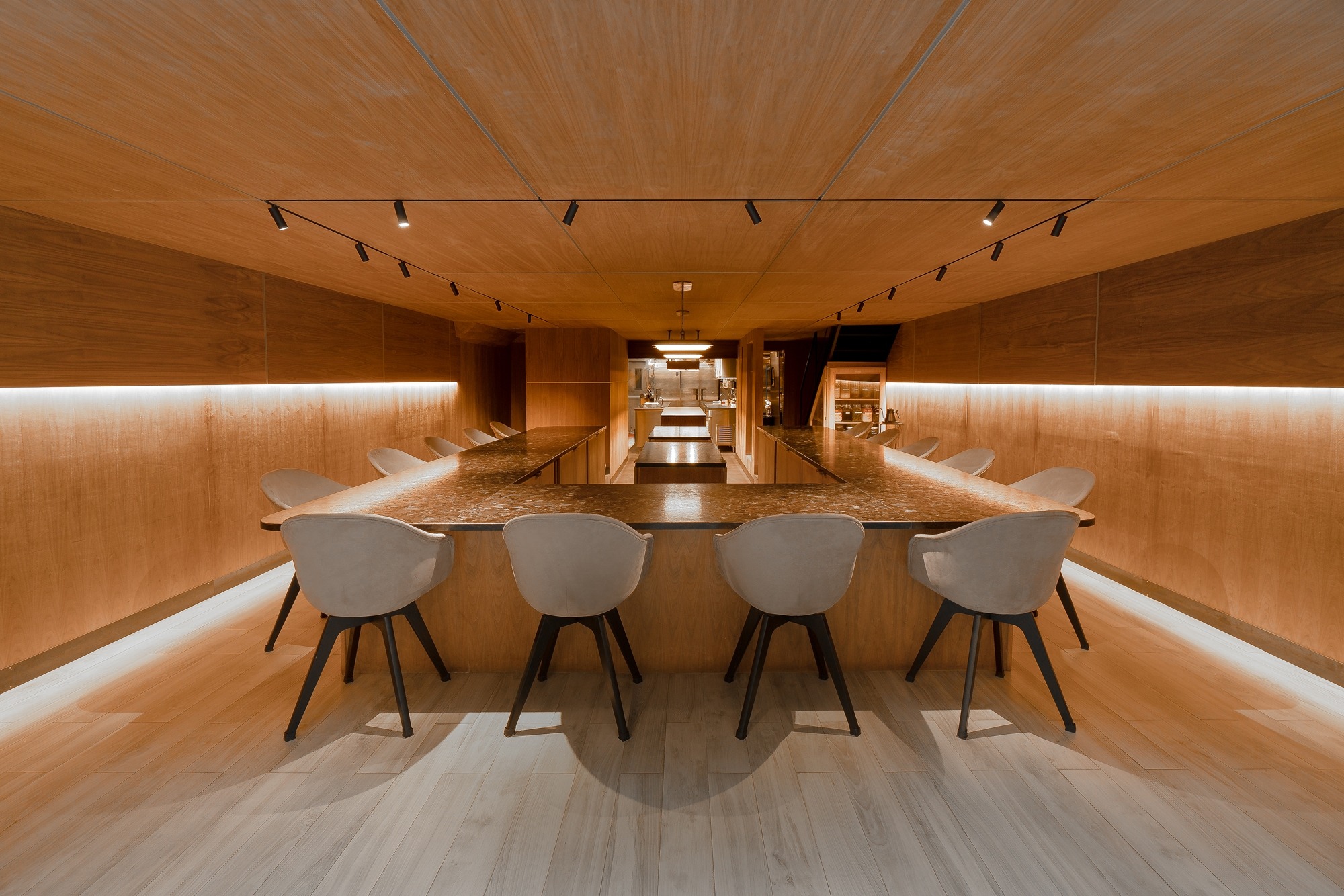
Modern Korean Tasting Menu
Atomix
New York City, United States
★★ · 50 Best
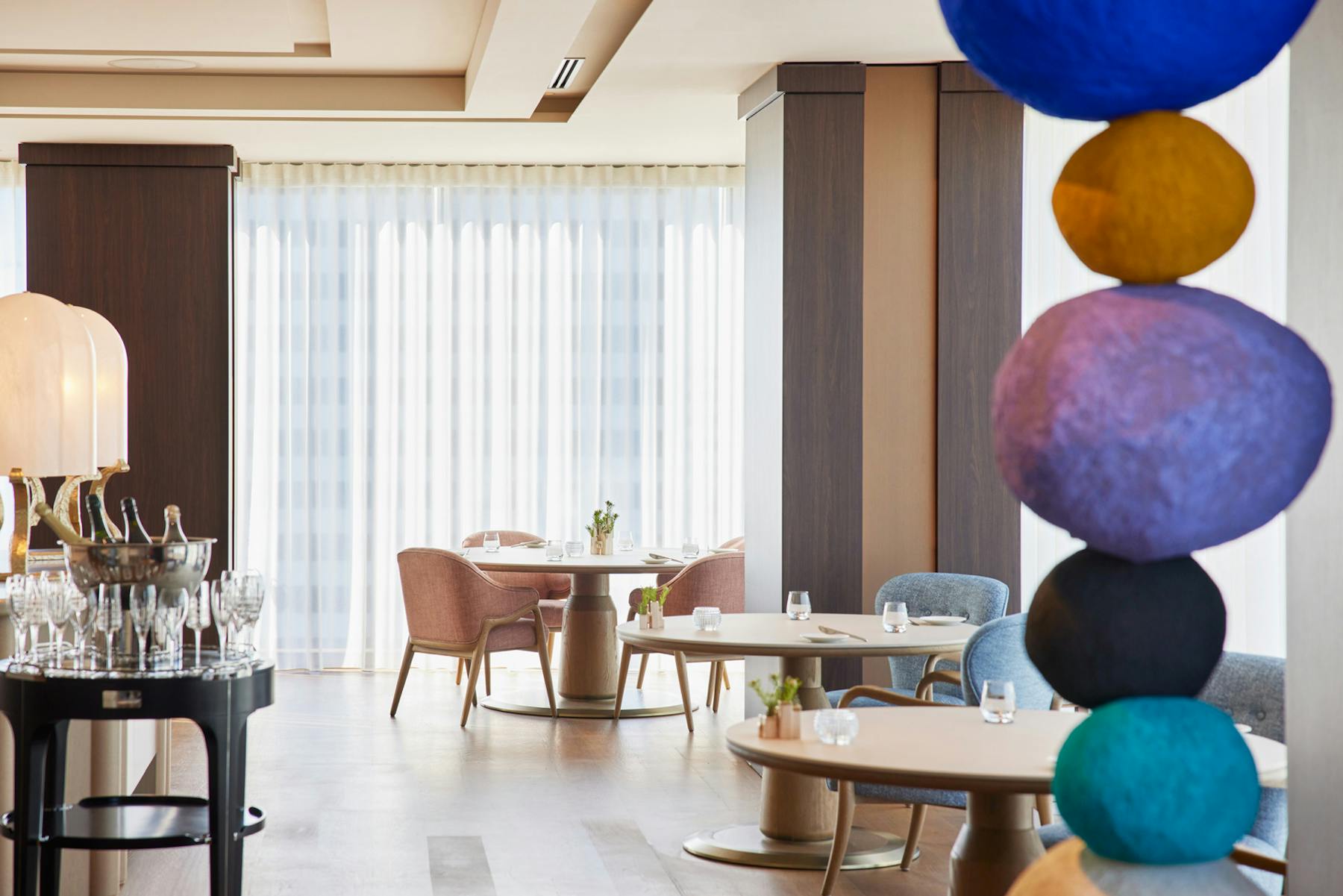
French
Sézanne
Tokyo, Japan
★★★ · 50 Best
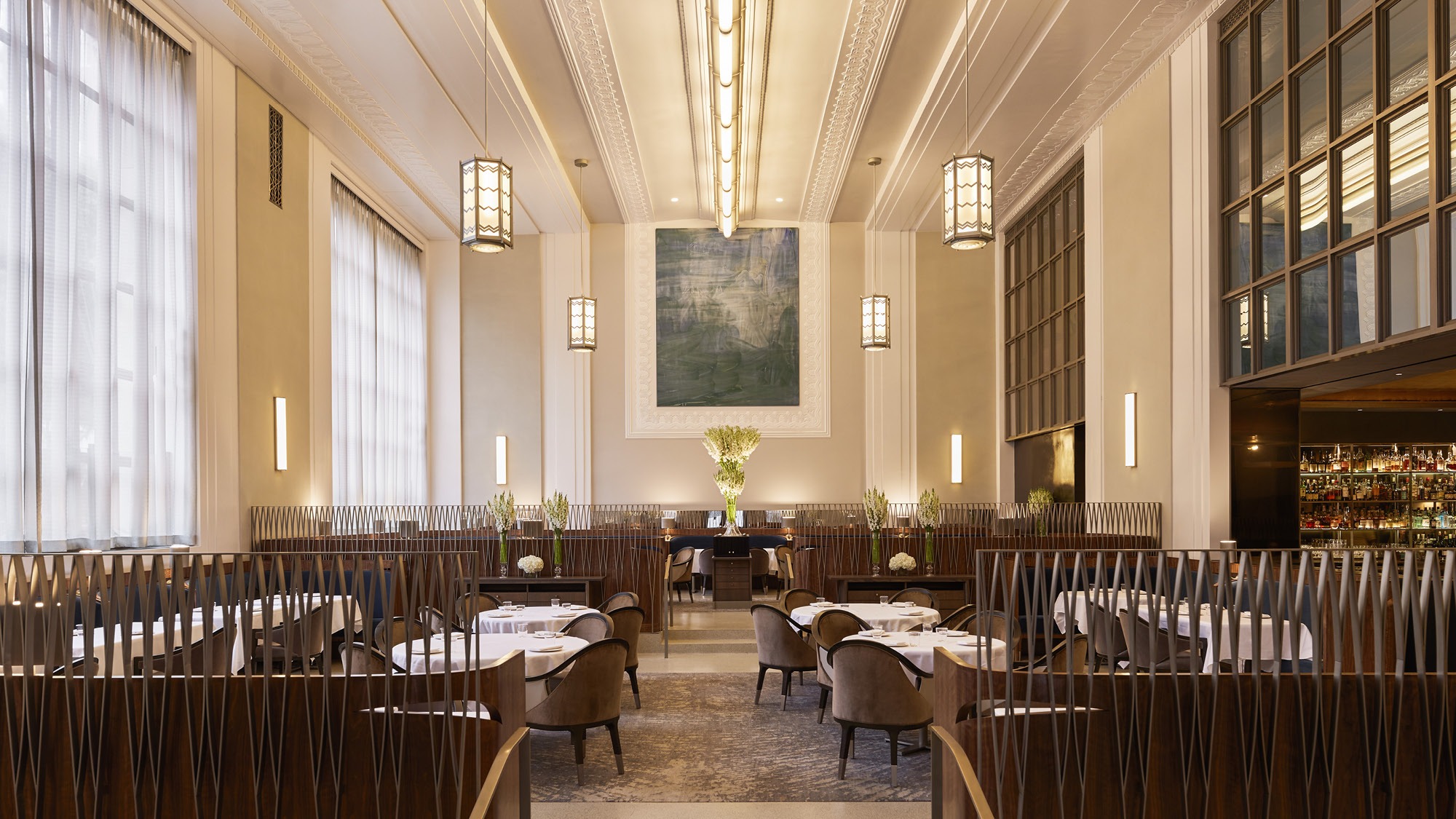
Contemporary Plant-Based Fine Dining
Eleven Madison Park
New York City, United States
★★★ · 50 Best