Sierra de Toloño
- 01CityVillabuena De Alava, Spain

- Falstaff Winery - 4 Stars · 2026
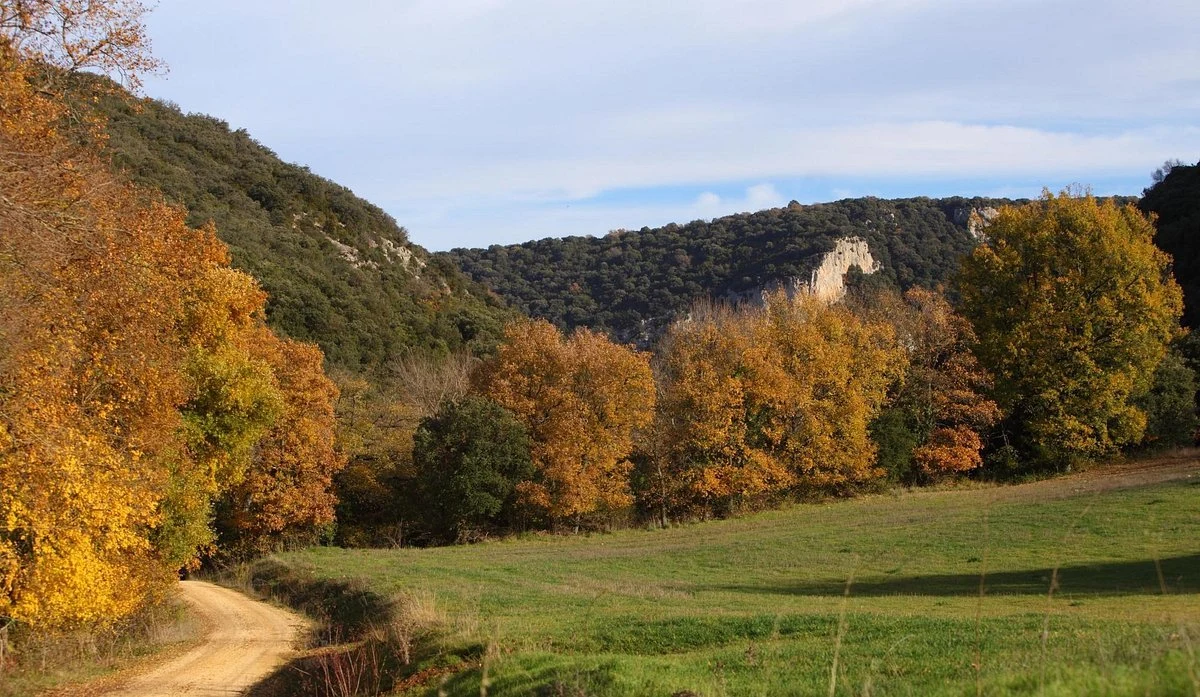
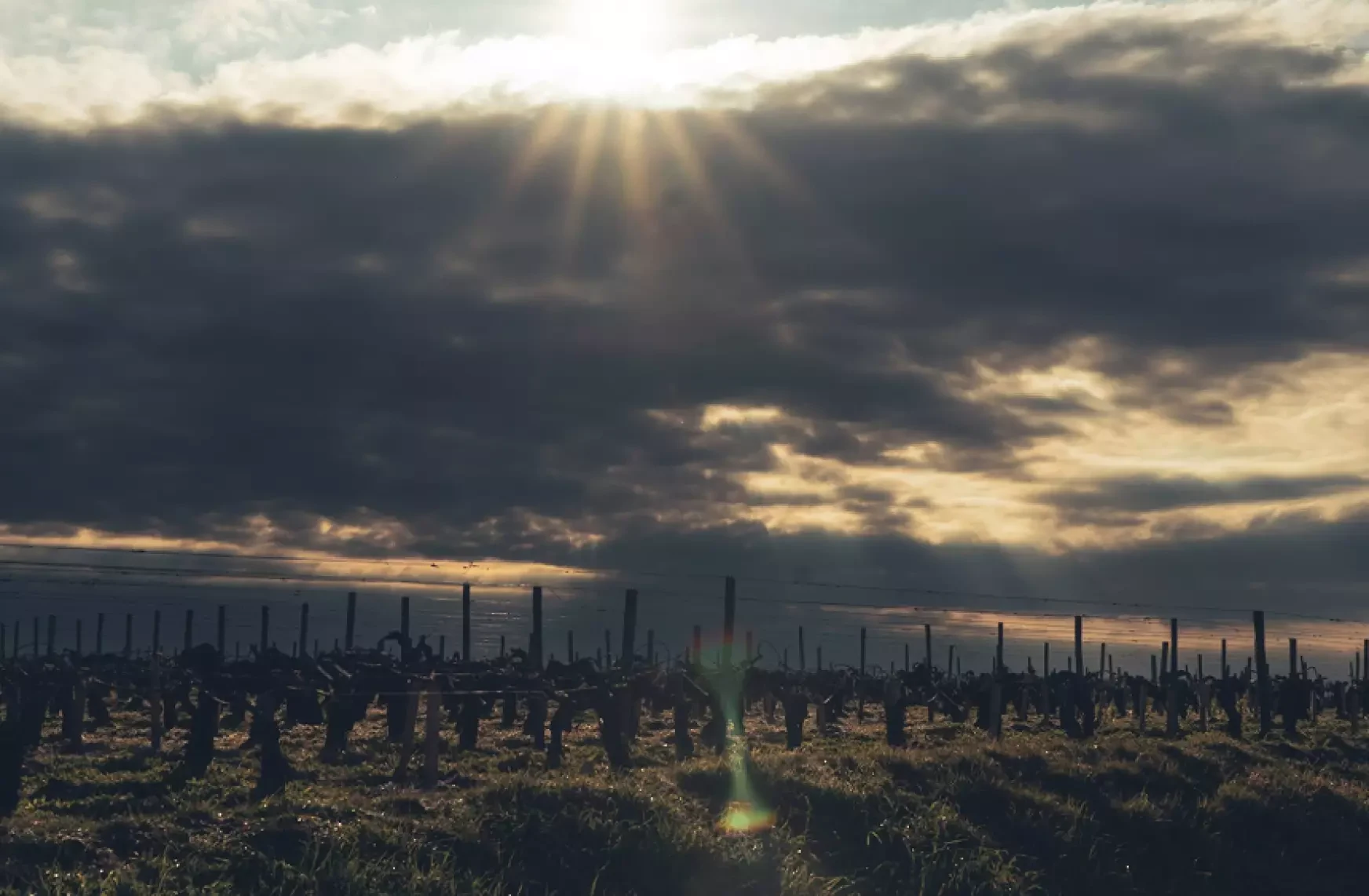
Approaching Rioja Alavesa through its hill towns, the drama is not urban polish but exposure: vineyards pushed into limestone, wind moving off the Sierra de Toloño range, and villages built close to the working land. That physical setting explains the modern shift taking place in this corner of Rioja. The region long carried a reputation for oak-framed reds, yet a smaller group of producers now argues for altitude, parcel identity and restraint. Sierra de Toloño belongs firmly to that camp.
The winery’s center of gravity is Villabuena de Álava, but the story is broader than a village address. This is Rioja DOCa seen through high sites, old vines and a micro-bodega scale rather than a large-cellar model. Sandra Bravo, who returned to Rioja in 2012 after studies in engineering and enology and work across Bordeaux, Tuscany, New Zealand, California and Priorat, gives the project its technical spine. The point is not biography for its own sake; it is why the wines read as modern without abandoning Rioja Alavesa’s limestone and mountain logic.
High-altitude Rioja without the heavy oak signature
Rioja’s premium identity has often been built around time in barrel, brand hierarchy and cellar tradition. Here, the emphasis moves toward vineyard material: calcareous soils, a constant northern exposure, Mediterranean herbs in the surrounding land and fruit from small plots. Vineyards around Rivas de Tereso reach 650 meters.
The cellar language follows the same argument. Steel, amphorae and old wood are used as neutral tools rather than as a stylistic stamp. That places the wines closer to the contemporary Rioja Alavesa conversation around freshness, mineral line and modest extraction than to the broader, oak-dominant image many drinkers still associate with the appellation. The range covers still red, white and rosé, with Tempranillo, Garnacha, Viura, Graciano, Malvasía and Calagraño among the relevant varieties. Named bottlings such as Rioja Blanco, Rioja Tinto, La Dula Garnacha de Altura, Villabuena Raposo, Caminos de Santa Cruz and Nahikun show a portfolio built in layers, from regional expression to more place-specific wines.
The 2024 Rioja offers the clearest market signal: a Tempranillo at 13.5% alcohol, described with violet, raspberry, redcurrant, plum, slate-like minerality and chalky tannin, with drinking potential through 2029. That profile is useful because it confirms the house direction in concrete terms: medium body, bright fruit, mineral grip and structure without obvious oak weight.
Biodynamic farming gives the wines their contemporary edge
In current Rioja, sustainability claims can be vague. The stronger signal here is Demeter biodynamic certification attached to the 2024 Rioja, along with dry farming, native-yeast fermentation, in-house compost and vine treatments, wastewater handling, lightweight bottles and cover crops between alternate rows. Those details matter because they turn minimal intervention from a slogan into a set of practices visible in both vineyard and cellar.
Dry farming is especially relevant in Rioja Alavesa, where water stress and altitude shape ripening. Cover crops and spontaneous native plants point to a living vineyard floor rather than a manicured estate image. In the glass, that farming story aligns with the wine’s stated tension: red fruit, mineral texture and chalky structure rather than sweetness or polish. Sierra de Toloño is not chasing hospitality spectacle; its identity is production-led, small, quiet and educational in tone.
Critical recognition has come through wine-specific scoring rather than broad awards theater. Recent references include 2023 Rioja Tinto at VM 93 and WA 91+, 2023 La Dula Garnacha de Altura at JG 91+ and TA 96, 2021 Villabuena Raposo at WA 90 and WS 91, and 2022 Caminos de Santa Cruz at TA 92, WA 92+ and WS 93. The pattern is more useful than any single score: several wines across the range have attracted attention, which suggests consistency rather than a solitary praised bottle.
Where it fits in a Villabuena wine itinerary
Villabuena de Álava rewards visitors who care about contrasts within a small wine town. For a broader look at the local wine scene, use Our full Villabuena De Alava wineries guide, then compare the village’s more classical and contemporary addresses through Bodegas de la Marquesa Valserrano and Bodegas Izadi. For the rest of the trip, keep the practical map wider with Our full Villabuena De Alava restaurants guide, Our full Villabuena De Alava hotels guide, Our full Villabuena De Alava bars guide and Our full Villabuena De Alava experiences guide.
For readers building a Spain-and-Europe cellar trail around small producers and serious regional identity, useful onward references include 3 Ases Bodegas y Viñedos in Quintanilla De Arriba, 4Kilos Vinícola in Felanitx, Aalto Bodegas y Vinedos in Quintanilla De Onesimo Valladolid, Abadia de Aribayos in Moraleja Del Vino, Abadía Retuerta in Sardón de Duero, Abel Mendoza Monge in San Vicente de la Sonsierra, »der Steiner« Hans Steiner in Podersdorf am See and & Handwein in Mannheim.
Questions
Frequently asked
How expensive is Sierra de Toloño?
Sierra de Toloño is listed at a price level of $$.
The field
How it compares
| Place | Notes |
|---|---|
| Sierra de Toloño | Villabuena de Álava, $$ |
| Bodegas de la Marquesa Valserrano | Villabuena De Alava |
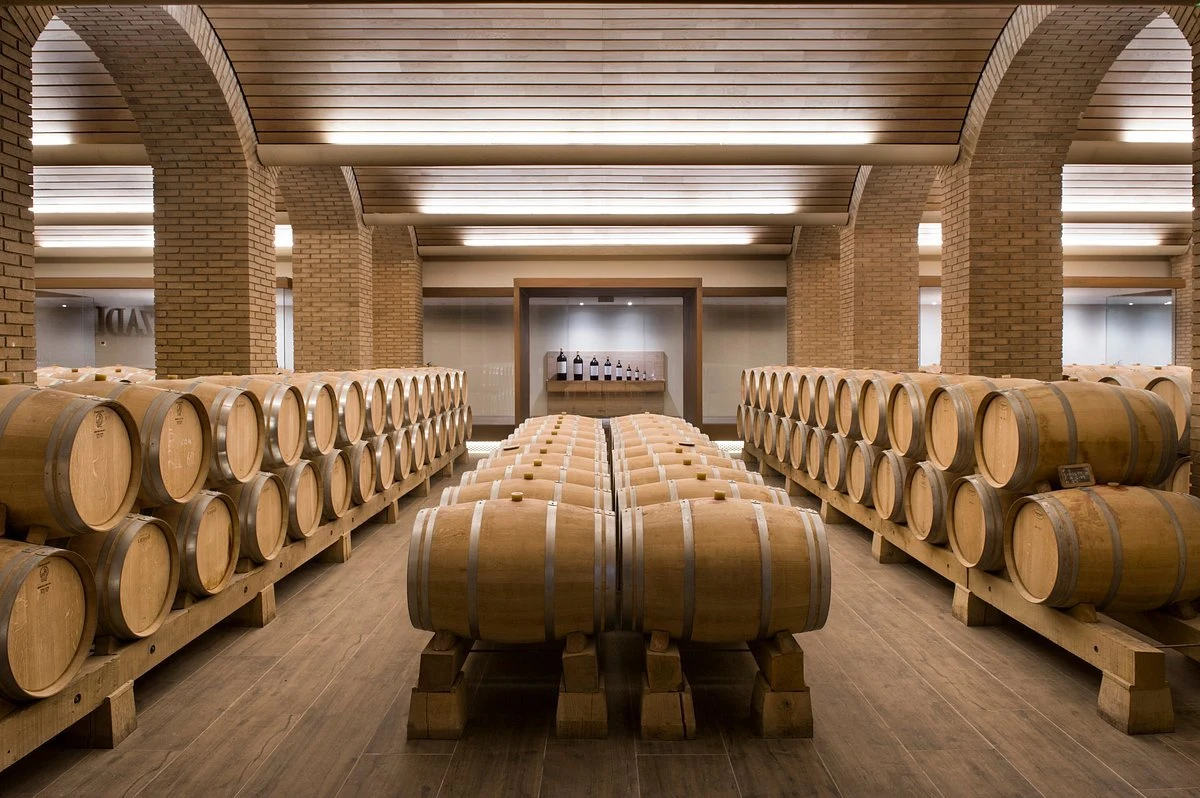
| Bodegas Izadi | Villabuena De Alava |
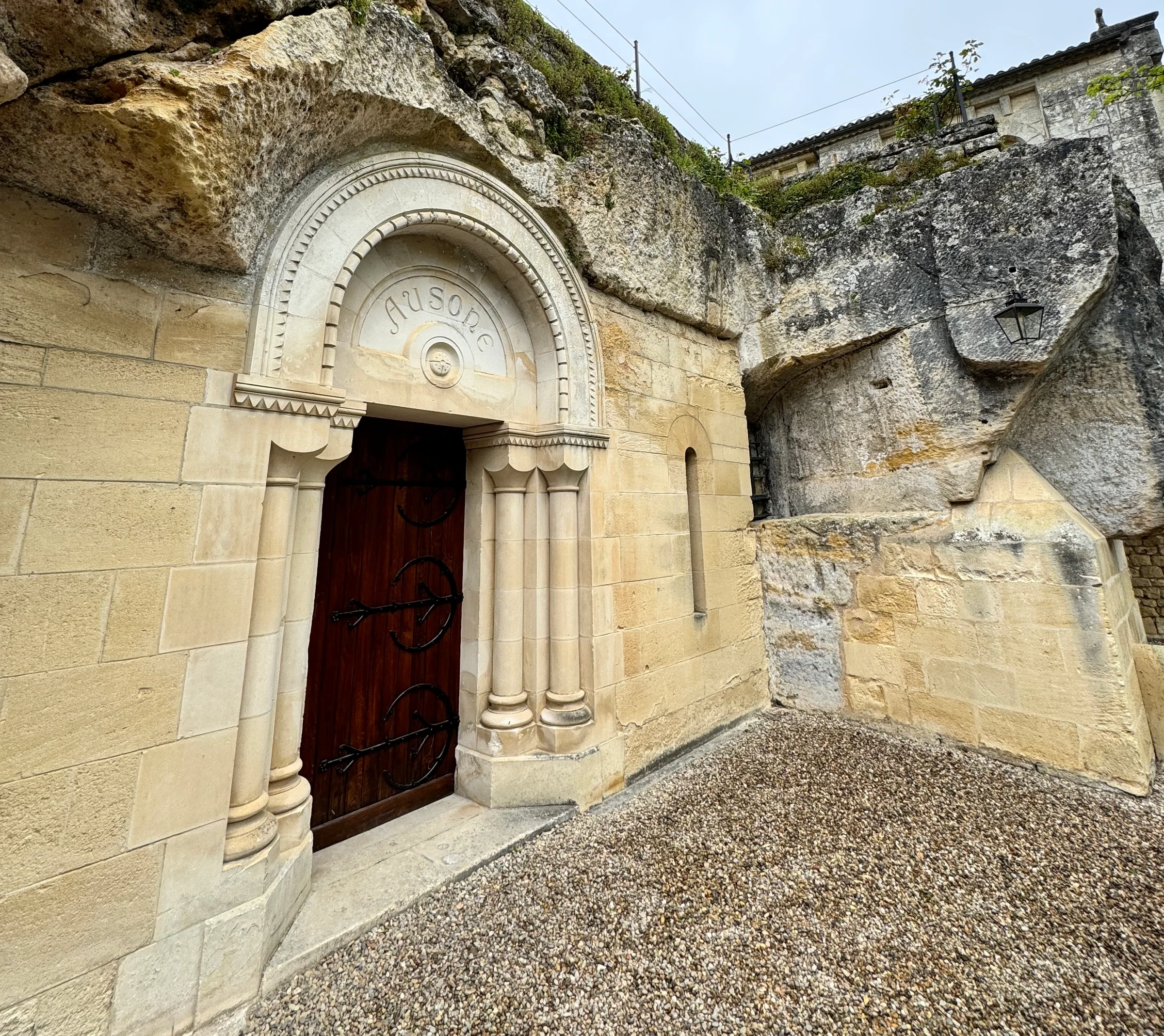
| Chateau Ausone | Saint-Émilion |
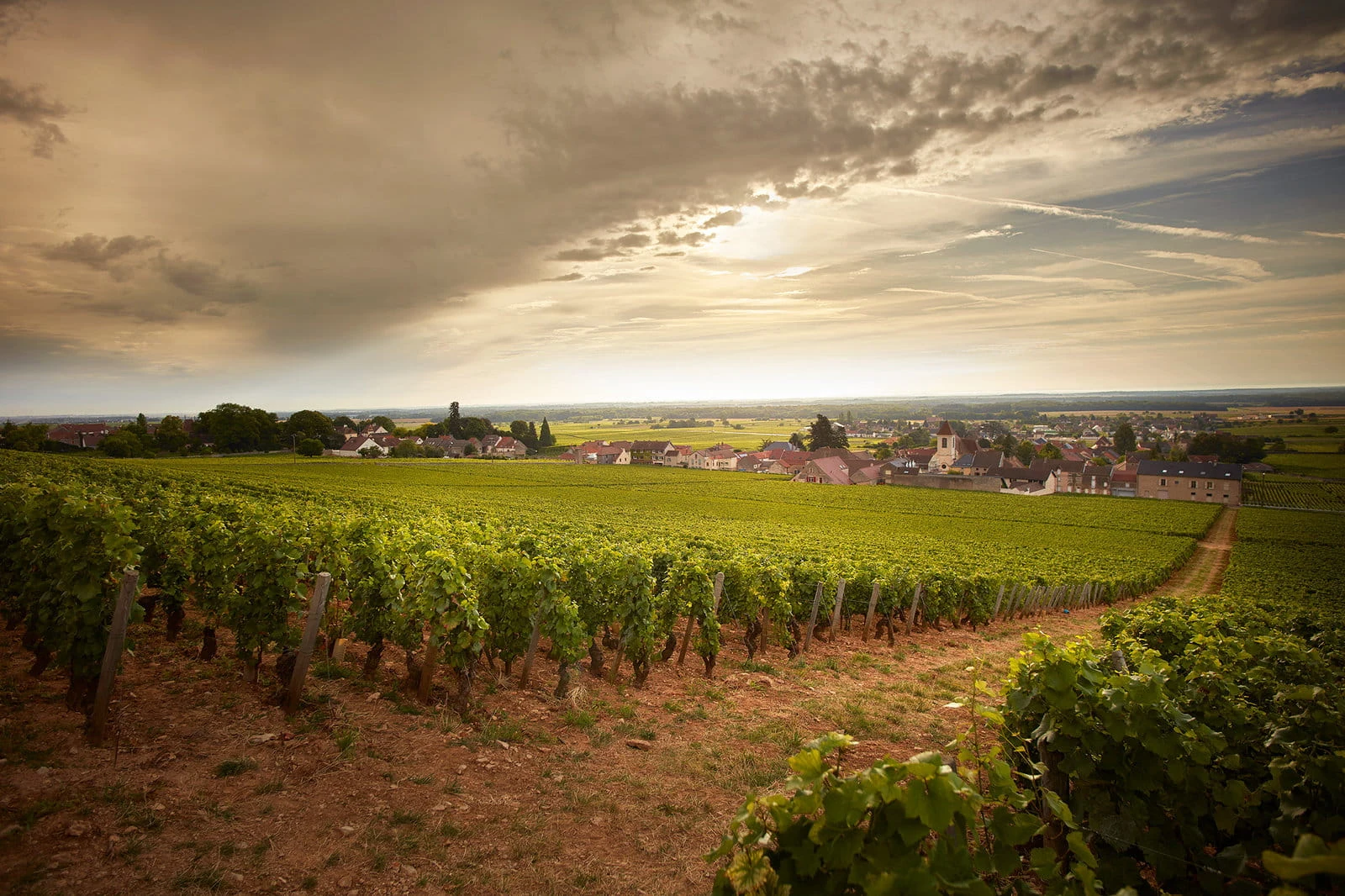
| Domaine du Clos de Tart | Morey-Saint-Denis |
| Domaine Jacques-Frédéric Mugnier | Premeaux-Prissey |
| Domaines Barons de Rothschild (Lafite) | Bordeaux |