Skipstone estate winery
- 01CityGeyserville, United States
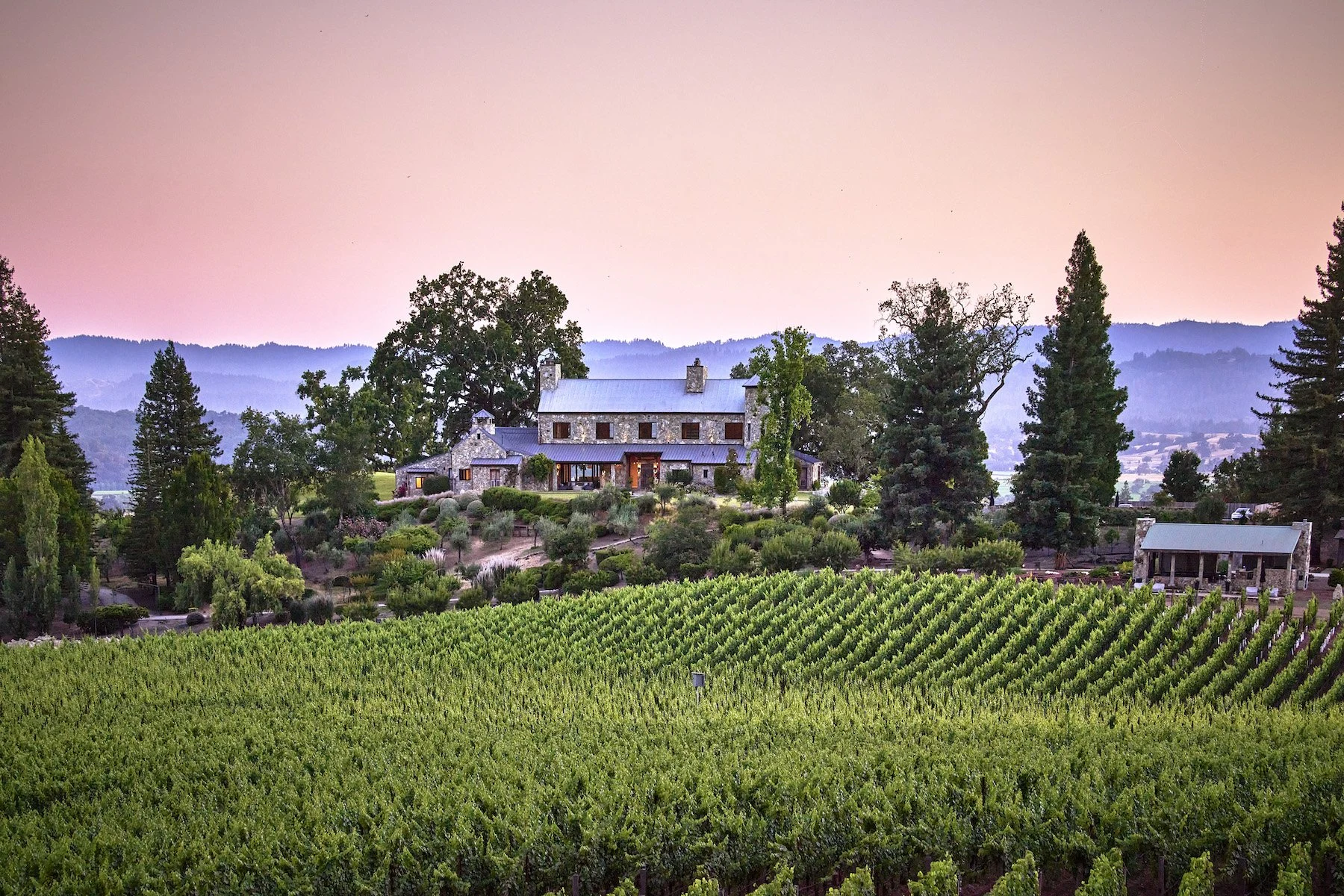
Alexander Valley, Farmed Close
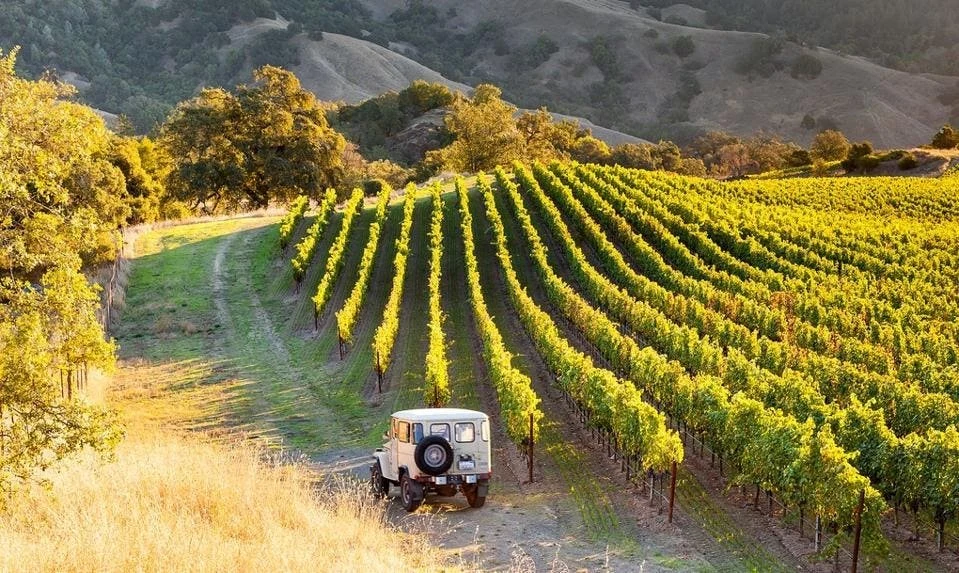
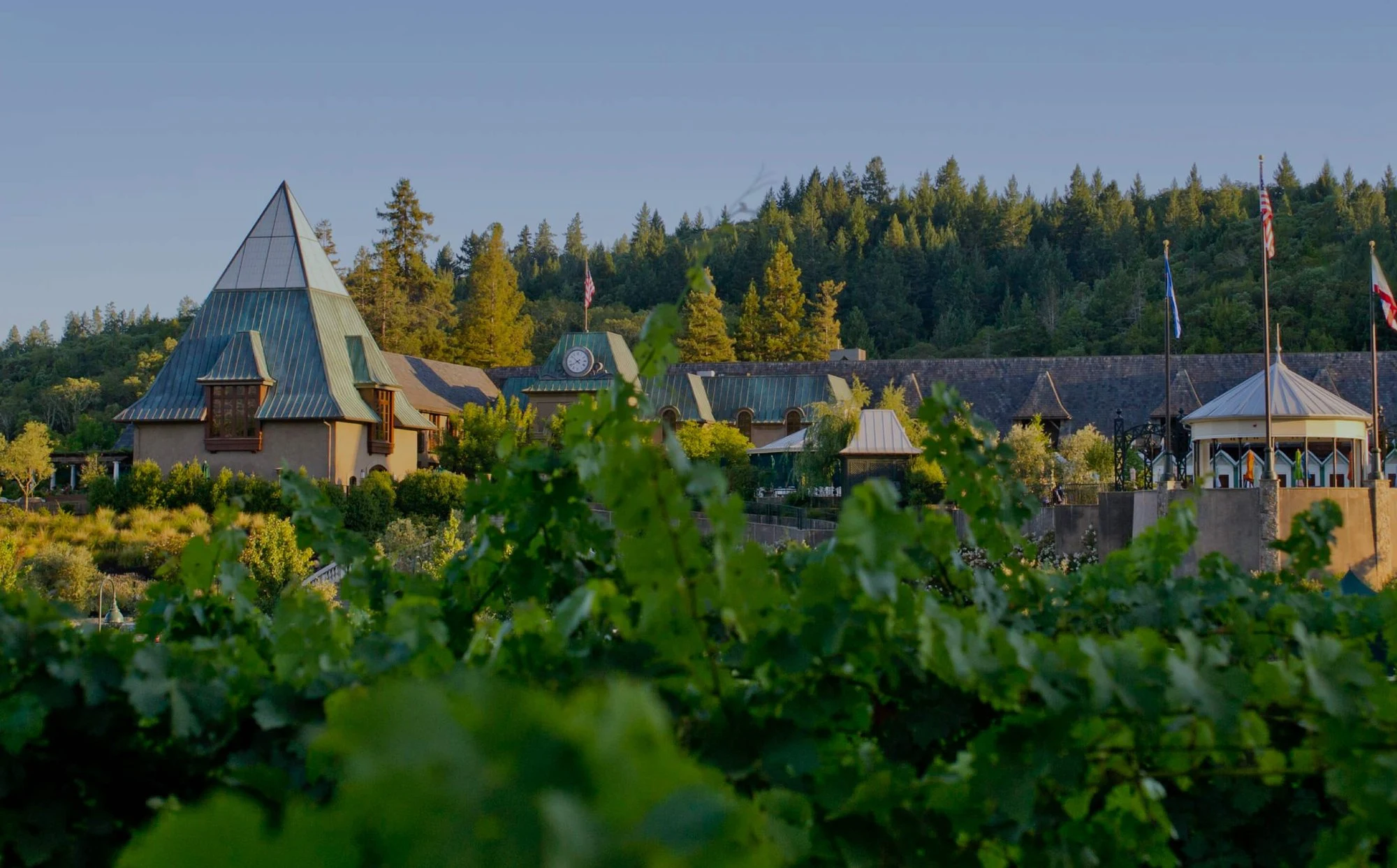
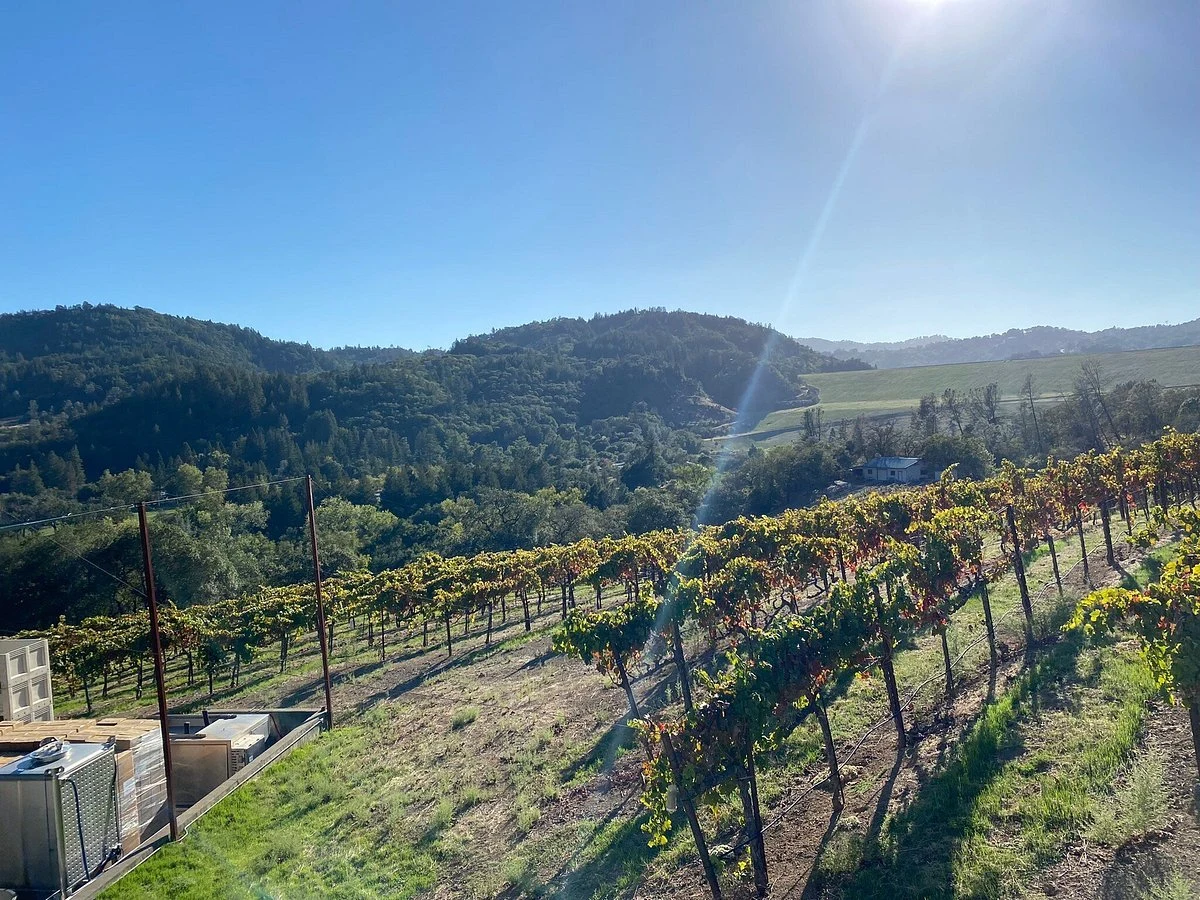
The road into Geyserville's wine country doesn't announce itself loudly. Alexander Valley unfolds at a pace that rewards attention: ridgelines instead of billboards, dry-farmed rows instead of manicured showcase blocks. Within this corridor, Skipstone estate winery operates by appointment only, with access controlled and farming decisions deliberate, and the wines function as a document of a specific piece of ground rather than a brand statement. That framing matters here, because the Alexander Valley conversation has often been dominated by larger, better-known names. Producers like Silver Oak Cellars (Alexander Valley) and Francis Ford Coppola Winery carry far greater visitor volume and marketing reach. Skipstone operates in a different register entirely.
What Regenerative Viticulture Actually Looks Like in Practice
California's wine country is in the middle of a genuine reckoning with how land is farmed. The shift from conventional to organic, and from organic toward biodynamic and regenerative frameworks, is not uniform across the region. At the estate tier, where the vineyard is the product rather than a sourcing point, farming philosophy carries particular weight. Skipstone's approach sits within this movement, prioritizing soil health and minimal chemical intervention as foundational to how the estate expresses itself in the glass. This is a meaningful distinction in Alexander Valley, where warm growing conditions and fertile soils can tempt producers toward higher yields and heavier extraction.
Regenerative viticulture, at its most rigorous, involves cover cropping to build organic matter, reduced or eliminated synthetic inputs, attention to water cycles, and the integration of biodiversity into the farming system. The goal is a vineyard ecosystem that maintains its own equilibrium over time rather than requiring constant chemical correction. Estates that commit to this path typically accept lower yields and more vintage variation as the trade-off for soil vitality and long-term site authenticity. For comparison, Adelaida Vineyards in Paso Robles has pursued a comparable path in a similarly warm-climate context, and Adelsheim Vineyard in Newberg has built its Oregon reputation partly around certified sustainable farming. In each case, the farming commitment shapes the wine's character as much as the winemaking does.
Positioning Within Geyserville's Estate Tier
Geyserville sits at the northern reach of Alexander Valley, where the Russian River's influence on the valley floor gives way to hillside sites with different thermal profiles and soil compositions. The wine corridor here includes producers across a wide range of scales and styles. Alexander Valley Vineyards occupies a historic family-estate position with broad distribution. Clos du Bois operates at commercial scale with wide retail presence. Sbragia Family Vineyards leans into small-lot, single-vineyard positioning. Skipstone belongs to the most restricted tier of this group: limited production, appointment-only access.
This model is increasingly common among California estates that want to control the conditions under which their wines are experienced. It concentrates the audience, raises the per-bottle economics, and allows the estate to frame the tasting experience on its own terms. Comparable approaches appear at Accendo Cellars in St. Helena and Alpha Omega Winery in Rutherford, both of which operate within the Napa allocation tier rather than competing on shelf presence. Skipstone's Geyserville address places it in a less saturated market than Napa Valley proper, which may work in its favor for visitors seeking estate experiences without the scheduling compression of peak Napa season.
The Case for Low-Intervention Winemaking in a Warm-Climate Context
Alexander Valley's reputation rests primarily on Cabernet Sauvignon, which performs consistently here given the warm days and cool nights that concentrate fruit while preserving acid structure. The question for estates pursuing low-intervention approaches is whether restraint-led winemaking can coexist with the physiological ripeness that Alexander Valley tends to produce. Producers who have answered that question affirmatively, across California and further afield, generally do so through early harvesting decisions, native fermentation, minimal new oak, and extended but gentle élevage. The result is wines that read as place-driven rather than winemaker-driven, which is precisely what the estate model requires to justify its price tier. Alban Vineyards in Arroyo Grande and Andrew Murray Vineyards in Los Olivos have each demonstrated that warm-climate Rhône varieties can carry a restraint-led identity when the farming and cellar approach are aligned. The same logic applies to Alexander Valley Cabernet at the estate tier.
When to Go and How to Approach It
The Alexander Valley corridor is most accessible between late spring and early autumn, with harvest season from August through October bringing the added dimension of active farming activity visible across the valley. Appointment-only estates like Skipstone typically have narrower booking windows than larger tasting-room operations, and visits during harvest can be subject to availability constraints as the team focuses on the cellar. For planning purposes, reaching out well ahead of any intended visit, particularly for weekend appointments between May and October, is advisable.
Artesa Vineyards and Winery in Napa occupies a different tier but demonstrates the range of estate experience formats available in Northern California.
Questions
Frequently asked
How expensive is Skipstone estate winery?
Skipstone estate winery is listed at a price level of $$$$.
The field
How it compares
| Place | Notes |
|---|---|
| Skipstone estate winery | Alexander Valley, $$$$ |
| Alexander Valley Vineyards | Geyserville |
| Francis Ford Coppola Winery | Geyserville |
| Sbragia Family Vineyards | Geyserville |
| Silver Oak Cellars (Alexander Valley) | Geyserville |
| Trentadue Winery | Geyserville |
| Trione Vineyards & Winery | Geyserville |
Similar places
Alexander Valley Vineyards
Geyserville, United States
Francis Ford Coppola Winery
Geyserville, United States
Sbragia Family Vineyards
Geyserville, United States
Silver Oak Cellars (Alexander Valley)
Geyserville, United States
Trentadue Winery
Geyserville, United States
Trione Vineyards & Winery
Geyserville, United States