Chef in Residence
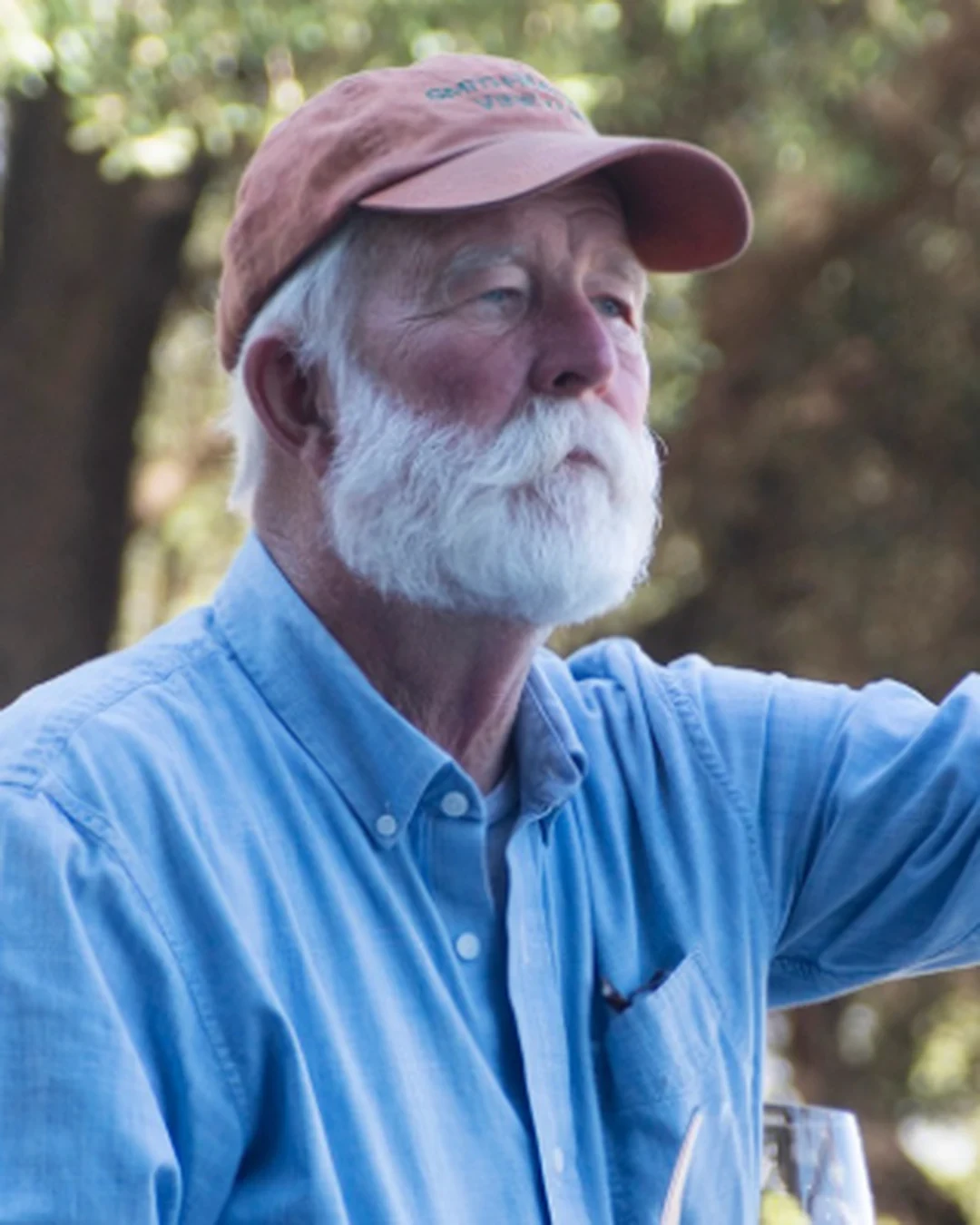
Charles F. Smith III
Winemaker

Smith-Madrone Vineyards & Winery sits on Spring Mountain above St. Helena, earning a Pearl 2 Star Prestige rating in 2025. The property occupies mountain-grown vineyard terrain that separates it from valley-floor peers in both elevation and style. Visitors looking for Spring Mountain Cabernet and estate whites alongside serious production credentials will find Smith-Madrone operating at the upper tier of the appellation's smaller, appointment-driven producers.
<h2>Spring Mountain and the Producers Who Stayed Small</h2><p>Napa Valley's reputation is built almost entirely on valley-floor Cabernet, but the mountain appellations tell a different story. Spring Mountain, Howell Mountain, and Diamond Mountain collectively represent a sub-culture within Napa: higher elevation, thinner soils, cooler temperatures during the growing season, and wineries that tend toward smaller production and appointment-only access. Smith-Madrone Vineyards & Winery is a winery in St. Helena, California. Smith-Madrone Vineyards & Winery, at 4022 Spring Mountain Rd in St. Helena, sits within that sub-culture. It is not competing with the large-format tasting estates on Highway 29. Its comparable set is the cluster of elevation-focused, estate-driven producers who have held their ground on the hillsides while the valley below consolidated into a different kind of business.</p><p>The 2025 Pearl 2 Star Prestige award places Smith-Madrone in a recognized tier of California producers, one step below the leading prestige ceiling but firmly above the undifferentiated majority. In a region where awards carry real signaling weight, a 2 Star Prestige designation marks the winery as a property worth planning around, not simply stopping by.</p><h2>Arriving on Spring Mountain</h2><p>Spring Mountain Road climbs steeply from St. Helena's valley floor into forested terrain, and the transition is immediate. Within a few minutes of leaving the flatlands, the light changes, the temperature drops slightly, and the road narrows. Wineries up here do not announce themselves with grand gates or sculpted entry drives in the way that some Highway 29 estates do. The arrival at Smith-Madrone reflects Spring Mountain's general character: agricultural, considered, and oriented toward the vineyard rather than the visitor facility.</p><p>That physical setting matters when thinking about how visits here differ from valley-floor tastings. Daytime appointments on Spring Mountain carry a working-farm quality that evening events at larger, more theatrical estates do not. The light is different in the morning hours, the views over the valley open gradually as you move through the property, and the whole experience reads as an encounter with a place that produces wine first and receives guests second. That ordering is not a slight; it is, for a certain kind of wine traveler, exactly the point.</p><h2>The Lunch vs. Afternoon Divide on the Mountain</h2><p>Because Smith-Madrone and its Spring Mountain neighbors operate predominantly by appointment, the conventional lunch-versus-dinner framing that applies to restaurant visits translates here into a morning-versus-afternoon tasting question. Early appointments on mountain properties tend to catch cooler temperatures and, in practical terms, a quieter atmosphere before any other visitors have arrived. Palates are also generally fresher earlier in the day, which matters when the wines themselves are structured and age-worthy rather than designed for immediate hedonic impact.</p><p>Afternoon slots, by contrast, arrive with more warmth in the air and, if you have been visiting other properties across the day, a palate that has already done some work. For serious engagement with a producer like Smith-Madrone, where the wines reward attention rather than casual sipping, morning timing makes a material difference. This is a broadly applicable principle across Spring Mountain's appointment-driven producers, from smaller estates to the more recognized names like <a href="https://www.enprimeurclub.com/wineries/chappellet-winery-st-helena-winery">Chappellet Winery</a>, which also sits above the valley floor with similar rhythms of visitor access.</p><p>The valley floor offers its own temporal logic. A lunchtime visit to properties like <a href="https://www.enprimeurclub.com/wineries/charles-krug">Charles Krug</a> or <a href="https://www.enprimeurclub.com/wineries/accendo-cellars">Accendo Cellars</a> fits naturally into a structured day of St. Helena dining and tasting. Mountain appointments require more deliberate scheduling, and Smith-Madrone's position on Spring Mountain places it in itinerary terms as a destination rather than a drop-in.</p><h2>Where Smith-Madrone Sits in the St. Helena Producer Landscape</h2><p>St. Helena contains a wide range of Napa producers, from large-format commercial operations to small allocation-only estates. The town itself, and the mountain sub-appellations above it, are well documented in the broader St. Helena landscape. Within that broader field, Smith-Madrone occupies the mountain-estate tier alongside producers like <a href="https://www.enprimeurclub.com/wineries/dana-estates-st-helena-winery">Dana Estates</a> and <a href="https://www.enprimeurclub.com/wineries/brand-napa-valley">Brand Napa Valley</a>, all of which share a profile of limited production, refined terroir, and a visitor experience shaped by the constraints and qualities of hillside viticulture.</p><p>The 2025 Pearl 2 Star Prestige recognition positions Smith-Madrone clearly within the upper mid-tier of this peer group, signaling production quality and critical attention without the volume or profile of the valley's most commercially prominent names. For comparison, producers at the lower end of the prestige spectrum in Napa tend to compete primarily on price and accessibility; those in the 2 Star and above tier are competing on terroir expression, winemaking precision, and the specificity of the visitor experience. Smith-Madrone's elevation-grown estate credentials align it with that second group.</p><h2>California's Mountain Appellation Context</h2><p>Spring Mountain is one of several California mountain appellations where the argument for elevation-grown fruit has been made consistently over decades. The cooler nights at altitude slow ripening and preserve acidity, producing wines with more structural tension than the plush, sun-saturated profile associated with the warmest valley-floor sites. This is not a recent discovery; it is the reason producers chose these hillsides in the first place.</p><p>The same logic applies across California's diverse wine geography. <a href="https://www.enprimeurclub.com/wineries/adelaida-vineyards">Adelaida Vineyards in Paso Robles</a> works with comparable elevation-driven cool-climate conditions on the westside of that appellation. <a href="https://www.enprimeurclub.com/wineries/alban-vineyards">Alban Vineyards in Arroyo Grande</a> represents a different regional expression, using coastal influence rather than altitude to achieve structural complexity. Further north, <a href="https://www.enprimeurclub.com/wineries/adelsheim-vineyard-newberg-winery">Adelsheim Vineyard in Newberg</a> demonstrates how Oregon's Willamette Valley producers approach the same tension between ripeness and acidity from an entirely different climate base.</p><p>Smith-Madrone's position on Spring Mountain places it squarely within this broader California mountain tradition, and the 2025 prestige recognition confirms it is being evaluated at that level rather than as a generic Napa producer.</p><h2>Within Napa's Wider Award-Recognized Field</h2><p>Across Napa, the range of Pearl-recognized producers is wide. <a href="https://www.enprimeurclub.com/wineries/alpha-omega-winery-rutherford-winery">Alpha Omega Winery in Rutherford</a> operates from a very different profile, a warmer valley sub-appellation with broader visitor infrastructure. <a href="https://www.enprimeurclub.com/wineries/artesa-vineyards-and-winery">Artesa Vineyards and Winery in Napa</a> brings a Spanish-owned production scale and architecture-forward visitor experience that contrasts sharply with Spring Mountain's working-estate character. These are not lesser or greater producers; they are simply operating in a different register, and understanding those registers helps calibrate expectations before booking.</p><p>For visitors who want to extend beyond California altogether, the prestige tier extends into other wine regions internationally. <a href="https://www.enprimeurclub.com/wineries/alexander-valley-vineyards-geyserville-winery">Alexander Valley Vineyards in Geyserville</a> and <a href="https://www.enprimeurclub.com/wineries/andrew-murray-vineyards">Andrew Murray Vineyards in Los Olivos</a> represent California's warmer interior appellations, while <a href="https://www.enprimeurclub.com/wineries/achaia-clauss-patras-winery">Achaia Clauss in Patras</a> and <a href="https://www.enprimeurclub.com/wineries/aberlour-aberlour-winery">Aberlour in Aberlour</a> point toward how prestige-tier production reads across entirely different wine and spirits traditions.</p><h2>Planning a Visit</h2><p>Smith-Madrone is an appointment-driven property on a mountain road that requires a vehicle; there is no practical public transit option to Spring Mountain Road from St. Helena. Visitors should factor in the drive time from town, which is short in distance but slower in pace given the road's gradient and width. Advance contact is advisable for appointments. The winery's address at 4022 Spring Mountain Rd serves as the navigation anchor;</p><p>For a well-constructed Spring Mountain day, pairing a morning appointment at Smith-Madrone with an afternoon visit to a valley-floor producer offers a direct comparison between elevation and flatland expression in the same appellation. That contrast is one of the more instructive experiences available to wine travelers in Napa, and it is most clearly read when the mountain visit comes first.</p>
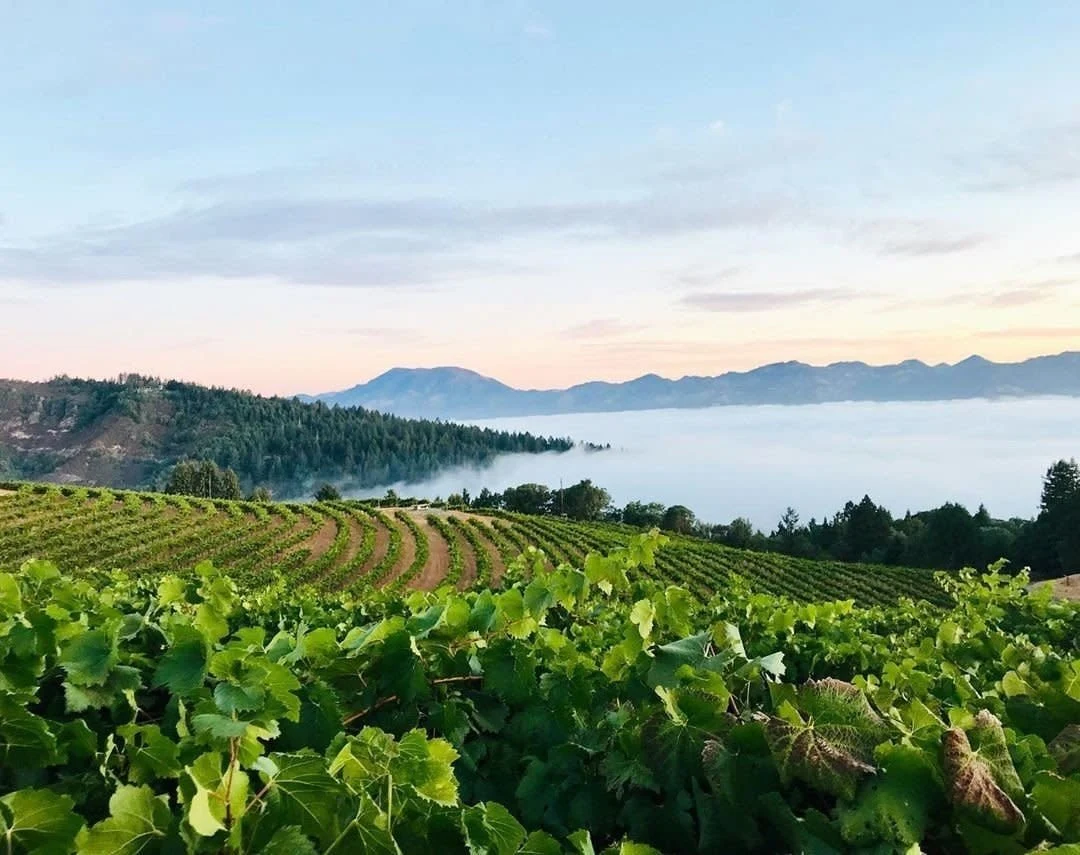
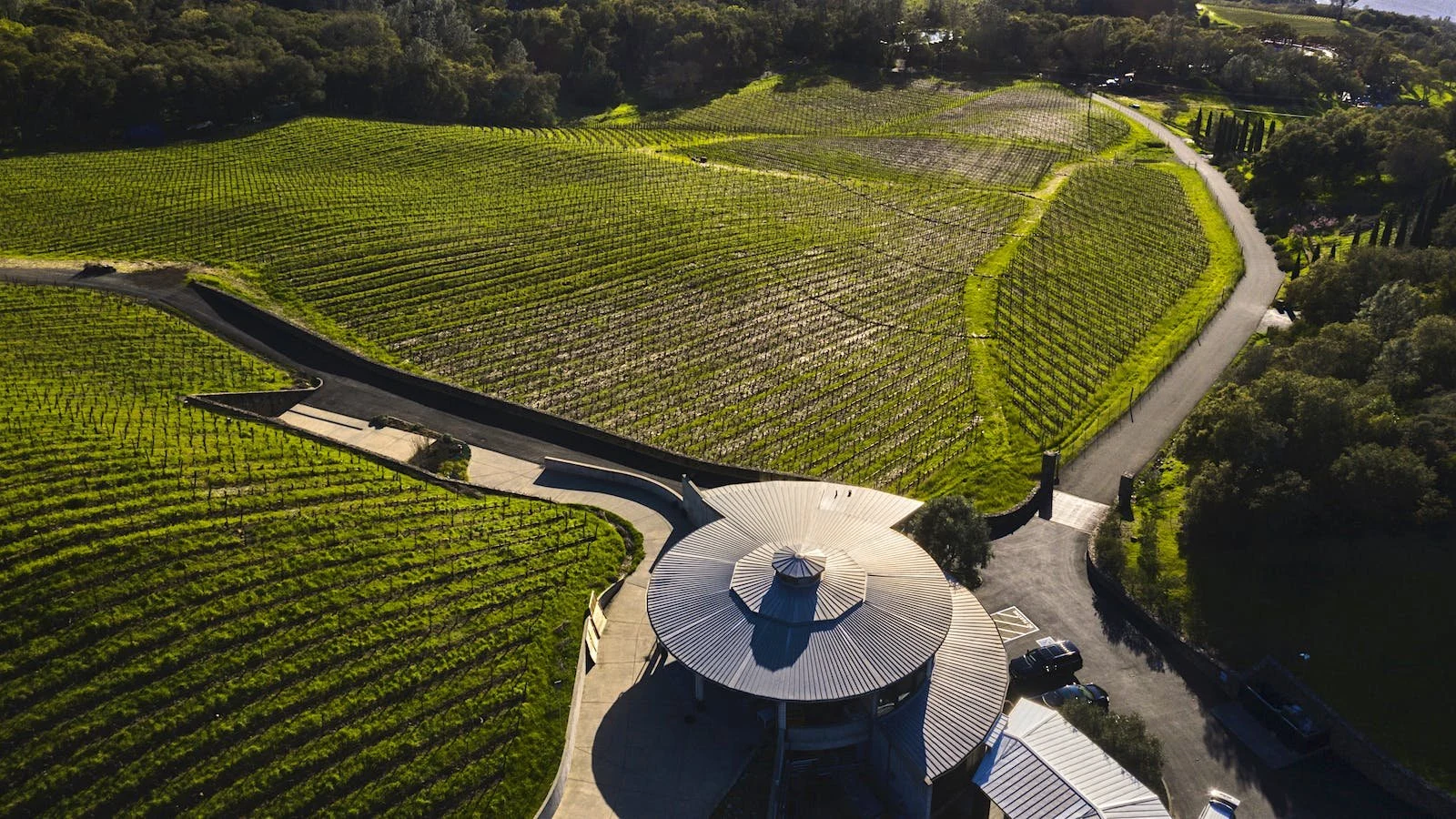
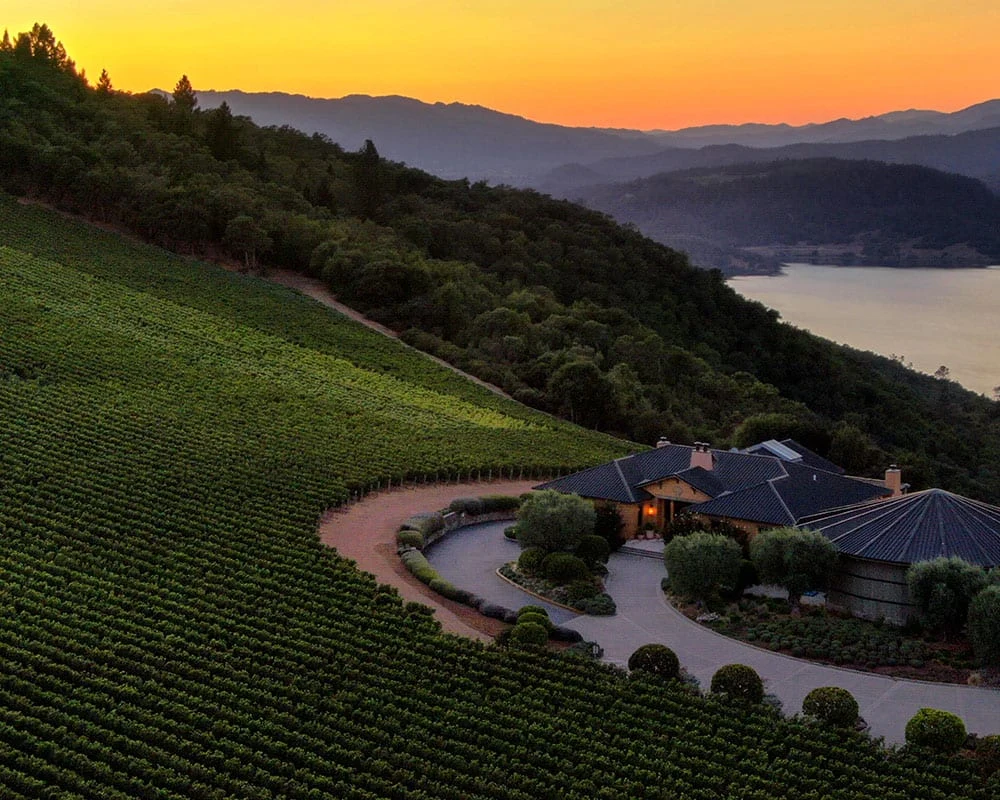
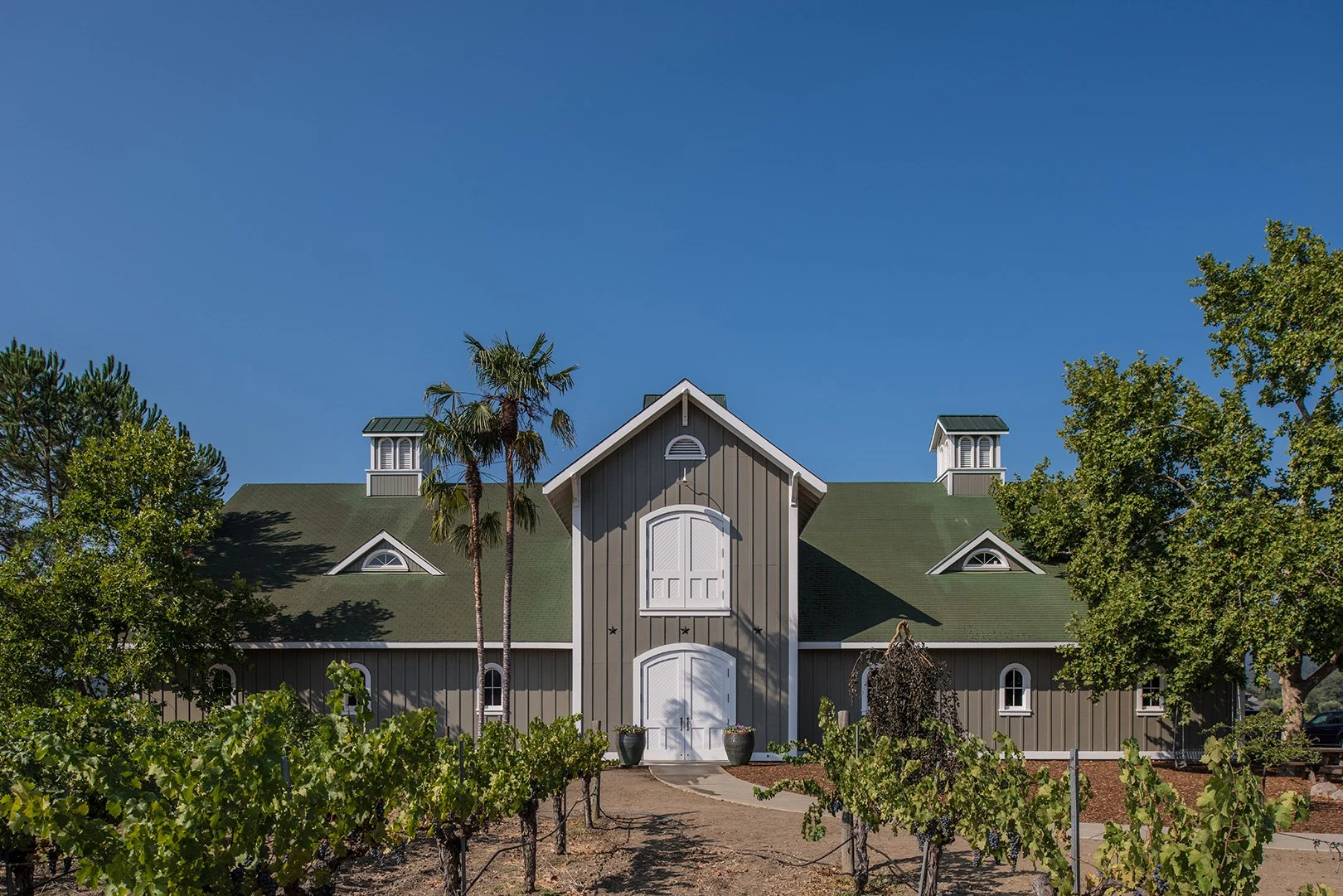
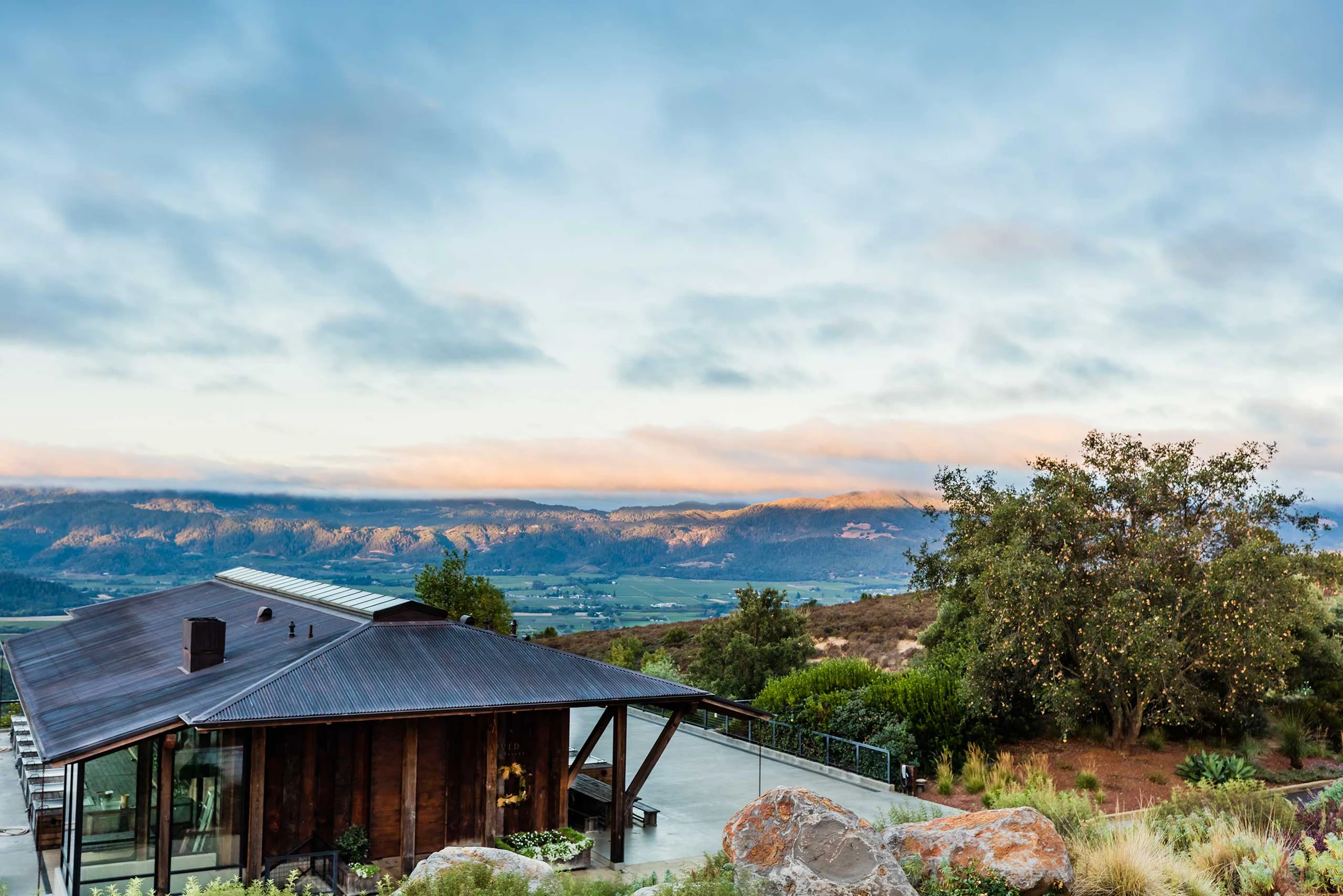
Smith-Madrone sits on Spring Mountain Road above St. Helena, one of Napa's recognized mountain sub-appellations. The property is an agricultural estate in forested terrain, accessed by a steep mountain road that requires a vehicle. Visits are by appointment, which means the experience is closer to a working vineyard encounter than a tasting room drop-in. The winery holds Pearl 2 Star Prestige recognition (2025), placing it among Napa's more formally acknowledged small producers.
Smith-Madrone Vineyards & Winery has received recognition including: Pearl 2 Star Prestige (2025).
Spring Mountain's elevation and cooler diurnal swings have historically favored structured Cabernet Sauvignon with longer aging potential than many valley-floor counterparts, making estate Cabernet the logical priority for a first visit. The appellation also has a track record with white varieties, particularly Chardonnay and Riesling, which benefit from the same temperature variation. Confirm current release availability directly with the winery when booking your appointment at 4022 Spring Mountain Rd, St. Helena.
Smith-Madrone Vineyards & Winery is located at 4022 Spring Mountain Rd, St Helena, CA 94574, St. Helena.
4022 Spring Mountain Rd, St Helena, CA 94574
Spring Mountain District
Smith-Madrone Vineyards & Winery