Made ByRestaurant
Soba Totto
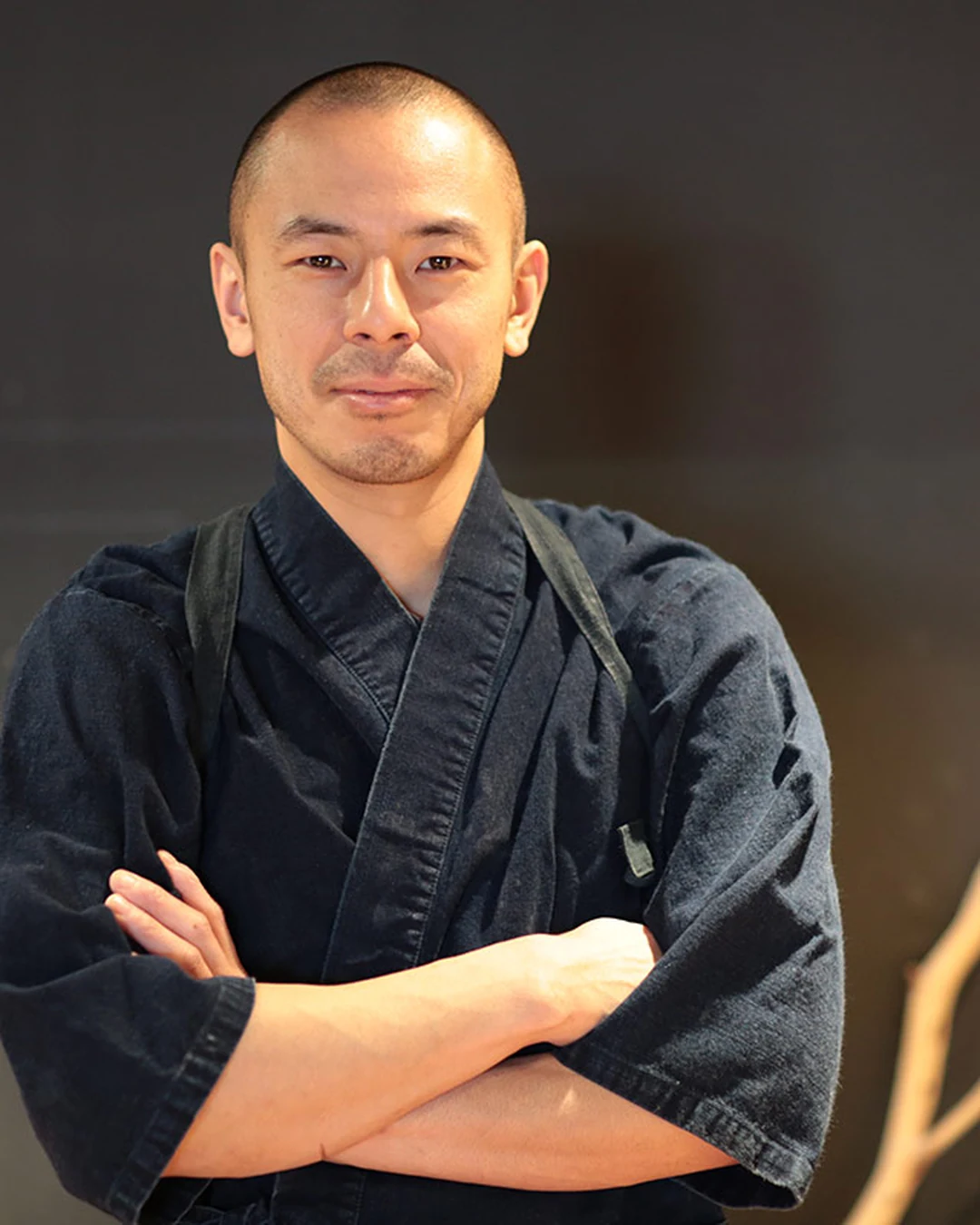
Chef in Residence
Shuichi Kotani
Chef
- 01CuisineTraditional Japanese Soba & Yakitori Izakaya
- 02CityNew York City, United States
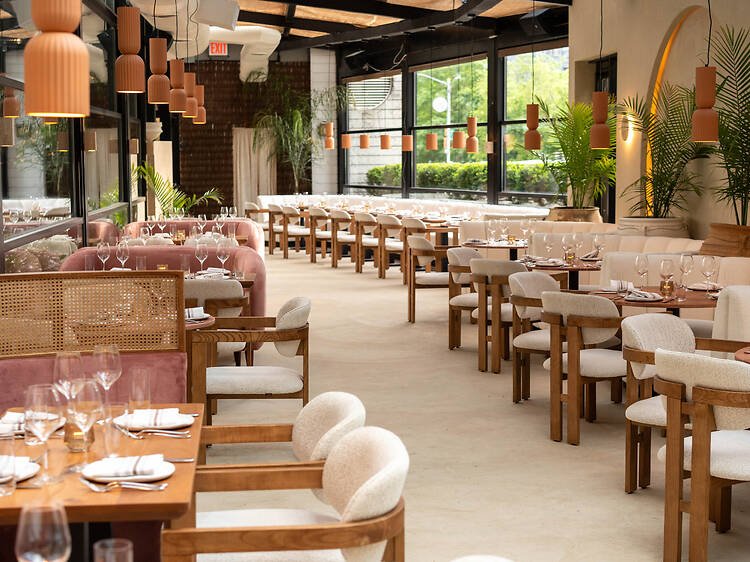
A Midtown fixture for hand-cut soba and yakitori, Soba Totto has held a Michelin Plate and Opinionated About Dining recognition through 2025, placing it among New York's most consistent Japanese casual dining addresses. Located on East 43rd Street, it draws a lunch crowd from the surrounding office corridors and a more deliberate dinner set seeking craft-forward Japanese cooking at a price point well below the city's omakase tier.
At a glance
- Cuisine
- Traditional Japanese Soba & Yakitori Izakaya
- Price
- $$
- Per person
- $20
- Hours
- Mon: 12–2:30 PM, 5–10:30 PM; Tue: 12–2:30 PM, 5–10:30 PM; Wed: 12–2:30 PM, 5–10:30 PM; Thu: 12–2:30 PM, 5–10:30 PM; Fri: 12–2:30 PM, 5–10:30 PM; Sat: 5–10 PM; Sun: 5–10 PM
- Neighborhood
- Midtown East
- Rating
- 4.4 (965)
<h2>Soba in the Shadow of Grand Central: The Case for Craft at the $$ Level</h2><p>New York's Japanese restaurant scene has bifurcated sharply over the past decade. At one end, omakase counters at venues like <a href="https://www.enprimeurclub.com/restaurants/noda-new-york-city-restaurant">Noda</a> and <a href="https://www.enprimeurclub.com/restaurants/tsukimi-new-york-city-restaurant">Tsukimi</a> push well past the $300-per-head threshold, operating in a category defined by scarcity, reservation difficulty, and theatrical presentation. At the other, a smaller tier of craft-oriented casual restaurants holds ground on technique and sourcing without the ceremony. Soba Totto is a New York restaurant at 211 E 43rd St serving Traditional Japanese Soba & Yakitori Izakaya at the $$ level.</p><p>The restaurant's dual identity as a soba house and yakitori bar suits a particular strain of Japanese casual dining. In Tokyo, soba specialists and yakitori-ya typically occupy entirely separate categories, each with its own rituals and competitive hierarchies. The pairing here reflects an adaptation that has become characteristic of mid-tier Japanese dining in New York, one kitchen, two distinct craft traditions, and a menu that rewards a certain sequencing if you know what to order and when.</p><h2>The Arc of the Meal: How the Menu Unfolds</h2><p>The logic of eating well at Soba Totto is a progression rather than a single-dish decision. Japanese casual dining in this register is at its most coherent when approached the way a Japanese diner might approach a multi-stop evening: small shared plates to open, a protein sequence in the middle, and the soba as a closing act rather than an anchor.</p><p>Yakitori in its more considered forms, as opposed to the fast-grilled convenience versions found across Japanese train station corridors, demands attention to the coal temperature, the cut of the bird, and the balance between tare-glazed and salted preparations. A table that works through a yakitori sequence before landing on soba is eating in a way that mirrors the meal's internal architecture. The soba, freshly made and served either chilled with dipping broth or hot in a clear dashi, functions as a palate resolution: clean, direct, and a deliberate contrast to the fat and smoke of grilled proteins.</p><p>This sequencing matters because it changes how you evaluate the restaurant. Judged as a soba shop alone, Soba Totto competes in a narrower category. Judged as an evening's progression from grill to noodle, it sits in a more interesting comparable set alongside izakaya-format Japanese restaurants that have multiplied in New York over the past fifteen years. That format is well-represented across the city, from the more casual end of the spectrum at <a href="https://www.enprimeurclub.com/restaurants/blue-ribbon-sushi-izakaya-new-york-city-restaurant">Blue Ribbon Sushi Izakaya</a> to the tighter, more conceptual execution at <a href="https://www.enprimeurclub.com/restaurants/chikarashi-new-york-city-restaurant">Chikarashi</a>.</p><h2>What the Award Record Actually Signals</h2><p>Soba Totto carries a Michelin Plate for both 2024 and 2025, a designation that signals consistent kitchen quality without the tasting-menu ambition required for star consideration. Its trajectory on Opinionated About Dining's Casual North America list is worth reading carefully: Recommended in 2023, ranked #400 in 2024, and climbing to #320 in 2025. That upward movement in OAD's crowd-sourced but editorially curated rankings suggests a restaurant gaining traction with a community of engaged diners rather than coasting on earlier recognition.</p><p>For context, the restaurants that dominate OAD's upper tiers in New York include places operating at price points two to three times higher, including ambitious multi-course formats. Soba Totto's position at #320 in the casual category places it in a competitive set of restaurants that punch above their price point, a characteristic that OAD's methodology tends to reward. The 4.3 Google rating across 834 reviews reinforces consistency over time rather than a single moment of viral attention.</p><p></p><table><thead><tr><th>Venue</th><th>Cuisine Focus</th><th>Price Range</th><th>Michelin Recognition</th><th>OAD 2025</th></tr></thead><tbody><tr><td>Soba Totto</td><td>Soba, Yakitori</td><td>$$</td><td>Plate (2025)</td><td>#320 Casual</td></tr><tr><td><a href="https://www.enprimeurclub.com/restaurants/tsukimi-new-york-city-restaurant">Tsukimi</a></td><td>Japanese</td><td>$$$$</td><td>, </td><td>, </td></tr><tr><td><a href="https://www.enprimeurclub.com/restaurants/noda-new-york-city-restaurant">Noda</a></td><td>Japanese</td><td>$$$$</td><td>, </td><td>, </td></tr><tr><td><a href="https://www.enprimeurclub.com/restaurants/odo-new-york-city-restaurant">Odo</a></td><td>Japanese</td><td>$$$$</td><td>, </td><td>, </td></tr><tr><td><a href="https://www.enprimeurclub.com/restaurants/blue-ribbon-sushi-izakaya-new-york-city-restaurant">Blue Ribbon Sushi Izakaya</a></td><td>Sushi, Izakaya</td><td>$$$</td><td>, </td><td>, </td></tr></tbody></table><h2>East 43rd Street and the Midtown Casual Problem</h2><p>Midtown Manhattan has a well-documented dining credibility problem. The area's restaurant stock skews toward expense-account steakhouses, tourist-facing chains, and lunch-trade operations that optimize for throughput rather than craft. Against that backdrop, a restaurant holding consecutive Michelin recognition and rising OAD placement at the $$ price point represents something structurally unusual for its zip code.</p><p>The Grand Central corridor attracts a workforce-dense lunch market, and Soba Totto's hours reflect that reality, with lunch Monday through Friday and dinner every day except Sunday. Saturday dinner service without a Saturday lunch suits a quieter evening rhythm.</p><p>For visitors staying in Midtown hotels or attending events at Grand Central-adjacent venues, the restaurant offers a reliable Japanese option at a moderate price point.</p><h2>Placing Soba Totto in a Wider Frame</h2><p>The craft-soba category in New York remains small. Unlike ramen, which has attracted significant investment and concept development, soba has stayed closer to its traditional roots, buckwheat-heavy, technique-dependent, relatively unspectacular in presentation but demanding in execution. Restaurants working seriously in this format tend to sit outside the mainstream dining conversation, which partly explains Soba Totto's position: well-regarded within a specific community of engaged diners, less visible in the general press cycle that drives reservation demand.</p><p>That dynamic places it in interesting company globally. Japanese casual restaurants earning consistent recognition without operating in the high-ticket omakase format follow a similar pattern in Tokyo, where specialists at the level of <a href="https://www.enprimeurclub.com/restaurants/myojaku-tokyo-restaurant">Myojaku</a> and more formal dining addresses like <a href="https://www.enprimeurclub.com/restaurants/azabu-kadowaki-tokyo-restaurant">Azabu Kadowaki</a> demonstrate that Japanese cuisine rewards depth of focus rather than breadth. The soba counter equivalent in New York is a rarer thing, and Soba Totto's multi-year recognition record suggests it is holding that position with some discipline.</p><p>For context, the gap between a Michelin Plate recipient at the $$ level and the country's tasting-menu flagships, <a href="https://www.enprimeurclub.com/restaurants/alinea">Alinea in Chicago</a>, <a href="https://www.enprimeurclub.com/restaurants/the-french-laundry">The French Laundry in Napa</a>, or <a href="https://www.enprimeurclub.com/restaurants/lazy-bear">Lazy Bear in San Francisco</a>, is obvious in format and price. What connects them is a commitment to craft within a defined tradition, which is what consecutive Michelin recognition at any level is designed to signal.</p><h2>Planning Your Visit</h2><p>Soba Totto is closed Sundays. Lunch runs Monday through Friday from 12pm to 2:30pm; dinner runs Monday through Saturday from 5pm to 10:30pm. The address is 211 East 43rd Street, a short walk from Grand Central Terminal. The $$ price point places a full dinner within reach for most dining budgets, and the Google rating of 4.4 across 965 reviews suggests reliability rather than occasion-driven spikes in quality.</p><p>The restaurant is under the direction of Chef Shuichi Kotani.</p><div id="faq-section">
Know before you go
- Dress code
- casual
- Reservations
- recommended
- Parking
- street
- Payment
- cash, credit_card
- Groups
- Welcomed
- Children
- Welcomed
Frequently asked
What are the operating hours at Soba Totto?
Hours at Soba Totto: Hours: Monday 11:45 am–2:30 pm, 5–10:30 pm Tuesday 11:45 am–2:30 pm, 5–10:30 pm Wednesday 11:45 am–2:30 pm, 5–10:30 pm Thursday 11:45 am–2:30 pm, 5–10:30 pm Friday 11:45 am–2:30 pm, 5–10:30 pm Saturday 5–10:30 pm Sunday Closed.
Where is Soba Totto in New York City?
Soba Totto is located at 211 E 43rd St, New York, NY 10017, New York City.
Is Soba Totto award-winning?
Soba Totto has received recognition including: Opinionated About Dining Casual in North America Ranked #320 (2025); Michelin Plate (2025); Opinionated About Dining Casual in North America Ranked #400 (2024); Michelin Plate (2024); Opinionated About Dining Casual in North America Recomme….
What should I order at Soba Totto?
Soba Totto runs two distinct craft tracks — yakitori and hand-made soba — and the most coherent approach is to treat them as a sequence: skewers first, then noodles. The kitchen has held a Michelin Plate in both 2024 and 2025, a signal that both sides of that menu are being executed with consistency. OAD's ranking among the top 320 casual restaurants in North America in 2025 further suggests the soba itself is the anchor dish worth anchoring your visit around.
Address
211 E 43rd St, New York, NY 10017
Midtown East
How it compares
- Cuisine
- Traditional Japanese Soba & Yakitori Izakaya
- Price
- $$
- Notes
- Murray Hill-Kips Bay
- Cuisine
- Tokyo Tonkotsu Ramen
- Price
- $$
- Notes
- Midtown-Times Square
- Cuisine
- Dining
- Price
- —
- Notes
- Greenpoint
- Cuisine
- Modern Japanese Tempura Omakase
- Price
- $$$$
- Notes
- East Village
- Cuisine
- Modern Mexican Street Food
- Price
- $$
- Notes
- Hamilton Heights-Sugar Hill
- Cuisine
- Contemporary Szechuan
- Price
- $$
- Notes
- Paulus Hook
In residence
Similar places
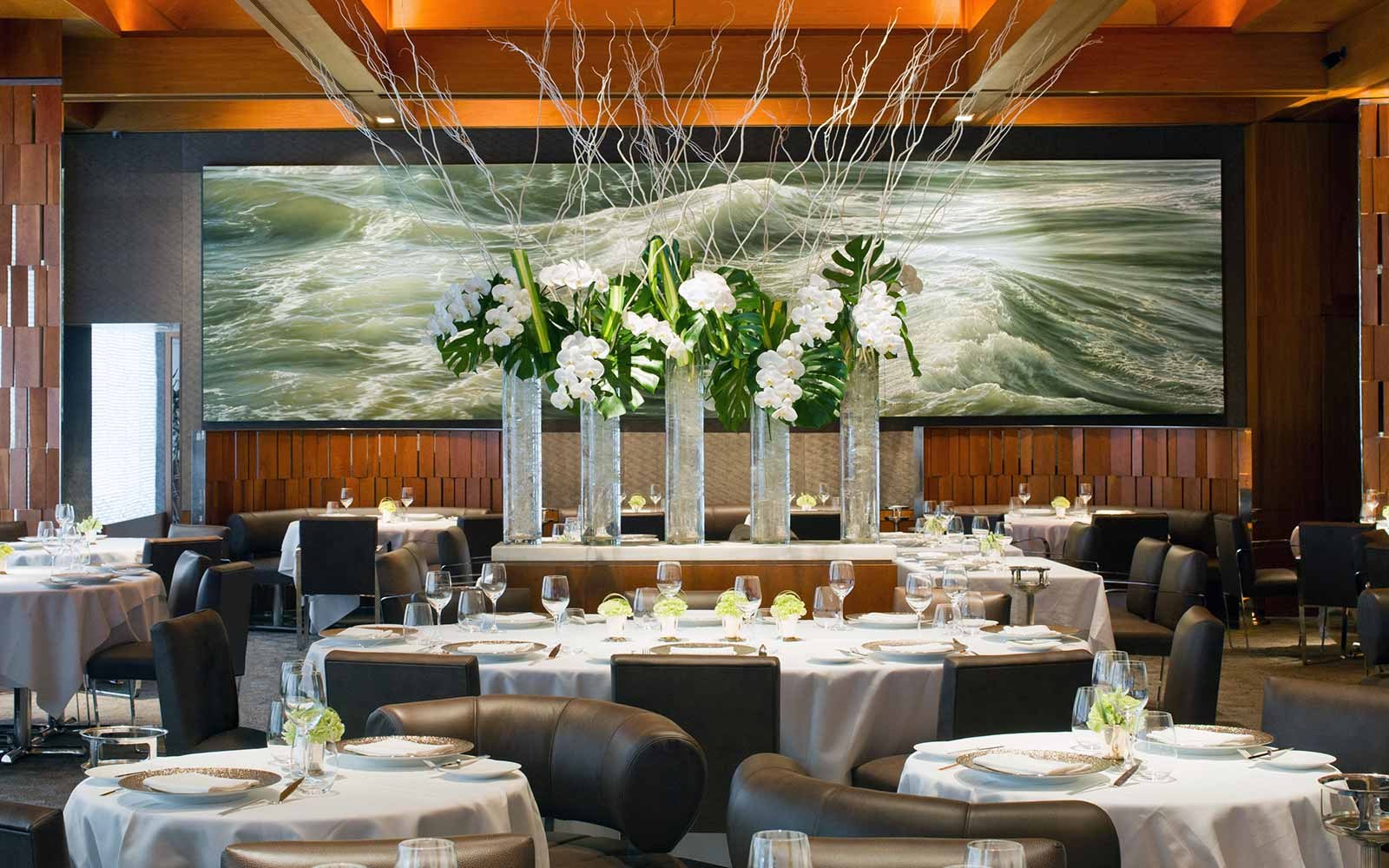
French Seafood Fine Dining
Le Bernardin
New York City, United States
★★★ · 50 Best
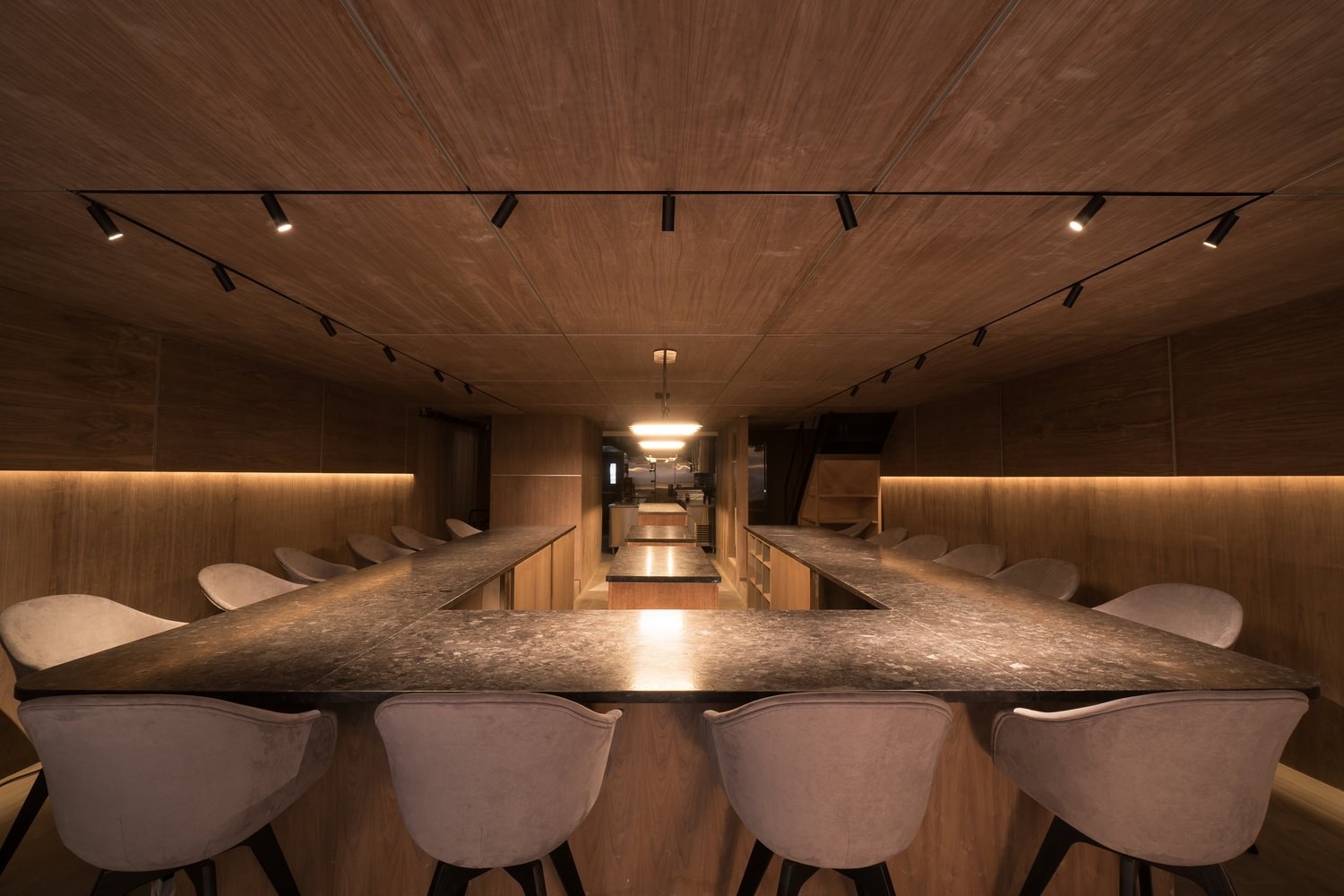
Modern Korean Tasting Menu
Atomix
New York City, United States
★★ · 50 Best
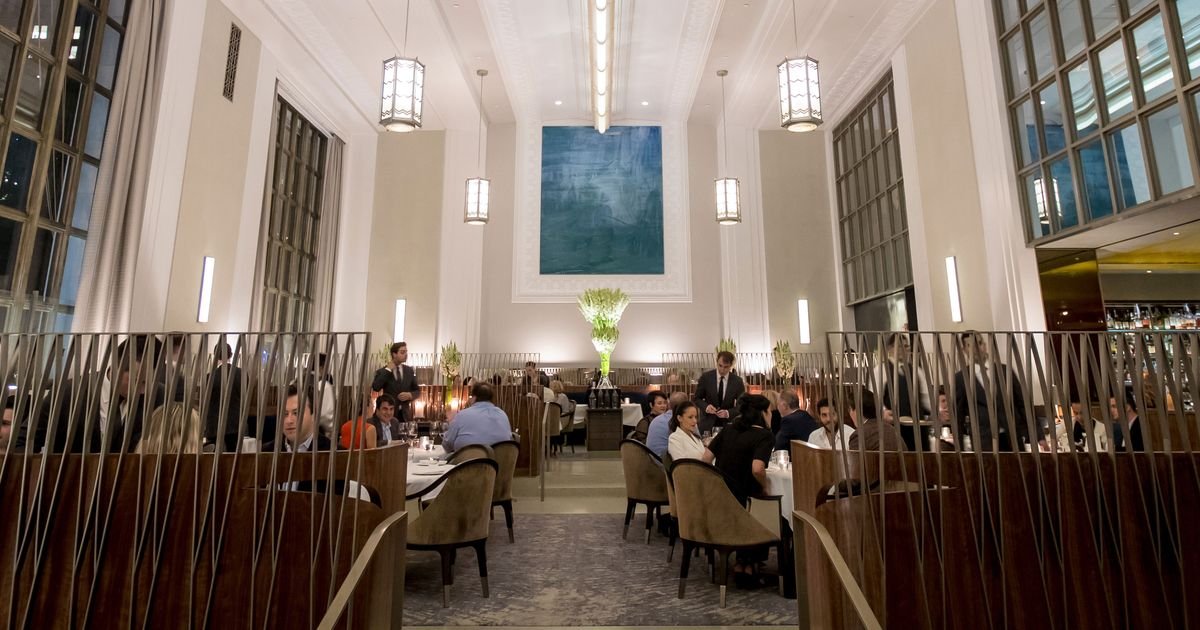
Contemporary Plant-Based Fine Dining
Eleven Madison Park
New York City, United States
★★★ · 50 Best
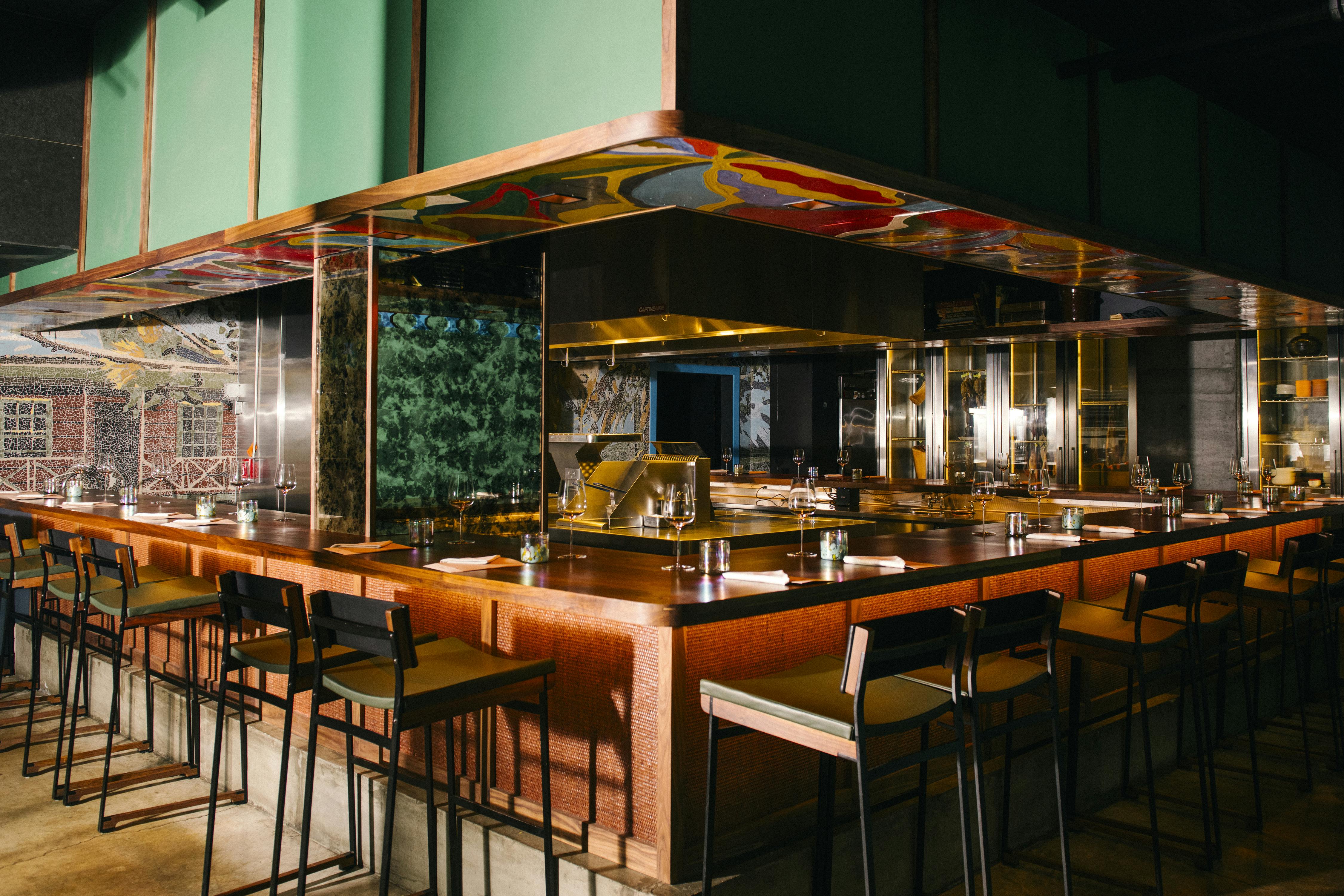
Modern Caribbean Prix Fixe
Kabawa
New York City, United States
50 Best
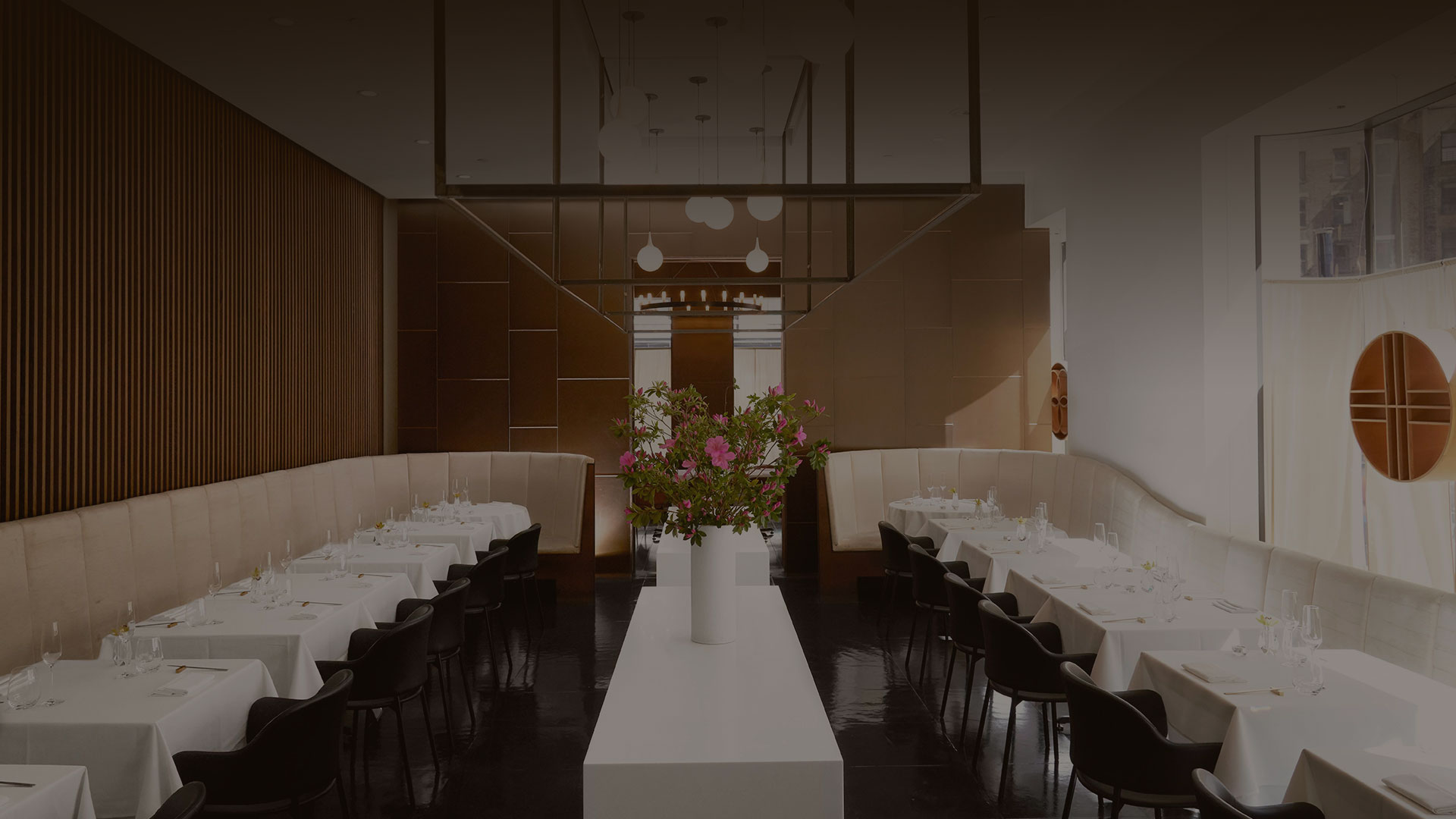
Modern Korean Fine Dining
Jungsik New York
New York City, United States
★★★ · 50 Best
Modern French Fine Dining
Daniel
New York City, United States
★ · 50 Best