Spinning Bones
- 01CuisineCalifornia Rotisserie
- 02CityAlameda, United States
Koji chicken on the spit
- Michelin Bib Gourmand · Michelin Guide
- Michelin Bib Gourmand · 2026
- Michelin Bib Gourmand · 2025
The spit before the sauce
The spits turn before the plate is dressed. Spinning Bones in Downtown Alameda is built around that patient rotation, where meat takes heat first and garnish comes later. The restaurateurs Mike Yakura and Danny Sterling brought the room east from San Francisco in 2019, and they built it as a neighbourhood dinner spot for Alameda rather than as an outpost: conversation, camaraderie, take-out, and catering for large parties, inside an industrial shell. The register is California rotisserie with Hawaiian and Japanese accents. The shared point is restraint. The kitchen leans on the product, then chooses the method that gives it weight.
The restaurant’s public language is plain about the program: quality products, minimal preparation, thoughtful cooking. That claim is narrow enough to be testable, and the transformation happens in sight of the room, on slow-spinning spits over high heat, with poultry, pork, and beef basting in their own juices. The result is not a tasting-menu exercise. It is a rotisserie station with enough discipline to hold Koji Chicken, Pork Shoulder, and St. Louis Pork Ribs in the same conversation.
Koji, garum, tare, heat
The signature move is fermentation used as seasoning rather than theatre. Koji Chicken carries shio koji, tare, orange salt, tossed greens, pickled red onions, scallions, and roti. Pork Shoulder takes garlic-jalapeño garum, pickled cabbage slaw, and shaved watermelon radish. St. Louis Pork Ribs come with yellow curry salt, cabbage slaw, SB BBQ sauce, and pickled jalapeños. The vocabulary is specific, and the method keeps it grounded: marinade, spit, baste, rest, cut, sauce.
The sides do not sit outside the craft. Napa slaw folds pickled red kraut, carrot, and creamy sesame dressing into the plate. Corn fritters bring sweet yellow corn, egg, rice flour, and strawberry jam. Furikake rice, Japanese potato salad, black vinegar, ginger-soy aioli, chimichurri, umami salt, and roti give the menu its crosscurrent without pulling attention away from the rotisserie. The restaurant holds Michelin Bib Gourmand recognition, a useful fact here because the award belongs to this house and to this style of cooking: generous, direct, and measured by what the plate can carry.
Brick, wood, and the open kitchen
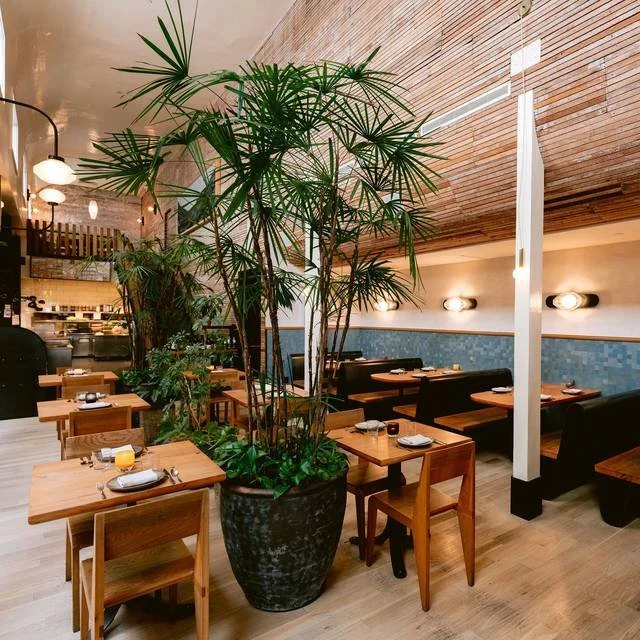
The room gives the work little cover. Exposed brick, polished wood tables, and the open kitchen keep the pass close to the dining room, so the sound of service sits beside the turn of the spits and the cut of roasted meat. It is an industrial room softened by warmth, not a room trying to disappear. The counter matters because it lets the method stay visible: chicken turning, pork resting, sauces waiting, greens dressed near the moment they leave the bench.
Alameda’s part in the place is also tangible. Spinning Bones calls itself “for Alameda people by Alameda people,” and the phrase lands best when read against the room rather than as a slogan. The cooking is built for conversation, shared plates, and repeat cravings, but the craft remains in the station. The Koji Chicken brings together shio koji, tare, orange salt, roti, and the slow work of the spit.
Questions
Frequently asked
What is Spinning Bones known for?
Spinning Bones is a California rotisserie restaurant in Downtown Alameda, with Hawaiian and Japanese accents. The menu centres on spit-roasted poultry, pork, and beef, including Koji Chicken, Pork Shoulder, and St. Louis Pork Ribs.
Who runs the restaurant?
Restaurateurs Mike Yakura and Danny Sterling brought Spinning Bones from San Francisco to Alameda in 2019. The house describes itself as built for Alameda rather than as an outpost.
What recognition does it hold?
Spinning Bones holds a Michelin Bib Gourmand.
Is booking recommended?
Reservations are recommended, and the booking platform listed is OpenTable.
What should visitors expect from the room and practical details?
The restaurant has a casual dress code, street parking, and hours from Wednesday to Sunday, with Monday and Tuesday closed. It is at 1205 Park St, Alameda, CA 94501.
The field
How it compares
| Place | Cuisine | Notes | Awards |
|---|---|---|---|
| Spinning Bones | California Rotisserie | Downtown Alameda, $$ | · |
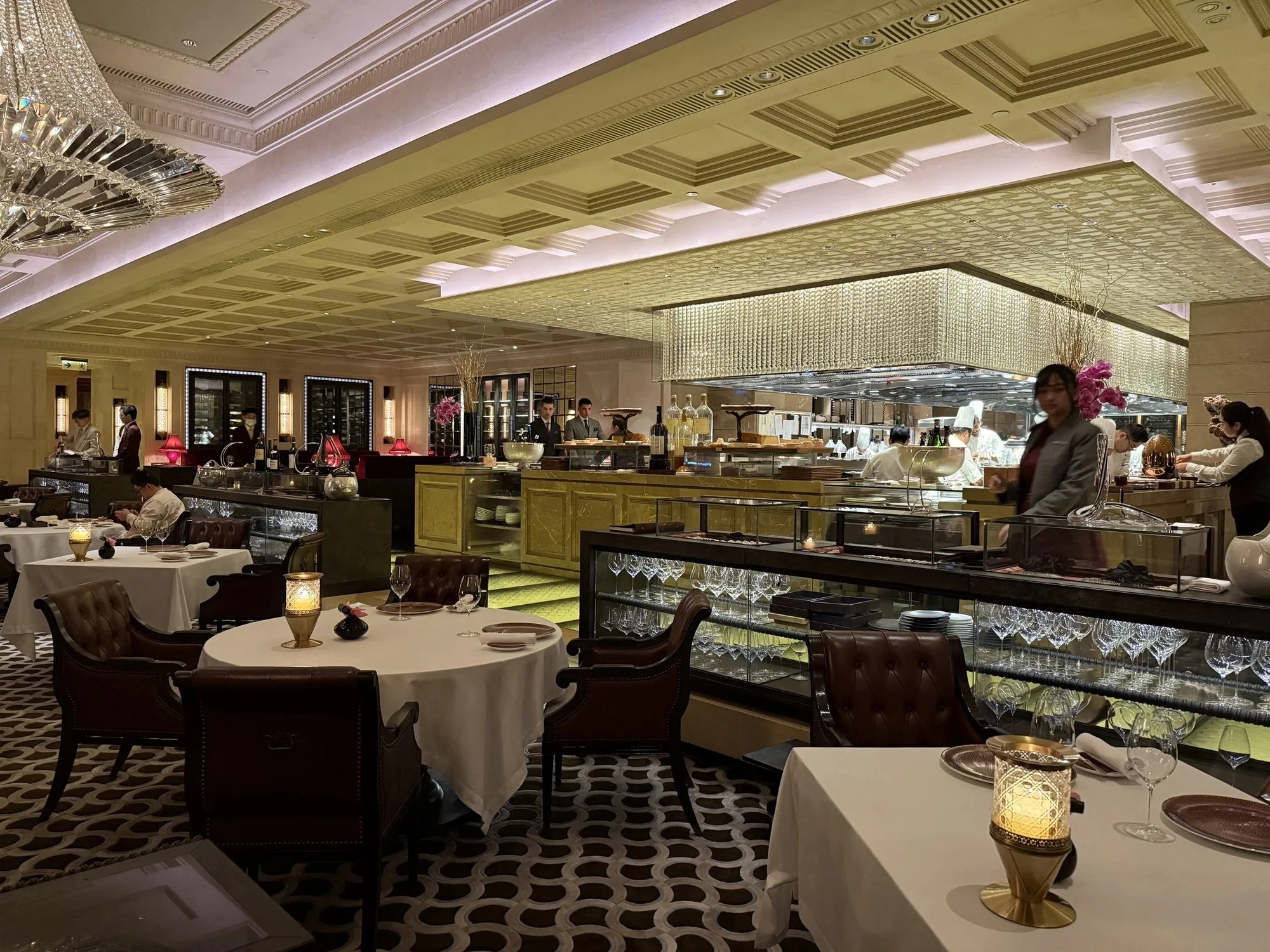
| Caprice | Contemporary French Fine Dining | Hong Kong | Michelin 3 Stars, World's 50 Best |
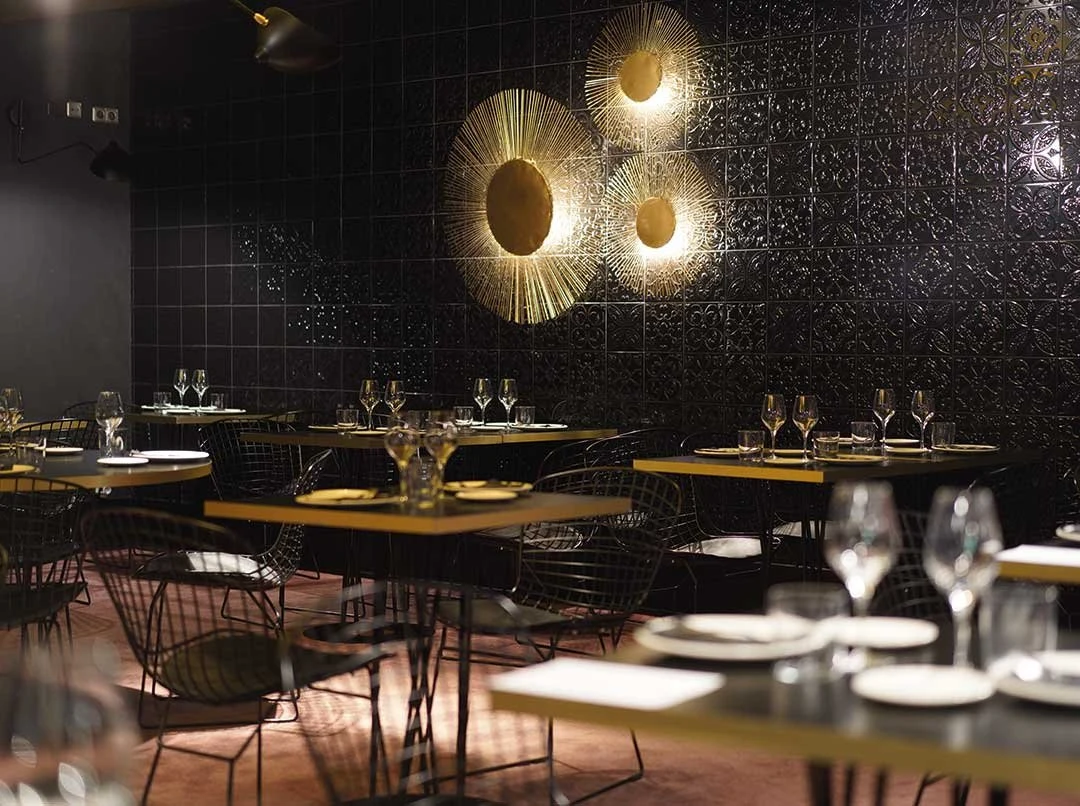
| Casa Marcial | Modern Asturian Fine Dining | Arriondas | Michelin 3 Stars |
| Ikoyi | Modern West African Fine Dining | London | Michelin 2 Stars, World's 50 Best |
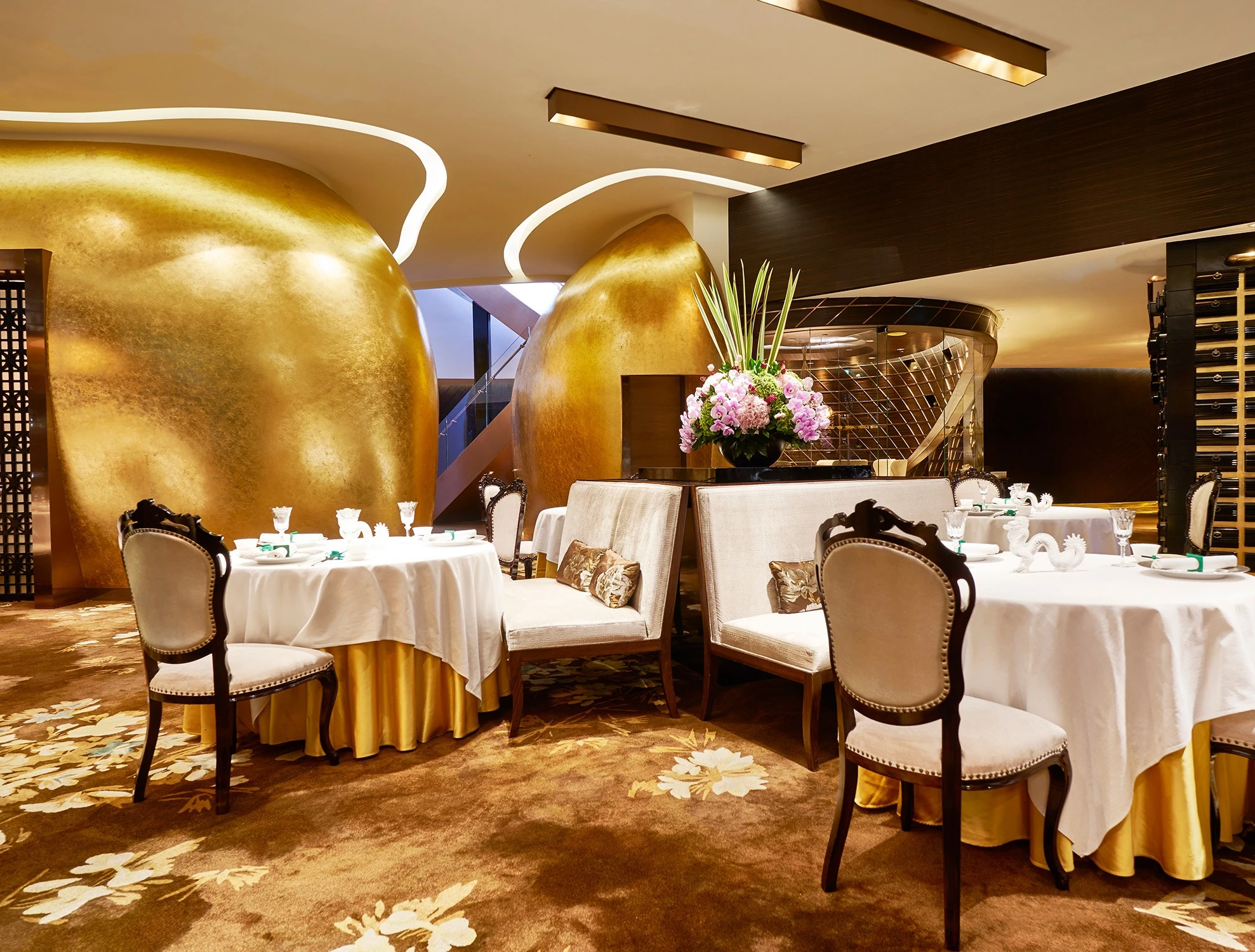
| Jade Dragon | Three Michelin-Star Cantonese Fine Dining | Macau | Michelin 3 Stars, World's 50 Best |
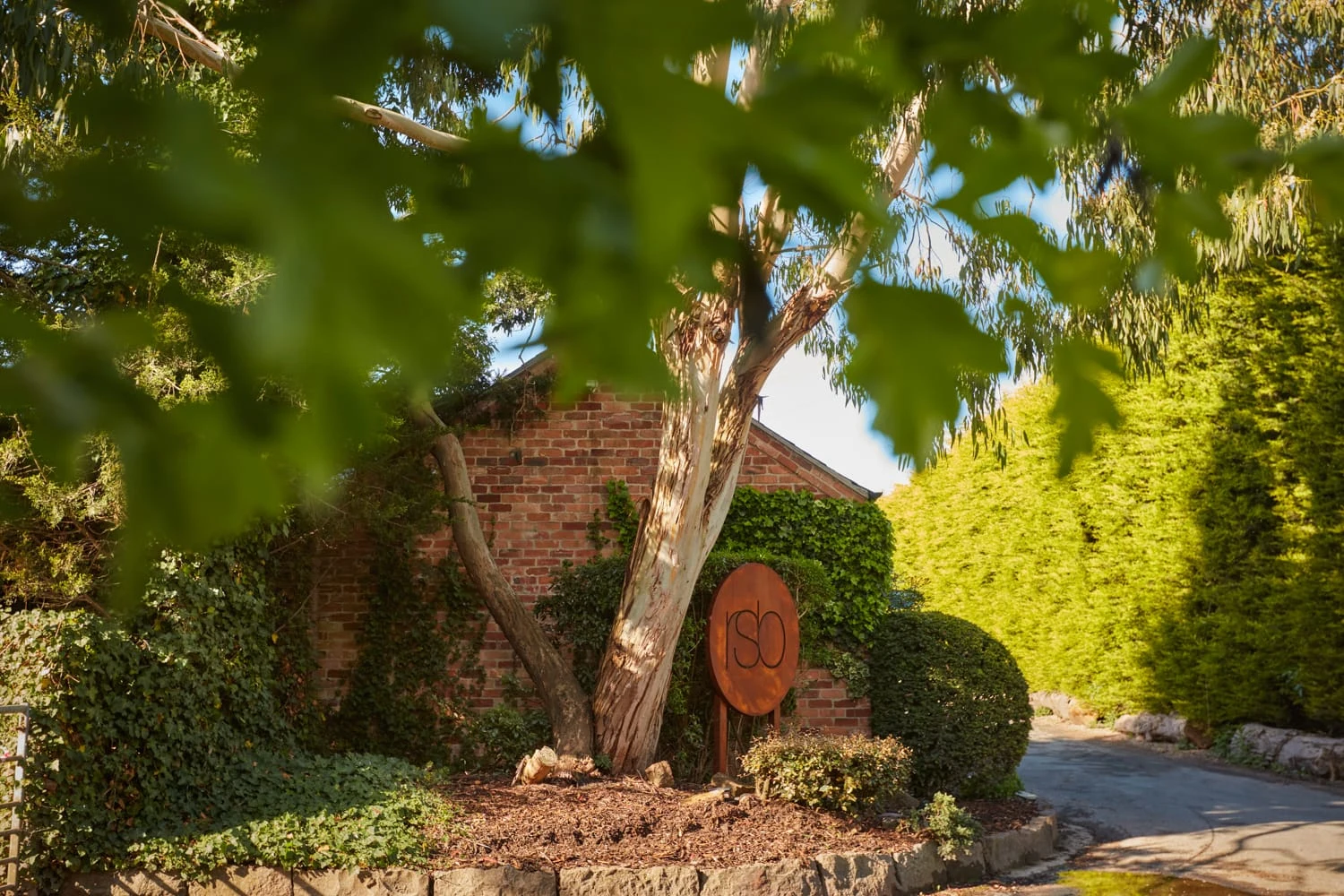
| Restaurant Sat Bains | Modern British Fine Dining | Nottingham | Michelin 2 Stars |
| Sühring | Modern German Fine Dining | Bangkok | Michelin 3 Stars, World's 50 Best |
Similar places
Contemporary French Fine Dining
Caprice
Hong Kong, Hong Kong
★★★ · 50 Best
Modern Asturian Fine Dining
Casa Marcial
Arriondas, Spain
★★★
Modern West African Fine Dining
Ikoyi
London, United Kingdom
★★ · 50 Best
Three Michelin-Star Cantonese Fine Dining
Jade Dragon
Macau, Macau
★★★ · 50 Best
Modern British Fine Dining
Restaurant Sat Bains
Nottingham, United Kingdom
★★
Modern German Fine Dining
Sühring
Bangkok, Thailand
★★★ · 50 Best