St. George Spirits operates out of a former naval air station hangar in Alameda, California, producing a range of American craft spirits that earned a Pearl 3 Star Prestige rating in 2025. The distillery sits within the broader Bay Area craft spirits movement, where provenance, process transparency, and local identity carry as much weight as the liquid itself. Its Alameda address places it at the edge of San Francisco Bay, making it a logical stop for visitors moving between Oakland and the peninsula.
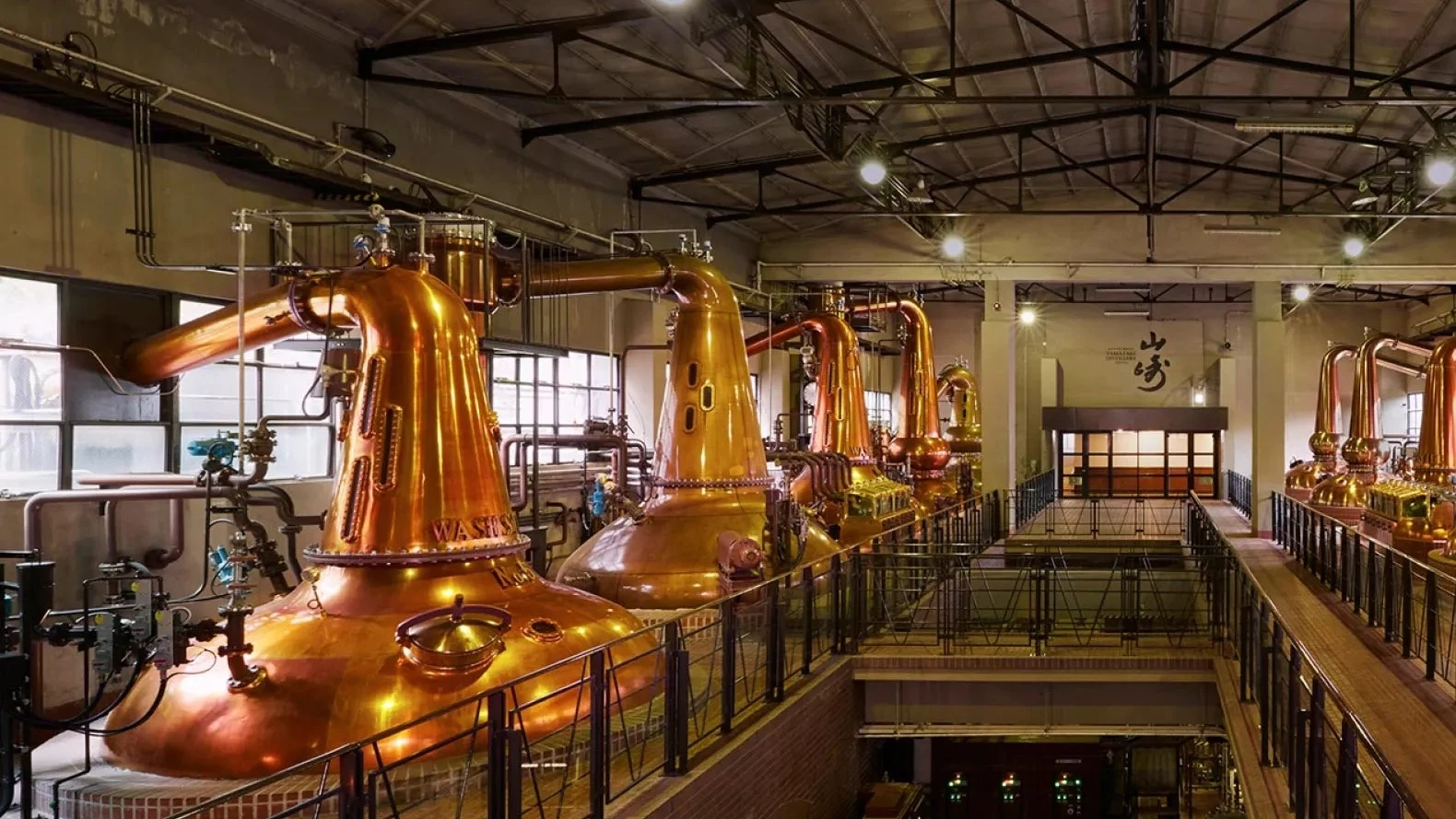
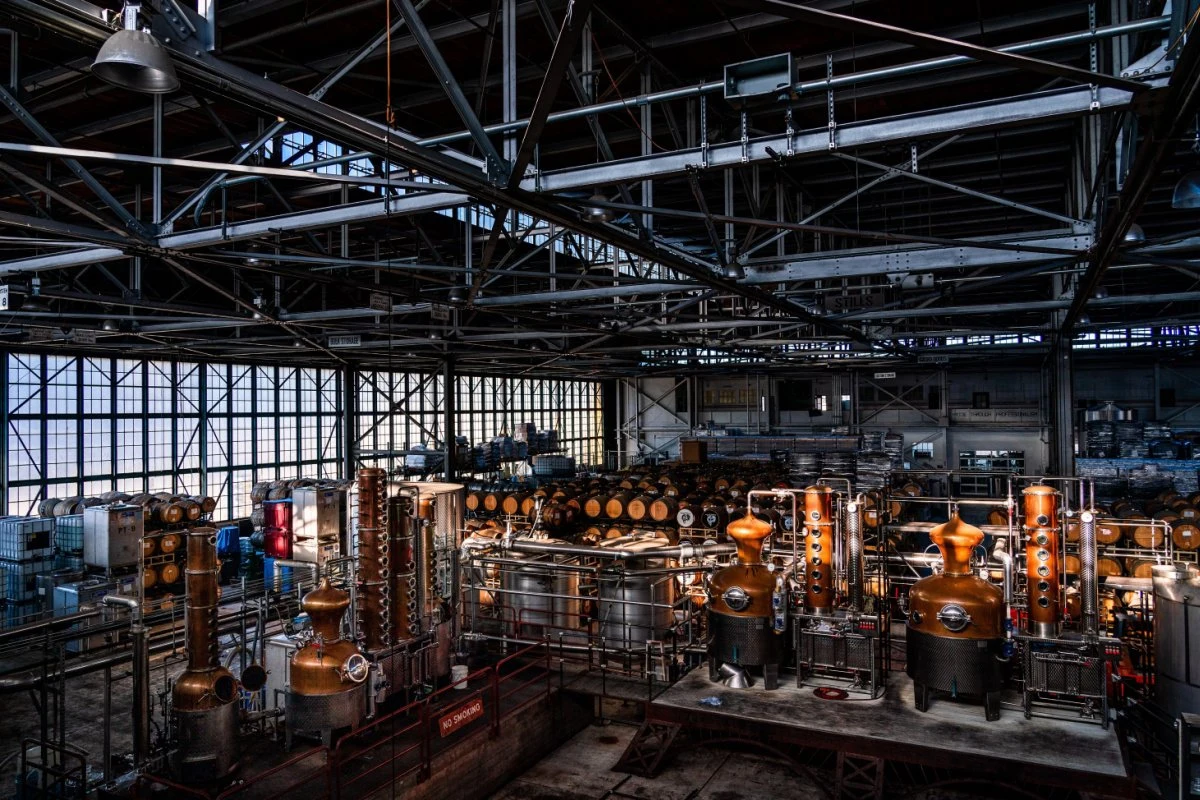
<h2>A Hangar, a Bay, and What California Craft Spirits Actually Look Like</h2><p>St. George Spirits is a distillery in Alameda, California, at 2601 Monarch St. It occupies a cavernous decommissioned hangar at the former Alameda Naval Air Station. St. George Spirits sits in the second group. Based at 2601 Monarch Street in Alameda, California, inside a cavernous decommissioned hangar at the former Alameda Naval Air Station, the distillery occupies a space that communicates its character before you encounter a single bottle. The scale is industrial, the light is diffuse, and the Bay air carries through. It is not the kind of place designed to flatter Instagram. It is the kind of place built around what happens inside the stills.</p><p>Alameda occupies a geographic position that shapes the spirits produced there. The island sits at the edge of San Francisco Bay, where marine influence moderates temperature and keeps humidity relatively consistent year-round. For distilleries focused on botanical complexity and careful spirit aging, that ambient stability matters. California craft producers increasingly point to climate and water source as meaningful production variables, a logic that parallels the terroir arguments made across the state's wine regions. Where producers like <a href="https://www.enprimeurclub.com/wineries/artesa-vineyards-and-winery">Artesa Vineyards and Winery in Napa</a> or <a href="https://www.enprimeurclub.com/wineries/aubert-wines">Aubert Wines in Calistoga</a> frame their wines through the specific character of California soils and fog patterns, the better California distilleries have begun making analogous claims about how place inflects their output.</p><h2>What the 2025 Pearl 3 Star Prestige Rating Signals</h2><p>St. George Spirits received a Pearl 3 Star Prestige designation in 2025, which places it in the top tier of EP Club's rated spirits and distillery experiences. That classification is not awarded for brand narrative or packaging. It reflects assessed quality across product range, experience, and production credentials. In the context of the Bay Area spirits category, a prestige-tier rating positions St. George alongside a narrow comparable set rather than the broad population of California craft producers, many of whom have arrived in the market since 2010 without equivalent production depth.</p><p>For visitors using awards as a calibration tool, the 2025 rating is a useful anchor. It confirms that St. George is not a vanity distillery or a hospitality concept dressed up in production language. It is a serious spirits producer with a range built around distinct category commitments, from fruit brandies influenced by European eau de vie tradition to whiskey and gin programs that have drawn consistent trade and critical attention for years. The peer comparison that matters here is not local craft competitors but the small group of American distilleries operating at comparable depth and ambition, a group that includes operations in Kentucky, New York, and the Pacific Northwest.</p><h2>California Terroir Logic, Applied to Spirits</h2><p>The terroir framework, borrowed from wine, has been contested in spirits for years. Critics argue that distillation disrupts the direct expression of raw material origin that makes terroir a meaningful concept in viticulture. But at the production level, the argument is less about philosophical purity and more about decision-making: which botanicals, grown where; which grain, sourced from which region; which water; which barrel, from which cooperage. St. George's Alameda base puts it in proximity to California agricultural production across multiple categories, from stone fruit grown in the Central Valley to grain from the north.</p><p>This is the same logic that animates the strongest California wine producers. <a href="https://www.enprimeurclub.com/wineries/alban-vineyards">Alban Vineyards in Arroyo Grande</a> built a Rhone-varietal program around the specific thermal and wind conditions of the Edna Valley. <a href="https://www.enprimeurclub.com/wineries/adelaida-vineyards">Adelaida Vineyards in Paso Robles</a> frames its Cabernet program through the calcareous soils of the Adelaida District. <a href="https://www.enprimeurclub.com/wineries/andrew-murray-vineyards">Andrew Murray Vineyards in Los Olivos</a> has similarly committed to sourcing within Santa Barbara's distinct mesoclimates. In each case, the producer is making a claim about specificity of place as a production asset. St. George operates within the same intellectual tradition, even if the category mechanics differ from viticulture.</p><p>For visitors arriving from wine-forward itineraries, the conceptual translation is not difficult. The questions you ask at a serious winery, about sourcing decisions, production philosophy, and how the finished product reflects its raw materials, are the same questions worth asking at a distillery of this caliber.</p><h2>The Visit: Format, Atmosphere, and What to Expect</h2><p>The distillery's address at the former naval base puts it slightly off Alameda's main commercial corridors, which means a deliberate trip rather than a walk-by discovery. The hangar setting has a low-key industrial character: high ceilings, equipment visible, no theatrical staging. The atmosphere reads closer to a working facility that welcomes visitors than to a hospitality-first tasting room designed around throughput. That distinction matters if you are calibrating expectations. This is not a high-energy, event-driven space. It is quiet in the way that serious production environments tend to be.</p><p> Alameda's neighborhood-level hospitality has developed around a mix of long-standing local institutions and newer producers drawn to the available industrial space left by the naval base's closure, making St. George part of a larger pattern of creative reuse that defines the area's current character.</p><h2>Placing St. George in a Wider West Coast Spirits and Wine Context</h2><p>Any serious tasting itinerary through Northern California will encounter the question of how to sequence wine and spirits experiences. The geography helps: Alameda is accessible from Oakland and, by ferry, from San Francisco, which makes it a practical starting or ending point for Bay Area itineraries that extend east toward Napa or south toward Santa Barbara. Producers like <a href="https://www.enprimeurclub.com/wineries/accendo-cellars">Accendo Cellars in St. Helena</a> and <a href="https://www.enprimeurclub.com/wineries/alpha-omega-winery-rutherford-winery">Alpha Omega Winery in Rutherford</a> anchor the Napa end of that circuit. Further south, <a href="https://www.enprimeurclub.com/wineries/au-bon-climat-santa-barbara-winery">Au Bon Climat in Santa Barbara</a> and <a href="https://www.enprimeurclub.com/wineries/babcock-winery-vineyards-lompoc-winery">Babcock Winery and Vineyards in Lompoc</a> represent the Santa Barbara wine country corridor. St. George occupies a different category within that landscape but belongs to the same conversation about what serious California production looks like.</p><p>For visitors with interests that extend beyond California, the comparative reference points spread further. <a href="https://www.enprimeurclub.com/wineries/adelsheim-vineyard-newberg-winery">Adelsheim Vineyard in Newberg</a> and <a href="https://www.enprimeurclub.com/wineries/alexander-valley-vineyards-geyserville-winery">Alexander Valley Vineyards in Geyserville</a> each represent distinct regional identities further north and east. Internationally, producers like <a href="https://www.enprimeurclub.com/wineries/aberlour-aberlour-winery">Aberlour in Scotland</a> and <a href="https://www.enprimeurclub.com/wineries/achaia-clauss-patras-winery">Achaia Clauss in Patras</a> illustrate how place-based production philosophy operates across different spirit and wine categories globally, providing useful contrast for visitors trying to position American craft distilling within a longer production tradition. The <a href="https://www.enprimeurclub.com/wineries/br-cohn-winery-glen-ellen-winery">B.R. Cohn Winery in Glen Ellen</a> offers another California reference point within Sonoma County's own distinctive production identity.</p><h2>Planning Your Visit</h2><p>St. George Spirits is located at 2601 Monarch Street, Alameda, California 94501. The distillery is on the island of Alameda, accessible by car from Oakland via the Park Street or Posey Tube, or by ferry from San Francisco's Ferry Building. Reservations are recommended.</p>
Low-key, without qualification. The distillery operates from a large industrial hangar at the former Alameda Naval Air Station, and the space prioritizes production visibility over hospitality theater. A 2025 Pearl 3 Star Prestige rating from EP Club confirms its standing as a serious producer, but the atmosphere reflects a working distillery first and a tasting venue second.
St. George Spirits is located at 2601 Monarch St, Alameda, CA 94501, Alameda.
St. George Spirits has received recognition including: Pearl 3 Star Prestige (2025).
St. George Spirits does not produce wine. It is a distillery, and its 2025 Pearl 3 Star Prestige designation applies to its spirits program. Visitors should arrive expecting spirits tastings rather than a wine-format flight.
The distillery is at 2601 Monarch Street on Alameda Island, which sits in San Francisco Bay and requires a deliberate trip from Oakland or the wider Bay Area rather than a walk-in stop. The 2025 Pearl 3 Star Prestige rating places it at the top tier of EP Club's rated spirits and distillery experiences. Plan around the hangar format: the space is large, industrial, and production-oriented, not a compact tasting room.
Bookings for structured tastings are handled through the distillery's official website. Given the 2025 Pearl 3 Star Prestige rating and the distillery's position within Northern California's limited tier of prestige-rated producers, reservations in advance are advisable rather than assuming walk-in availability.
California's prestige-rated craft distilling tier is considerably smaller than its wine equivalent, making a 2025 Pearl 3 Star Prestige designation from EP Club a meaningful differentiator. St. George Spirits at 2601 Monarch Street, Alameda, is among the few California producers operating at a scale and consistency that earns that classification. For visitors building a Northern California tasting itinerary, it occupies a distinct category from the state's wine appellations.
2601 Monarch St, Alameda, CA 94501
Alameda Naval Air Station