SULT Cascais
In Residence
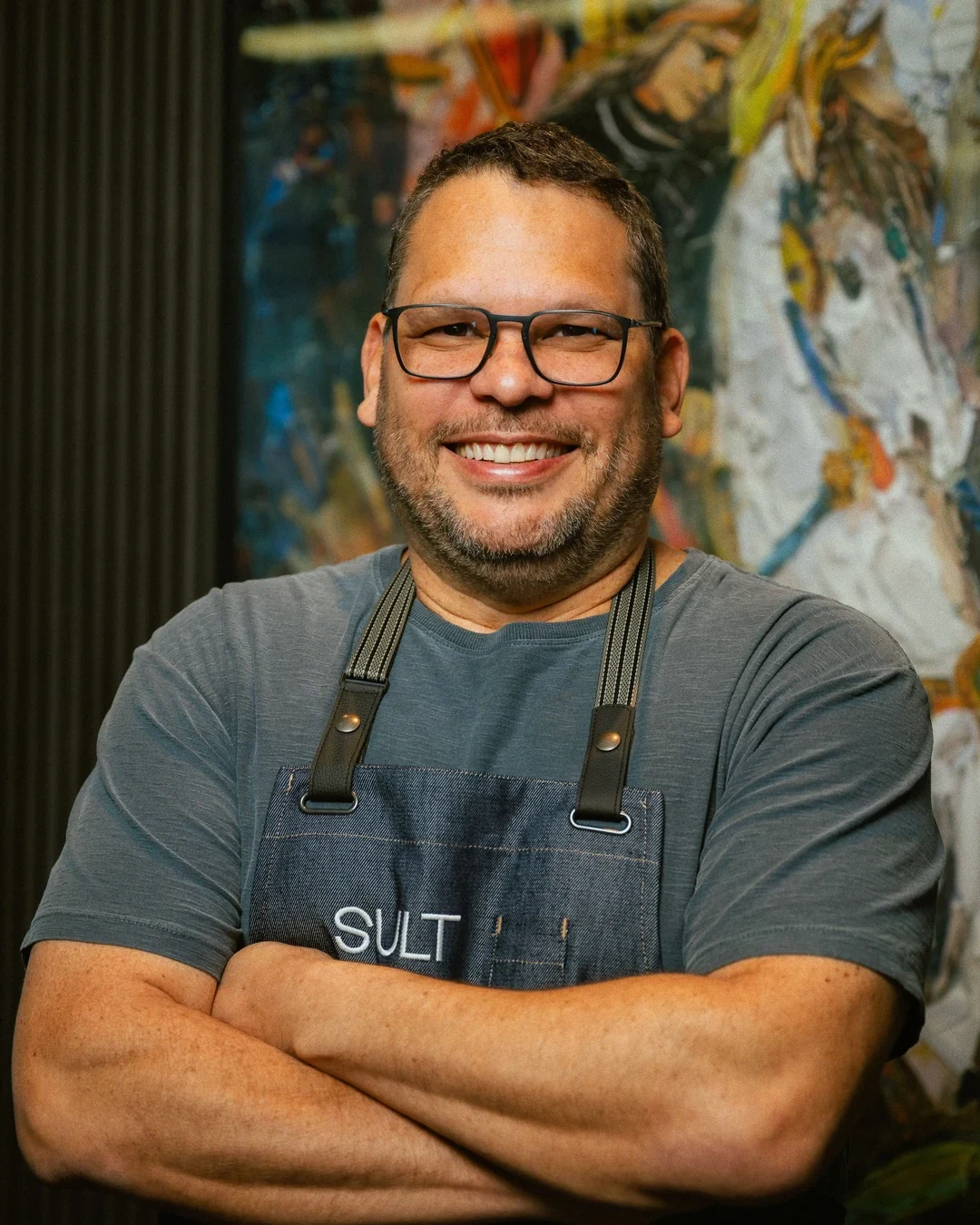
Nelson Soares
Chef
- 01CuisineItalian fine dining with Brazilian and Portuguese influences
- 02CityCascais, Portugal
- Michelin Plate · 2026
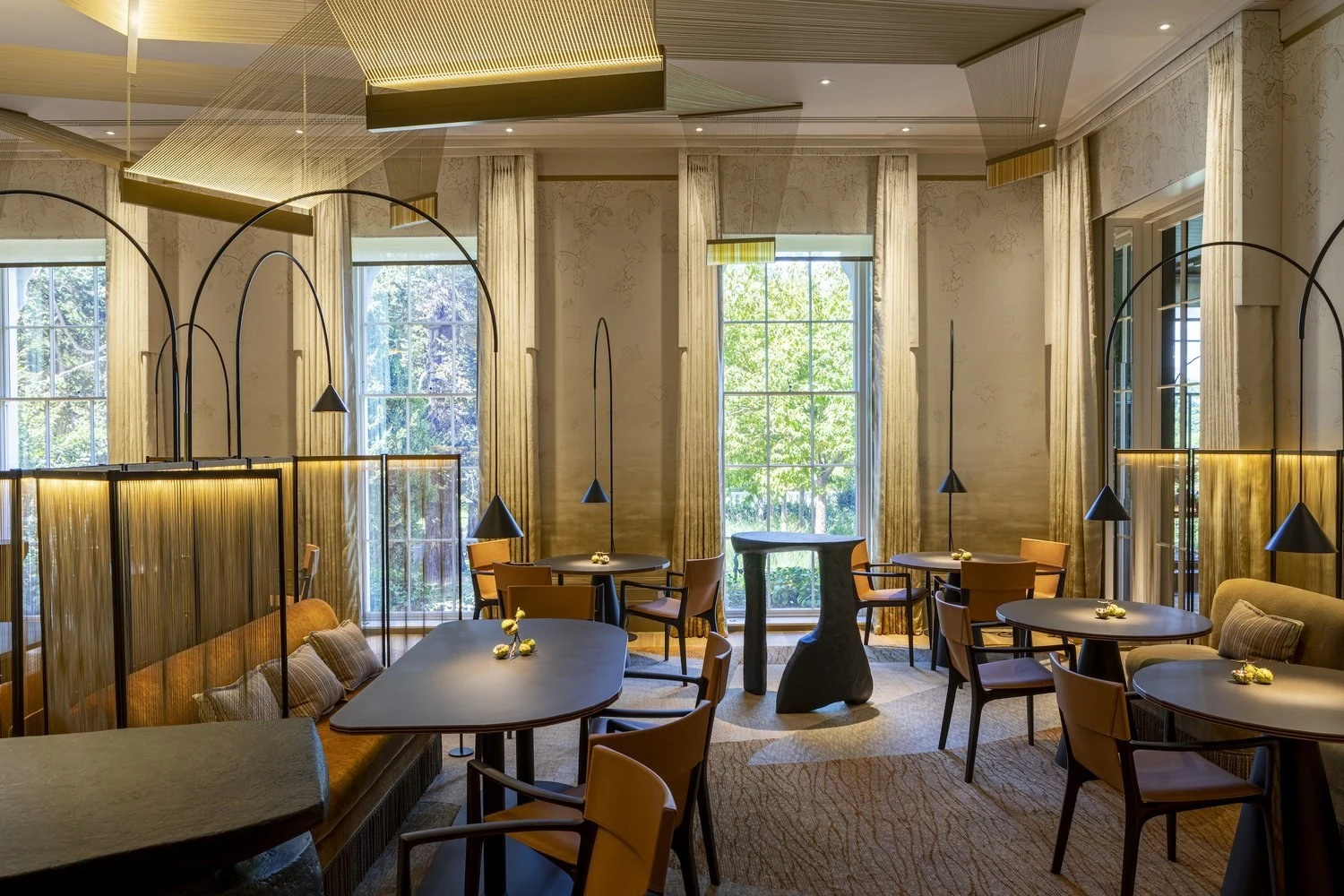
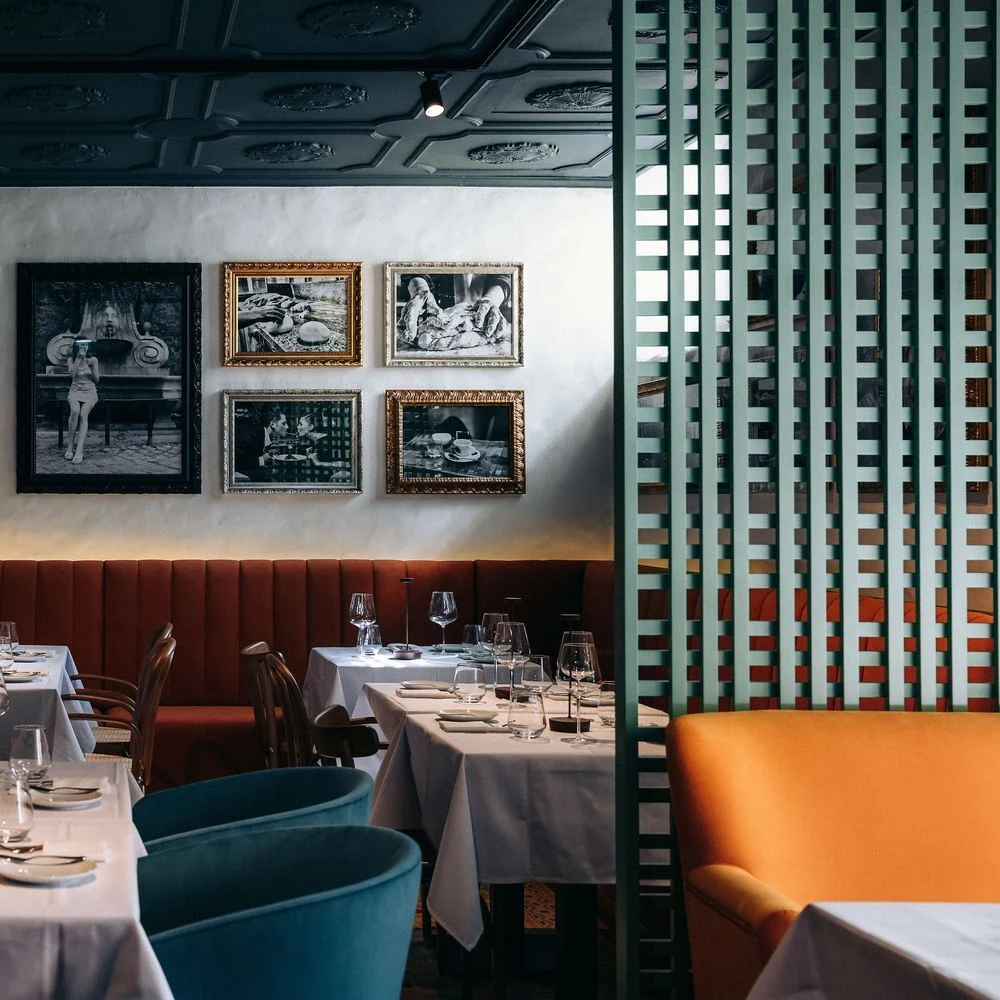
A few blocks uphill from Cascais's main beach strip, SULT occupies a small dining room and an outdoor terrace on Rua das Flores. The space is modest, bare tables, open kitchen, no tablecloths, but the terrace catches afternoon light and evening breeze. Chef Nelson Soares, who runs a restaurant of the same name in Rio de Janeiro, replicates his Brazilian-Portuguese-Italian fusion here, a format that layers chili heat, tropical acidity, and hand-rolled pasta traditions into a compact menu. The kitchen finishes dishes on a rolling cart in view of diners, a tableside ritual that adds theatre to what is otherwise a neighborhood spot.
Cascais's Italian dining tier has long been dominated by direct trattorias and seafood-pasta hybrids serving the tourist beach corridor. SULT sits outside that cluster, drawing on Soares's Brazilian training and Portuguese ingredient sourcing to push pasta beyond classic Italianate norms. The menu emphasizes fresh pasta, tortellini filled with asparagus and mascarpone, cappelletti stuffed with braised beef tongue, paired with sauces that toggle between gentle dairy bases and sharp chili punctuation. The tongue cappelletti, in particular, reflects the Brazilian low-and-slow braising tradition applied to an Italian format, while the asparagus tortellini leans on Portuguese spring vegetables and Brazilian tropical fruit acidity to cut the mascarpone richness. The kitchen does not source ingredients from Italy; instead, it works with local Portuguese suppliers and Brazilian imports for spices and peppers, a supply chain that sets the menu apart from the Italian venues near the marina like Capricciosa, which trade on imported Parmesan and prosciutto.
Hand-Rolled Pasta and Tableside Finishing
The pasta program is built around daily hand-rolling. Soares and his team prepare dough each morning, roll and fill the shapes mid-service, and cook them to order. The tortellini and cappelletti arrive al dente, with visible flour dust and irregular edges that signal manual production rather than machine extrusion. The tableside cart carries the final sauce components, chili oil, grated cheese, fresh herbs, and a burner for last-minute emulsification. The ritual adds a minute or two to each plate but allows diners to watch the sauce come together and adjust heat levels before service. For visitors accustomed to plated Italian pasta in Lisbon's Chiado district or Porto's Ribeira, the tableside format reads as a hybrid of Brazilian rodízio service transparency and Italian osteria intimacy.
The menu also includes a short list of antipasti and grilled proteins, though the pasta commands most tables. Portions are designed for individual service rather than family-style sharing, and the kitchen does not offer half-portions or off-menu adjustments. Pricing sits below Cascais's fine-dining tier, Almina Cascais and Art Restaurant Cascais, but above the beachfront tourist trattoria average. For context, the pasta plates cost roughly what you would pay for a plated entree at Conceito (Contemporary) in the same neighborhood, positioning SULT as a mid-tier option with craft signaling but without tasting-menu formality.
Brazilian-Portuguese Inflection and Recognition
Soares's dual-city operation, Rio and Cascais, reflects a broader pattern of Brazilian chefs exporting fusion formats to Europe, particularly to Portugal, where shared language and colonial history smooth ingredient sourcing and cultural translation. SULT Cascais mirrors the Rio original in its emphasis on chili heat, tropical acidity, and tableside finishing, though the Portuguese version tilts more heavily toward asparagus, wild mushrooms, and Atlantic seafood than the Rio menu's reliance on Amazonian fish and Brazilian beef. The Michelin Guide Iberia has not yet listed SULT Cascais, but the venue has drawn notice from Portuguese food writers for its hand-rolled pasta and its willingness to incorporate Brazilian picante into Italian comfort formats. For travelers familiar with Brazilian-Italian crossover cooking, particularly in São Paulo's Jardins or Rio's Leblon, SULT Cascais operates as a transatlantic sibling, smaller and less polished than its Rio counterpart but carrying the same ingredient philosophy.
The terrace remains the primary draw during warm months, when Cascais's coastal humidity and evening breeze make outdoor dining more comfortable than the indoor room. In winter, the dining room fills with local Portuguese diners and expat Brazilians, who treat the venue as a rare outpost of Brazilian-inflected cooking in a coastal town otherwise dominated by grilled fish and arroz de marisco. For visitors staying in Cascais's boutique hotels or villas, SULT offers an alternative to the beachfront Italian spots and the formal Portuguese seafood houses that anchor the town's dining reputation. It sits a ten-minute walk from the marina and a five-minute walk from the train station, making it accessible without a car. Check our full Cascais restaurants guide for additional context on the town's dining tiers and neighborhood clusters, or explore our full Cascais hotels guide for lodging options within walking distance.
For broader Portuguese context, SULT's tableside-finishing format and chili-forward sauces place it closer to the experimental edge of Lisbon's contemporary dining scene, venues like 100 Maneiras in Lisbon, than to Cascais's traditional seafood establishments. Visitors seeking Japanese precision in Cascais may prefer the izakaya counter at Izakaya or the kaiseki format at Kappo, both of which operate at a higher price tier. Those looking for Italian pasta without Brazilian inflection should consider Belvedere Ristorante elsewhere in Portugal, which adheres more closely to northern Italian norms. SULT rewards diners who appreciate ingredient-driven fusion and are comfortable with chili heat calibrated to Brazilian rather than Italian palates.
Questions
Frequently asked
Who works at SULT Cascais?
Made By profiles Nelson Soares (Chef) at SULT Cascais.
How expensive is SULT Cascais?
SULT Cascais is listed at a price level of $$$.
Where is SULT Cascais and what does it serve?
SULT Cascais is in downtown Cascais, Cascais, serving Italian fine dining with Brazilian and Portuguese influences.
The field
How it compares
| Place | Cuisine | Notes | Awards |
|---|---|---|---|
| SULT Cascais | Italian fine dining with Brazilian and Portuguese influences | downtown Cascais, $$$ | · |
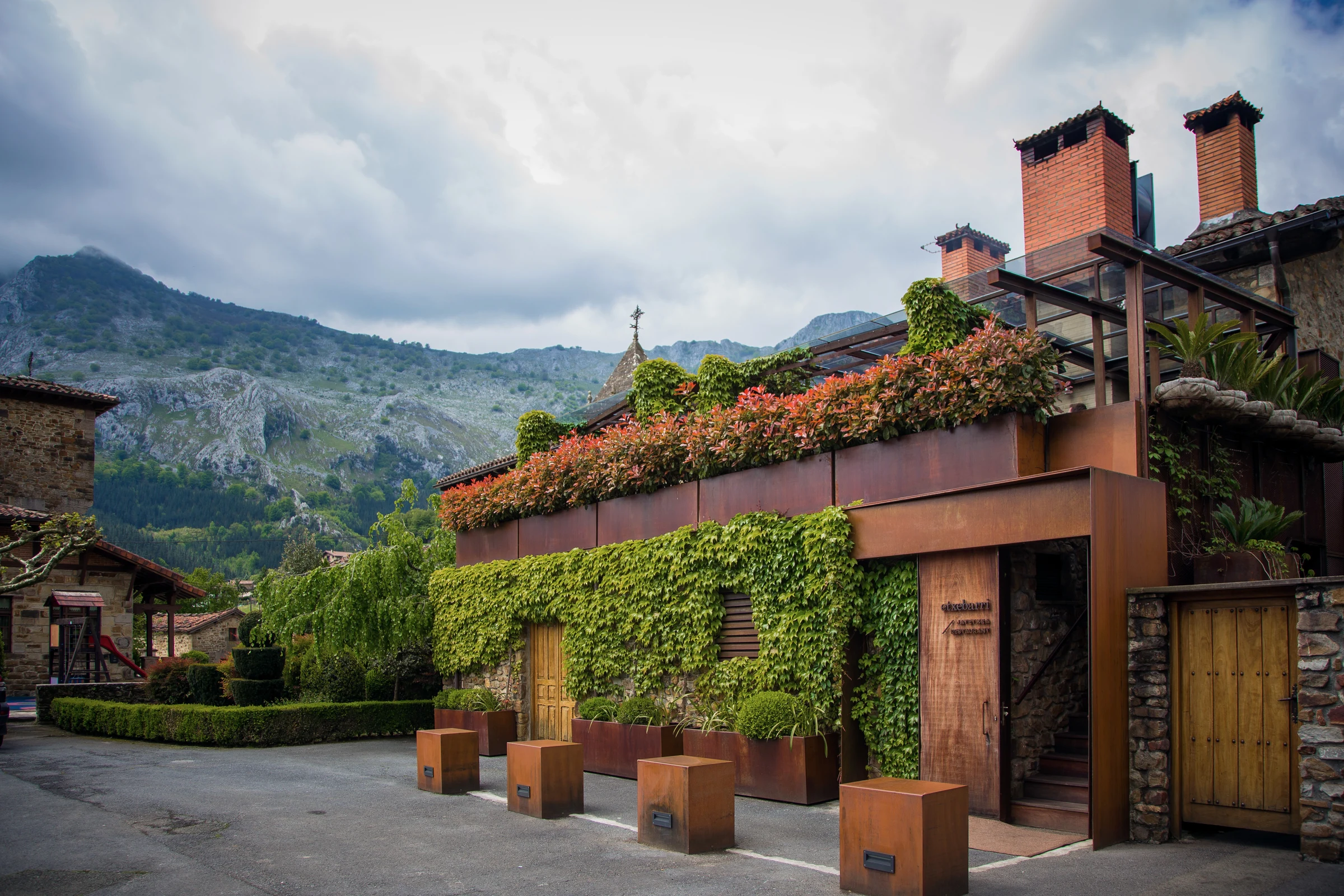
| Asador Etxebarri | Basque Wood-Fired Grill | Atxondo | Michelin 1 Star, World's 50 Best |
| DiverXO | Avant-Garde Spanish Tasting Menu | Madrid | Michelin 3 Stars, World's 50 Best |
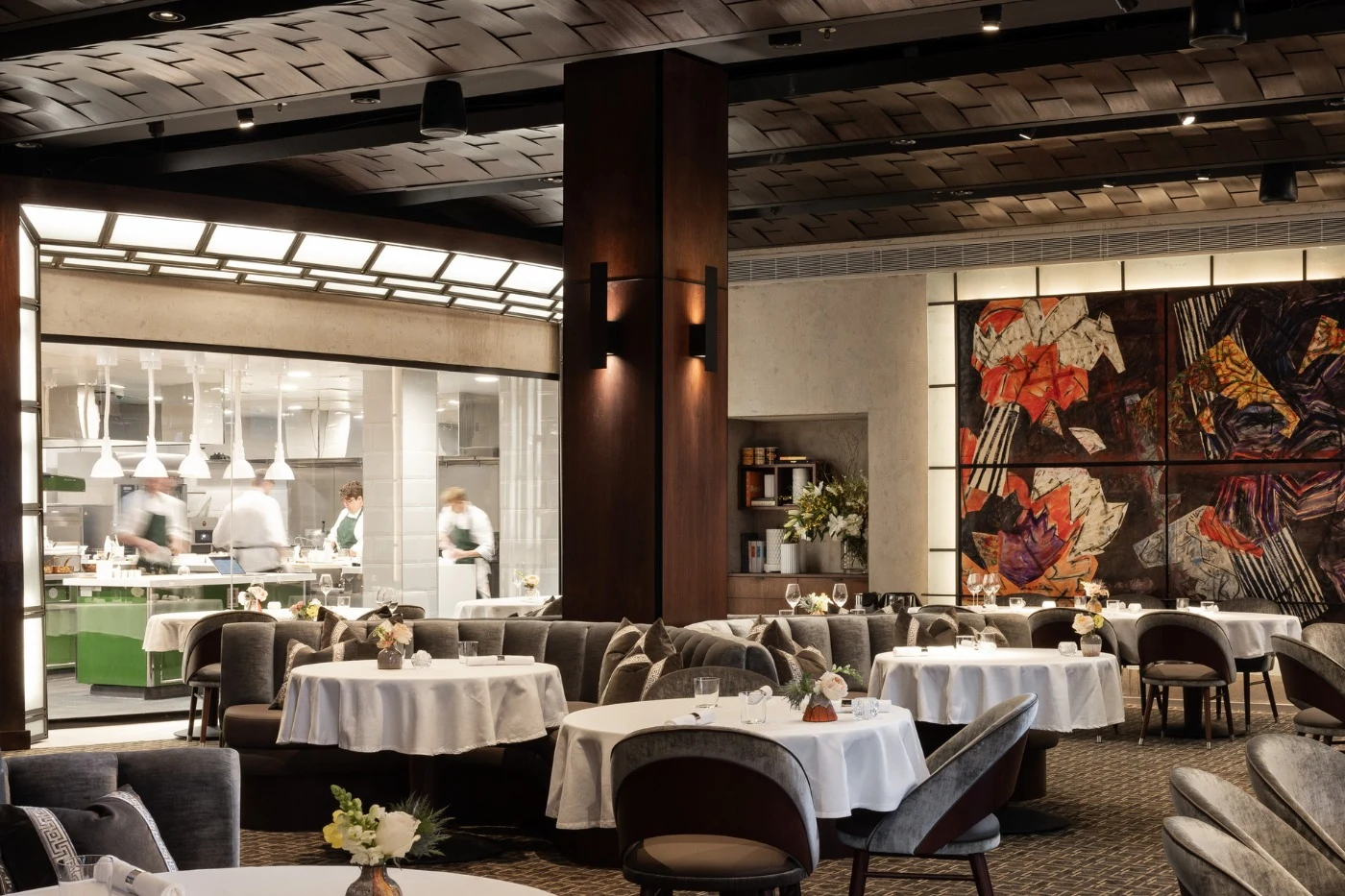
| Emeril’s | Modern Creole-Cajun Fine Dining | New Orleans | Michelin 2 Stars, World's 50 Best |
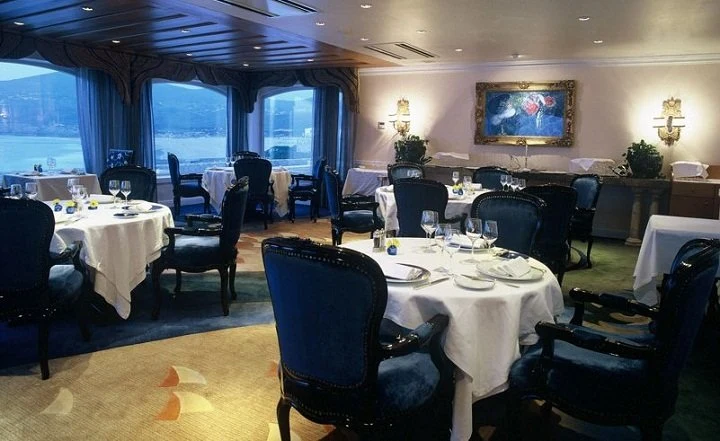
| Fortaleza do Guincho | Modern Portuguese Seafood Fine Dining | Cascais | Michelin 1 Star |
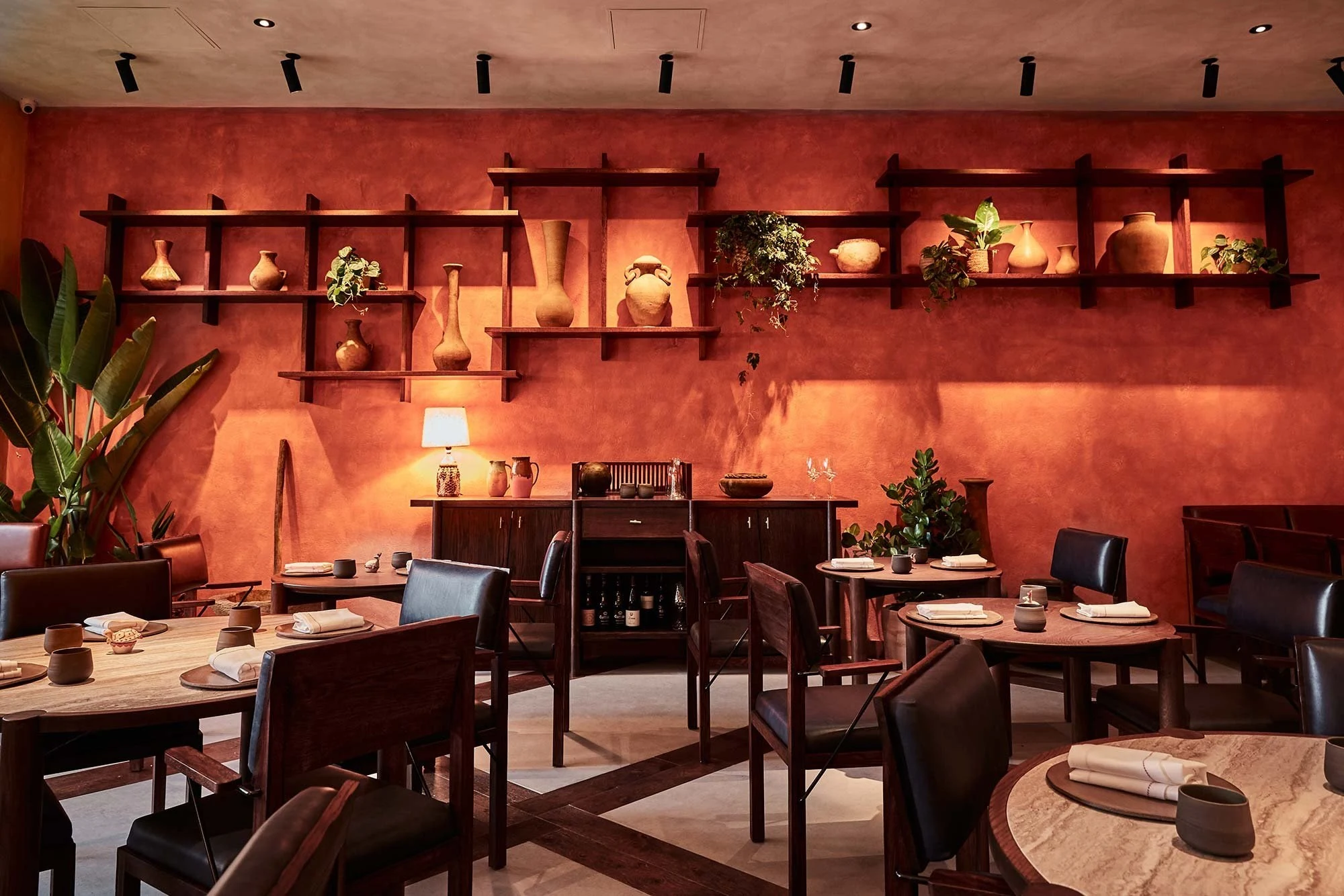
| KOL | Modern Mexican Fine Dining | London | Michelin 1 Star, World's 50 Best |
| Woven by Adam Smith | Modern British Fine Dining | Ascot | Michelin 1 Star |
In residence
Similar places
Basque Wood-Fired Grill
Asador Etxebarri
Atxondo, Spain
★ · 50 Best
Avant-Garde Spanish Tasting Menu
DiverXO
Madrid, Spain
★★★ · 50 Best
Modern Creole-Cajun Fine Dining
Emeril’s
New Orleans, United States
★★ · 50 Best
Modern Portuguese Seafood Fine Dining
Fortaleza do Guincho
Cascais, Portugal
★
Modern Mexican Fine Dining
KOL
London, United Kingdom
★ · 50 Best
Modern British Fine Dining
Woven by Adam Smith
Ascot, United Kingdom
★