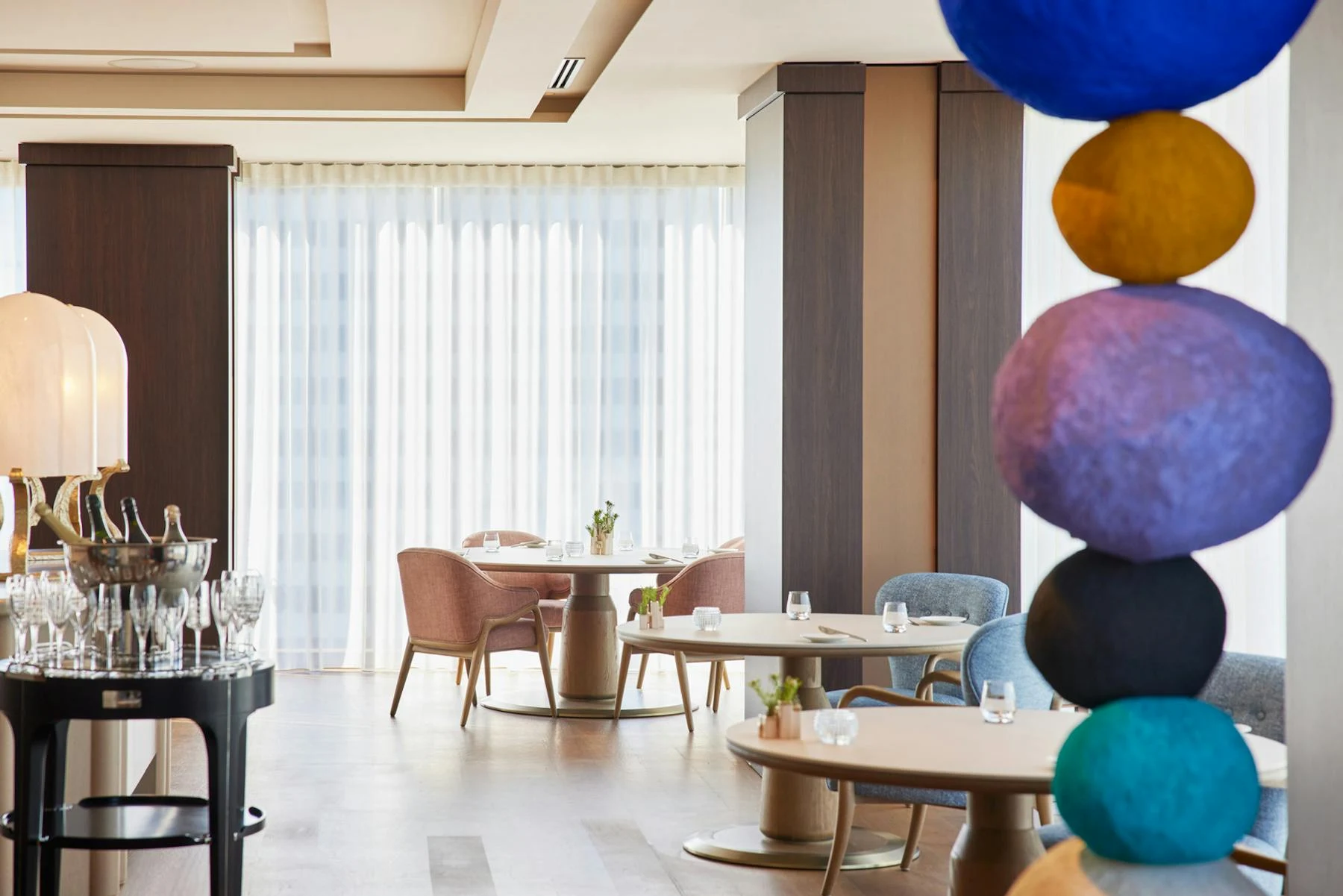
Sumibiyakiniku Nakahara
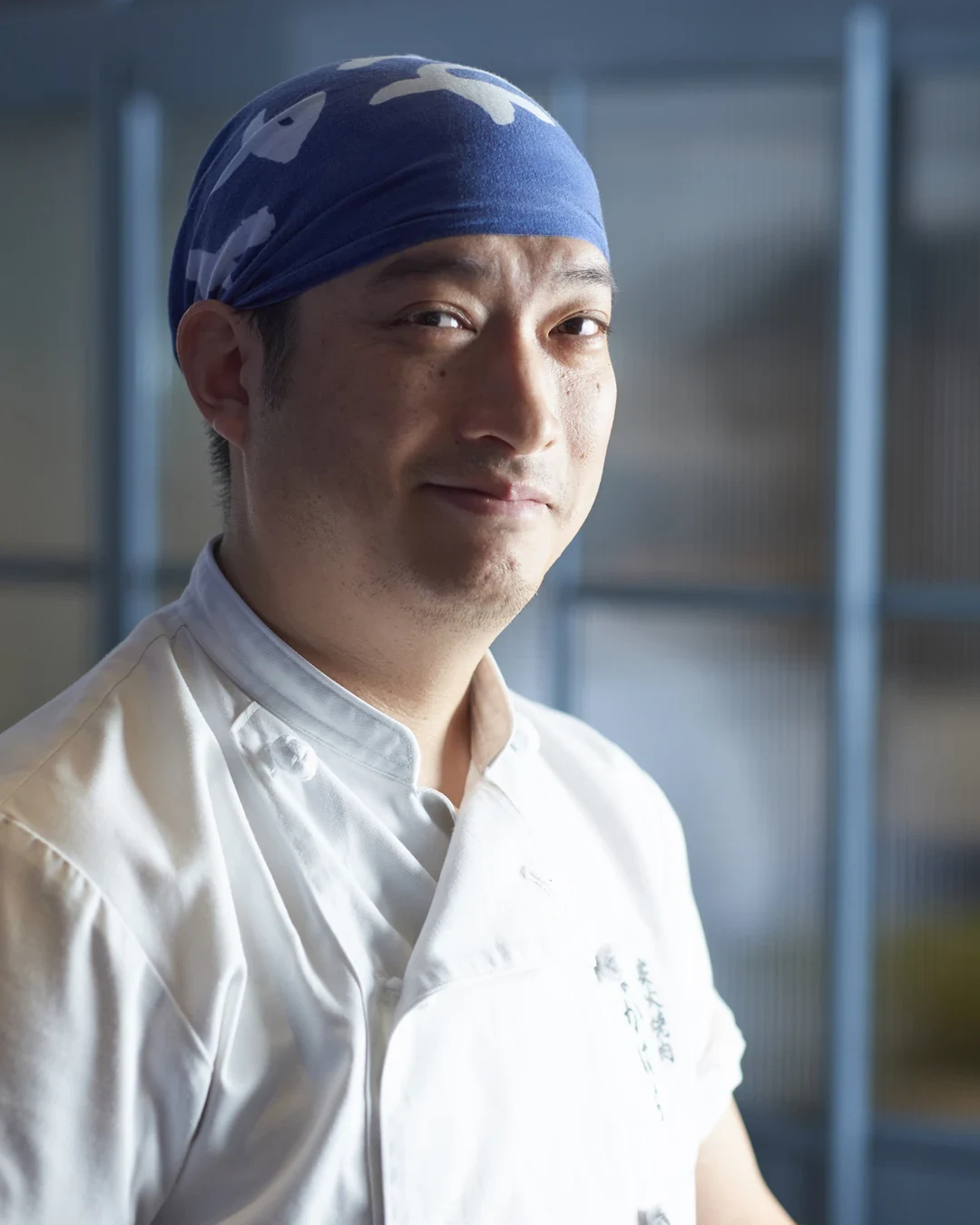
In Residence
Kentaro Nakahara
Chef
- 01CuisinePremium Wagyu Yakiniku Omakase
- 02CityTokyo, Japan
From the people index
Recommended by
One trusted voice points here.
- Opinionated About Dining Top Restaurants in Japan Ranked #48 · 2026
- Tabelog Bronze #304: 3.9pts · 2026
- Tabelog 100 #16: 3.9pts · 2025
- Pearl Recommended Restaurant · 2025
- Opinionated About Dining Top Restaurants in Japan Ranked #30 · 2025
- Tabelog Bronze · 2025
- Opinionated About Dining Top Restaurants in Japan Ranked #31 · 2024
- Opinionated About Dining Top Restaurants in Japan Ranked #32 · 2023
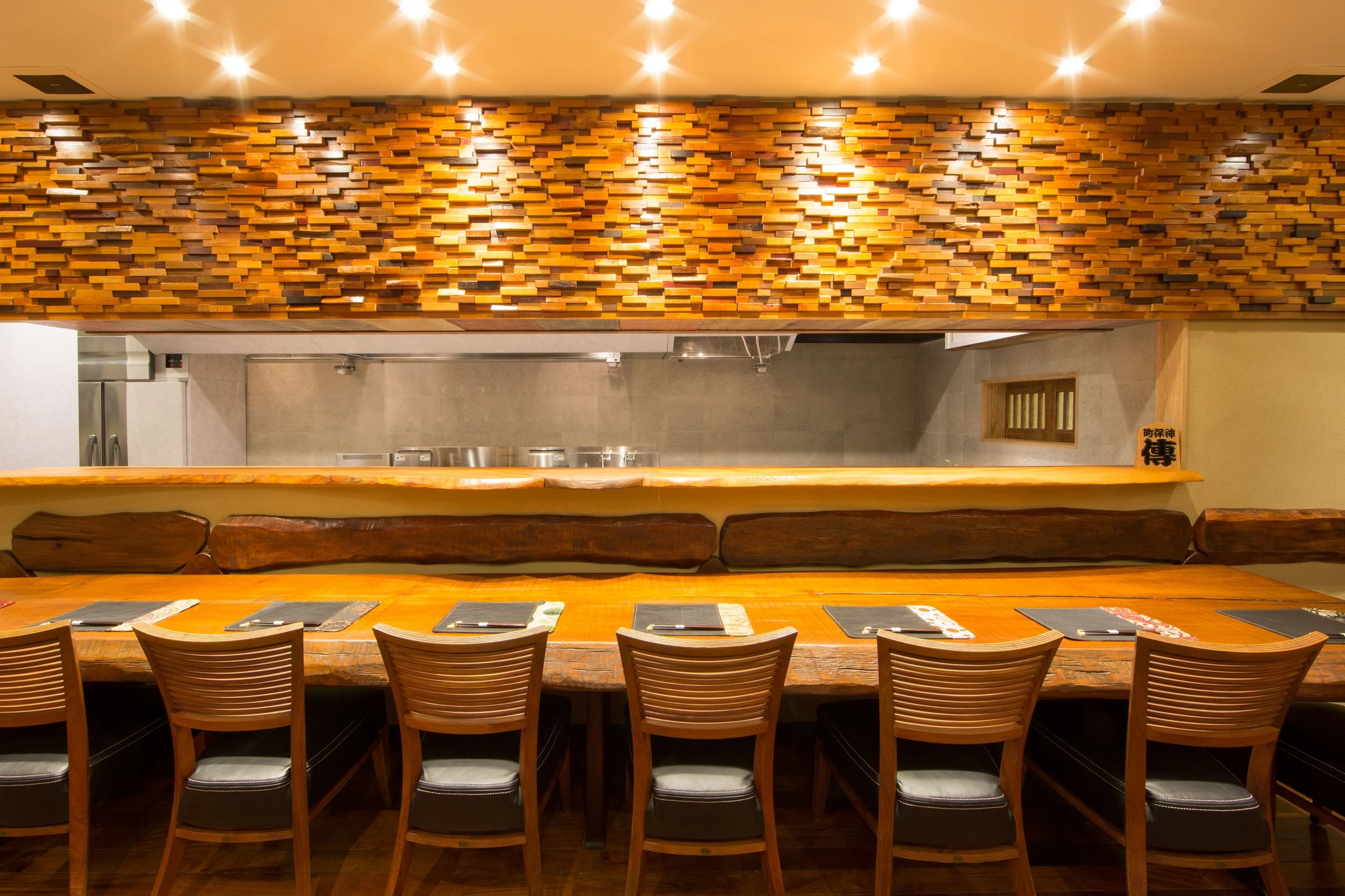
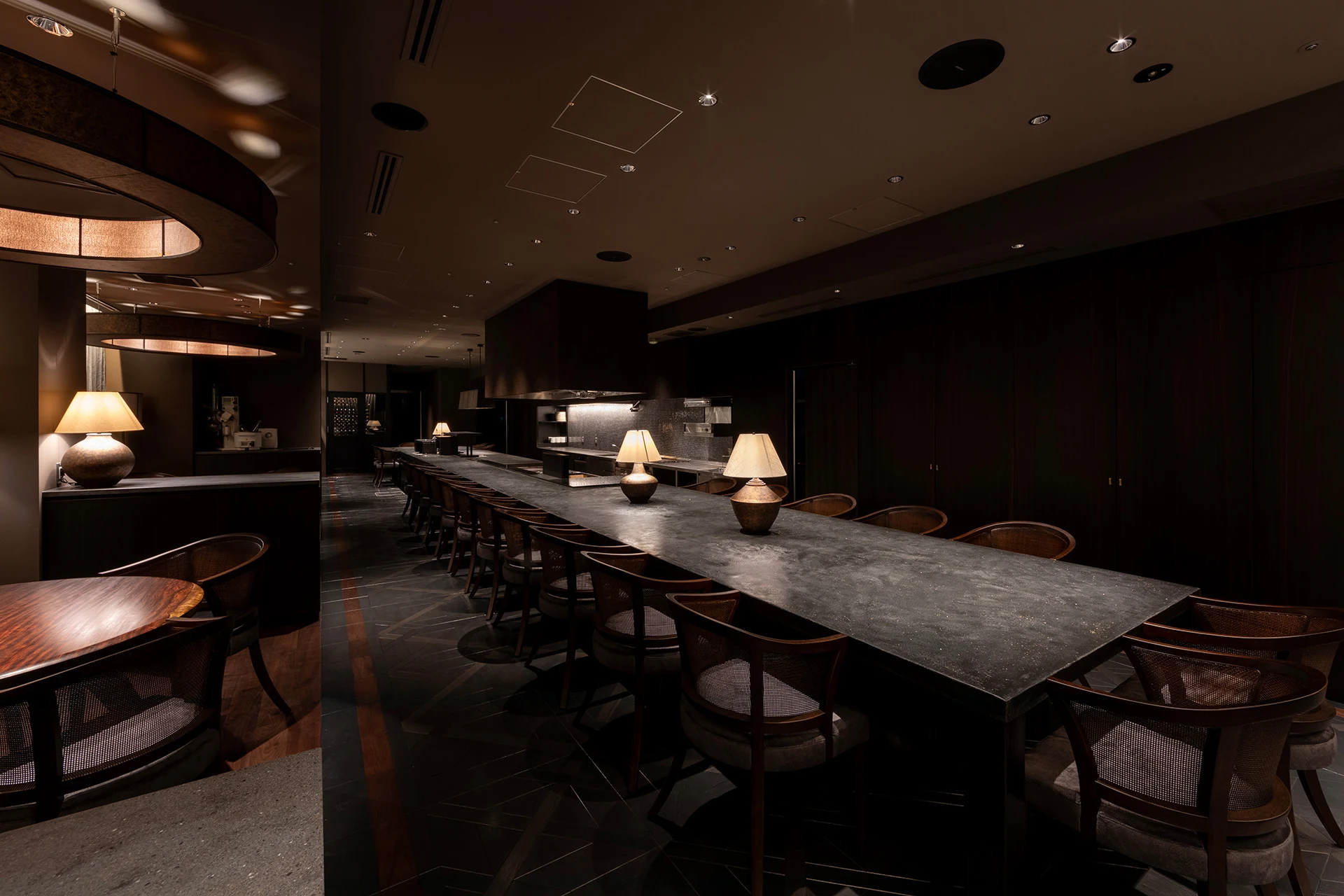
Arriving at a serious Tokyo yakiniku room rarely has the ceremony of sushi or kaiseki. The signal is quieter: the lift opens above Ichigaya, the city drops away, and the meal narrows to meat, heat, smoke, and timing. Here, luxury is not chandeliers or theatrical plating. It is procurement, knife work, portion sequencing, and the discipline to make beef feel deliberate rather than excessive.
That is the useful way to read Sumibiyakiniku Nakahara. Tokyo has plenty of yakiniku built around appetite, group energy, and marbled beef as spectacle. The upper bracket asks a different question: who selected the cattle, who cut the meat, and how much cooking logic has been solved before the diner touches the grill? Nakahara belongs to that camp, where the craft sits upstream of the table.
Tokyo yakiniku, stripped back to sourcing and cut
Yakiniku can look deceptively democratic: raw beef, tabletop grill, dipping sauce, conversation. At Tokyo’s high end, that simplicity tests supply chain and butchery. The difference between a good yakiniku dinner and a serious one often lies in slice thickness, fat-to-lean ratio for a given heat exposure, and whether a cut is treated as an interchangeable luxury item or a specific muscle with a specific job.
Chef Kentaro Nakahara’s presence matters as credential, not biography. Chef-led yakiniku has moved the genre away from commodity wagyu worship toward controlled interpretation. Beef sourcing alone is not enough. The kitchen must decide how each cut should meet charcoal, which textures belong early, and where richness needs restraint. That is why this category now competes less with casual barbecue than with Tokyo’s counter-led restaurants: the format may be convivial, but the decision-making is exacting.
The restaurant’s recognition gives that positioning hard edges. It was listed in the 2026 OAD Top Restaurants in Japan ranking and holds a 2026 Tabelog Bronze award, with a Tabelog score of 3.88. It has also appeared repeatedly in Tabelog’s yakiniku selections, including the 2025 Tokyo Yakiniku 100. For a genre often judged emotionally, by how much pleasure a grill can produce, those signals place it among Tokyo beef rooms where consistency matters as much as impact.
Comparisons clarify the field. Jumbo Hanare is another serious Tokyo yakiniku reference point, while Kinryuzan, Raimon, Yakiniku Ten, Yoroniku Azabudai Hills, and Yakiniku Ginza Cobau occupy adjacent conversations about beef quality, access, and format. Among them, Nakahara’s angle is especially tied to the idea that cutting is not prep work but authorship. The grill is only the final stage.
Why the format feels more controlled than casual barbecue
Tokyo diners often separate yakiniku into two mental categories: social grill houses and precision beef restaurants. The first is about pace, refills, and the comfort of smoke. The second is about calibrated richness. Nakahara sits firmly in the second. That does not make the experience stiff; it makes it focused. Pleasure comes from seeing a familiar format tightened until small choices carry weight.
This matters for travelers because yakiniku is sometimes treated as an easy Tokyo night out, a default answer for groups after sushi fatigue. At this level, it deserves more attention. The price band and awards profile put it closer to a planned dining commitment than an improvised dinner. Anyone choosing between sushi, tempura, kaiseki, and beef should treat it as a study in Japanese ingredient handling rather than a break from fine dining.
There is also a neighborhood distinction. Ichigaya is not the first district many visitors associate with high-drama dining, which frames the room differently from Ginza or Roppongi. The surrounding area has a practical, central Tokyo character: offices, schools, rail connections, and a quieter evening rhythm than the restaurant-heavy corridors farther east and south. The beef feels less like nightlife and more like a destination meal built around product discipline.
The broader Tokyo yakiniku map rewards specificity. Cossott’e, Kinryuzan, Kiraku-Tei, and Nikusho Horikoshi show how varied the city’s beef culture can be even within the category. Some rooms lean into old-school intensity, some into polished service, some into rarity and access. Nakahara’s place is ingredient-first: what comes from the butcher’s block, and how little noise is needed once the right cut has been chosen.
How to place it in a Tokyo dining itinerary
The smart itinerary question is not whether yakiniku belongs beside Tokyo’s more formal traditions. It does. The better question is which version justifies a prime dinner slot. Nakahara suits travelers who care about beef as a Japanese craft subject: breed selection, marbling management, charcoal contact, and the sequencing of richness across a meal. It is less compelling for anyone seeking a loose, inexpensive grill session.
For planning, use Our full Tokyo restaurants guide to place it alongside sushi, kaiseki, tempura, and counter dining, then pair the evening with Our full Tokyo hotels guide and Our full Tokyo bars guide. Tokyo also rewards category hopping beyond dinner: Our full Tokyo experiences guide gives cultural structure to the day, while Our full Tokyo wineries guide helps readers tracking Japan through drinks as well as restaurants.
Travelers extending the beef thread beyond the city can compare the format with -Grilled beef Sukiyaki- KAMAKURA TANUKIAN 鎌倉 たぬき庵 in Kamakura, Keiraku Yakiniku Pome, Yakiniku in Osaka, or the overseas casual-chain contrast of Gyu-Kaku Japanese BBQ, Yakiniku in Los Angeles. For a wider Japan file, the archive also ranges from.cafe in Osaka and.know in Kumamoto to (Shoku) Vietnam in Kawasaki, [Curry Senmon Ten] Maruyama Kyoju. in Sapporo, and [ki:] in Kyoto.
The verdict is simple without hype: this is Tokyo yakiniku for diners who want the category taken seriously. The appeal is not excess, but control. In a city where beef can be served as status, comfort, or craft, Nakahara belongs to the craft argument.
Questions
Frequently asked
Who works at Sumibiyakiniku Nakahara?
Made By profiles Kentaro Nakahara (Chef) at Sumibiyakiniku Nakahara.
How expensive is Sumibiyakiniku Nakahara?
Sumibiyakiniku Nakahara is listed at a price level of $$$$.
Where is Sumibiyakiniku Nakahara and what does it serve?
Sumibiyakiniku Nakahara is in Chiyoda, Tokyo, serving Premium Wagyu Yakiniku Omakase.
The field
How it compares
| Place | Cuisine | Notes | Awards |
|---|---|---|---|
| Sumibiyakiniku Nakahara | Premium Wagyu Yakiniku Omakase | Chiyoda, $$$$ | · |
| Den | Modern Japanese Kaiseki | Tokyo | Michelin 2 Stars, World's 50 Best |
| Florilège | Modern French-Japanese Plant-Based Fine Dining | Tokyo | Michelin 2 Stars, World's 50 Best |
| Narisawa | Modern Japanese Satoyama Fine Dining | Tokyo | Michelin 2 Stars, World's 50 Best |
| Quintessence | Modern French Fine Dining | Tokyo | Michelin 3 Stars |
| Sazenka | Modern Chinese Fine Dining | Tokyo | Michelin 3 Stars, World's 50 Best |
| Sézanne | Modern French Fine Dining | Tokyo | Michelin 3 Stars, World's 50 Best |
In residence
Similar places
Modern Japanese Kaiseki
Den
Tokyo, Japan
★★ · 50 Best
Modern French-Japanese Plant-Based Fine Dining
Florilège
Tokyo, Japan
★★ · 50 Best
Modern Japanese Satoyama Fine Dining
Narisawa
Tokyo, Japan
★★ · 50 Best
Modern French Fine Dining
Quintessence
Tokyo, Japan
★★★
Modern Chinese Fine Dining
Sazenka
Tokyo, Japan
★★★ · 50 Best
Modern French Fine Dining
Sézanne
Tokyo, Japan
★★★ · 50 Best