Made ByRestaurant
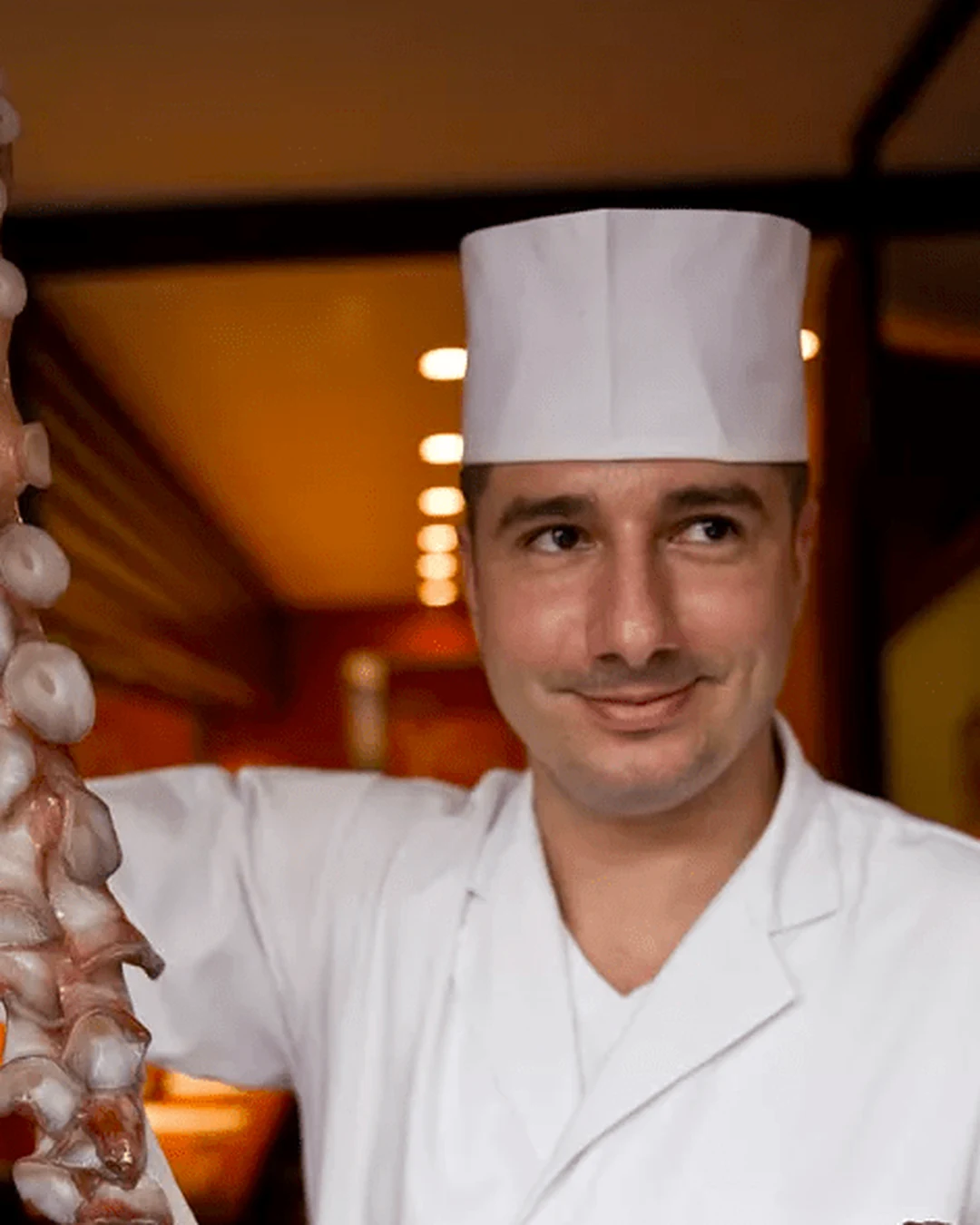
David Bouhadana, chef and co-owner of Sushi by Bou in New York City, compresses omakase into a disciplined counter format.
At a glance
- Cuisine
- Sushi
Thirty minutes at the counter
The knife has less time to persuade at Sushi by Bou in New York City, where David Bouhadana works as chef and co-owner. The format asks him to compress an omakase into a short, close-range sequence without letting the rice, fish, or order of service feel rushed. Bouhadana’s training at Sushi Chef Institute and the Japanese Culinary Training Program gave the formal base for that pressure. Before this counter became his current chapter, he worked as chef and co-owner at Sushi Dojo in the East Village until 2015, then became partner and menu creator at Sushi on Jones in The Bowery Market in 2016. Sushi by Bou has been his chain since 2017, and its premise is exact: high-end fish on rice, brought into a quicker, less formal room. That shift changes the craft problem. A longer omakase can build patience through ceremony; this one has to establish trust piece by piece, with the guest close enough to read the hands at the pass. Bouhadana’s role is not only to write the sequence, but to protect the discipline inside its speed.
Richness kept to one bite
The program turns on proportion. Sushi by Bou offers 12-course and 17-course omakase formats, often in 30-minute or 60-minute sessions, so each piece carries a defined weight in the meal. Hamachi, hotate, o-toro, unagi, akami, botan ebi, ikura, bincho, maguro, gindara, and sake sit within that language, familiar names made dependent on cut, temperature, rice pressure, and the pause before the next plate. Wagyuni, the house signature built from wagyu and uni, shows the risk and the control. The ingredients bring fat, sweetness, and marine depth; the bite only works if none of those qualities takes over. Bouhadana’s Madai Sugata-Mori belongs to another register, a red snapper presentation tied to his Japanese Culinary Training Program in Japan. Set beside Wagyuni, it clarifies the range of the method: one gesture made for the compressed counter, one tied to formal presentation and instruction.
A room built around close attention
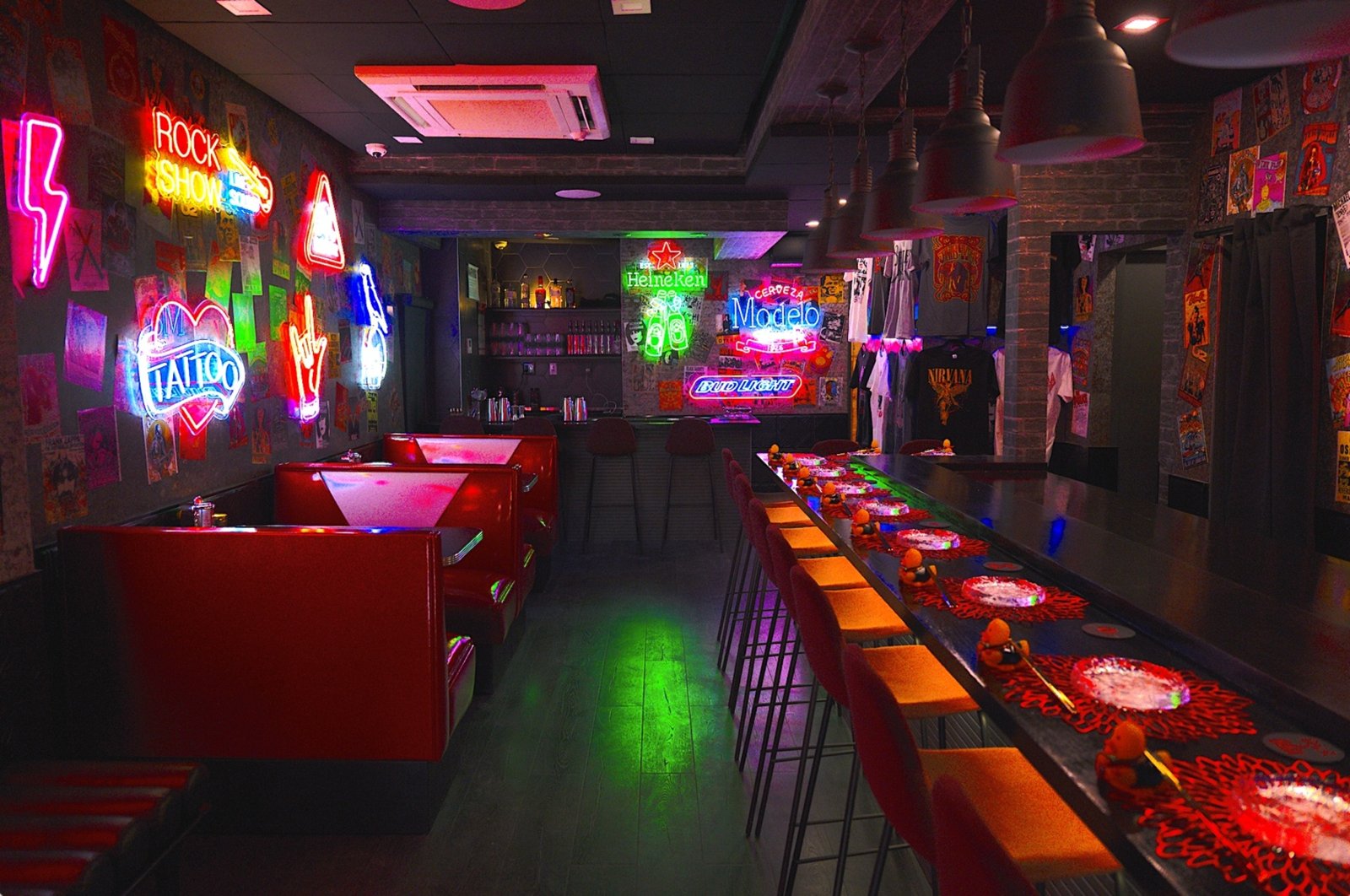
The East 11th Street room works at a small scale, with the counter holding attention more than the floor. Guests sit near the pass, where the sequence has little cover from conversation, soundtrack, glassware, and the changing energy of the room. Some Sushi by Bou locations lean into speakeasy themes, and this address is known for a rock-and-roll mood with a karaoke room in the back. That could pull focus in another restaurant. Here, the counter has to keep returning the eye to rice, fish, and the chef’s timing. The setting is intimate enough that a heavy hand shows quickly. So does a good one.
The chain as a working format
Sushi by Bou matters less as a departure from omakase than as a working argument about what can survive compression. Bouhadana has tied his current practice to a model that many diners can understand at once: a counter, a set number of courses, a short window, and pieces that still need to read as sushi rather than spectacle. If the room keeps changing location by location, the central test stays at the bench. The clearest measure remains the Wagyuni at Sushi by Bou.
Address
New York, New York, United States
In residence
Similar places
French Seafood Fine Dining
Le Bernardin
New York City, United States
★★★ · 50 Best
Modern Korean Tasting Menu
Atomix
New York City, United States
★★ · 50 Best
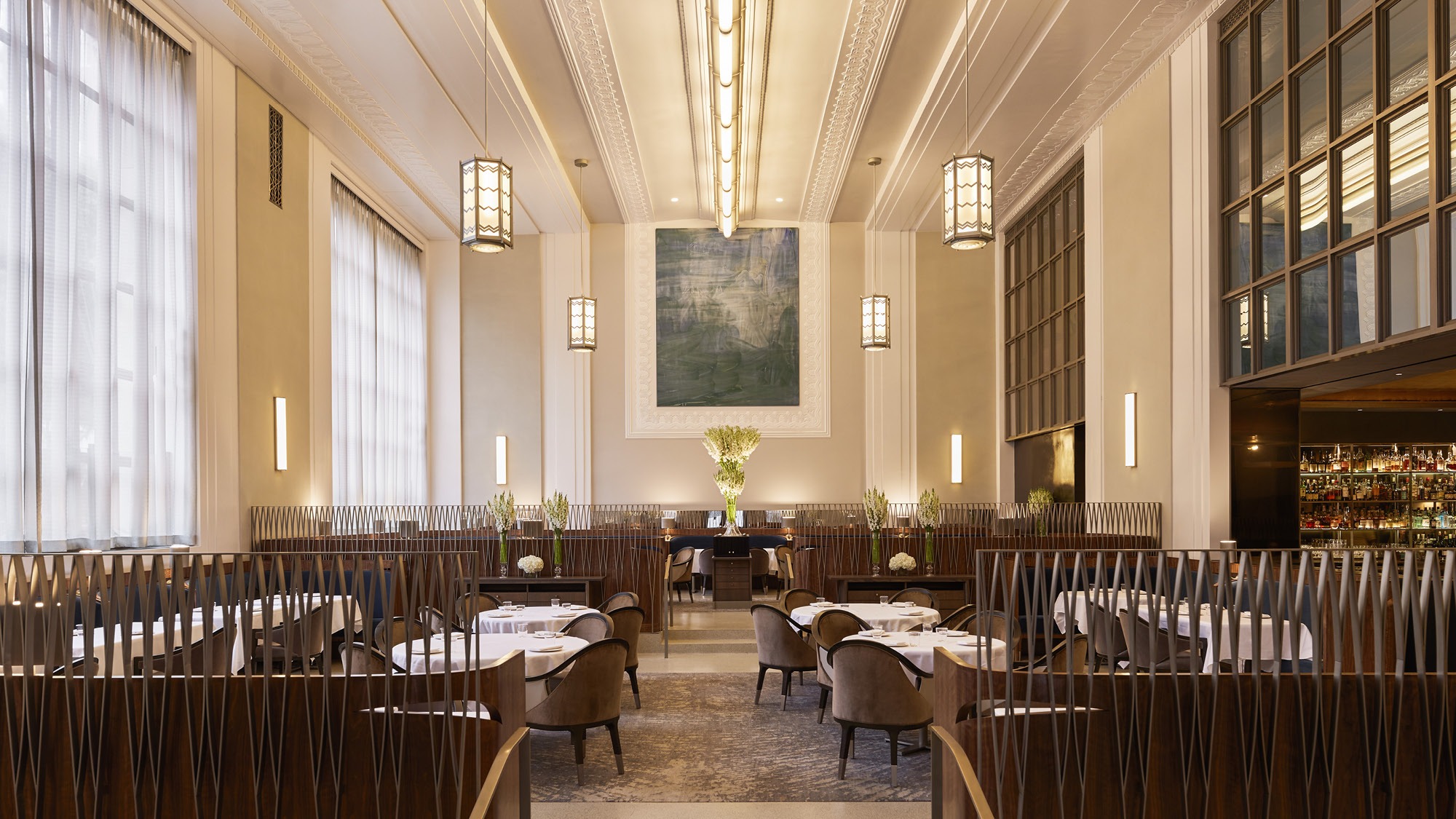
Contemporary Plant-Based Fine Dining
Eleven Madison Park
New York City, United States
★★★ · 50 Best
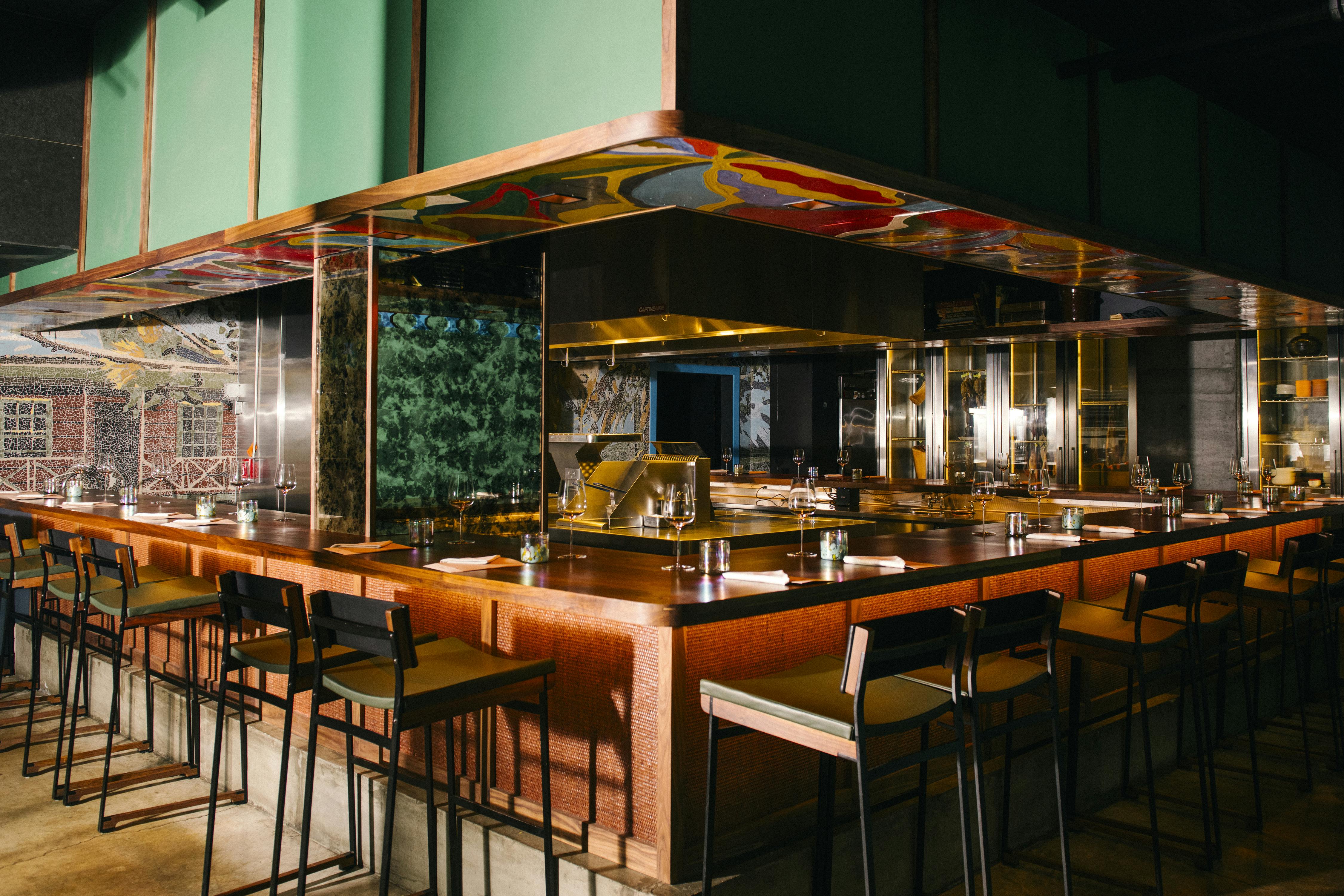
Modern Caribbean Prix Fixe
Kabawa
New York City, United States
50 Best
Modern Korean Fine Dining
Jungsik New York
New York City, United States
★★★ · 50 Best
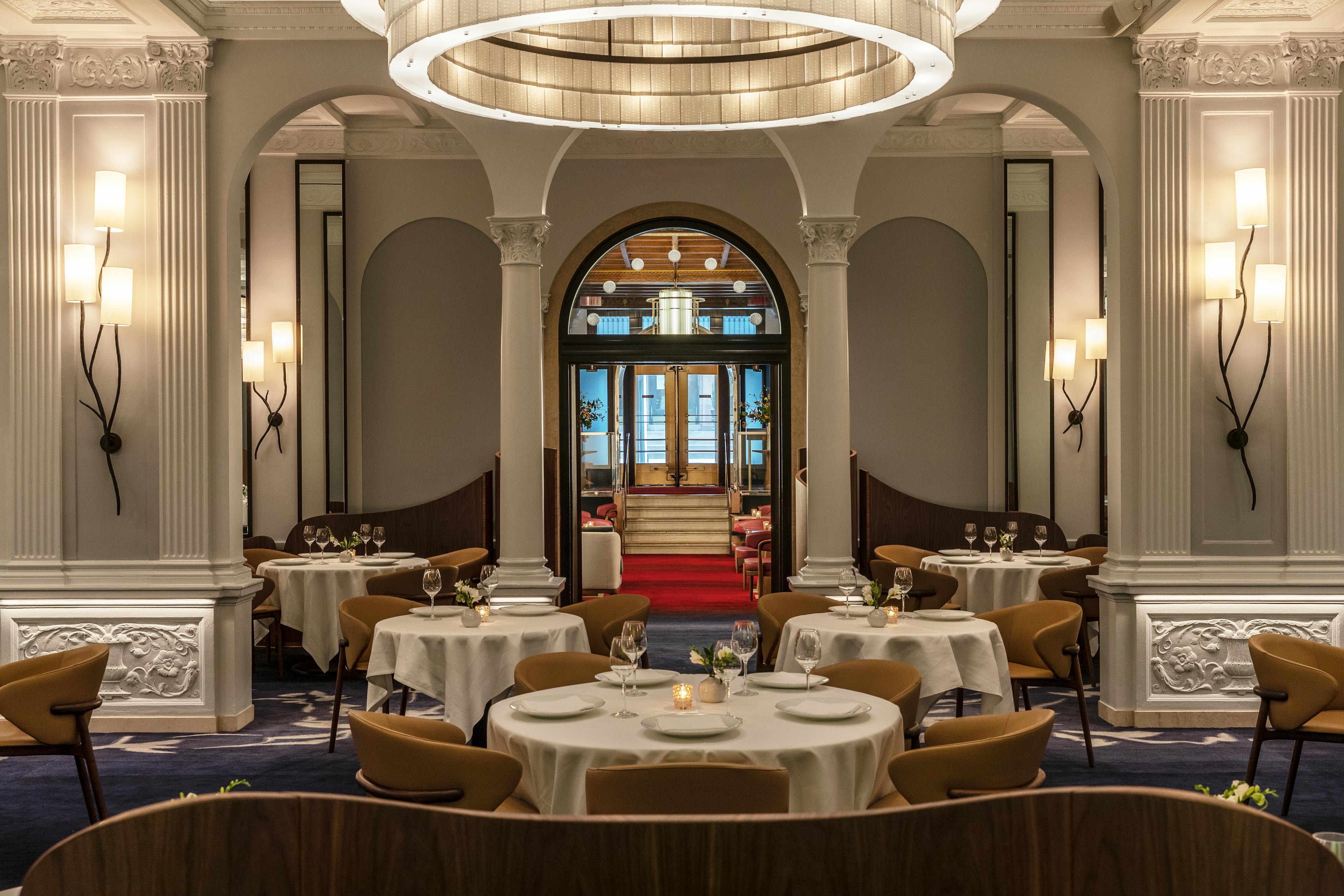
Modern French Fine Dining
Daniel
New York City, United States
★ · 50 Best