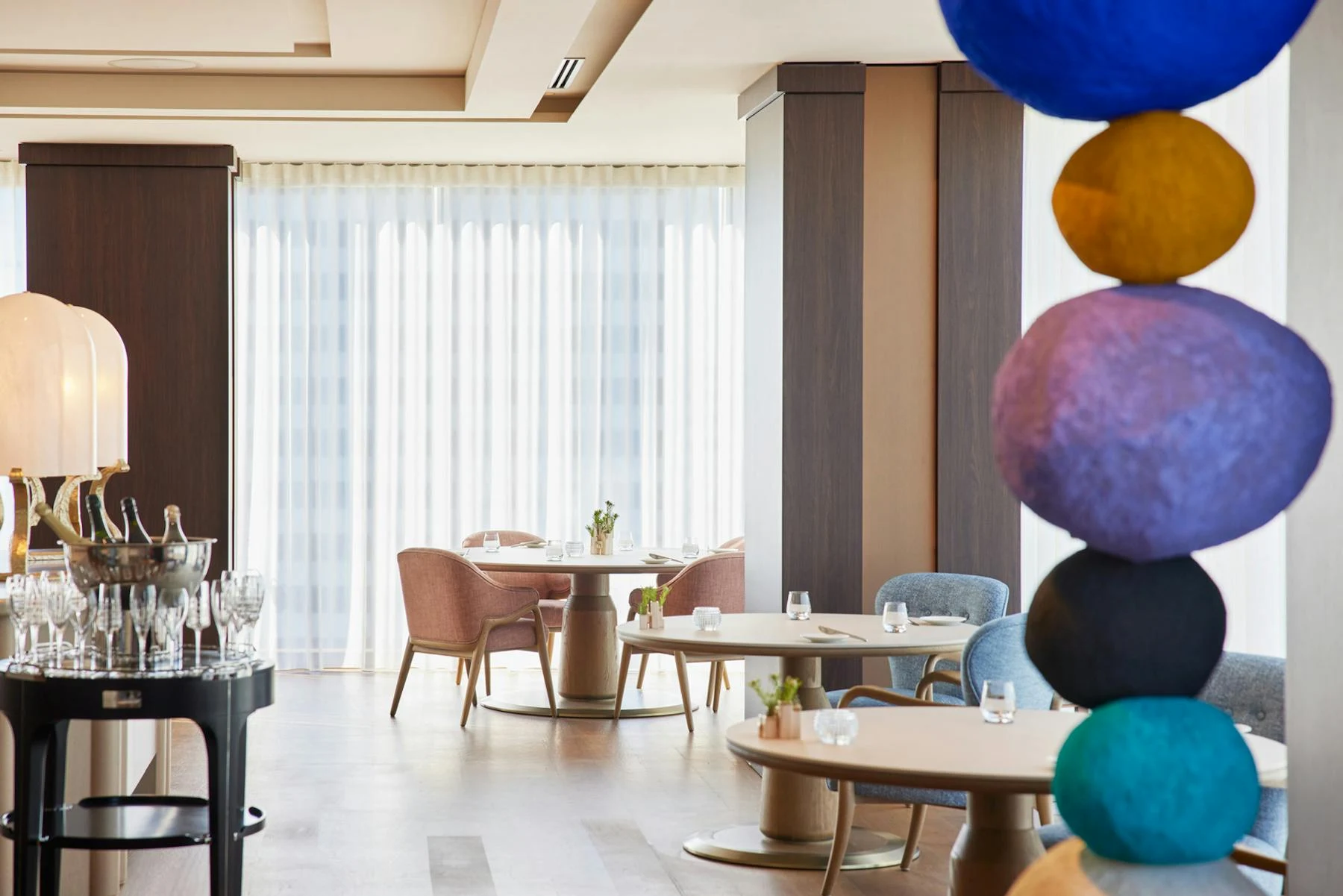
Sushi Dai
- 01CuisineToyosu Market Omakase Sushi
- 02CityTokyo, Japan
From the people index
Recommended by
One trusted voice points here.
Warm rice at a market counter
- Opinionated About Dining Top Restaurants in Japan Recommended · 2026
- Opinionated About Dining Top Restaurants in Japan Ranked #497 · 2025
- The Best Chef Two Knives · 2025
- Pearl Recommended Restaurant · 2025
- Opinionated About Dining Top Restaurants in Japan Ranked #444 · 2024
- Opinionated About Dining Top Restaurants in Japan Recommended · 2023
Rice warmth before the first cut
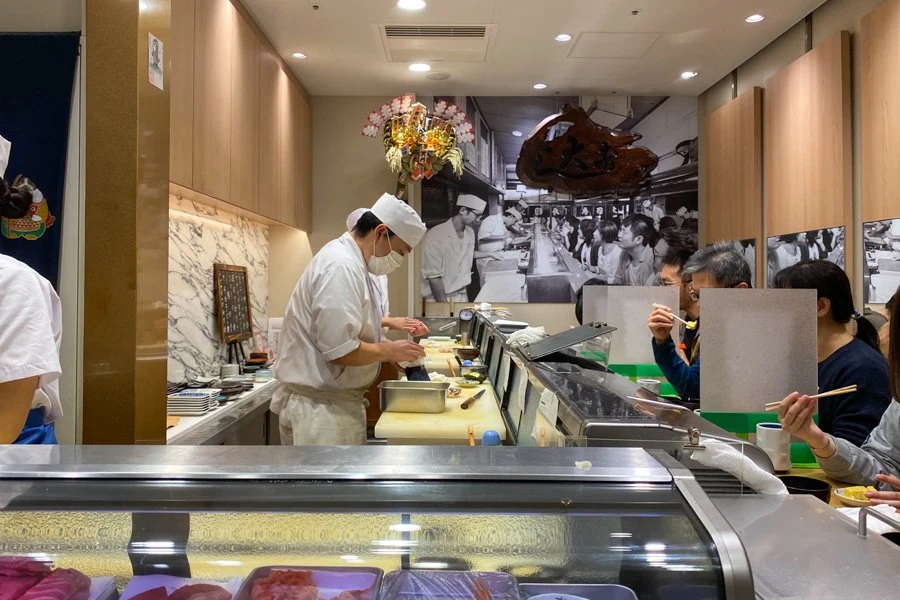
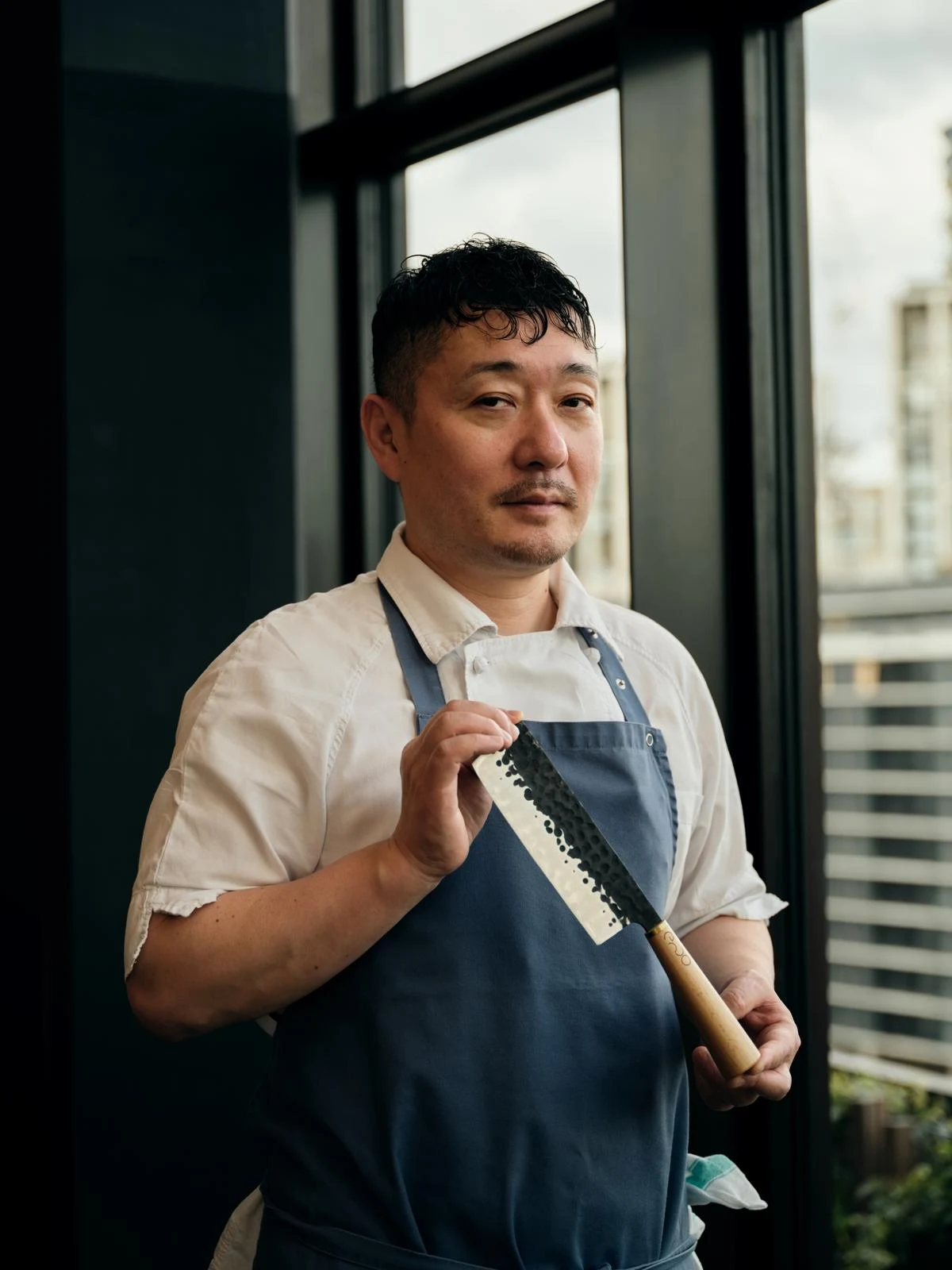
Warm shari meets the hand before the fish is set down; Yuichi Arai, formerly a chef at Sushi Dai in Toyosu, Tokyo, learned the pressure of a market counter before building his own Ginza room. Yuichi Arai later trained at Ginza Kyubei, Sushi Sho, and Sushi Takumi, then opened Sushi Arai in 2015, but the Sushi Dai setting asks for a different kind of concentration: a small counter, market fish, and an omakase that moves quickly without feeling careless. The restaurant’s lineage sits in the old Tsukiji ecosystem and its move toward Toyosu, where the day’s catch still governs the work. Here, Edomae discipline is not treated as a museum language. It lives in seasoning, temperature, texture, timing, and the sequence in which each piece reaches the guest. Arai has carried those same concerns into his later counter, where classic nigiri depends on progression rather than display. At Sushi Dai, that pressure came bench-side, with the guest close enough to read the cut, the brush of soy, the squeeze of rice, and the pause before the next piece.
A ten-piece rhythm from the market
The Sushi Dai format is built around a 10-course omakase: tamago at the start, a run of nigiri, a handroll near the end, and a final piece chosen by the guest. The structure gives the itamae room to set weight and relief against one another. Fatty tuna brings depth early or late depending on the day’s fish; abalone asks for chew; horse mackerel needs clean seasoning and a cut that does not blur its oil. The counter’s best-known language is direct Edomae handling, not decoration. Fish is sliced, set over seasoned rice, and served at a pace that keeps the rice warm enough to matter. Soy appears with restraint, often already placed by the chef, so the guest receives the intended balance rather than correcting at the saucer. Green tea and miso soup sit beside the course rather than becoming a program of their own. The wine side is minimal, and that suits the room. The meal turns on fish, rice, hand pressure, and order.
The counter after the queue
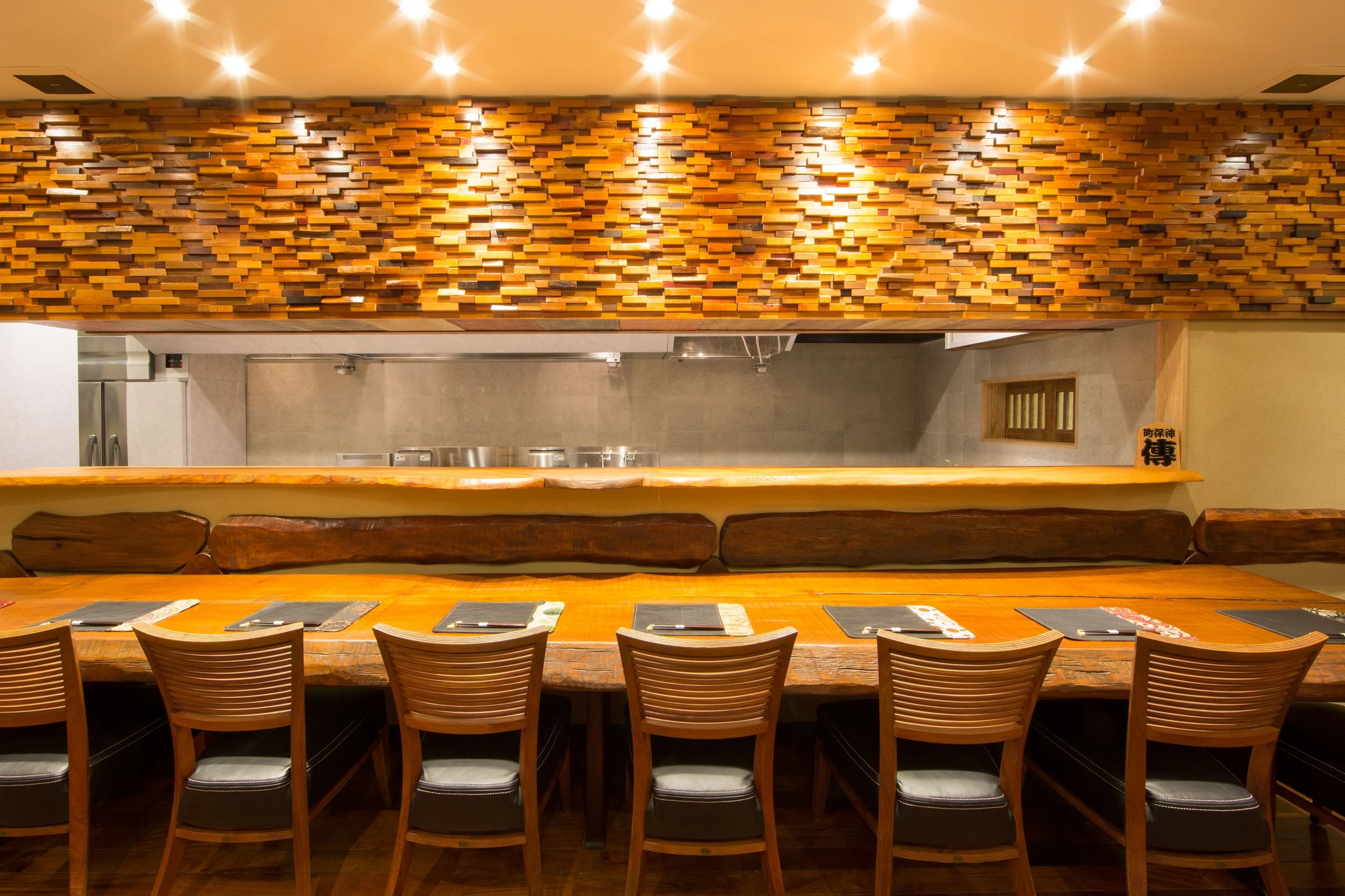
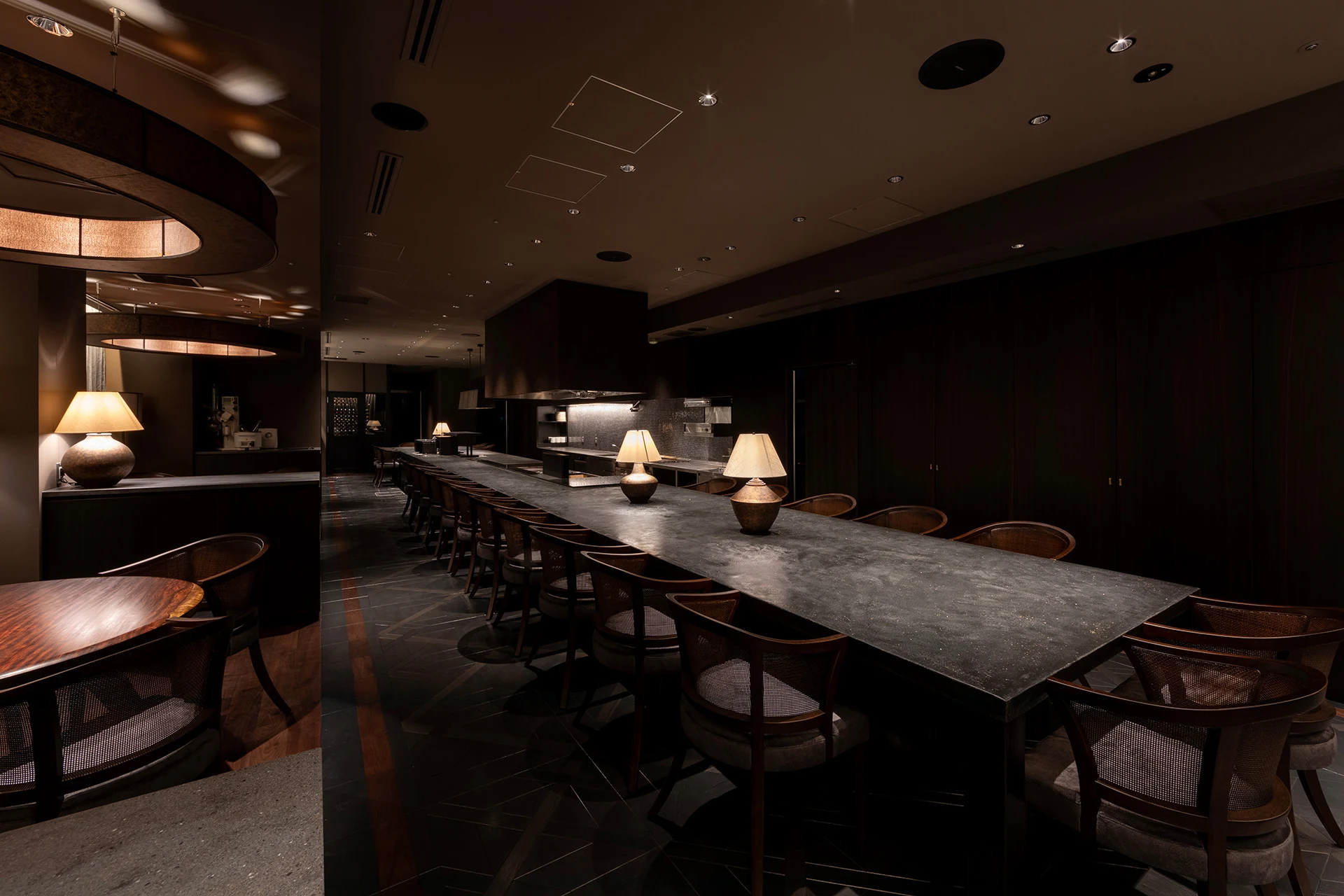
The room is small enough that the counter becomes the whole field of attention. Guests sit close to the pass, and the exchange is personal without becoming loose. A piece lands, the chef watches, the next cut begins. The old market energy remains part of the restaurant’s character: early arrivals, tight seats, and a meal that compresses a great deal of craft into a short span. Nothing in the room asks to compete with the fish. The counter, the rice tub, the knife, the trays of seafood, and the chef’s hands carry the atmosphere. Conversation stays low. The work stays visible.
Access without dilution
Sushi Dai matters because it keeps high-grade market sushi in a direct register. Its reputation has never depended on a luxury room or a long cellar; it depends on the bargain between patience outside and precision inside. The counter still puts the sequence in front of the guest. At Sushi Dai, fatty tuna, abalone, or horse mackerel made the morning cohere.
Questions
Frequently asked
What kind of restaurant is Sushi Dai?
Sushi Dai is a Toyosu Market omakase sushi restaurant in Toyosu, Tokyo. It works from a small counter and focuses on market fish prepared in an Edomae style.
What is the meal format at Sushi Dai?
The meal is a 10-course omakase. It begins with tamago, moves through a run of nigiri, includes a handroll near the end, and finishes with a final piece chosen by the guest.
What are some dishes the restaurant is known for?
The signature dishes listed for Sushi Dai are fatty tuna, abalone, and horse mackerel. The menu also centres on the day’s catch and warm rice.
Is Sushi Dai easy to book?
Sushi Dai is walk-in friendly. The room is small, so the experience is shaped by the queue as much as by the counter.
What are Sushi Dai’s opening hours?
Sushi Dai is open Monday from 6 to 10 PM, Tuesday from 11:30 AM to 2 PM and 6 to 10 PM, Wednesday from 6 to 10 PM, Thursday from 11:30 AM to 2 PM and 6 to 10 PM, and Friday from 11:30 AM to 2 PM and 6 to 10 PM. It is closed on Saturday and Sunday.
The field
How it compares
| Place | Cuisine | Notes | Awards |
|---|---|---|---|
| Sushi Dai | Toyosu Market Omakase Sushi | Chūō, $$ | · |
| Den | Modern Japanese Kaiseki | Tokyo | Michelin 2 Stars, World's 50 Best |
| Florilège | Modern French-Japanese Plant-Based Fine Dining | Tokyo | Michelin 2 Stars, World's 50 Best |
| Narisawa | Modern Japanese Satoyama Fine Dining | Tokyo | Michelin 2 Stars, World's 50 Best |
| Quintessence | Modern French Fine Dining | Tokyo | Michelin 3 Stars |
| Sazenka | Modern Chinese Fine Dining | Tokyo | Michelin 3 Stars, World's 50 Best |
| Sézanne | Modern French Fine Dining | Tokyo | Michelin 3 Stars, World's 50 Best |
Similar places
Modern Japanese Kaiseki
Den
Tokyo, Japan
★★ · 50 Best
Modern French-Japanese Plant-Based Fine Dining
Florilège
Tokyo, Japan
★★ · 50 Best
Modern Japanese Satoyama Fine Dining
Narisawa
Tokyo, Japan
★★ · 50 Best
Modern French Fine Dining
Quintessence
Tokyo, Japan
★★★
Modern Chinese Fine Dining
Sazenka
Tokyo, Japan
★★★ · 50 Best
Modern French Fine Dining
Sézanne
Tokyo, Japan
★★★ · 50 Best