- Michelin Guide Plate · 2026
- Opinionated About Dining Top Restaurants in Asia Ranked #237 · 2025
- Michelin Plate · 2025
- Opinionated About Dining Top Restaurants in Asia Ranked #209 · 2024
Stanley Street's Counter Culture
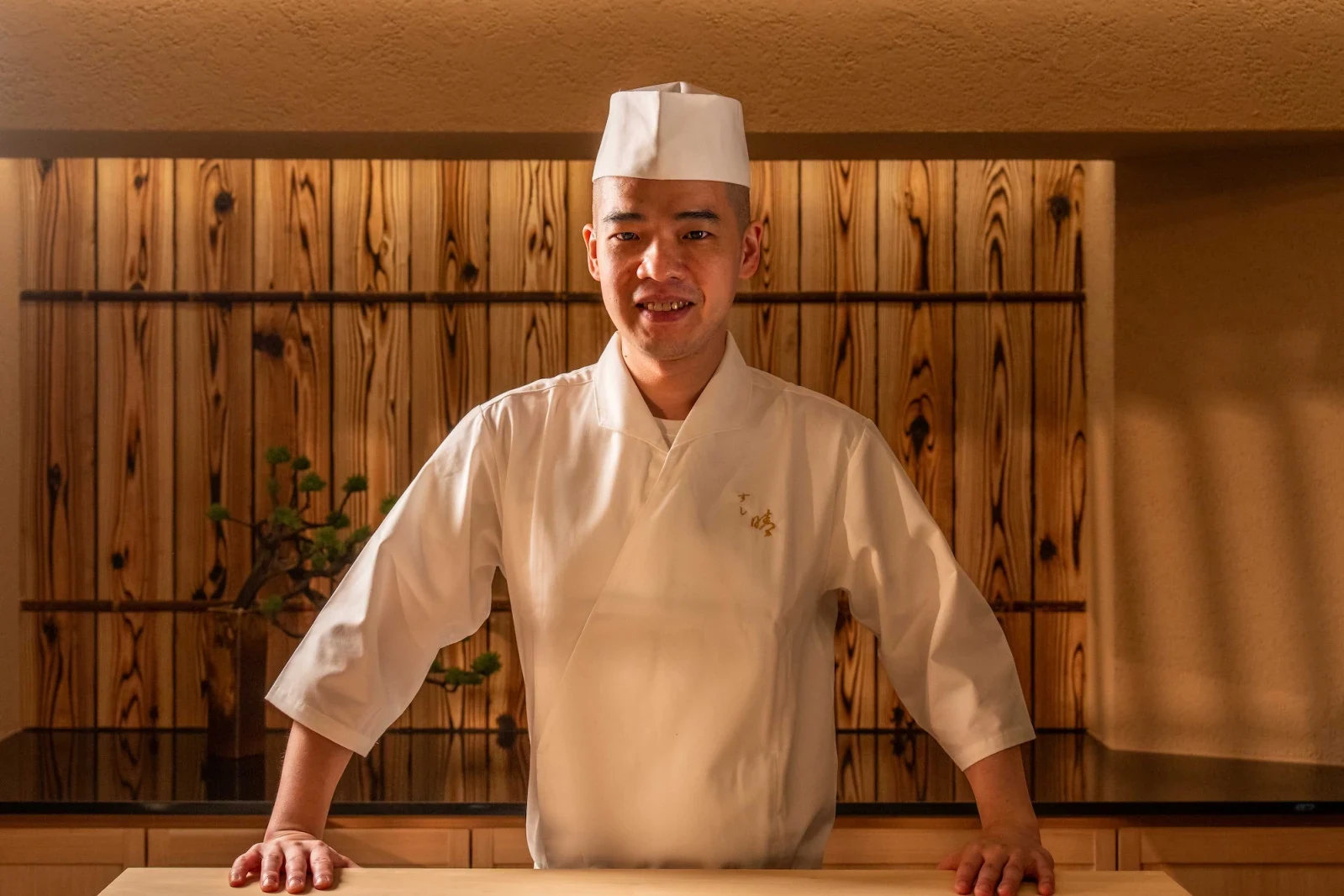
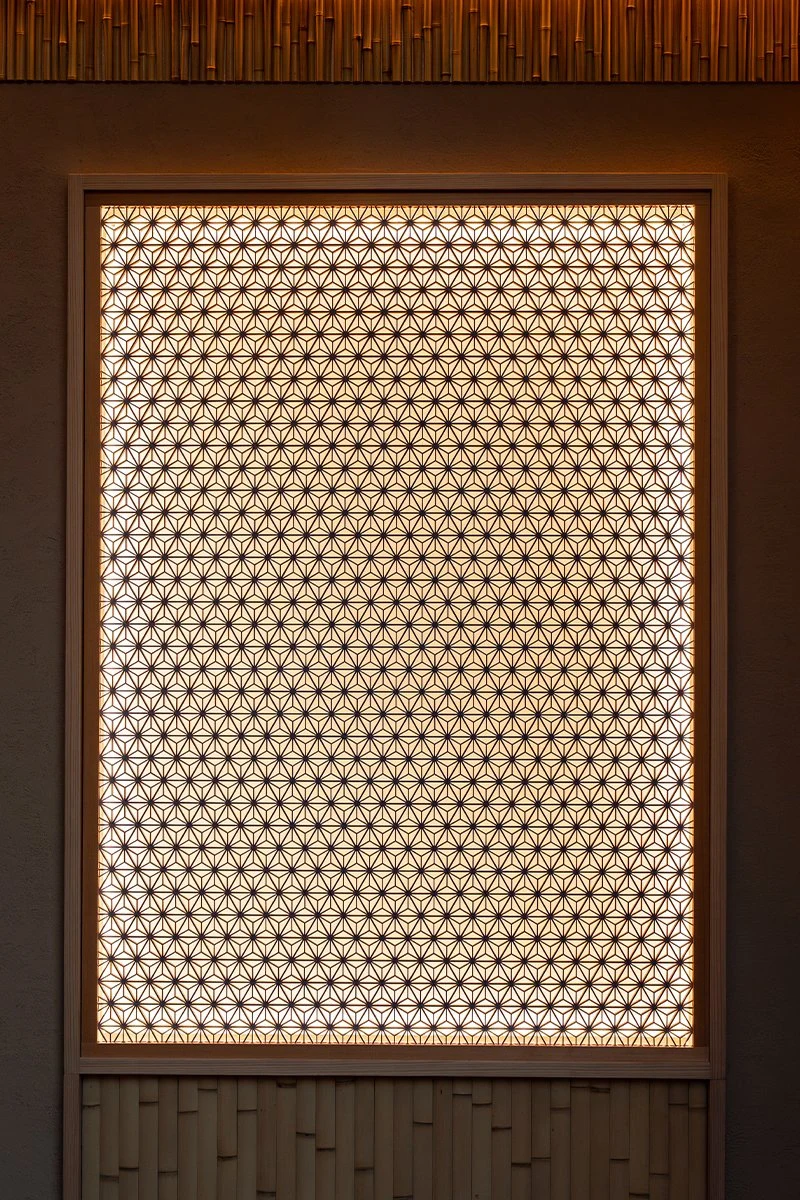
Sushi Hare is a Japanese omakase restaurant in Singapore at 14 Stanley St, Singapore 068733. The room is compact and counter-led.
Where Sushi Hare Sits in Singapore's Omakase Tier
Singapore's omakase market has stratified considerably over the past decade. At the leading, two-star houses like Shoukouwa and Hamamoto command price points that position them against Tokyo's premier counters. Below that band sits a more contested middle tier, where Michelin Plate recognition and independent guide rankings serve as the primary differentiators. Sushi Hare operates in that middle tier, with recognition from Michelin and consecutive listings on Opinionated About Dining's Leading Restaurants in Asia, ranked 209th in 2024 and 237th in 2025.
The Sunday letter
Find new places through the people who run them.
Our Sunday email brings you the chefs, winemakers and hoteliers behind our newest stories. See a sample before you subscribe.
See a sample of the Sunday emailOne email a week. Unsubscribe from any issue.
Holding a position in the top 250 across two consecutive years, in a category as competitive as Asian sushi, suggests consistency rather than a single exceptional meal.
The Value Proposition: What the Price Point Actually Buys
At roughly USD 280 per person, Sushi Hare sits in the upper end of the Singapore omakase market. The top-tier counters in Singapore have pushed their pricing toward or past the SGD 400-500 per person threshold. The trade-off is well understood: fewer courses involving imported premium fish, a slightly less ceremonial pace, but the same underlying technique and sourcing discipline that defines serious edomae work.
For a diner who has eaten across Tokyo's omakase circuit, the value calculation at Singapore's mid-tier counters becomes about access and execution rather than exclusivity. Counters like Harutaka in Tokyo or Sushi Kanesaka represent what the format looks like with decades of refinement and Tokyo's fish market access. Singapore counters in this tier are doing something different: maintaining technical standards in a market where ingredient logistics are harder and the diner base is more international. That context matters when assessing what the price actually delivers.
Internationally, the comparison set for mid-tier omakase outside Japan includes counters like Sushi Shikon in Hong Kong and HANE in Seoul, both operating in similarly demanding markets. The sustained OAD recognition Sushi Hare has accumulated places it in credible company within that regional frame.
Chef Motoharu Inazuka and the Edomae Approach
Edomae sushi as a tradition is defined by technique applied before service: curing, aging, marinating, and seasoning fish to draw out or concentrate flavour rather than relying solely on the raw product. The style developed in Edo-period Tokyo as a practical response to the absence of reliable refrigeration, and its persistence in contemporary omakase reflects genuine culinary discipline rather than nostalgia. At the highest level, the technique becomes a form of expression. At the mid-tier, it remains a benchmark of credibility.
Chef Inazuka's role at Sushi Hare is to anchor the counter within that tradition. Singapore's sushi scene has room for both pure product-forward counters and more technique-intensive edomae approaches, and the OAD rankings suggest Inazuka's execution has found an audience among informed diners.
Singapore's Broader Dining Frame
Sushi Hare is one address within Singapore's dense dining scene.
Within the Japanese dining category specifically, Singapore's counter scene continues to expand and sharpen. The competition keeps technical standards high and gives informed diners real choice across price points. Sushi Hare's position in the mid-premium band, backed by consistent third-party recognition, makes it a meaningful option in that competitive field rather than a default one.
Planning Your Visit
Address: 14 Stanley St, Singapore 068733. Cuisine: Japanese Omakase. Price range: $$$. Awards: Opinionated About Dining Leading Restaurants in Asia ranked 237th in 2025 and 209th in 2024. Reservations are essential. Google rating: 4.9 from 79 reviews.
Questions
Frequently asked
Who works at Sushi Hare?
Made By profiles Angus Chang (Chef) at Sushi Hare.
How expensive is Sushi Hare?
Sushi Hare is listed at a price level of $$$$.
Where is Sushi Hare and what does it serve?
Sushi Hare is in CHINATOWN, Singapore, serving Japanese Omakase.
The field
How it compares
| Place | Cuisine | Notes | Awards |
|---|---|---|---|
| Sushi Hare | Japanese Omakase | CHINATOWN, $$$$ | · |
| Born | Contemporary Fusion Fine Dining | Singapore | Michelin 1 Star, World's 50 Best |
| Burnt Ends | Modern Australian Barbecue | Singapore | Michelin 1 Star, World's 50 Best |
| Jaan by Kirk Westaway | Modern British Fine Dining | Singapore | Michelin 2 Stars, World's 50 Best |
| Les Amis | Classic French Haute Cuisine | Singapore | Michelin 3 Stars, World's 50 Best |
| Odette | Modern French Fine Dining | Singapore | Michelin 3 Stars, World's 50 Best |
| Zén | Neo-Nordic with Japanese Influences | Singapore | Michelin 3 Stars, World's 50 Best |
In residence
Similar places
Contemporary Fusion Fine Dining
Born
Singapore, Singapore
★ · 50 Best
Modern Australian Barbecue
Burnt Ends
Singapore, Singapore
★ · 50 Best
Modern British Fine Dining
Jaan by Kirk Westaway
Singapore, Singapore
★★ · 50 Best
Classic French Haute Cuisine
Les Amis
Singapore, Singapore
★★★ · 50 Best
Modern French Fine Dining
Odette
Singapore, Singapore
★★★ · 50 Best
Neo-Nordic with Japanese Influences
Zén
Singapore, Singapore
★★★ · 50 Best
The Sunday letter
Get the next Made By story in your inbox.
We send one email every Sunday morning with the places and people we covered that week.
See a sample of the Sunday emailOne email a week. Unsubscribe from any issue.