Sushi Hatano Yoshiki
- 01CuisineModern Edomae Omakase
- 02CityTokyo, Japan
- Opinionated About Dining Top Restaurants in Japan Highly Recommended · 2026
- Tabelog Bronze #102: 4pts · 2026
- Tabelog 100 #10: 4pts · 2025
- Opinionated About Dining Top Restaurants in Japan Ranked #230 · 2025
- Opinionated About Dining Top Restaurants in Japan Ranked #260 · 2024
- Opinionated About Dining Top Restaurants in Japan Highly Recommended · 2023
Azabu Juban's Counter Format and Where Hatano Yoshiki Fits
Tokyo's omakase sushi scene has stratified considerably since the mid-2010s. At the apex sit the Ginza and Minami-Aoyama counters commanding 50,000 yen and above, with decade-long waitlists and Michelin endorsements to match. A tier below, a cluster of neighbourhood counters in Azabu, Hiroo, and Shibuya has built strong independent reputations through Tabelog's review ecosystem, shorter booking windows, and a format that trades institutional gravity for proximity and craft. Sushi Hatano Yoshiki belongs to that second cohort. Its Tabelog Award 2026 Bronze recognition and consecutive selection for Tabelog Sushi Tokyo 100 in both 2022 and 2025 confirm a sustained standing in that peer group, not a single-year spike.
For comparative reference: neighbours such as Hiroo Ishizaka and downtown counters like Harutaka operate in the same general stratum, while Sushi Kanesaka and Sukiyabashi Jiro Roppongiten represent the higher institutional tier. Edomae Sushi Hanabusa covers the traditional Edomae end of the spectrum. Hatano Yoshiki prices at 39,600 yen for the omakase (tax included).
The Counter as the Whole Point
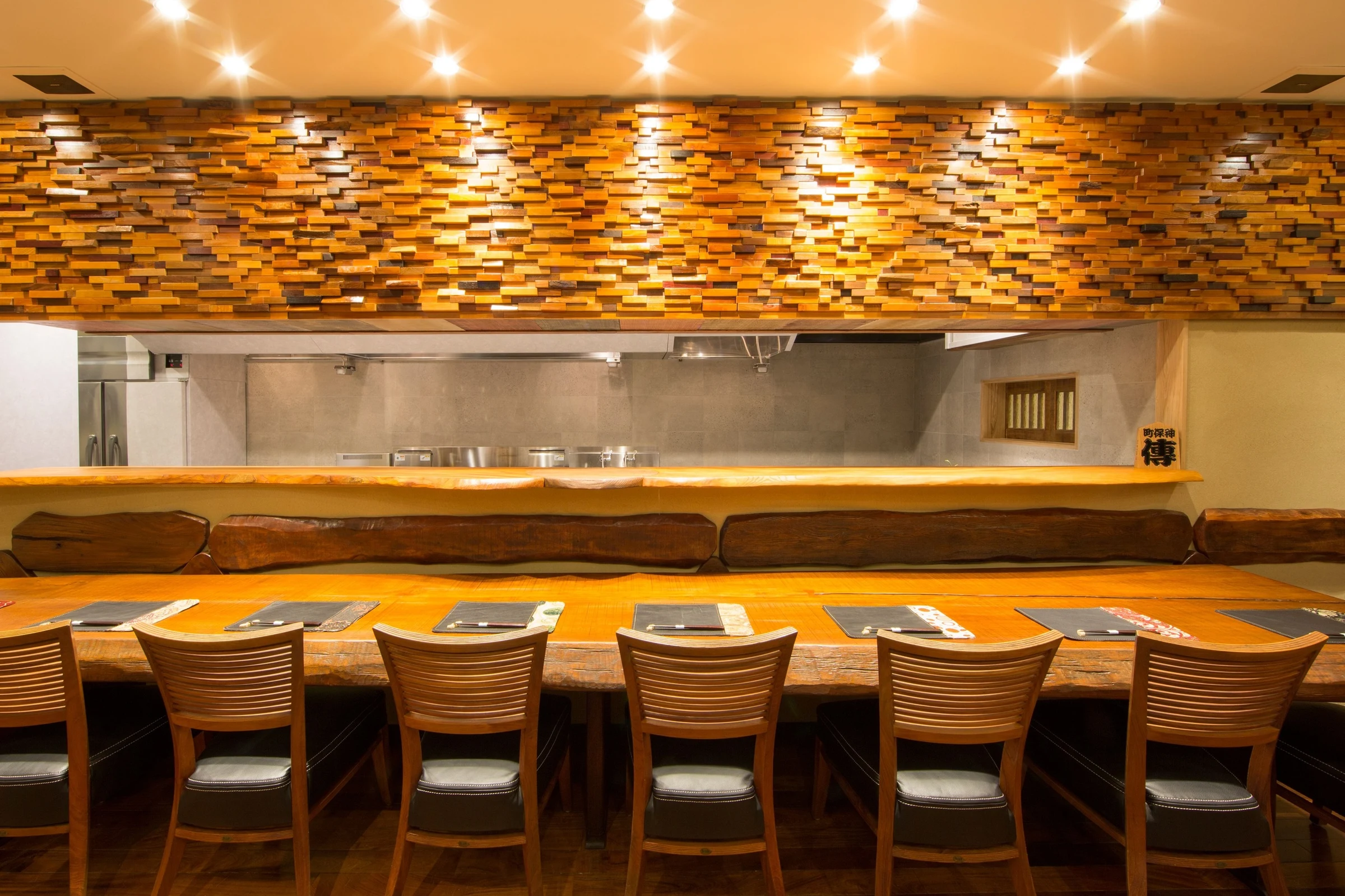
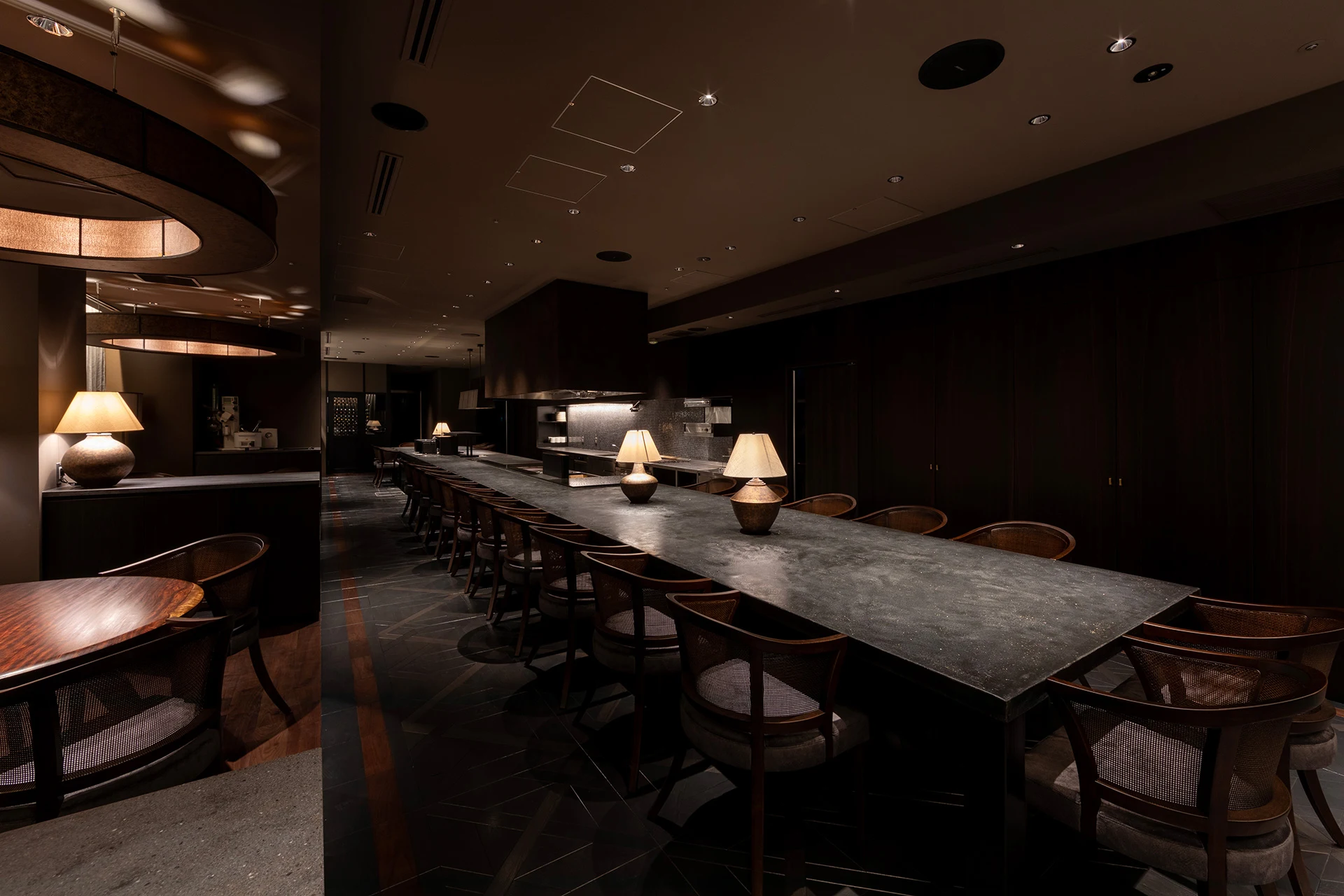
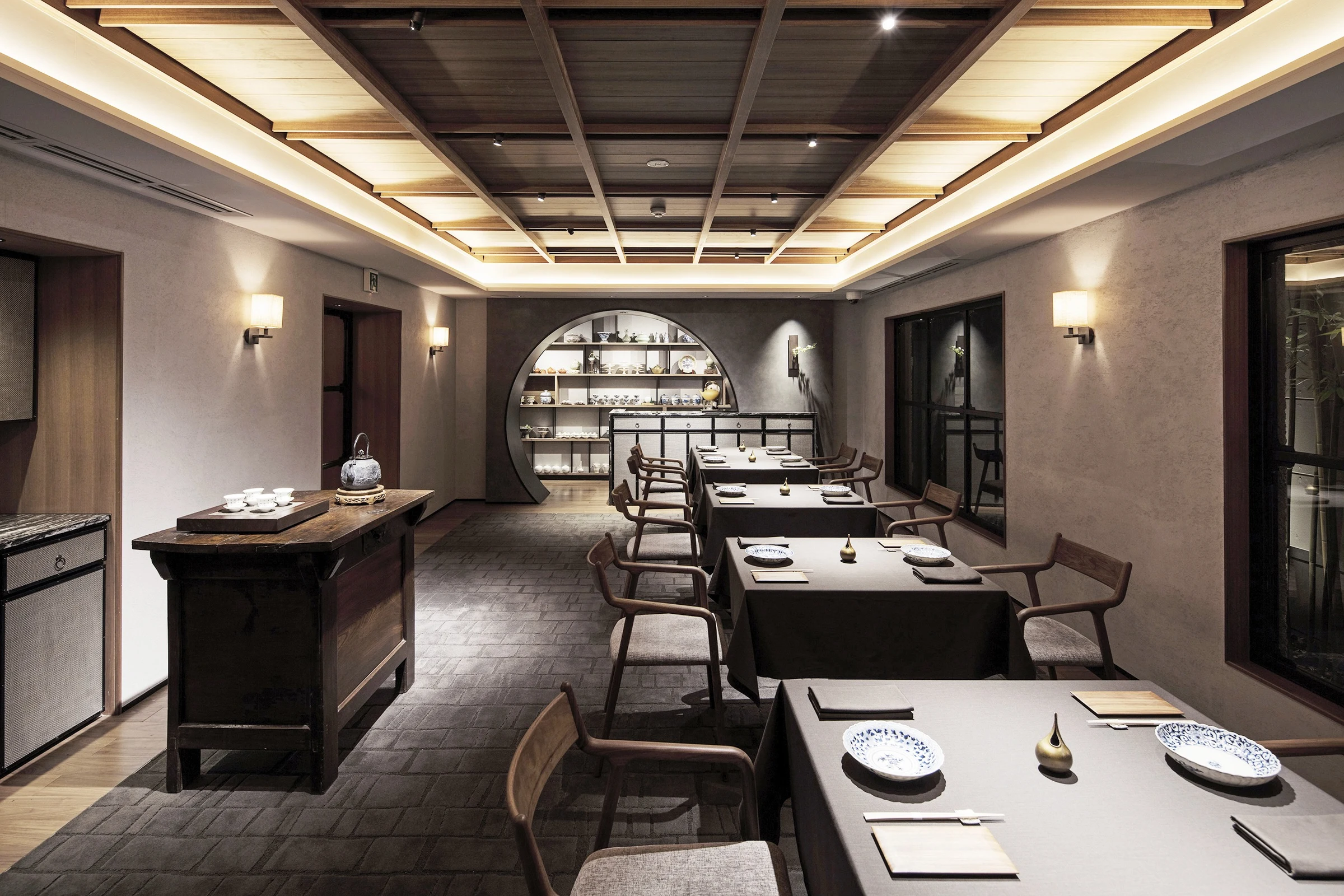
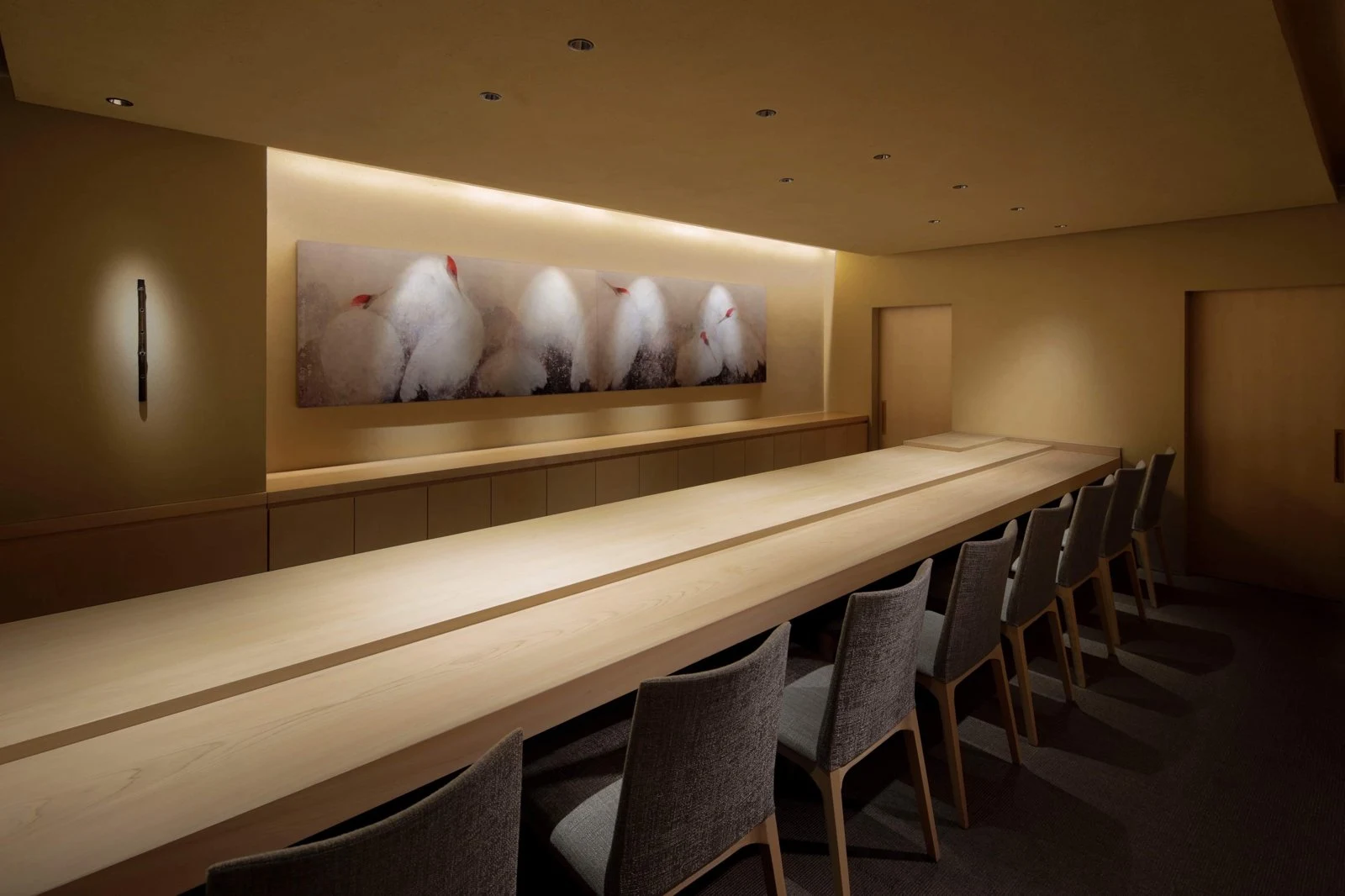
The physical format here is not incidental. Sushi Hatano Yoshiki operates from a basement space in the Abeille Azabu Juban building on the 2-chome stretch of Azabu Juban, with total capacity of 12 seats divided between an 8-seat main counter and a 4-seat private room counter. The main counter is where the experience is built: guests sit close enough to watch rice temperature management, neta placement, and the compression pressure of each piece. In a format with no pass, no expediter, and no front-of-house buffer between kitchen and guest, every element of service visible from the stool becomes part of the meal.
Two seating sessions run nightly: 18:00 and 20:30, with all guests at a session starting simultaneously. Because the counter is choreographed collectively rather than individually, latecomers disrupt the pace for everyone. This is a practical reality of the omakase counter format that distinguishes it from à la carte dining: the kitchen sets the tempo, and the room follows.
The kitchen's stated orientation toward fat and acid as organising principles positions the menu within a recognisable contemporary school of Tokyo sushi, where the interplay between rich fish, aged preparations, and acidic balance in the rice defines the character of a counter more than any single topping. This is a meaningfully different register from the strict traditionalism of older Ginza houses, and it explains part of the counter's appeal to guests who find classic Edomae sushi technically correct but tonally austere.
The Drinks Program and Private Room Structure
The beverage approach at Hatano Yoshiki is more developed than at many sushi counters of comparable size. The program covers sake, shochu, and wine, with the menu described as curated rather than perfunctory across all three categories, and a sommelier available on service. BYO is permitted with a corkage fee of 5,000 yen per bottle, a policy that favours guests travelling with a specific wine in mind or those who want to bring a sake they know pairs well with the kitchen's fat-forward profile. Credit cards are accepted across the major networks (Visa, Mastercard, JCB, Amex, Diners), though electronic money and QR code payments are not.
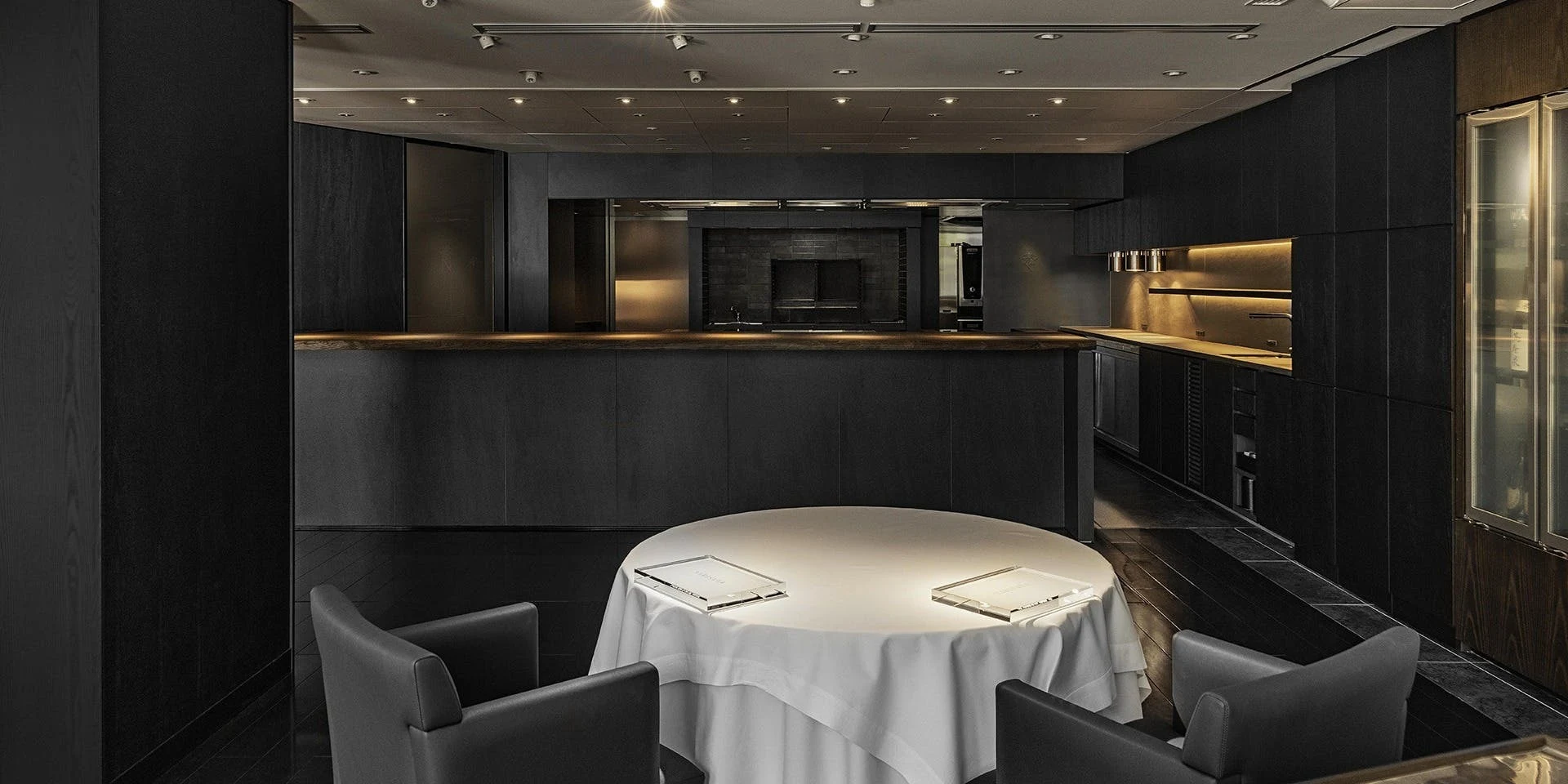
Private room counter accommodates up to four guests and can be reserved exclusively for two at a surcharge of 10,000 yen, or for three at 5,000 yen. The trade-off is clear from the venue's own disclosure: the private counter is staffed by a different sushi chef rather than Yoshiki Hatano. For guests seeking a celebration format or a degree of separation from the main counter, the private room serves a function; for guests whose primary interest is the counter chef's work, the main 8-seat room is the relevant option.
Booking, Access, and Practical Planning
Reservations open exactly two months ahead. The system is explicit: reservations for any date in June open on April 1st, for example. Booking channels are OMAKASE (the Japanese reservation platform) or direct by phone at +81-3-6809-4250. There is no official website. The cancellation policy is tiered: full charge for same-day cancellations, 75 percent for one day prior, 50 percent for two days prior, and 25 percent for three days prior. This is stricter than many comparable counters and reflects the economics of a 12-seat room where a single no-show represents a significant percentage of nightly covers.
Access is direct. The counter is a two-minute walk from Exit 7 of Azabu Juban Station on the Tokyo Metro Namboku and Toei Oedo lines. The route from the exit follows a direct path past an ENEOS station and a store called Shioya, continuing straight to the building where Mitsui Sumitomo Bank occupies the ground floor. The counter is in the basement, B2F. Parking is available for those arriving by car. The venue is non-smoking throughout, children under 12 are not admitted, and the space is described as stylish with counter seating and free Wi-Fi.
Operating hours run Monday through Saturday, 18:00 to 22:30. The venue is closed Sundays.
Tokyo in Context and Beyond
Azabu Juban operates as one of Tokyo's most consistent concentrations of serious dining at neighbourhood scale, distinct from the institutional density of Ginza and the showcase quality of Marunouchi. For visitors building a broader Japan itinerary, the counter format here connects to a regional pattern: Gion Sasaki in Kyoto and HAJIME in Osaka represent different registers of the same precision-driven, small-format Japanese dining tradition. Further afield, akordu in Nara and Goh in Fukuoka each sit within their own city's high-end dining tier. For sushi specifically outside Japan, Sushi Shikon in Hong Kong and Shoukouwa in Singapore represent the format's strongest regional outposts. Closer to Tokyo, 1000 in Yokohama and 6 in Okinawa reflect how Japan's serious dining scene has dispersed well beyond the capital.
Quick reference: Omakase 39,600 yen (tax included) | Two seatings nightly: 18:00 and 20:30 | Mon-Sat, closed Sunday | Reservations via OMAKASE or phone, two months in advance | Exit 7, Azabu Juban Station, two-minute walk.
Questions
Frequently asked
How expensive is Sushi Hatano Yoshiki?
Sushi Hatano Yoshiki is listed at a price level of $$$$.
Where is Sushi Hatano Yoshiki and what does it serve?
Sushi Hatano Yoshiki is in Minato, Tokyo, serving Modern Edomae Omakase.
The field
How it compares
| Place | Cuisine | Notes | Awards |
|---|---|---|---|
| Sushi Hatano Yoshiki | Modern Edomae Omakase | Minato, $$$$ | · |
| Den | Modern Japanese Kaiseki | Tokyo | Michelin 2 Stars, World's 50 Best |
| Florilège | Modern French-Japanese Plant-Based Fine Dining | Tokyo | Michelin 2 Stars, World's 50 Best |
| Narisawa | Modern Japanese Satoyama Fine Dining | Tokyo | Michelin 2 Stars, World's 50 Best |
| Quintessence | Modern French Fine Dining | Tokyo | Michelin 3 Stars |
| Sazenka | Modern Chinese Fine Dining | Tokyo | Michelin 3 Stars, World's 50 Best |
| Sézanne | Modern French Fine Dining | Tokyo | Michelin 3 Stars, World's 50 Best |
Similar places
Modern Japanese Kaiseki
Den
Tokyo, Japan
★★ · 50 Best
Modern French-Japanese Plant-Based Fine Dining
Florilège
Tokyo, Japan
★★ · 50 Best
Modern Japanese Satoyama Fine Dining
Narisawa
Tokyo, Japan
★★ · 50 Best
Modern French Fine Dining
Quintessence
Tokyo, Japan
★★★
Modern Chinese Fine Dining
Sazenka
Tokyo, Japan
★★★ · 50 Best
Modern French Fine Dining
Sézanne
Tokyo, Japan
★★★ · 50 Best