Sushi Saito
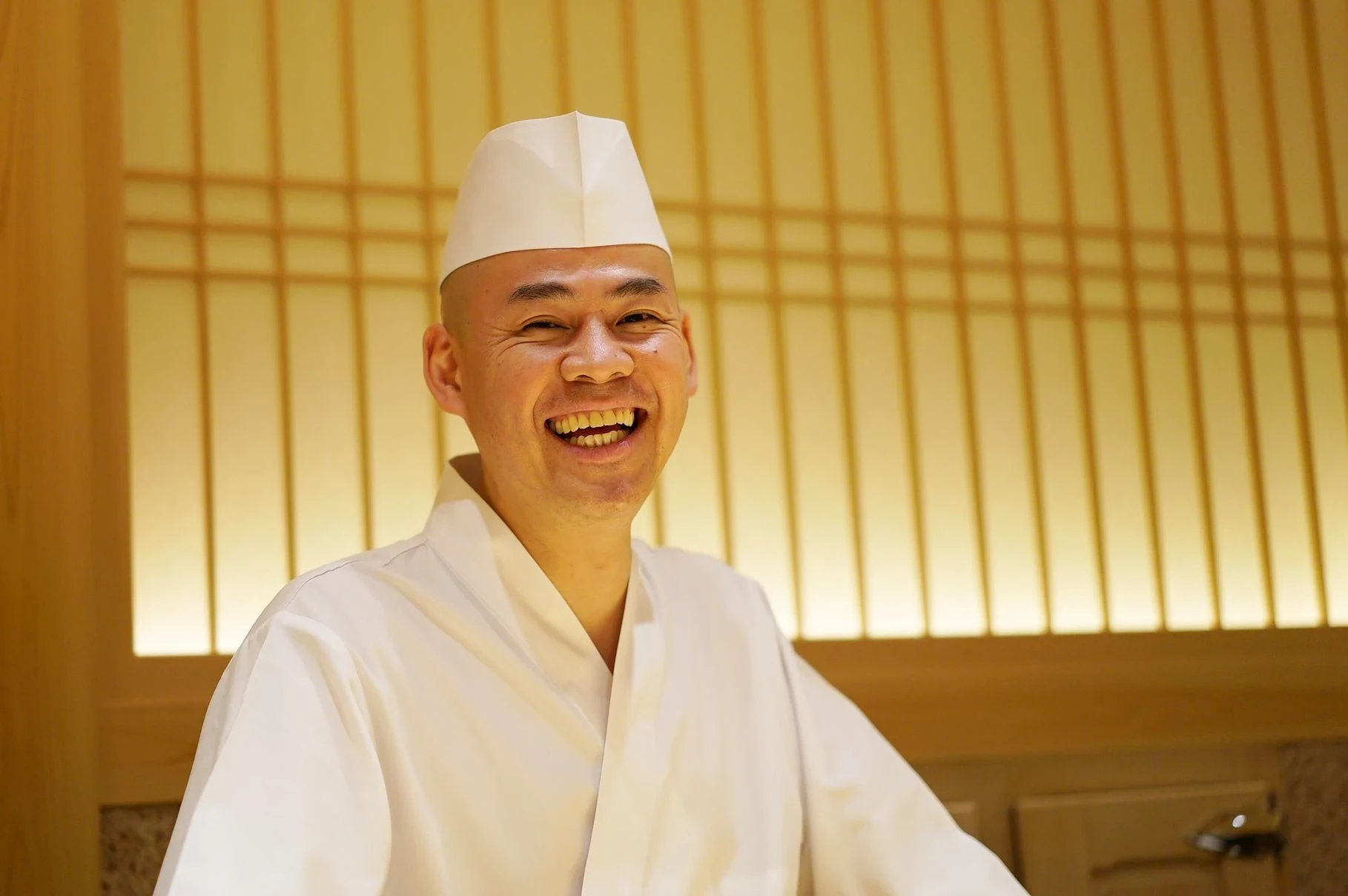
In Residence
Takashi Saito
Chef
- 01CuisineEdomae-style Omakase
- 02CityBangkok, Thailand
- 03RecognitionOne Michelin Star
- 1 Michelin Star · Michelin Guide
- Michelin 1 Star · 2026
- Michelin Plate · 2025
The River, the Counter, and the Contract
Arriving at Chaophraya Estate along the Chao Phraya riverfront, the setting does much of the atmospheric work before a single piece of fish is placed before you. The riverside promenade in Yan Nawa sits at a remove from the concentrated hotel-restaurant strip of Sukhumvit and Silom, and that distance is part of the proposition. The counters that have separated themselves from the broader field tend to do so not through spectacle but through provenance depth and procedural discipline. This is the tradition Sushi Saito Bangkok is positioned inside.
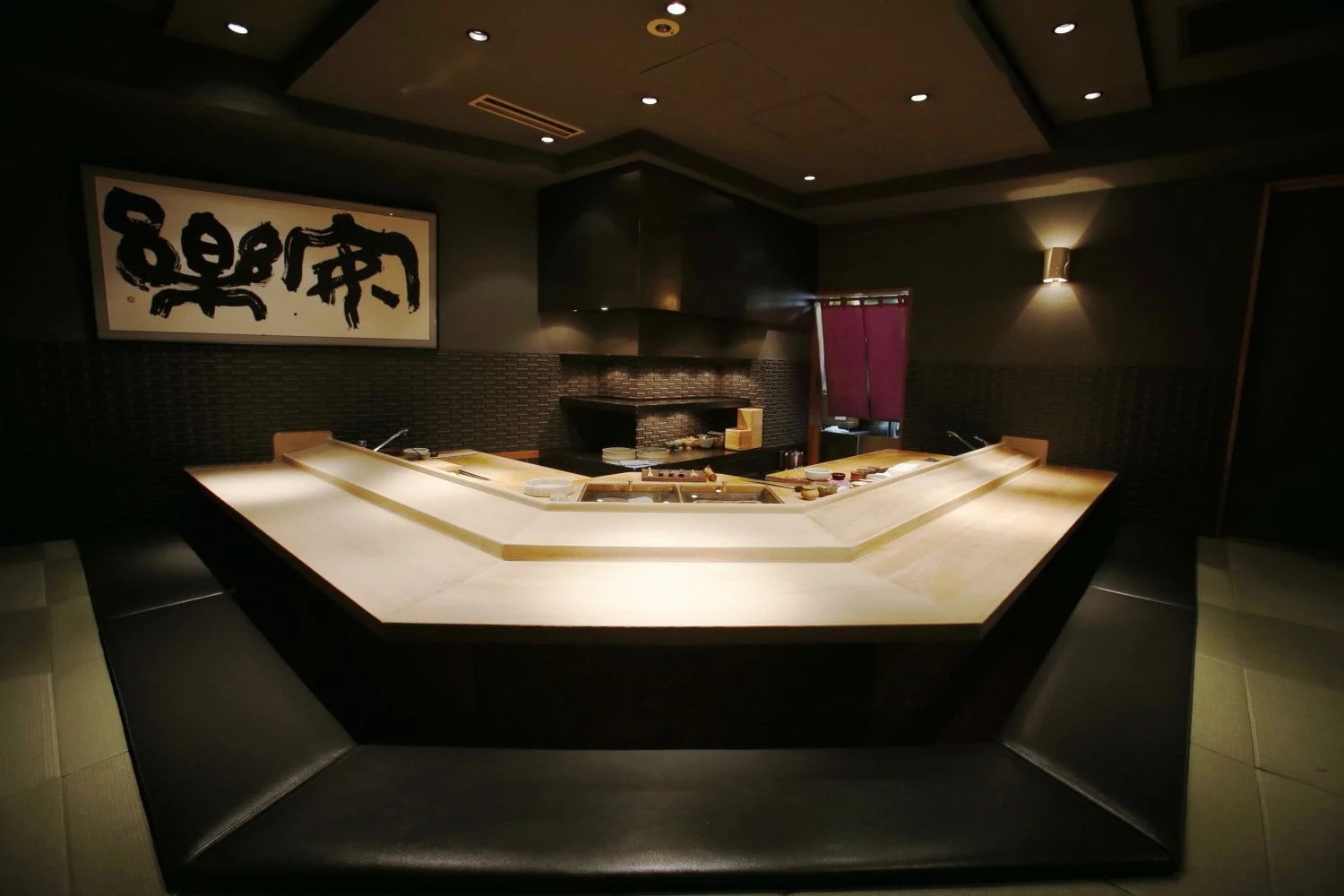
The pale hinoki counter, facing the open kitchen, is the architectural statement and the practical tool simultaneously. In Edomae sushi, the physical arrangement of the counter is not decorative, it is communicative. Every movement the chef makes is visible, every temperature decision and seasoning adjustment is observable, and the format places the guest in a relationship of informed surrender. You are not ordering. You are watching and trusting, and the counter design makes that compact explicit from the moment you sit down.
Edomae Discipline at a Bangkok Address
Edomae sushi carries the formal weight of Edo-period Tokyo technique: fish cured, marinated, or otherwise prepared rather than presented purely raw, with rice temperature, vinegar seasoning, and grain moisture held to narrow tolerances. The style predates the refrigeration era and its practices reflect that origin, aging, salting, and kombu curing are tools used to bring out flavour profiles that fresh-only presentation cannot achieve.
At Sushi Saito Bangkok, Chef Maruyama operates within this tradition. Seafood is flown in from Japan multiple times a week, a logistics commitment that places the kitchen inside the same supply chain as the Tokyo source restaurant. The Akita rice, from one of Japan's most regarded prefectures for premium short-grain production, is cooked with close attention to temperature and moisture and dispatched from the kitchen in small batches rather than prepared ahead in bulk. That detail matters: rice quality at body temperature degrades faster than most diners realise, and batch cooking is how serious counters maintain consistency through a full service rather than only at its opening minutes.
The Bangkok location operates as a sister to Takashi Saito's Tokyo restaurant, and Takashi Saito leads the counter here. That lineage is not incidental to the Bangkok operation, it sets the training framework, the sourcing standards, and the technical expectations against which Chef Maruyama's work is calibrated. The 2025 Michelin Plate recognition confirms that the Bangkok counter meets the guide's threshold for notable quality, while peers such as Ginza Sushi Ichi occupy.
Bangkok's Omakase Tier and Where This Counter Sits
Bangkok now has a well-developed high-end Japanese dining category. Counters such as Sushi Ichizu, Nikaku, In the Mood for Love, and Fillets have established a competitive set in which provenance, technique lineage, and booking difficulty function as differentiation signals. Sushi Saito Bangkok competes in that upper bracket on price (฿฿฿฿) and on the credential of its Tokyo affiliation, though its Michelin status currently sits below the starred counters in the peer group.
The comparison is worth holding in mind when deciding which counter to prioritise. Starred counters typically command higher covers and longer wait lists; Michelin Plate counters in the same price range can offer comparable technical quality with somewhat more accessible booking windows, though this varies by venue and season.
Beyond sushi specifically, the ฿฿฿฿ tier in Bangkok is occupied by a range of serious kitchens: PRU in Phuket represents the southern Thai tasting-menu tradition, while within Bangkok itself venues such as Sorn, Sühring, Gaa, and Côte by Mauro Colagreco operate at equivalent price points with entirely different culinary frameworks. The omakase format sits apart from tasting-menu peers in one structural respect: the guest relationship is more complete. There is no menu to consult, no course selection, no dietary curation on arrival. The chef sets the sequence, the pacing, and the weight of each course in response to what the sourcing has produced that day. That is the contract, and it requires a degree of advance trust that not every diner is prepared to extend.
The Omakase Contract, Practically Considered
The omakase format at this price tier carries specific practical implications. The ฿฿฿฿ designation places Sushi Saito Bangkok among the city's most expensive dining categories, consistent with the cost of airfreighting Japanese seafood multiple times per week and maintaining the staffing ratios a small counter requires. Guests should approach booking with the understanding that cancellation policies at premium Japanese counters in Bangkok tend to be strict, the economics of a low-seat format leave little room to absorb last-minute vacancies.
The riverside location at Chaophraya Estate also shapes the logistics of an evening. Yan Nawa is accessible by BTS (Surasak is the nearest refined station, with the estate reachable by taxi or riverside transport from there), but the journey from central Sukhumvit adds time that guests arriving from hotels in the Wireless Road or Thonglor corridors should factor in. The Chao Phraya riverfront setting offers a different spatial experience from the city's interior dining rooms, approaching via the river, if the logistics allow, changes the arrival entirely.
For those extending travel into Thailand, Aeeen in Chiang Mai, AKKEE in Pak Kret, and Angeum in Phra Nakhon Si Ayutthaya represent strong regional alternatives worth scheduling around.
For a comparative frame beyond Bangkok, Harutaka in Tokyo and Sushi Shikon in Hong Kong offer reference points on what Edomae technique and omakase pricing look like at equivalent or higher Michelin levels in other Asian cities. The Bangkok counter's positioning becomes clearer in that regional context: it operates at the upper end of a growing market, with source credentials that justify the price tier, in a format that demands the right kind of diner commitment to deliver at its full potential.
Planning Comparison: Bangkok's Premium Omakase Counters
| Venue | Michelin Status (2025) | Price Range | Style |
|---|---|---|---|
| Sushi Saito Bangkok | Michelin Plate | ฿฿฿฿ | Edomae omakase, Tokyo lineage |
| Ginza Sushi Ichi | Michelin Starred | ฿฿฿฿ | Ginza-lineage omakase |
| Sushi Ichizu | See listing | ฿฿฿฿ | Japanese omakase counter |
| Nikaku | See listing | See listing | Japanese counter dining |
What do regulars order at Sushi Saito?
The omakase format means there is no ordering in the conventional sense. The sequence is set by the kitchen based on that day's sourcing, with Edomae preparations structured around the chef's reading of what the fish requires. Regulars at Edomae counters at this level tend to note the rice quality as the consistent reference point, Akita short-grain cooked in small batches and held at precise temperature is the foundation against which every piece is measured. The seafood itself varies by what has arrived on the Japan airfreights that week. Guests with specific dietary requirements are advised to communicate them clearly at booking, as the format allows limited in-service adjustment.
Questions
Frequently asked
What recognition does Sushi Saito hold?
Sushi Saito holds 1 Michelin star.
Who works at Sushi Saito?
Made By profiles Takashi Saito (Chef) at Sushi Saito.
How expensive is Sushi Saito?
Sushi Saito is listed at a price level of $$$$.
Where is Sushi Saito and what does it serve?
Sushi Saito is in Klong San, Bangkok, serving Edomae-style Omakase.
The field
How it compares
| Place | Awards | Cuisine | Notes |
|---|---|---|---|
| Sushi Saito | Michelin 1 Star | Edomae-style Omakase | Klong San, $$$$ |
| Baan Tepa | Michelin 2 Stars, World's 50 Best | Creative Thai Fine Dining | Bangkok |
| Gaa | Michelin 2 Stars, World's 50 Best | Modern Indian Fine Dining with Thai Influences | Bangkok |
| Gaggan Anand | Michelin 1 Star, World's 50 Best | Progressive Indian | Bangkok |
| Potong | Michelin 1 Star, World's 50 Best | Progressive Thai-Chinese Fine Dining | Bangkok |
| Sorn | Michelin 3 Stars, World's 50 Best | Fine Southern Thai | Bangkok |
| Sühring | Michelin 3 Stars, World's 50 Best | Modern German Fine Dining | Bangkok |
In residence
Similar places
Creative Thai Fine Dining
Baan Tepa
Bangkok, Thailand
★★ · 50 Best
Modern Indian Fine Dining with Thai Influences
Gaa
Bangkok, Thailand
★★ · 50 Best
Progressive Indian
Gaggan Anand
Bangkok, Thailand
★ · 50 Best
Progressive Thai-Chinese Fine Dining
Potong
Bangkok, Thailand
★ · 50 Best
Fine Southern Thai
Sorn
Bangkok, Thailand
★★★ · 50 Best
Modern German Fine Dining
Sühring
Bangkok, Thailand
★★★ · 50 Best


