- Tabelog Bronze #439: 4.2pts · 2026
- Opinionated About Dining Top Restaurants in Japan Highly Recommended · 2026
- Opinionated About Dining Top Restaurants in Japan Ranked #269 · 2025
- Tabelog 100 #8: 4.2pts · 2025
- Tabelog Bronze · 2025
- Opinionated About Dining Top Restaurants in Japan Ranked #243 · 2024
- Opinionated About Dining Top Restaurants in Japan Highly Recommended · 2023
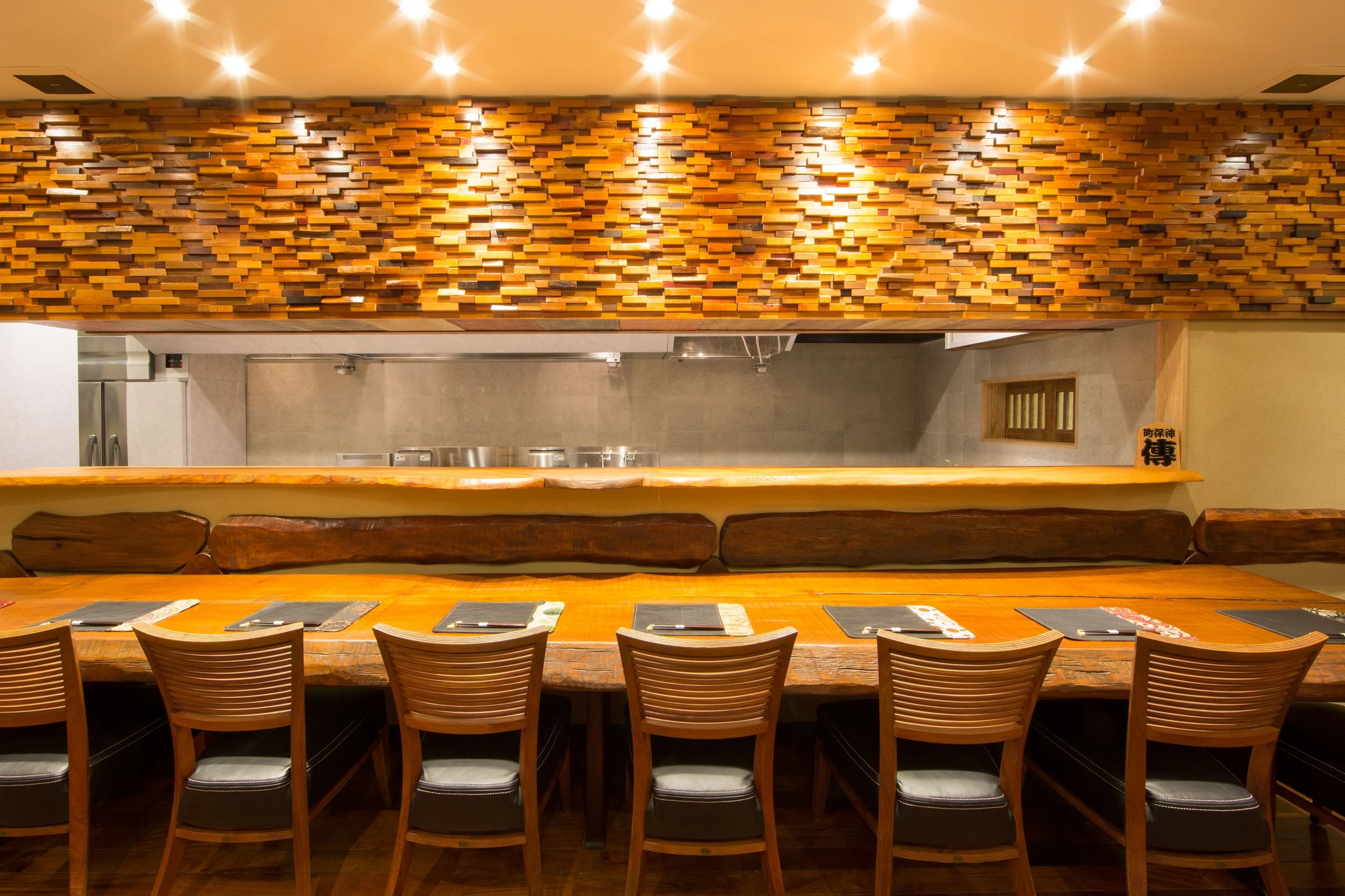
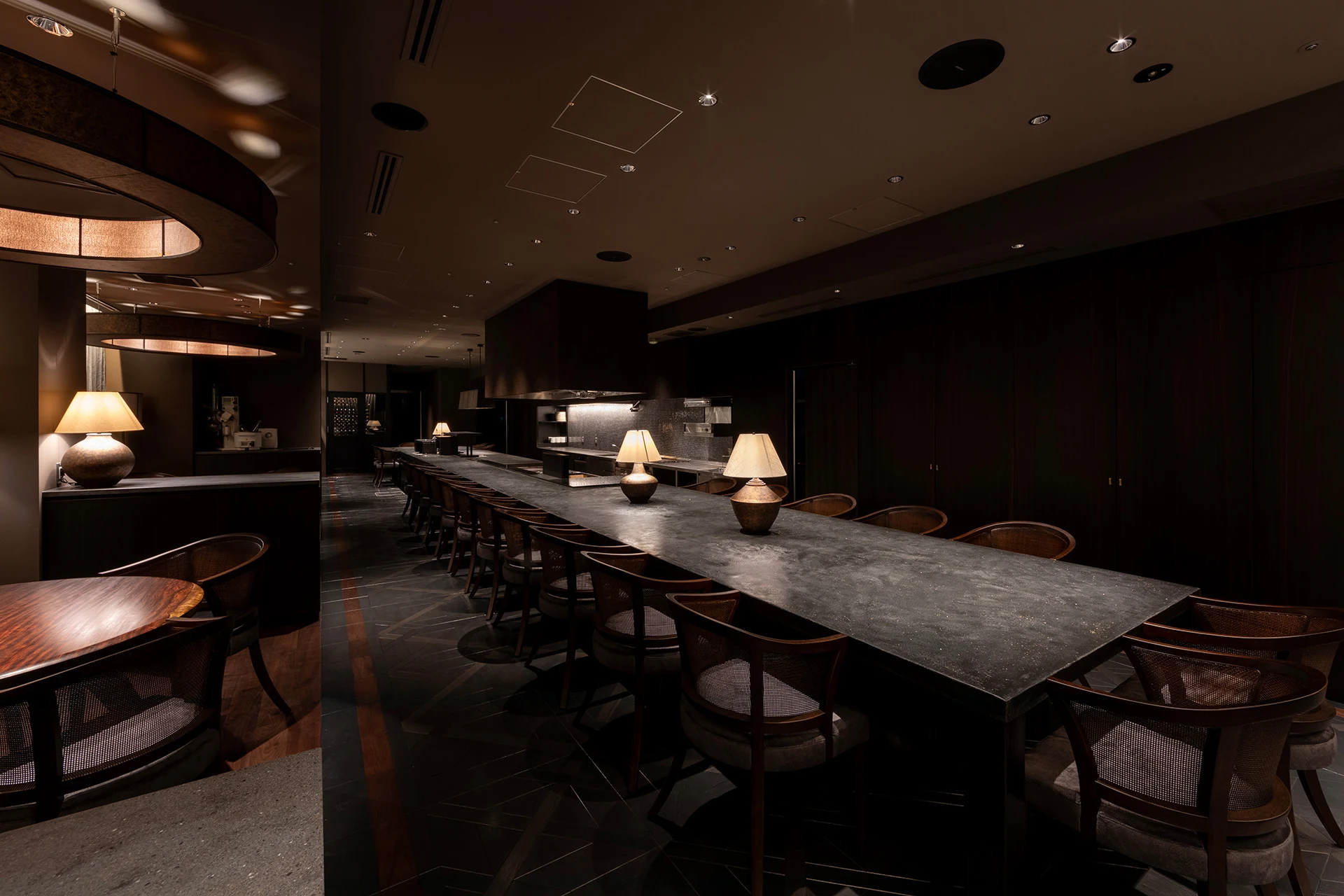
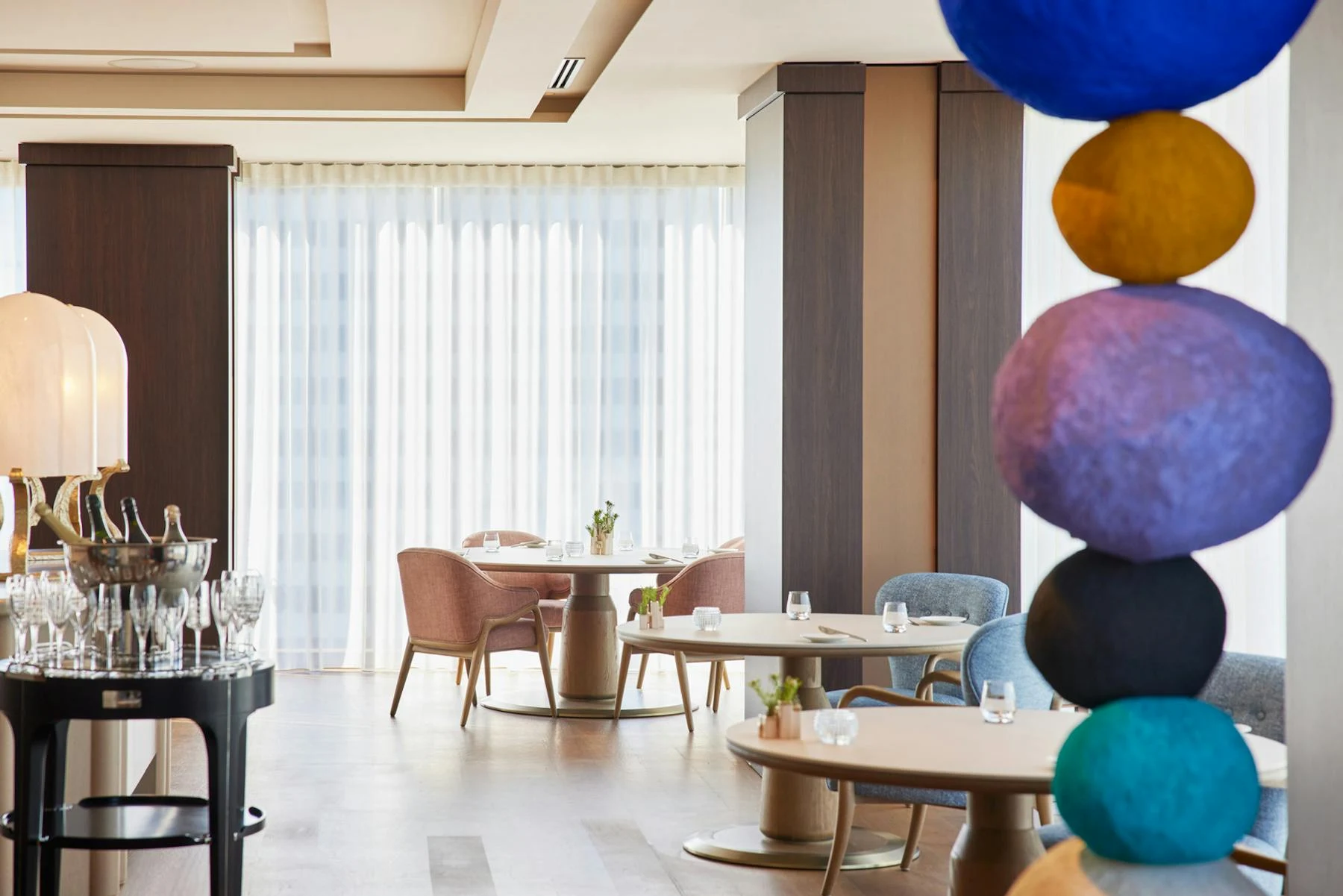
In Nishiazabu, dining often announces itself through restraint: upper-floor entrances, quiet corridors, and counters that turn dinner into negotiations of timing, temperature, and attention. Suzutashiki fits that Tokyo pattern. Its eight counter seats make kaiseki less ceremonial in scale but more exacting in rhythm; here, pacing is not background service but the night’s structure.
Tokyo’s modern Japanese dining scene has split into high-price lanes. Ginza and Akasaka retain old-line formality, while Nishiazabu and nearby Nogizaka suit smaller kitchens that trade hotel grandeur for counter intimacy. The question is not whether a restaurant serves kaiseki, but which version of the ritual it privileges: seasonal classicism, chef-led experimentation, wine-aware service, or private-room corporate dining. This address leans toward the counter-school version, read course by course at close range.
An eight-seat counter turns kaiseki into a timing exercise
Kaiseki is often misread by visitors as decorative plates. In Tokyo’s serious rooms, it is a rules-based performance: sequence and transitions matter, and authority comes from control rather than abundance. Eight seats sharpen that logic, reducing distance between preparation and service, limiting table-by-table drift, and moving everyone through the same arc.
The format also changes guest behavior. Conversation belongs in the room, but the meal rewards attention. The counter is not a stage for interruption; it is a place to notice when a course lands, when a drink pairing is suggested, and when silence is part of the service language. Unlike many luxury restaurants abroad, Tokyo’s high-end Japanese dining rarely relies on theatrical explanation. It assumes the guest can follow a sequence without constant narration.
Suzutashiki’s price band and recognition place it in the upper end of this compact-counter category. Tabelog lists it as a Bronze winner in both 2025 and 2026, with a 2026 score of 4.24, and it appears in Opinionated About Dining’s 2026 Japan Highly Recommended group. In Tokyo’s dense Japanese restaurant field, domestic diners treat Tabelog recognition as a serious filter; for visitors, it corrects overreliance on global awards.
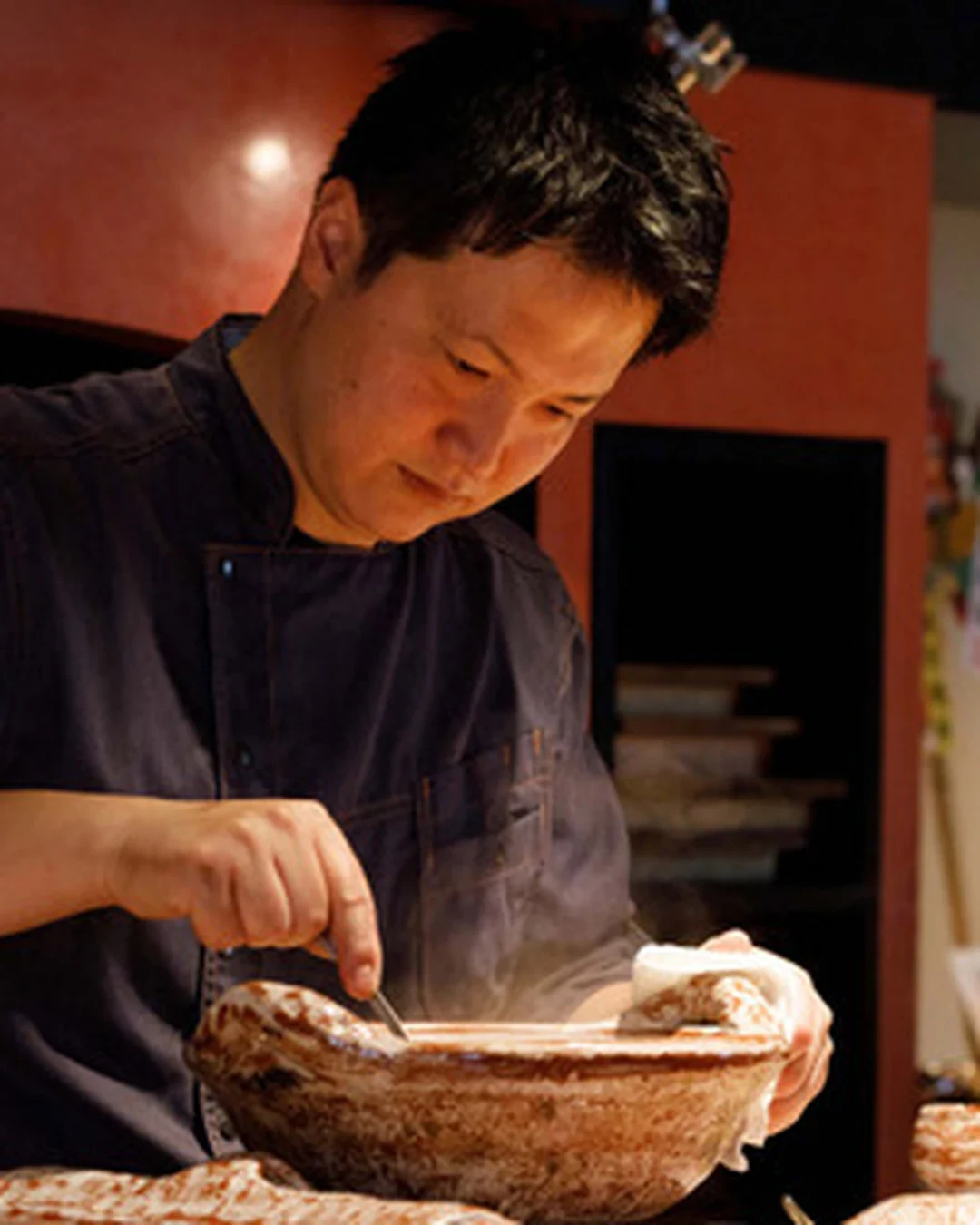
The kitchen is associated with chef Hideto Tashiro, but the stronger editorial point is format over biography. In a city where chef narratives can overtake the meal, this counter works only if the ritual holds: tight seat count, controlled service, and a structure that gives the cooking space without turning dinner into a lecture.
Nishiazabu's serious Japanese rooms sit between formality and discretion
Nishiazabu is less immediately legible than Ginza, with fewer street-level luxury cues and a more fragmented after-dark rhythm: restaurants in mixed-use buildings, side streets, and upper floors. That suits dining rooms for guests who already know what they want. The neighborhood’s advantage is discretion, supporting expensive, low-capacity Japanese restaurants without grand-occasion visuals.
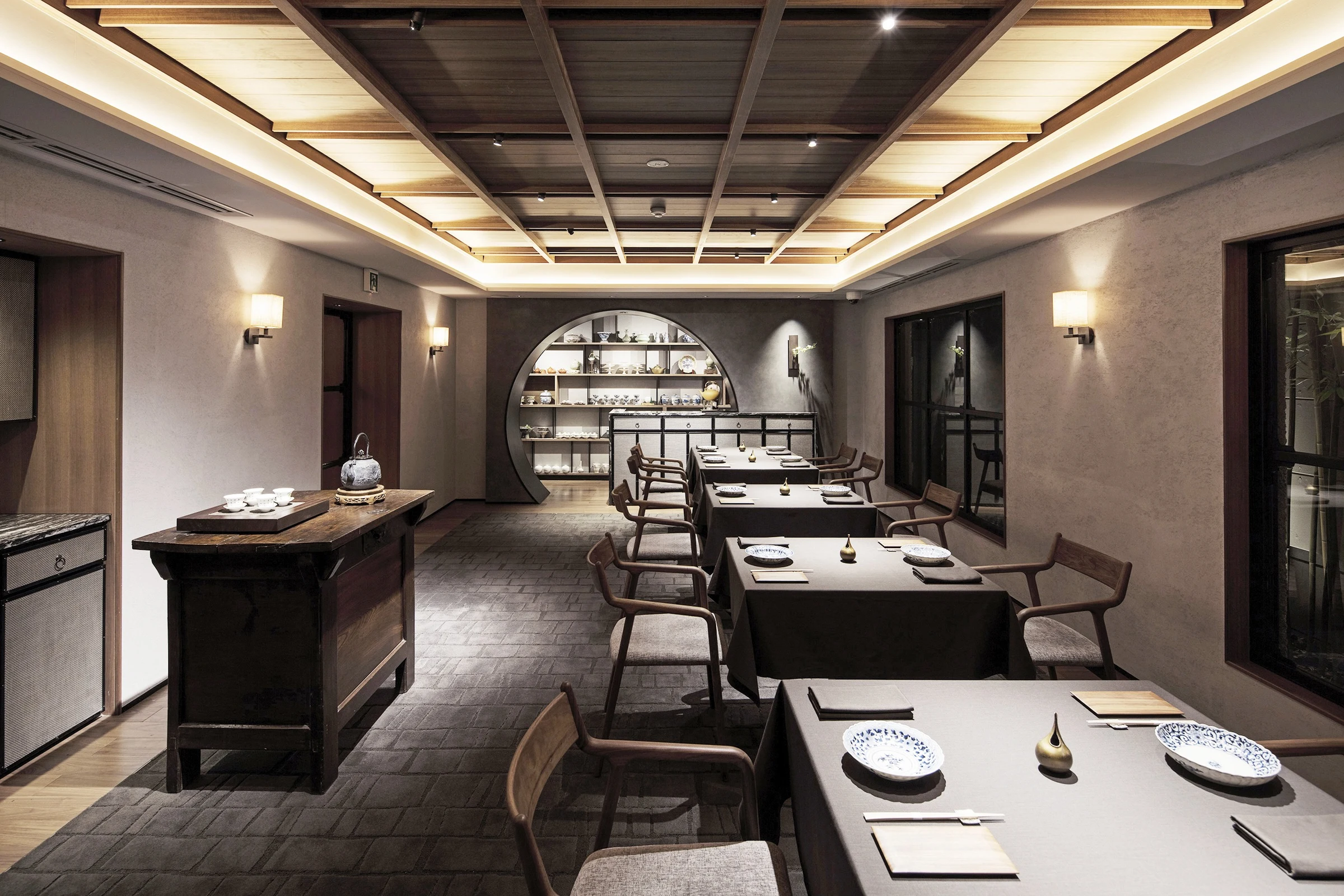
Within Tokyo kaiseki, comparison matters. Dal-Matto, Goryukubu, Yamazaki, Sushi M, and Ichita いち太 occupy the same broad city category supplied here, but are not interchangeable. Some Japanese counters lean sushi-like in tempo, others toward restaurant-style courses with deeper beverage integration, and others toward older kaiseki grammar of season, vessel, and progression. Suzutashiki’s published details indicate a compact counter with private-room availability, sake and wine attention, and sommelier service, placing it closer to contemporary luxury Japanese dining than a purely old-guard ryotei model.
That distinction helps with Tokyo itinerary planning. Visitors booking several serious meals should avoid stacking identical rhythms. A kaiseki counter like this pairs better with a sushi counter, tempura room, or casual izakaya night than with another expensive Japanese tasting sequence on consecutive evenings. Tokyo rewards contrast: controlled quiet one night, smoke, noise, and pace another.
For readers mapping the wider city, Ajihiro, Akasaka Asada, Akasaka Ogino, and Aoyama Jin show how varied Tokyo’s Japanese dining register can be across neighborhoods and formats. Bulgari Cafe II sits in a different hospitality lane, reminding that Tokyo luxury is not confined to traditional Japanese rooms. Broader planning sits in Our full Tokyo restaurants guide, with parallel context in Our full Tokyo hotels guide, Our full Tokyo bars guide, Our full Tokyo wineries guide, and Our full Tokyo experiences guide.
How to read the meal: restraint, beverage service, and guest discipline
Sake and wine emphasis, plus sommelier service, is meaningful in Tokyo kaiseki. Traditional Japanese dining has long had a sake grammar, but contemporary high-end rooms increasingly treat wine as part of the conversation rather than an imported afterthought. Not every course demands pairing; the restaurant is positioned for guests who care about beverage structure within the meal’s pacing.
The January 2024 opening date also matters. Tokyo diners can be conservative with new high-price Japanese restaurants, yet rapid recognition from Tabelog and OAD signals immediate seriousness. That is not longevity, but current momentum. In 2026, the stronger case is not nostalgia or institutional weight, but placement among a new cohort of compact, expensive Japanese counters competing on precision and control.
There are practical implications. An eight-seat counter creates intensity and reduces flexibility. Guests seeking a freer à la carte rhythm, last-minute changes, or a large social table may find it too exacting. Those who understand Japanese tasting-menu etiquette, arrive ready for a fixed progression, and treat the counter as a shared room rather than a private stage will read it more clearly.
Japan’s regional dining map offers contrast. Ankyu, Kaiseki in Kyoto and Araya Totoan, Kaiseki in Kaga place kaiseki in older cultural frames, while Tokyo compresses the form into a sharper urban register. Outside the capital, -Grilled beef Sukiyaki- KAMAKURA TANUKIAN 鎌倉 たぬき庵 in Kamakura,.cafe in Osaka,.know in Kumamoto, (Shoku) Vietnam in Kawasaki, [Curry Senmon Ten] Maruyama Kyoju. in Sapporo, and [ki:] in Kyoto underline how Japanese dining changes with setting, city, and ritual.
The verdict is narrow but clear: this is a serious Tokyo kaiseki counter for diners who value controlled pacing, small-room focus, and current domestic recognition over grand-room ceremony. It belongs on an itinerary when the goal is to understand where contemporary high-end Japanese dining in Nishiazabu is heading, not merely to collect another expensive dinner.
Questions
Frequently asked
Who works at Suzutashiki?
Made By profiles Hideto Tashiro (Chef) at Suzutashiki.
How expensive is Suzutashiki?
Suzutashiki is listed at a price level of $$$$.
Where is Suzutashiki and what does it serve?
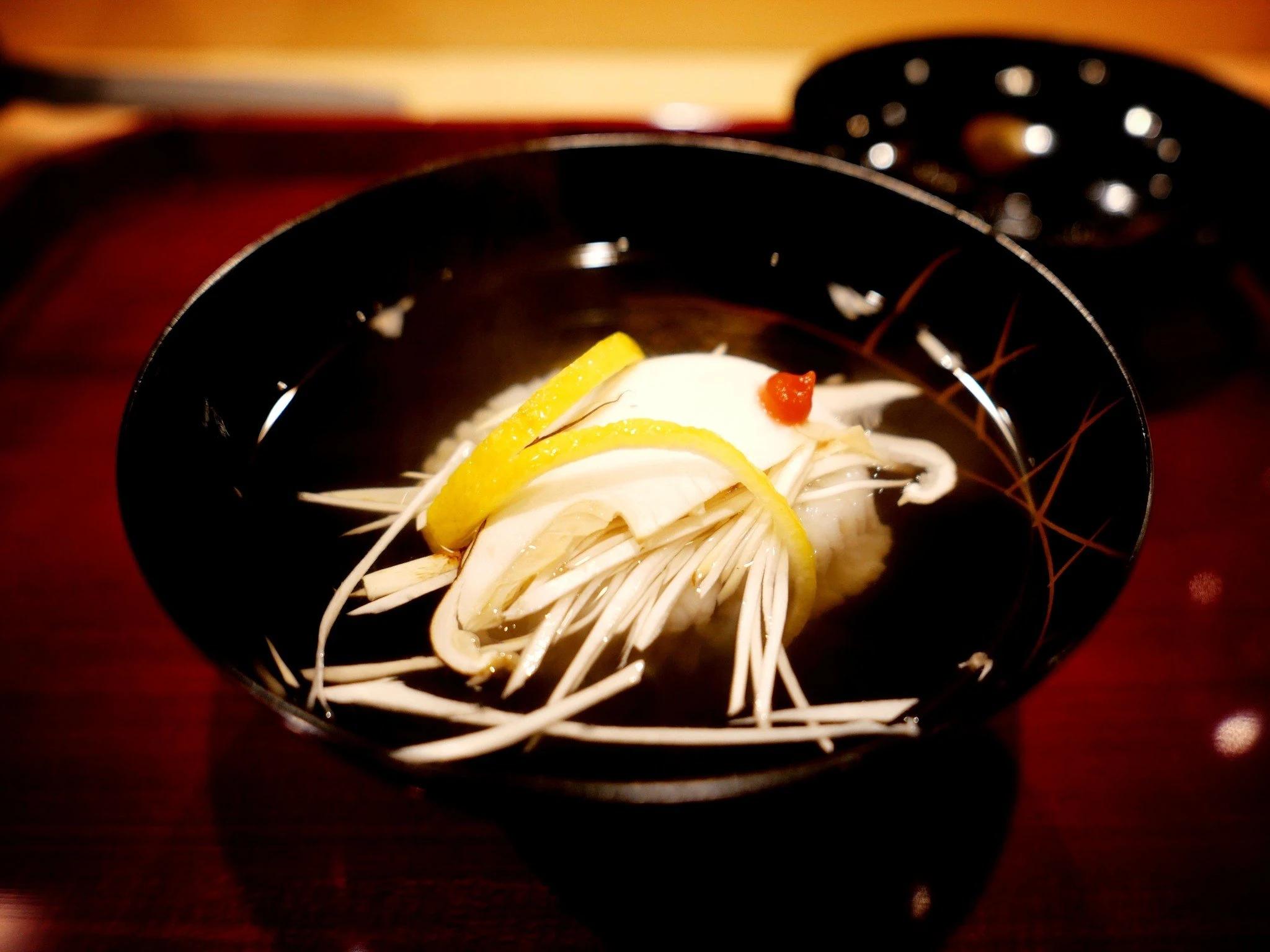
Suzutashiki is in Minato, Tokyo, serving Wood-Fired Kaiseki.
The field
How it compares
| Place | Cuisine | Notes | Awards |
|---|---|---|---|
| Suzutashiki | Wood-Fired Kaiseki | Minato, $$$$ | · |
| Den | Modern Japanese Kaiseki | Tokyo | Michelin 2 Stars, World's 50 Best |
| Florilège | Modern French-Japanese Plant-Based Fine Dining | Tokyo | Michelin 2 Stars, World's 50 Best |
| Narisawa | Modern Japanese Satoyama Fine Dining | Tokyo | Michelin 2 Stars, World's 50 Best |
| Quintessence | Modern French Fine Dining | Tokyo | Michelin 3 Stars |
| Sazenka | Modern Chinese Fine Dining | Tokyo | Michelin 3 Stars, World's 50 Best |
| Sézanne | Modern French Fine Dining | Tokyo | Michelin 3 Stars, World's 50 Best |
In residence
Similar places
Modern Japanese Kaiseki
Den
Tokyo, Japan
★★ · 50 Best
Modern French-Japanese Plant-Based Fine Dining
Florilège
Tokyo, Japan
★★ · 50 Best
Modern Japanese Satoyama Fine Dining
Narisawa
Tokyo, Japan
★★ · 50 Best
Modern French Fine Dining
Quintessence
Tokyo, Japan
★★★
Modern Chinese Fine Dining
Sazenka
Tokyo, Japan
★★★ · 50 Best
Modern French Fine Dining
Sézanne
Tokyo, Japan
★★★ · 50 Best