Seasonal tempura at a 14-seat counter.
- La Liste Top Restaurants: 97pts · 2026
- Tabelog Gold #34: 4.6pts · 2026
- Opinionated About Dining Top Restaurants in Japan Ranked #18 · 2026
- Opinionated About Dining Top Restaurants in Japan Ranked #14 · 2025
- La Liste Top Restaurants: 96pts · 2025
- Tabelog 100 #80: 4.5pts · 2025
- Tabelog Silver · 2025
- Opinionated About Dining Top Restaurants in Japan Ranked #12 · 2024
- Opinionated About Dining Top Restaurants in Japan Ranked #7 · 2023
The counter belongs to Kasamoto
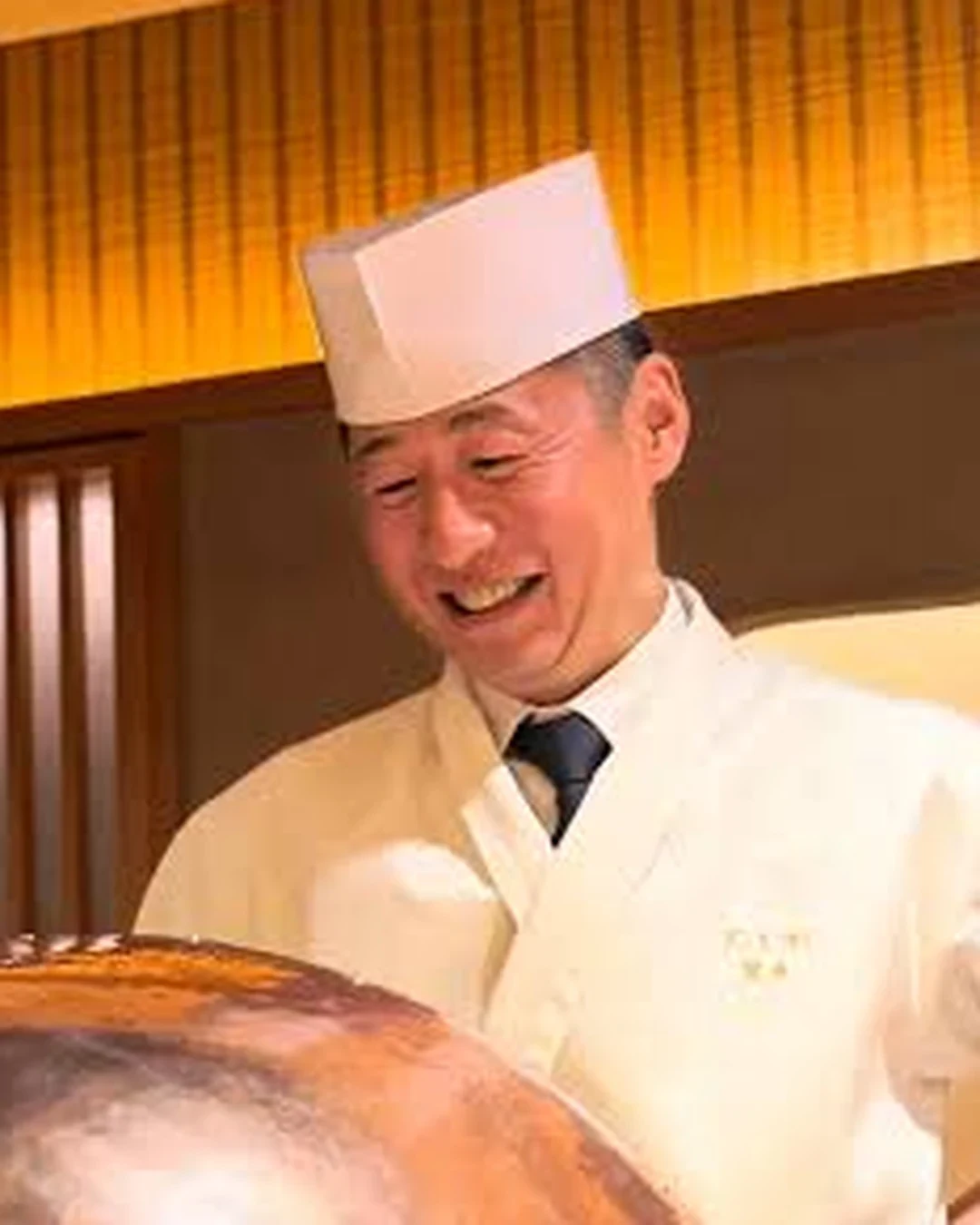
The first pieces leave the copper grill one by one. Tatsuaki Kasamoto, chef-owner of Takiya in Azabu-Juban, Tokyo, keeps tempura close enough for the guest to read the change in batter, oil, and posture. He opened the restaurant in 2015 after training at Kitcho in Osaka and The Ritz-Carlton, Osaka, a background that gives the room its kaiseki discipline without making the meal feel ceremonial. Kasamoto inherited the family name Takiya from his chef father, but the restaurant is his own argument for what tempura can carry: seafood, vegetables, wagyu, truffle, cheese, liver sauce, and still the clean line of frying. His own explanation stays plain. He has said he opened a tempura restaurant because he wanted to make a proper restaurant where people could come in and be happy. That is the useful key to the place. The ambition is not noise. It is a complete meal, paced from the bench.
Safflower oil, wagyu, and the light edge
The program works through a seasonal omakase, with tempura as the center rather than an interlude. Prawn may arrive with the legs crisped separately; abalone comes with liver sauce; matsutake can be wrapped in amadai tilefish; Kagoshima beef moves through batter with shiso and truffle salt. Kasamoto also folds richer ideas into the sequence, including shiso-wrapped chateaubriand and pork with a melting cheese core, but the method still depends on restraint: batter thin enough to protect the ingredient, oil hot enough to set the shell before the center loses its own texture. Safflower oil appears in accounts of the kitchen, as do Hokkaido crab, Yamaguchi white okra, nodoguro with uni, and winter fugu. The point is contrast. Crisp against rich. Heat against a cool reset. A piece that feels indulgent still has to land cleanly before the next one reaches the pass.
Blond wood and copper at the pass
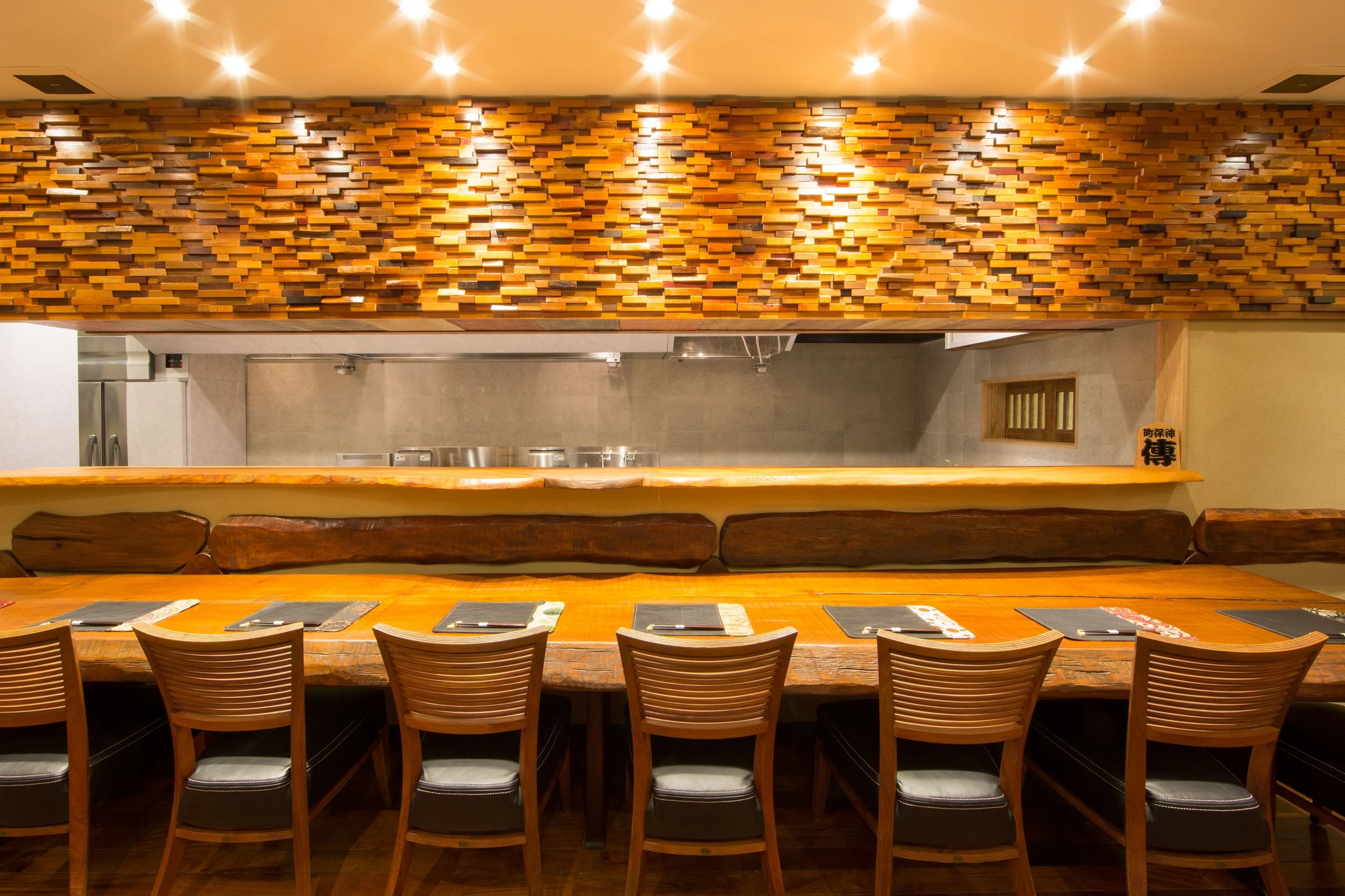
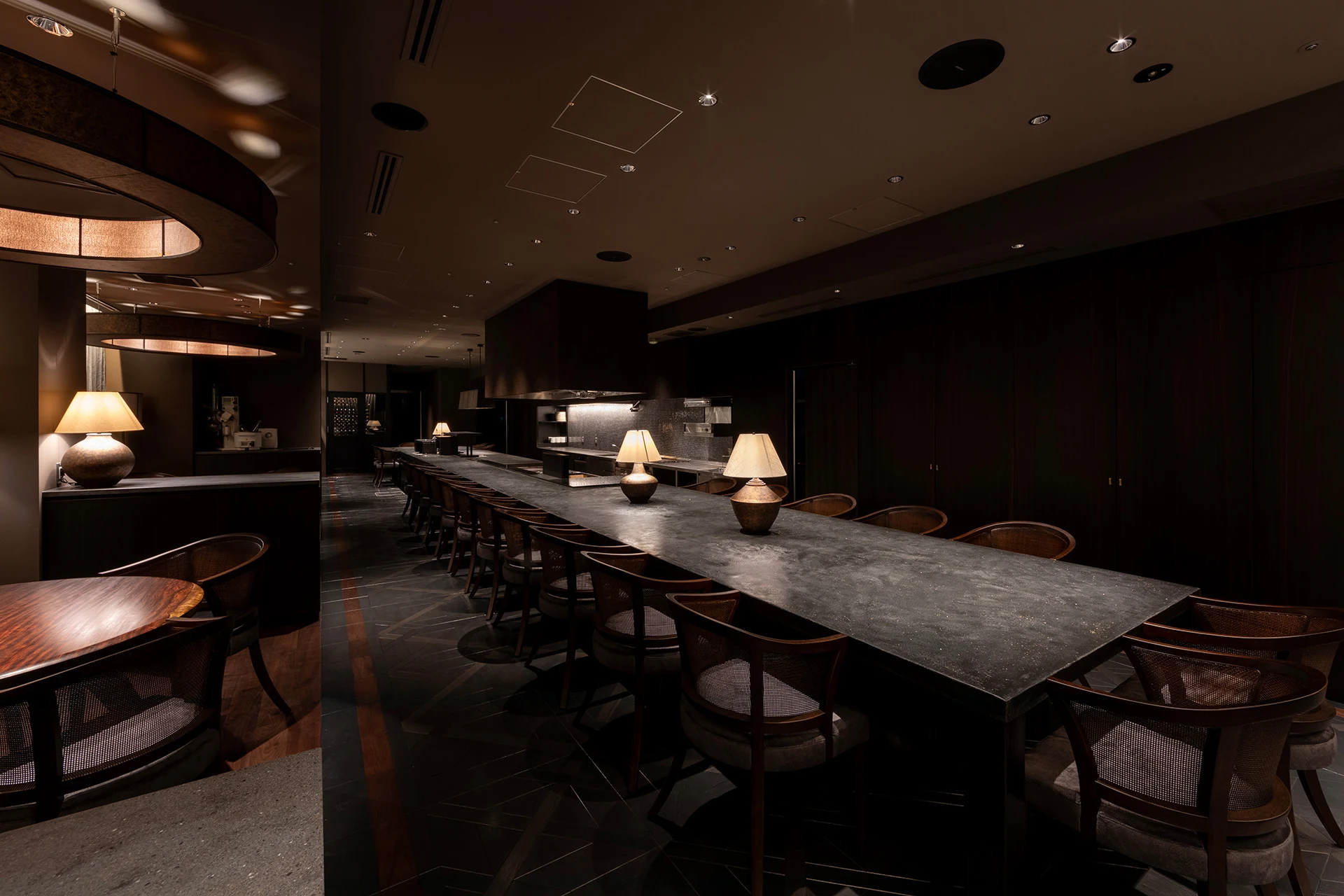
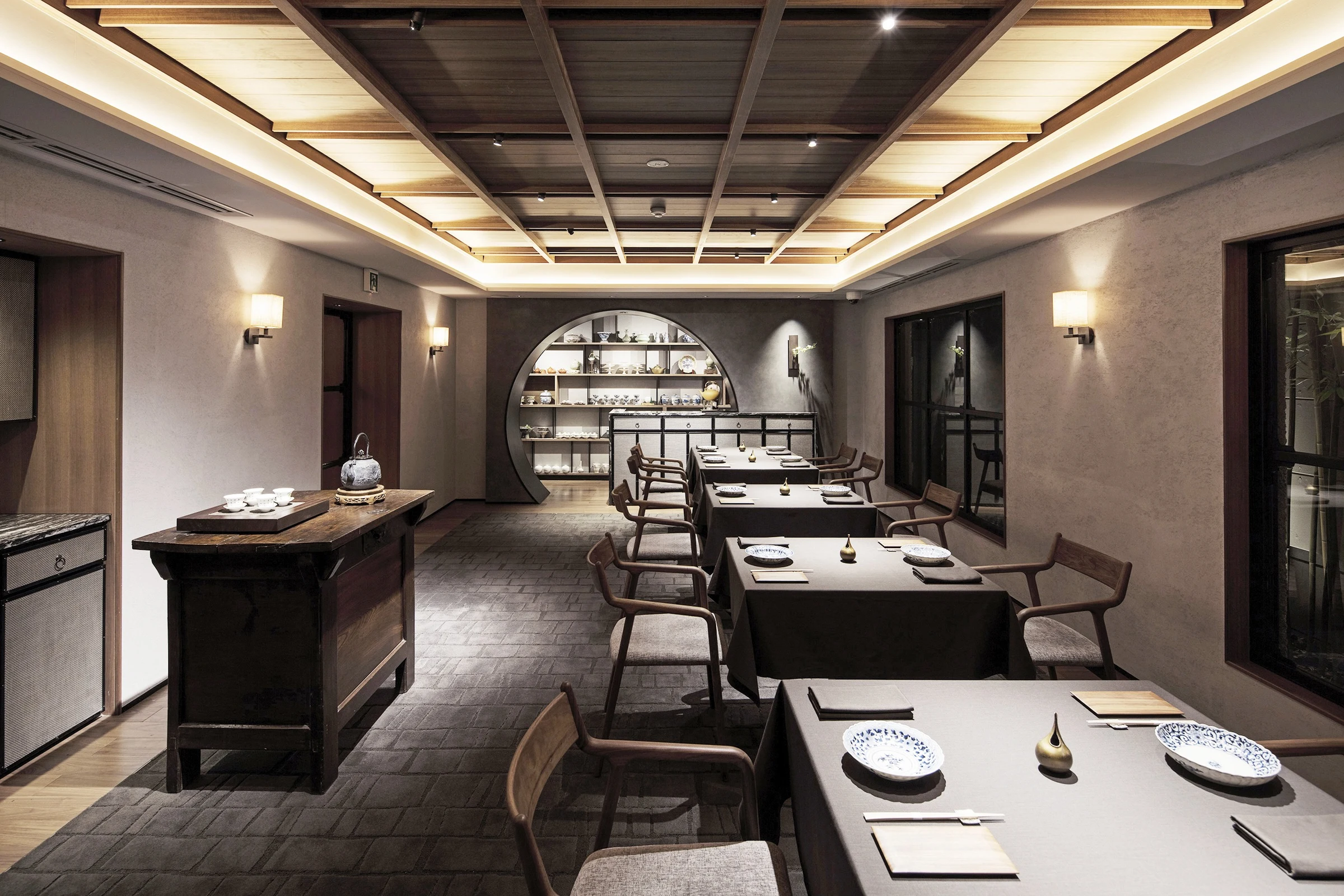
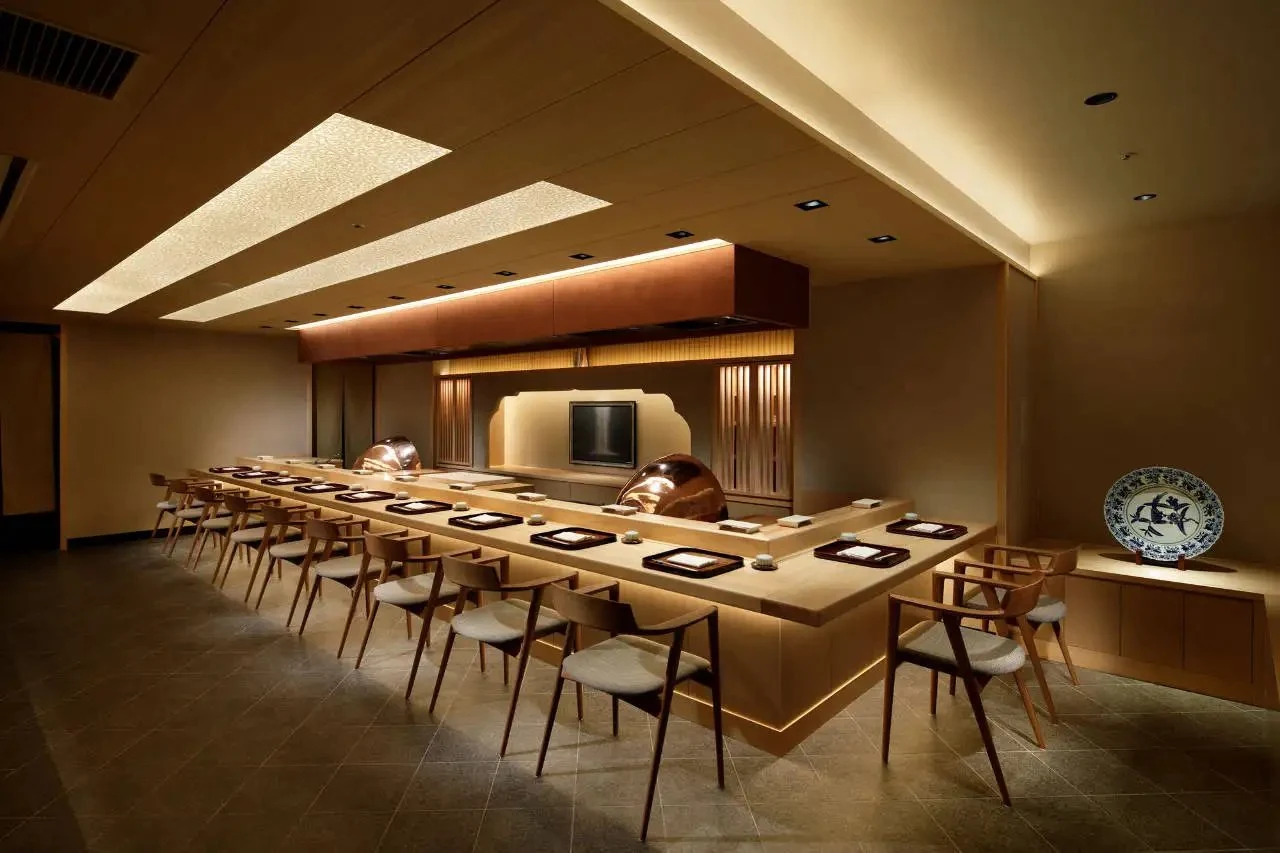
The room gives the work very little cover. Takiya is built around a 14-seat counter, bright blond wood, pottery, and copper tempura grills, with the open kitchen placed where the exchange between chef and guest becomes part of the meal. A sage-colored noren with a sea bream marks the threshold from the Azabu-Juban street; inside, the noise stays conversational and the sightline stays on the hands. Kasamoto talks across the counter, but the room does not lean on performance. It lets the sequence do the moving. Tin, lacquer, wood, leather, ceramic, and gold accents appear, alongside a series of small decisions about when to lift, when to drain, and when to set a piece down before its heat falls.
A modern tempura house with a family name
Takiya’s standing in Tokyo comes from a specific kind of expansion. Kasamoto did not abandon tempura’s grammar; he widened what the grammar could hold. By 2020, the restaurant had been ranked at the top of Tokyo tempura on Tabelog, but on the counter prawn, abalone, matsutake, Kagoshima beef, and the next seasonal piece pass through the same copper grill.
Questions
Frequently asked
Who is behind Takiya?
Tatsuaki Kasamoto is the chef-owner. He opened Takiya in 2015 after training at Kitcho in Osaka and The Ritz-Carlton, Osaka.
What kind of restaurant is Takiya?
Takiya is a premium seasonal tempura restaurant in Azabu-Juban, Tokyo. It serves a seasonal omakase at a 14-seat counter.
What does the menu focus on?
The menu centres on tempura and moves through seasonal ingredients such as seafood, vegetables, wagyu, truffle, cheese, and liver sauce. Named dishes include tempura prawn, matsutake mushroom wrapped in amadai tilefish, abalone with liver sauce, and Kagoshima beef tempura.
How do reservations work?
Takiya is appointment only and bookings are made direct.
The field
How it compares
| Place | Cuisine | Notes | Awards |
|---|---|---|---|
| Takiya | Premium Seasonal Tempura | Minato, $$$$ | · |
| Den | Modern Japanese Kaiseki | Tokyo | Michelin 2 Stars, World's 50 Best |
| Florilège | Modern French-Japanese Plant-Based Fine Dining | Tokyo | Michelin 2 Stars, World's 50 Best |
| Narisawa | Modern Japanese Satoyama Fine Dining | Tokyo | Michelin 2 Stars, World's 50 Best |
| Quintessence | Modern French Fine Dining | Tokyo | Michelin 3 Stars |
| Sazenka | Modern Chinese Fine Dining | Tokyo | Michelin 3 Stars, World's 50 Best |
| Sézanne | Modern French Fine Dining | Tokyo | Michelin 3 Stars, World's 50 Best |
In residence
Similar places
Modern Japanese Kaiseki
Den
Tokyo, Japan
★★ · 50 Best
Modern French-Japanese Plant-Based Fine Dining
Florilège
Tokyo, Japan
★★ · 50 Best
Modern Japanese Satoyama Fine Dining
Narisawa
Tokyo, Japan
★★ · 50 Best
Modern French Fine Dining
Quintessence
Tokyo, Japan
★★★
Modern Chinese Fine Dining
Sazenka
Tokyo, Japan
★★★ · 50 Best
Modern French Fine Dining
Sézanne
Tokyo, Japan
★★★ · 50 Best