Tembo Plains Camp
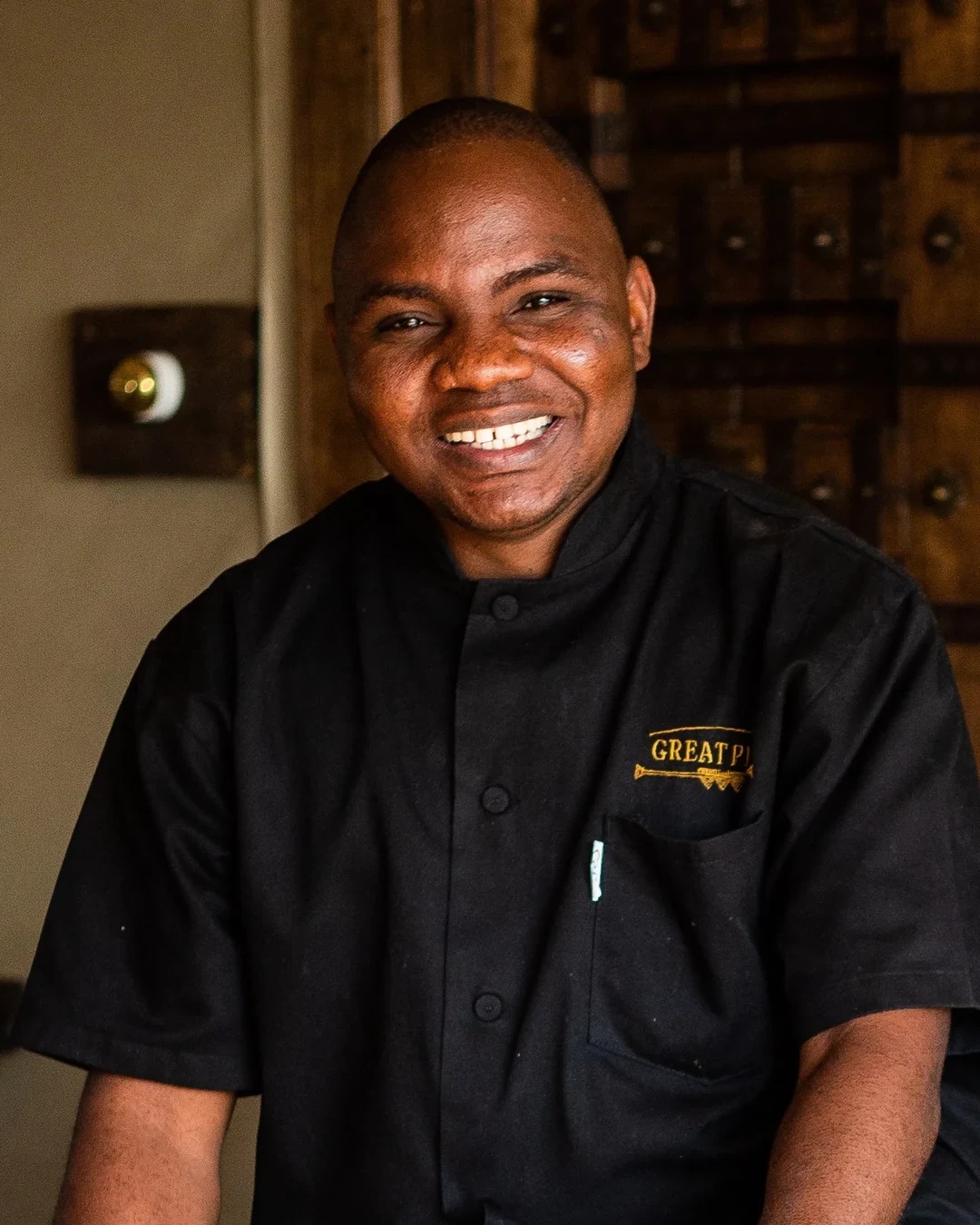
In Residence
Zamani Sibelo
Chef
- 01CuisineRelais & Châteaux African Fine Dining
- 02CityMana Pools Region, Zimbabwe
Zambezi bream, coconut, dill, chilli
- Relais Chateaux Award · 2026
- Relais Chateaux Award · 2025
Bream held at the centre
Coconut milk meets ginger, chilli and dill before the fish reaches the plate. Zamani Sibelo works as Chef at Tembo Plains Camp in Mana Pools Region, cooking inside the Sapi Private Reserve on the Zambezi River. Zamani Sibelo came through Bulawayo Hotel School, where precision and hospitality gave structure to the hand. The line he names runs through Brain Ndlovu, the former Safari Lodge Executive Chef and member of the Zimbabwe Culinary Judges, whose presentation and flavour Sibelo watched closely. At this station, that influence shows less as ornament than as control: clean arrangement, clear flavour, a plate that receives the guest without crowding the ingredient.
His signatures make the point plainly. Baked Zambezi Bream sets coconut milk, fresh green dill, lemon juice, chopped red chilli, ginger and seasonal mixed vegetables around the fish, keeping brightness and warmth in view. Zimbabwean Lake Harvest bream fillet follows with coconut milk, ginger, chilli and dill herbs, then mixed seasonal vegetables and sweet potato crisp. The work is modern, but it does not chase complication. It asks the kitchen to hold softness, heat, lift and texture in the same pass.
A camp kitchen on the river
The dining program sits within a camp built for privacy: four luxury tented suites and the two-bedroom Zanji Family Suite, with room for up to 12 guests. That scale changes the kitchen’s rhythm. Meals can move with the day’s safari pattern, from bush breakfasts to private dinners under the stars, without losing the composed register of the plate.
Tembo Plains opened in summer 2021 as part of Great Plains Conservation’s work in the 128,000-hectare Sapi Reserve, bordering the unfenced Mana Pools National Park. The place has Relais & Châteaux affiliation, and its dining has to sit comfortably beside the camp’s conservation language rather than apart from it. Sibelo’s bream dishes do that by staying regionally legible. Coconut, dill, chilli, ginger, lemon, sweet potato and vegetables carry the plate; the fish remains the centre of the method.
Canvas, stone and a quiet pass
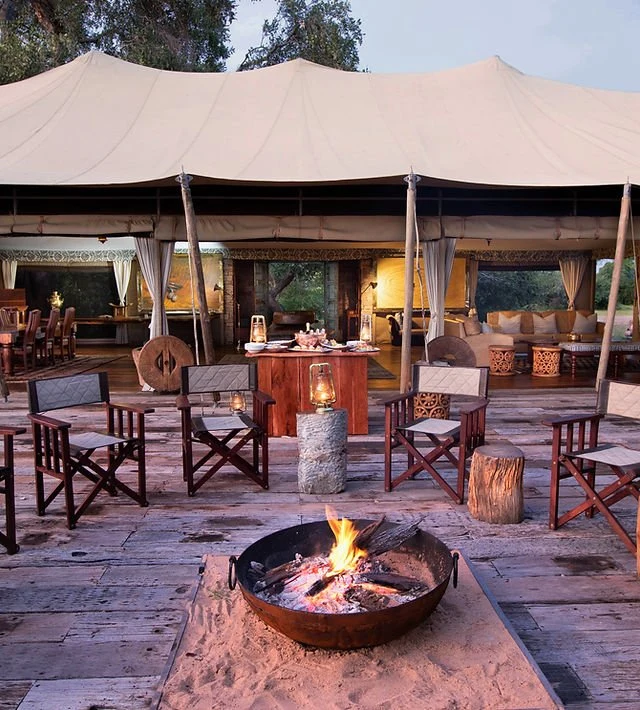
The room belongs to riverine forest. Canvas and stone shape the camp, with open-plan lounges, spa spaces and deck dining set along the Zambezi banks. The atmosphere is quiet, not because nothing is happening, but because the work around the guest is kept low in volume: the pass, the counter, the movement from kitchen to deck, the return to the bench after service. Professional photography equipment and binoculars in each suite point the eye outward, toward elephant, buffalo, lion, leopard and African wild dog country.
At night, the dining room can become the deck, and the deck can become part of the reserve. The useful luxury here is not excess; it is room for a cook to keep the plate measured while the setting does the larger speaking. Sibelo’s clearest close remains Baked Zambezi Bream, with coconut milk, dill, lemon, chilli and ginger held around the fish.
Questions
Frequently asked
Who cooks at Tembo Plains Camp?
Zamani Sibelo works as Chef at Tembo Plains Camp in the Mana Pools Region, cooking inside the Sapi Private Reserve on the Zambezi River. He came through Bulawayo Hotel School, and his work reflects the influence of Brain Ndlovu, the former Safari Lodge Executive Chef and a member of the Zimbabwe Culinary Judges.
What is the cooking style at Tembo Plains Camp?
The kitchen works in a modern African fine dining register, with clean arrangement and clear flavour. Sibelo’s plates keep the fish at the centre and use ingredients such as coconut milk, ginger, chilli, dill, lemon, sweet potato and seasonal vegetables to hold softness, heat, lift and texture together.
What dishes is the camp known for?
Two signatures are named in the copy. Baked Zambezi Bream sets coconut milk, fresh green dill, lemon juice, chopped red chilli, ginger and seasonal mixed vegetables around the fish, while Zimbabwean Lake Harvest bream fillet uses coconut milk, ginger, chilli, dill herbs, mixed seasonal vegetables and sweet potato crisp.
What is the dining setup like at Tembo Plains Camp?
The dining program sits within a small camp of four luxury tented suites and the two-bedroom Zanji Family Suite, for up to 12 guests. Meals can move with the safari day, from bush breakfasts to private dinners under the stars, and dining may take place on the deck beside the Zambezi River.
The field
How it compares
| Place | Cuisine | Notes | Awards |
|---|---|---|---|
| Tembo Plains Camp | Relais & Châteaux African Fine Dining | Sapi Private Reserve, $$$$ | · |
| Alinea | Avant-Garde Molecular Gastronomy | Chicago | Michelin 3 Stars, World's 50 Best |
| Emeril’s | Modern Creole-Cajun Fine Dining | New Orleans | Michelin 2 Stars, World's 50 Best |
| Frantzén | Modern Nordic Fusion with Japanese Influences | Stockholm | Michelin 3 Stars, World's 50 Best |
| Jaan by Kirk Westaway | Modern British Fine Dining | Singapore | Michelin 2 Stars, World's 50 Best |
| Mirazur | Modern French Fine Dining | Menton | Michelin 3 Stars, World's 50 Best |
| Quique Dacosta | Avant-Garde Spanish Fine Dining | Dénia | Michelin 3 Stars, World's 50 Best |
In residence
Similar places
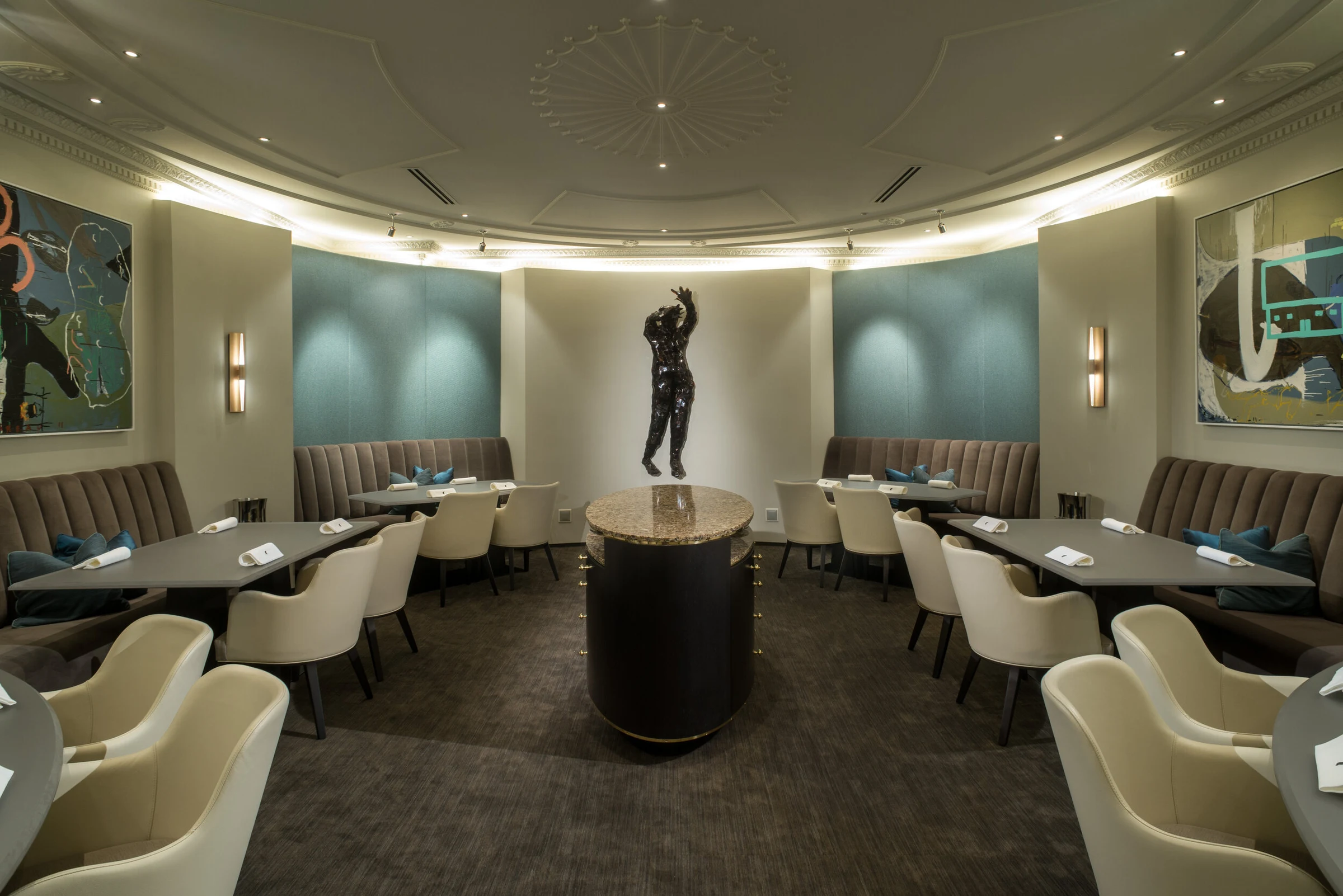
Avant-Garde Molecular Gastronomy
Alinea
Chicago, United States
★★★ · 50 Best
Modern Creole-Cajun Fine Dining
Emeril’s
New Orleans, United States
★★ · 50 Best
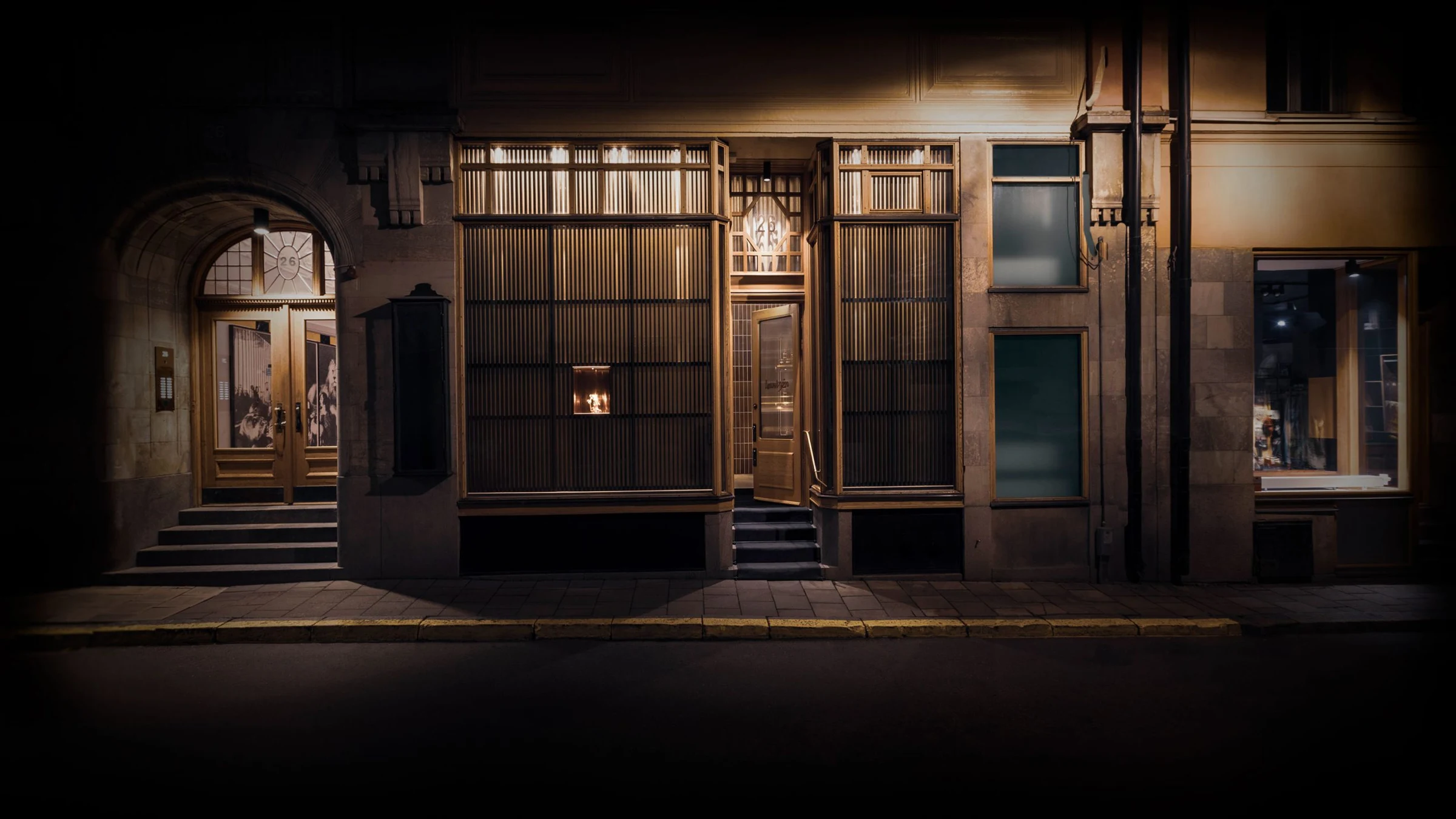
Modern Nordic Fusion with Japanese Influences
Frantzén
Stockholm, Sweden
★★★ · 50 Best
Modern British Fine Dining
Jaan by Kirk Westaway
Singapore, Singapore
★★ · 50 Best
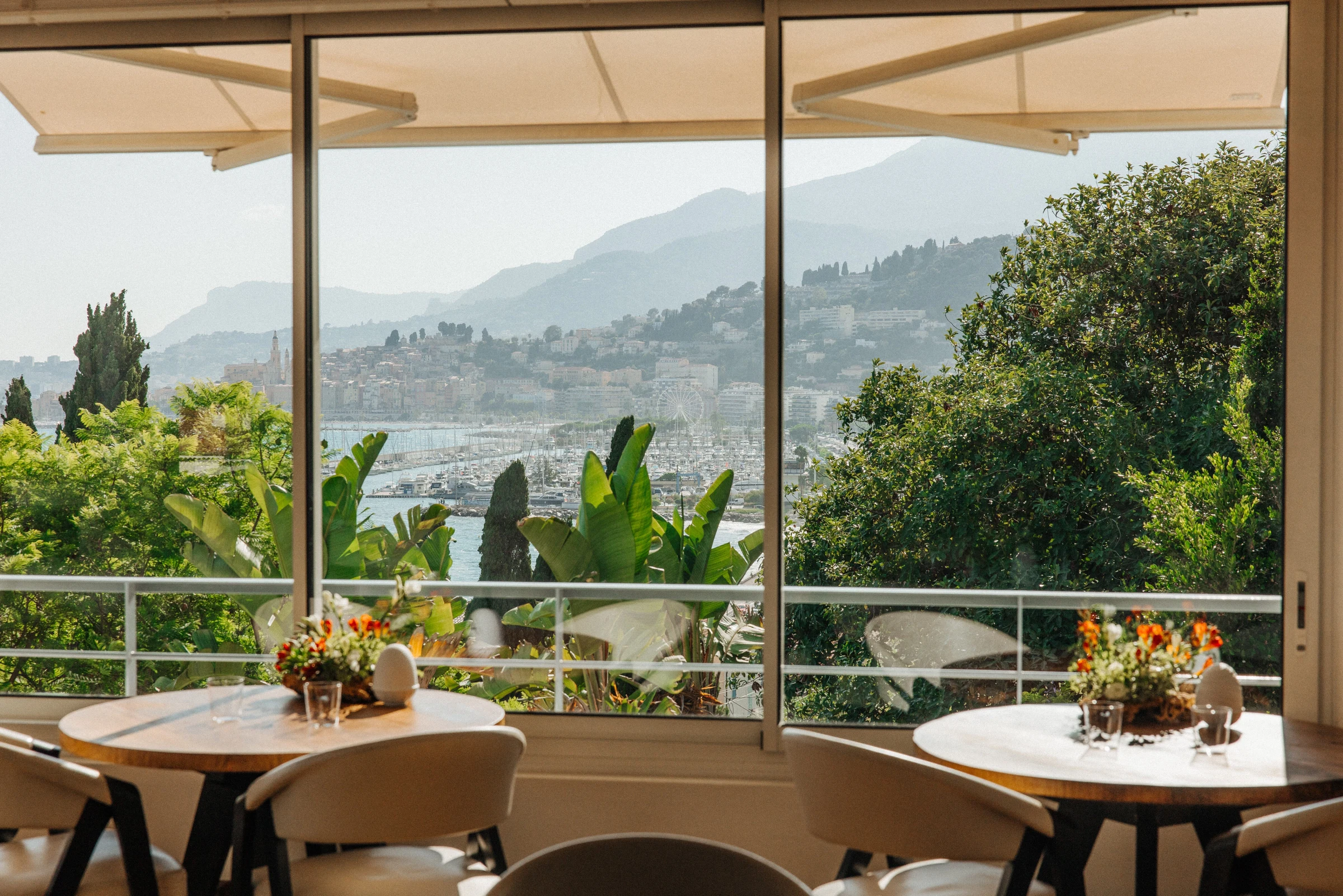
Modern French Fine Dining
Mirazur
Menton, France
★★★ · 50 Best
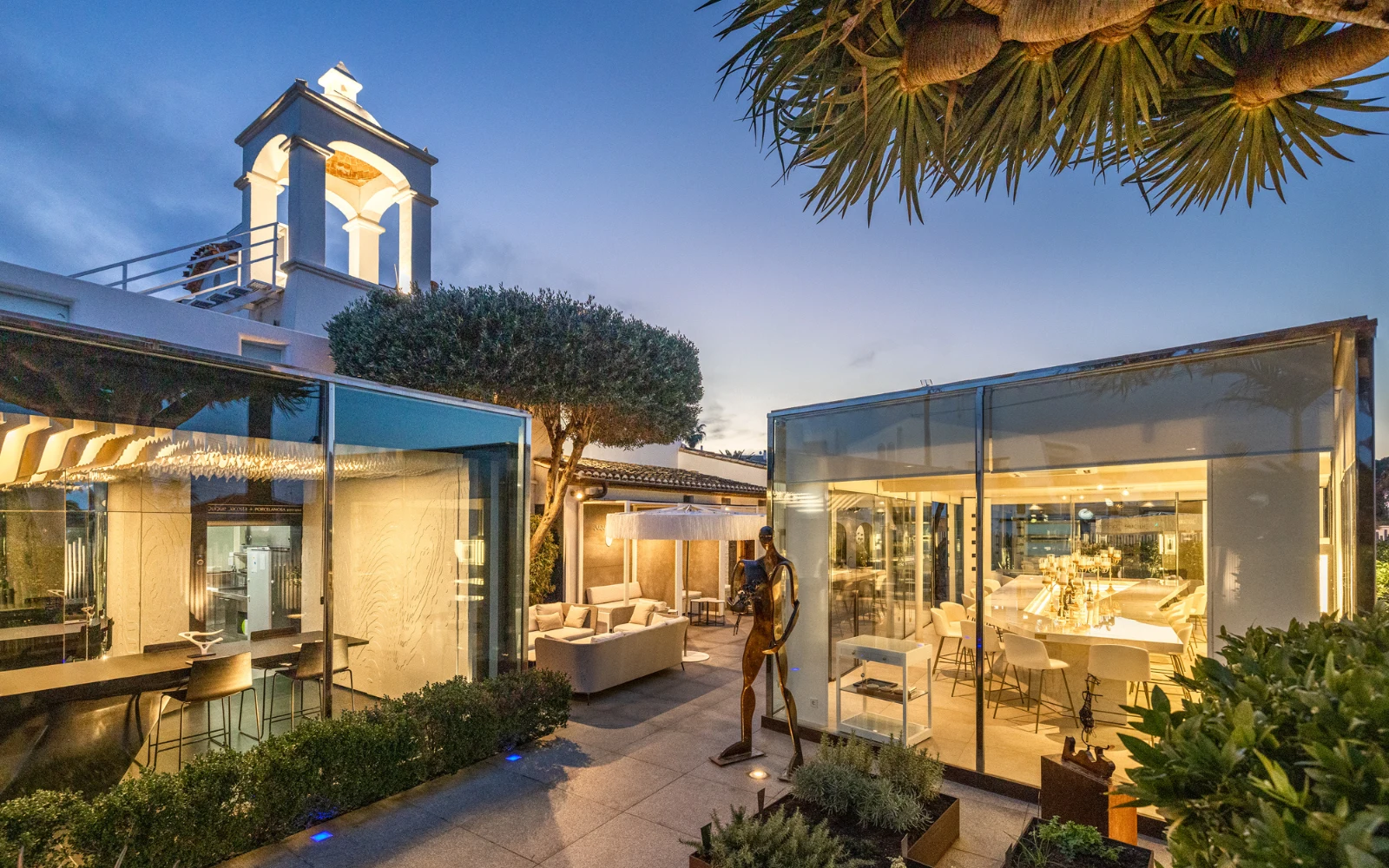
Avant-Garde Spanish Fine Dining
Quique Dacosta
Dénia, Spain
★★★ · 50 Best