Terras Gauda operates from O Rosal in Galicia's Rías Baixas, where the Miño river meets the Atlantic and granite soils define every bottle. Recognised with a Pearl 2 Star Prestige award in 2025, the winery sits at the serious end of the denomination's production hierarchy, working a corner of northwestern Spain that routinely produces some of the peninsula's most distinctive white wines.
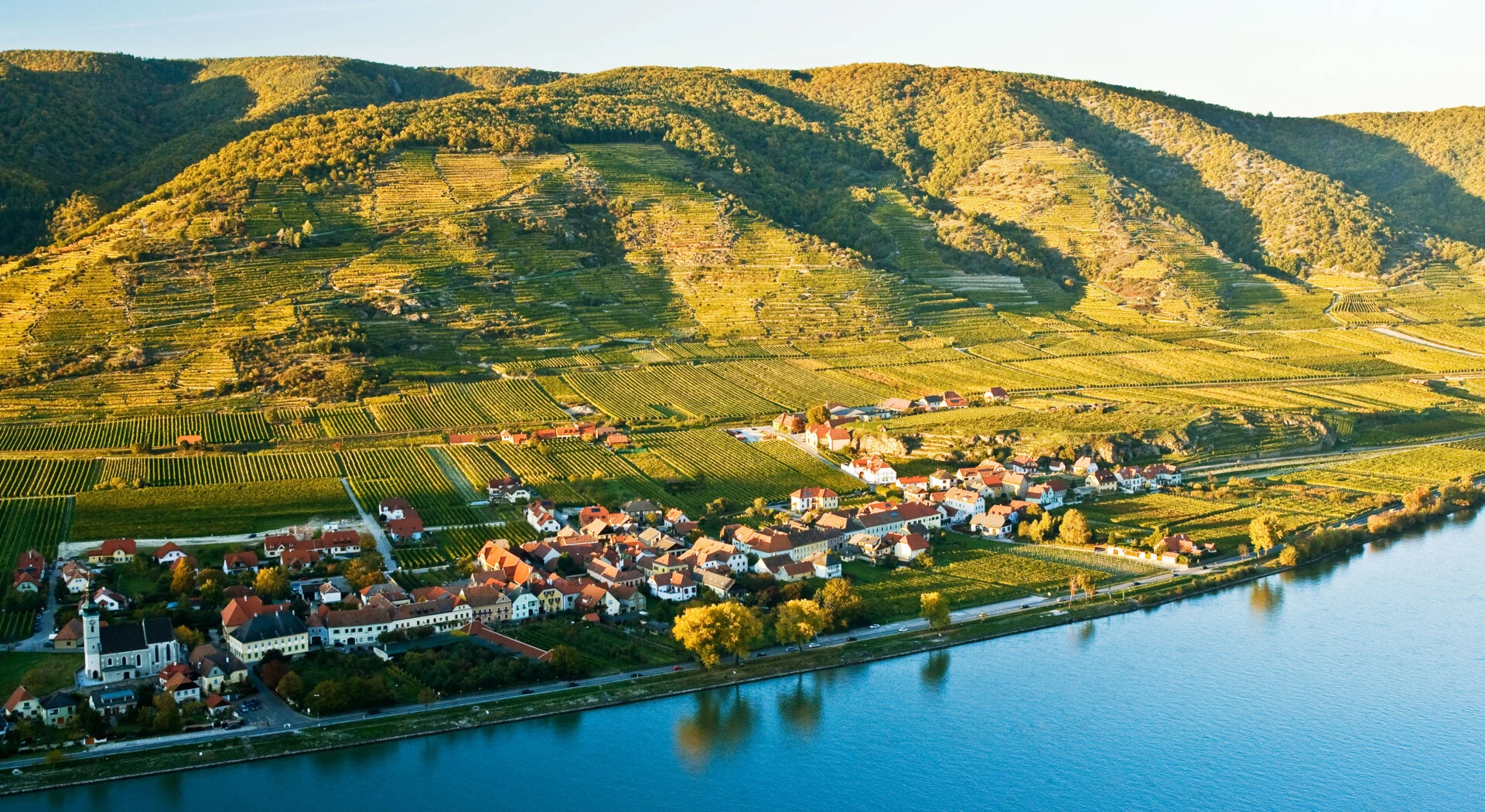
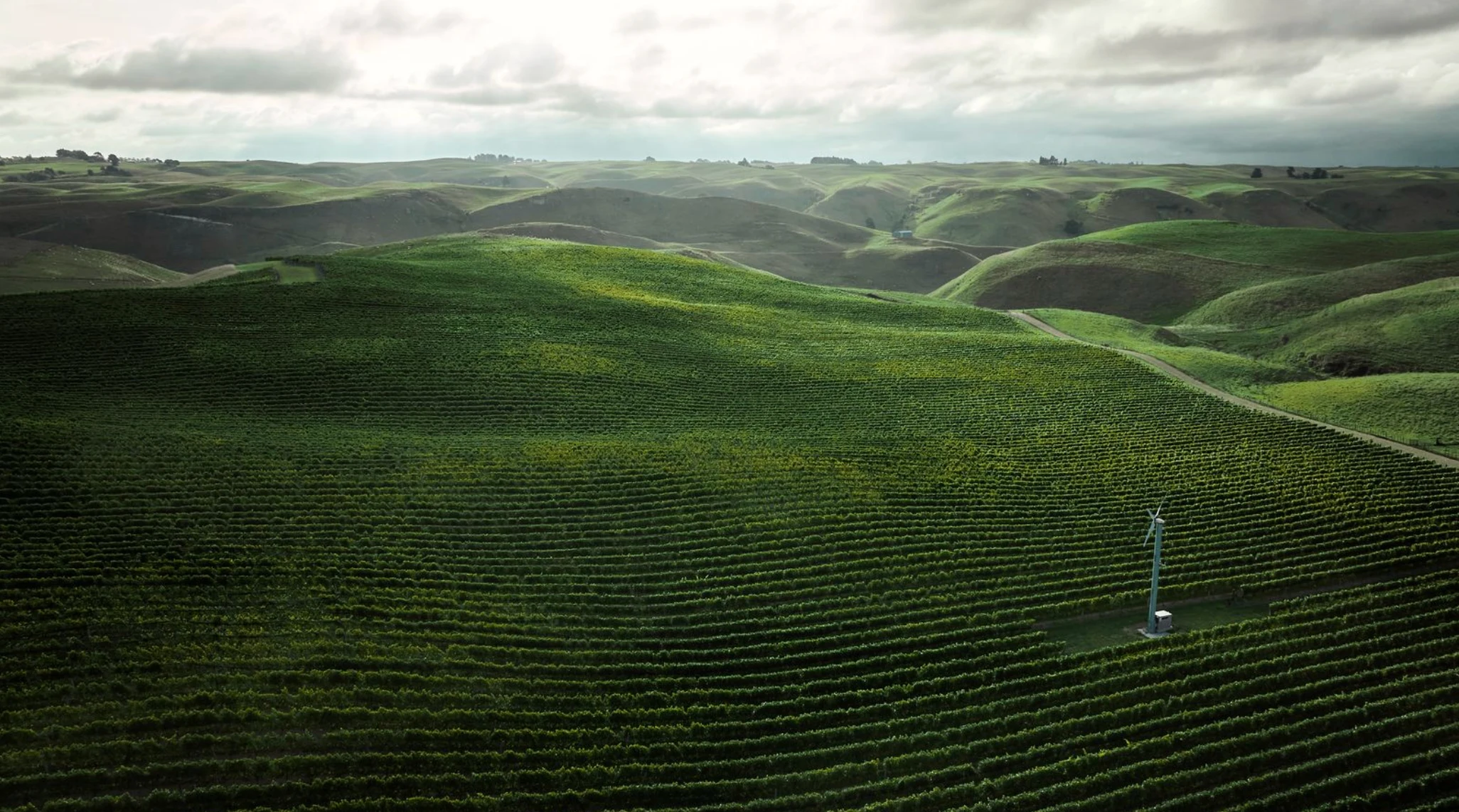
<h2>Where the Miño Meets the Atlantic</h2><p>The far southwestern corner of Galicia occupies a different climatic register from the rest of Spain. O Rosal sits at the mouth of the Miño river, separated from Portugal only by water, and the vineyards here catch a particular convergence of Atlantic humidity and the moderating warmth that rises off the estuary. Granite bedrock, shallow soils, and persistent coastal winds characterise the growing conditions across this sub-zone of Rías Baixas, and they leave a measurable mark on everything that is produced. This is not warm, sun-drenched vine country in any conventional Spanish sense. The vines grow on pergola-trained systems, the traditional parrales structures, refined above the ground to manage moisture and air circulation in a region where fungal pressure is a constant consideration.</p><p>Terras Gauda, located along the Estrada Tui-A Guarda at kilometre 55 in El Rosal, Pontevedra, works within this framework. The winery earned a Pearl 2 Star Prestige recognition in 2025.</p><h2>Granite, Rain, and the Logic of Albariño</h2><p>Rías Baixas built its international reputation almost entirely on Albariño, the white variety that performs here with a specificity it rarely matches elsewhere on the Iberian peninsula. The granite soils impart a mineral quality that shows up in the wine's structure, a tension between fruit and acidity that keeps the wines food-compatible across a wide range of contexts. Atlantic rainfall, which in O Rosal can exceed 1,500mm annually, keeps the growing season cool and extends hang time in a way that preserves aromatic complexity rather than allowing grapes to push toward over-ripeness.</p><p>The sub-zone distinction within Rías Baixas is worth taking seriously when evaluating producers. O Rosal, because of its position at the river confluence and its slightly warmer diurnal range compared to the Salnés Valley further north, can produce wines with more textural weight alongside the characteristic brightness of the appellation. Terras Gauda operates within this framework, and the 2025 Pearl 2 Star Prestige recognition signals that its work has been recognised in 2025.</p><p>For comparison, consider where Rías Baixas sits in the broader map of Spanish wine ambition. Houses like <a href="https://www.enprimeurclub.com/wineries/cvne-cune-haro-winery">CVNE in Haro</a>, <a href="https://www.enprimeurclub.com/wineries/marques-de-caceres-cenicero-winery">Marqués de Cáceres in Cenicero</a>, and <a href="https://www.enprimeurclub.com/wineries/bodegas-protos-penafiel-winery">Bodegas Protos in Peñafiel</a> have long anchored the prestige conversation around Rioja and Ribera del Duero respectively. The northwest operates in a different idiom entirely, the emphasis is on aromatic white wine and freshness rather than barrel-aged structure and longevity, yet producers like Terras Gauda are pressing a case for comparable seriousness of intent.</p><h2>The Competitive Tier in Northwest Spain</h2><p>Within Rías Baixas, the producing landscape has bifurcated over the past two decades. A large commercial tier targets export volume with clean, technically correct Albariño at accessible price points. A smaller group of producers, working single-vineyard or sub-zone-specific lots, has pushed toward higher specificity. The latter group benchmarks itself differently, not against volume producers but against the wider Spanish fine-wine conversation, and occasionally against Galicia's Iberian neighbours across the Miño.</p><p>That second tier is where a Pearl 2 Star Prestige recognition places Terras Gauda in 2025. <a href="https://www.enprimeurclub.com/wineries/clos-mogador-gratallops-winery">Clos Mogador in Gratallops</a> represents the kind of producer that built Priorat's international standing from the ground up; the process in O Rosal runs on a similar logic, with site credibility and consistent vintage performance as the primary currency.</p><p>Other reference points in Spanish wine illustrate the range of approaches producers take to establishing prestige positioning. <a href="https://www.enprimeurclub.com/wineries/abadia-retuerta-sardon-de-duero-winery">Abadía Retuerta in Sardón de Duero</a> and <a href="https://www.enprimeurclub.com/wineries/arzuaga-navarro-quintanilla-de-onesimo-winery">Arzuaga Navarro in Quintanilla de Onésimo</a> demonstrate how Ribera del Duero producers have pursued differentiation through estate-scale investment; <a href="https://www.enprimeurclub.com/wineries/emilio-moro-pesquera-de-duero-winery">Emilio Moro in Pesquera de Duero</a> charts a family-production model. In Galicia, the differentiating factors are different: terroir fragmentation, the pergola viticulture system, and the Atlantic growing season create a natural ceiling on yield and a natural floor on character.</p><h2>Visiting O Rosal</h2><p>The Estrada Tui-A Guarda corridor, where Terras Gauda sits at kilometre 55, runs along Galicia's southern border with Portugal. The nearest significant town is A Guarda to the south, with Vigo to the north. The route itself passes through dense vine country, the river valley's low slopes are some of the most visually coherent vineyard land in northwestern Spain, with the traditional refined parrales structures creating a distinctive agricultural texture across the landscape.</p><p>Visitors planning a Galician wine itinerary should consider O Rosal alongside the Salnés Valley, the Condado do Tea sub-zone, and Ribeira Sacra further inland. The sub-zones reward comparison: the same Albariño variety reads differently depending on whether it is grown on the coast, in the estuary zone, or on the steep slate slopes of the interior. <a href="https://www.enprimeurclub.com/wineries/bodegas-ysios-laguardia-winery">Bodegas Ysios in Laguardia</a>, <a href="https://www.enprimeurclub.com/wineries/bodegas-vivanco-valle-de-mena-winery">Bodegas Vivanco in Valle de Mena</a>, and <a href="https://www.enprimeurclub.com/wineries/marques-de-grinon-dominio-de-valdepusa-malpica-de-tajo-winery">Marqués de Griñón in Malpica de Tajo</a> offer useful comparative points for understanding how different Spanish producing regions have institutionalised their visitor programmes; Galicia's approach is generally less formalised, but the depth of the material is no less serious.</p><p>Contact the winery directly at Estrada Tui-A Guarda, km 55, 36760 El Rosal, Pontevedra for visit planning. The harvest period, typically running from mid-September in this sub-zone, represents the most active window for winery visits across Rías Baixas, though the quieter shoulder months allow for more focused engagement with staff and cellars.</p><p>For producers interested in understanding the Spanish prestige-winery model across different categories, <a href="https://www.enprimeurclub.com/wineries/codorniu-sant-sadurn-danoia-winery">Codorníu in Sant Sadurní d'Anoia</a>, <a href="https://www.enprimeurclub.com/wineries/lustau-jerez-de-la-frontera-winery">Lustau in Jerez de la Frontera</a>, and internationally, <a href="https://www.enprimeurclub.com/wineries/accendo-cellars">Accendo Cellars in St. Helena</a> and <a href="https://www.enprimeurclub.com/wineries/aberlour-aberlour-winery">Aberlour in Aberlour</a> offer reference points across different traditions and production philosophies. Terras Gauda's own prestige signal, the 2025 Pearl 2 Star Prestige recognition, places it in a conversation that extends well beyond regional designation.</p>
Terras Gauda operates at the serious production end of Rías Baixas, positioned at kilometre 55 of the Estrada Tui-A Guarda corridor along Galicia's southern border with Portugal. The setting is shaped by the Atlantic climate and granite soils of O Rosal rather than any constructed hospitality aesthetic. Its Pearl 2 Star Prestige recognition in 2025 signals a winery focused on measurable quality rather than volume.
Terras Gauda is located at Estrada Tui-A Guarda, km 55, 36760 El Rosal, Pontevedra, O Rosal.
Terras Gauda has received recognition including: Pearl 2 Star Prestige (2025).
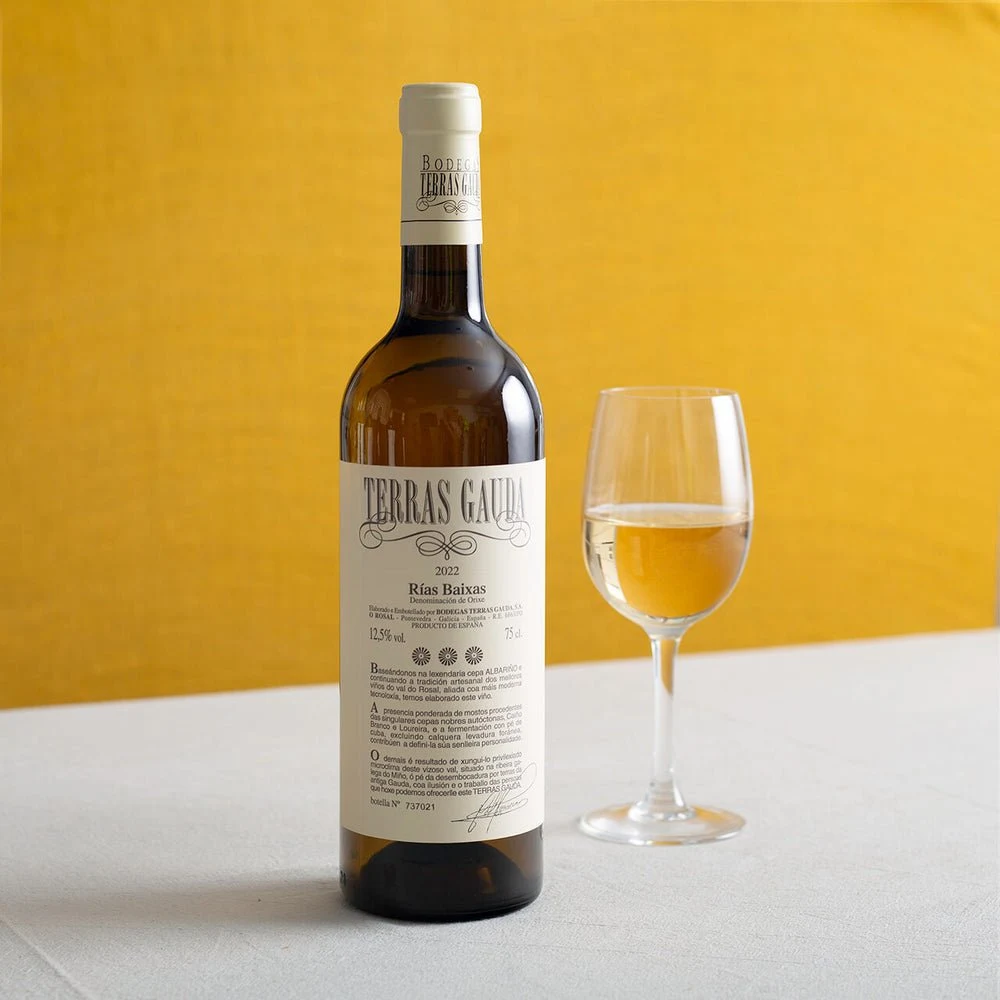
Specific bottlings are not detailed in publicly available records, but Terras Gauda's Pearl 2 Star Prestige (2025) places it firmly within Rías Baixas's precision tier, where Albariño-based wines from the O Rosal sub-zone are the benchmark expression. O Rosal's position at the Miño river mouth produces wines with a saline, Atlantic-influenced character that distinguishes them from the broader Rías Baixas appellation.
Terras Gauda has positioned itself in the prestige segment of northwest Spanish white wine production, earning Pearl 2 Star Prestige recognition in 2025. Its O Rosal address is significant: this sub-zone of Rías Baixas sits at the confluence of Atlantic influence and granite-heavy soils, conditions that Albariño translates into wines with more textural complexity than the appellation's commercial tier typically achieves.
Estrada Tui-A Guarda, km 55, 36760 El Rosal, Pontevedra
O Rosal