A 2025 Michelin Bib Gourmand recipient tucked inside a quaint mansion in Chengdu's Gaoxin District, The Woo's applies careful modernisation to Sichuan tradition without abandoning its roots. Cold appetisers, wild-caught fish fried in chilli, and sweet sticky rice dumplings anchor a menu where restraint and bold flavour coexist. The ¥¥ price point makes it one of the more considered entries in the city's mid-tier Sichuan scene.
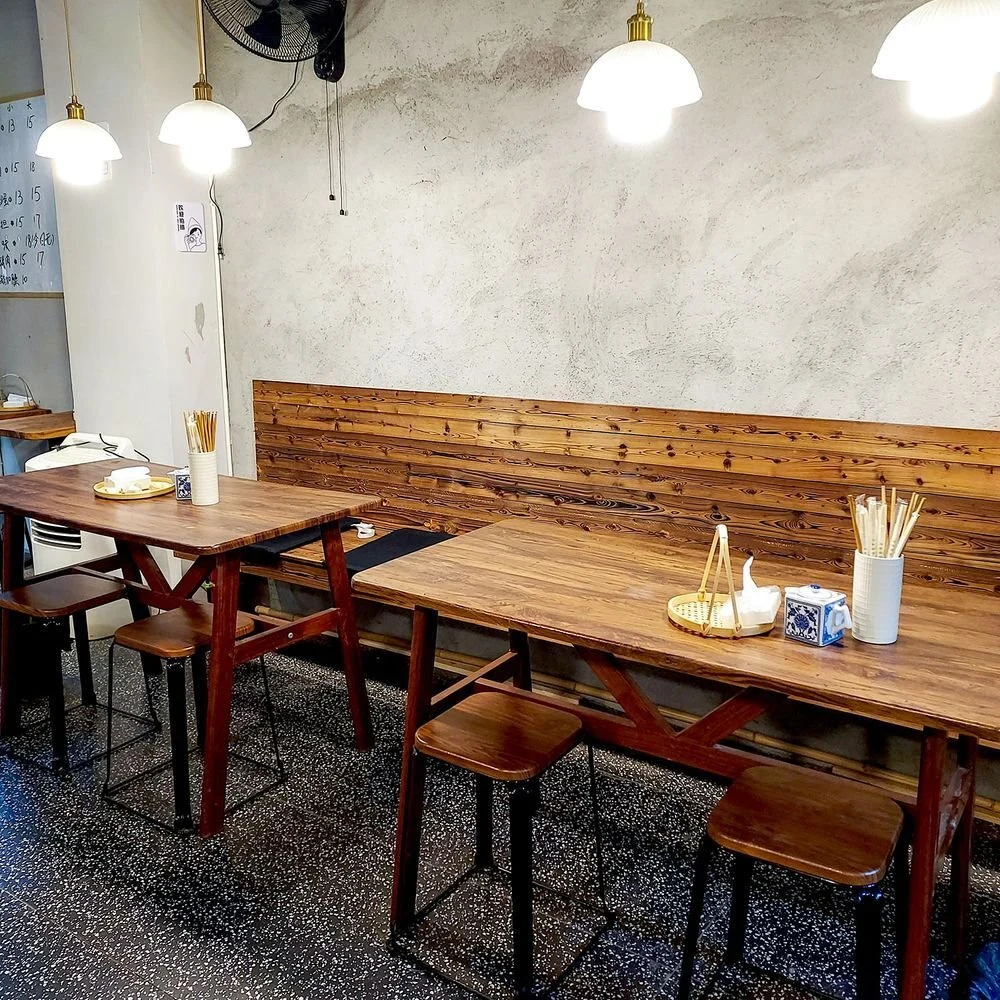
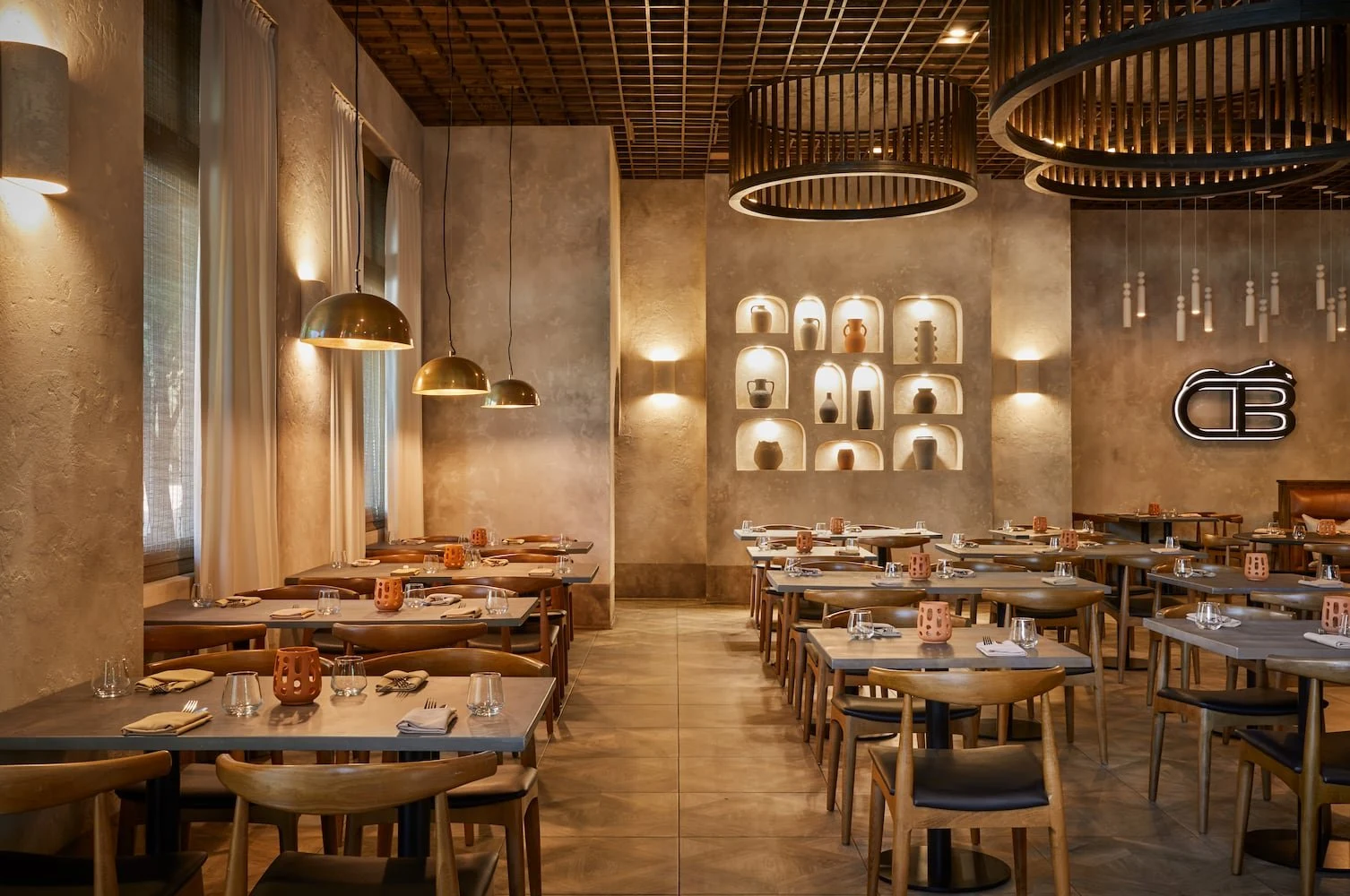
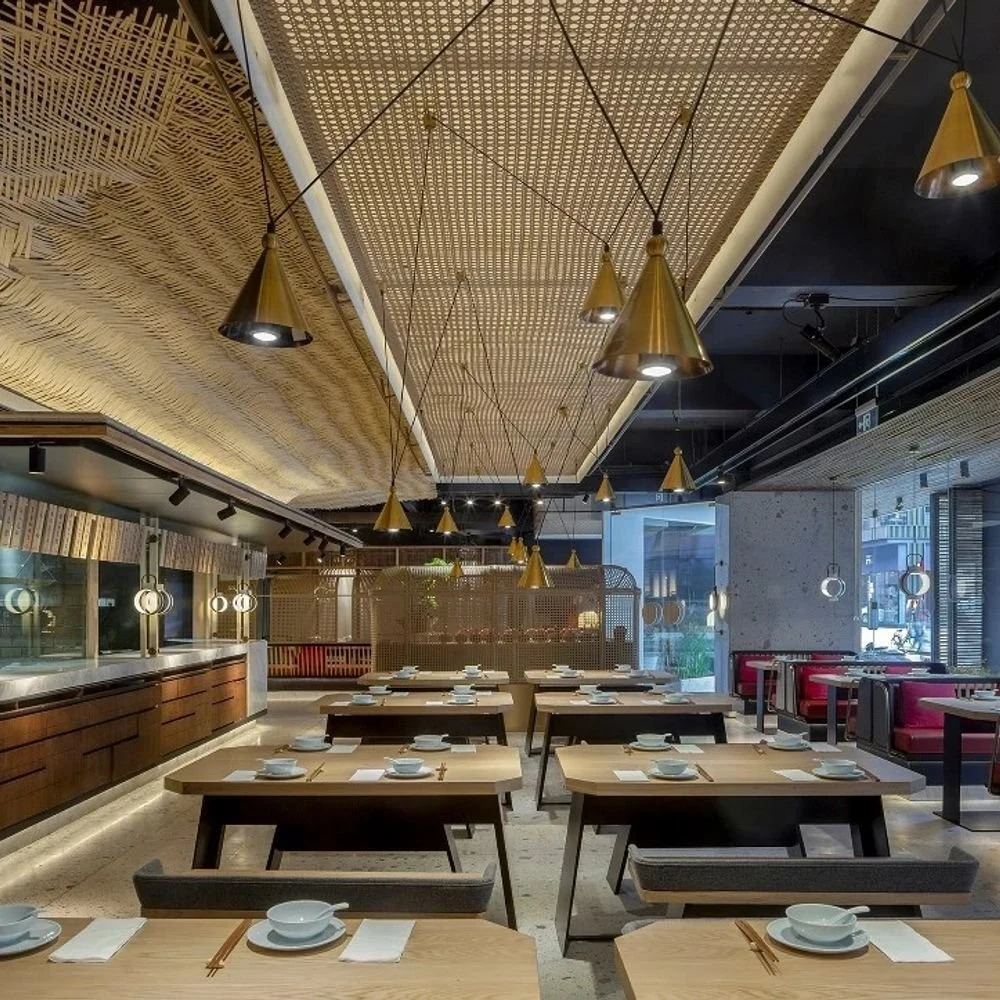
<h2>A Mansion, a Tree, and a Menu That Earns Its Recognition</h2><p>The Woo's is a Modern Sichuan Fine Dining restaurant in Chengdu's Gaoxin District at No. 300 交子大道. The effect is less dramatic reveal than quiet signal: this is a place that doesn't need to announce itself. Inside, the rooms carry a domestic warmth that high-volume Sichuan restaurants rarely attempt, worn timber, layered nostalgia, the kind of proportions that make a table feel borrowed rather than assigned. That physical setting shapes the experience before a dish arrives.</p><p>Chengdu's dining culture has long operated on two parallel tracks: the street-level intensity of places like <a href="https://www.enprimeurclub.com/restaurants/mas-kitchen-chengdu-restaurant">Ma's Kitchen</a> and the technically demanding fine-dining tier represented by <a href="https://www.enprimeurclub.com/restaurants/yu-zhi-lan-chengdu-restaurant">Yu Zhi Lan</a> at the ¥¥¥¥ end of the market. The Woo's occupies a different position: mid-price Sichuan that takes tradition seriously without dressing it in ceremony. That middle register is harder to sustain than it looks, because it demands genuine kitchen discipline without the institutional machinery of a large-format restaurant.</p><h2>The Sichuan Tradition Behind the Menu</h2><p>Sichuan cuisine is frequently misread abroad as a single register of numbing heat. In practice, the canon contains a wide spectrum of temperatures, textures, and seasoning logics, and a serious Sichuan kitchen moves between them with purpose. The cold appetiser section at a restaurant like The Woo's reflects a tradition where cooling, vinegar-bright, or sesame-heavy dishes prepare the palate for the heat that follows, a sequencing logic that goes back centuries in Chengdu home cooking.</p><p>The Woo's received Michelin Bib Gourmand recognition in 2025. In Chengdu, where the Michelin guide has increasingly mapped both the high-end and the accessible tiers of the city's restaurant culture, a Bib Gourmand in the Sichuan category indicates that inspectors found the kitchen meeting a precise standard of authenticity and execution within real-world pricing constraints. Comparable positioning can be seen at venues like <a href="https://www.enprimeurclub.com/restaurants/fang-xiang-jing-chengdu-restaurant">Fang Xiang Jing</a>, which similarly applies careful technique to Sichuan's classical repertoire.</p><h2>Sourcing, Restraint, and the Ethics of a Smaller Kitchen</h2><p> The wild-caught yellow croaker that anchors the hot section of The Woo's menu is a case in point. Wild-caught croaker sits at a different point on the supply chain from farmed fish: it is seasonal, finite, and more expensive to source reliably. A kitchen that builds a signature dish around it is making a procurement decision as much as a culinary one.</p><p>Preparation, fried in a mound of chillies until the flesh turns silky and moist, is faithful to a Sichuan technique that prioritises textural contrast over minimalist plating. The result, as Michelin's own notation records, is a dish that pairs deliberately with alcohol, which points to the kitchen understanding its food in a social context rather than in isolation. That orientation toward the meal as a shared occasion, rather than as a sequence of individual statements, is characteristic of the Chengdu domestic tradition the restaurant draws from.</p><p>Sticky rice dumplings with runny filling that close the meal represent the same logic applied to dessert. Sweet, glutinous, warm: it is a finish rooted in local confectionery tradition rather than imported pastry convention. For a city whose street food culture includes some of the most refined small-format sweets in China, this matters. The Woo's is not importing an ending, it is completing a meal in its own register.</p><h2>Where The Woo's Sits in Chengdu's Mid-Tier Scene</h2><p>¥¥ price range positions The Woo's alongside accessible but quality-conscious Sichuan restaurants rather than the high-investment tasting-menu tier. <a href="https://www.enprimeurclub.com/restaurants/fu-rong-huang-chengdu-restaurant">Fu Rong Huang</a> and <a href="https://www.enprimeurclub.com/restaurants/silver-pot-chengdu-restaurant">Silver Pot</a> both operate in Chengdu's more formal Sichuan category, where price points and ceremony increase together. The Woo's operates without that ceremony, which is precisely what the Bib Gourmand acknowledges. Google reviewers give it a 4.4 across 117 ratings, a score that holds across a meaningful sample and suggests consistent rather than variable performance.</p><p>Across China, the mid-price regional dining tier has produced some of the more interesting cooking of the past decade. <a href="https://www.enprimeurclub.com/restaurants/102-house-shanghai-restaurant">102 House in Shanghai</a> and <a href="https://www.enprimeurclub.com/restaurants/ru-yuan-hangzhou-restaurant">Ru Yuan in Hangzhou</a> both illustrate how accessible price points can coexist with genuine kitchen ambition. The Woo's fits that pattern in the context of Sichuan specifically, where the weight of culinary tradition gives a disciplined mid-tier kitchen a great deal to work with. For contrast across registers and regions, <a href="https://www.enprimeurclub.com/restaurants/chef-tams-seasons-macau-restaurant">Chef Tam's Seasons in Macau</a>, <a href="https://www.enprimeurclub.com/restaurants/imperial-treasure-fine-chinese-cuisine-guangzhou-restaurant">Imperial Treasure Fine Chinese Cuisine in Guangzhou</a>, and <a href="https://www.enprimeurclub.com/restaurants/dai-yuet-heen-nanjing-restaurant">Dai Yuet Heen in Nanjing</a> show how Chinese fine dining operates at its upper end. Closer in spirit to The Woo's approach to Sichuan modernisation are <a href="https://www.enprimeurclub.com/restaurants/song-guangzhou-restaurant">Song in Guangzhou</a> and <a href="https://www.enprimeurclub.com/restaurants/yong-guangzhou-restaurant">Yong in Guangzhou</a>, both of which apply a similar discipline to classical Sichuan technique in a different city context. The broader picture across Chinese cuisine is mapped at <a href="https://www.enprimeurclub.com/restaurants/xin-rong-ji-xinyuan-south-road-beijing-restaurant">Xin Rong Ji in Beijing</a>, which operates at ¥¥¥¥ and represents the ceiling of what institutional confidence can achieve in regional Chinese cooking.</p><h2>Planning Your Visit</h2><p>The Woo's is at No. 300 交子大道 in Chengdu's Gaoxin District. The $80 price point sits in the restaurant's upper mid-range, and the Google rating is 4.5 across 32 reviews. Given the Bib Gourmand recognition in 2025, demand is likely higher now than the review count reflects, and booking ahead is advisable.</p><h2>What Should I Eat at The Woo's?</h2><p id="cuisine">Michelin inspectors specifically recorded the fried wild-caught yellow croaker served under a mound of fried chillies, and the sweet sticky rice dumplings with runny filling. The croaker is the kitchen's main statement in the hot section: wild-caught, textured, and designed to pair with alcohol in the Sichuan tradition of food built around the table rather than around individual plates. The dumplings close the meal in a register that is distinctly local rather than borrowed from any other confectionery tradition. Cold appetisers precede both, and at a restaurant working within the Sichuan classical framework, that opening section is where the kitchen's handling of vinegar, sesame, and chilli balance is first made clear. The 2025 Bib Gourmand confirms the kitchen's consistency across both tradition and technique at a mid-range price point.</p>
The chef associated with The Woo's is Thierry Renou.
The Woo's has received recognition including: Michelin Bib Gourmand (2025); A quaint mansion obscured by a big tree is home to this restaurant run by the Woos. The cosy space shows hints of nostalgia; both cold appetisers and hot mains are based on tradition, but fine-tuned and moderni….
Michelin inspectors specifically recorded two dishes: the fried wild-caught yellow croaker buried under a mound of fried chillies, noted for its silky, moist flesh and bold flavour, and the sweet sticky rice dumplings with a runny filling served at the meal's close. Both illustrate the kitchen's approach of working within Sichuan tradition while applying deliberate refinement rather than reinvention. The ¥¥ price range means neither dish comes at a premium, which makes the sourcing of wild-caught fish worth noting.
Pricing at The Woo's is listed as ¥¥.
No, 300 交子大道 Gaoxin District, Chengdu, China, 610041
Jinjiang
Wu Ji Guai Wei Mian (Jinjiang)

Modern Sichuan Fine Dining
Yu Zhi Lan
Chengdu, China
★★

Modern French Tasting Menu
Co-
Chengdu, China
★ · 50 Best

Sichuan River Seafood
Young Art · Yong Ya He Xian (Tongzilin East Road)
Chengdu, China
★

Traditional Sichuan Cuisine
Fang Xiang Jing
Chengdu, China
★

Sichuan
S Kitchen
Chengdu, China
★

Contemporary European with Sichuanese Influences
The Hall
Chengdu, China
★