Tokyo Dosanjin
- 01CuisineTraditional Soba Noodle Restaurant
- 02CityTokyo, Japan
- Tabelog 100 #95: 3.7pts · 2025
Aobadai’s backstreets pull the tempo down before the meal begins. Around Ikejiri Ohashi and Nakameguro, the dining rhythm is less station-front churn than residential discretion: small Japanese rooms, late dinners after work, and places where noodles can carry the same seriousness as sushi or tempura. Tokyo Dosanjin fits that pocket of the city, not as a grand destination dining room, but as a soba address with enough range to support a full night at the table.
Tokyo’s soba culture has always had two speeds. One is functional: fast, clean, restorative, built around commuting and lunch. The other is slower and more adult, where buckwheat noodles arrive as part of a sequence with seasonal Japanese cooking, fish, sake, and shochu. The latter category is where this restaurant belongs. Its Tabelog 100 Soba EAST selections in 2025, 2024, and 2021 place it inside a recognized field of specialist soba houses rather than the broader casual noodle market.
Soba as dinner, not just a lunch stop
The useful distinction here is format. A soba shop with Japanese cuisine and izakaya elements changes the way a traveler should read the meal. Instead of treating noodles as a quick final bowl, the better approach is to see soba as the anchor of a longer Japanese table: fish, small plates, drinks, then buckwheat at the point where rice might otherwise appear. That is a classic Tokyo pleasure, and it matters because many international visitors over-index on ramen while missing the quieter technical culture around soba.
Recognition from Tabelog’s Soba EAST list is a meaningful signal in this category because soba is not judged only by flash. The field rewards consistency, noodle handling, broth or dipping sauce balance, and the ability to keep regulars returning without spectacle. A Tabelog score of 3.69 also suggests a venue operating above routine neighborhood use, especially in a genre where local diners can be exacting and repeat-driven. The point is not that every table will read like fine dining. The point is that Tokyo’s noodle hierarchy is more layered than many visitors assume.
The restaurant’s emphasis on fish and Japanese drinking culture pushes it closer to the evening soba-izakaya model. Sake, shochu, and wine are part of the frame, which gives the room a different gravity from a noodle counter built for speed. For wine-minded travelers, this is not a cellar-page venue in the Western fine-dining sense. It is more interesting as a case study in how Tokyo’s Japanese restaurants now make room for wine beside sake and shochu without abandoning the logic of the cuisine. The drink choice should support salt, dashi, fish, and buckwheat rather than dominate them.
The drinking program belongs to the food, not the other way around
The strongest way to read the beverage side is through restraint. Soba is unforgiving with pairings: heavy oak, sugar, and loud aromatics can flatten buckwheat’s quiet character. A list that includes sake, shochu, and wine gives diners three different registers. Sake can work with fish and dashi-led cooking; shochu gives a drier, sharper line; wine suits diners who want acidity and temperature control across small plates. That range reflects a broader Tokyo shift in which traditional Japanese formats increasingly absorb wine without turning into Western tasting-menu rooms.
This is also where Tokyo Dosanjin differs from casual comparison points in the city. Patisserie la glycine, STARBUCKS RESERVE ROASTERY TOKYO, and Chii Sha sit in a lower spend pattern built around sweets, coffee, or lighter stops. Chugokusai Kan points toward a different Chinese dining lane. Soba at this level asks for another decision: allocate time to a modestly scaled Japanese meal where the central craft is not luxury product, but grain, water, sauce, and timing.
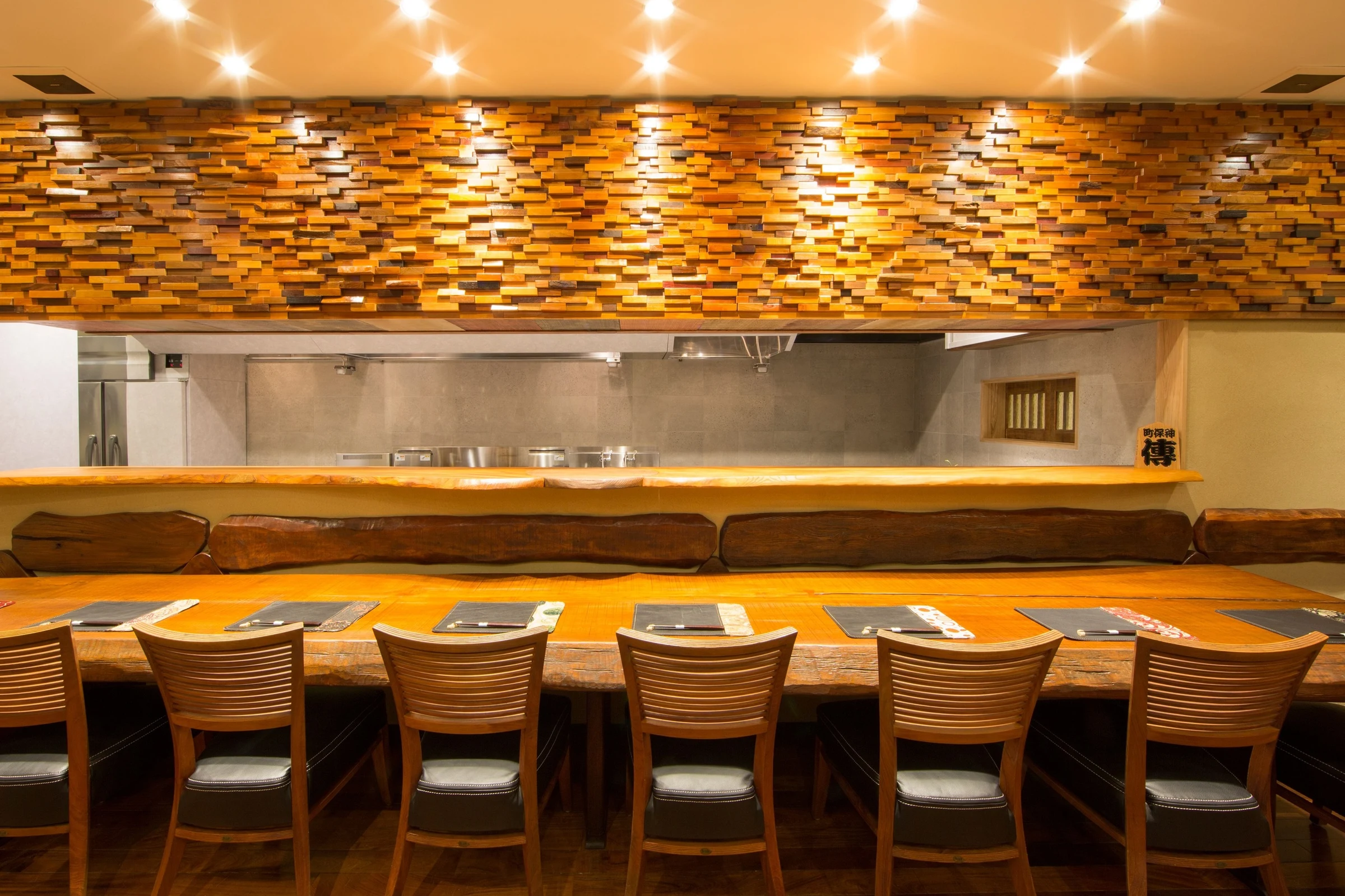
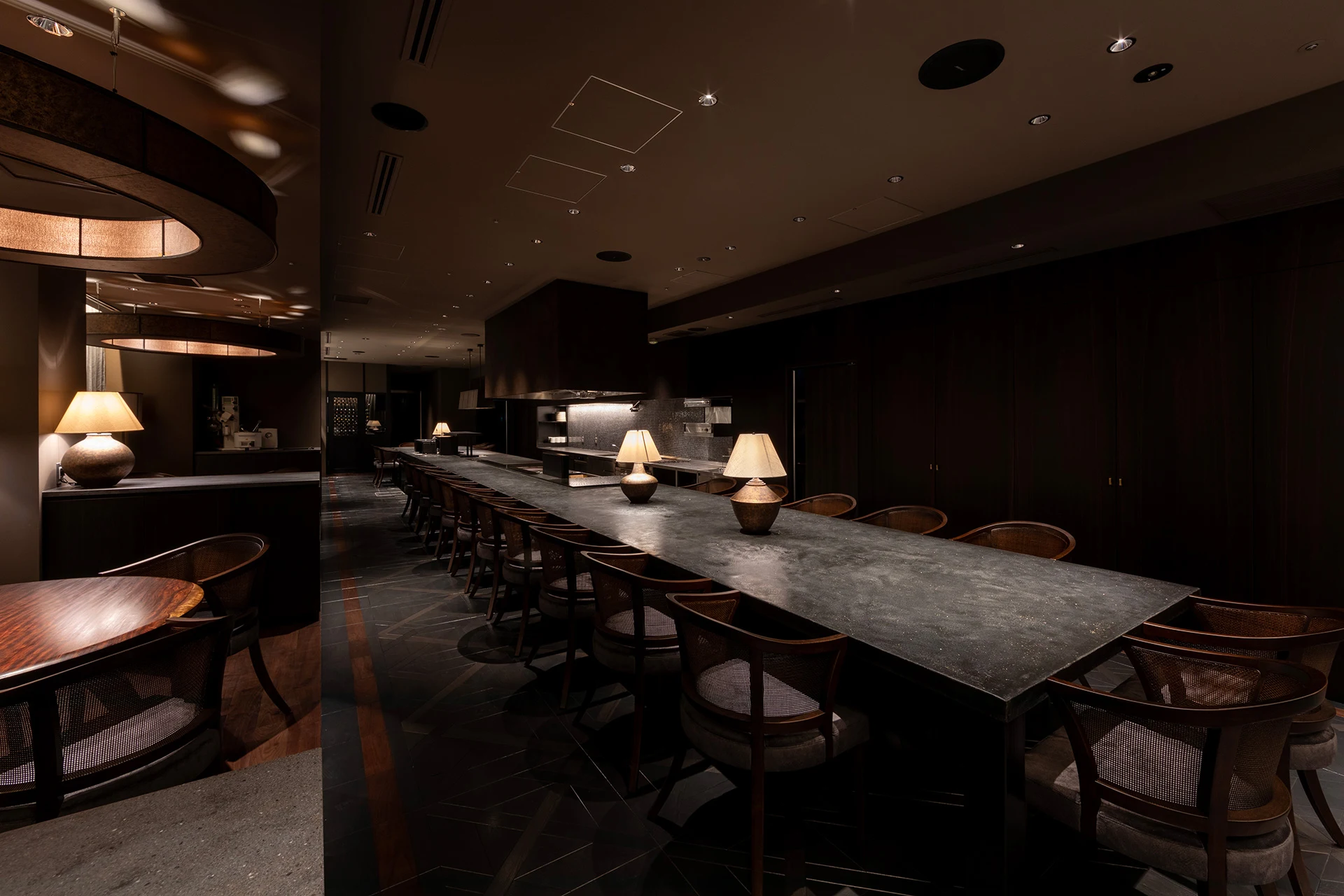
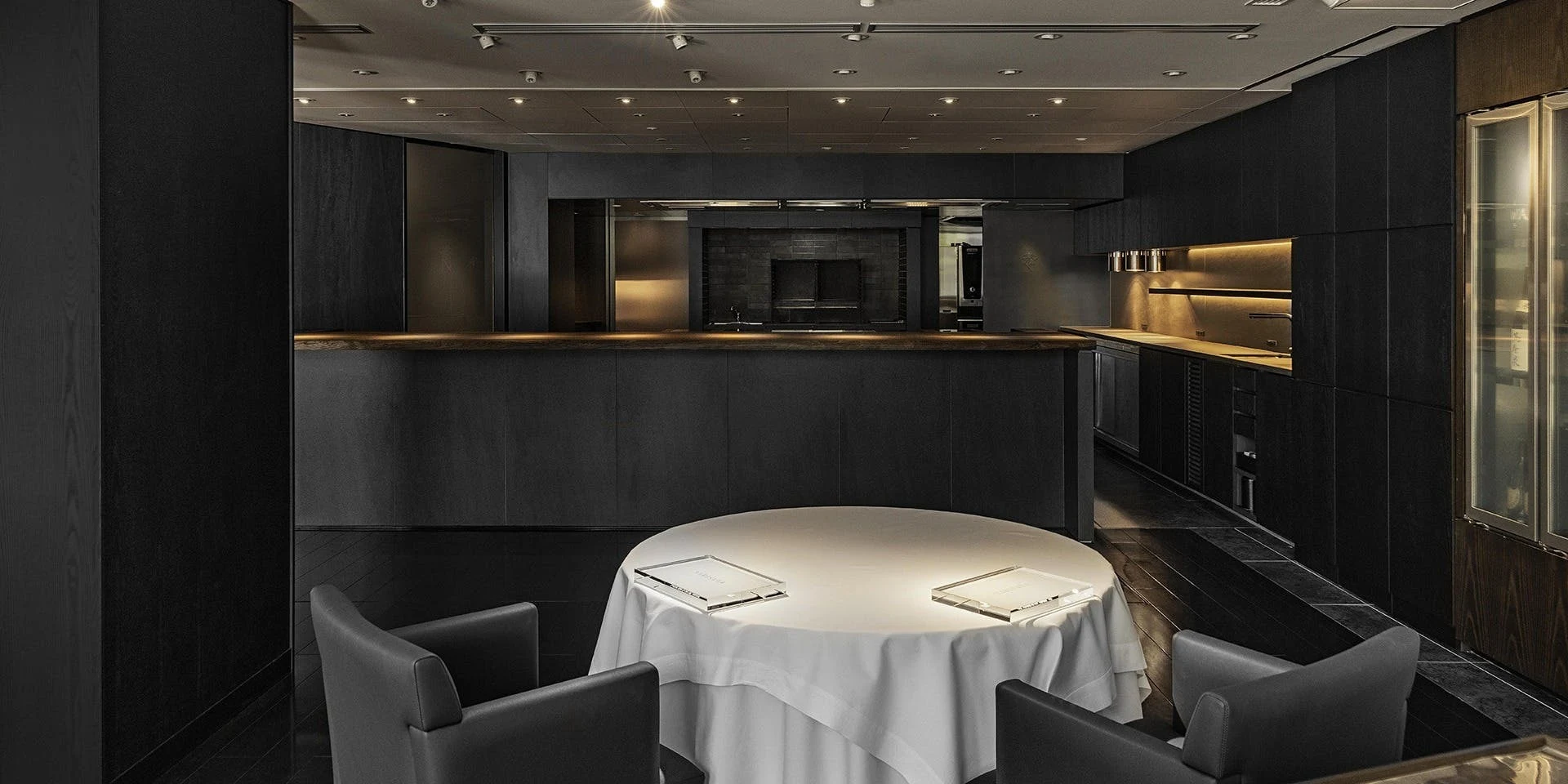
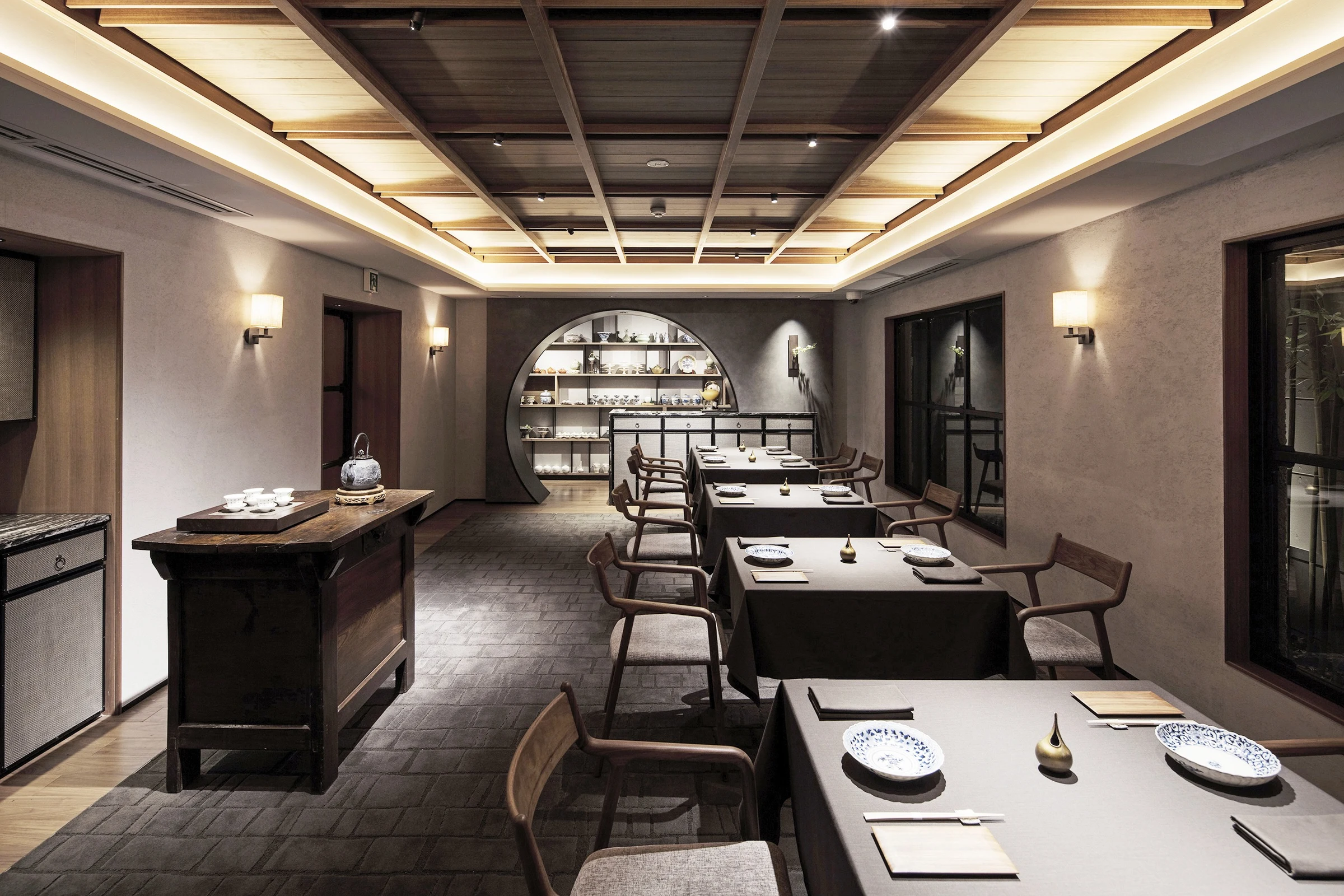
The room’s scale supports that reading. Forty-four seats, with table seating and a small counter component, put it between intimate specialist counter and larger casual restaurant. Private and semi-private room options make it more flexible than many soba specialists, including for small groups. The non-smoking policy, English menu availability, and child-friendly notes also make it easier for travelers than the more opaque end of Tokyo’s traditional dining spectrum.
How to place it within a Tokyo itinerary
For travelers building a food-focused Tokyo stay, this is a useful corrective to the city’s reservation anxiety. Not every serious meal needs to be an omakase counter or chef-led tasting menu. A soba evening near Meguro can sit between higher-pressure bookings and looser neighborhood eating, especially for diners who want Japanese technique without a long scripted format. It also pairs naturally with the west-side rhythm of Nakameguro, Daikanyama, and Ikejiri Ohashi rather than the Ginza-Roppongi axis.
Readers mapping a broader Tokyo dining week can place it beside sharper contrasts: grilled and seafood-led casual Japanese cooking at . 鮪と炭火焼き うお炭 秋葉原店, Shinjuku dining at 12/10 Shinjuku ten, yakitori structure at 124. KAGURAZAKA (Yakitori), graphic café culture at 2D Cafe, and curry specialization at 3 Chome no Curry Ya San. For the wider city edit, use Our full Tokyo restaurants guide, with parallel planning through Our full Tokyo hotels guide, Our full Tokyo bars guide, Our full Tokyo wineries guide, and Our full Tokyo experiences guide.
Beyond Tokyo, the same editorial logic applies: match the format to the meal you want, not the loudness of the reputation. Compare regional Japanese comfort at -Grilled beef Sukiyaki- KAMAKURA TANUKIAN 鎌倉 たぬき庵 in Kamakura, café pacing at.cafe in Osaka, local cooking at.know in Kumamoto, Vietnamese cooking at (Shoku) Vietnam in Kawasaki, Sapporo curry at [Curry Senmon Ten] Maruyama Kyoju. in Sapporo, Kyoto dining at [ki:] in Kyoto, sake-bar context at Jōdo Saké Bar in Los Angeles, and rice-ball culture at Onigiri Time in Pasadena.
The editorial case is clear: choose this for a Tokyo meal where soba is treated with adult seriousness, drinks remain in service of the food, and the setting allows a relaxed group dinner rather than a hushed counter performance. The reward is a better understanding of how everyday Japanese forms become destination-worthy without becoming theatrical.
Questions
Frequently asked
How expensive is Tokyo Dosanjin?
Tokyo Dosanjin is listed at a price level of $$.
Where is Tokyo Dosanjin and what does it serve?
Tokyo Dosanjin is in Meguro, Tokyo, serving Traditional Soba Noodle Restaurant.
The field
How it compares
| Place | Cuisine | Notes | Awards |
|---|---|---|---|
| Tokyo Dosanjin | Traditional Soba Noodle Restaurant | Meguro, $$ | · |
| Den | Modern Japanese Kaiseki | Tokyo | Michelin 2 Stars, World's 50 Best |
| Florilège | Modern French-Japanese Plant-Based Fine Dining | Tokyo | Michelin 2 Stars, World's 50 Best |
| Narisawa | Modern Japanese Satoyama Fine Dining | Tokyo | Michelin 2 Stars, World's 50 Best |
| Quintessence | Modern French Fine Dining | Tokyo | Michelin 3 Stars |
| Sazenka | Modern Chinese Fine Dining | Tokyo | Michelin 3 Stars, World's 50 Best |
| Sézanne | Modern French Fine Dining | Tokyo | Michelin 3 Stars, World's 50 Best |
Similar places
Modern Japanese Kaiseki
Den
Tokyo, Japan
★★ · 50 Best
Modern French-Japanese Plant-Based Fine Dining
Florilège
Tokyo, Japan
★★ · 50 Best
Modern Japanese Satoyama Fine Dining
Narisawa
Tokyo, Japan
★★ · 50 Best
Modern French Fine Dining
Quintessence
Tokyo, Japan
★★★
Modern Chinese Fine Dining
Sazenka
Tokyo, Japan
★★★ · 50 Best
Modern French Fine Dining
Sézanne
Tokyo, Japan
★★★ · 50 Best