- Opinionated About Dining Casual in Japan Ranked #33 · 2026
- Tabelog Bronze #465: 4.3pts · 2026
- Opinionated About Dining Casual in Japan Ranked #13 · 2025
- Tabelog Bronze · 2025
- Tabelog 100 #44: 4.2pts · 2024
- Opinionated About Dining Casual in Japan Ranked #10 · 2024
- Opinionated About Dining Casual in Japan Ranked #17 · 2023
Ogikubo is not Tokyo’s hotel-lobby or tasting-menu theatre, but a west-side railway neighborhood where food rewards patience, local knowledge, and tolerance for small rooms with fixed rhythms. Curry fits that geography: Tokyo curry culture spans convenience and obsession, from station-counter plates to specialist shops where spice structure, sauce depth, and rice balance are treated with sushi-rice or ramen-broth seriousness.
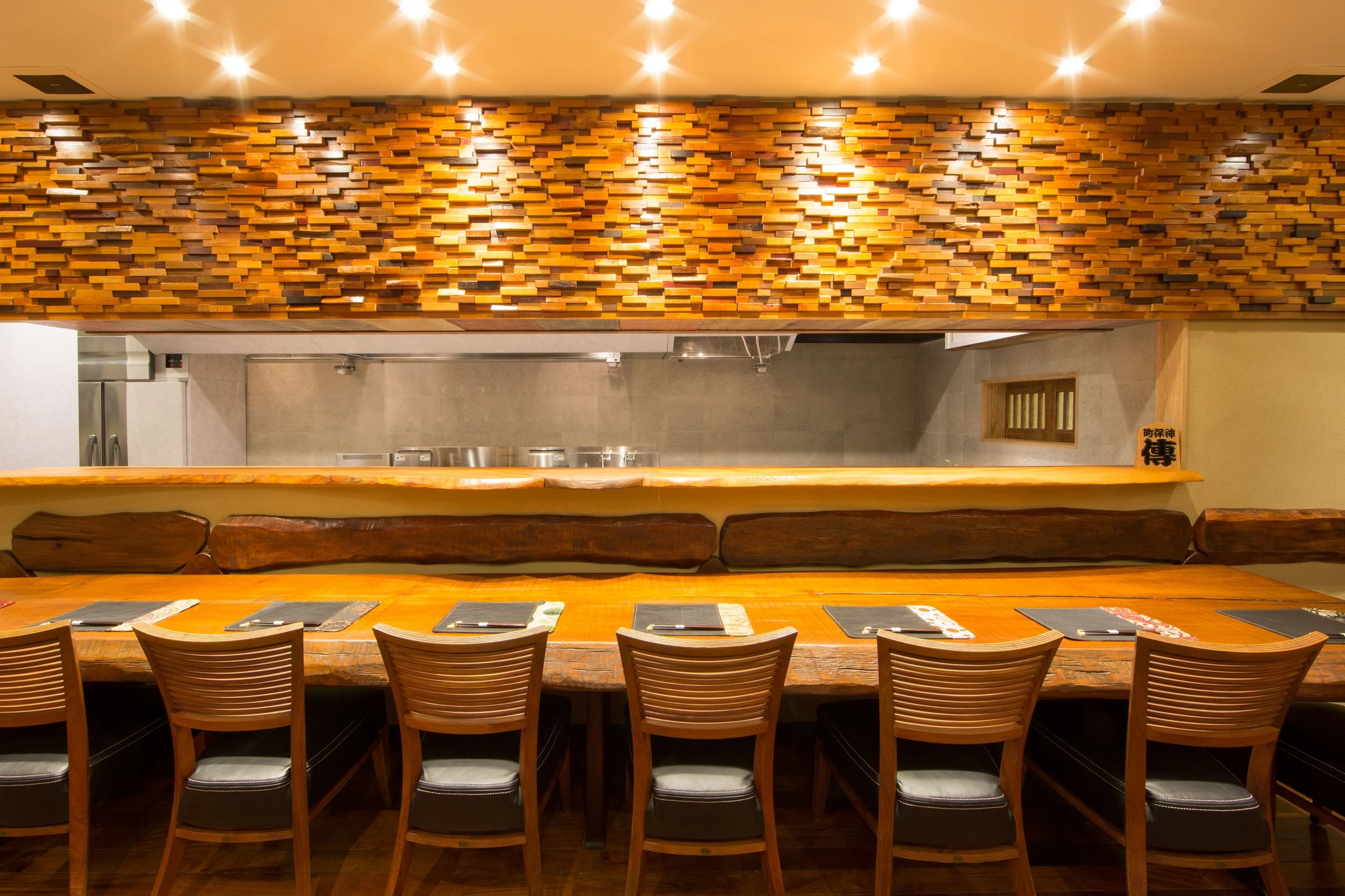
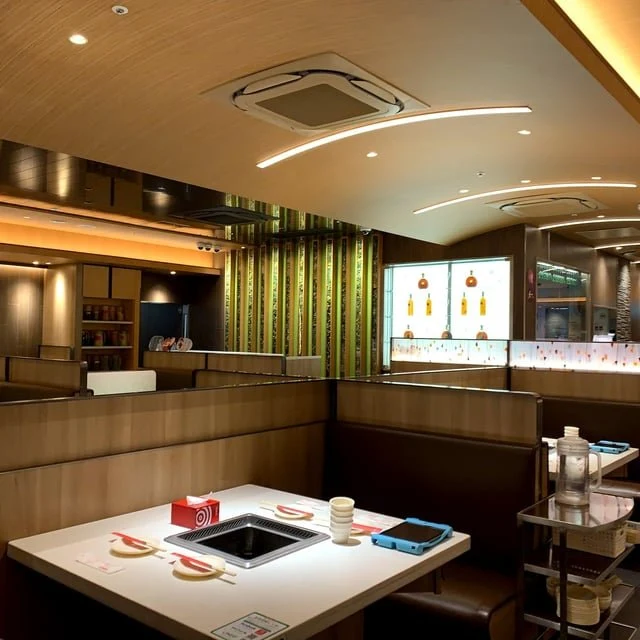
Tomato belongs to the obsessive side. Its compact 15 seats, three counter places plus tables, focus on European-style Japanese curry rather than speed. Listed chef Kyoji Omino signals authorship in a genre often built on routine house recipes. Here, curry is composed sauce: spice, sweetness, bitterness, and slow-cooked density shaped by Tokyo’s habit of absorbing foreign forms and making them local.
European curry through a Tokyo lens
Japanese curry is often misread abroad as comfort food without hierarchy. In Tokyo, hierarchy is clear: cafeteria curries, kissaten curries, spice-curry counters influenced by South Asian technique, and European-inflected versions descended from yōshoku, Japan’s interpretation of Western dishes. Tomato sits near that yōshoku branch, where curry is layered sauce work, not raw heat. Tabelog’s English listing describes a blend of 36 spices and rich sauces, separating it from casual bowl shops and chain-counter lunches.
The cultural point is not novelty. Tokyo has spent more than a century domesticating imported foods, then creating internal standards strict enough to make each category feel native. Tonkatsu, omurice, hambāgu, and curry follow that pattern. Curry’s strength is range: school lunch, late-night plate, department-store dining floor staple, or destination dish. The Suginami address sits outside the central luxury corridor, but its recognition places it inside Tokyo’s serious curry conversation.
That recognition is unusually broad for a small curry shop. Tomato is a Tabelog Award 2026 Bronze winner with a 4.25 score, has appeared repeatedly in Tabelog Curry selections across recent years, including the Tokyo Curry 100 list for 2024, and was placed by Opinionated About Dining in its 2026 Casual in Japan ranking. Because curry lacks the international shorthand of omakase or kaiseki, these third-party signals help travelers distinguish a specialist address from the city’s many competent curry rooms.
Why Ogikubo suits this kind of curry
Ogikubo has the conditions for serious everyday dining: residential density, rail access, office spillover, and customers who do not need theatrical design to take food seriously. Central Tokyo rents can push restaurants toward visible luxury or heavy reservation systems; on the Chūō Line’s western side, smaller formats can survive on regulars and category loyalty. That matters for curry, where repetition is cultural: diners return because sauce, rice, and pacing form a dependable argument.
Tomato’s 15-seat scale sharpens that argument: fewer plates, closer kitchen visibility, less separation between cooking and table. The restaurant does not accept reservations, placing it in classic Tokyo casual-specialist mode. Access depends on timing and queue discipline, not concierge power. For visitors used to booking counter dining months ahead, the distinction matters. Curry culture here is democratic in price, but not effortless in access.
Pricing keeps the category grounded. Published lunch and dinner budgets are JPY 2,000 to JPY 2,999, with review-based averages listed higher in some contexts. In a city where a luxury counter can cost ten times that before drinks, this is a rare Tokyo pursuit where acclaim and relative affordability meet. Bring cash: credit cards and electronic money are not accepted. That is not quaint; it is how many small Japanese restaurants keep operations narrow and predictable.
For a broader Tokyo itinerary, Tomato works better as a west-side food anchor than an isolated detour. Travelers comparing curry styles can place it alongside 3 Chome no Curry Ya San, while those building a cross-category map can use Our full Tokyo restaurants guide. The city’s range runs from curry to izakaya cooking at . 鮪と炭火焼き うお炭 秋葉原店, yakitori at 124. KAGURAZAKA (Yakitori), or a graphic café format at 2D Cafe, without pretending they answer the same dining question.
How to read the meal
Approach a Tokyo curry specialist by judging structure, not theatrics. Heat is only one axis; sauce texture, spice persistence, sweetness, acidity, and how rice carries the plate are the core measures. European-style Japanese curry often favors depth and gloss over the sharper, drier register of some modern spice-curry shops. That makes it a strong lens on yōshoku: foreign in origin, Japanese in expectation, and highly specific once the diner knows what to watch.
The non-smoking policy and children-welcome listing make Tomato less severe than its acclaim suggests, though the small footprint keeps the experience tight. There are no private rooms, no private-use setup, and no parking. Large-group thinking is misplaced. This is a solo or small-party address, especially for travelers who want to understand Tokyo curry as a serious urban food form rather than a convenience stop between larger meals.
A broader Japan route can extend from this category-focused dining to other regional formats: -Grilled beef Sukiyaki- KAMAKURA TANUKIAN 鎌倉 たぬき庵 in Kamakura,.cafe in Osaka,.know in Kumamoto, (Shoku) Vietnam in Kawasaki, [Curry Senmon Ten] Maruyama Kyoju. in Sapporo, and [ki:] in Kyoto. For non-restaurant planning around the city, see Our full Tokyo hotels guide, Our full Tokyo bars guide, Our full Tokyo wineries guide, and Our full Tokyo experiences guide.
Tomato’s appeal is precise: it shows how far Tokyo can push an everyday dish without stripping away its everyday identity. Awards and scores validate the address, but the deeper lesson is cultural. Here, curry is not a footnote to ramen, sushi, or tempura. It is a mature dining language with specialists, arguments, and loyalists. For travelers from outside Japan, that may be worth crossing town for.
International readers tracing Japanese food culture beyond Japan may find contrasts in Jōdo Saké Bar in Los Angeles and Onigiri Time in Pasadena, where Japanese formats are translated through a different restaurant economy. Tokyo, by comparison, makes the smallest categories feel deep. A 15-seat curry shop in Ogikubo can change how a visitor reads the city’s casual dining map.
Questions
Frequently asked
Who works at Tomato?
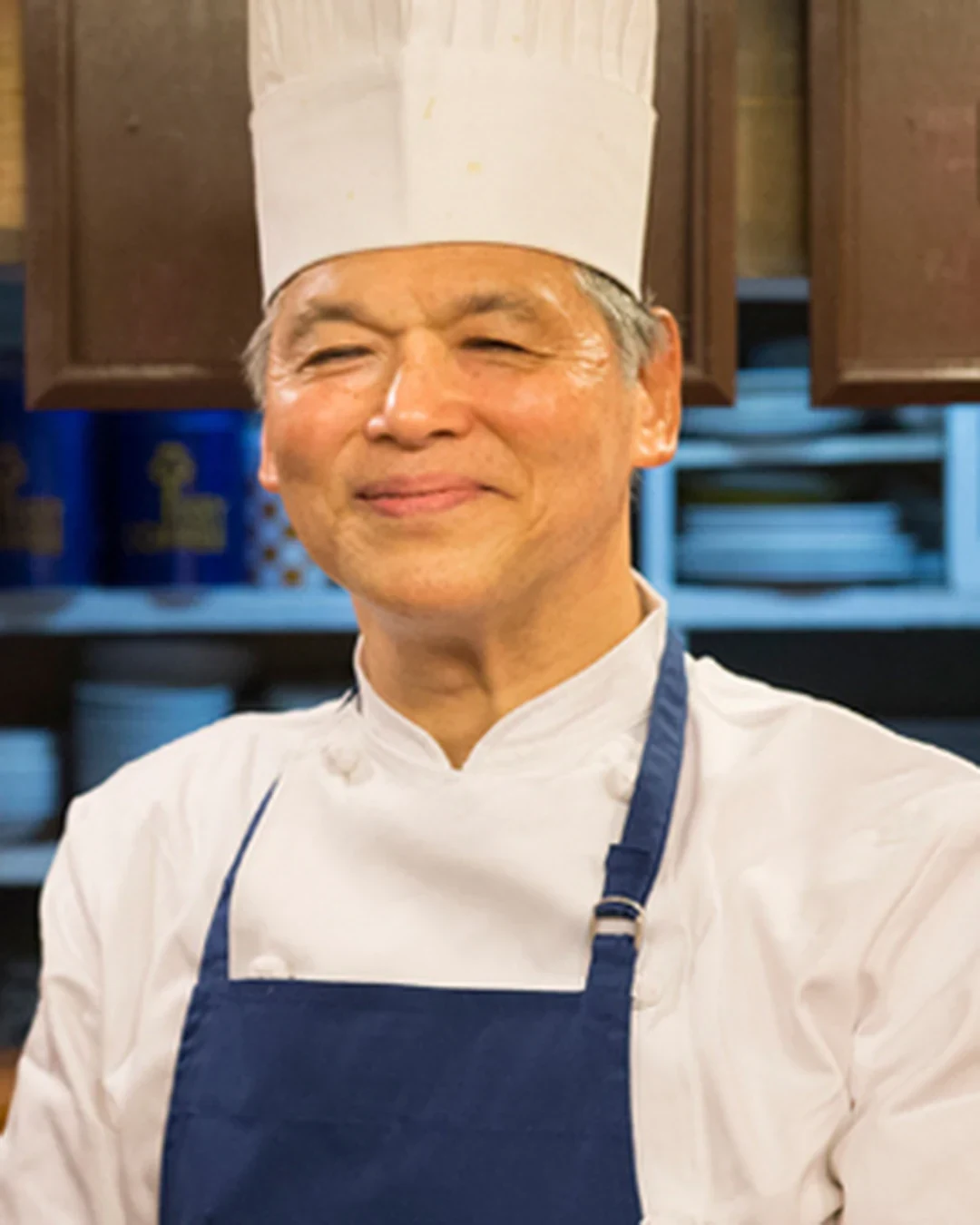
Made By profiles Kyoji Omino (Chef) at Tomato.
How expensive is Tomato?
Tomato is listed at a price level of $$$.
Where is Tomato and what does it serve?
Tomato is in Suginami, Tokyo, serving Japanese Curry.
The field
How it compares
| Place | Cuisine | Notes | Awards |
|---|---|---|---|
| Tomato | Japanese Curry | Suginami, $$$ | · |
| Den | Modern Japanese Kaiseki | Tokyo | Michelin 2 Stars, World's 50 Best |
| Florilège | Modern French-Japanese Plant-Based Fine Dining | Tokyo | Michelin 2 Stars, World's 50 Best |
| Narisawa | Modern Japanese Satoyama Fine Dining | Tokyo | Michelin 2 Stars, World's 50 Best |
| Quintessence | Modern French Fine Dining | Tokyo | Michelin 3 Stars |
| Sazenka | Modern Chinese Fine Dining | Tokyo | Michelin 3 Stars, World's 50 Best |
| Sézanne | Modern French Fine Dining | Tokyo | Michelin 3 Stars, World's 50 Best |
In residence
Similar places
Modern Japanese Kaiseki
Den
Tokyo, Japan
★★ · 50 Best
Modern French-Japanese Plant-Based Fine Dining
Florilège
Tokyo, Japan
★★ · 50 Best
Modern Japanese Satoyama Fine Dining
Narisawa
Tokyo, Japan
★★ · 50 Best
Modern French Fine Dining
Quintessence
Tokyo, Japan
★★★
Modern Chinese Fine Dining
Sazenka
Tokyo, Japan
★★★ · 50 Best
Modern French Fine Dining
Sézanne
Tokyo, Japan
★★★ · 50 Best