Tomo
In Residence
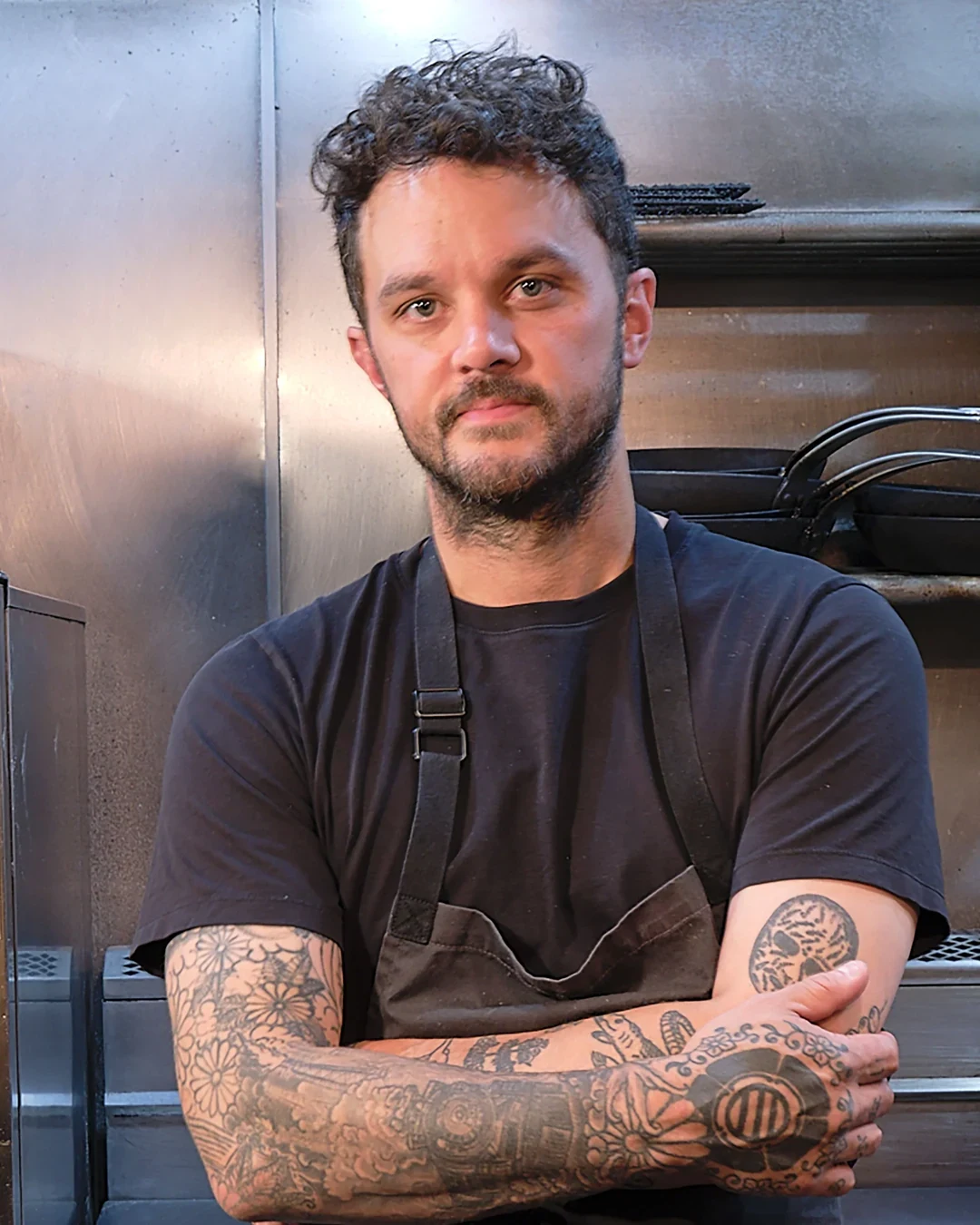
Brady Williams
Owner
- 01CuisineModern Japanese-American Fusion
- 02CitySeattle, United States
Dungeness crab rice, close to the pass
- Opinionated About Dining Casual in North America Recommended · 2026
- New York Times The 23 Best Restaurant Dishes We Ate Across the U.S. · 2025
Seafood discipline at the counter
The seafood arrives as a decision before it becomes a dish, and at Tomo in Seattle that decision belongs to Brady Ishiwata Williams, its chef and owner. He spent six years as executive chef at Canlis and holds a James Beard Award, then opened this room in September 2021 as his first independent house. The name means friend and wisdom in Japanese, which is close to how the place behaves: approachable at the door, exacting at the pass.
Williams grew up in a diverse part of Southern California and chose White Center for a similar reason, calling it a neighbourhood of specialists, people who are very good at one narrow thing. He and his partner Jessica Powers worked through seating, pricing and service style before opening, and were plain about the limits of the idea: we are not for everyone. Demand answered anyway, hard enough that the restaurant was described as the one that broke the internet when reservations opened.
A menu built between set rhythm and choice
Tomo works in the tension between tasting-menu cadence and à la carte freedom, and the craft changes with the format. A set sequence lets the pass carry tempo, with each plate answering the one before it; à la carte service asks the station to keep several lines of thought alive at once. The signatures show how broad that field is. Dungeness crab rice leans on the Pacific Northwest larder. Kakigori brings ice, fruit, dairy and acid into a dessert register that depends on texture as much as sweetness. Rigatoni gives the menu weight and familiarity. Sweet n' sticky fried chicken uses crunch, glaze and heat as structure.
The beverage program is part of the same architecture, with wine and cocktails expected to move across dishes that do not sit neatly inside one canon. A crab dish wants precision and lift; fried chicken can take sweetness, acid or bitterness; shaved ice asks for something that will not flatten the finish. The room does not need the language of formality to carry that work. It needs a pass that understands pacing, a counter that can hold attention, and hands that know when a dish has enough.
Low light, close tables, an edge left in place
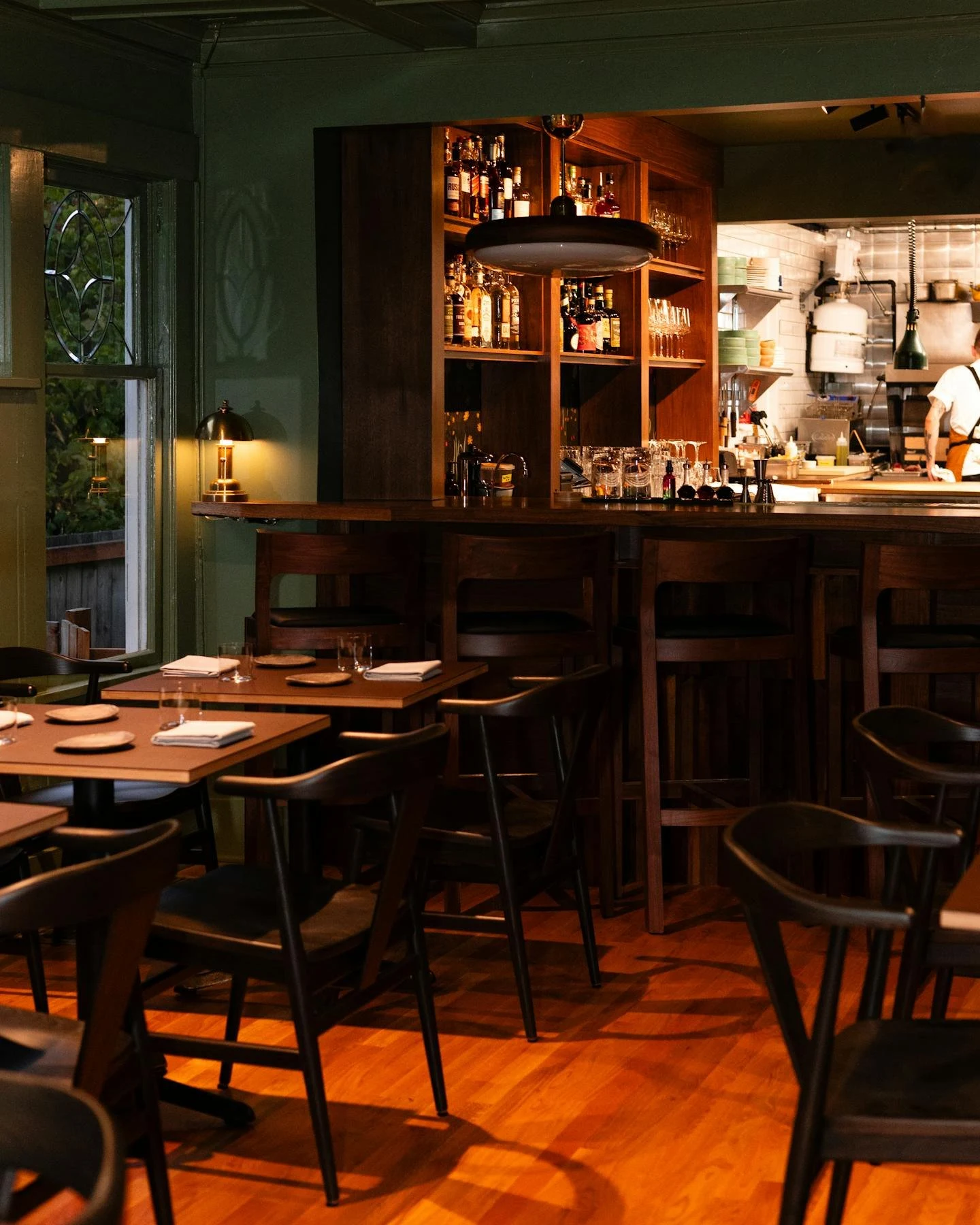
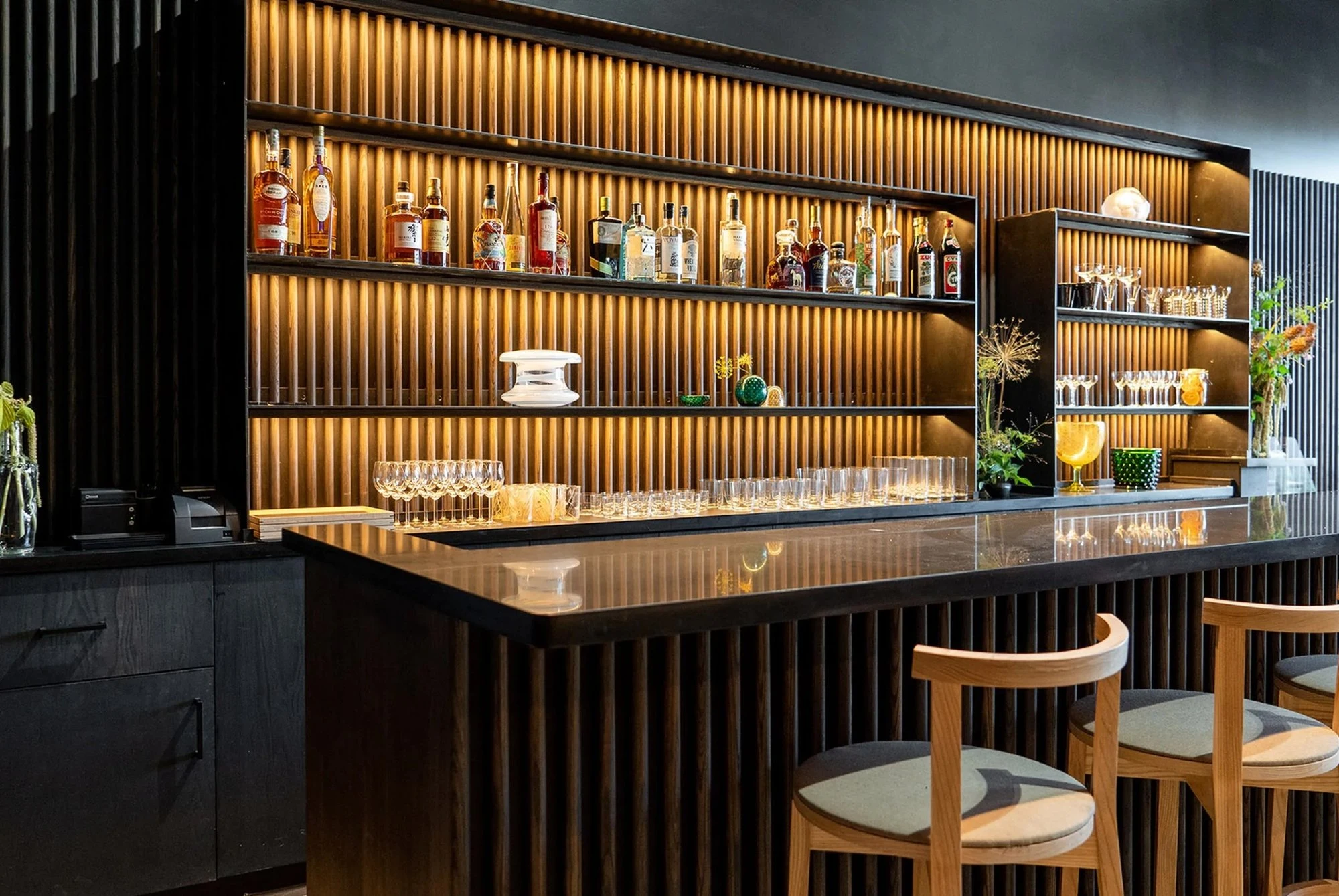
The room keeps its former life in the background without turning it into theatre. Tomo occupies a former adult video store, and the modern-industrial build does not sand the neighbourhood smooth; tattoo parlours and other specialists sit along the same stretch. The light is low, the scale intimate, the atmosphere slightly edged rather than polished flat. Conversation can stay at the table.
The counter and the pass remain close enough that timing reads in the body: a pause before rice lands, the cold relief of kakigori, the first crack through fried chicken crust. That setting suits a restaurant whose craft is neither temple nor diner. It is upscale casual in the precise sense: serious about the plate, relaxed about the posture around it.
Seasonal food, simply put
The founding brief was personal, seasonal menus built on outstanding ingredients prepared simply and confidently, with Pacific Northwest produce read through Japanese influence. That is what lets the restaurant be a neighbourhood drop-in and a special-occasion booking at the same time, and it is why the menu can cross lines without apology. Dungeness crab rice still tells the room where Tomo is cooking from.
Questions
Frequently asked
Who cooks at Tomo?
Brady Ishiwata Williams is the chef and owner at Tomo. He spent six years as executive chef at Canlis before opening this restaurant in September 2021 as his first independent house.
What kind of restaurant is Tomo?
Tomo is a modern Japanese-American restaurant in White Center, Seattle. It works between tasting-menu cadence and à la carte freedom, with a focus on Pacific Northwest ingredients prepared simply and confidently through a Japanese influence.
What is Tomo known for?
The signatures include Dungeness crab rice, kakigori, rigatoni, and sweet n' sticky fried chicken. The menu also carries wine and cocktails alongside dishes that move between Japanese-American and Pacific Northwest references.
How do reservations work?
Reservations are recommended, and the booking platform is OpenTable. Demand was strong when reservations first opened, but the venue data only confirms that advance booking is advised.
What are the practical details for visiting Tomo?
The restaurant is at 9811 16th Ave SW, Seattle, WA 98106, in White Center. It is open Monday and Wednesday through Sunday from 5 to 9 PM, closed on Tuesday, with street parking and a smart casual dress code.
The field
How it compares
| Place | Cuisine | Notes |
|---|---|---|
| Tomo | Modern Japanese-American Fusion | Roxbury Heights, $$$$ |
| Atoma | Modern New American | Seattle |
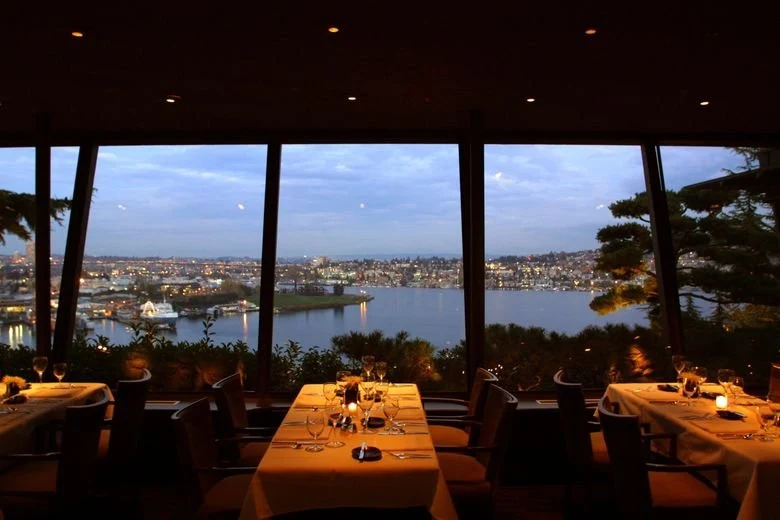
| Canlis | Modern American Fine Dining | Seattle |
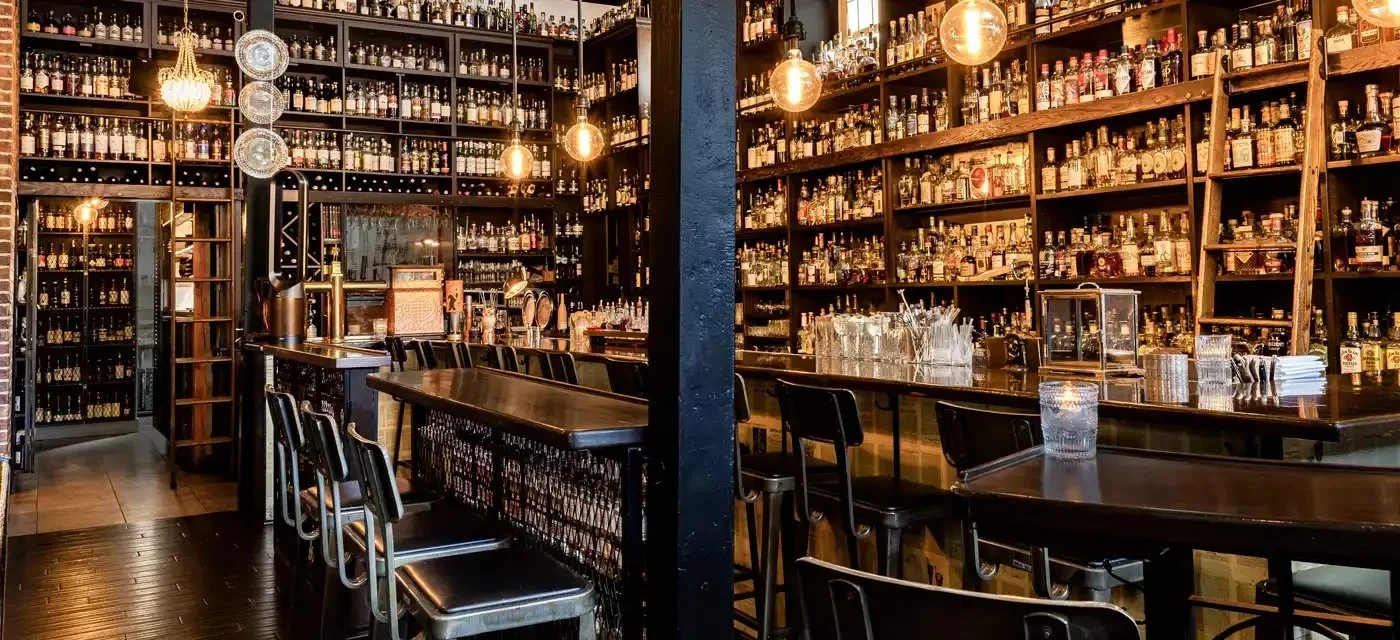
| canon | American Small Plates & Cocktails | Seattle |
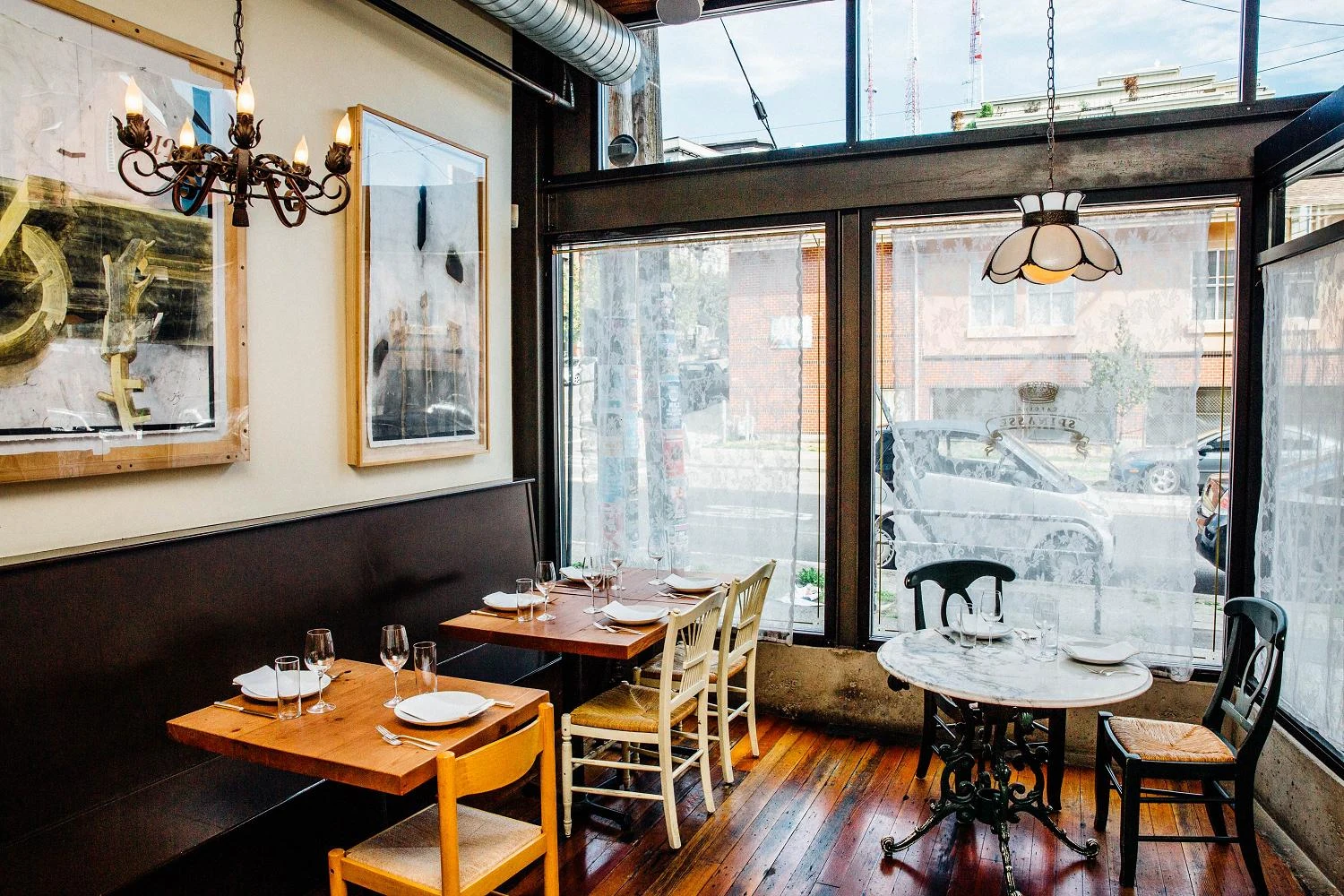
| Spinasse | Piedmontese Northern Italian | Seattle |
| The Boat | Vietnamese Chicken Rice | Seattle |
| The Herbfarm | Pacific Northwest Farm-to-Table Tasting | Seattle |
In residence
Similar places
Modern New American
Atoma
Seattle, United States
Modern American Fine Dining
Canlis
Seattle, United States
American Small Plates & Cocktails
canon
Seattle, United States
Piedmontese Northern Italian
Spinasse
Seattle, United States
Vietnamese Chicken Rice
The Boat
Seattle, United States
Pacific Northwest Farm-to-Table Tasting
The Herbfarm
Seattle, United States