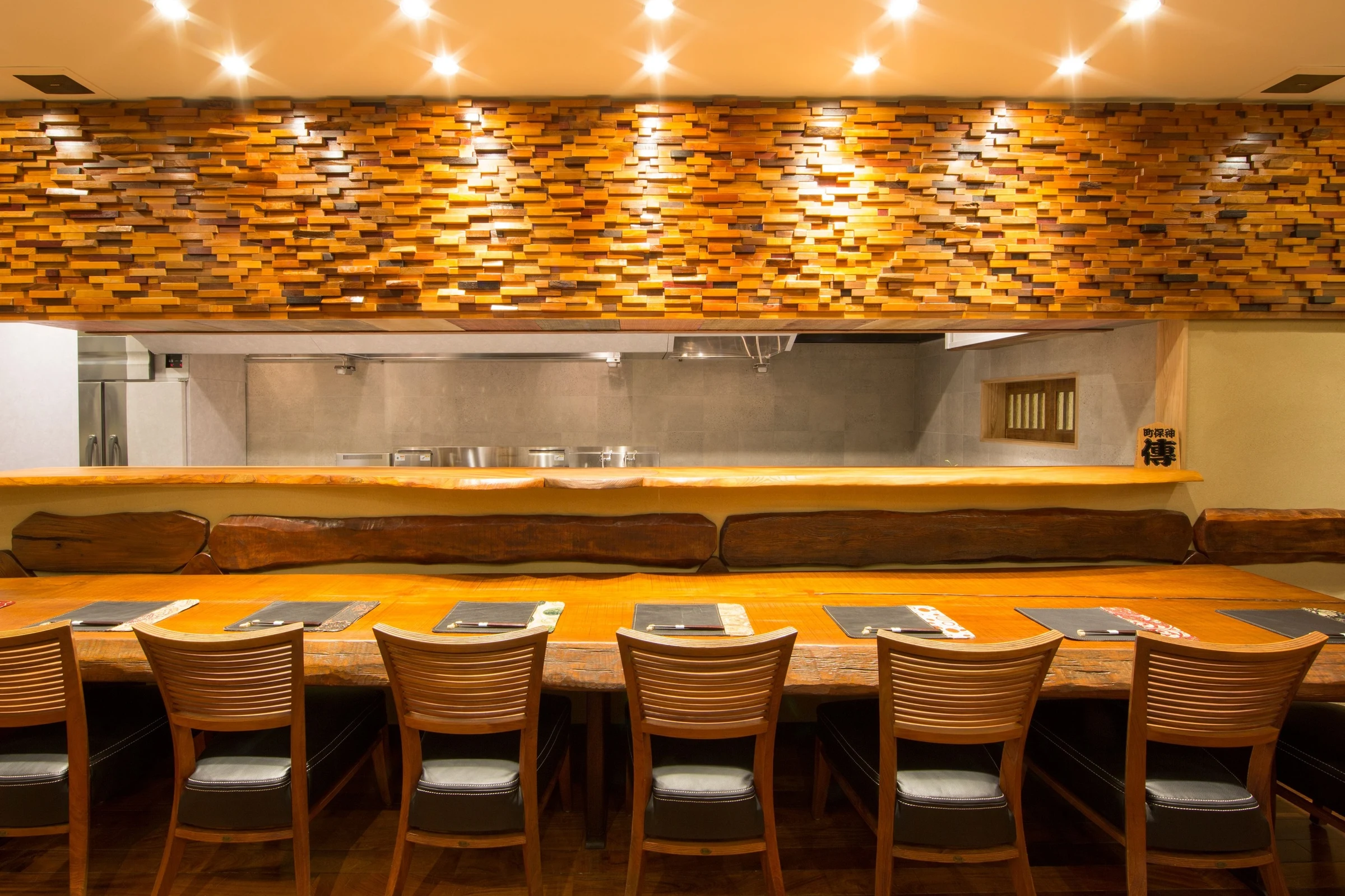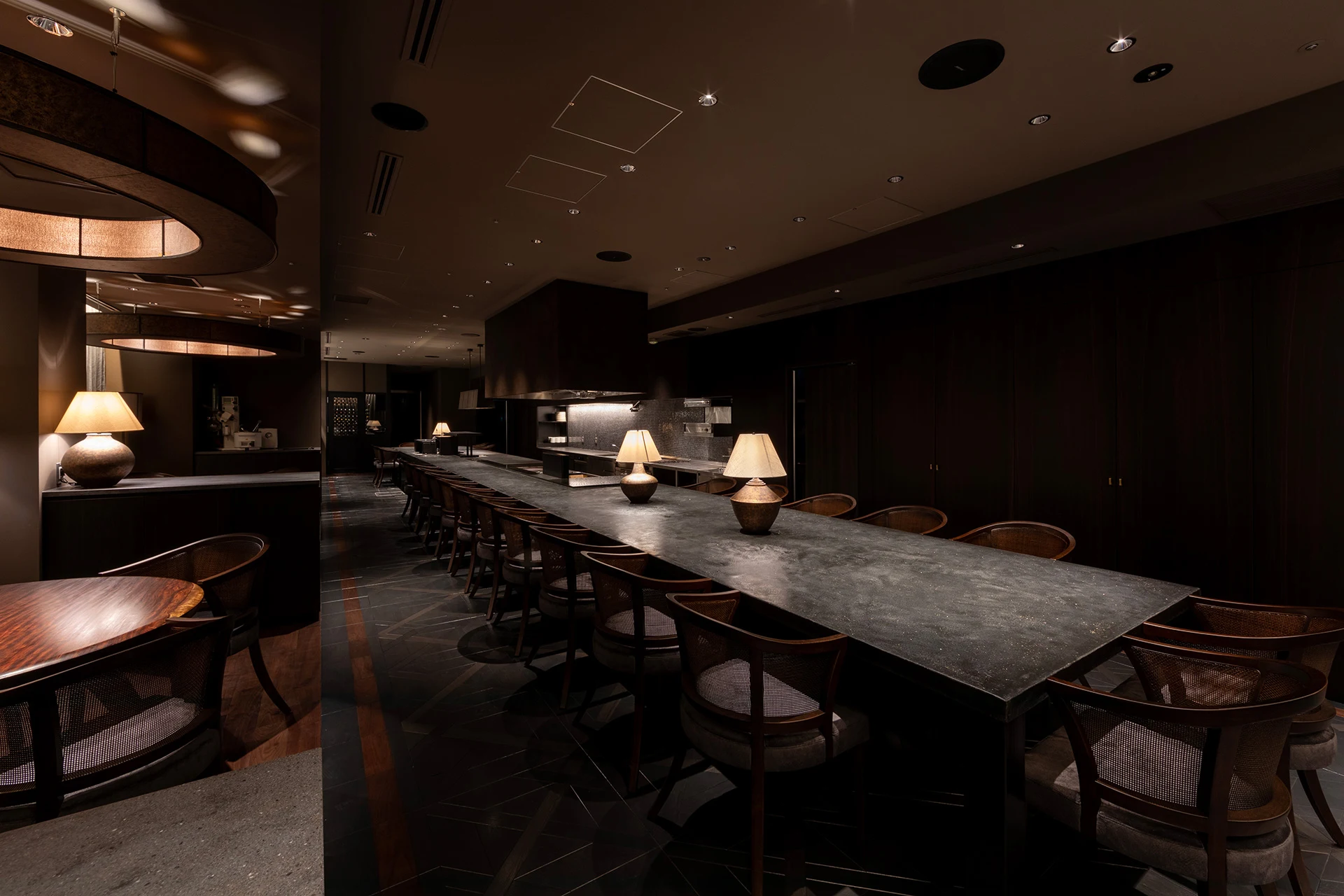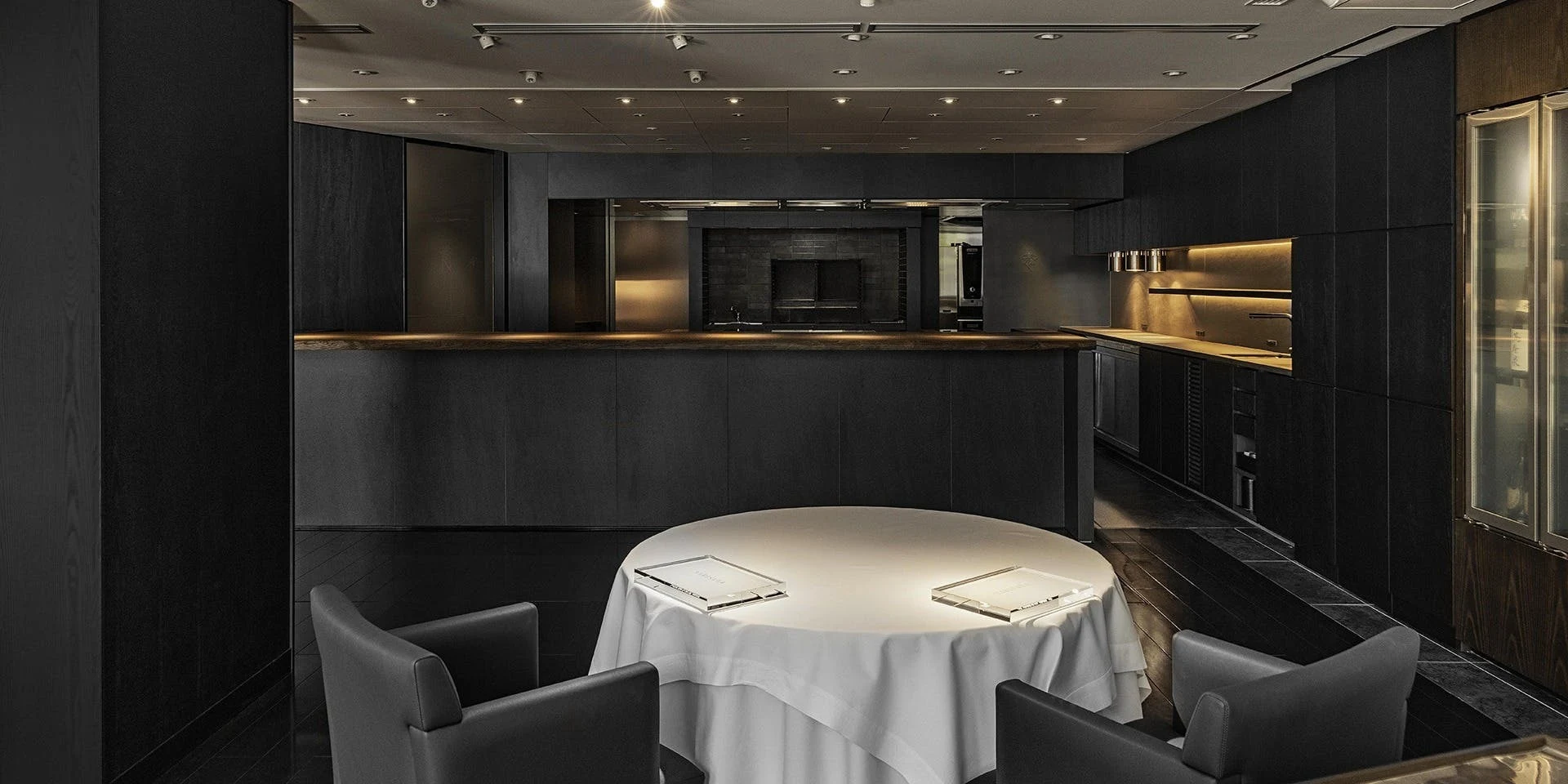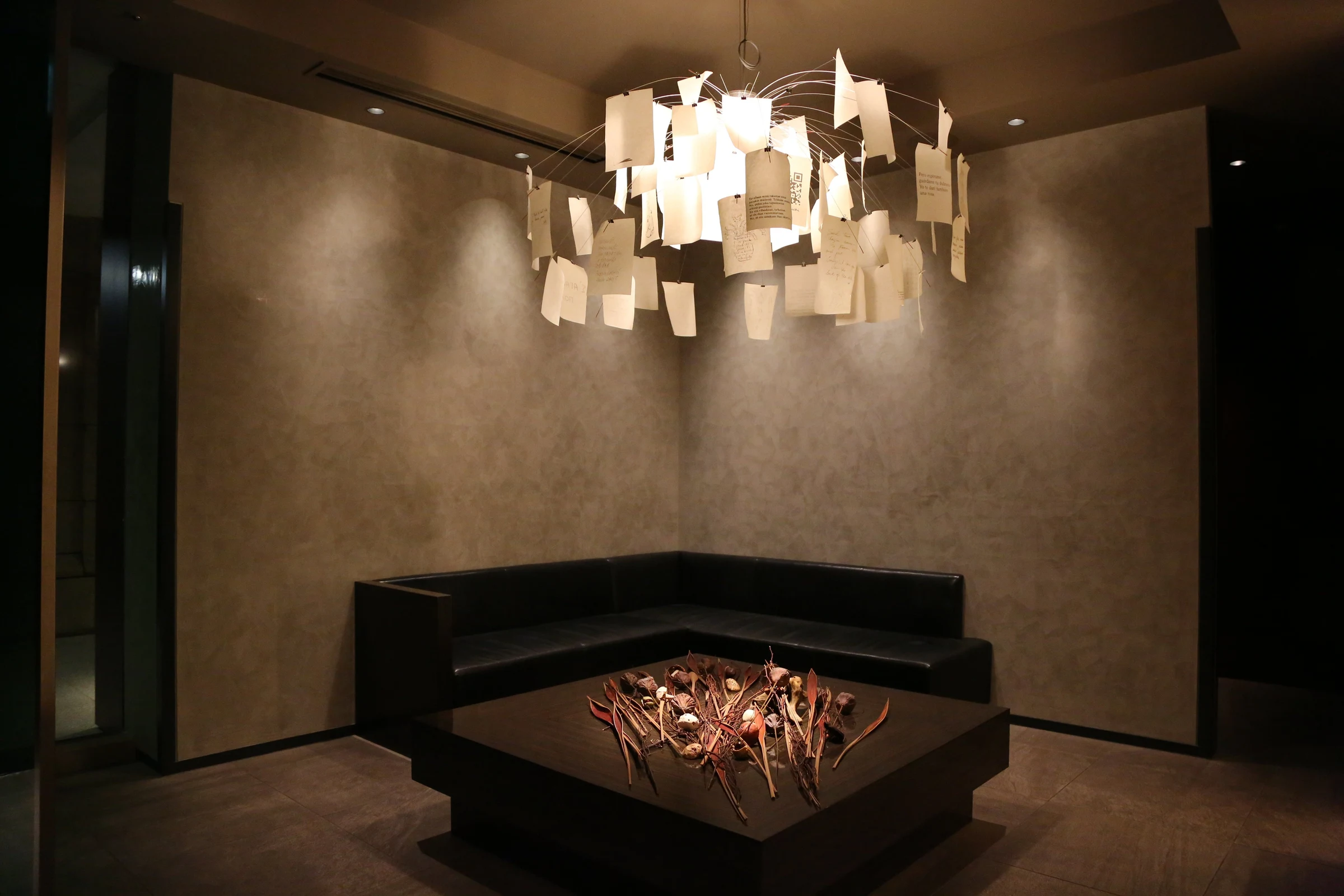
- Michelin Bib Gourmand · Michelin Guide
- Opinionated About Dining Casual in Japan Ranked #148 · 2026
- Michelin Bib Gourmand · 2026
- Tabelog 100 #8: 3.7pts · 2026
- Opinionated About Dining Casual in Japan Ranked #119 · 2025
- Michelin Bib Gourmand · 2024
- Opinionated About Dining Casual in Japan Ranked #89 · 2024
- Opinionated About Dining Casual in Japan Ranked #69 · 2023
Tokyo sets the tone before the first order: a city of students, office workers, quick meals and a dining culture that rewards precision without ceremony. Tonkatsu Hinata belongs in that context as a clearly identified Tokyo restaurant rather than a generic convenience stop. The available recognition gives it a useful external marker for travellers sorting the city’s many dining options.
The awards position it clearly. Tonkatsu Hinata appears in Opinionated About Dining’s 2026 coverage, giving it a useful external marker for travellers comparing Tokyo restaurants. In Tokyo dining, where the gulf between a casual meal and a destination address can be wide, this kind of recognition signals that the restaurant belongs in the conversation rather than simply on a convenience list.
Tokyo gives serious dining a less formal stage
Tokyo’s restaurant map is not limited to gloss or hotel dining. Focused categories often work well in parts of the city with steady local traffic, because they depend on consistency, timing and a kitchen that can repeat its work cleanly through service. Tonkatsu Hinata suits that broader Tokyo logic. The experience is best understood through its recognition and specific identity rather than through theatrical claims. For restaurants like this, the gap between competent and compelling is rarely conceptual; it lies in repetition, pacing and attention to detail.
The restaurant does not need to turn familiarity into fine-dining theatre. Its appeal is the format of a recognized specialist address: a clear identity and the sense that the kitchen is working within a defined set of expectations rather than trying to be everything at once. That makes the meal closer to a focused Tokyo experience than a generic stop. The larger point is the city’s shift: serious casual restaurants can compete on specificity as much as polish.
For readers comparing Tokyo addresses, format is the useful distinction. Fry-ya sits in another part of the category, while Tonkatsu Nanaido and Tompachitei offer other accessible ways into the same field. Narikura and Sharikimon Chawambu represent other serious versions of the category, but the comparison is about choosing the meal: specialist focus, value, polish or directness. For a wider city view, start with Our full Tokyo restaurants guide, then use Our full Tokyo hotels guide, Our full Tokyo bars guide, Our full Tokyo wineries guide and Our full Tokyo experiences guide to build the rest of the trip around it.
A focused format changes the order from simple choice to closer attention
The strongest editorial reason to pay attention is the restaurant’s specialist focus. Tonkatsu Hinata is not presented here as a broad all-purpose dining room; it is more useful as a compact Tokyo address with a clear identity and outside recognition. That changes how to read the meal. Instead of looking for breadth, the diner pays attention to pacing, consistency and the way a focused restaurant repeats its core work across service.
In Tokyo, that distinction matters. Many meals are judged by speed, convenience and comfort, and Tonkatsu Hinata still belongs to an approachable city context. What makes it more interesting for a guide is the degree of attention implied by its recognition and by its narrow identity. This is not luxury for its own sake, but a more exacting way to understand a restaurant that might otherwise be flattened into a simple category label.
The compact logic keeps expectations disciplined. A focused room can compress the distance between preparation and serving, which matters for any restaurant built around timing and consistency. It also places the restaurant within Tokyo’s specialist culture, the same city logic that supports tightly focused restaurants at different levels of formality. Tonkatsu Hinata belongs in that ecosystem because it rewards repetition and specialization over constant reinvention.
The broader Japan comparison helps travellers think beyond a single Tokyo meal without needing to chase names. Across the country, compact dining formats can vary widely in tone, pace and ambition, even when they appear casual from the outside. There is no single national template for this kind of restaurant. Tokyo’s version, especially at focused addresses like this, often foregrounds specialization and directness.
How to read Hinata against Tokyo's specialist field
Tonkatsu Hinata sits in the specialist tier rather than the grand luxury dining bracket. That matters for expectation. The value is access to a focused restaurant, external recognition and a Tokyo setting that does not need to over-polish the experience. Compared with other unnamed Tokyo dining rooms, the appeal is tighter and more category-driven: less broad menu architecture, more attention to how a familiar format performs when it is treated as the centre of the meal.
That makes it a smart choice for travellers who want a next layer of Tokyo dining: a focused room, a recognized address and the chance to see how a compact specialist handles a defined format. It also shows that Tokyo’s serious dining culture does not always announce itself through tasting-menu prices or elaborate interiors. Sometimes the more revealing meal is the one where a familiar restaurant type is treated with enough specificity to feel sharper again.
Across Japan, the same lesson appears in different forms. A focused specialist can be as revealing as a grand dining room, whether the trip points toward other casual counters, compact dining rooms or highly specific local favourites. Hinata’s case is Tokyo-specific, but its wider lesson is portable: when a restaurant has narrow focus, objective recognition and a format that supports the experience, the meal can carry more information than a longer, louder production.
Questions
Frequently asked
What recognition does Tonkatsu Hinata hold?
Tonkatsu Hinata holds a Michelin Bib Gourmand.
Who works at Tonkatsu Hinata?
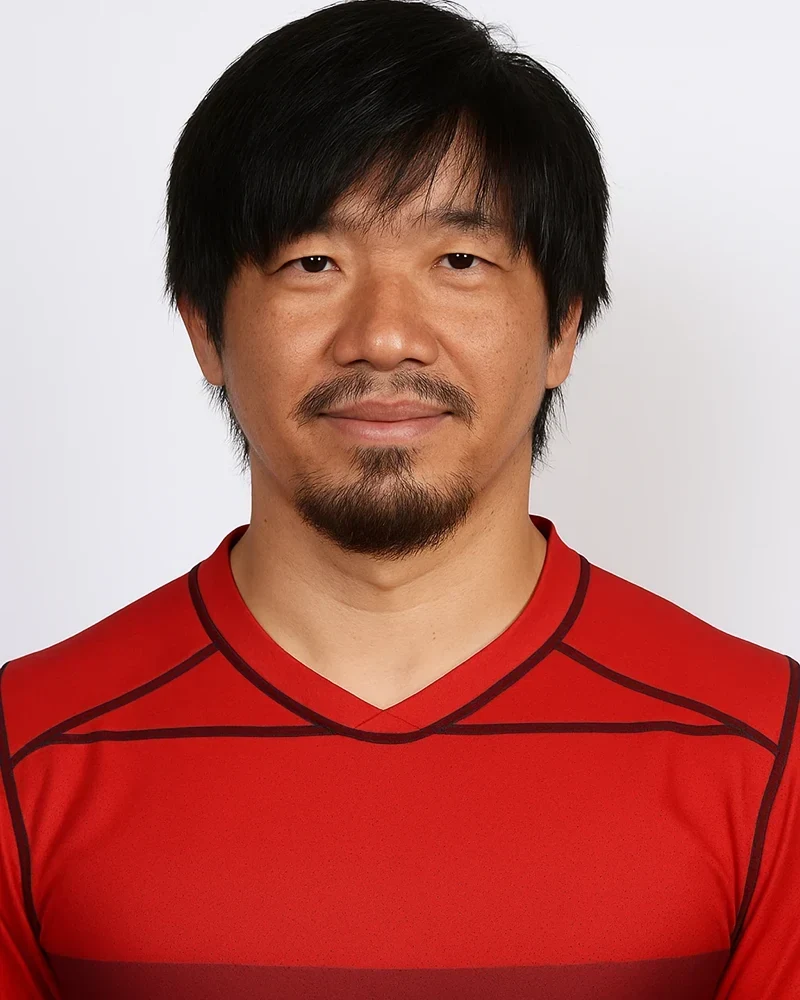
Made By profiles Yuta Kimura (Chef) at Tonkatsu Hinata.
How expensive is Tonkatsu Hinata?
Tonkatsu Hinata is listed at a price level of $$.
Where is Tonkatsu Hinata and what does it serve?
Tonkatsu Hinata is in Shinjuku, Tokyo, serving Tonkatsu Specialist.
The field
How it compares
| Place | Cuisine | Notes | Awards |
|---|---|---|---|
| Tonkatsu Hinata | Tonkatsu Specialist | Shinjuku, $$ | · |
| Den | Modern Japanese Kaiseki | Tokyo | Michelin 2 Stars, World's 50 Best |
| Florilège | Modern French-Japanese Plant-Based Fine Dining | Tokyo | Michelin 2 Stars, World's 50 Best |
| Narisawa | Modern Japanese Satoyama Fine Dining | Tokyo | Michelin 2 Stars, World's 50 Best |
| Quintessence | Modern French Fine Dining | Tokyo | Michelin 3 Stars |
| Sazenka | Modern Chinese Fine Dining | Tokyo | Michelin 3 Stars, World's 50 Best |
| Sézanne | Modern French Fine Dining | Tokyo | Michelin 3 Stars, World's 50 Best |
In residence
Similar places
Modern Japanese Kaiseki
Den
Tokyo, Japan
★★ · 50 Best
Modern French-Japanese Plant-Based Fine Dining
Florilège
Tokyo, Japan
★★ · 50 Best
Modern Japanese Satoyama Fine Dining
Narisawa
Tokyo, Japan
★★ · 50 Best
Modern French Fine Dining
Quintessence
Tokyo, Japan
★★★
Modern Chinese Fine Dining
Sazenka
Tokyo, Japan
★★★ · 50 Best
Modern French Fine Dining
Sézanne
Tokyo, Japan
★★★ · 50 Best