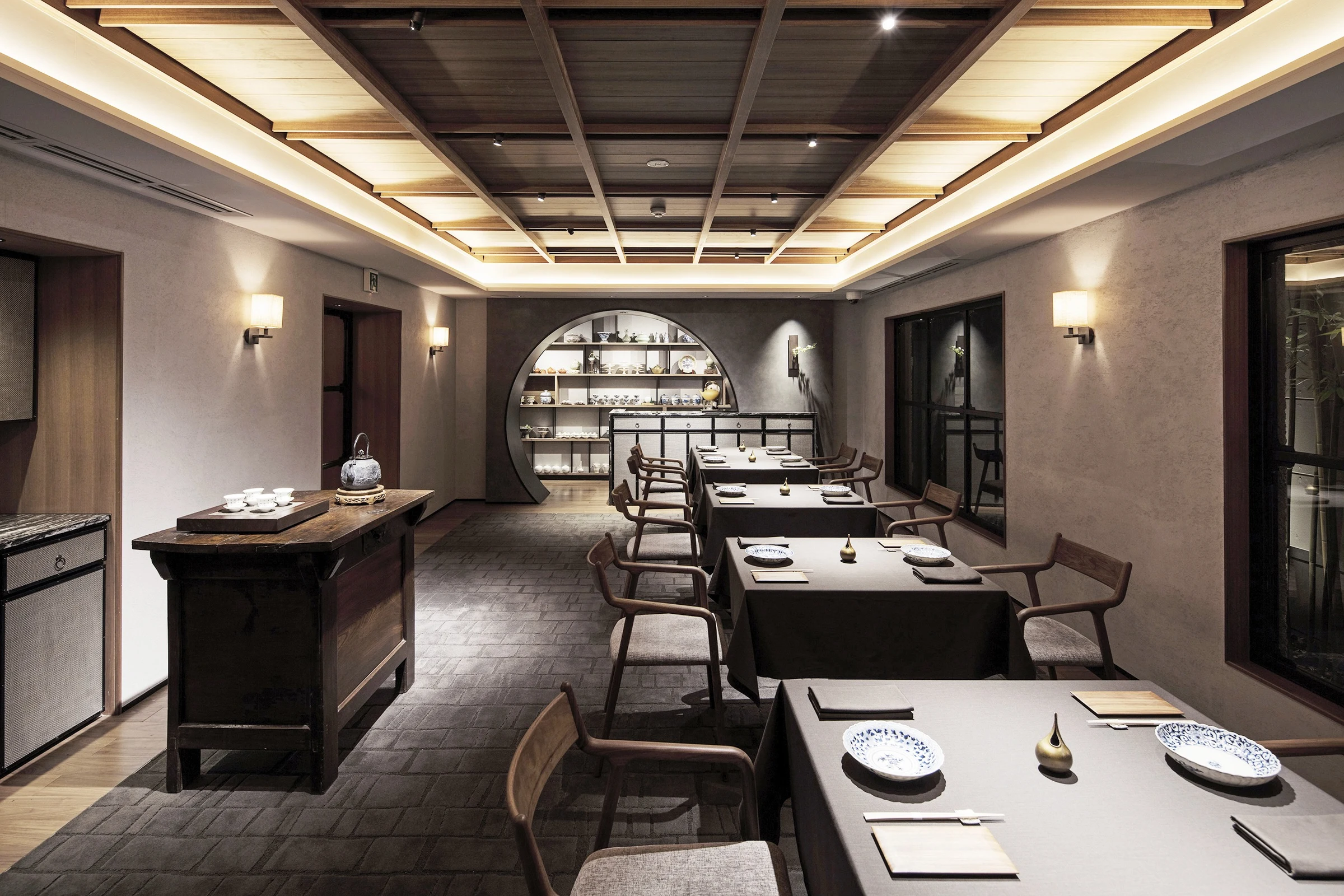
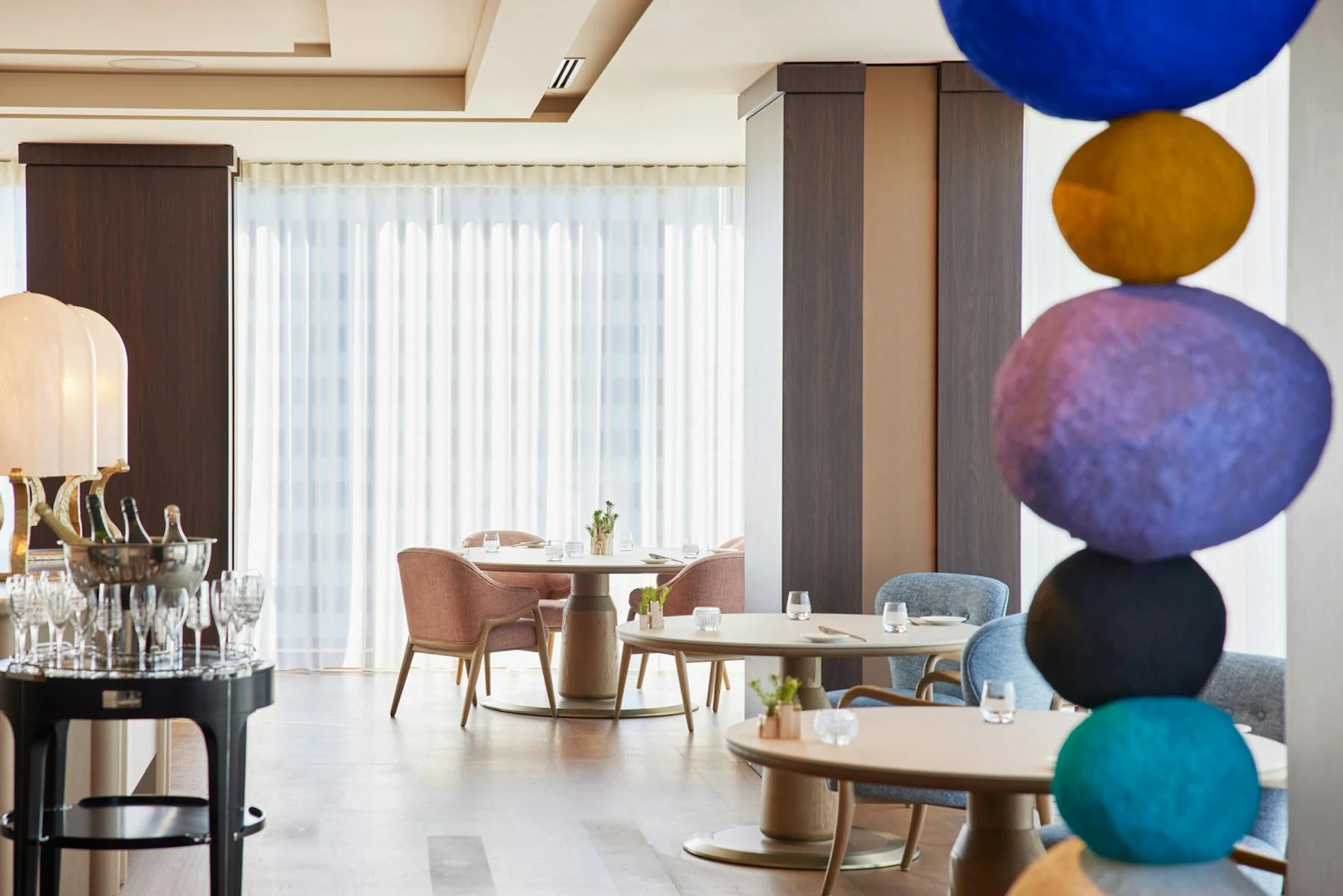
Tori Yoshi Ginza ten
- 01CuisineYakitori & Izakaya
- 02CityTokyo, Japan
- Tabelog 100 #2: 3.7pts · 2025
Ginza Corridor Street has its own after-dark rhythm: office lights thinning above the tracks, groups moving between Yurakucho and Shimbashi, and restaurants built for conversation rather than silence. Here, yakitori feels different from Tokyo’s hushed, reservation-only counters. The grill remains the center, but the neighbourhood pulls the meal toward drinking culture, late-evening momentum, and a compact dinner between work and a longer night out.
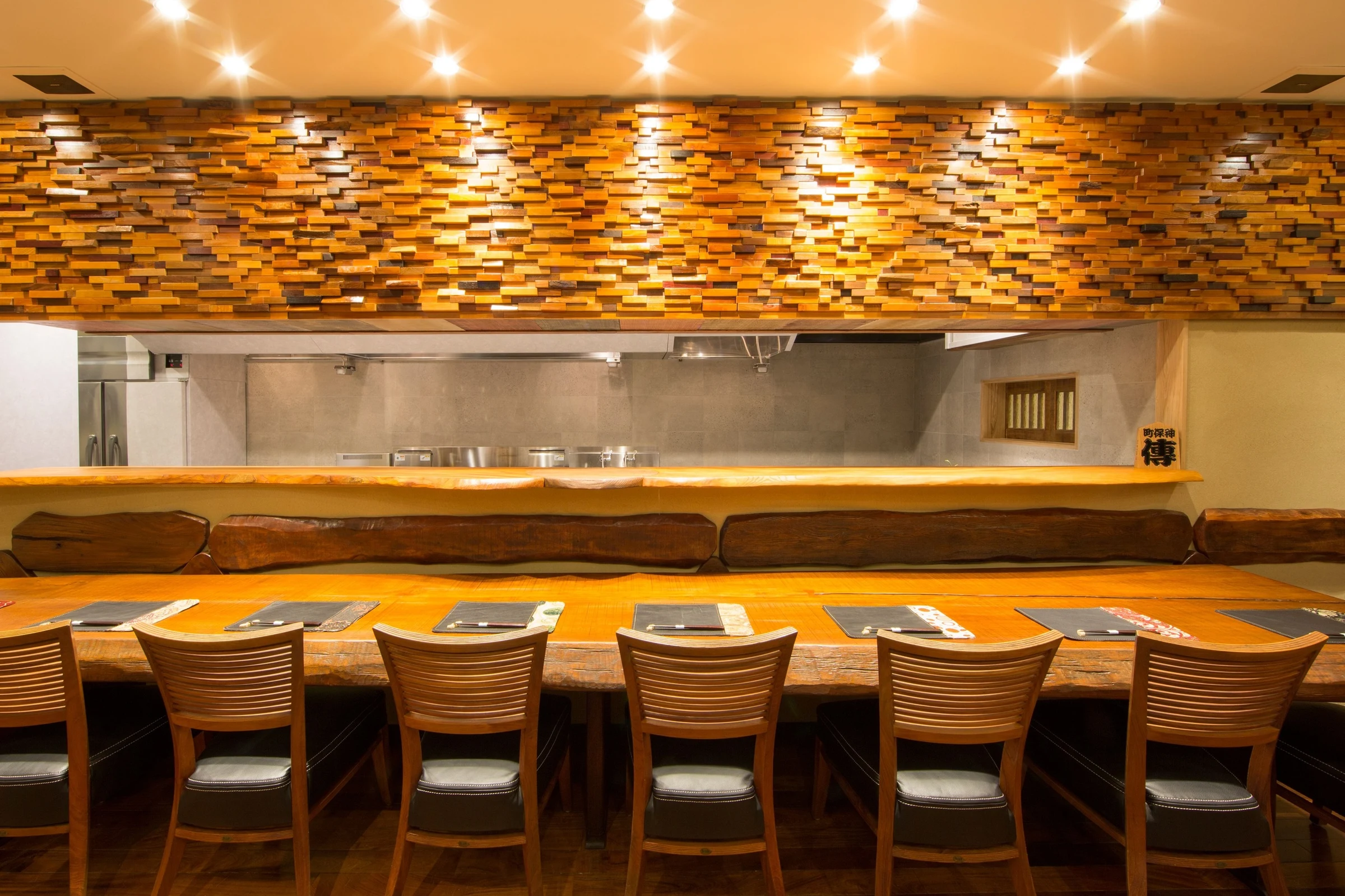
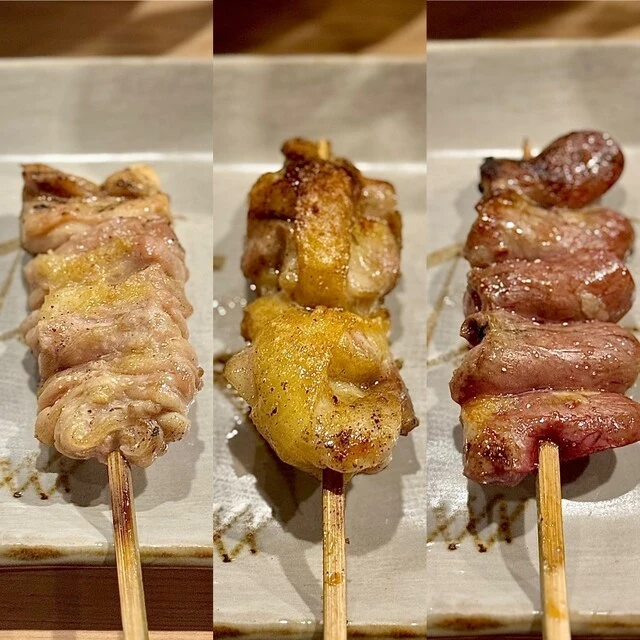
Tori Yoshi Ginza ten fits that logic. It is not temple dining, but a Ginza yakitori address with counter seating, tables, private rooms, and a no-smoking policy, set where expense-account sushi, French dining, yakiniku, and polished izakaya formats compete for the same evening crowd. Its selection for Tabelog 100 Yakitori EAST 2025 is a useful signal in a category where reputation is built skewer by skewer rather than through tasting-menu theatre.
Ginza Corridor Street makes yakitori feel urban, social, and precise
Tokyo yakitori divides into several lanes: neighbourhood shops for repeat locals, high-heat counters treating chicken with sushi-like discipline, and drinking-led restaurants where the grill supports a longer evening. Ginza adds polish, transport convenience, and post-office dining. A yakitori restaurant here must balance craft expectations with the habits of people meeting near Yurakucho, Ginza, Uchisaiwaicho, or Shimbashi.
That geography matters. Ginza is often framed by luxury retail and sushi counters, but Corridor Street softens the district’s formality. It is more fluid, social, and less ceremonial than the blocks around the major department stores. Yakitori suits the strip because it offers precision without demanding a full dégustation mindset. Diners can read the room, order around appetite, and match smoke, salt, tare, sake, shochu, or wine without turning dinner into a lecture.
Against nearby Tokyo options, the point is not that one cuisine outranks another, but that Ginza lets different evening formats sit within a short walk. French rooms such as Pot-Bouille, sushi counters such as Sushi Ryusuke, and meat-focused addresses such as YAKINIKU A FIVE 徳 銀座八丁目店 show the district’s range. Yakitori occupies a leaner place in that mix: less formal than sushi, lighter than yakiniku, and more Japanese in drinking cadence than much of Ginza’s Western dining.
The useful signal is recognition, not theatrics
Yakitori does not need a long origin story to be serious. Its craft rests on butchery, sequencing, heat control, seasoning, and pacing. In Tokyo, the category is mature enough that diners distinguish casual skewers from restaurants where the grill is a precise instrument. Tabelog’s Hyakumeiten lists matter in Japan because they reflect category-specific recognition rather than broad luxury positioning. A 2025 place on the Yakitori EAST list puts Tori Yoshi Ginza ten in a competitive field covering Tokyo and the eastern region.
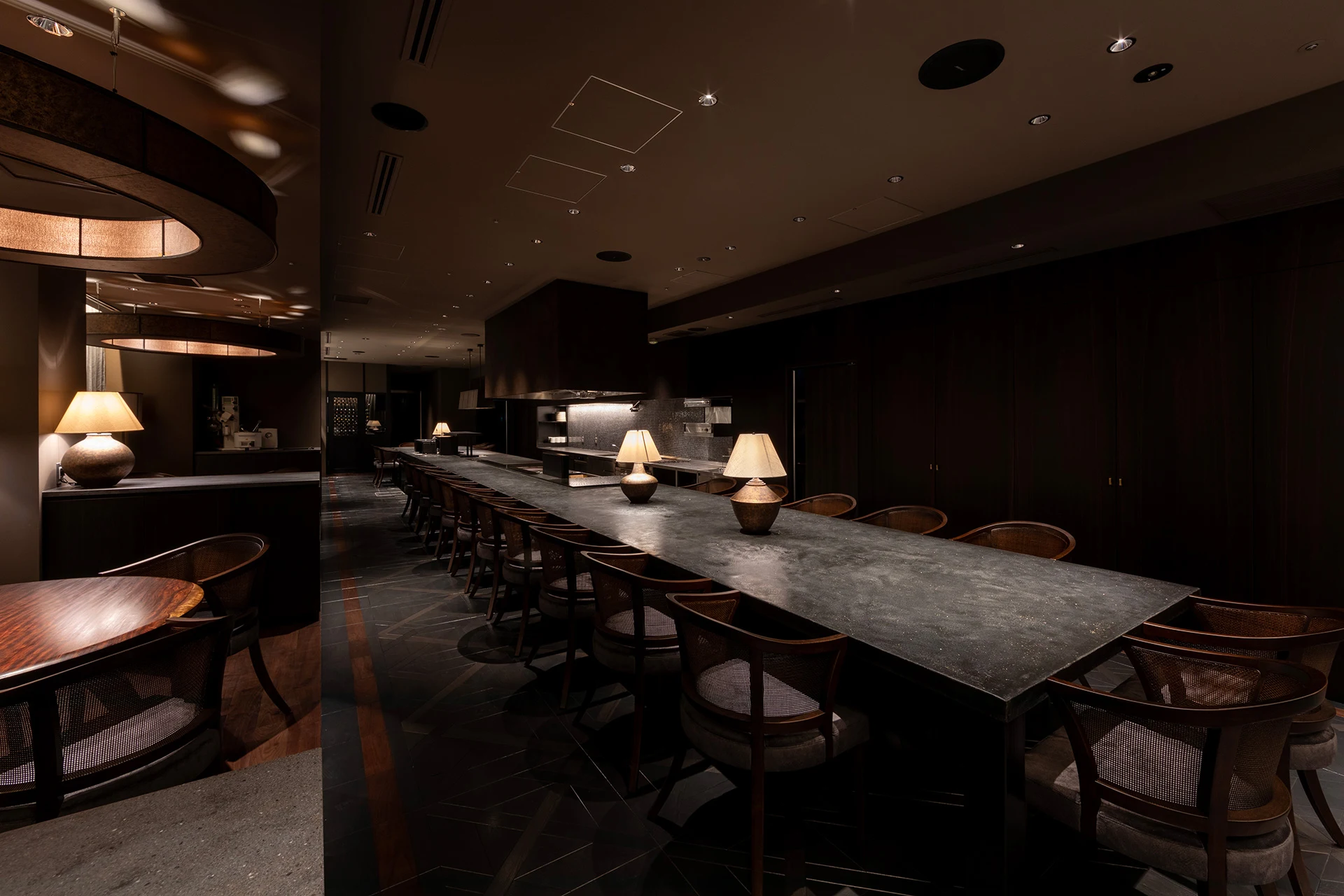
The restaurant’s practical shape reinforces its middle path between specialist counter and sociable Ginza dinner. The seating mix includes counter and table formats, with private rooms, so the experience is not confined to a chef-facing performance. That matters for travellers: some Tokyo yakitori rooms are almost entirely counter-based, while others lose grill focus in a larger izakaya format. Here, the appeal is category credibility plus a room structure that works for pairs, friends, and family groups without abandoning the charcoal-driven premise.
The drink structure also tells a Tokyo story. Sake and shochu keep the restaurant close to yakitori’s native drinking culture, while wine reflects Ginza’s wider dining expectations. Serious urban yakitori often works this way because chicken, tare, salt, smoke, and offal cuts move across drinking categories more easily than many diners expect. The point is flexibility, not novelty: a meal can stay firmly Japanese or lean into wine without feeling imported from another genre.
For readers mapping Tokyo dining, the choice is clear. Travellers seeking a tightly choreographed sushi evening should look elsewhere in Ginza. Those seeking the broader city, where charcoal cooking, after-work drinking, and neighbourhood movement overlap, will understand the logic quickly. For a wider scan of the city’s dining spread, see Our full Tokyo restaurants guide; for adjacent trip planning, the city also rewards separate passes through Our full Tokyo hotels guide, Our full Tokyo bars guide, Our full Tokyo wineries guide, and Our full Tokyo experiences guide.
How it fits a Tokyo eating itinerary
Tokyo rewards diners who avoid treating every meal as a trophy hunt. The city is stronger when meals are sequenced by neighbourhood and format: curry at a small specialist, a café break, yakitori near the rail lines, then a bar or late train. In that pattern, Tori Yoshi Ginza ten works well as a Ginza-night anchor rather than a destination detached from place. Its Corridor Street position gives pre- and post-dinner range, while Tabelog 100 recognition gives visitors confidence in a crowded category.
That itinerary can stretch in several directions. Akihabara has a different energy at. 鮪と炭火焼き うお炭 秋葉原店, while Shinjuku tilts later and denser around 12/10 Shinjuku ten. Kagurazaka brings a more residential dining texture at 124. KAGURAZAKA (Yakitori). For lighter or more casual breaks, 2D Cafe and 3 Chome no Curry Ya San show how Tokyo’s everyday formats can be as revealing as its formal counters.
Travellers building a Japan-wide food route can read this Ginza yakitori stop against regional contrasts: sukiyaki in Kamakura at -Grilled beef Sukiyaki- KAMAKURA TANUKIAN 鎌倉 たぬき庵 in Kamakura, café culture at.cafe in Osaka, Kumamoto’s independent dining at.know in Kumamoto, Vietnamese cooking in Kanagawa at (Shoku) Vietnam in Kawasaki, curry specialization at [Curry Senmon Ten] Maruyama Kyoju. in Sapporo, and Kyoto’s tighter dining registers at [ki:] in Kyoto. Even outside Japan, sake-led and Japanese casual formats, including Jōdo Saké Bar in Los Angeles and Onigiri Time in Pasadena, underline how adaptable these categories become once they leave Tokyo.
Questions
Frequently asked
How expensive is Tori Yoshi Ginza ten?
Tori Yoshi Ginza ten is listed at a price level of $$$.
Where is Tori Yoshi Ginza ten and what does it serve?
Tori Yoshi Ginza ten is in Chūō, Tokyo, serving Yakitori & Izakaya.
The field
How it compares
| Place | Cuisine | Notes | Awards |
|---|---|---|---|
| Tori Yoshi Ginza ten | Yakitori & Izakaya | Chūō, $$$ | · |
| Den | Modern Japanese Kaiseki | Tokyo | Michelin 2 Stars, World's 50 Best |
| Florilège | Modern French-Japanese Plant-Based Fine Dining | Tokyo | Michelin 2 Stars, World's 50 Best |
| Narisawa | Modern Japanese Satoyama Fine Dining | Tokyo | Michelin 2 Stars, World's 50 Best |
| Quintessence | Modern French Fine Dining | Tokyo | Michelin 3 Stars |
| Sazenka | Modern Chinese Fine Dining | Tokyo | Michelin 3 Stars, World's 50 Best |
| Sézanne | Modern French Fine Dining | Tokyo | Michelin 3 Stars, World's 50 Best |
Similar places
Modern Japanese Kaiseki
Den
Tokyo, Japan
★★ · 50 Best
Modern French-Japanese Plant-Based Fine Dining
Florilège
Tokyo, Japan
★★ · 50 Best
Modern Japanese Satoyama Fine Dining
Narisawa
Tokyo, Japan
★★ · 50 Best
Modern French Fine Dining
Quintessence
Tokyo, Japan
★★★
Modern Chinese Fine Dining
Sazenka
Tokyo, Japan
★★★ · 50 Best
Modern French Fine Dining
Sézanne
Tokyo, Japan
★★★ · 50 Best