From the people index
Recommended by
4 trusted voices point here.
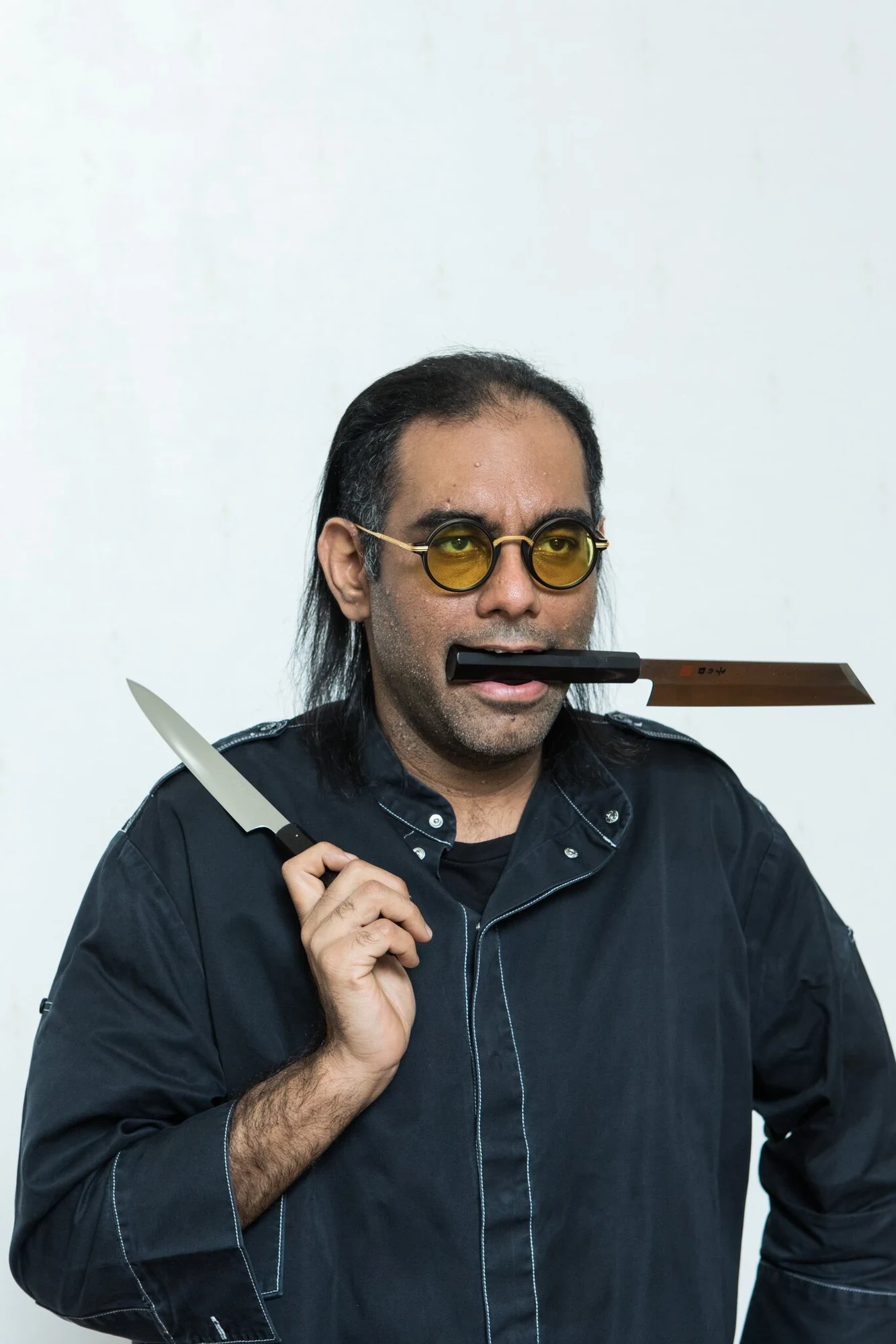
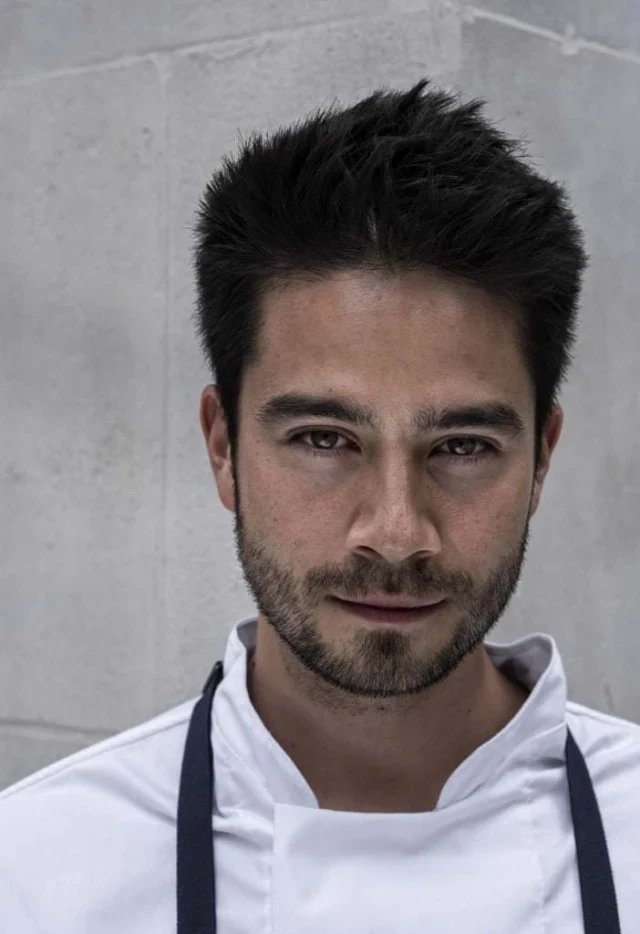
- Michelin Bib Gourmand · Michelin Guide
- Michelin Bib Gourmand · 2026
- Opinionated About Dining Casual in Europe Ranked #7 · 2026
- Opinionated About Dining Casual in Europe Ranked #5 · 2025
- Michelin Bib Gourmand · 2025
- The Best Chef One Knife · 2025
- Opinionated About Dining Casual in Europe Ranked #6 · 2024
- Opinionated About Dining Casual in Europe Ranked #6 · 2023
A Different Kind of Milan Dining Room
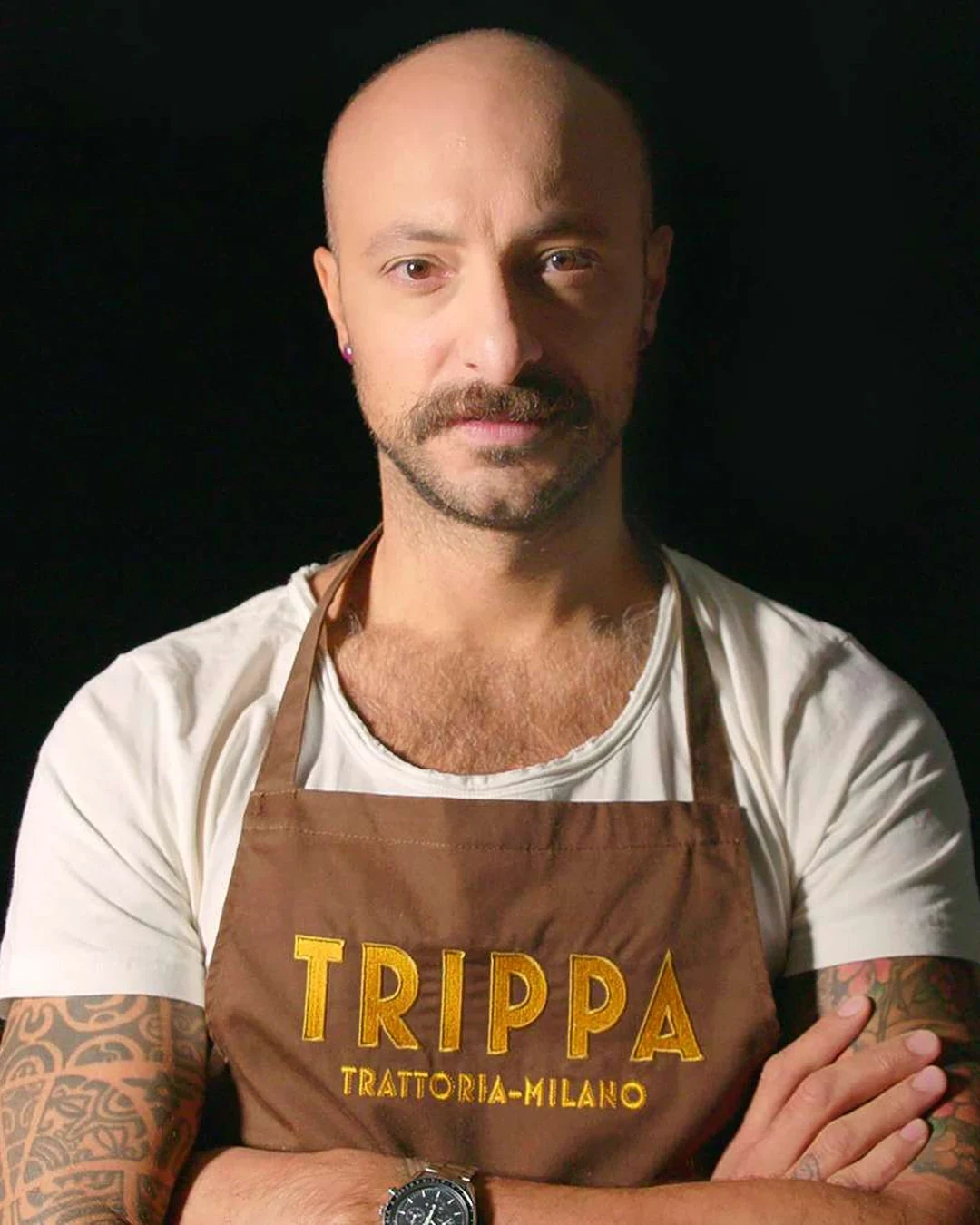
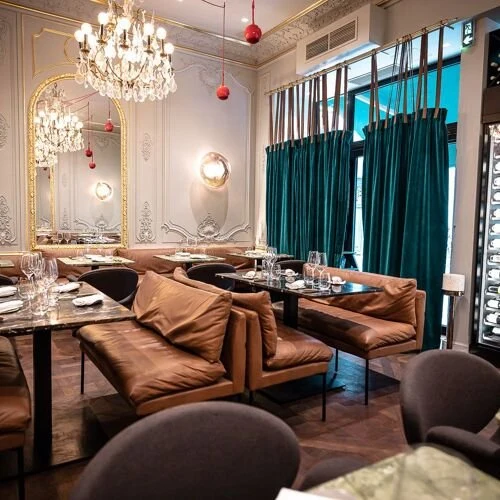
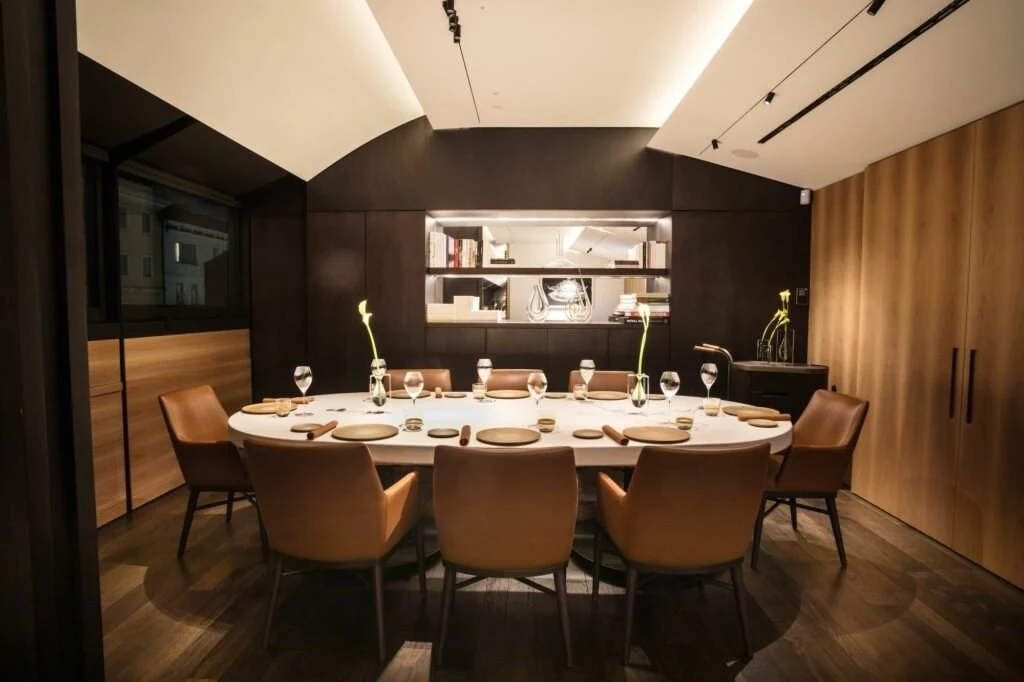
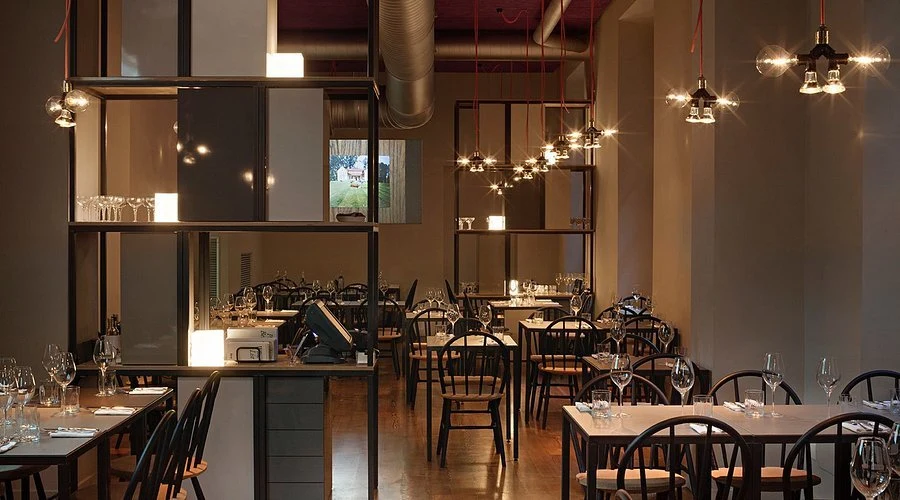
Trippa is a Traditional Italian Trattoria in Milan, led by chef Diego Rossi, with a Michelin Bib Gourmand and a price tier of €€. The room at Trippa reflects that address: tile floors, close-set tables, lighting that suggests canteen more than cathedral, and a noise level that makes conversation natural rather than competitive. This is not the Milan of Enrico Bartolini's multi-course architectural precision or the marble drama of Cracco in Galleria. It belongs to a different and arguably older tradition: the Lombard trattoria as a place of serious cooking without ceremony.
That retro register is deliberate. In a city where Andrea Aprea and Seta have pushed Modern Italian cooking toward the €€€€ tier with formal tasting menus and grand-hotel settings, Trippa prices at €€ and runs dinner service every night except Sunday, from 7:15 to 11:30 pm. The room's slight anachronism, the worn-in feel, the absence of design theatre, is the point rather than an oversight.
The Sunday letter
Find new places through the people who run them.
Our Sunday email brings you the chefs, winemakers and hoteliers behind our newest stories. See a sample before you subscribe.
See a sample of the Sunday emailOne email a week. Unsubscribe from any issue.
Where Local Ingredients and Professional Technique Converge
Trippa's editorial angle is often framed around nose-to-tail eating, but the more useful frame is the intersection of rigorous technique and hyperlocal raw material. Diego Rossi trained across some of Northern Italy's most demanding kitchens: Hotel Bauer in Venice, St Hubertus at Hotel Rosa Alpina in Alta Badia, Locanda Margon in Trento, and Le Antiche Contrade in Cuneo, where he and Juri Chiotti earned a Michelin star. That circuit gave him command of classical preparation, French-influenced stock work, and the precision timing of high-volume fine dining.
What he brought back to Milan was applied to cuts and ingredients that Italian restaurant culture had, for decades, been quietly sidelining. Offal, tripe above all, but also marrow, sweetbreads, and the less glamorous secondary proteins, requires more technique, not less, than a premium loin. Temperature control during blanching, acid balance in braising liquid, the exact moment to finish a sauce: these are skills developed in starred kitchens and deployed here on inexpensive, perishable, demanding material. The result is cooking that appears simple from the plate but is anything but from the pass.
The Michelin Bib Gourmand recognizes this value equation: cooking quality that places the venue in a serious peer conversation, at a price point that sets it apart from the €€€€ tier. Opinionated About Dining ranked Trippa #5 on the 2025 Casual Europe list. On Google, 1,675 reviews average 4.7 stars.
The Menu's Logic: Milanese Tradition as a Living Document
The dishes Michelin flags as house specialities illustrate the broader logic of what Modern Milanese cooking looks like when it operates without apology. Milanese risotto with grilled marrow is classical technique, the long toasting of rice, the incremental ladle of stock, the mantecatura, given a secondary note of bone-fat richness that most contemporary kitchens have moved away from. Vitello tonnato, a Piedmontese preparation that Milan has thoroughly adopted, appears in its most restrained form: thin veal, a tuna-anchovy sauce that stays within its historical register rather than being deconstructed for novelty's sake.
Tripe itself, the dish that names the restaurant, connects to a tradition shared across Italian cities, from the Roman trippa alla romana to the Florentine lampredotto stands to the Milanese busecca. Rossi's handling of it sits within that lineage while drawing on the technical discipline of his fine-dining background. A 2019 book, Finché c'è Trippa…, written with photographer Marco Varoli and journalist Barbara Giglioli, documents both the ingredient's history and Rossi's specific approach to it, making his advocacy for offal a matter of public record rather than restaurant mythology.
Seasonality runs as a structural principle across the menu, not as a marketing phrase. Rossi has been explicit about using foraged produce alongside cultivated ingredients, which places Trippa in a current of Italian cooking represented at a different register by chefs like Norbert Niederkofler in Brunico and, further afield, by the sourcing discipline of places like Osteria Francescana in Modena and Dal Pescatore in Runate. The scale and price point differ enormously, but the underlying conviction about ingredient provenance is structurally similar.
Trippa in Milan's Broader Restaurant Context
Milan's restaurant scene has, for at least a decade, been split between a well-funded fine-dining tier and a growing casual layer that takes cooking seriously without theatrical service. Trippa occupies a defined position in the second tier, one that the OAD list now formally tracks and ranks. Peer comparisons shift depending on the metric: at the technique level, Trippa is in conversation with places above its price point; at the value level, it has no close equivalent among restaurants with comparable critical recognition. Frangente, also in Milan, represents a different casual-serious axis, focused on natural wine and contemporary small plates rather than trattoria classicism.
Beyond Milan, the cooking tradition Trippa represents connects to a broader Italian commitment to ingredient-led simplicity handled with professional seriousness, a tradition visible in very different forms at Enoteca Pinchiorri in Florence, Uliassi in Senigallia, and Quattro Passi in Marina del Cantone. International comparison points, the technical rigour applied to modest ingredients at Le Bernardin in New York, the respect for local sourcing at Atomix, suggest that Trippa's approach is part of a global movement, not merely a local idiosyncrasy.
Planning Your Visit
Trippa is open Monday through Friday, 7:15 to 11:30 pm, with Friday lunch service from 12:30 to 2:30 pm, and closed on Saturday and Sunday. The address is Via Giorgio Vasari 1, in the Porta Romana neighbourhood, The €€ price range places it well below the €€€€ tier that dominates Milan's award-visible fine dining.
| Venue | Cuisine | Price | Key Recognition | Format |
|---|---|---|---|---|
| Trippa | Modern Milanese | €€ | Bib Gourmand 2025; OAD Casual Europe #5 | Trattoria, dinner only |
| Andrea Aprea | Modern Italian | €€€€ | Michelin starred | Tasting menu, formal |
| Seta | Modern Italian | €€€€ | Michelin starred | Tasting menu, hotel dining |
| Frangente | Contemporary | €€–€€€ | Natural wine focus, critical recognition | Casual, à la carte |
Questions
Frequently asked
What recognition does Trippa hold?
Trippa holds a Michelin Bib Gourmand.
Who works at Trippa?
Made By profiles Diego Rossi (Chef) at Trippa.
How expensive is Trippa?
Trippa is listed at a price level of $$.
Where is Trippa and what does it serve?
Trippa is in Pta Romana, Milan, serving Traditional Italian Trattoria.
The field
How it compares
| Place | Cuisine | Notes | Awards |
|---|---|---|---|
| Trippa | Traditional Italian Trattoria | Pta Romana, $$ | · |
| Andrea Aprea | Modern Italian Fine Dining | Milan | Michelin 2 Stars |
| Contraste | Modern Italian Fine Dining | Milan | Michelin 1 Star |
| Dry Milano | Neapolitan Pizza & Cocktails | Milan | · |
| Enrico Bartolini | Modern Italian Fine Dining | Milan | Michelin 3 Stars, World's 50 Best |
| Il Luogo di Aimo e Nadia | Modern Italian Regional | Milan | · |
| Seta | Modern Italian Fine Dining | Milan | Michelin 2 Stars |
In residence
Similar places
Modern Italian Fine Dining
Andrea Aprea
Milan, Italy
★★
Modern Italian Fine Dining
Contraste
Milan, Italy
★
Neapolitan Pizza & Cocktails
Dry Milano
Milan, Italy
Modern Italian Fine Dining
Enrico Bartolini
Milan, Italy
★★★ · 50 Best
Modern Italian Regional
Il Luogo di Aimo e Nadia
Milan, Italy
Modern Italian Fine Dining
Seta
Milan, Italy
★★
The Sunday letter
Get the next Made By story in your inbox.
We send one email every Sunday morning with the places and people we covered that week.
See a sample of the Sunday emailOne email a week. Unsubscribe from any issue.