Tsikhelishvili Winery
- 01CityKhashuri, Georgia

- Falstaff Winery - Listed · 2026
In Khashuri, Tsikhelishvili Winery is best understood as a small-scale Georgian natural-wine cellar rather than a polished, high-volume hospitality stop. The profile is narrow, but it is clear: the place has a traditional, artisanal feel, with qvevri at the center of its identity and a mood that is rustic, quiet, intimate, and hidden-gem in character. That combination gives the venue its shape, especially for visitors who respond to understated places where the setting matters as much as any formal tasting structure.
That limited public detail is important. The strongest grounded reading is not a list of grape varieties, production numbers, tasting formats, or owner biographies. It is the cellar’s overall frame: a Khashuri venue for drinkers interested in a traditional natural-wine setting, especially one shaped by Georgian qvevri culture and small-scale craft. In other words, the recommendation should stay close to what is visible and reliable: atmosphere, scale, and a clear Georgian natural-wine orientation.
Qvevri and natural wine give the cellar its frame
Georgia’s wine reputation is often associated with clay vessels, patient cellar work, and wines that feel close to traditional practice. Tsikhelishvili Winery fits that broader language through its qvevri-focused, natural-wine identity. The appeal is less about a documented formal program and more about the feel of a cellar where craft, tradition, and scale are part of the draw. For many natural-wine travelers, that kind of context is meaningful in itself, because it points to a venue rooted in a recognizable Georgian cellar vocabulary.
What can be said is simpler: this is a small, artisanal Khashuri wine cellar with a traditional Georgian sensibility. For visitors who care about natural wine and qvevri as a cultural and cellar framework, that is the reason to pay attention. The value of the stop is therefore not in breadth, but in focus: a compact identity built around the ideas of handmade wine, traditional vessels, and a quieter relationship to place.
The venue’s character also suggests a different set of expectations from a large winery or a destination restaurant. The description points toward a quiet, intimate place rather than a broad entertainment venue. That distinction matters for planning: the draw is atmosphere and cellar identity, not a confirmed dining program, public event calendar, or expansive hospitality complex. Visitors should read the cellar as a specific, modest wine stop, not as a catch-all venue expected to cover an entire evening.
A rustic cellar rather than a polished wine-tour stop
Tsikhelishvili Winery’s strongest qualities are atmospheric. It is described as rustic, hidden-gem, quiet, and intimate, with a traditional small-scale natural-wine cellar feel. Those words set the tone more reliably than any unsupported claim about specific services. Expect the page’s recommendation to rest on mood and identity rather than on logistics. The setting is best approached with the patience that smaller cellar experiences often require: less emphasis on polish, more attention to the character of the place.
That makes the winery a better fit for visitors who actively seek out smaller wine settings. If the priority is a sense of Georgian cellar tradition, artisanal qvevri focus, and a calmer Khashuri stop, the venue makes sense. It is less suited to travelers looking first for a highly structured, fully documented wine-tour format, because the available profile supports a more restrained and atmospheric reading.
The price level is listed as $$, which places it in a moderate bracket for guide purposes. The safest planning approach is to treat the price marker as a broad signal only and confirm practical details directly before visiting. In a venue with this kind of limited public profile, that extra step is part of sensible planning rather than a minor formality.
How to place it within a Khashuri wine itinerary
Khashuri is not always the first Georgian wine destination that travelers name, and that can make a cellar like Tsikhelishvili Winery feel especially personal. Its appeal comes from being a small, traditional natural-wine stop in the city rather than from scale or spectacle. In that sense, it belongs on an itinerary for visitors who prefer focused, low-key wine experiences and who are drawn to qvevri as part of Georgian wine culture. The stop works well when treated as a pointed addition to the day, not as a broad substitute for other plans.
For broader planning, compare it with other dining and drinking options in Khashuri generically rather than assuming the winery offers every hospitality feature a traveler may want. Build the rest of the day around confirmed restaurants, bars, hotels, or experiences separately, and let Tsikhelishvili Winery serve as the wine-focused part of the route. That keeps expectations aligned with the cellar’s strongest documented qualities: intimacy, tradition, and a natural-wine identity.
The editorial call is narrow but useful: come to Tsikhelishvili Winery for a quiet, artisanal, qvevri-focused natural-wine cellar in Khashuri. The case is modest, but it is still distinctive: a rustic small-scale Georgian cellar with an intimate feel and a traditional natural-wine identity. For the right visitor, that modesty is not a weakness; it is exactly the point.
Questions
Frequently asked
How expensive is Tsikhelishvili Winery?
Tsikhelishvili Winery is listed at a price level of $$.
The field
How it compares
| Place | Notes | Awards |
|---|---|---|
| Tsikhelishvili Winery | $$ | · |
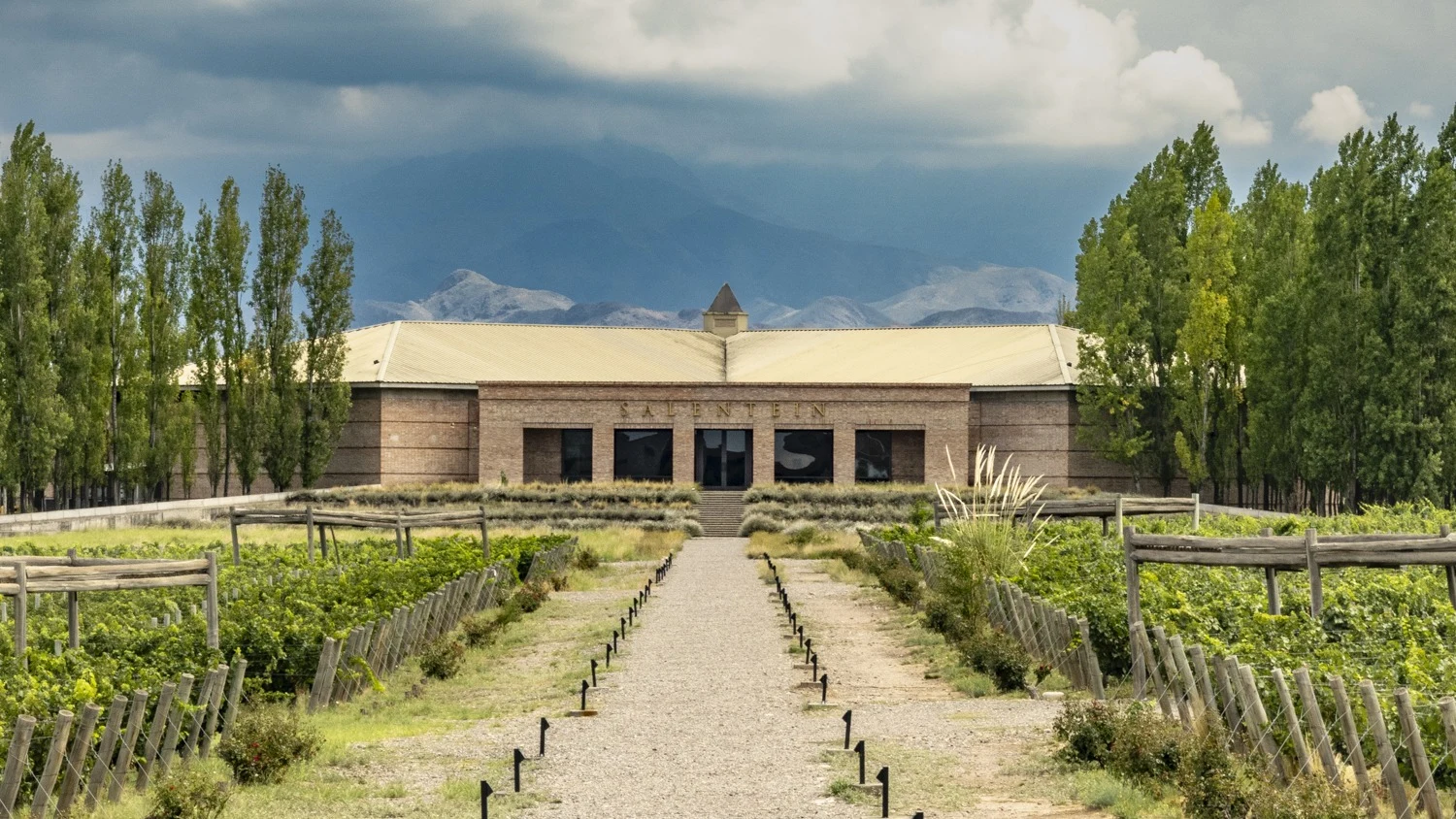
| Bodegas Salentein | Tunuyán | World's 50 Best |
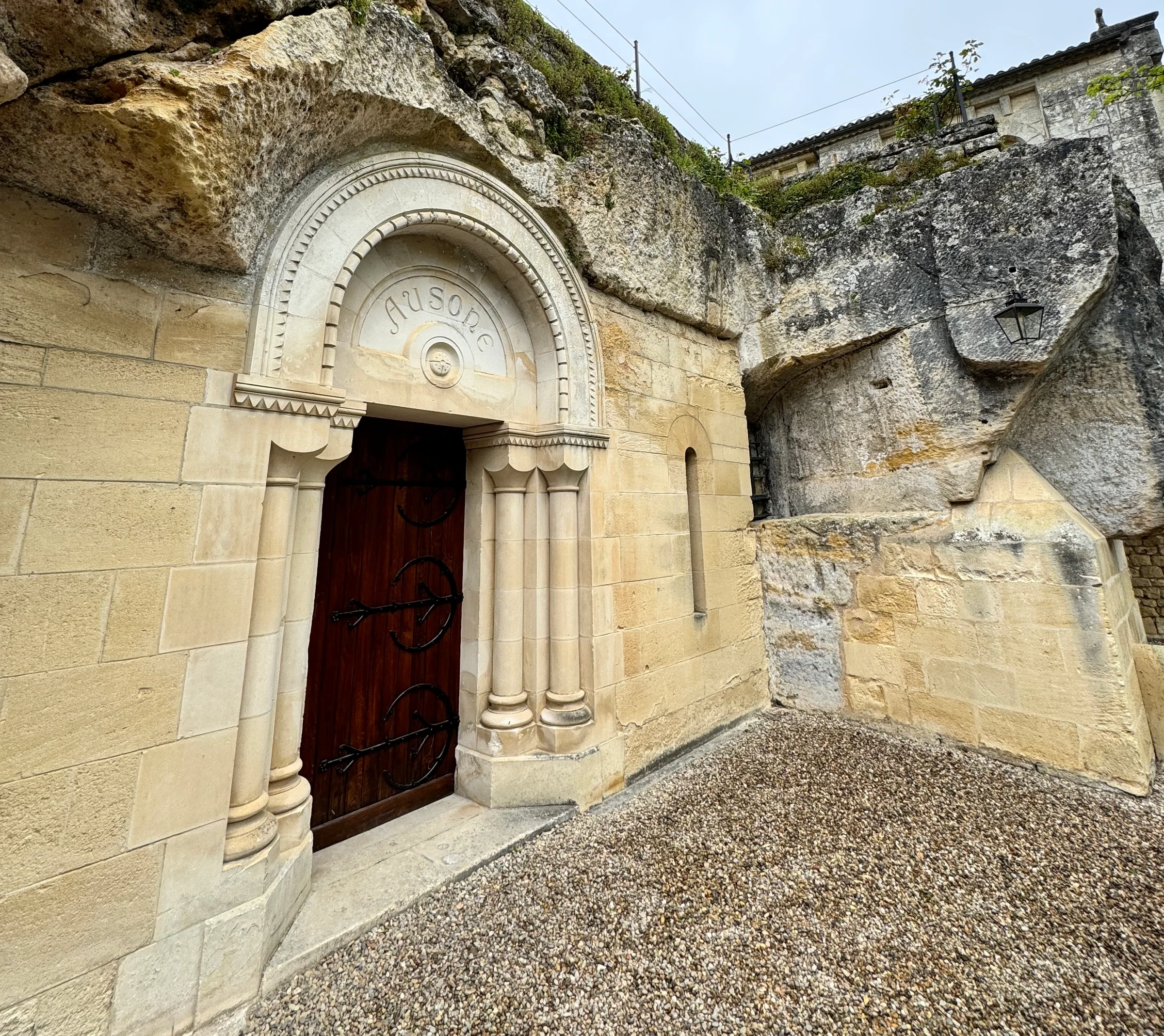
| Chateau Ausone | Saint-Émilion | · |
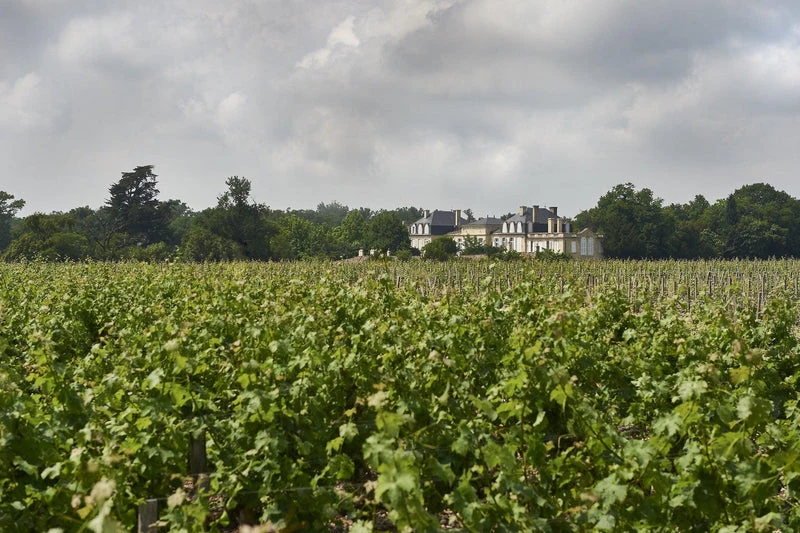
| Château Léoville Barton | Saint-Julien-Beychevelle | · |
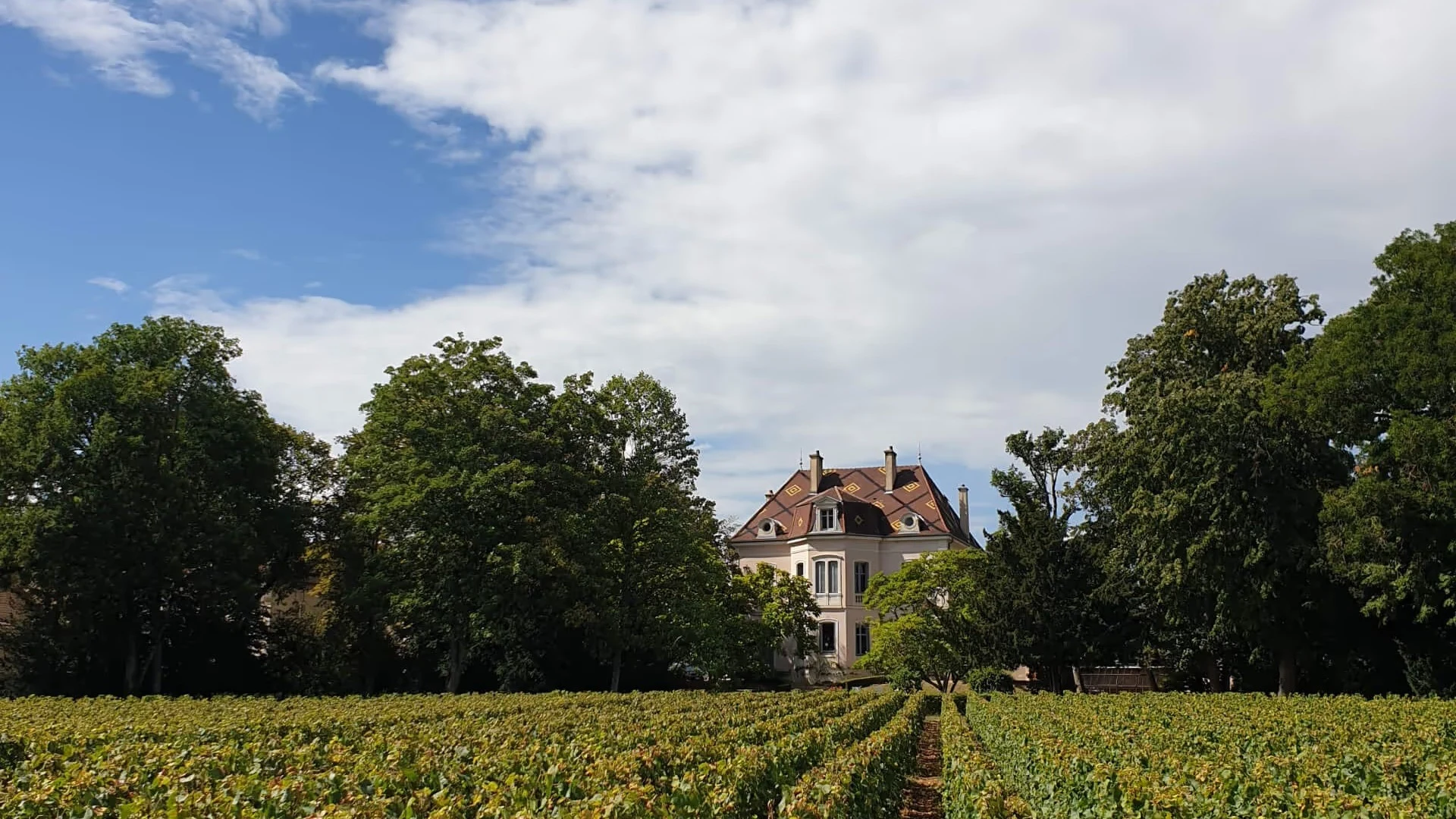
| Domaine des Comtes Lafon | Meursault | · |
| Masi | Sant'Ambrogio di Valpolicella | · |
| Ruinart | Reims | World's 50 Best |