Made ByDistillery Tasting Room
Tsililis Distillery
- 01CityTrikala, Greece
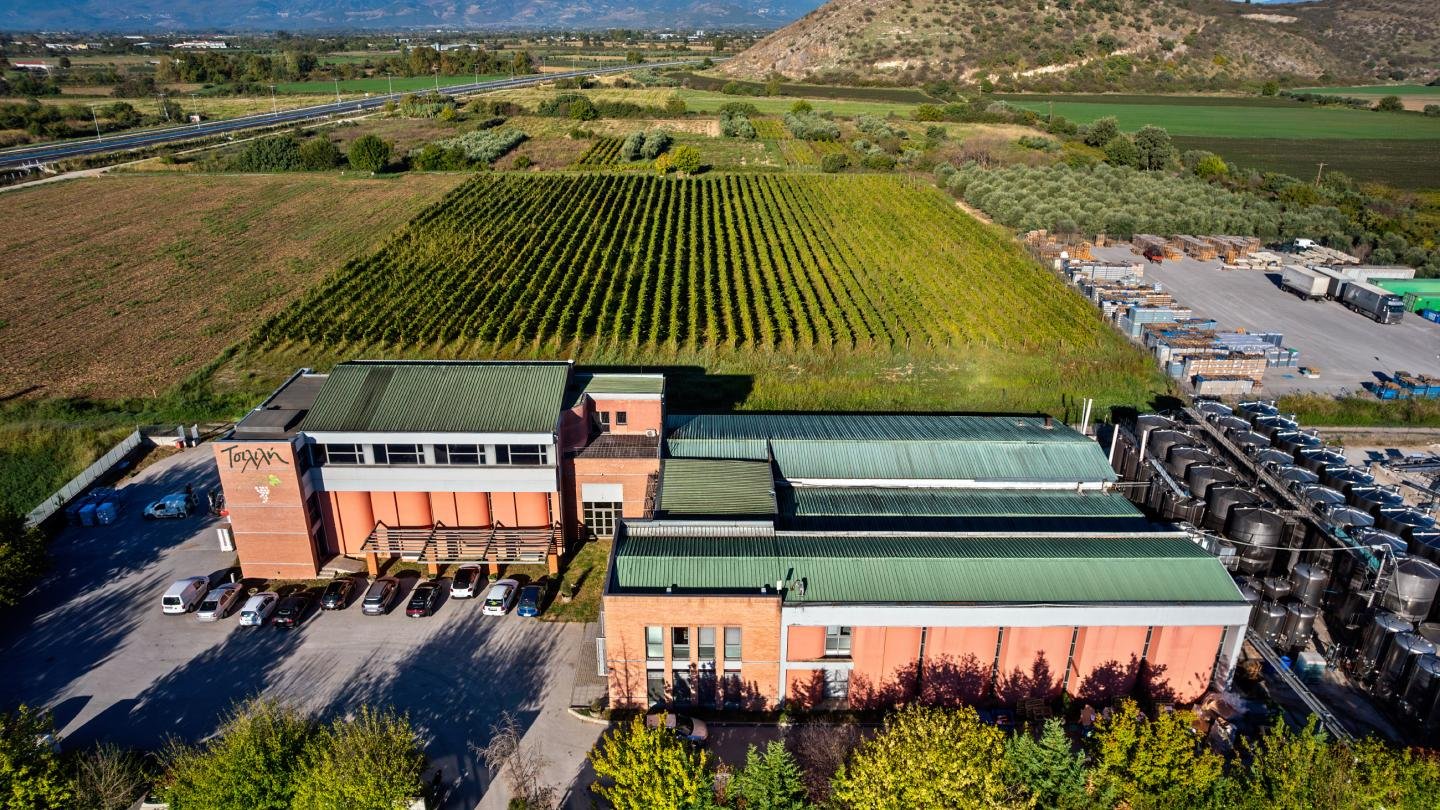
Tsililis Distillery sits outside Trikala in the Thessalian interior, earning a Pearl 2 Star Prestige award in 2025 — a credential that places it among a small tier of recognised Greek spirits producers. The address on the Trikala-Rizomatos road positions it within a region better known for agricultural land than distillery tourism, which makes the recognition all the more pointed.
At a glance
- Price
- $$
Spirits from the Thessalian Plain: What Trikala Produces and Why It Matters
Thessaly is not the first region Greek spirits drinkers name when mapping the country's distillery circuit. The Peloponnese has its tsipouro and brandy heritage; Crete draws visitors for raki; island producers benefit from tourism foot traffic that mainland agricultural zones rarely see. What Trikala and its surrounds offer instead is raw material: cereal crops, fruit orchards, and a continental climate that differs sharply from the maritime conditions shaping spirits on the Aegean coast. Tsililis Distillery operates within that agricultural context, on the Trikala-Rizomatos road at the edge of the plain, and its 2025 Pearl 2 Star Prestige award is the kind of credential that redirects attention toward regions the broader market has been slow to assess.
The Pearl Prestige award in 2025 places Tsililis in a tier shared by producers with considerably more visibility. For a distillery in the Thessalian interior — where the infrastructure for hospitality tourism is less developed than in, say, Naoussa or Nemea — that recognition carries weight beyond the award itself. It is an argument that terroir-driven spirits production is not the exclusive territory of regions with established visitor economies.
Reading the Land: How Thessaly's Climate Shapes What Goes Into the Still
The editorial angle that matters most at Tsililis is the one the landscape imposes. Trikala sits in the Thessalian basin, enclosed by the Pindus range to the west and the Olympus massif to the northeast. The basin traps heat in summer and channels cold air in winter, producing temperature swings more typical of Central European agricultural zones than the moderated conditions of Greek coastal appellations. Grain grown here matures differently from grain grown near the sea. Stone fruit, where orchards exist, accumulates sugar under longer, hotter days.
Greek tsipouro, the grape pomace spirit that defines much of mainland distillery production, carries regional character partly through this climate variation. Thessalian tsipouro from the plain tends toward a cleaner, fruit-forward profile compared to the more resinous expressions from cooler highland producers. The soil composition of the basin, predominantly alluvial with mineral-rich subsoil fed by the Pineios River, also affects what raw material arrives at the distillery. These are not interchangeable inputs: where the grape or grain is grown, and under what conditions, shapes what comes out of the still as directly as any production decision made inside the building.
This is the tradition Tsililis sits within. Greek distilleries that have attracted international award recognition in recent years, from producers in the north around Thessaloniki to operations further south in the Peloponnese, tend to share a commitment to sourcing that privileges regional specificity over neutral, commodity raw material. The 2 Star Pearl Prestige designation suggests Tsililis operates within that same orientation, though the specific expressions and production details are best confirmed directly with the distillery before visiting.
The Greek Distillery Scene in 2025: Where Tsililis Fits
Greek spirits have moved through a significant reappraisal in the past decade. Tsipouro, ouzo, and Greek brandy were long bracketed as local, unsophisticated categories by international critics who were simultaneously celebrating Armagnac, mezcal, and Japanese whisky. That framing has shifted. A generation of producers investing in still technology, sourcing transparency, and format discipline has accumulated enough award recognition to force a reassessment. Specialist spirits media have positioned Greek distilleries as a serious category.
Within Greece, the distillery map now shows recognisable clusters: the Macedonian north, where producers like those near Naoussa and Thessaloniki have built visibility alongside the wine industry; the island producers benefiting from tourism volume; and a smaller, less-discussed group of mainland producers in agricultural zones, Thessaly among them, that produce for quality rather than footfall. Tsililis belongs to this last group. Its address on a regional road outside Trikala is not incidental; it reflects a production-first orientation that tends to characterise award-winning producers working outside established visitor circuits.
For comparison, consider the range of Greek producers that have received formal recognition across different categories: Apostolakis Distillery in Volos represents another mainland spirits operation working outside the island tourism economy, while wine producers like Alpha Estate in Amyntaio and Artisans Vignerons de Naoussa in Stenimachos demonstrate how northern Greek terroir has earned international credibility through a similar production-quality argument. Abraam's Vineyards in Komninades, Acra Winery in Nemea, and Anatolikos Vineyards in Xanthi show the geographic spread of quality-led Greek production reaching parts of the country the international press rarely covers in depth. The pattern across all these producers is consistent: regional raw material treated with technical seriousness, positioned against an international comparable set rather than local commodity pricing.
Further afield, the contrast with major heritage producers like Achaia Clauss in Patras, one of the oldest and most documented Greek wine and spirits operations, is instructive. Scale and heritage confer a different kind of authority. Smaller, award-recognised producers like Tsililis earn credibility through a narrower, more specific claim: this place, this raw material, this production approach.
Planning a Visit: What to Expect and How to Prepare
Trikala is accessible by road and rail from Larissa, which connects to Athens and Thessaloniki via the main Greek rail network. The distillery address on the Epar.Od. Trikalon-Rizomatos road places it outside the city centre, making a car the practical choice for reaching it from town. Trikala itself warrants time: the old bazaar district, the Kursum Mosque, and the Lithochoro neighbourhood give the city more texture than its low profile in Greek tourism literature suggests. The combination of a city worth exploring and a distillery with formal award recognition makes a visit to this part of Thessaly a coherent itinerary rather than a single-stop detour.
Contact them in advance to confirm visiting hours, booking requirements, and tasting formats. Award-recognised producers operating outside major tourism circuits frequently work by appointment rather than walk-in, and the Tsililis model is likely no different. Visiting without confirming availability risks a closed door on arrival, a common experience at mainland Greek producers that prioritise production time over open-door hospitality.
For context on how other recognised Greek producers approach visitors, Artemis Karamolegos Winery in Santorini, Avantis Estate in Chalkida, Aiolos Winery in Palaio Faliro, Aoton Winery in Peania, and Akrathos Newlands Winery in Panagia illustrate the range of formats Greek producers use, from appointment-only to open cellar-door models.
Frequently Asked Questions
- What is the atmosphere like at Tsililis Distillery?
- The distillery sits on a regional road outside Trikala, in the agricultural plain that defines this part of Thessaly. The setting is working-production rather than polished hospitality: this is a 2025 Pearl 2 Star Prestige-rated producer in a mainland Greek city that sees limited distillery tourism, which shapes the experience toward substance over spectacle. Expect a producer-led environment rather than a curated visitor centre. Confirm arrangements in advance.
- What should I taste at Tsililis Distillery?
- Greek mainland distilleries in the Thessalian region typically produce tsipouro, the grape pomace spirit that is the signature of continental Greek spirits production, with some producers also working with fruit-based expressions. The 2025 Pearl 2 Star Prestige recognition, the same award framework that evaluates producers across Greece and internationally, indicates the production here meets a formal quality threshold. Specific expressions and tasting formats should be confirmed with the distillery directly. For comparison, Apostolakis Distillery in Volos offers a reference point for how mainland Greek distilleries at this level present their range. Internationally, producers like Aberlour in Aberlour and Accendo Cellars in St. Helena illustrate the range of award-recognised producers EP Club covers across spirits and wine categories.
Frequently asked
What's the atmosphere like at Tsililis Distillery?
Tsililis operates from a working distillery address on the Trikala–Rizomatos road outside the town centre, which sets the tone: this is a production site first, not a curated tasting room. The surroundings reflect the Thessalian basin — open agricultural terrain enclosed by the Pindus range — and visits carry a functional, craft-focused character that the 2025 Pearl 2 Star Prestige rating underscores as substance over spectacle.
Where can I find Tsililis Distillery?
Tsililis Distillery is located at Epar.Od. Trikalon-Rizomatos 31, Raxa 421 00, Trikala.
Is Tsililis Distillery award-winning?
Tsililis Distillery has received recognition including: Pearl 2 Star Prestige (2025).
What should I taste at Tsililis Distillery?
Tsililis is rooted in Thessalian distilling tradition, which centres on tsipouro — the grape pomace spirit produced across the region with notable regional variation. The distillery's Pearl 2 Star Prestige recognition in 2025 signals a level of production craft worth taking seriously, so prioritise whatever expressions are poured directly at the source rather than versions widely available in retail. Ask specifically about any single-variety or unaged releases, as these typically show the clearest read on house distillation character.
Address
Epar.Od. Trikalon-Rizomatos 31, Raxa 421 00
How it compares
Tsililis Distillery
- Cuisine
- Limniona, Syrah
- Price
- $$
- Awards
- 1 recognition
- Notes
- Raxa
La Tour Melas
- Cuisine
- Agiorgitiko, Merlot
- Price
- $$
- Awards
- 1 recognition
- Notes
- Achinos
Ktima Voyatzis
- Cuisine
- Xinomavro, Tsapournakos
- Price
- $$
- Awards
- 1 recognition
- Notes
- Velventos
Notos Distillery
- Cuisine
- Patras
- Price
- —
- Awards
- 1 recognition
- Notes
- Patras
Loukatos Distillery
- Cuisine
- Mavrodaphne
- Price
- $$
- Awards
- 1 recognition
- Notes
- Patras
Dimopoulos Distillery
- Cuisine
- Winery
- Price
- —
- Awards
- 1 recognition
- Notes
- Xino Nero