Made ByRestaurant
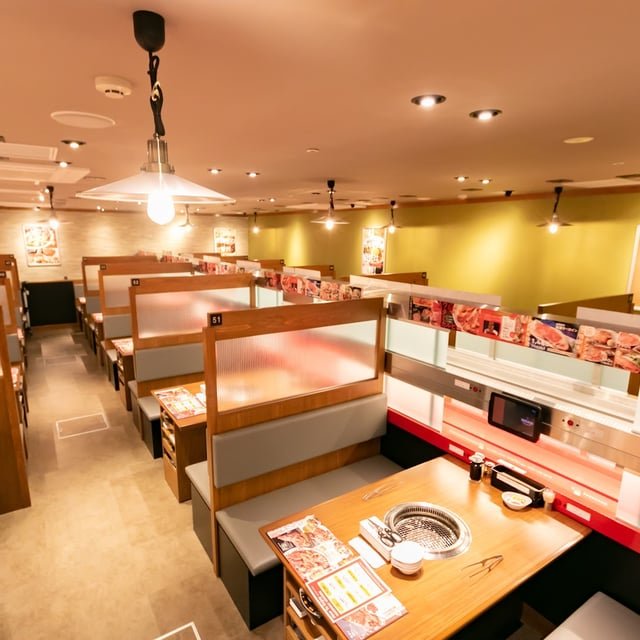
A Michelin Bib Gourmand recipient in two consecutive years (2024 and 2025), Udondokoro Shigemi operates from a ground-floor address in Kita Ward's Nishitenma district, working within the single-discipline tradition of Kansai udon. The kitchen draws technique from Kagawa and layers it with Osaka sensibility, most clearly in a cold Kansai dashi that reveals the full elasticity of freshly made noodles. Google reviewers rate it 4.5 across 468 responses.
- Michelin Bib Gourmand
At a glance
- Cuisine
- Hand-Pulled Udon
- Price
- $$
- Per person
- $9
- Hours
- Mon: 11 AM–2:30 PM; Tue: 11 AM–2:30 PM; Wed: Closed; Thu: 11 AM–2:30 PM; Fri: 11 AM–2:30 PM; Sat: 11 AM–2:30 PM; Sun: Closed
- Neighborhood
- Nishitenma
- Rating
- 4.5 (504)
<h2>The Bowl as a Considered Act</h2><p>In Kansai, eating udon is rarely a rushed transaction. The bowl arrives, the diner pauses, and the sequence of temperature, texture, and broth becomes something deliberate, a pattern repeated across counter stools from Osaka to Takamatsu with a consistency that approaches ritual. Nishitenma, the quietly commercial stretch of Kita Ward that sits north of Nakanoshima and a few minutes from the Tenjimbashisuji shopping arcade, carries that same unhurried register. Ground-floor restaurant spaces here are modest in scale and serious in focus, and Udondokoro Shigemi is a clear example of what that combination produces.</p><h2>Where Kagawa Technique Meets Kansai Dashi</h2><p>Japan's two dominant udon traditions pull in different directions. Kagawa Prefecture's Sanuki style prizes noodles made to a high degree of precision: firm, chewy, almost resistant against the tooth, with the noodle itself carrying more of the total flavour load. Kansai udon, by contrast, centres the broth. The dashi is lighter in colour but dense with layered umami, historically built from makombu seaweed and fish stock, and the noodle softens into that warmth rather than competing with it.</p><p>Udondokoro Shigemi works across both registers. The noodle preparation draws on techniques learned in Kagawa, which means the kitchen applies a structural discipline to the dough that most Osaka-native udon shops forgo. But the broth is emphatically Kansai: golden-yellow, built on makombu for umami and finely chopped round herring and mackerel for flavour, with a clarity of colour that signals the restraint of good extraction rather than long reduction. The donburi bowl here makes the synthesis explicit, drawing udon cultures from both Osaka and Kagawa into a single format. For anyone moving between the two traditions, or comparing this kitchen's approach to what <a href="https://www.enprimeurclub.com/restaurants/ogimachi-udonya-asuro-osaka-restaurant">Ogimachi Udonya Asuro</a> or <a href="https://www.enprimeurclub.com/restaurants/oudon-yomogi-osaka-restaurant">Oudon Yomogi</a> produce in the same city, the difference in sourcing philosophy and noodle character becomes readable quite quickly.</p><h2>The Hiyakake and What It Teaches</h2><p>The kitchen's leading recommendation is the hiyakake: udon noodles served cold in a Kansai-style dashi with nothing else added. It is a preparation that removes every layer of embellishment and asks the noodle and broth to justify themselves independently. Cold temperature is deliberate here, not merely a seasonal option. Chilling the broth tightens its flavour while simultaneously drawing attention to the noodle's body: its supple resistance, the way it holds its shape without becoming stiff, the elasticity that signals correct hydration and resting time. The two elements are in dialogue rather than hierarchy.</p><p>This kind of disciplined reduction is characteristic of Kagawa-influenced kitchens operating at a high level. At <a href="https://www.enprimeurclub.com/restaurants/gion-yorozuya-kyoto-restaurant">Gion Yorozuya in Kyoto</a>, a comparable single-focus udon approach applies a different broth logic but shares the same insistence on letting the noodle speak for itself. Across Japan's serious udon counters, the hiyakake functions as a benchmark, the preparation where shortcuts in dough or dashi become impossible to conceal. Ordering it here is not a conservative choice; it is the most diagnostic one.</p><h2>Bib Gourmand Recognition and Its Implications</h2><p>Michelin's Bib Gourmand designation, awarded here in 2024 and 2025, identifies kitchens where quality exceeds what the price point would ordinarily predict. At a ¥ price tier, Udondokoro Shigemi sits well below the ¥¥¥¥ range occupied by Osaka's French and innovative fine dining rooms, including <a href="https://www.enprimeurclub.com/restaurants/hajime-osaka-restaurant">HAJIME</a> and <a href="https://www.enprimeurclub.com/restaurants/la-cime-osaka-restaurant">La Cime</a>, and a tier or two below mid-range kaiseki and Japanese tasting formats. The Bib Gourmand category is specifically constructed for this gap: restaurants where a two-course meal with a glass of wine or equivalent would not exceed a defined threshold, but where the kitchen is operating with a precision that inspires Michelin's inspectors to engage at all.</p><p>Two consecutive years of recognition carries a specific signal beyond a single award cycle. It suggests a kitchen that maintains its standards across different inspection visits, different seasons, and whatever personnel or ingredient pressure any given year brings. The Google rating of 4.5 across 504 reviews broadly corroborates that consistency from a higher-volume, non-specialist audience. The two data sources are not measuring the same thing, but when they converge, the inference is meaningful.</p><p>For context across Japan's Bib Gourmand udon category, <a href="https://www.enprimeurclub.com/restaurants/hyun-udon-seoul-restaurant">Hyun Udon in Seoul</a> represents a Korean kitchen working within a Japanese noodle format, which makes the comparison instructive about how the tradition travels. Staying within Japan, the broader EP Club coverage of precision-led regional kitchens runs from <a href="https://www.enprimeurclub.com/restaurants/harutaka-tokyo-restaurant">Harutaka in Tokyo</a> through <a href="https://www.enprimeurclub.com/restaurants/gion-sasaki-kyoto-restaurant">Gion Sasaki in Kyoto</a> and out to <a href="https://www.enprimeurclub.com/restaurants/goh-fukuoka-restaurant">Goh in Fukuoka</a> and <a href="https://www.enprimeurclub.com/restaurants/6-okinawa-restaurant">6 in Okinawa</a>, illustrating how differently each region defines technical excellence at the table.</p><h2>Nishitenma and the Neighbourhood Frame</h2><p>Kita Ward's Nishitenma district occupies a practical position in Osaka's geography: close enough to the Umeda transport hub to be accessible but removed from the densest tourist concentration around Dotonbori and Namba. The area has developed a reputation for food-focused independent restaurants operating at the serious-casual end of the market, with a diner profile that skews toward local office workers at lunch and residents at dinner rather than international visitors following a guidebook circuit. That context matters for understanding a ¥-tier kitchen holding Bib Gourmand recognition: the audience here is largely local, the competition for repeat custom is high, and consistency earns loyalty in a way that novelty alone cannot.</p><p><a href="https://www.enprimeurclub.com/restaurants/aozora-blue-osaka-restaurant">Aozora Blue</a> represents a different corner of the same Osaka food scene, and <a href="https://www.enprimeurclub.com/restaurants/akordu-nara-restaurant">akordu in Nara</a> and <a href="https://www.enprimeurclub.com/restaurants/1000-yokohama-restaurant">1000 in Yokohama</a> offer useful comparisons for how regional cities beyond Osaka handle the tension between local craft tradition and wider recognition. For complete Osaka coverage across restaurants, hotels, bars, and experiences, the EP Club city guides are the relevant starting point: <a href="https://www.enprimeurclub.com/restaurants/osaka-milan-restaurant">Osaka restaurants</a>, <a href="https://www.enprimeurclub.com/restaurants/osaka-milan-restaurant">Osaka hotels</a>, <a href="https://www.enprimeurclub.com/restaurants/osaka-milan-restaurant">Osaka bars</a>, <a href="https://www.enprimeurclub.com/restaurants/osaka-milan-restaurant">Osaka wineries</a>, and Osaka experiences.</p><h2>Planning Your Visit</h2><p>Reservations: Booking method not confirmed; direct contact recommended given consistent Bib Gourmand demand. Address: Gastro Plaza Building 1F, 4-7-7 Nishitenma, Kita Ward, Osaka 530-0047. Budget: ¥ price tier; among the most accessible Michelin-recognised kitchens in the city. Dress: No stated code; the neighbourhood and price register suggest smart-casual or everyday dress. Hours: Not confirmed; verify before travelling.</p>
Know before you go
- Dress code
- casual
- Reservations
- walk_in_friendly
- Payment
- cash
Frequently asked
Does Udondokoro Shigemi have a Michelin star or similar recognition?
Udondokoro Shigemi has received recognition including: The chef’s top recommendation is the ‘hiyakake’: nothing but udon noodles in a golden-yellow broth. The dashi is Kansai-style, made with makombu seaweed for umami and finely chopped round herring and mackerel for flavour. Noodles are prepar….
Who is the chef connected to Udondokoro Shigemi?
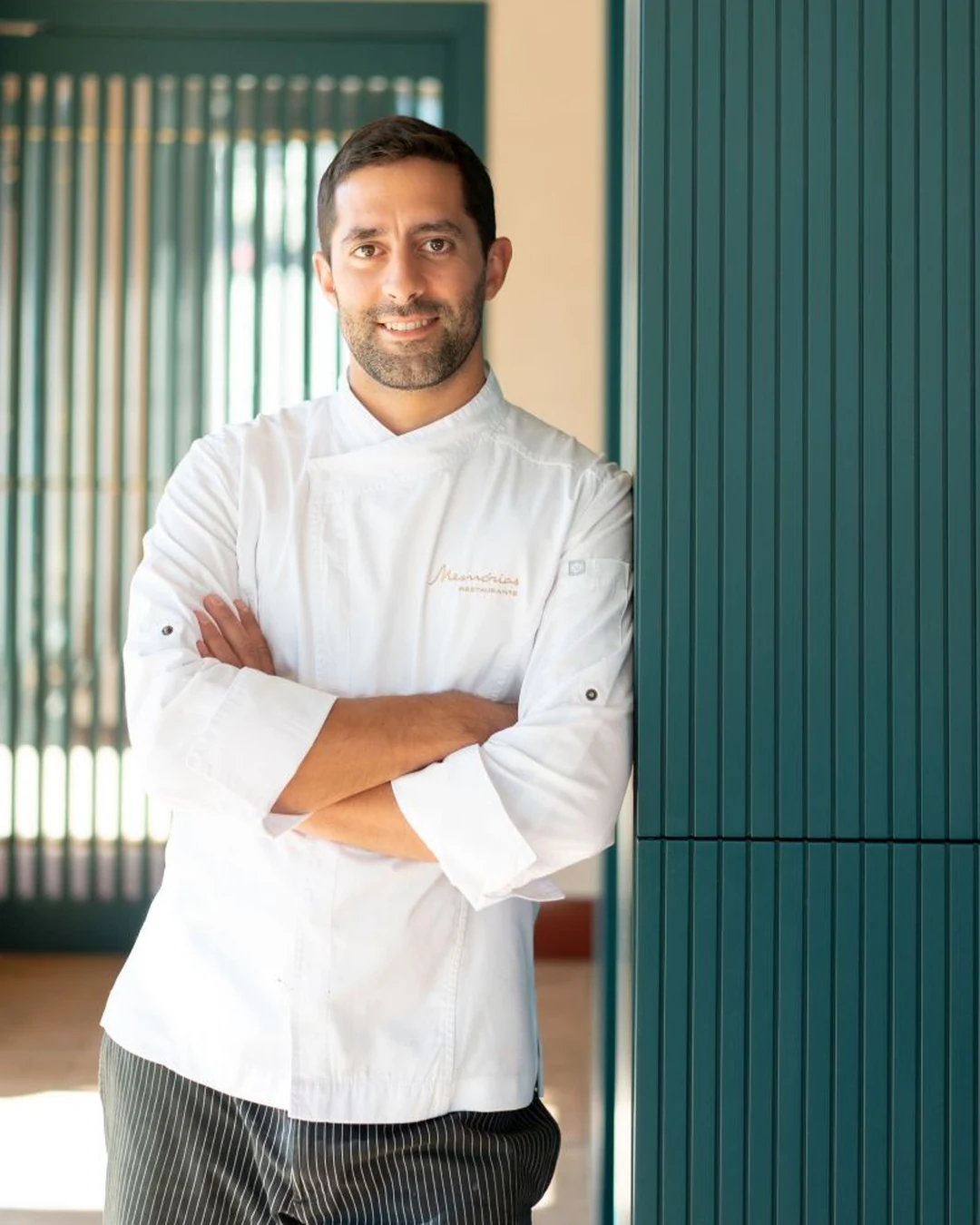
The chef associated with Udondokoro Shigemi is Luís Almeida.
What do people recommend at Udondokoro Shigemi?
The kitchen's own recommendation is the hiyakake: cold udon noodles served in a Kansai-style dashi built from makombu seaweed and finely chopped round herring and mackerel. The cool broth highlights the elasticity and body of noodles prepared using techniques learned in Kagawa, making the dish a direct expression of the two traditions the kitchen draws from. For a bowl that earns a Bib Gourmand at the ¥ price range, it is the clearest way to understand what the cooking here is about.
Address
Japan, 〒530-0047 Osaka, Kita Ward, Nishitenma, 4 Chome−7−7 ガストロプラザビル1F
Nishitenma
How it compares
- Awards
- Michelin Bib Gourmand
- Cuisine
- Hand-Pulled Udon
- Notes
- Kita, $$
- Awards
- Michelin Bib Gourmand
- Cuisine
- Authentic Handmade Soba
- Notes
- Kita, $$
- Awards
- Michelin Bib Gourmand
- Cuisine
- Seasonal Wakayama Izakaya Omakase
- Notes
- Kita, $$
- Awards
- Michelin Bib Gourmand
- Cuisine
- Traditional Soba Noodles
- Notes
- Kita, $$
- Awards
- Michelin Bib Gourmand
- Cuisine
- Traditional Handmade Soba
- Notes
- Kita, $$
- Awards
- Michelin Bib Gourmand
- Cuisine
- Traditional Japanese Seafood Omakase
- Notes
- Kita, $$$
In residence
Similar places
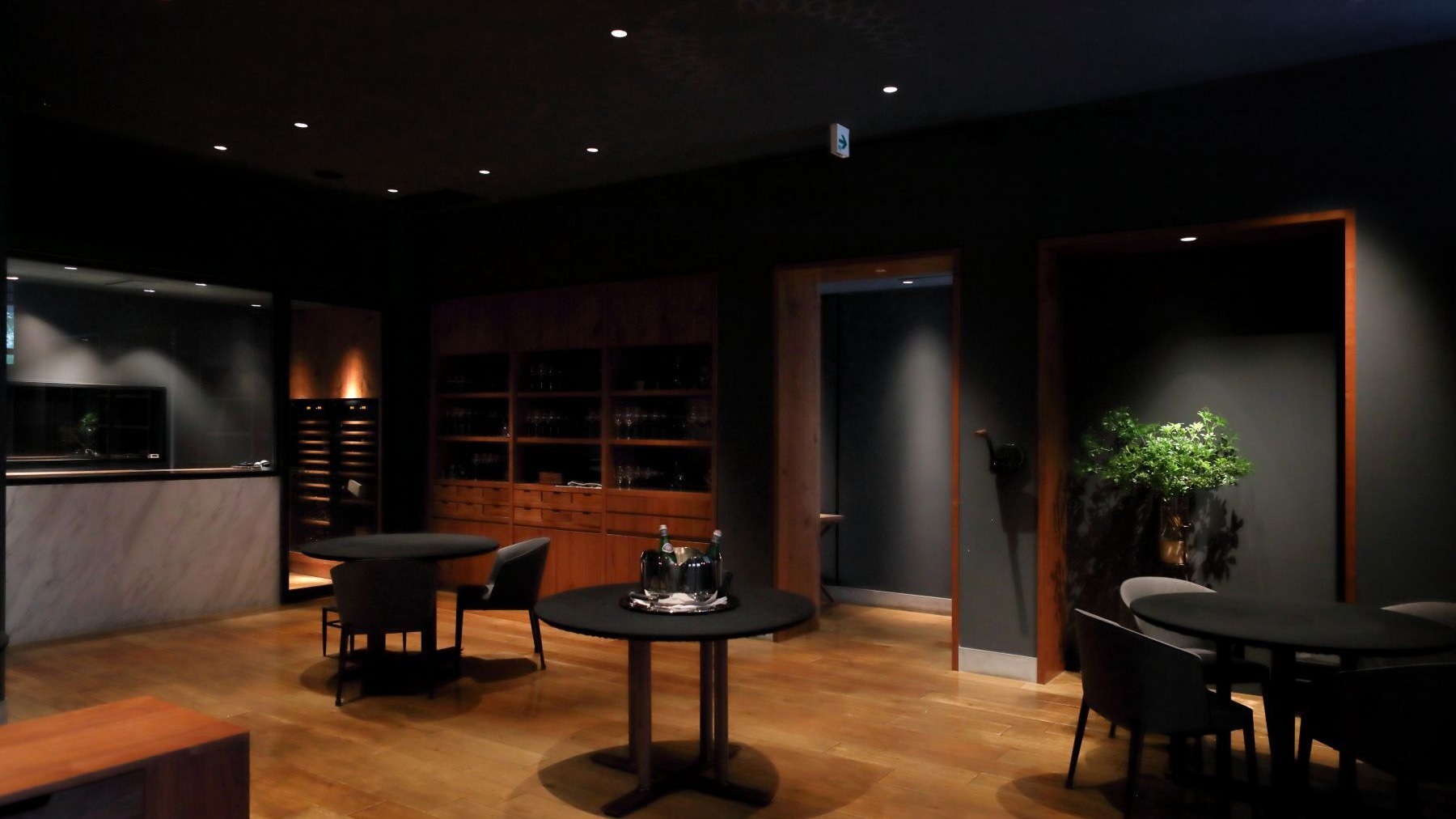
Modern French with Japanese Ingredients
La Cime
Osaka, Japan
★★ · 50 Best
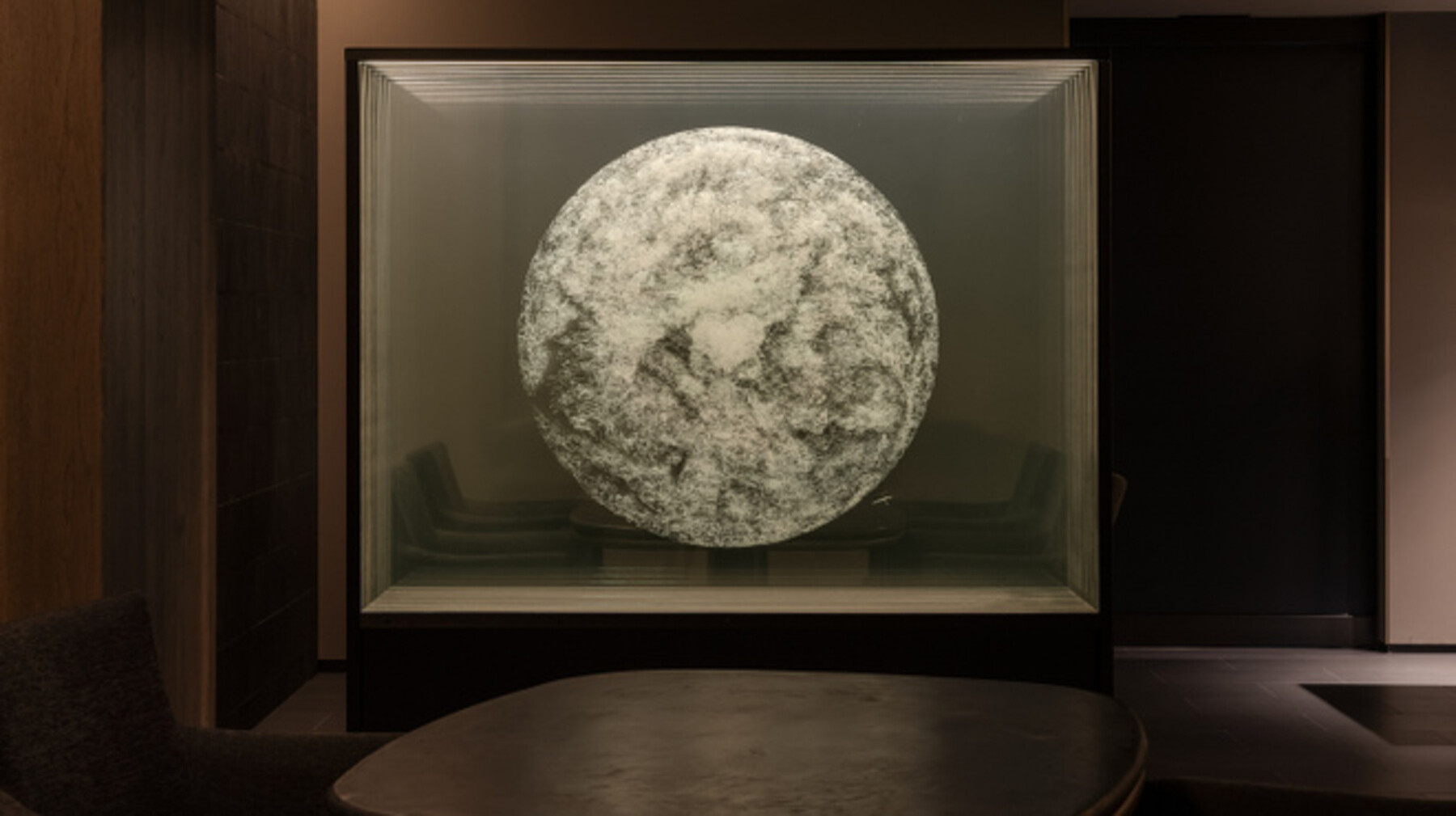
Avant-Garde Japanese Fine Dining
HAJIME
Osaka, Japan
★★★ · 50 Best
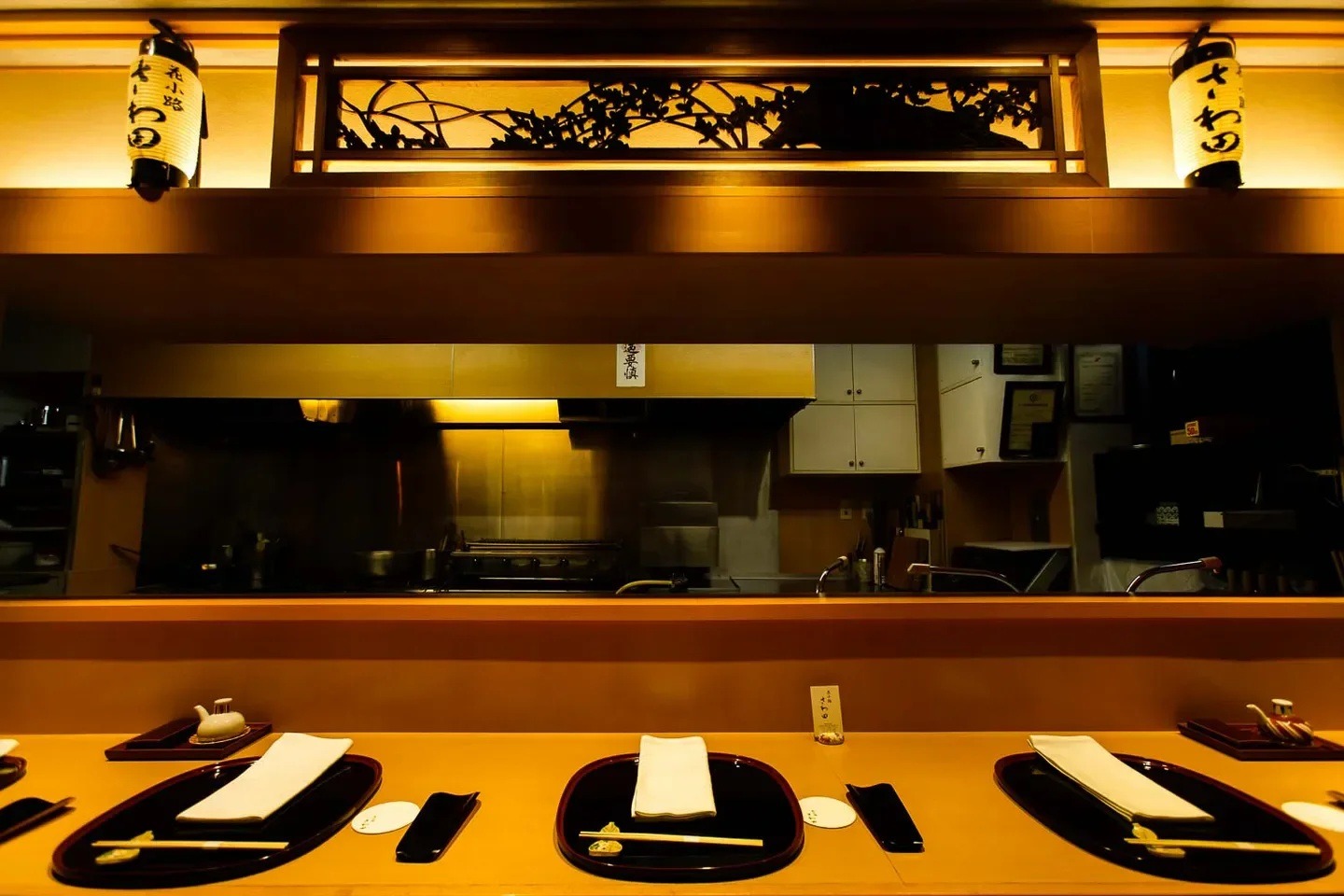
Michelin-Starred Modern Cantonese
Sawada
Osaka, Japan
★
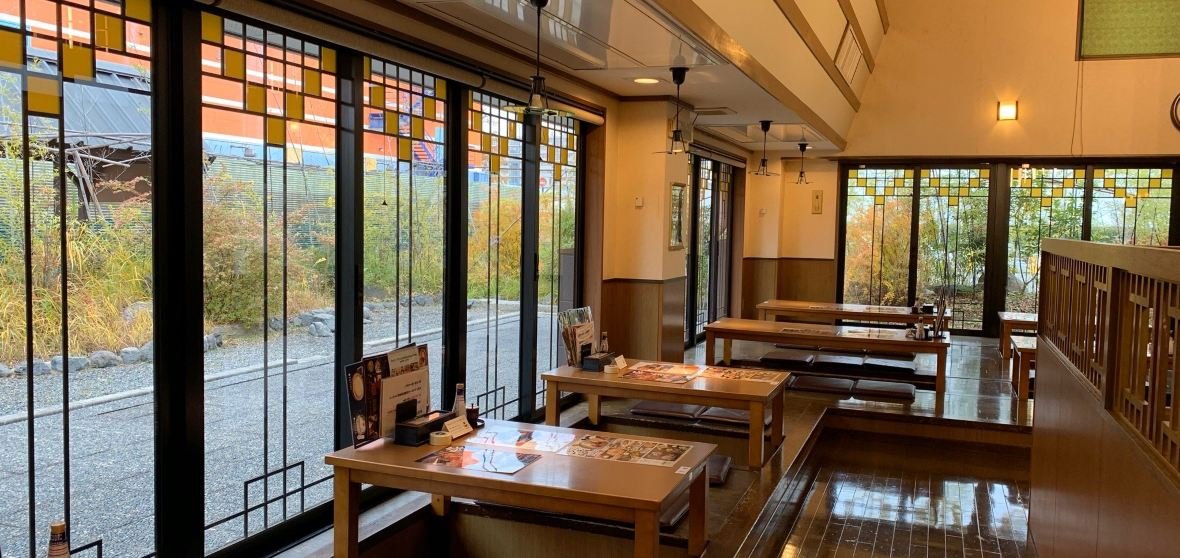
Traditional Kaiseki
Honkogetsu
Osaka, Japan
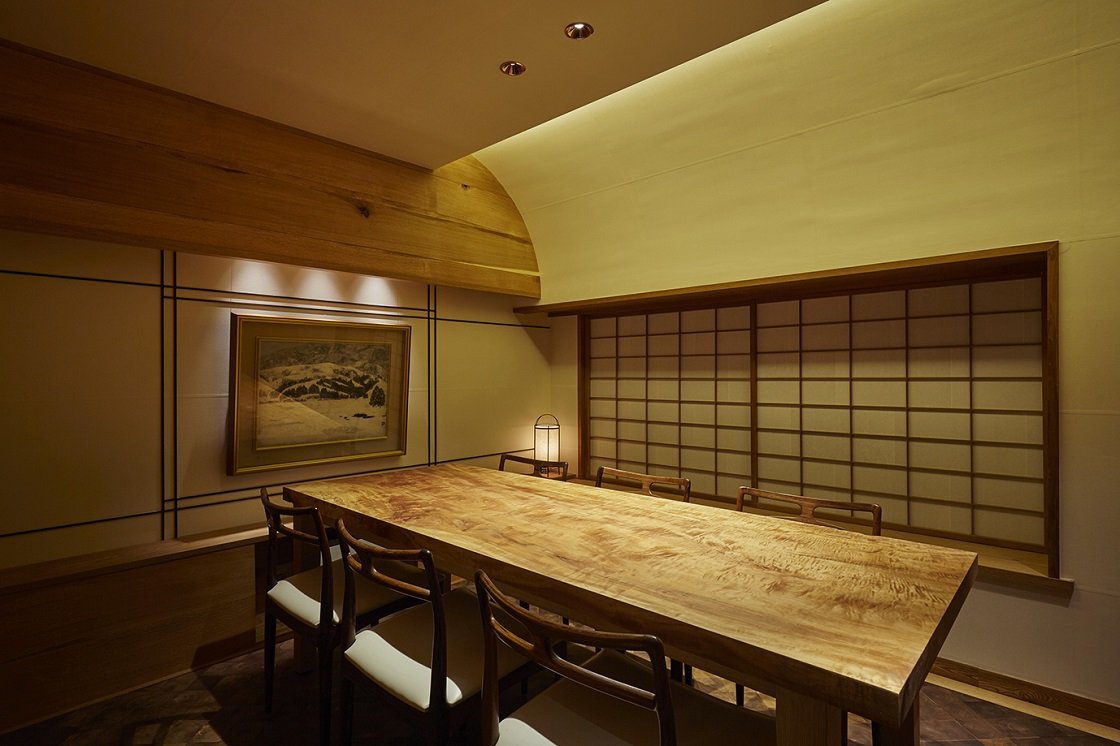
Seasonal Kaiseki Omakase
Kashiwaya Osaka Senriyama
Osaka, Japan
★★★
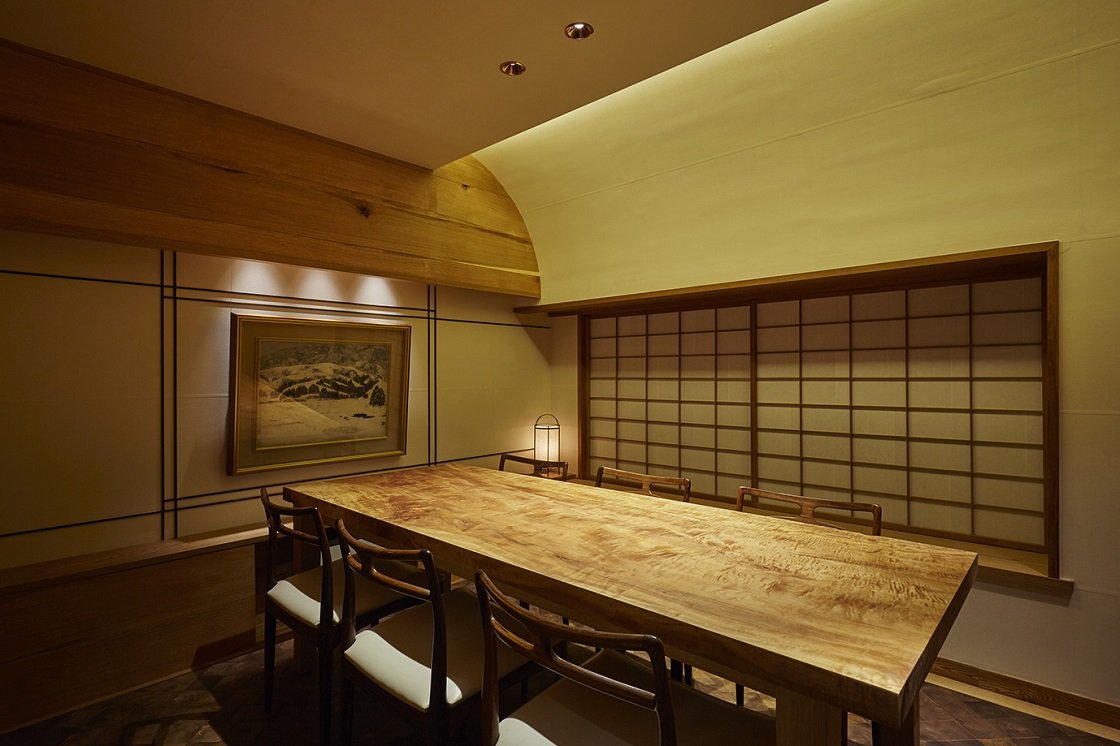
Traditional Japanese Kaiseki Omakase
Taian
Osaka, Japan
★★★