Ushimatsu
In Residence
Tatsuro Hirakubo
Chef
- 01CuisinePremium Yakiniku - Matsusaka & Tajima Beef
- 02CityTokyo, Japan
- Opinionated About Dining Top Restaurants in Japan Recommended · 2026
- Tabelog Bronze #501: 4.3pts · 2026
- Opinionated About Dining Top Restaurants in Japan Ranked #439 · 2025
- Tabelog 100 #13: 3.8pts · 2025
Start Here If You're Serious About Tokyo Yakiniku
Tokyo's yakiniku scene has quietly divided into two distinct tiers over the past decade. The first is accessible, cheerful, and abundant, the sort of grilled beef house where ordering is easy and the beer flows freely. The second is smaller, harder to book, and operates by the same logic as the city's leading kaiseki rooms: premium provenance, deliberate pacing, and staff who know the cattle lineage as fluently as a sommelier knows vintages. Ushimatsu belongs to that second tier. If you're spending serious time with Tokyo's beef culture, it belongs near the top of your list.
The Atmosphere Underground: What Nishiazabu Signals Before You Sit Down
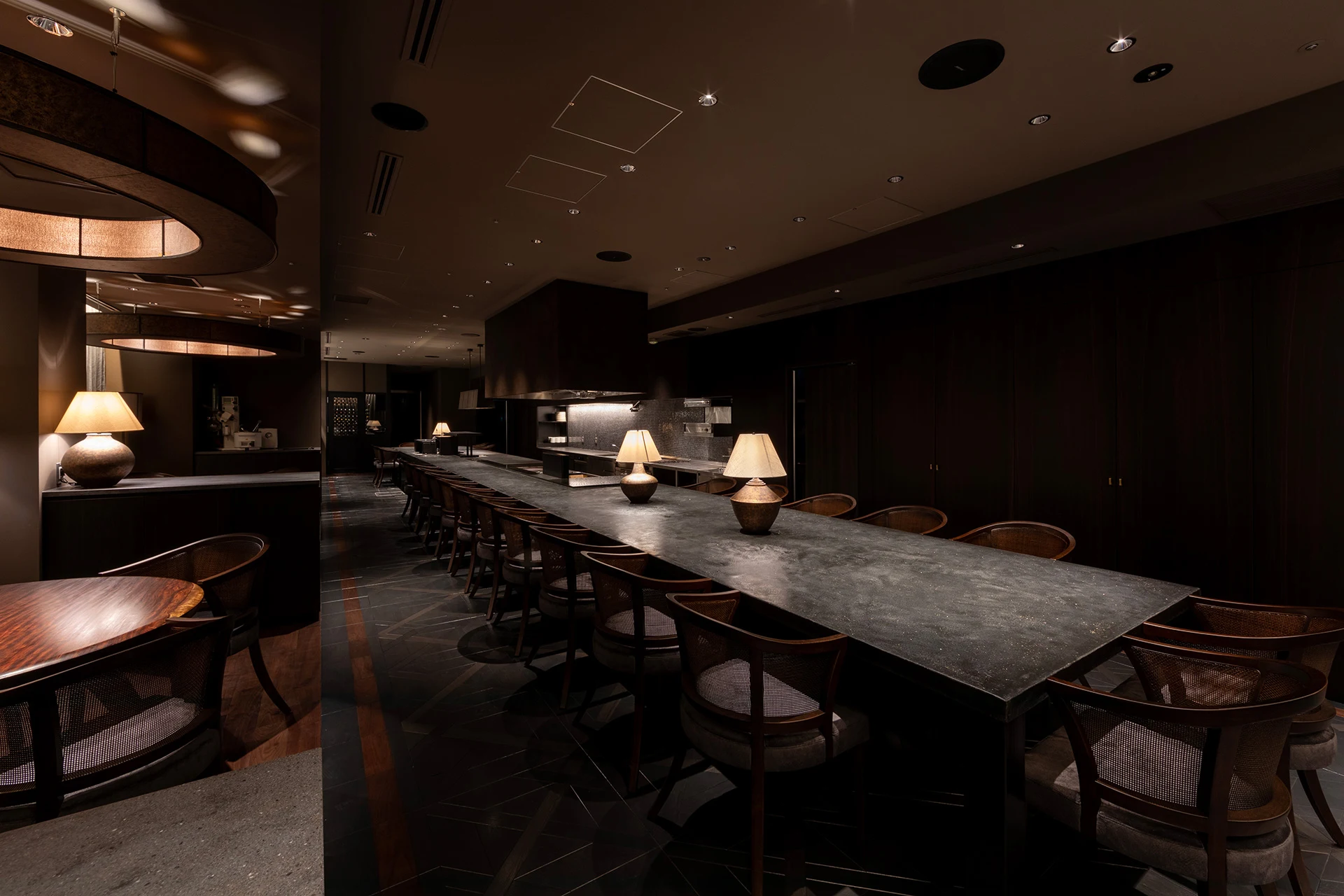
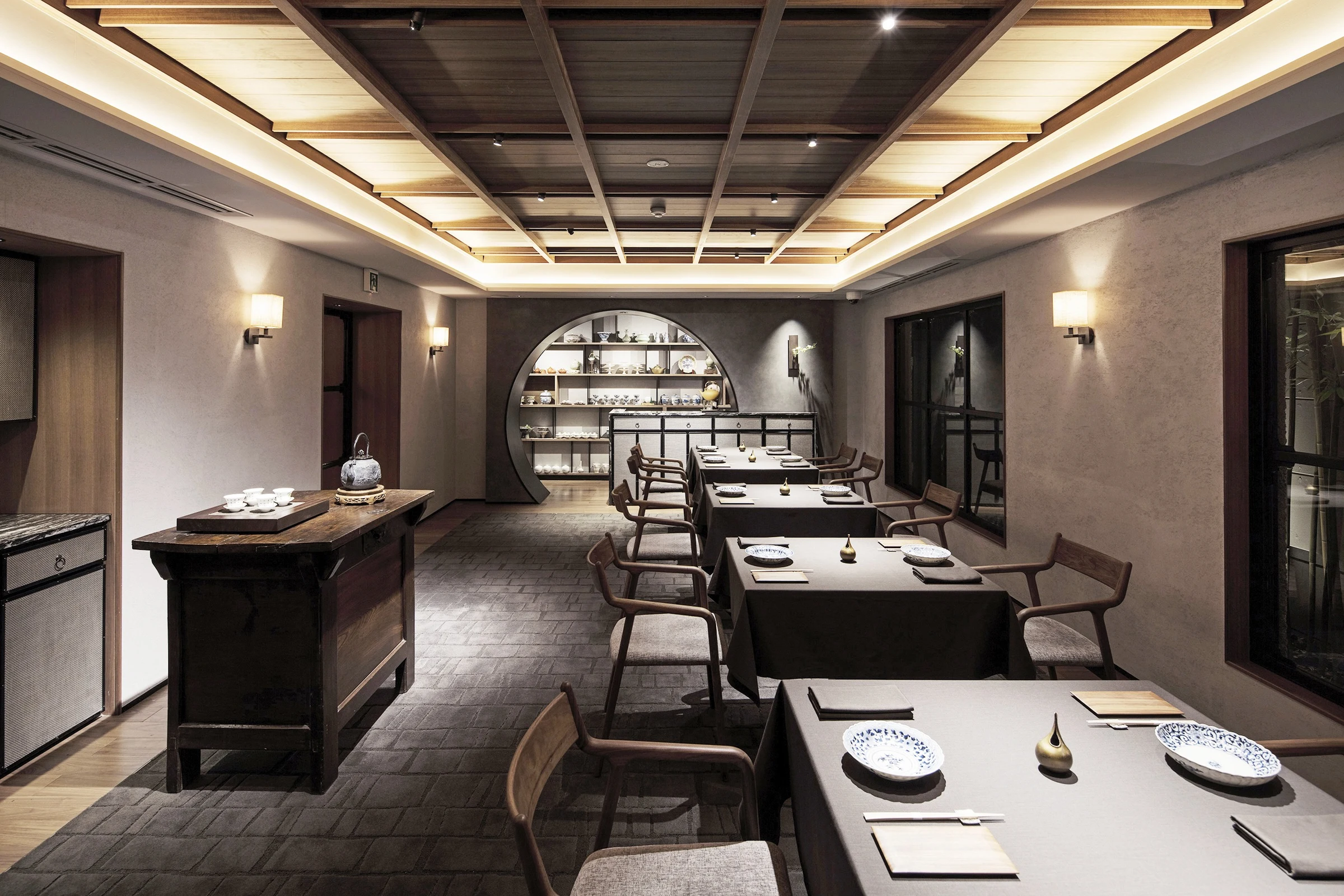
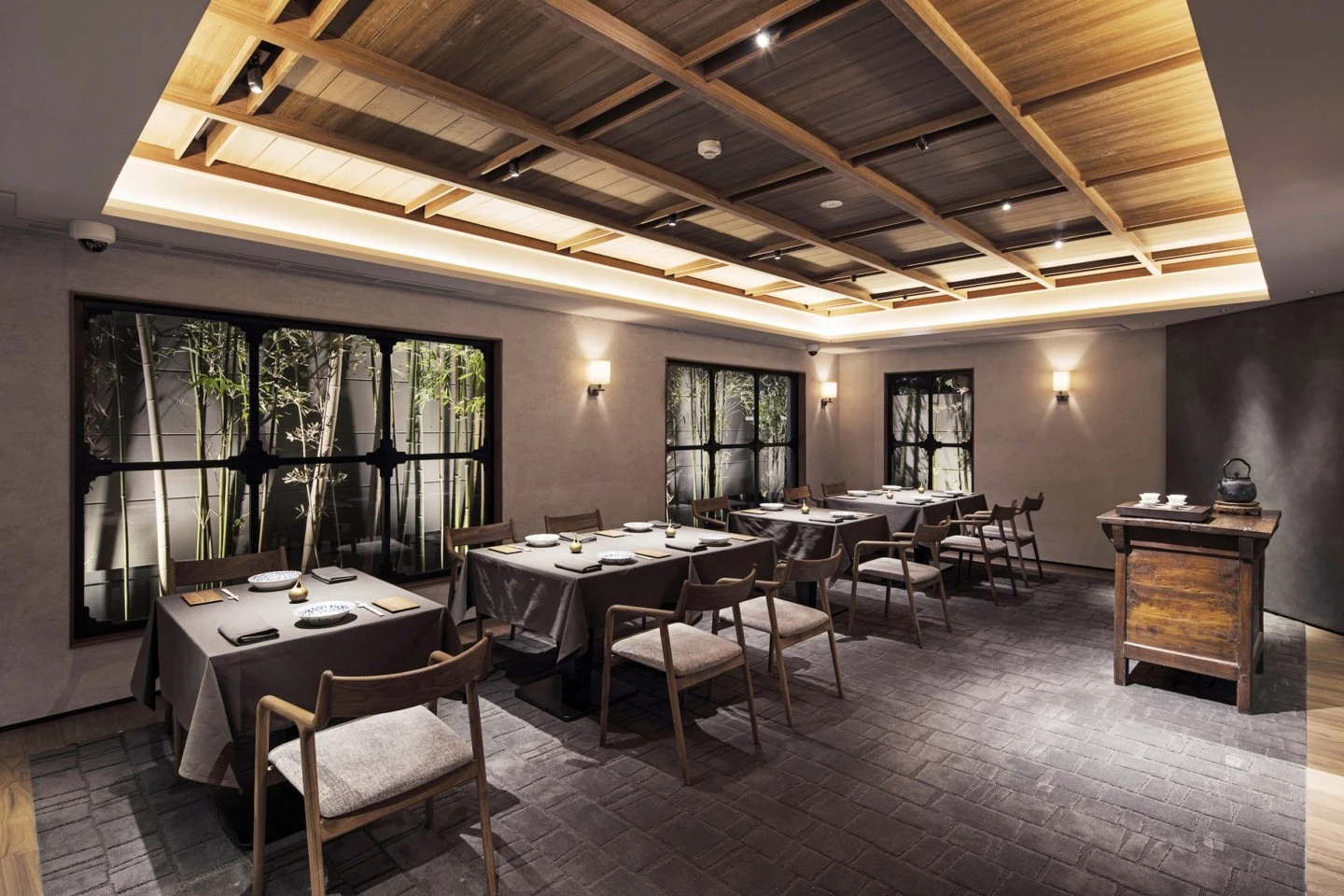
The address in Nishiazabu says something before you've tasted anything. This corner of Minato-ku sits between the polished excess of Roppongi and the residential calm of Hiroo, a neighbourhood that Tokyo's dining community uses precisely because it isn't flashy. The basement entrance on a quiet stretch of Nishiazabu's backstreets is typical of how serious Tokyo restaurants communicate seriousness: no signage theatre, no queue culture, no social media bait. You're expected to know where you're going.
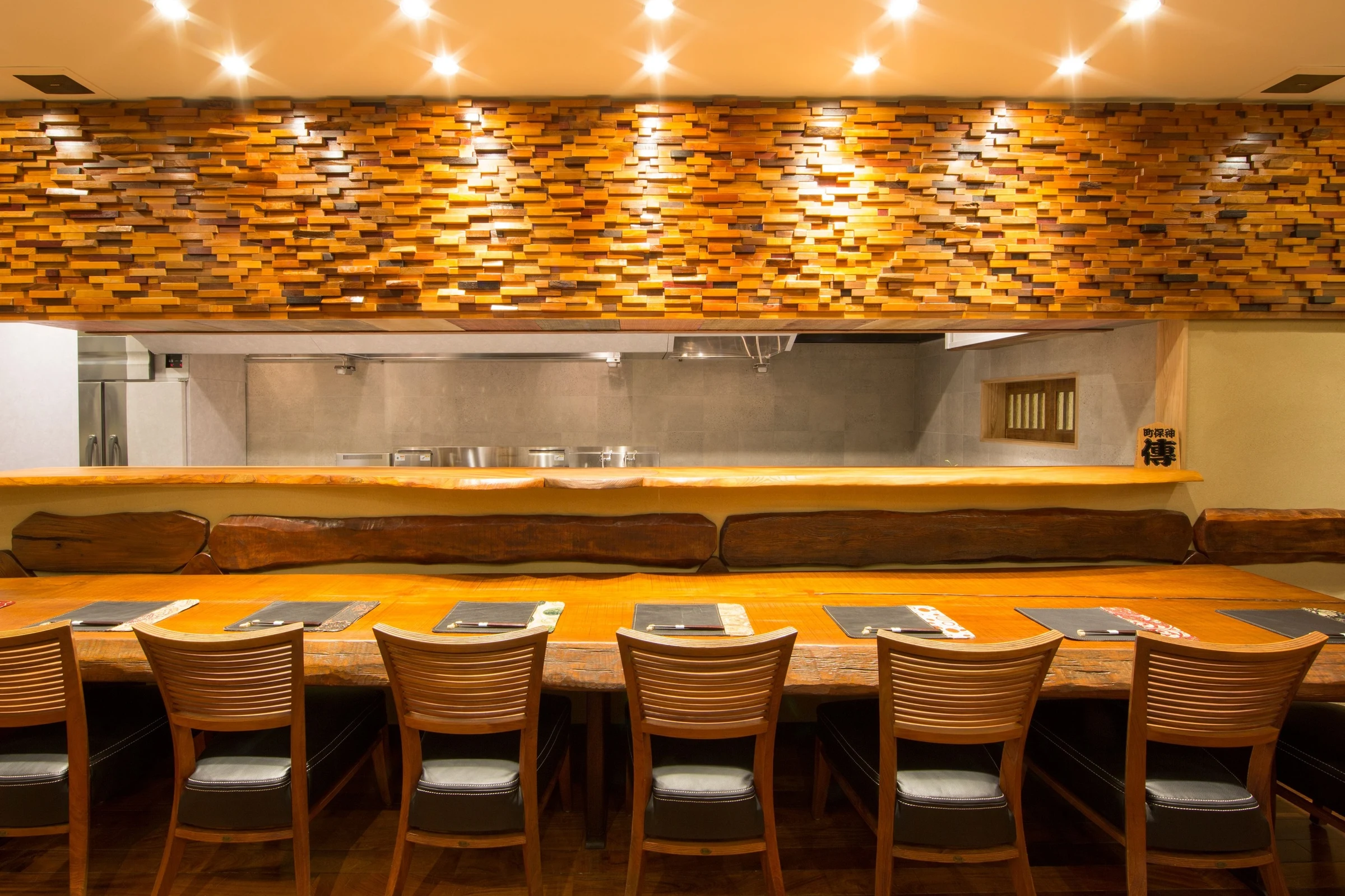
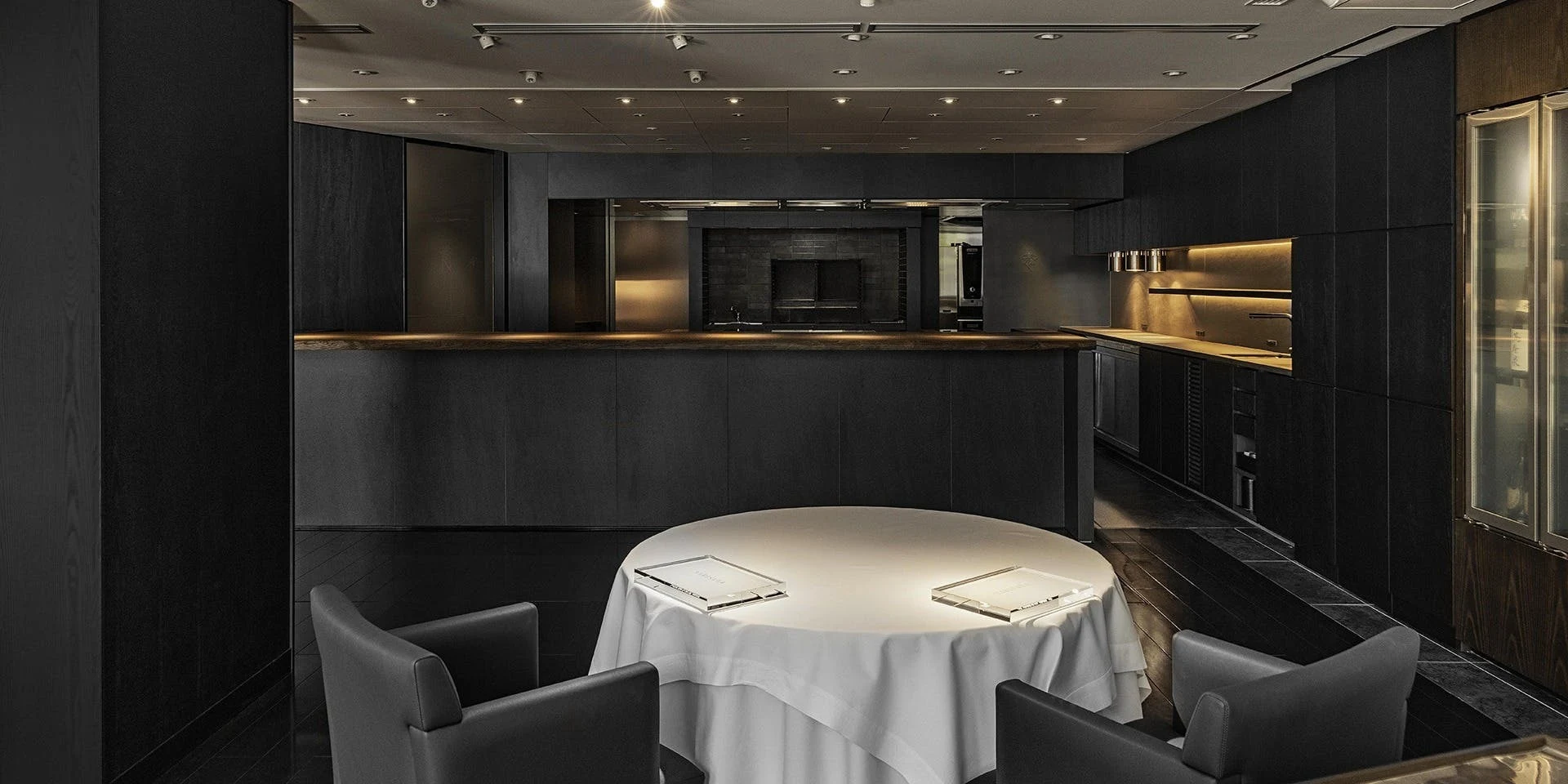
Descending into a basement yakiniku room changes the sensory register immediately. The smoke doesn't escape, it accumulates in a low, controlled way that scents the room from the first minute. The sound is intimate: the steady sizzle of fat hitting the grill, conversation kept close, the occasional exchange between the kitchen and the counter staff. This is eating as focused activity, not performance. The contrast with Tokyo's louder, larger beef houses is immediate and deliberate.
Yakiniku as a Precision Discipline
In Japanese grilling culture, the quality of a yakiniku restaurant is usually most visible in two places: the cut of the meat and the management of the grill. Low-end operations rely on the diner to do both. High-end ones manage both for you, the cuts arrive portioned and prepared with an understanding of how each piece should meet heat, and the grill is monitored closely enough that nothing overcooks. The gap between the two approaches isn't subtle when you've eaten at enough counters across the city.
Appearing on that list as a yakiniku specialist rather than a tasting-menu restaurant is a meaningful signal: the format is being judged on the same terms as the country's most technically demanding kitchens, and it's holding its position.
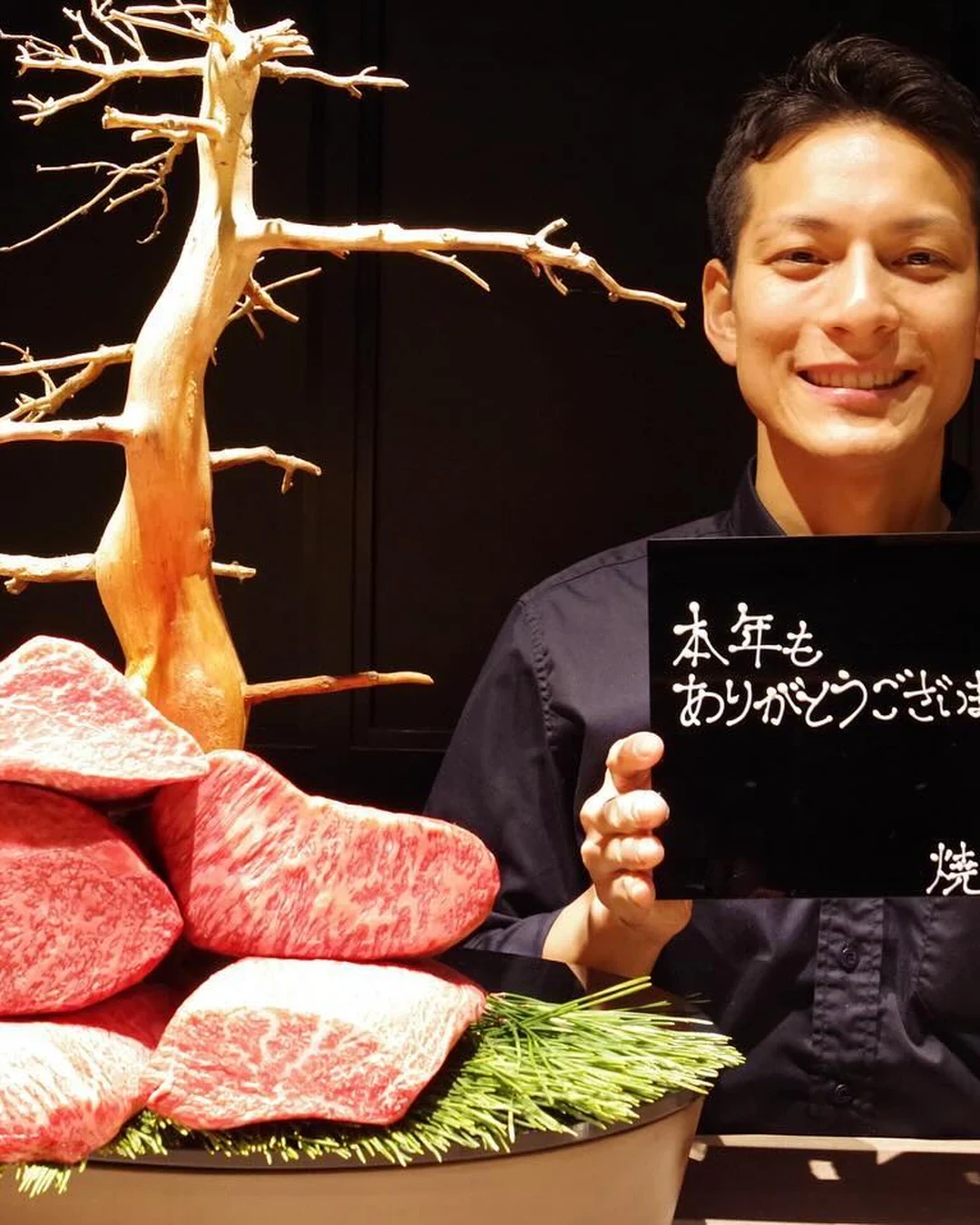
Chef Tatsuro Hirakubo's presence at this address gives the kitchen a defined point of view. In Tokyo's yakiniku upper tier, the chef's role is closer to a butcher-sommelier hybrid than a conventional cook, sourcing decisions, cut selection, and sequencing carry as much weight as technique at the grill. The result, in restaurants operating at this level, is a structured meal with an arc: lighter preparations first, richer cuts later, the kind of sequencing that separates a considered dinner from a simple grill session.
Where Ushimatsu Sits in the Nishiazabu Dining Conversation
Nishiazabu and the wider Minato-ku area contain some of the most concentrated fine dining in the city. Across different formats and price points, the neighbourhood draws a dining crowd that prioritises craft over spectacle. Ushimatsu's position here isn't accidental. Its comparable set in the area includes serious kitchens operating across multiple disciplines, and the yakiniku format, done at this level, holds its own in that company.
For a broader view of the neighbourhood's range, the Our full Tokyo restaurants guide maps the scene across price tiers and formats. Within the specific yakiniku category, Jumbo Hanare and Nikusho Horikoshi offer useful comparison points, each takes a slightly different position within Tokyo's premium beef dining tier. Kiraku-Tei and Kinryuzan round out the reference set for anyone mapping the city's grilled meat restaurants seriously.
If your Tokyo itinerary extends to other dining formats, the room's sensibility, controlled, ingredient-focused, low on theatrical distraction, is shared by strong kitchens in other genres. Cossott'e operates in a different register but with comparable attention to sourcing and format discipline.
Planning Your Visit: Logistics and Comparison
Booking a basement yakiniku counter at this level in Tokyo requires some advance planning. Reservations at restaurants ranked on the OAD Japan list typically fill several weeks ahead, particularly on weekends. The address is in the basement of LA·RES Nishiazabu on the 3-chome stretch, specific enough that it's worth confirming before arrival.
| Venue | Format | Booking Lead Time (est.) | OAD Japan 2025 | Google Rating |
|---|---|---|---|---|
| Ushimatsu | Yakiniku counter | Several weeks | #439 | 4.2 (428 reviews) |
| Jumbo Hanare | Yakiniku | Varies | Not listed | Not available |
| Nikusho Horikoshi | Yakiniku | Varies | Not listed | Not available |
| Kinryuzan | Yakiniku | Varies | Not listed | Not available |
Tokyo's premium yakiniku tier doesn't advertise itself aggressively, which is part of the point. If you're visiting from outside Japan, aligning Ushimatsu with a broader Minato-ku evening makes sense, the neighbourhood has enough to keep you occupied before and after.
For travellers building a Japan itinerary beyond Tokyo, the country's dining scene at this tier extends well beyond the capital. HAJIME in Osaka, Gion Sasaki in Kyoto, akordu in Nara, Goh in Fukuoka, 1000 in Yokohama, and 6 in Okinawa each represent their region's serious dining tier. And for those curious how the yakiniku format travels internationally, Gyu-Kaku Japanese BBQ in Los Angeles and Nikushou in Hong Kong show how the category adapts outside Japan, and why the original in a Nishiazabu basement remains the reference point.
Questions
Frequently asked
Who works at Ushimatsu?
Made By profiles Tatsuro Hirakubo (Chef) at Ushimatsu.
How expensive is Ushimatsu?
Ushimatsu is listed at a price level of $$$$.
Where is Ushimatsu and what does it serve?
Ushimatsu is in Minato, Tokyo, serving Premium Yakiniku - Matsusaka & Tajima Beef.
The field
How it compares
| Place | Cuisine | Notes | Awards |
|---|---|---|---|
| Ushimatsu | Premium Yakiniku - Matsusaka & Tajima Beef | Minato, $$$$ | · |
| Den | Modern Japanese Kaiseki | Tokyo | Michelin 2 Stars, World's 50 Best |
| Florilège | Modern French-Japanese Plant-Based Fine Dining | Tokyo | Michelin 2 Stars, World's 50 Best |
| Narisawa | Modern Japanese Satoyama Fine Dining | Tokyo | Michelin 2 Stars, World's 50 Best |
| Quintessence | Modern French Fine Dining | Tokyo | Michelin 3 Stars |
| Sazenka | Modern Chinese Fine Dining | Tokyo | Michelin 3 Stars, World's 50 Best |
| Sézanne | Modern French Fine Dining | Tokyo | Michelin 3 Stars, World's 50 Best |
In residence
Similar places
Modern Japanese Kaiseki
Den
Tokyo, Japan
★★ · 50 Best
Modern French-Japanese Plant-Based Fine Dining
Florilège
Tokyo, Japan
★★ · 50 Best
Modern Japanese Satoyama Fine Dining
Narisawa
Tokyo, Japan
★★ · 50 Best
Modern French Fine Dining
Quintessence
Tokyo, Japan
★★★
Modern Chinese Fine Dining
Sazenka
Tokyo, Japan
★★★ · 50 Best
Modern French Fine Dining
Sézanne
Tokyo, Japan
★★★ · 50 Best