Where the Valle de Guadalupe Earns Its Reputation
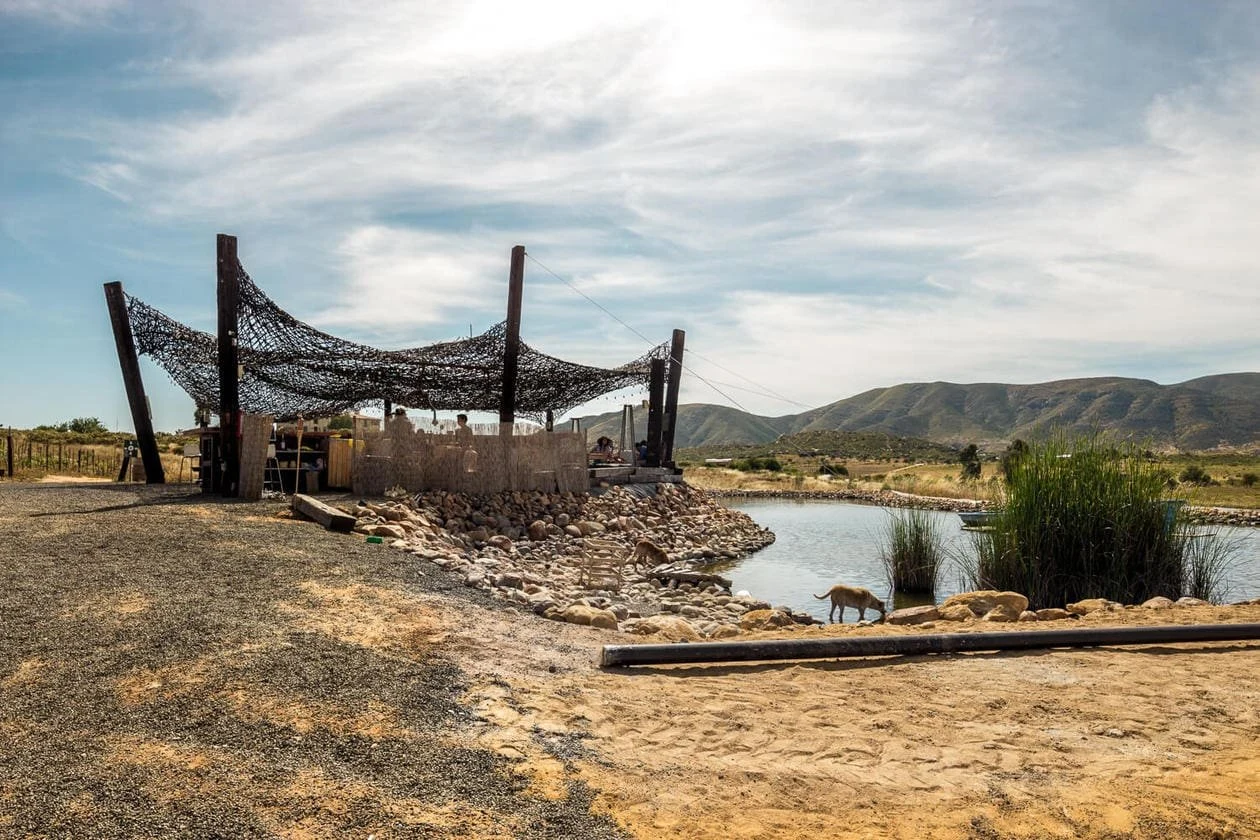
Vena Cava is a winery in Ensenada, Baja California, Mexico, producing Valle de Guadalupe wines at Rancho San Marcos in Ejido Francisco Zarco. The valley floor, running roughly northeast from the port city, holds a concentration of producers whose output now appears on wine lists in Mexico City, Los Angeles, and beyond. Vena Cava sits within this corridor, at Rancho San Marcos in Ejido Francisco Zarco, the agricultural zone that anchors the Valle's most serious winemaking activity. Arriving here, through a range of dry hills and vineyard rows, clarifies why the Valle attracts the kind of attention it does: the terroir is genuinely distinctive, and the producers operating within it have, in many cases, made deliberate choices about how to express it.
The Valle's Winemaking Argument
Baja California's wine country occupies an unusual position in the broader Mexican drinks narrative. Mexico's most prominent premium alcohol exports remain agave-based, from the highland Jalisco operations associated with producers like Jose Cuervo (La Rojeña) in Tequila, La Primavera (Don Julio) in Atotonilco El Alto, and Casa Herradura (Hacienda San José del Refugio) in Amatitán, to the mezcal producers working out of Oaxacan villages such as Los Danzantes in Santiago Matatlán, Don Amado (Arellanes family) in Santa Catarina Minas, and cooperative operations like Banhez (UPADEC cooperative) in San Miguel Ejutla. The wine corridor of Baja California makes a different argument entirely: that Mediterranean-climate viticulture, at altitude and within reach of Pacific coastal influence, can produce bottles that sit alongside imports at serious price points.
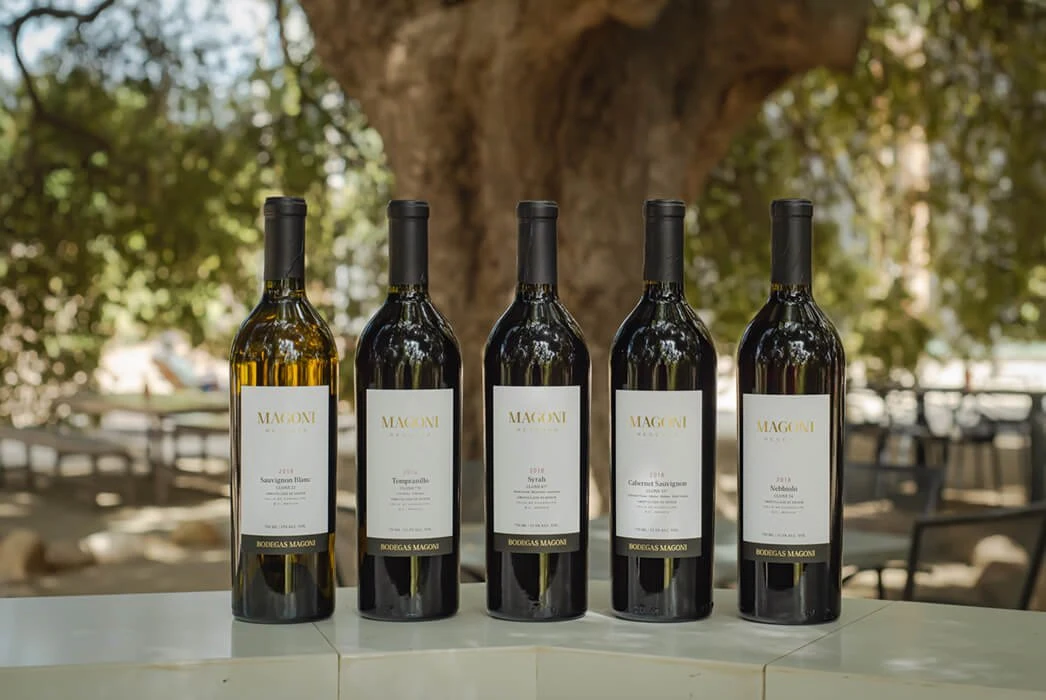
The Valle de Guadalupe is where that argument is made most forcefully, and Ejido Francisco Zarco is its agricultural core. Producers working from this zone, including neighbours like Bodegas Magoni, have spent years building the technical and reputational infrastructure that makes the region credible internationally. Within this context, a winery at Rancho San Marcos is positioned in the most recognisable part of the appellation, which brings both visibility and expectation.
The Approach That Defines Vena Cava
Winemaking philosophy in the Valle de Guadalupe has split along a recognisable fault line. On one side sit producers who prioritise volume, accessibility, and the agritourism trade, the on-site restaurants, the weekend tasting crowds bussed in from Ensenada. On the other sit producers who treat the valley as a serious winemaking zone and calibrate everything accordingly: lower yields, attention to site expression, restraint in new oak. Vena Cava operates from a position that takes the terroir seriously, and the Rancho San Marcos address is not incidental. The ranch setting, removed from the main road infrastructure that draws casual visitors, signals an approach oriented toward the wine itself rather than the experience economy around it.
The Valle's leading producers have generally succeeded by resisting the pull toward homogeneity. Where other New World regions chased international scores with heavily extracted, oak-forward wines, the Valle's most credible names moved toward brightness, freshness, and varieties that suit the region's warm days and cool nights. Grenache, Tempranillo, and Nebbiolo have all demonstrated meaningful potential here; the white wines, particularly from Chardonnay and aromatic varieties, benefit from the Pacific-moderated diurnal range that prevents the overripeness that has historically made warm-climate whites hard to take seriously. A winery operating in this environment, with acreage that connects directly to the valley floor, is working with raw material that rewards careful handling.
Ensenada as a Base and the Broader Planning Picture
Vena Cava's address at Ejido Francisco Zarco places it squarely within the Valle de Guadalupe's main production zone, which sits roughly 20 kilometres northeast of Ensenada by road. Ensenada itself functions as the practical base for most Valle visitors: the port city has its own food and drink culture, a functioning overnight infrastructure, and the transport links, including the Tijuana–Ensenada highway, that make the Valle accessible from San Diego and beyond. For visitors travelling from the US side of the border, the crossing at San Ysidro or Otay Mesa connects to a drive of under two hours to the Valle in normal traffic conditions.
Where Vena Cava Sits in a Wider Mexican Premium Context
The ambition that defines the Valle de Guadalupe's serious producers has a rough parallel in how premium Mexican spirits operations have approached their own craft questions. Distillers at facilities like Cazadores Distillery in Arandas, El Pandillo (G4) in Jesús María, Hacienda Corralejo in Pénjamo, El Rey de Matatlán in Tlacolula de Matamoros, and Casa Cortés – La Soledad Palenque in La Compañía (Ejutla) have each carved out positions within their respective categories by making deliberate decisions about process, sourcing, and scale. The Valle's wine producers face a comparable set of choices, and Vena Cava's positioning at a working ranch rather than a purpose-built tourist facility reflects the same instinct: that production integrity and place specificity matter more than throughput.
For reference from a very different wine tradition, the attention to site expression and restraint that characterises the Valle's better producers finds a structural analogue in how producers like Accendo Cellars in St. Helena have built credibility in Napa, or how a single-village operation like Aberlour maintains identity through geography rather than marketing. The underlying logic, that where something is made, and how carefully, defines what it can become, applies across categories.
Planning a Visit
Vena Cava is located at Rancho San Marcos, Toros Pintos sn, Ejido Francisco Zarco, Valle de Guadalupe, Ensenada, Baja California, Mexico (postal code 22750). Visitors should confirm visit formats, availability, and reservation requirements directly with the winery before travel, as the Valle's producers operate varying tasting room and tour formats that may require advance booking, particularly during the July–October harvest season. Ensenada provides the most practical overnight base, with onward road access to the Valle.
Questions
Frequently asked
Who works at Vena Cava?
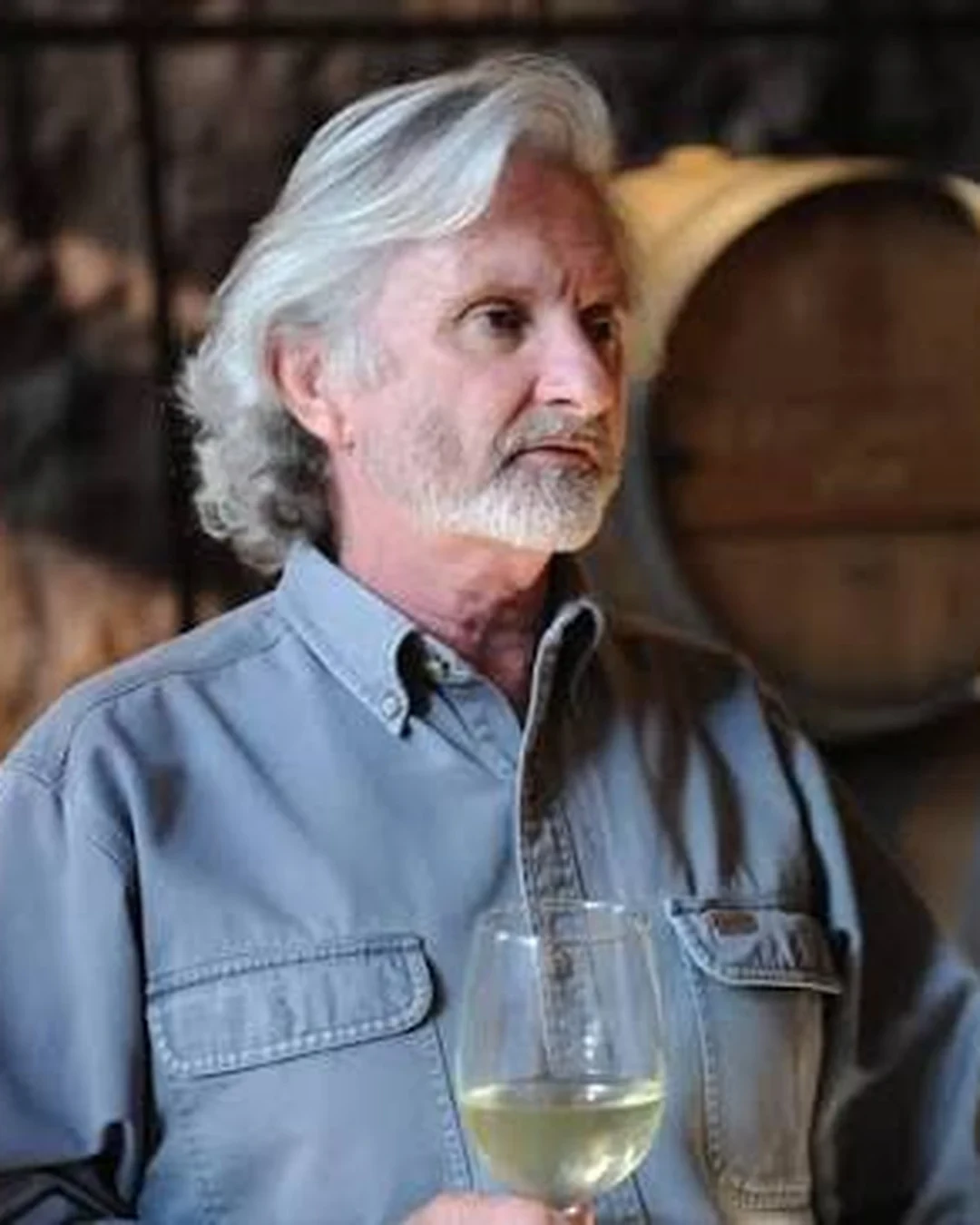
Made By profiles Phil Gregory (Winemaker) at Vena Cava.
How expensive is Vena Cava?
Vena Cava is listed at a price level of $$.
The field
How it compares
| Place | Notes | Awards |
|---|---|---|
| Vena Cava | Valle de Guadalupe, $$ | · |
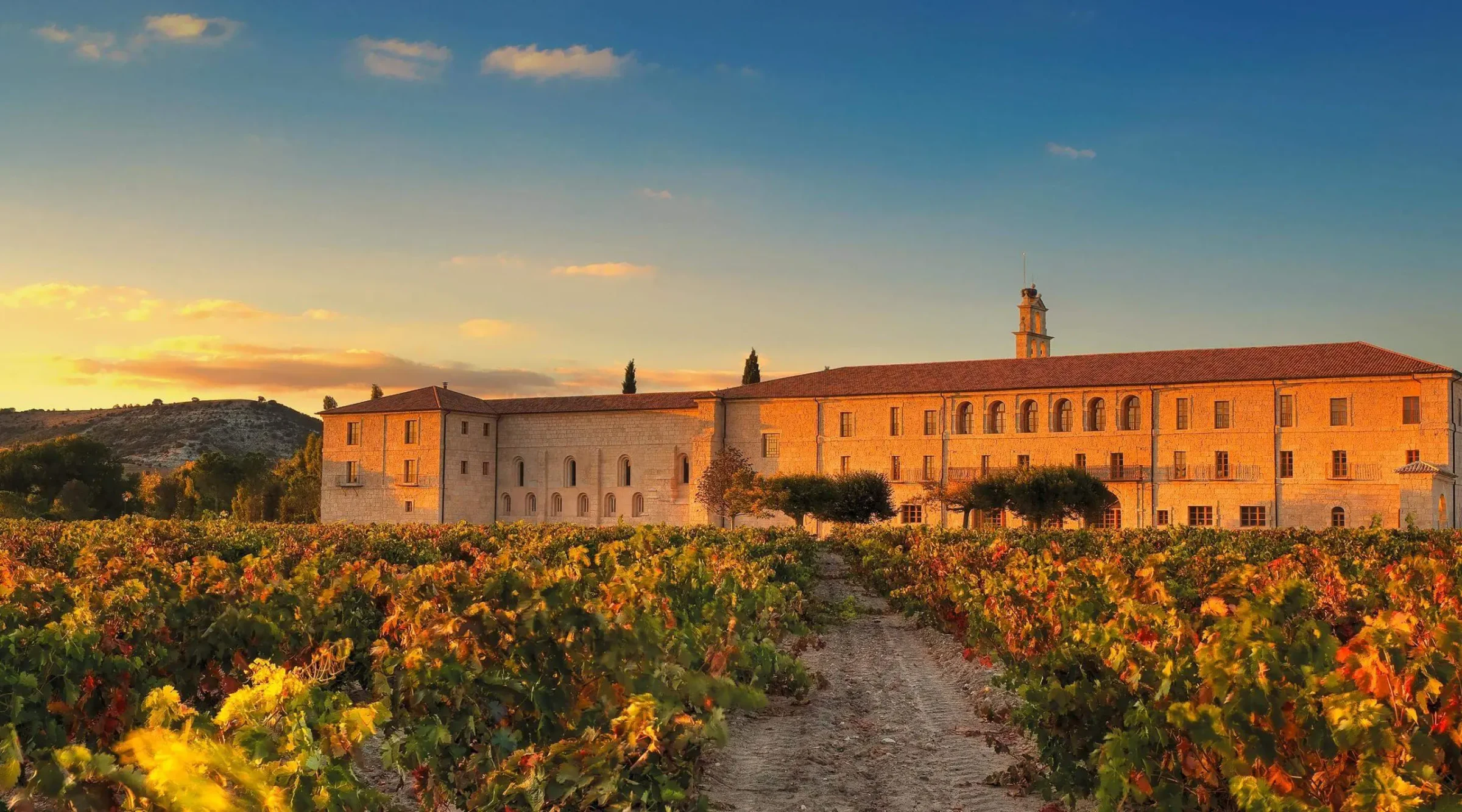
| Abadía Retuerta | Sardón de Duero | World's 50 Best |
| Ardbeg | Port Ellen | · |
| Bodegas Magoni | Ensenada | · |
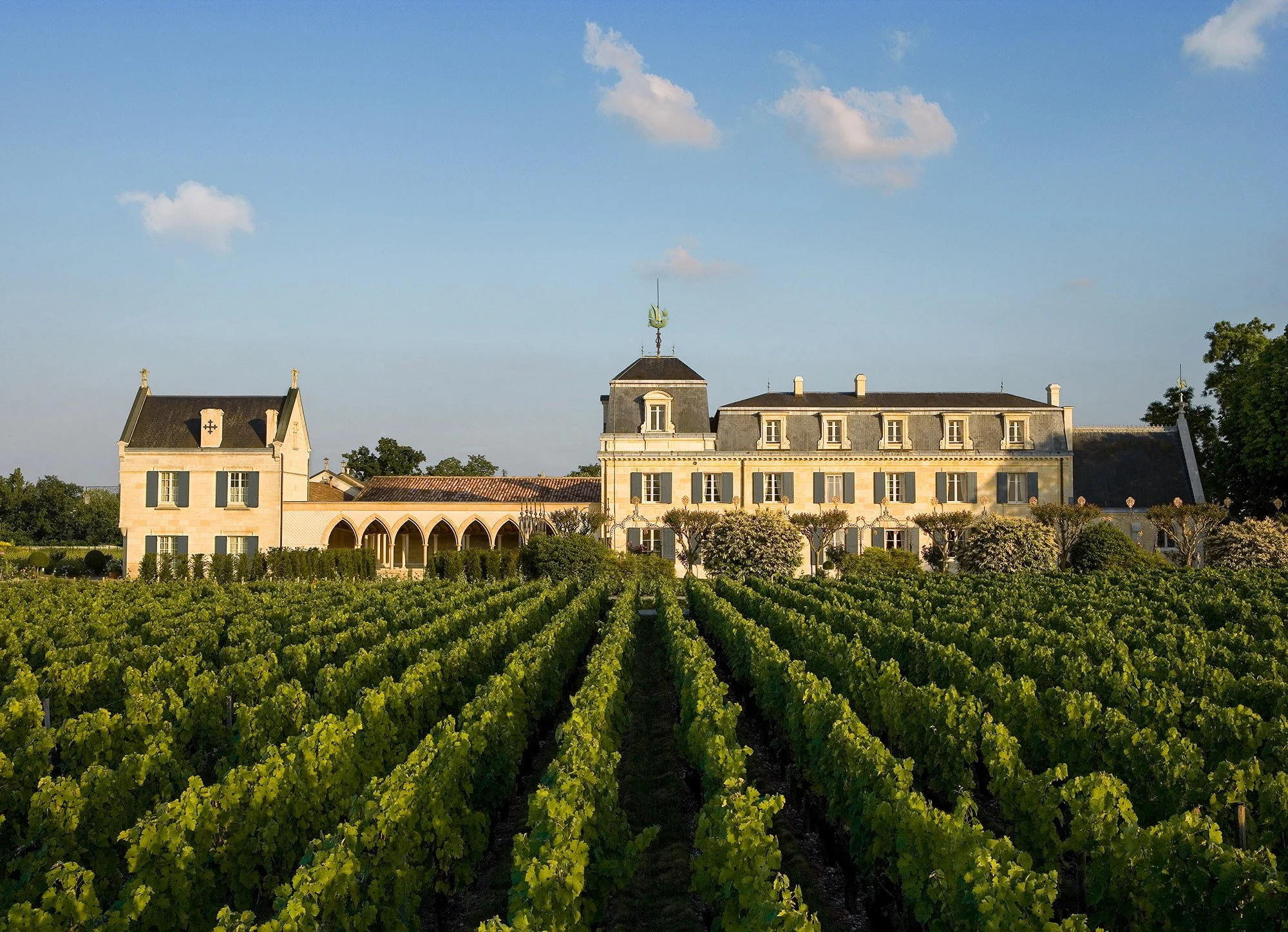
| Domaine Clarence Dillon | Pessac | · |
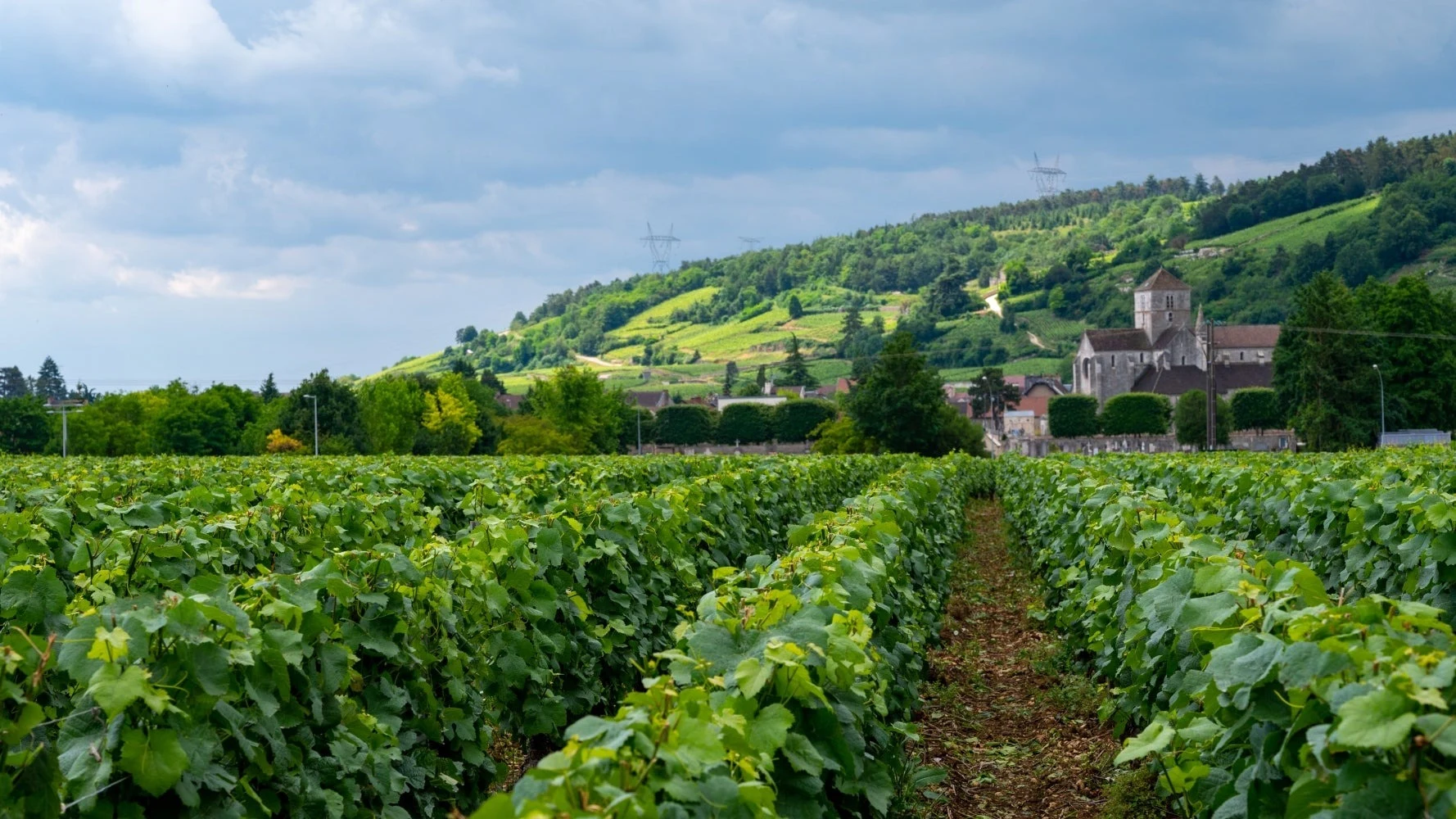
| Domaine Comte Georges de Vogüé | Chambolle-Musigny | · |
| L.A. Cetto | Ensenada | · |