Made ByRestaurant
Verbene
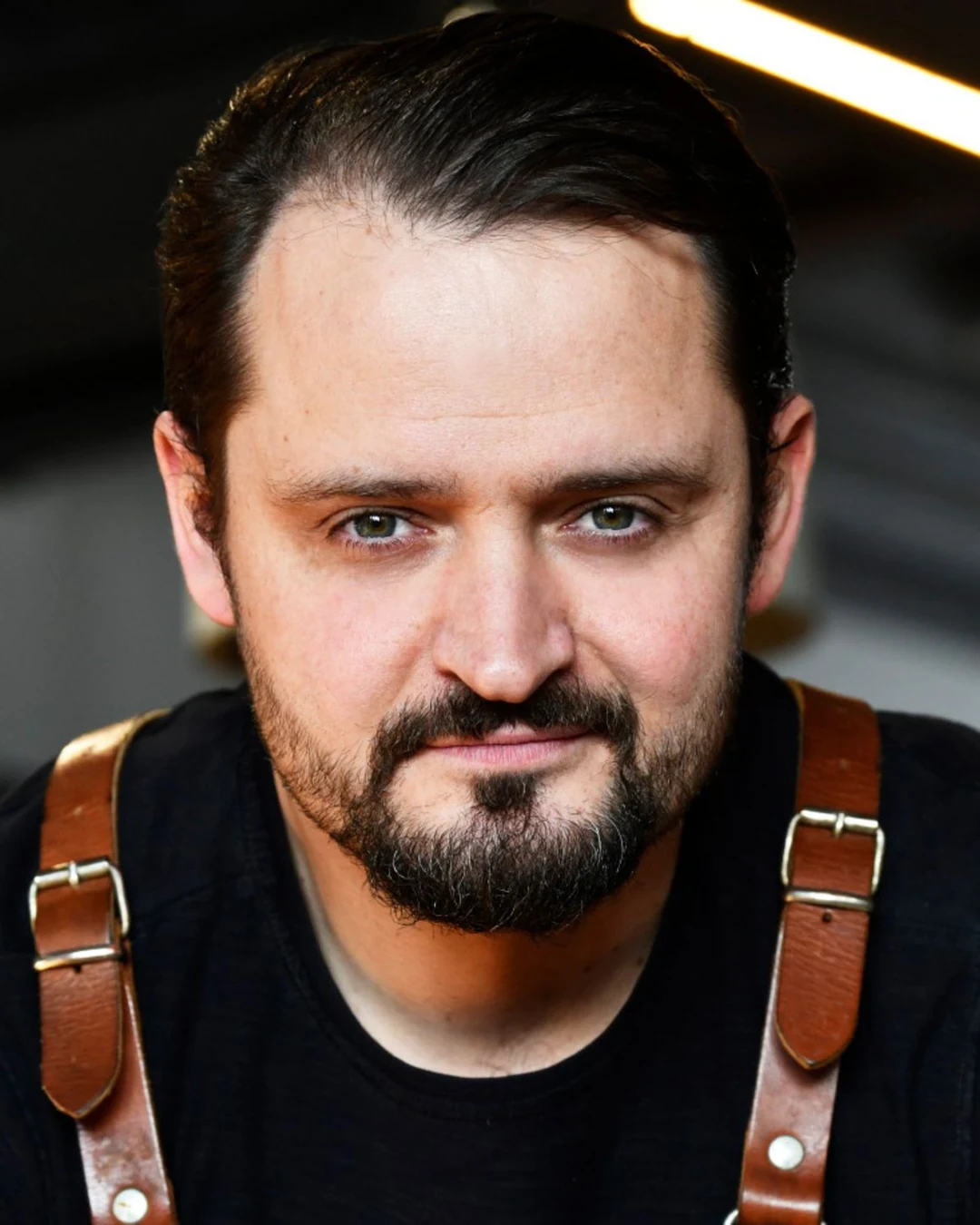
Chef in Residence
Alexander Wulf
Chef
- 01CuisineModern European Fusion Bistro
- 02CityKoblenz, Germany
- 03RecognitionOne Michelin Star
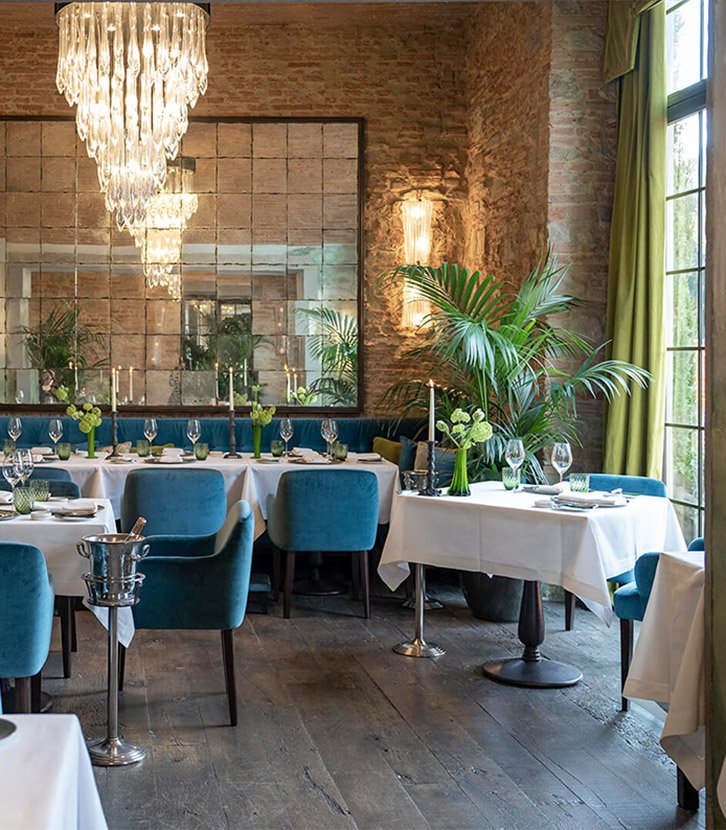
Verbene holds a Michelin star in Koblenz's Altstadt, operating from Florinspfaffengasse with a monthly-changing menu that also runs as a complete plant-based version. The kitchen treats vegetables as a structural element across both formats, earning recognition in the We're Smart Green Guide alongside its Michelin credentials. For a city of Koblenz's size, it occupies a tier of its own among fine-dining options.
- 1 Michelin Star
At a glance
- Cuisine
- Modern European Fusion Bistro
- Price
- $$$
- Per person
- $40
- Hours
- Mon: Closed; Tue: Closed; Wed: 6–11:30 PM; Thu: 6–11:30 PM; Fri: 6:30–11:30 PM; Sat: 6:30–11:30 PM; Sun: Closed
- Neighborhood
- Old Town
- Rating
- 4.8 (243)
<p>Verbene is a one-star Michelin restaurant in Koblenz, Germany, serving modern European fusion bistro cuisine at about $40 per person. Florinspfaffengasse is one of those Altstadt lanes that narrows before it opens, the old stonework keeping the light low until you're almost at the door. The street address places Verbene within the historic core of Koblenz, a city where the Rhine and Moselle meet and where the dining scene has historically leaned on riverfront brasseries and traditional German cooking. What the room at Verbene signals, from the moment service begins, is that this is a different register entirely: a considered, unhurried format where the pacing of the meal is as deliberate as the sourcing behind it.</p><h2>The Ritual of the Menu</h2><p>German fine dining has long struggled with a tension between technical ambition and regional identity. The kitchens that resolve it most convincingly tend to do so through seasonal discipline rather than through importing foreign frameworks wholesale. Verbene's approach sits inside that tradition: the menu changes monthly, which is a structural commitment that separates it from tasting-menu formats locked into a single seasonal edition. Monthly cycling means the kitchen responds to what's at peak rather than what fits a narrative arc planned six months prior.</p><p>What makes the format more complex is the parallel plant-based menu, available in full alongside the standard progression. This isn't a vegetarian option bolted on as an accommodation; the recognition in the We're Smart Green Guide confirms that vegetables function as primary material across both versions. Inclusion signals that the plant-based menu is architecturally equivalent, not a simplified derivative. Across the rest of Germany's one-star tier, venues recognised by both Michelin and We're Smart Green represent a narrow cohort.</p><p>The pacing at this level of cooking follows a particular logic. Courses arrive with intervals calibrated to conversation rather than turnover. The team's consistency in style suggests a kitchen that doesn't treat the floor as secondary to the pass. In a restaurant operating at this price point, the quality of the welcome sets the conditions under which every subsequent course is received.</p><h2>What the Michelin Star Says About Koblenz</h2><p>Koblenz is not a city that typically appears in the same sentence as Germany's fine-dining centres. Düsseldorf, Munich, Hamburg, and Berlin absorb most of the attention, and the Rhineland-Palatinate region is more commonly associated with wine tourism along the Moselle than with destination restaurants. That context matters when reading Verbene's Michelin star. The recognition signals consistency across kitchen personnel and menu cycles.</p><p>For the Rhineland-Palatinate more broadly, the Michelin ecosystem runs from Verbene's one-star position up through the two- and three-star tier represented by kitchens like <a href="https://www.enprimeurclub.com/restaurants/schanz-piesport-restaurant">Schanz in Piesport</a>, which operates in the Moselle wine country. Further up the national hierarchy sit <a href="https://www.enprimeurclub.com/restaurants/vendome-bergisch-gladbach-restaurant">Vendôme in Bergisch Gladbach</a> and <a href="https://www.enprimeurclub.com/restaurants/schwarzwaldstube-baiersbronn-restaurant">Schwarzwaldstube in Baiersbronn</a>, both three-star houses that define the upper limit of what German fine dining produces. <a href="https://www.enprimeurclub.com/restaurants/aqua-wolfsburg-restaurant">Aqua in Wolfsburg</a> and <a href="https://www.enprimeurclub.com/restaurants/restaurant-haerlin-hamburg-restaurant">Restaurant Haerlin in Hamburg</a> occupy the same refined stratum. Verbene at one star represents a genuine entry into that national conversation from a city not previously part of it.</p><p>Internationally, the modern European fine-dining format that Verbene represents connects to a broader tradition of Nordic-influenced precision cooking, a tradition articulated at its highest register by <a href="https://www.enprimeurclub.com/restaurants/frantzen-stockholm-restaurant">Frantzén in Stockholm</a> and extended into the Gulf market through <a href="https://www.enprimeurclub.com/restaurants/fzn-by-bjorn-frantzen-dubai-restaurant">FZN by Björn Frantzén in Dubai</a>. Verbene doesn't claim that lineage, but the formal dining ritual, the vegetable-forward thinking, and the monthly menu discipline all operate within a European idiom that those kitchens have helped define. <a href="https://www.enprimeurclub.com/restaurants/essenz-grassau-restaurant">ES:SENZ in Grassau</a> provides another data point in Germany's dispersed one-star geography, where strong kitchens are emerging in cities and towns outside the traditional urban centres.</p><h2>Koblenz's Dining Tier</h2><p>Within Koblenz itself, the fine-dining tier is small. At the €€€€ price level, Verbene shares the bracket with <a href="https://www.enprimeurclub.com/restaurants/gotthardts-by-yannick-noack-koblenz-restaurant">Gotthardt's by Yannick Noack</a>, which operates in modern cuisine, and <a href="https://www.enprimeurclub.com/restaurants/schillers-manufaktur-koblenz-restaurant">Schiller's Manufaktur</a>, which works in classic cuisine. <a href="https://www.enprimeurclub.com/restaurants/landgang-koblenz-restaurant">Landgang</a>, positioned at €€€ with a French orientation, represents the next tier down. The distinction between Verbene and its local peers isn't only price; the Michelin recognition places it in a different competitive conversation altogether, one that runs nationally rather than locally.</p><p>A Google review score of 4.8 across 224 ratings is operationally meaningful at this price point. High-end restaurants attract self-selecting clientele who arrive with exacting expectations and are therefore more demanding reviewers. Sustaining a 4.8 across a sample of that size indicates consistent execution rather than occasional brilliance.</p><h2>Planning the Visit</h2><p>Verbene sits at Florinspfaffengasse 7 in Koblenz's 56068 postcode, within the Altstadt. The monthly menu cycle means the experience changes substantially depending on when you visit; booking in advance and checking the current menu rotation would be the practical approach for anyone building a specific experience around the visit. The price range at €€€€ places this in the bracket where a full dinner with wine pairing will represent a significant outlay, consistent with what one-star kitchens charge across Germany's mid-tier cities.</p><p>The proximity to the Moselle makes wine pairing decisions here particularly interesting; the region's Riesling producers operate at price points and quality levels that complement fine-dining kitchens working at this register.</p><h2>The Craft Behind the Presentation</h2><p>Each dish functions as a visual composition, with colour playing a deliberate role in how the plate reads before it's tasted. In vegetable-forward cooking, this is a meaningful technical detail: the colour range of plant ingredients is broader than protein-centred plates, and using it requires both sourcing discipline and a kitchen that understands how cooking methods affect pigmentation. That the observation was made across both the standard and plant-based menus suggests it's a kitchen-wide approach rather than a single cook's habit.</p><p>Chefs Marcel Kokot and Alexander Wulf lead the kitchen. The kitchen's collective execution aligns with how the most consistent fine-dining operations tend to function: as systems rather than as vehicles for individual expression. At a monthly menu cycle, the kitchen has to be structured to execute new material reliably rather than rely on dishes that have been refined through years of repetition.</p><p>For a restaurant in a mid-sized German city, the combination of consecutive Michelin recognition, dual-menu architecture with verified vegetable-forward credentials, strong audience ratings, and a front-of-house culture specific enough to receive named recognition positions Verbene as a serious option in Germany's fine-dining conversation, not just Koblenz's.</p>
Know before you go
- Dress code
- smart_casual
- Reservations
- recommended
- Parking
- street
- Outdoor seating
- Yes
- Children
- Welcomed
Frequently asked
What does dinner at Verbene typically cost?
Pricing at Verbene is listed as €€€€.
What part of town is Verbene in?
Verbene is located at Florinspfaffengasse 7, 56068 Koblenz, Germany, Koblenz.
What kind of recognition has Verbene received?
Verbene has received recognition including: Restaurant Verbene presents a refined take on German cuisine, with a menu that changes monthly and is also available in a pure plant version. Chef David Weigang and his team turn each dish into a work of art, where the colors really pop. Ve….
What's the signature dish at Verbene?
Verbene's menu rotates monthly, so no single dish holds a fixed signature across visits. The kitchen's consistent through-line is its visual approach to plating, noted in the We're Smart Green Guide assessment, and a commitment to vegetables that runs through both the standard and pure plant versions of the menu. Returning guests tend to track the seasonal progression rather than chase a single reference dish.
Is Verbene chef-led?
The chef associated with Verbene is Marcel Kokot, Alexander Wulf.
Address
Florinspfaffengasse 7, 56068 Koblenz, Germany
Old Town
How it compares
- Notes
- Old Town, Modern European Fusion Bistro
- Price
- $$$
- Notes
- Classic French Fine Dining with Vegetarian Innovations
- Price
- $$$$
- Notes
- Modern Regional German Fine Dining
- Price
- $$$
- Notes
- Mosel Riverside, Modern French-German Fine Dining
- Price
- $$$$
- Notes
- An der Fähre, French-Mediterranean with regional influences
- Price
- $$$
- Notes
- Görresplatz, German Bistro
- Price
- $$$
In residence
Similar places
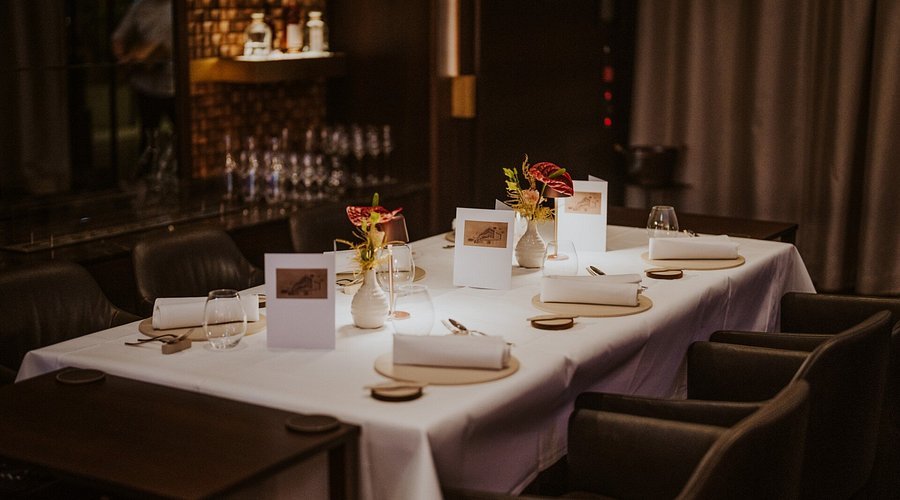
Modern French-German Fine Dining
Gotthardt's by Yannick Noack
Koblenz, Germany
★★
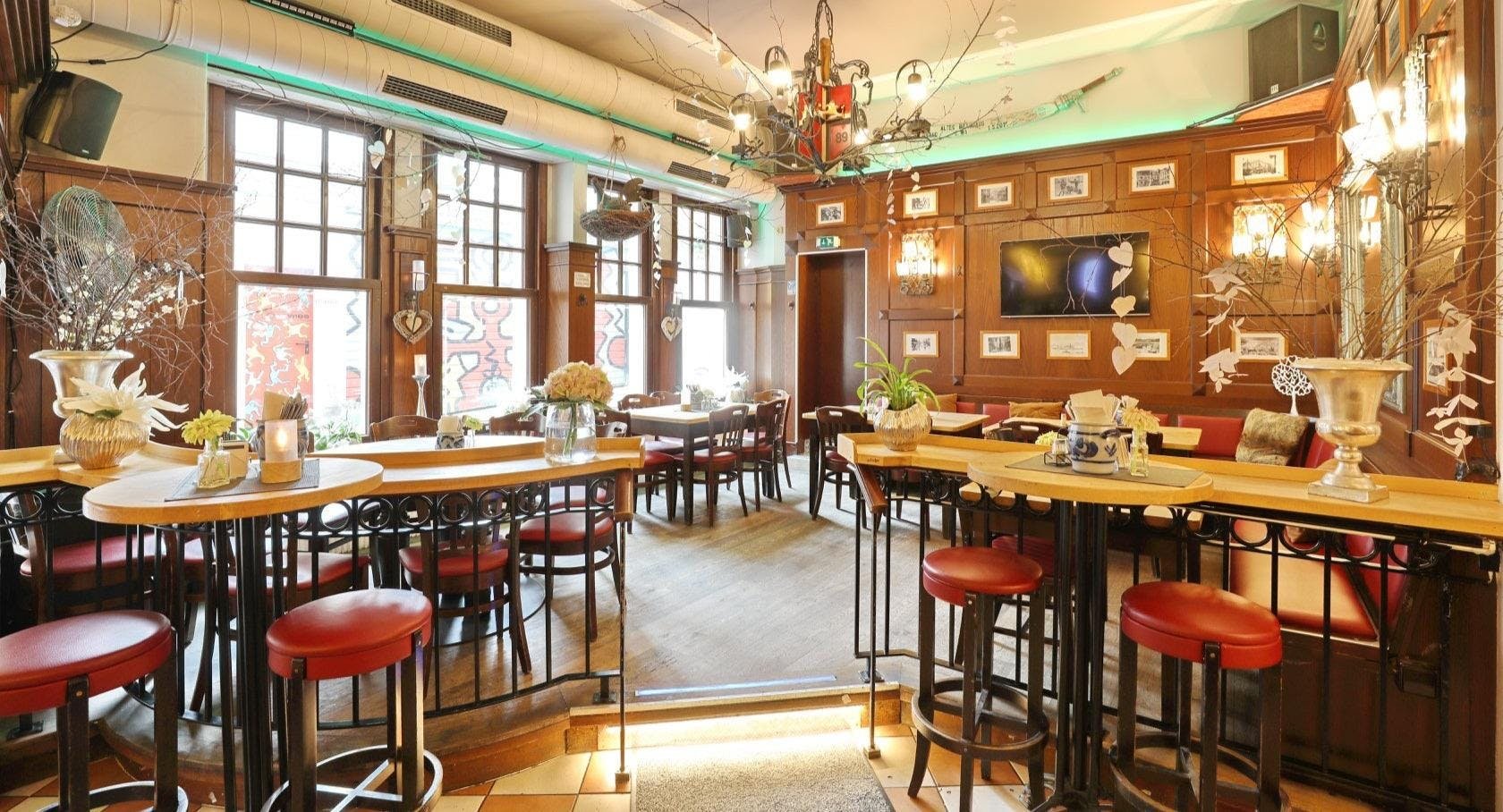
Classic French Fine Dining with Vegetarian Innovations
Schiller's Manufaktur
Koblenz, Germany
★
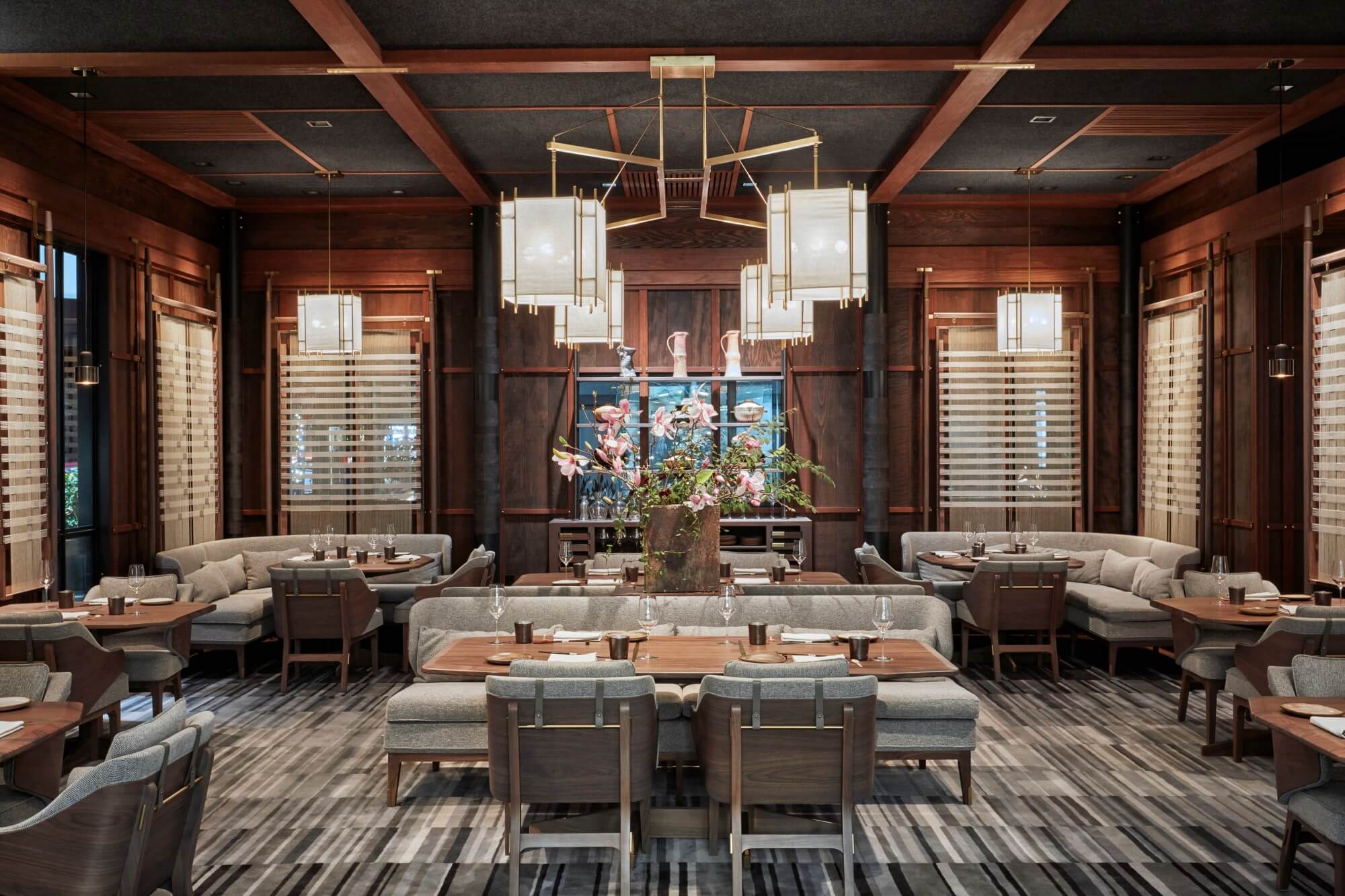
Japanese-influenced Californian Kaiseki
Single Thread Farm
Healdsburg, United States
★★★ · 50 Best
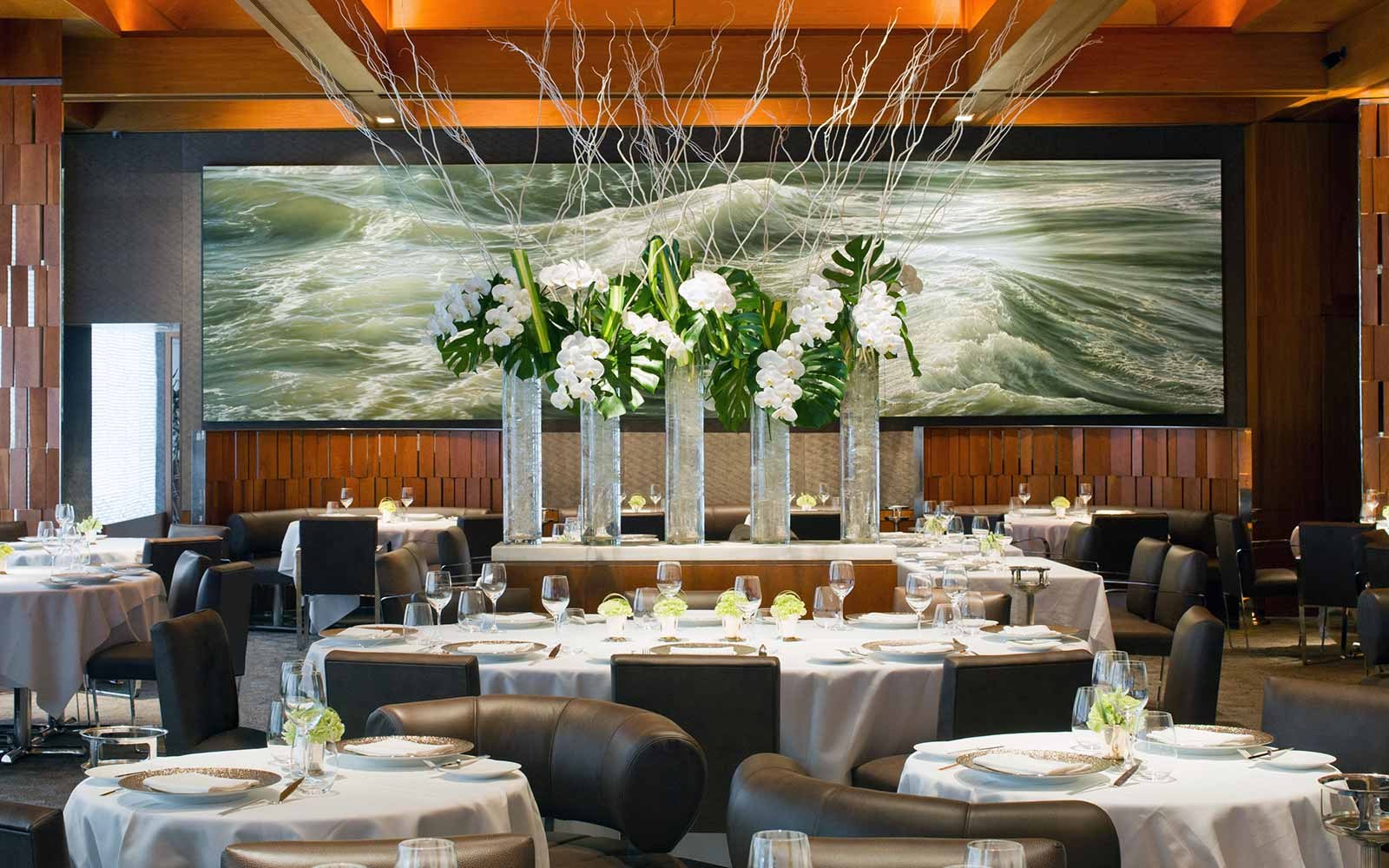
French Seafood Fine Dining
Le Bernardin
New York City, United States
★★★ · 50 Best
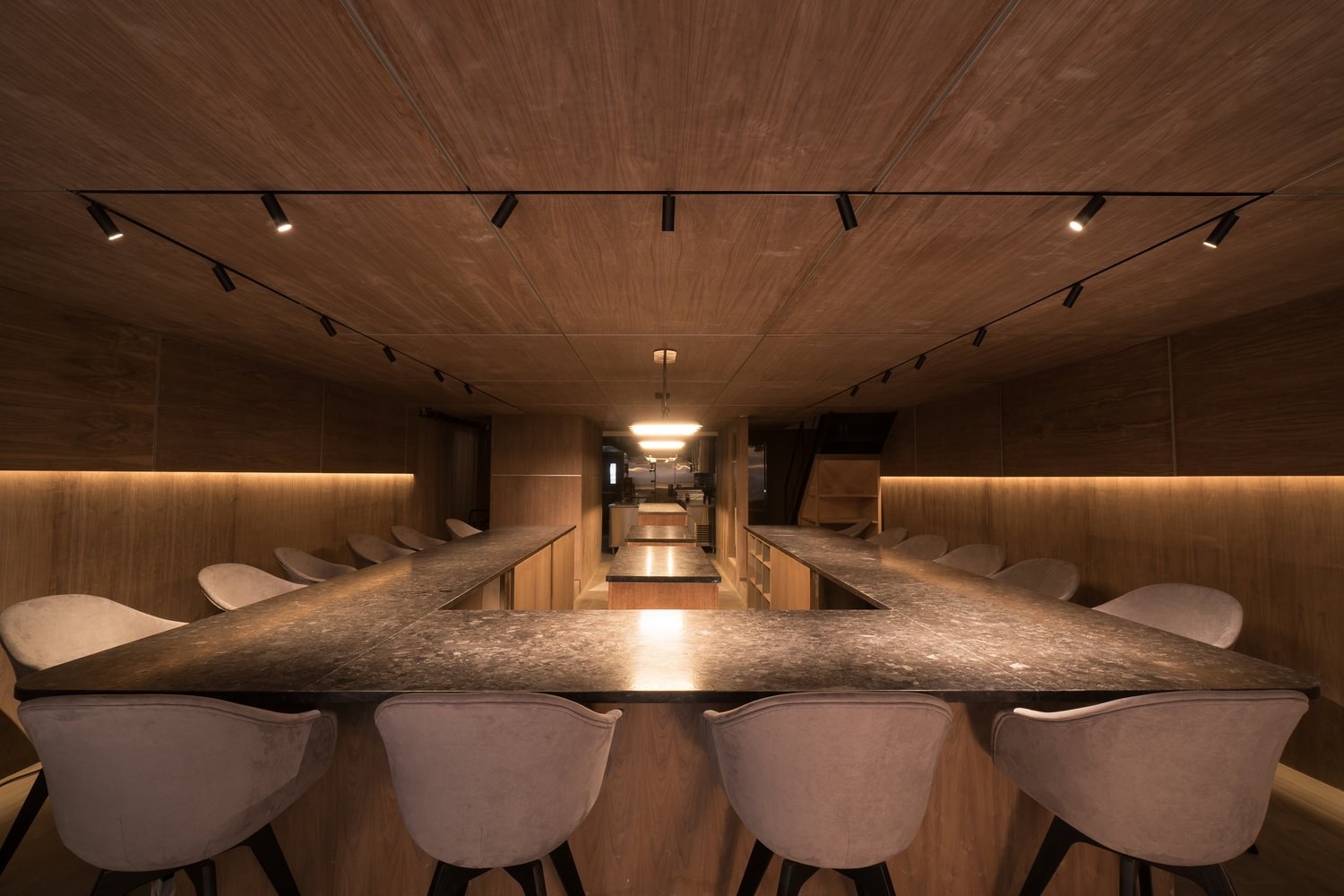
Modern Korean Tasting Menu
Atomix
New York City, United States
★★ · 50 Best
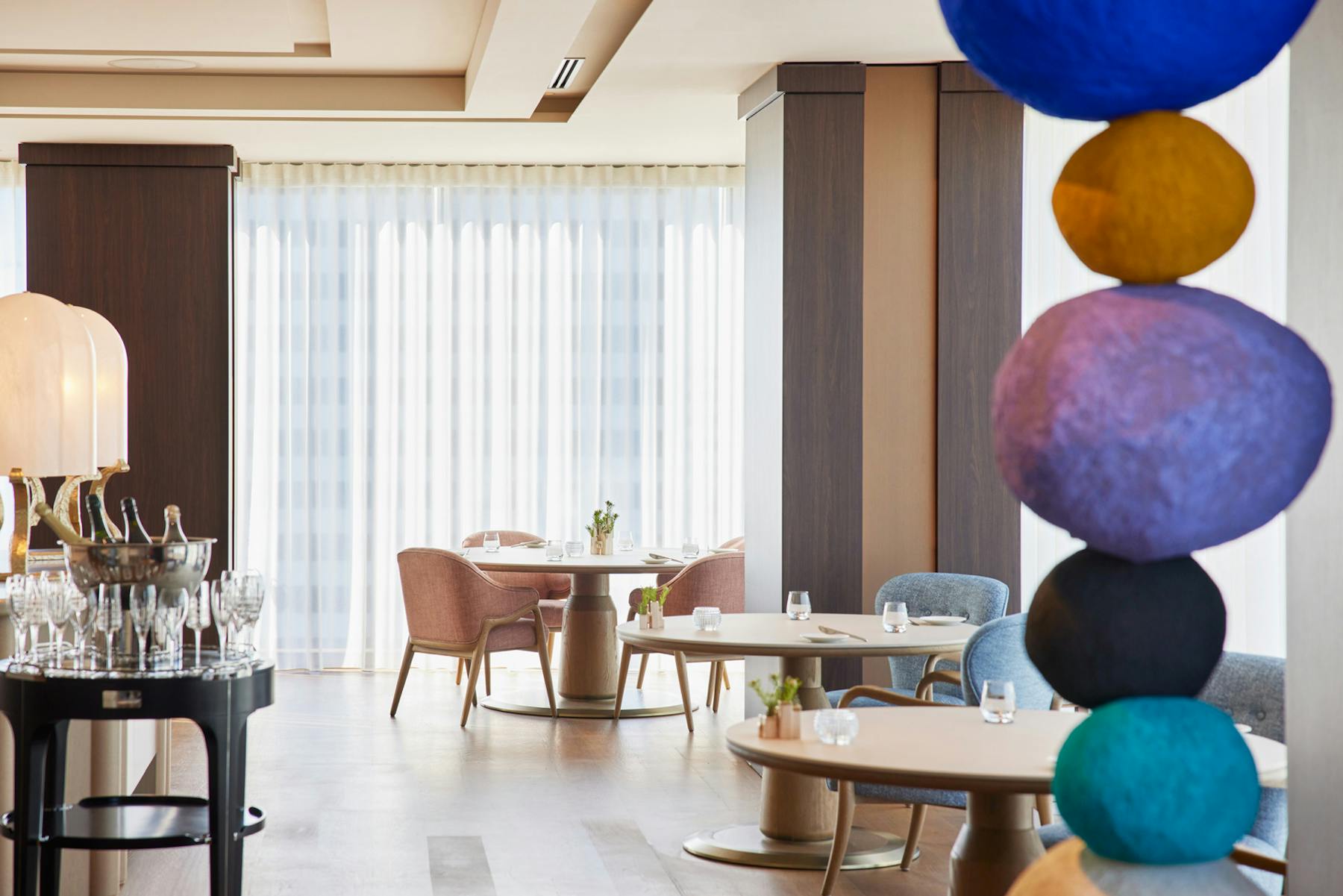
French
Sézanne
Tokyo, Japan
★★★ · 50 Best